
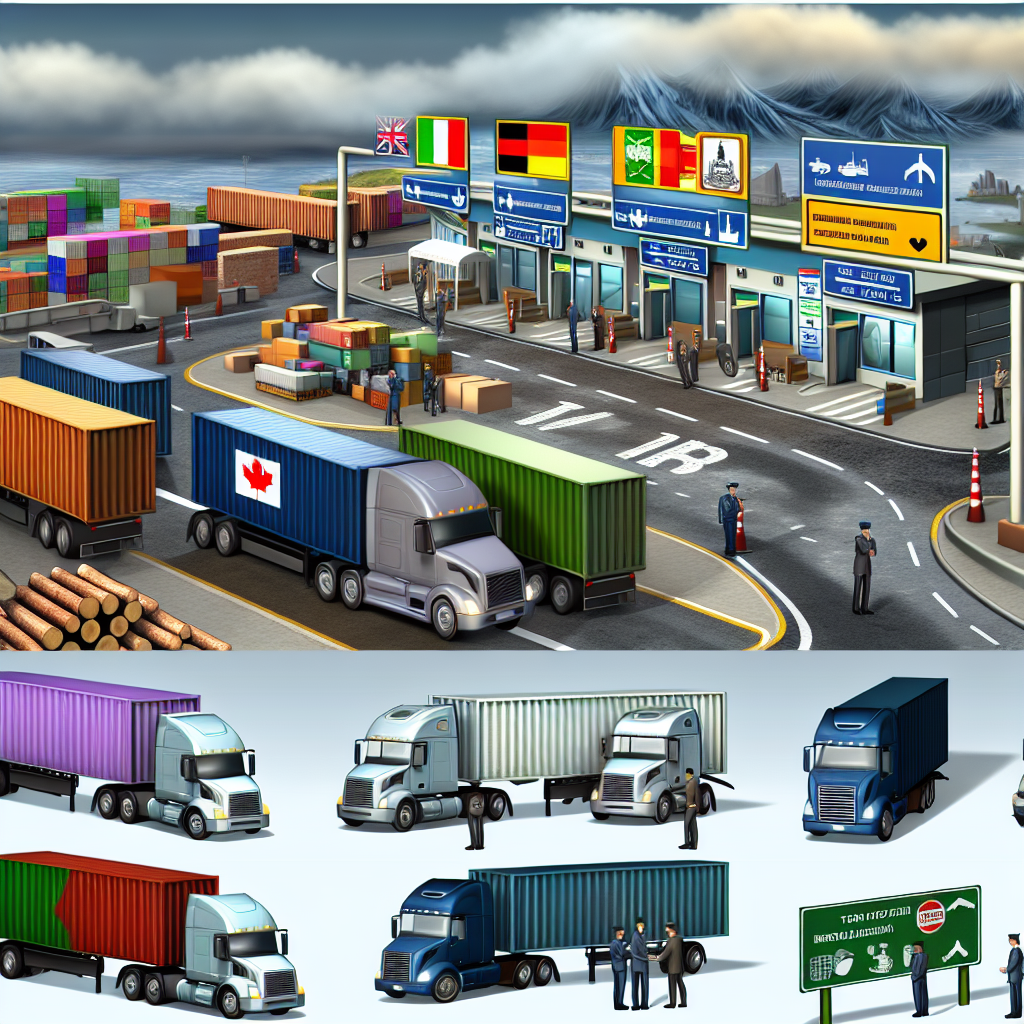
In today’s economy, the significance of cross-border trucking regulations is paramount as the global supply chain continues to expand. The complexities of cross-border regulatory issues present myriad challenges for trucking companies, influencing everything from operational efficiency to compliance costs. With supply chains heavily reliant on timely deliveries across borders, any misalignment in regulations can have cascading effects on the entire industry.
Regulatory compliance not only involves understanding different legal landscapes but also implementing safety measures to address cargo theft and ensuring fleet operations run smoothly amidst varying demands. The trucking industry must navigate these regulatory waters while adapting to ever-evolving economic trends.
Engaging discussions, such as those hosted by the Truckload Carriers Association (TCA), highlight ongoing challenges and encourage collaborative solutions among stakeholders. As the industry faces issues related to safety regulations and economic fluctuations, understanding these cross-border challenges is essential for future growth.
Key Insights from TCA Meeting
The Truckload Carriers Association’s recent “Bridging Border Barriers” meeting provided valuable insights into the regulatory landscape and industry challenges faced by cross-border trucking companies. Led by TCA’s Senior Vice President of Safety and Government Affairs, Dave Heller, the discussions highlighted significant updates and pressing issues:
- Regulatory Updates
- Speed Limiters and Substance Testing: Heller emphasized ongoing legislative actions regarding mandatory speed limiters and stringent protocols for drug and alcohol testing within the industry. These regulatory adjustments aim to enhance safety on the highways and ensure compliance with federal standards.
- Industry Challenges
- Freight Fraud and Cargo Theft: Scott Cornell, National Practice Lead at Travelers, addressed critical risks such as freight fraud and cargo theft. He urged companies to heighten their vigilance and implement robust strategies for theft prevention, including tighter collaboration with law enforcement agencies.
- Supply Chain Vulnerabilities: The risks associated with double brokering and other fraudulent activities were also discussed, highlighting the need for improved communication between shippers and carriers to maintain supply chain integrity.
- Evolving Regulatory Landscape
- Other speakers at the meeting noted the continuous evolution of regulatory policies, stressing the importance for carriers to stay informed and adaptable as these changes unfold.
- Call for Industry Adaptation
- The overall consensus emphasized the necessity for trucking companies to not only adapt to updated regulations but also proactively mitigate associated risks. This involves staying attuned to economic trends, safety regulations, and preparing for foreseeable challenges in cross-border operations.
The TCA’s discussions underlined the critical intersection of regulatory compliance, safety, and the mitigation of industry risks, pointing toward a collaborative and vigilant approach required for future success in the trucking sector.
Key Industry Entities in Cross-Border Trucking Regulations
The landscape of cross-border trucking regulations is shaped significantly by key individuals and organizations working diligently to navigate compliance challenges and advocate for industry safety. Here’s a list of some of the main industry entities involved:
-
David Heller
Role: Senior Vice President of Safety and Government Affairs at TCA.
Contributions: Advocates for regulatory improvements, represents truckload carriers on legal matters, and promotes safety standards within the industry. -
Kriska Transportation Group (KTG)
Type: Transportation and logistics company specializing in cross-border freight services.
Contributions: Involved in active discussions about compliance with transportation regulations and provides varied services including truckload and less-than-truckload transportation. -
Bison Transport
Type: One of Canada’s largest trucking companies delivering comprehensive transportation services across North America.
Contributions: Engaged in discussions surrounding electronic logging devices and safety regulations, ensuring compliance and advocating for industry improvements. -
Mark Seymour
Role: President and CEO of Kriska Transportation Group.
Contributions: Actively speaks on regulatory compliance, emphasizing operational efficiency in cross-border trucking across various industry events. -
Garth Pitzel
Role: Senior Director of Safety and Driver Development at Bison Transport.
Contributions: Plays a key role in industry discussions regarding ELD mandates and safety standards, impacting practices in cross-border trucking. -
Truckload Carriers Association (TCA)
Type: An influential industry association focusing on truckload carriers.
Contributions: Organizes events like the “Bridging Border Barriers” meeting which addresses cross-border regulation issues, fostering insights and collaborative solutions among stakeholders.
Economic Trends Influencing Cross-Border Trucking
The cross-border trucking industry faces many challenges due to several economic trends that affect regulatory compliance. Rising fuel prices, labor shortages, and supply chain disruptions are key issues that trucking companies must tackle to operate efficiently and comply with changing regulations.
Rising Fuel Prices
Fuel costs are a significant part of the trucking industry’s budgets. Although there was hope for lower diesel prices in early 2025, inflation has led to increases in equipment costs, maintenance needs, and driver wages. According to Beitler Logistics, if companies do not optimize their supply chain strategies, rising fuel prices could reduce profits significantly. As a result, trucking companies must comply with regulations concerning fuel economy and emissions which complicates their operations.
Labor Shortages
The trucking industry is struggling with a serious driver shortage. Estimates suggest a lack of around 80,000 drivers, a number expected to rise to over 160,000 by 2030 if the trend continues. This shortage drives up labor costs and complicates regulatory compliance as companies try to find and keep qualified drivers. It is essential to focus on training and diversifying the workforce to create a sustainable labor pool, which will also help with compliance. More drivers may necessitate adhering to additional safety regulations including training and testing, as companies balance their operations with regulatory demands.
Supply Chain Disruptions
Recent disruptions in the supply chain have led trucking companies to rethink their strategies. Many are shifting from sourcing goods overseas, especially from China, to local or regional suppliers. This change has resulted in longer delivery times and higher inventory needs. According to Arxiv, the ratio of inventory to sales has increased significantly since 2018. Companies must navigate regulatory compliance carefully, especially with the transport of goods across borders, which is now under greater scrutiny.
Overall Economic Conditions
Wider economic trends also influence the trucking sector. Changes in tariffs and trade policies have created fluctuating demand. After a rise in shipments, various sectors saw a decline. As reported by Reuters, trucking companies must stay updated on regulations in every area they operate in, preparing them for quick changes due to economic shifts.
In conclusion, rising fuel prices, labor shortages, and supply chain disruptions create a challenging environment for the cross-border trucking industry. Companies need to plan strategically, adapt to regulatory changes, and invest in workforce development to succeed in this economic landscape.
User Adoption and Compliance in Cross-Border Trucking Regulations
Cross-border trucking companies are grappling with various regulatory measures, which have led to multifaceted challenges in user adoption and compliance levels. While specific statistics on compliance adoption rates are limited, several trends highlight the difficulties faced across the industry:
- Financial Implications of Tariffs
Recent tariff implementations have escalated operational costs for trucking businesses. For instance, it has been observed that a 1% increase in tariffs can potentially decrease trade volume by about 1%, affecting on-time delivery performance by 5 to 8%. Such financial constraints compel companies to adapt swiftly while striving to maintain compliance and operational efficiency, as highlighted by the analysis from Jusda Global (Jusda Global). - Complexity of Regulatory Compliance
The landscape of cross-border trucking has become increasingly intricate due to new trade agreements and evolving customs regulations. Companies are faced with diverse safety and environmental standards, intricate customs procedures, and extensive documentation requirements across various jurisdictions. Non-compliance can result in fines or delays, making understanding these regulations critical for operational success (Jusda Global). - Infrastructure Challenges
Insufficient infrastructure at border crossings and poor road conditions can cause significant delays. Issues such as limited parking spaces, outdated inspection facilities, and heavy traffic at borders exacerbate wait times, disrupting delivery schedules and inflating costs (Jusda Global). - Safety and Security Concerns
The concerns surrounding cargo theft and driver safety have emerged as critical issues in cross-border operations. Criminal activities targeting valuable shipments lead to financial losses and compel companies to invest in enhanced security measures like GPS tracking. Moreover, ensuring driver safety during long hours of operation remains paramount (Jusda Global). - Technological Integration for Compliance
The integration of advanced technologies, including electronic logging devices (ELDs) and fleet management systems, is a vital component of compliance with new regulations. However, the implementation of these technologies can pose challenges due to the investment and training required, with some companies struggling to keep pace (Mtl Companies). - Additional Resources for Regulatory Compliance
There are several valuable resources available for further understanding regulatory compliance in cross-border trucking, including strategies for best practices, tariffs, and safety measures:- TruckX Inc: Provides trade compliance software for managing cross-border operations.
- AJC Freight Solutions: Specializes in customs and border compliance for U.S.-Mexico trade.
- Freedom Heavy Haul Trucking: Discusses utilizing technology for compliance with haul regulations.
- Bison Transport: Offers strategies for cross-border confidence, emphasizing security and customs integration.
- Government Regulations and Compliance Technologies
Awareness of government regulations such as those outlined by the U.S. Department of Homeland Security is crucial for compliance. Moreover, tools like blockchain and AI can greatly enhance compliance processes by ensuring transparency and real-time monitoring of compliance risks. This integration is essential for aligning with evolving regulatory frameworks.
In summary, while precise statistics on compliance levels may be sparse, the cross-border trucking industry is navigating significant challenges, including tariff pressures, regulatory complexity, infrastructure inefficiencies, security risks, and the demands of technological adaptation. Addressing these structural issues is critical for achieving sustainable compliance and operational excellence in cross-border trucking, as the importance of understanding these variables continues to grow in the landscape of international trade.
In conclusion, the landscape of cross-border trucking regulations is fraught with complexities and challenges that require constant vigilance and adaptability from industry stakeholders. As discussed, the necessity for compliance has never been more critical, with regulatory changes impacting operational efficiency, safety standards, and economic viability.
Insights from the recent Truckload Carriers Association meeting underscore the pressing need for companies to engage proactively with evolving policies, particularly concerning issues such as speed limiters, cargo theft prevention, and driver safety. As the industry grapples with rising fuel prices, labor shortages, and supply chain disruptions, it is essential for trucking organizations to remain informed and responsive to regulatory updates.
Engaging with industry meetings, collaborating with key stakeholders, and investing in technology for compliance can enhance resilience against these challenges. Therefore, staying informed on regulatory changes is not just advisable; it is imperative for the sustained success of cross-border trucking operations.
As the regulatory landscape continues to change, let’s commit to being knowledgeable and flexible, ensuring we navigate these waters effectively for a safer, more efficient future in the industry.
Comparison Table of Trucking Companies Engaging in Cross-Border Operations
| Trucking Company Name | Countries of Operation | Regulatory Frameworks Applied | Safety Measures Implemented | Key Compliance Programs |
|---|---|---|---|---|
| Kriska Transportation Group | Canada and USA | FMCSA, National Safety Code | Driver training, vehicle maintenance, hours of service compliance | Automated compliance monitoring, partnerships with managed service providers. |
| Bison Transport | Canada and USA | FMCSA, National Safety Code | Comprehensive driver training, regular vehicle inspections | Regulatory Technology (RegTech), real-time monitoring of compliance changes. |
| Lion Force | USA and Mexico | SCT, FMCSA | Stringent driver safety protocols, regular equipment checks | Safety audits, collaboration with law enforcement for theft prevention. |
| Eassons Transportation Group | Canada and USA | National Safety Code, FMCSA | Safety training, vehicle inspection programs | Enhanced compliance monitoring systems, partnerships for regulatory updates. |
| ISB Global Service | Canada, USA, and Mexico | FMCSA, SCT, National Safety Code | Fleet management technologies, rigorous driver compliance training | Automated compliance alerts, comprehensive regulatory tracking. |
Key Quotes on Regulatory Updates in Cross-Border Trucking
-
Chris Spear, President & CEO of the American Trucking Associations (ATA):
“Imposing border taxes on our two largest and most important trading partners will undo this progress and raise costs for consumers. The 100,000 full-time hardworking truckers hauling 85% of the surface trade in goods with Mexico and 67% of the goods traded with Canada will bear a direct and disproportionate impact.”
(Source: trucking.org) -
Stephen Laskowski, President and CEO of the Canadian Trucking Alliance (CTA):
“Surveys showed one-third of fleets in Ontario were considering layoffs, with this trend likely worsening if tariffs persist.”
(Source: ti-insight.com) -
Jordan Dewart, President of Redwood Mexico:
“Compliance and trade regulations, such as the ‘Carta Porte,’ are crucial to ensuring the swift movement of goods across the border. A balanced approach that prioritizes trade efficiency while addressing immigration concerns responsibly is going to be crucial to keeping cross-border trade flowing seamlessly.”
(Source: ajot.com) -
Manuel Sotelo, Vice President for the Northern Region, CANACAR:
“Given trucking’s major role in the agreement, the industry must work together. Initiatives pursued by Mexican and US negotiators should not reduce cargo volumes or impede the critical services importers and exporters depend on.”
(Source: mexicobusiness.news) -
Martin Rojas, Senior Adviser for the Americas, International Road Transport Union (IRU):
“Cross-border trucking operations, a key component of North American supply chains, have continued to meet customer transport needs despite an uncertain and volatile operating environment that now includes tariff fluctuations. It’s a very tense operational environment!”
(Source: freshplaza.com)
These perspectives underscore the necessity for clear, consistent, and collaborative regulatory frameworks to support the stability and growth of cross-border trucking operations.

Best Practices for Fleet Operations Concerning Cross-Border Regulations
-
Stay Informed on Regulations
Regularly update yourself on the latest regulations in all operational jurisdictions and ensure your compliance strategies align with customs and safety requirements. -
Invest in Technology
Utilize advanced fleet management software and electronic logging devices (ELDs) to enhance compliance, improve route efficiency, and monitor driver behaviors in real-time. -
Conduct Regular Training
Implement ongoing training programs for drivers and staff about cross-border regulations, compliance protocols, and safety measures to foster a culture of awareness. -
Enhance Security Measures
Prioritize cargo security through tracking technology, secure parking facilities, and protocols to prevent theft during transit, especially in high-risk areas. -
Develop Strong Relationships
Forge relationships with regulatory bodies and customs agents to facilitate smoother operations and immediate assistance in resolving compliance issues. -
Plan for Contingencies
Create contingency plans to address potential delays caused by border inspections, traffic issues, or regulatory changes, allowing flexibility in operations. -
Collaborate with Industry Peers
Engage with industry associations and networking groups like the Truckload Carriers Association (TCA) to share experiences and best practices regarding regulatory compliance. -
Monitor Economic Trends
Keep an eye on economic factors impacting cross-border trade, such as fuel prices and tariffs, to forecast potential operational changes and compliance strategies accordingly. -
Document Everything
Maintain comprehensive records of compliance efforts, training sessions, maintenance logs, and any communications with regulatory bodies to facilitate audits and inspections.
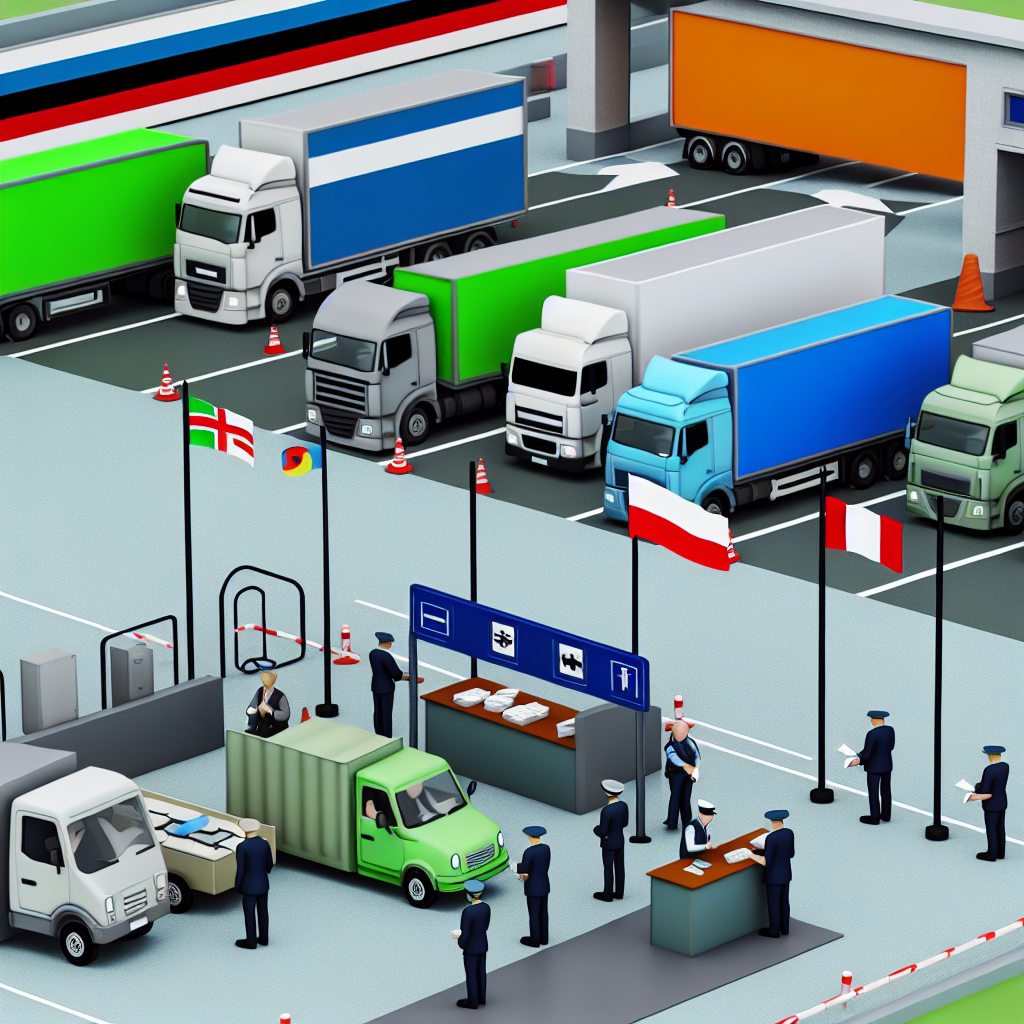
Visual representation depicting trucks navigating across international borders, highlighting the challenges and regulations in cross-border trucking.
Challenges in Cross-Border Trucking
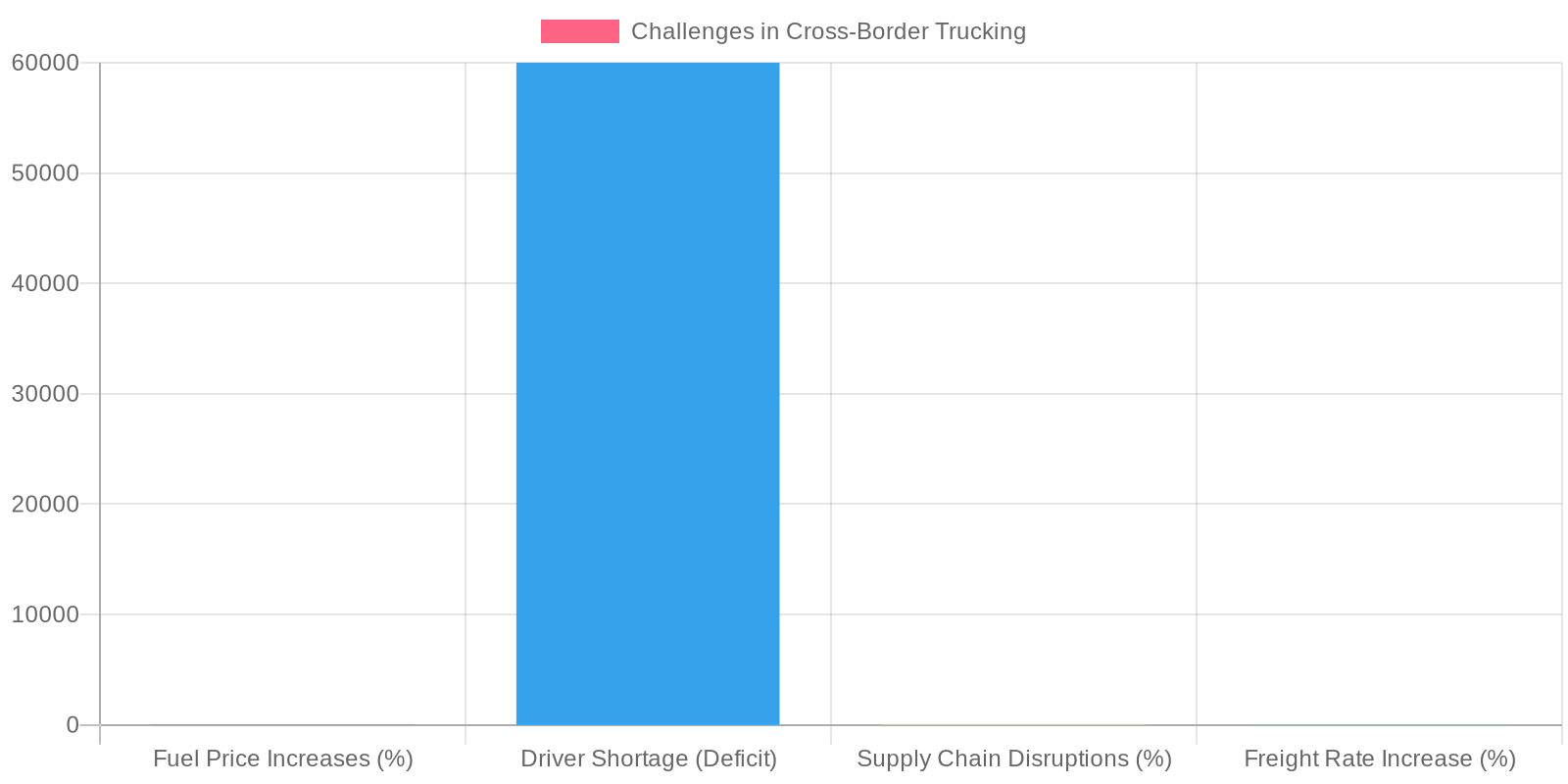
Chart illustrating the rising fuel prices, driver shortages, and supply chain disruptions impacting the cross-border trucking industry.
As the industry evolves, so too does the role of various key entities working behind the scenes to ensure compliance and safety in cross-border trucking. The information provided thus far lays a robust foundation for understanding the dynamics at play within the regulatory landscape. It is crucial to recognize how these players not only navigate current challenges but also shape the future of cross-border operations. Their continued advocacy and operational strategies will forge a pathway toward a more robust and responsive industry in response to regulatory demands.
Economic Trends Influencing Cross-Border Trucking
The cross-border trucking industry faces many challenges due to several economic trends that affect regulatory compliance. Rising fuel prices, labor shortages, and supply chain disruptions are key issues that trucking companies must tackle to operate efficiently and comply with changing regulations.
SEO Optimization: Cross-Border Regulatory Compliance and Supply Chain Risks
In today’s rapidly evolving trucking industry, understanding cross-border regulatory compliance is essential for navigating the complexities of international freight operations. Cross-border regulatory compliance involves adhering to diverse regulations that govern the transportation of goods across borders, affecting everything from customs procedures to safety standards. This compliance is not merely a bureaucratic necessity; it directly impacts supply chain risks and overall operational efficiency.
Significance in the Trucking Industry
- Operational Efficiency: Proper compliance minimizes delays at border crossings by ensuring all necessary documentation is correctly handled. For example, logistical studies have shown that 30% of supply chain delays are caused by customs hold-ups due to incomplete compliance documentation, affecting delivery reliability.
- Cost Management: Non-compliance can result in significant financial penalties, further straining already tight operational budgets. Research indicates that trucking companies often spend between 5% to 10% of their annual revenue on trade compliance overhead to mitigate risks associated with regulatory breaches. In 2023 alone, the U.S. imposed $6.3 billion in export violation fines, illustrating the high stakes involved.
- Reputation and Legal Standing: Adhering to regulations helps maintain a company’s reputation within the industry. Failure to comply can lead to significant reputational damage and can jeopardize future business opportunities.
- Connection to Supply Chain Risks: Non-compliance increases risks within the supply chain. This includes delays, increased operational costs, and potential legal ramifications that can arise from failing to adhere to international shipping regulations. For instance, companies may face disruptions during customs inspections, affecting their ability to deliver goods on time and possibly incurring additional fees.
Current and Emerging Trends in the Trucking Industry
- Technological Integration: More companies are investing in advanced technologies to streamline compliance processes, including IoT and AI. These tools enable real-time tracking of shipments and better predictive analytics to manage operational risks associated with regulatory compliance.
- Increased Scrutiny and Enforcement: Regulatory bodies are enhancing their enforcement of international trade regulations, which has major implications for trucking companies, necessitating compliance management strategies that can adapt to new reporting requirements.
- Geopolitical and Economic Factors: Factors such as tariff fluctuations and trade agreements directly influence operational strategies in trucking. Understanding the economic trends, including rising fuel prices and labor shortages, is crucial for compliance. In recent months, rising fuel prices have significantly impacted profit margins, forcing companies to reevaluate their fuel efficiency programs and comply with emerging environmental regulations.
- Focus on Supply Chain Resilience: Companies are recognizing the importance of building resilient supply chains that can withstand economic and compliance-related shocks. This includes diversifying suppliers and transportation routes to mitigate risks associated with regulatory changes and delays.
In conclusion, cross-border regulatory compliance is not just about navigating rules; it’s about shaping a resilient and efficient trucking operation that can thrive amid emerging trucking industry trends and mitigate various supply chain risks. Stakeholders must remain adaptable and informed to maintain their competitive edge in a complex regulatory landscape.
Next Steps
To ensure sustained operational success amid these changes, trucking companies are encouraged to:
- Regularly update themselves on both local and international regulations.
- Invest in technology that enhances operational efficiency and compliance.
- Foster strong relationships with regulatory bodies to facilitate smoother operations.
By adopting these best practices, companies can navigate the evolving landscape of cross-border trucking with greater confidence and efficiency.