
In city life, a taco truck can be a gateway to tasty ventures, weekend pop-ups, or a scrappy startup dream. But the first question investors, freelancers, and food lovers ask is often the same: how much does it cost to rent a taco truck? Costs aren’t one-size-fits-all. They swing with vehicle type, location, rental duration, and whether you’re renting a standard pickup truck to haul a kitchen setup or a fully converted mobile kitchen on wheels. You’ll see basic pickup rentals quoted per day, sometimes with unlimited mileage, and then much higher monthly figures for fully equipped food trucks with commercial-grade refrigeration, grills, and sinks. The most important takeaway: price is only part of the picture. Permits, insurance, maintenance, and the total cost of ownership can tilt the economics from a dream into a doable plan — or a costly misstep for a small operation. This article unpacks the landscape across five focused chapters, so you can price your taco venture with clarity and confidence.
Rolling with the Budget: Decoding the True Cost of Renting a Taco Truck
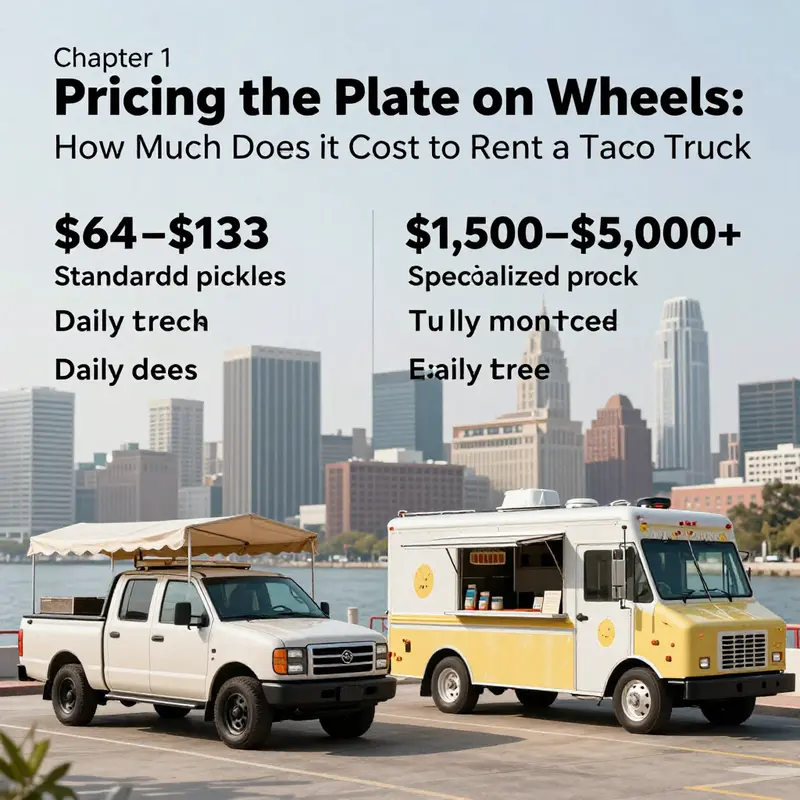
Rolling into the world of mobile food service often conjures visions of sizzling grills, bright signage, and long lines of eager customers. Yet behind the aroma of street-taco success lies a practical budgeting problem: what does it actually cost to rent a taco truck, and how do those costs change with the choices you make? The answer is not a single price but a spectrum shaped by vehicle type, location, rental duration, and how fully you outfit the unit. On one end sits a basic pickup that can move equipment and supplies between events; on the other end sits a fully equipped, commercially configured mobile kitchen designed to cook, chill, and serve while meeting health and safety standards. Between these poles lies a continuum of configurations, each with its own price tag and trade-offs.
The most accessible entry point for many would-be operators is a basic pickup that you equip with portable cooking gear and supplies. Daily rental costs for standard pickups tend to be modest and vary by market, roughly reflecting the cost of mobility itself. A larger, more capable pickup will cost more, but you gain capacity and flexibility. The key point is that the raw vehicle rental is only part of the story; once you add food-service equipment, sanitation, and permits, the cost picture expands.
Where the sticker price begins to diverge is in the kitchen, electrical, and sanitation infrastructure required to operate as a legitimate food service unit. A fully converted mobile kitchen turns a van or truck into a working kitchen with ventilation, refrigeration, prep surfaces, sinks, and an energy plan capable of supporting ovens and griddles. Rentals of these fully equipped units sit higher in the price spectrum. In daily terms, you’ll see higher hundreds per day; many operators think in monthly terms when the unit is used seasonally or for a set cadence of events, with typical ranges from roughly the low thousands to several thousand dollars per month depending on size and equipment. This spread reflects not only the kitchen itself but also bundled services such as maintenance, sanitation, and technical support.
The decision between a flexible, non-kitchen-ready pickup setup and a fully stocked mobile kitchen translates into a larger delta in monthly cash flow. If you plan to run several events per week and can command a ticket price that supports a multi-hour service window, a fully equipped unit can be economical—provided the math pencils out against the expected revenue. If your schedule is lighter, renting a basic vehicle and borrowing equipment as needed can keep fixed costs lower while you validate the concept. Always factor in insurance, routine maintenance, permits, and potential repairs when estimating ongoing costs.
Local market conditions matter, too. Prices for the same rental type can shift with demand, seasonality, and availability. The prudent approach for a new operator is to forecast how many events you expect to serve monthly and what each event will yield, then compare the total monthly outlay across configurations to your forecasted gross. This budgeting exercise helps determine whether a lower-cost pickup arrangement or a higher-cost turnkey kitchen makes financial sense for your growth plan.
For operators aiming at more complex venues or higher volumes, a turnkey mobile kitchen can offer performance and reliability that justify the higher monthly rent. For those testing a concept or serving a regional, episodic schedule, a pickup-based setup with portable gear may deliver the best balance of flexibility and cost control. The goal is a configuration that supports repeatable service within your budget, not just a one-off event. External resources on mobile-food sustainability and best practices can help anchor expectations as you gather quotes and build your plan. https://pockettacotruck.com/sustainable-practices-mobile-food-trucks/
From Hauler to Kitchen on Wheels: Decoding the Daily Costs of Renting a Taco Truck
Anyone stepping into the world of mobile food service quickly learns that the heart of a taco business is not just the recipe or the sizzle of a grill. It’s the vehicle that carries both the kitchen and the brand out into the street. When you start pricing a taco operation, two very different paths diverge: renting a standard pickup truck to haul supplies, or renting a fully converted, kitchen-ready food truck. The cost gap between these options isn’t just a matter of dollars; it’s a difference in purpose, reliability, and the scale at which you can serve customers. In practical terms, the decision hinges on how you plan to operate, where you’ll park or park yourself, and how long you expect to be in business during a given season. The numbers that emerge from those choices can be surprisingly wide, moving from budget transportation to a fully equipped micro-commercial kitchen on wheels. Understanding this spectrum helps entrepreneurs avoid two common traps: overpaying for a setup that isn’t necessary and underestimating the ongoing costs of running a mobile kitchen in a public-health-regulated environment.
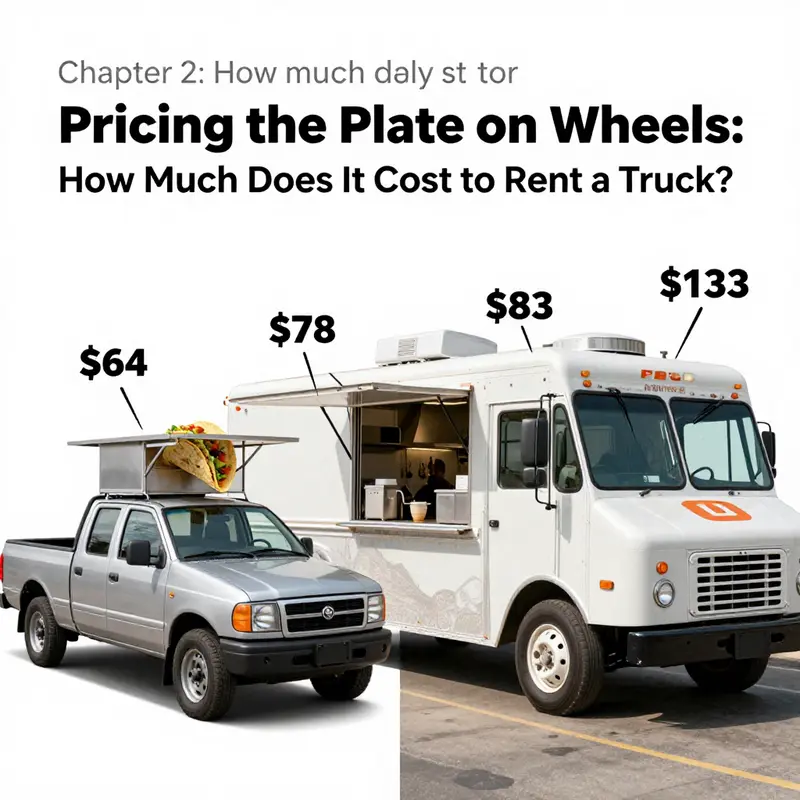
First, consider the most basic role of a pickup truck in a taco operation. A standard pickup used for hauling gear, ingredients, or a smaller pop-up stand is not designed to function as a kitchen. In many markets, daily rental rates for these workhorse vehicles run in a modest tier—think mid-to-lower double digits per day for entry-level models and a bit higher for newer or more capable trims. This price bracket reflects the truck’s utility as a transport solution rather than a turnkey cooking space. When you’re simply moving coolers, dry goods, or a compact prep station between events, the rental value is measured by convenience, mileage limits, and insurance terms rather than by any built-in kitchen capability. It’s a practical, budget-friendly option for events that require only logistics support rather than on-site cooking.
In contrast, a converted taco truck is a different proposition entirely. These units are designed from the ground up to serve as mobile restaurants. They come with built-in commercial-grade refrigeration, cooking surfaces, handwashing stations, water and waste systems, and often fire-suppression equipment. The daily rental price for a fully equipped food truck is substantially higher, reflecting the kitchen’s complexity and the vehicle’s dependability under health, safety, and code compliance rules. Industry guidance suggests a broad daily range—roughly two to five hundred dollars—depending on factors such as the truck’s size, the level of equipment, and the location. While exact figures can vary, this tier represents the value of a ready-to-operate kitchen on wheels that can be deployed for events, farmer’s markets, or street stalls with minimal setup beyond a permit and a process for health compliance.
The distinction between these paths also highlights the recurring theme of duration. Short-term rentals on a standard pickup are commonly priced on a daily basis, with shorter commitments sometimes yielding lower daily rates if you’re flexible on pickup and return windows. The fully equipped food truck, though more expensive per day, can be more cost-effective on a per-event basis when you’re running multiple days per week or planning a seasonal circuit. For operators who anticipate a high volume of service, the rental model’s added convenience can offset the higher sticker price because you avoid the large upfront investment of a kitchen fit-out and professional install. Conversely, for a brand-new venture with limited events, a standard pickup’s flexibility helps you test the market before committing to a larger, more costly mobile kitchen.
Equipment and specifications largely drive the cost delta. A basic pickup rental provides the transportation backbone—enough payload capacity for coolers, a small prep table, maybe a storage rack, and the equipment you already own. It does not include kitchen appliances, plumbing, or a compliant electrical system. In markets where the weather, terrain, or event schedule is unforgiving, a reliable, well-maintained pickup becomes a critical ally for keeping your business moving. On the other hand, a converted taco truck bundles the kitchen into a single unit: the refrigeration system, the cooking line, the grease management, and the water heating all come pre-installed and tested. That integration creates a revenue-ready platform but demands higher monthly or daily rents to cover the equipment’s depreciation, maintenance, and the ongoing compliance costs that come with operating a food service vehicle.
Another layer to consider is compliance and risk management. A kitchen on wheels must meet local health department codes, fire safety regulations, and vehicle safety standards. Rentals that offer a fully equipped truck often bundle some aspects of compliance into the price, but not always. You may need to secure permits for food service, parking, and street vending, plus arrange for insurance that explicitly covers mobile food operations. Even when a rental includes certain safeguards, you should expect to negotiate or source additional coverage for elements like liability, equipment insurance, and workers’ compensation when staff participate in service. These factors contribute significantly to the true cost of renting a taco truck and can push the monthly expense well beyond the raw daily rate.
From a budgeting perspective, the numbers tell a story about opportunity and risk. A typical, budget-minded operator might lean toward a short-term pickup rental for light logistics and event support, budgeting around a few dozen dollars per day for the vehicle alone, with variations driven by geographic location, vehicle age, and season. If your plan centers on cooking from a dedicated mobile kitchen, you’re looking at a larger monthly draw, with a broader spread from week to week—a reality that becomes especially pronounced in busy urban markets where demand, space, and permit processes create pressure on both price and scheduling. The month-to-month calculation for a fully equipped unit can range from the low thousands into the five-figure territory in high-demand areas, depending on the size and sophistication of the kitchen fit-out and the length of the rental agreement. Even when the daily price is attractive, the cumulative cost over a season matters more for cash flow and profitability.
No matter which path you choose, the decision hinges on a clear accounting of what you actually need to operate. Do you require a full kitchen on wheels, or do you simply need a mobile platform to transport gear between venues? The answer will shape not only the price but also the elegance of your process: how quickly you can set up, how reliably you can serve, and how smoothly you can scale the operation. For many aspiring taco entrepreneurs, a practical step is to begin with a transparent, apples-to-apples comparison of two scenarios: renting a standard pickup for logistics and renting a converted food truck for service. This approach helps quantify the value of the extra kitchen features against the additional cost and risk.
To support readers who want to drill into the practicalities, consider how you will source the vehicle and what you will prioritize in a turnkey kitchen rental. Your selection criteria might include the number of burners, the presence of a cold hold, the capacity of the refrigeration unit, the availability of handwashing and sink facilities, and the ease of cleaning and maintaining food-grade surfaces. It’s worth asking suppliers about what is included in the rental agreement beyond the obvious components. For example, does the price cover routine maintenance, or will you be responsible for service calls if a refrigerator stops working halfway through a busy weekend? Is there a limit on operating hours, or a requirement to return with a fully fueled generator and a clean workspace? These questions matter less in a grocery-haul scenario and far more when your business is offering a dining experience with customers watching the kitchen come to life on wheels.
As you weigh the numbers and the logistics, a practical takeaway emerges. If your objective is to test a concept, a standard pickup rental can keep initial costs low while you validate demand, refine your menu, and build your brand presence. If you’re confident that your concept will scale and you’re ready for a more polished, on-site dining experience, a modern, fully equipped food truck becomes a compelling platform, provided the longer rental term and ongoing compliance costs fit your financial plan. Importantly, whichever route you choose, ensure that the terms and conditions align with your operational calendar. If you’re uncertain about the right configuration, consider starting with equipment guidance that helps you prioritize the essentials and avoid overbuilding a system you won’t fully utilize. A helpful starting point is learning how to choose food-truck equipment wisely, which offers a framework for prioritizing the gear that delivers the most value for your menu and service model. Choose food-truck equipment wisely
Finally, couple the price analysis with a practical plan for sourcing and negotiating. In today’s market, rental platforms and local agencies provide a spectrum of terms from flexible, short-term engagements to longer, more predictable leases. The key is to strike a balance between cost efficiency and reliability—between something that can be deployed quickly at a moment’s notice and something that delivers consistency across multiple events. For detailed, up-to-date price benchmarks across regions, you can consult price-tracking resources that summarize daily rental trends for pickup trucks and similar platforms. Such resources can offer a benchmark that helps you map expected costs to your event calendar and revenue projections. As you move from aspiration to execution, the costs you’ve mapped will become a reality you can manage. And your taco truck—whether it’s a nimble hauler or a full-fledged kitchen on wheels—will be ready to feed a growing audience.
External reference: https://www.kayak.com/rental-cars/pickup-trucks
Price on the Move: How Geography and Vendors Shape Taco Truck Rental Costs
Renting a taco truck sits at the intersection of mobility and gastronomy, where the sticker price is only part of the equation. The actual cost to rent a taco truck depends on two broad pathways: you can opt for a simple, mobile food unit built on a standard pickup, or you can lease a fully equipped, kitchen-ready food truck. Each path carries distinct pricing dynamics, and both are strongly colored by where you are, how long you need the vehicle, and the level of service you require. In the end, the price is a reflection not just of the vehicle itself, but of the permissions, upkeep, and ongoing commitments that come with operating a food business on public streets or at events.
On the more basic end of the spectrum, a rental that uses a standard light-duty pickup as a mobile platform can run on the order of daily costs that resemble regular, non-food-related vehicle rentals. In many markets, basic pickups can start somewhere around sixty to seventy dollars per day, with mid-range configurations edging upward toward eighty to one hundred dollars a day. If you need more capability—perhaps a larger crew cab or a vehicle with enhanced payload—the daily rate tends to climb into the high teens or low hundreds per day. Those figures are typical for short-term arrangements and often include insurance and, in some cases, unlimited mileage. The takeaway is simple: if you only need a shell you can convert into a taco operation on site, the daily price is modest and predictable compared with a fully equipped mobile kitchen.
But if your ambition is a fully outfitted mobile kitchen—one that arrives with commercial-grade refrigeration, a prep area, sinks, and safe, compliant food-handling spaces—the pricing changes dramatically. A converted taco truck, ready to roll and cook, typically lands in a monthly rental band that is several times higher than basic pickup rental. In practical terms, you should expect a range from roughly fifteen hundred dollars to five thousand dollars per month or more, depending on the size of the unit and the level of equipment included. The spread isn’t arbitrary: larger, better-appointed units command higher monthly fees, and inclusions such as heavy-duty refrigeration, multiple cooking surfaces, and built-in plumbing elevate both the upfront and ongoing cost. These are not just cosmetic differences; they shape your ability to operate legally, efficiently, and safely in commercial settings.
The geographic element introduces another layer of variability. Location matters, not only because local supply and demand push rates in different directions, but also because permit costs, insurance requirements, and maintenance needs can vary with city or county regulation. In some markets, the contrast is stark. For instance, in certain metropolitan or suburban areas where demand for mobile vending is steady and competition is intense, you may see monthly rates for a basic, pickup-based platform in the lower thousands, whereas in smaller markets or areas with fewer vendors, rates may trend toward the lower end of that spectrum. When you widen the lens to the fully equipped food-truck option, the geographic spread can be even more pronounced. Availability, proximity to supplier networks, and the density of events and venues all contribute to price differences that can be the difference between a sustainable business model and a cash-flow crunch.
To ground this in some concrete, if somewhat general, context drawn from reported rental patterns, a few illustrative numbers emerge. In markets where the rental landscape for traditional pickups shows a steady cadence, monthly averages can vary widely. For example, one city reports around two and a half thousand dollars per month for a standard pickup rental, while a comparable market might show closer to three thousand one hundred dollars per month. These figures reflect the broader vehicle rental ecosystem rather than the specialty field of food-truck conversions, but they illuminate the kind of variance you can expect when you translate a simple vehicle rental into a food-service platform. If you translate these figures into a taco-truck scenario, you would typically find the food-truck conversion demanding substantially higher monthly commitments, given the added equipment, maintenance, and regulatory considerations.
This is where the economics of conversion become particularly meaningful. A taco truck is more than a vehicle; it is portable kitchen infrastructure. The cost calculus includes not just the purchase or lease of the chassis, but the installation of refrigeration systems, cooking surfaces, water disposal solutions, grease traps, and fire-suppression equipment. The cost of power and water hookups, the need for compliant waste management, and the drain on cash reserves while waiting for events to generate revenue all factor into the total cost of ownership. For operators, the distinction between renting a simple vehicle and renting a fully functional kitchen-on-wheels is a fundamental one. The daily or monthly price difference is not merely about more metal or more appliances; it is about the agility to operate legally, cleanly, and consistently across multiple venues and events.
In practice, these pricing realities intersect with the operational questions that shape a taco business long before the first revenue is earned. How many events do you aim to serve weekly? What geographic footprint will you cover—city blocks, neighborhoods, or regional festivals? What health and safety standards must you meet, and how will you manage the ongoing costs of maintenance and repairs? The answers dictate whether you lean toward a modest, pickup-based platform that can be turned into a serviceable kitchen at events, or a larger, fully equipped unit whose monthly rental is a strategic investment in scale. In both cases, permitting and insurance remain essential, and the question is not merely “What can I afford this month?” but “What is the long-term viability of the business under this cost structure?”
For operators seeking a sense of pragmatic guidance beyond rough price ranges, the path forward typically involves direct inquiries to local rental agencies or platforms that specialize in mobile business equipment. They can tailor a quote that reflects the exact vehicle configuration, the duration of use, whether the rental includes permits or maintenance, and whether the unit comes with an on-site technician or support package. In addition, it can be valuable to connect with resources that discuss the broader ecosystem of mobile food operations, including sustainable practices for mobile food trucks, to ensure that cost decisions align with long-term operational quality and compliance. sustainable practices for mobile food trucks
When the moment comes to translate these numbers into a business model, it is worth rehearsing the math behind day rates and monthly commitments. If a fully equipped food-truck rental runs at, say, four thousand dollars per month, the cost per day—assuming a typical 30-day month—approaches about one hundred thirty-three dollars per day, before adding insurance, permits, and maintenance. A leaner, pickup-based configuration might carry a per-day cost in the range of sixty to one hundred dollars, with insurance and maintenance folded into that daily figure or added as a separate line item. The practical effect is that the monthly price tag for a kitchen-equipped taco truck quickly scales the daily rate upward, and the incremental cost of adding more events or extending your service area becomes a central planning consideration.
A nuanced takeaway emerges from this landscape of numbers: price is not a standalone signal of value. It is a proxy that encodes the vehicle’s capability, the regulatory environment, the maintenance regime, and the vendor’s service package. Two operators with seemingly similar ambitions can end up with very different cost structures depending on whether they rent a bare framework or a comprehensive, compliant cooking unit attached to a skilled support network. In markets where the appetite for mobile food experiences is robust, vendors may justify higher monthly rents through faster turnaround times, better equipment reliability, and smoother compliance with health and safety standards. In other places, tight budgets and less competition can yield more affordable options but may require compromises on capacity, equipment quality, or service levels.
The conceptual map of taco truck rental thus combines the geography of pricing with the vendor’s offerings. A city with abundant rental supply and a mature ecosystem of mobile vendors might present more competitive daily rates for basic units, but the premium for a fully outfitted kitchen remains substantial. Conversely, in markets where suppliers are sparse, both the relative cost and the risk of delays or gear failure can push a business toward more conservative equipment choices. The prudent path is to treat rental pricing as a component of a broader business model, one that weighs capacity, regulatory compliance, and the reliability of equipment against the revenue hurdles of securing permits, obtaining insurance, and meeting health standards.
To illustrate the variance without locking into a single scenario, consider how a typical rental decision might unfold in practice. A prospective operator compares a basic, pickup-based platform that can be retrofitted with a compact kitchen against a turnkey, fully equipped taco truck. The basic route offers lower upfront and ongoing costs but requires more hands-on management of the conversion process, including installation of necessary cooking equipment and compliance with safety practices. The turnkey route, while more expensive, reduces setup time and offers turnkey legitimacy in many venues that require documented compliance. In either case, the operator should budget for permit fees and insurance, which are essential components of any mobile food venture.
In short, the price of renting a taco truck is a moving target, shaped by vehicle type, the level of kitchen equipment, and the markets you intend to serve. Basic pickups provide a lower-cost bridge to mobile service, while fully converted trucks carry higher monthly commitments but deliver greater operational continuity and compliance. The smartest approach is to quantify both the immediate rental cost and the full ecosystem of ongoing costs—permits, insurance, maintenance, and potential service packages—before locking into a contract. And as you plan, remember that the landscape is dynamic. Real-world pricing shifts with demand, seasonality, and regulatory changes. To gain a grounded understanding of how day rates can fluctuate in nearby markets, you can consult current price-tracking references for pickup-truck rentals in your region. External reference: https://www.kayak.com/rental-cars/Twin-Falls-ID/2026-01-25/2026-01-29
From Daily Rates to Permits: Navigating the True Cost of Renting a Taco Truck
When a prospective operator asks, how much does it cost to rent a taco truck, the answer is rarely straightforward. The sticker price is only the first line of a longer invoice that includes insurance, permits, maintenance, and the practical realities of mobility. The available data, while helpful in sketching a framework, does not offer a single, universal price. Pieces of information show a spectrum: you can rent a basic pickup that might perform as a mobile unit, or you can lease a fully equipped, kitchen-forward vehicle that supports a full-service food operation. Both paths map to different budgets, different risk profiles, and different timelines for return on investment. Reading across what is known, the true cost to rent a taco truck sits at the intersection of vehicle type, geographic location, rental duration, and the extent of equipment and compliance that your venture requires. In this chapter, we stitch those factors into a practical picture that helps a would-be operator translate vague “per day” figures into a realistic plan for a specific city or season.
Begin with the most accessible entry point: a standard pickup truck that can function as a mobile service unit, versus a purpose-built, fully outfitted food truck. The former is about utility and flexibility. It offers mobility and a kitchen footprint small enough to be fitted into a compact, ready-to-operate configuration or be converted on demand for a pop-up event. The daily rental cost for such vehicles tends to hover in a modest band. In some regional markets, a basic pickup can be rented for roughly sixty or so dollars per day, with mid-range options flirting with the high sixties to the low seventies. In larger or more demand-driven markets, those numbers trend upward, with daily rates climbing toward the high seventies or around eighty dollars a day. It is important to emphasize that these figures are indicative and highly location-specific. They often assume short-term rental terms, and many listings bundle insurance and unlimited mileage into the daily rate. They also reflect standard payload limits, typical for regular consumer or light-commercial trucks, rather than specialized food-service configurations. The takeaway is not a fixed price but a directional sense: for a bare-bones mobile service setup, expect a daily rate in the range of the low to mid-figure dollars, moderated by the city, the duration, and the particular pickup’s size and equipment.
For those who want to roll out a true mobile kitchen, the economics shift decisively. A fully converted taco truck, meaning a vehicle with commercial-grade refrigeration, cooking appliances, a hand-washing sink, and the necessary plumbing and electrical infrastructure, carries a substantially higher monthly price tag. Current market signals cluster around a broad band—from the low four figures to well into five figures per month—depending on the size of the unit, the sophistication of the kitchen, and the local demand for mobile food services. The range reflects more than just the kitchen; it also captures how much of the vehicle’s interior is dedicated to food prep, cold storage, and safe sanitation, as well as the extent to which the rental includes operational support like maintenance, generator use, or on-site servicing. The contrast between a simple pickup-based mobile unit and a purpose-built food truck is not merely about comfort or aesthetics. It’s about capacity, reliability, and the ability to serve consistent menus at scale. If you plan to operate frequently, in multiple venues, or across a season with back-to-back events, the monthly cost of a fully equipped truck becomes a central variable in your business model. If you only need a vehicle for occasional pop-ups or trial runs, a flexible, less expensive setup may be more prudent, albeit with more hands-on management of equipment and sanitation.
Beyond the vehicle itself, another cluster of costs consistently surfaces: permits, insurance, and ongoing maintenance. Permits and licenses for mobile food service can vary widely by city and county, with costs that range from a few hundred to several thousand dollars annually, depending on the jurisdiction, the scope of operations, and whether the operation travels across multiple districts. Insurance is not optional for a food-operations rental. Even when the vehicle is rented, liability and property coverage protects both the operator and the lender from the unpredictable variables of street service, from slip-and-fall risks to equipment malfunction. Maintenance costs are not purely cosmetic; they include routine servicing, HVAC or refrigeration checks, fuel system inspections, and mechanical wear from heavy daily use. When a rental agreement includes maintenance, it may cap or reduce surprises, but it can also push the monthly price higher. A seasoned operator will map these line items in a cost sheet before signing, ensuring they understand what is included and what sits outside the contract.
There is another layer to consider: the practical costs of operating a mobile kitchen. Even when you secure a rental, you must budget for fuel, water and waste management, power supply for kitchen equipment, and sanitation supplies. Some units rely on generators; others may integrate shore power during events. Either way, there is a daily or weekly cadence of refills and cleanings that impacts both the bottom line and the customer experience. If you are renting a unit with a fully provisioned kitchen, you may find that certain utilities are bundled, while others are billed separately. The ultimate truth is that the vehicle is the platform, but the operating costs—permits, insurance, maintenance, utilities, and waste disposal—define the ongoing affordability and the feasibility of a given schedule.
A useful counterpoint to rental pricing is to consider the broader spectrum of options on the supply side. On the purchase side, there are examples of specialized mobile food units coming with fixed price tags that include solar adaptations or other energy-efficient features. These purchase price exemplars provide a sense of scale, illustrating that the size and sophistication of the kitchen drive cost dramatically, even when the vehicle is not rented. A solar-powered unit, for instance, demonstrates how energy independence can influence daily operating costs, though such a unit represents a different financial decision than a rental. The juxtaposition clarifies that rental costs can be part of a larger decision matrix that weighs capital outlay against ongoing operating expenses.
For a prospective operator, mapping the price landscape begins with a needs assessment: what is the expected frequency of events, the geographic footprint, and the required kitchen configuration? If the plan centers on frequent weekend fairs and community markets, a fully equipped, monthly rental could provide reliability and convenience that a more flexible but less capable setup cannot. If the plan emphasizes trial phases, low initial risk, or a lean test run in multiple neighborhoods, a bare-bones mobile unit might suffice, allowing experimentation with menus, service styles, and staffing without a heavy monthly commitment. In either case, the prudent next step is to gather multiple quotes from credible rental providers, ensuring apples-to-apples comparisons: same vehicle class, same kitchen configuration, similar maintenance terms, and the same scope of included permits and insurance.
The practical arithmetic matters here. A monthly price tag for a fully outfitted mobile kitchen could be several thousand dollars higher than a basic pickup rental, depending on the features and geographic location. When you translate daily rates into monthly terms, a high-usage pattern can push the monthly figure into the upper thousands, while a lighter schedule can keep the monthly spend in a more moderate range. The decision hinges on operating tempo and revenue expectations. If an operator hosts back-to-back events across a month with strong demand and solid ticket prices, higher monthly rent can be justified as a lever for scale. Conversely, if events are sporadic or in a market with tighter margins, a leaner approach minimizes fixed costs and preserves cash flow.
Interweaving these considerations with real-world research reveals the core challenge: there is no universal price for renting a taco truck. The data illustrate pricing bands rather than a single figure. The bands reflect the vehicle type, the level of outfitting, the length of the rental period, and the local regulatory environment. As with any business investment, the prudent strategy is to anchor pricing in a clear business plan, test the market with quotes from local providers, and build a cost model that captures both the tangible rental expense and the hidden costs that emerge from permits, insurance, and ongoing compliance.
For operators who want a practical, hands-on route to understanding options, there is a resource that discusses parking networks and compliance considerations for mobile fleets. This resource offers a pathway to securing appropriate parking and regulatory support, a critical component for any mobile food operation that seeks to minimize risk while maximizing uptime. It can be a valuable addition to the due-diligence process when evaluating rental contracts and planning event schedules. See the Freight Ninja secured truck parking network for further context and practical guidance on this dimension of the mobile operation. freight-ninja secured truck parking network
Of course, for the most up-to-date, location-specific pricing, prospective renters should turn to live-market listings and rental platforms that track real-time rates. These sources can reveal how a given city compares to regional norms, how seasonal demand influences price, and whether longer-term leases unlock discounts. They also illuminate the nuance that rental terms often include or exclude certain services. While a general framework helps, the bottom line remains: the cost to rent a taco truck is a function of more than the daily price. It is a composite of vehicle capability, equipment sophistication, regulatory cost, and the operational discipline of the business owner.
In closing, the quest to quantify rental costs for a taco truck mirrors the broader challenge of pricing mobile business ventures. The price tag is not a single dot on a calendar; it is a spectrum that shifts with the engine of demand, the geography of the market, and the level of kitchen complexity you require. To translate this into a viable business plan, start with a clear usage forecast, secure multiple quotes, and build a comprehensive cost model that includes permits, insurance, and maintenance. Treat the vehicle as a platform, not a product, and the numbers will align with your strategic goals rather than your initial impulse. For readers who want to explore related operational considerations, broader mobility topics and trends in trucking and mobile food service can offer additional insights into how a shared infrastructure, like parking and facilities, can support a sustainable, compliant, and profitable mobile food business. External reference for market context: https://www.kayak.com/rental-cars/pickup-trucks
Chapter 5: The Price of Mobility: Weighing Costs, Contracts, and Long-Term Value in Taco Truck Rentals
The idea of a taco truck rolling into a neighborhood and turning a simple idea into a thriving evening shift is compelling. It represents mobility, entrepreneurship, and a portable version of a kitchen that can chase demand across a city, a campus, or a festival circuit. But mobility comes with a price tag, and in the world of renting a taco truck, the question of cost sits at the center of every business decision. The challenge for new operators is not just the sticker price of the vehicle, but a web of ongoing expenses, contract flexibilities, and the long-term value that rental decisions unlock or constrain. The landscape is complex, and direct data on taco-truck rentals is sparse. What we can anchor the discussion to are broader market dynamics for the kinds of vehicles involved and how those dynamics translate into a workable budget for a food-entrepreneur on the move. In practical terms, the starting point is to distinguish between two archetypes: a basic pickup truck used as a mobile kitchen base and a fully equipped, purpose-built food truck conversion. Each path carries its own cost structure, cadence of payment, and risk profile, and both demand careful consideration in light of the business plan, the number of events, and the menu’s requirements.
For a baseline, consider the cost of a standard pickup truck rental. In market data drawn from regions with robust rental ecosystems, basic pickup models can start in the mid- to upper-twenties per day. A simpler compact or mid-size pickup might hover around the low $60s per day, while more capable or newer models can push into the upper $70s per day. These figures are typically for short-term rentals and often include insurance and a generous mileage allowance, but they do not reflect the full culinary setup needed to operate a taco business. When a truck is used as a shell for a kitchen, the rental must be viewed through two lenses: the vehicle itself and the kitchen equipment bolt-ons. The combination of a vehicle rental with commercial-grade kitchen installations translates into a distinctly higher ongoing cost, one that shifts the budgeting conversation from price per day to price per event, month, or season. The data for these more specialized configurations vary widely by location, asset size, and the level of outfitting, but the spectrum generally begins far above the typical consumer rental and can extend well into a monthly figure that rivals small commercial leases.
If you are aiming for a fully equipped mobile kitchen, the rental market tends to price in the value of the kitchen, the vehicle’s payload, sanitation systems, and the ability to meet health and safety standards in multiple jurisdictions. In many markets, a converted taco truck or a similarly outfitted mobile unit can cost from roughly $1,500 to $5,000 or more per month. This range reflects factors such as the unit’s size, the quality and capacity of refrigeration, the number and type of cooking surfaces, sinks and water systems, exhaust and ventilation, and the presence of generator or power hookups. The maintenance and service schedule for these units also differ markedly from a plain pickup; once a kitchen is installed, mechanical reliability becomes part of the monthly value proposition, not just the initial purchase or lease price. The upshot is that the monthly cost of a fully equipped mobile kitchen rental often carries a higher baseline than a bare vehicle, but it also prescribes what is feasible on the menu and at what scale you can operate.
Beyond the hardware, there are critical operating costs that quickly mount. Permits and licenses, which are required to operate a food business in most locales, are not optional expenses but ongoing obligations. These costs can appear as initial setup fees and as renewal expenses throughout the term of the rental. Health department inspections may be periodic, and their fees, while sometimes modest, add to the cadence of operating costs. Insurance, another essential line item, covers liability, vehicle, and equipment. In a taco operation, where the risk profile includes cooking on the road, grease management, and municipal permit compliance, insurance can be a meaningful recurring expense and may be bundled with the rental in some arrangements, or charged separately. Maintenance is another unavoidable cost category. A standard pickup might require routine service and tire replacements, but a fully outfitted mobile kitchen also asks for more frequent checks of propane lines, electrical hookups, water systems, and refrigeration. Fuel and energy costs follow the same pattern: while a plain vehicle consumes fuel, a kitchen-equipped unit also has generator or electrical costs, which can be substantial depending on usage patterns and whether power is sourced from a generator, a grid connection, or a hybrid solution.
From a budgeting perspective, the choice between long-term and short-term rental strategies hinges on the operator’s business cadence and risk tolerance. Short-term or festival-season rentals offer maximum flexibility. They enable an operator to test a concept, then scale up or pivot with minimal long-term commitment. The downside is higher per-day costs and the risk that downtime between events reduces actual utilization. Long-term or extended-term arrangements can lower the daily rate and bring predictable cash flow, but they demand more planning, a clear projection of operating days, and a readiness to commit to a single setup for a longer window. In practice, many operators blend approaches: they lease a basic vehicle for the off-season or for routine use, then expand to a larger or more specialized unit for peak periods. The math of this approach requires careful modeling of event volume, average ticket size, labor costs, and the incremental revenue generated by more comprehensive equipment. In both cases, the total cost of ownership includes not just the rental price but the intangible value of reliability, consistency, and the confidence to serve a menu that satisfies customers and complies with local rules.
A thoughtful operator considers the menu, the service style, and the geographic spread of events. If the plan calls for a dense schedule in a single city, a smaller, versatile vehicle with modular equipment might be a leaner fit. If the plan targets multiple towns or festivals, a larger, more robust mobile kitchen makes sense, but only after a careful assessment of travel time, load limits, and the logistic footprint. The decision framework naturally extends to maintenance and downtime. A rented unit that sits idle during a slow week still costs money, but that cost may be acceptable if it guarantees uptime during the peak season. Conversely, a unit with reliability issues can erode margins by increasing labor costs, reducing service speed, or forcing price concessions to retain customers. These are not abstract considerations; they are the practical levers that determine whether a taco operation remains financially healthy when the calendar fills with events and the kitchen’s demands escalate.
For operators contemplating their own cost models, the path forward is to translate every element of the rental agreement into a concrete metric. What is the weekly or monthly cash outlay under a given contract? How many events must the unit service to break even on the rent, the permits, and the insurance? How does downtime affect the plan if a unit is unavailable because of maintenance or transport issues? These questions guide the negotiation with rental providers and inform the design of a scalable business model. The aim is not to chase the lowest daily rate alone, but to optimize the mix of flexibility, reliability, and cost efficiency that supports sustainable growth. In this light, the rental decision becomes a strategic tool that shapes the pace at which a street-food concept can move from a weekend pop-up to a consistent, location-flexible dining experience.
To aid in planning, many operators find it useful to embed practical checks into the budgeting process. Confirm whether permits, insurance, and maintenance are included in a quoted price or billed separately. Clarify the insurance terms, such as what risks are covered and what the policy requires from you in terms of safety protocols and incident reporting. Ask about the maintenance schedule and how quickly service can be arranged if a critical component fails. Understand the expected uptime of the kitchen systems and how long a typical breakdown might take to repair. Ask whether the rental agreement allows for adjustments if the business scales up or down during the term. And finally, project the liability and compliance costs in the jurisdictions where you plan to operate; this reduces surprises and helps align the financial plan with the realities of street vending.
For readers seeking deeper, practice-focused insights about mobile food operations and the environmental and organizational considerations that shape long-term planning, a dedicated resource on sustainable practices for mobile food trucks offers a valuable complement to the cost discussion. This guide addresses not only cost efficiency but also operational resilience and the social responsibility of feeding communities in a mobile format. You can explore it here: Sustainable practices for mobile food trucks.
Of course, the numbers above are only a starting point. Real-world pricing varies by region, market demand, and the specific features of the unit. For precise, location-specific quotes, operators should engage directly with rental providers and negotiate terms that fit their event calendar, menu complexity, and growth trajectory. In parallel, it is prudent to review credible external market data on vehicle rentals to gain a sense of broader price movements and seasonal patterns that influence both supply and demand. Such external references provide context for the daily or monthly rates and help calibrate expectations as you finalize a plan. For a broad view of pickup-truck rental rates, you can consult general market data available through widely used rental aggregators and platforms. External reference: https://www.kayak.com/rental-cars/pickup-trucks
The bottom line is that renting a taco truck, whether as a lightly equipped mobile kitchen on a pickup chassis or as a fully outfitted conversion, is a decision about more than price per day. It is a decision about how quickly you want to scale, how you balance flexibility with reliability, and how you map the daily cost of a vehicle and a kitchen to the revenue you generate at events. A thoughtful plan will align the rental approach with a defined menu, a predictable service area, and a realistic calendar that anticipates the ebbs and flows of demand. It will also acknowledge the realities of permits and insurance as operating costs rather than afterthoughts. When these pieces come together, the true cost of renting a taco truck becomes not just a fixed figure to be paid but a strategic variable that enables a viable, scalable, and enjoyable business journey on the road.
Final thoughts
Understanding taco truck rental costs means recognizing that the sticker price is just the start. Start with the basics—whether you’ll be renting a standard pickup to tote a minimal kitchen or opting for a fully converted mobile unit. Then layer in location-based price differences, vendor options, and what’s included in the deal: permits, insurance, maintenance, and potential add-ons. For small businesses and freelancers, this means mapping a realistic budget, identifying hidden costs early, and choosing a rental structure that aligns with your sales plan and growth trajectory. Whether you’re testing a concept on weekends or rolling a full-time mobile kitchen into the market, a clear picture of daily rates, monthly terms, and total cost of ownership helps you forecast profitability and protect your bottom line.