
Cities move on momentum, momentum moves people, and good food can be the motor that keeps the city buzzing. A taco truck is more than a kitchen on wheels; it’s a mobile meeting point for urban commuters, city dwellers, outdoor enthusiasts, and entrepreneurial newcomers. The concept must fit fast-paced street life, remain affordable for first-time pickup buyers, and scale with your growing ambitions. This guide breaks down the four essential domains you’ll navigate: shaping a compelling concept and menu strategy that travels well in crowded lanes, mastering regulatory compliance so your truck can operate with confidence, choosing and organizing the right vehicle and kitchen setup for efficient service, and building a marketing-forward brand that turns every corner into a potential customer encounter. Each chapter builds on the previous one, weaving practical steps with real-world city living realities—from high-traffic lunch corridors to weekend festivals and flexible freelance schedules. By the end, you’ll have a holistic view of how to start a taco truck business that resonates with your target audience, stays compliant, runs smoothly, and grows with city demand.
Craving a Niche: Designing a Taco Truck Concept and a Lean Menu That Travel with Your Brand
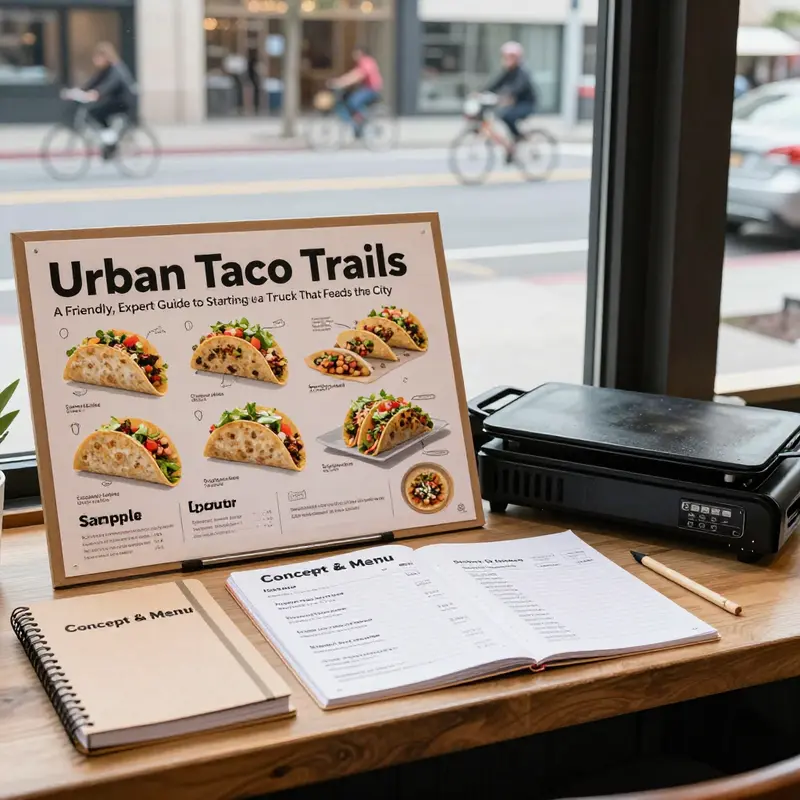
Launching a taco truck is as much about storytelling as it is about salsa and sizzling pans. The first chapter of your journey isn’t a blueprint for permits or financing; it’s the moment you carve out a concept that feels inevitable in your city and irresistible to a group of diners you can truly serve well. A strong concept anchors every decision you’ll make, from the kind of tacos you sling to the way you present yourself in a crowded street or a busy event plaza. Start by asking what makes your truck special, and then test how that idea can survive the rough economics of a mobile kitchen. The core idea is simple: define a niche so clear that a passerby can grasp it in a single glance, a concept so compelling that it becomes a story people want to tell their friends over a bite of food. In practice, that means choosing between authentic regional Mexican flavors, a bold fusion concept, or a plant-forward approach that leans on fresh, seasonal produce. Market research isn’t a luxury here; it’s your first ingredient. Walk the neighborhoods you plan to serve, observe what stalls are crowded, listen to what people complain about when they order from a street vendor, and note the gaps your kitchen could fill. If your city has a thriving street-food culture, you might discover that a particular regional style is underrepresented or that a crowd gathers for spicy, bold flavors after a late shift. If the market feels saturated with traditional options, a fusion concept—something like Korean-M Mexican influences that respect the integrity of each cuisine while delivering speed and familiarity—could stand out. The key is to translate that discovery into a practical concept that works on wheels. A mobile kitchen demands efficiency and consistency, so the concept must translate into a menu that is not only delicious but also feasible in a compact space and under strict time constraints. This is where the notion of a cohesive brand story becomes essential. Your concept should weave together the name, the visuals, the service style, and the vibe you want customers to feel when they see your truck roll up. If your concept evokes a family recipe, frame your menu around core ingredients that can be prepped with care yet delivered quickly from a stainless-steel station. If you want a modern, urban edge, lean into bold toppings, vibrant sauces, and a clean, graphic aesthetic that translates well across social media and signage. Brand alignment matters because it informs everything from your color palette to your troop of servers to the way you present samples at a pop-up. And because you’re operating in a mobile environment, your concept must be not only inspiring but also practical: it should fit the footprint of a kitchen on wheels, accommodate a fast cook line, and maintain consistent quality when your crew is pressed for time. The same logic should guide your menu strategy. A lean menu isn’t a compromise; it’s a deliberate choice that streamlines training, purchasing, and execution. Begin with a handful of high-demand items whose preparations share core ingredients, enabling you to order smartly and minimize waste. Think about how you can maximize flavor with a limited set of spices, sauces, and toppings, while keeping prep times tight enough to turn orders around rapidly during peak hours. A small menu also reduces decision fatigue for customers. When options are clear and confidently presented, guests are more likely to order with ease, spend more per ticket, and return because the experience feels reliable rather than chaotic. Cross-utilization is your friend. If you feature a few different proteins, look for ways the same base components—tortillas, onions, citrus, herbs, and a few signature sauces—can underpin multiple dish iterations. This approach helps with inventory control, reduces spoilage, and makes it easier to train new staff quickly. In practice, a lean core menu might include a couple of signature tacos that succinctly showcase your concept and a small selection of crowd-pleasing staples. The signature dishes are your opportunity to demonstrate why your concept matters, why customers should seek you out, and how your flavors tell a story that’s unique to your truck. Price points should reflect not only the cost of ingredients but the speed with which you can deliver. You’ll want to avoid underpricing—undercutting margins inhibits long-term growth—and you’ll want to resist the urge to inflate pricing on the first day when curiosity alone brings in customers. A thoughtful price structure aligns with portion sizes, ingredient costs, and the time needed to assemble each plate. The goal is to keep the menu practical, reproducible, and scalable, while ensuring you can sustain quality as demand grows. Sourcing is a critical underpinning of this strategy. Build a footing in reliable supply chains and understand the cost structures of your ingredients. Local and seasonal ingredients can boost the perceived freshness and align well with sustainability narratives that resonate with many customers. They also offer marketing angles: you can tell a story about farms, farmers, and community connections, which in turn strengthens loyalty. Consistency hinges on knowing where your products come from and how they are stored. A well-designed mobile kitchen uses a compact, organized layout that minimizes motion between stations, reduces cross-contamination risk, and speeds service. Every piece of equipment should have a clear purpose, and every ingredient should have a defined place. This is where a simple, robust workflow comes into play. From the moment an order is placed to the moment it lands on the plate, your team should glide through a streamlined sequence. The sourcing plan should anticipate variability in demand. Have a system for swapping proteins or vegetables in response to price changes or seasonal availability without breaking the flavor profile. This adaptability is often what separates a one-season wonder from a brand that endures. As you design your menu, you’ll also want to consider how to quantify performance. Menu engineering isn’t a luxury; it’s a practical discipline that informs which items to highlight, which to phase out, and how to price intelligently. The concept and the menu should be designed to complement each other. A unique concept draws attention, but a lean, well-executed menu converts that interest into repeat visits by delivering reliable, crave-worthy meals with minimal wait times. A lean menu doesn’t imply blandness. It invites creativity within constraints. For example, you can offer a rotating feature taco that leverages seasonal produce and a fixed favorite that anchors the menu. The rotating option serves as a testing ground for new ideas while preserving the core framework that customers know. Concept validation is the bridge between inspiration and launch. Before you commit to a specific concept in a full-scale truck, pilot it—start with pop-ups, share tasting panels with a small group of trusted tasters, and use simple forms to collect feedback on flavor, portion size, pricing, and overall experience. The insights you gather in these early stages will shape your recipes, confirm your price points, and reveal any operational bottlenecks that could derail speed or consistency when you scale. Feedback should be specific and actionable, not applause-driven. An experienced operator will track suggestions about heat level, tortilla texture, balance of toppings, and the perceived value of each item. You’ll want to document the sentiment around each component and watch for patterns. If a majority prefer a particular texture or a specific heat intensity, that preference becomes a guide for standardizing recipes. It’s equally important to listen for criticisms that point to operational friction, such as long cook times, confusing assembly steps, or inconsistent portioning. Channel these through revised prep steps, equipment adjustments, or revised training checklists. The outcomes of this process aren’t merely about selecting a winner on day one; they’re about building a system that remains adaptable as your business grows. A strong concept paired with a lean, well-run menu becomes the backbone of all future decisions—from how you stage your truck for events to the kind of partnerships you pursue with local vendors and community venues. The long-term implications are practical as well as aspirational. A clear concept helps you allocate resources with confidence, hire staff who align with your brand, and create a marketing narrative that travels as reliably as your truck does. It also helps you pace growth. You may start with a single, mobile unit but design the concept with the possibility of expansion—perhaps adding a second truck, a commissary kitchen, or even a branded catering arm that shares the same menu engine. The synergy between concept and menu should breathe life into your marketing from day one. Brand visuals, naming conventions, and storytelling should reflect the same core values you emphasize in the kitchen. Your social media should feature behind-the-scenes insights into sourcing, prep, and daily checks that ensure consistency. A consistent voice and imagery will reinforce the promise you make on every plate: that guests are receiving a fresh, flavorful, reliable experience no matter where your truck parks. As you navigate the maze of permits, licenses, and compliance, keep your concept front and center. The internal logistics of a food-truck business—where you operate, how you source, how you prepare, and how you deliver—are inextricably tied to the identity you’ve crafted. A clear, compelling concept makes those regulatory and logistical questions easier to answer because you can point back to a defined set of standards: what you offer, how you prepare it, and why customers should care. In this sense, concept development isn’t just a warm-up for entrepreneurship; it’s a strategic framework for long-term success. When you’ve completed this phase with clarity, you’ll find it easier to translate your vision into practical steps—mapping out equipment needs with the same diligence you apply to tasting notes, designing a workflow that supports speed and quality, and building a narrative that customers want to repeat. If you’re hungry for a concrete starting point, begin with a lean menu built around a few signature tacos that embody your concept, then include a small handful of supporting staples that help you keep costs stable and inventory predictable. Test the concept with short-run pop-ups, collect structured feedback, and allow your recipes to evolve without losing the soul of your brand. This approach not only accelerates your launch but also fortifies your ability to scale while maintaining the heart of what makes your taco truck distinct. For operators who want a practical map to follow, there are many resources that outline the essentials of food-truck planning, menu development, and sourcing strategies. If you’re seeking official guidance on permits and licensing in your area, you can consult the U.S. Small Business Administration’s site. External resource: https://www.sba.gov. For ongoing inspiration and practical best practices on equipment selection and mobile kitchen efficiency, consider exploring industry-focused guides and communities that celebrate the craft of cooking on wheels. Internal link: Choose food-truck equipment wisely. This reference offers a concise perspective on how to balance cost, footprint, and throughput as you translate your concept into a physical operation that can withstand the hustle of a busy day. In the end, concept development and lean menu strategy are not mere planning steps; they are the compass by which you navigate every future decision, from where you park to who you hire, from how you price items to how you tell your story to the city you serve. When your concept is tight and your menu is lean but expressive, you create a mobile kitchen that isn’t just a place to eat but a signal to your audience: this is who we are, this is how we work, and this is why you’re going to come back. That clarity is the bedrock of a taco truck that can grow without losing its soul, an essential as you move from dreaming about a taco dream to building a business you can be proud of, plate by plate.
Steering Through the Legal Map: Licensing, Permits, and Compliance for Your Taco Truck Venture
Launching a taco truck business is as much about navigation as it is about flavor. The sizzle of a grill and the lure of fresh toppings draw customers, but the steady, unseen work of compliance holds the enterprise together. Before you install the first stove or unveil your first menu item, you must chart a legal map. That map isn’t a single line but a network of requirements that vary by city, county, and state. When you respect the rules from day one, you minimize once-and-done headaches, protect your reputation, and free yourself to focus on what really matters—serving great food and building a loyal following.
The cornerstone of this map is the health department’s food service license. A mobile kitchen still falls under sanitation and safety standards, and the licensing process begins with a plan review and an on-site or off-site inspection of your truck’s layout, equipment, and flow of food. Health inspectors look for clean design, safe temperatures, proper handwashing stations, pest control measures, and adequate ventilation. They want to see a kitchen that never compromises safety, regardless of whether you’re parked at a festival, outside an office building, or in a bustling park. The emphasis isn’t on perfection alone but on repeatable processes—cleanable surfaces, clearly marked zones for handling raw and cooked foods, and a waste disposal system that won’t contaminate the surroundings.
But the health license is only the first domino. A taco truck must also be registered as a legal business with the jurisdiction where it operates. That usually means obtaining a business license through the city or county government. It may seem procedural, but it signals your intent to operate responsibly, and it is often required before you can legally buy inventory, open a business bank account, or enter into supplier agreements. Alongside the business license, you will typically secure a Federal Employer Identification Number (EIN) from the Internal Revenue Service. This number is not just a formality; it separates your personal and business finances and provides a clean path for tax reporting, payroll if you hire crew, and banking.
A seller’s permit, sometimes called a resale certificate, is another common must-have. It allows you to collect and remit sales tax on the food and beverages you sell. Without it, your revenue is collected but not properly reported, which can lead to fines and back taxes. A signature element of the permit process is understanding how your menu and pricing interact with local tax rules. Even small mistakes in tax collection can snowball into costly audits, so it’s wise to invest time in understanding how sales tax applies to mobile food sales in your area. Some jurisdictions also separate the branding and signage from the kitchen itself with separate permitting. If your name and logo appear on the truck’s exterior, you may need a signage permit that clarifies size, placement, and illumination. In a regulated environment, every visual cue operations presents is a potential compliance checkpoint.
Another fit-for-purpose permit concerns the vehicle and fire safety. Zoning and fire safety permits ensure that your mobile business respects land-use rules, adheres to fire code standards, and has the appropriate suppression equipment. A fire suppression system, appropriate extinguishers, clearly marked gas shutoffs, and proper ventilation are not optional add-ons; they are core safety requirements. The inspection process may also evaluate how you store flammable liquids, how you handle grease, and how waste is collected and disposed of without posing a risk to customers or employees. It is not unusual for riders of city vending policies to require extra fire marshal clearances when you operate at special events or in municipal zones with heightened risk or crowd density.
Some cities layer additional complexity onto the regulatory framework. In places like Los Angeles, for example, mobile vendors must satisfy both county health regulations and city vending ordinances. You may encounter restrictions on where and when a truck can park, especially near brick-and-mortar restaurants during peak hours. Special temporary event permits often govern participation in festivals, farmers markets, and major gatherings. The friction here isn’t simply about being allowed to operate; it’s about choosing operating zones that maximize revenue while staying within legal boundaries. This layered environment makes early, proactive planning essential rather than reactive problem solving.
To avoid surprises that can derail a budding business, it is wise to engage with local professionals who know the terrain. A local Small Business Development Center (SBDC) can illuminate location-specific requirements, help you translate a concept into a compliant plan, and identify the right legal structure for your venture. An attorney who understands food service and mobile business operations can also be a wise ally, particularly when you need to determine whether to form an LLC, a corporation, or a sole proprietorship with a proper operating agreement and liability protections. The decision about structure affects personal liability, tax treatment, and how easily you can bring in partners, raise capital, or change ownership later on. In many cases, an LLC is a popular choice for food truck operators precisely because it offers limited personal liability and a flexible tax framework without the rigidity of a full corporate entity.
The heart of a successful licensing path is a disciplined, repeatable process. Start with a clear concept and a realistic menu that reflects your city’s tastes and density of foot traffic. A concept framed around portability, sustainability, and efficiency will help you design a truck that satisfies health codes without sacrificing speed or flavor. Plan your equipment to meet your menu’s needs while maintaining easy-to-clean surfaces and an orderly workflow. That means investing in a commercial-grade cooking station, a reliable refrigeration unit, adequate food and dry storage, and an efficient waste management system. Remember, the equipment footprint is not only about function; it’s a cornerstone of inspections. The design and materials should be easy to sanitize and resilient in a mobile environment.
In parallel, map out a licensing timeline. Some requirements can be applied for in parallel, while others require inspections to be completed in a specific order. A practical approach is to begin with the health department’s plan review and health inspection, then secure the business license and EIN, next obtain a seller’s permit, and finally address signage and zoning approvals. This sequence minimizes back-and-forth with inspectors and reduces the risk of duplicative work if a change in the plan is needed. It’s also worth noting that some jurisdictions require temporary event permits for start-up phases when you test your concept at fairs or street gatherings. If your calendar is crowded with launch events, you’ll want to line these permits up early so your opening week doesn’t hinge on a last-minute approval.
The policy landscape is not static. Regulations evolve with changes in public health guidance, zoning, traffic patterns, and even consumer expectations. Keeping a running file of regulatory requirements can save you from a last-minute scramble. Align this with a barrier-breaking mindset: design your operations so that compliance isn’t a hurdle but a natural result of sound processes. That mindset translates into reliable food safety, predictable operations, and a strong reputation among customers and regulators alike. It also creates a platform from which you can scale, add locations, or expand to events without constantly re-educating staff or reworking your kitchen layout. A well-run compliance program supports brand consistency, which in turn helps you command a higher perceived value and more consistent sales.
Where does this lead in practice? It leads to building a foundation that can weather growth. With the license to operate secured, you can focus on the core experience: delivering delicious tacos, building a brand, and developing a loyal following. A crucial element of that brand is reliable, transparent communication with customers about when and where you’ll be serving. Because compliance also governs signage and branding, you should design your truck’s exterior with clarity and legibility in mind. The more predictable your presence—through scheduled stops, events, or regular routes—the easier it is to maintain compliance while meeting customer expectations. As a practical safeguard, many operators maintain a living document that outlines ongoing regulatory requirements, renewal dates, and checklists for inspections. This isn’t bureaucracy for bureaucracy’s sake; it’s a living instrument that protects your business from gaps in compliance and sharpens your operational discipline.
Finally, remember that licensing and permits are not merely hurdles but gateways. They establish your credibility with customers, suppliers, and lenders. They send a signal that you are serious about your craft and mindful of the communities you serve. They also unlock access to legitimate financing, partnerships with venues, and inclusion in events that can dramatically amplify visibility. If you ever doubt the value of doing this work thoroughly, think about the alternative: a well-funded dream that cannot legally breathe because permits were skipped or flawed. The difference is not just legal safety; it is the continuity of your operation, the trust you build with patrons, and the potential to grow from a single truck into a network of routes that keep customers returning for your signature flavors.
For readers who want a focused perspective on compliance best practices in a broader mobile-regulations context, you can explore one resource that translates well across regulated transport and service industries: Surviving compliance best practices for cross-border trucking regulations.
Finally, for detailed, up-to-date guidance tailored to your specific location, consult the official starting-guides from a national resource. The U.S. Small Business Administration’s starting-point resource for launching a food truck provides practical steps, timelines, and considerations that align with the regulatory framework discussed above. You can review it here: Launch Your Food Truck.
Vehicle, Equipment, and Operations: Crafting the Mobile Taco Kitchen That Moves Your Brand
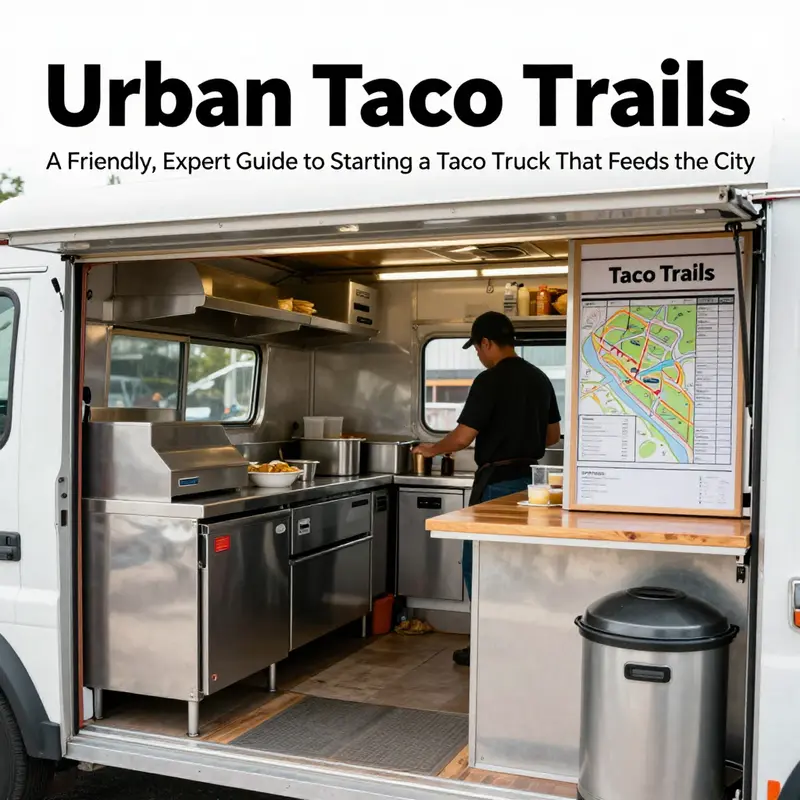
Launching a taco truck business hinges on more than a great recipe. It rests on the quiet, stubborn specifics of a mobile kitchen that travels reliably, serves safely, and represents your brand with every mile. The vehicle you choose is not just a mode of transport; it is your first line of customer experience, a moving storefront that must comply with health codes while delivering meals quickly and consistently. Start with a clear concept about how you want to cook, what your signature items are, and where you plan to operate most often. Then translate that concept into a physical footprint that fits your budget, local regulations, and your ambition. The path from concept to open window begins with the vehicle itself, and the rest of the journey depends on thoughtful, disciplined equipment and a workflow that makes sense in a compact space.
The decision about vehicle type sets the tone for daily operations. You can purchase a used commercial kitchen truck that already feels like a kitchen on wheels, customize a van into a compact but capable cooking space, or lease a trailer and tow it to different sites. Each option has tradeoffs between upfront cost, maintenance, and flexibility. A kitchen on wheels must be more than an appealing layout; it must meet health department regulations in ventilation, plumbing, and refrigeration, and it needs a reliable power source to keep food at proper temperatures while trunk space remains useful for ingredient storage. A well-insulated space with an efficient cooking setup is not a luxury—it is essential for food safety and consistency. The USDA emphasizes sanitation on mobile units, including access to potable water and waste disposal facilities, underscoring why this choice cannot be rushed or neglected. As you picture your daily routine, pretend you will be working in a tight, high-traffic corridor for several hours, making quick turns, stopping for a quick reload, and then moving to a new site. The vehicle you select should feel like an ally, not a liability, in that cadence.
Once the shell is chosen, the interior layout becomes the second most consequential decision. The kitchen on wheels must support a workflow that minimizes movement, reduces cross-contamination risk, and keeps the line moving during rush periods. A typical layout puts a hot line on one side and a cold line on the other, with a generous prep zone nearby. You’ll want a proper venting system to handle smoke and steam, a plumbing setup that provides hot and cold running water for handwashing and sanitation, and a refrigeration system sized to hold the shelf-stable ingredients you rely on along with perishables. The goal is to have everything you need within arm’s reach without crowding, so you can train staff to execute with speed and precision. The anchor here is that a compliant, well-designed mobile kitchen will pass health inspections more smoothly and reduce the stress of daily service. A practical way to approach this is to map out a typical order—from order entry to plating to pickup—and then trace every station the customer-visible menu item passes through. If an item requires multiple steps, consider whether it can be simplified or re-sequenced to keep the line flowing.
Equipment selection is the other pillar of a dependable operation. A taco-focused menu often hinges on a commercial-grade griddle or grill for carne asada, al pastor, and other meats, a fryer for certain fried chips or toppings, and robust refrigeration for perishables. You will also need a prep station with cutting boards and knives, a sink with hot and cold running water for washing and hand hygiene, and a waste disposal plan that meets local requirements. A compact dishwasher can save time at the end of service and support quick turnover of the cooking utensils. Shelving and organizational systems should be used to maximize space, with clearly labeled bins for dry goods, perishables, and cleaned equipment. An often overlooked but critical component is a dependable power and water supply, because any interruption can stall service and threaten food safety. Energy-efficient appliances not only curb operating costs but also diminish your environmental footprint over time, which can be a meaningful part of your brand story as you connect with mindful customers.
To avoid getting lost in a sea of choices, approach equipment as a system rather than a collection of shiny devices. Start with the non-negotiables: a heat source capable of producing consistent sear marks and heat for sauces, a refrigeration setup that holds safe temperatures for all ingredients, and a water system that supports both sanitation and hand hygiene. Then layer in the supporting pieces—food prep surfaces, a dishwashing station, a dry storage cabinet, and waste containment that complies with health codes and keeps the truck clean and odor-free. When you begin evaluating options, consider not just price, but durability, ease of maintenance, and the availability of service in your area. The right choice today reduces headaches later and can prevent costly downtime when you are trying to meet a steady stream of orders.
In addition to the core gear, you’ll need to design for ongoing maintenance and reliability. A robust maintenance plan keeps equipment in peak condition, minimizes the risk of breakdowns during service, and extends the lifespan of your investment. This means scheduling routine checks, keeping spare parts on hand, and training staff to perform basic upkeep. The National Restaurant Association highlights maintenance as a core driver of efficiency and safety; neglect can turn a thriving operation into a series of awkward fixes that erode margins and customer trust. A well-kept truck is not glamorous, but it subtly communicates professionalism to customers who value consistency as they follow you from one event to another. In practice, this means instituting checklists for daily startup and shutdown, ensuring that the water, power, and ventilation systems are functioning before service begins, and documenting any issues and your corrective actions. It also means cultivating a culture of care among your crew, who will notice and address small problems before they escalate.
Your branding should extend into the kitchen as well as the storefront window. The equipment layout, color scheme, and signage inside the truck should reflect the persona you want customers to associate with your food. A streamlined, cohesive presentation helps reinforce your concept and makes the experience memorable. A strong brand identity—memorable name, consistent logo, and a concise, well-curated menu—will travel with your truck and can become a lift when you are negotiating venue partnerships or sponsorships with event organizers. The goal is to ensure that customers recognize what you stand for the moment they glimpse the truck and hear your name. When the kitchen itself mirrors that identity, you reinforce trust and set expectations for quality at every location you serve.
Operational discipline is what ties vehicle, equipment, and branding into a reliable enterprise. A well-designed workflow, trained staff, and a clear plan for capturing demand will keep a mobile unit competitive in crowded markets. The workflow should account for peak periods where the queue lengthens and decisions must be made quickly to preserve speed without sacrificing quality. From a managerial perspective, this means designing shift patterns that reflect the reach of your daily schedule—office parks at lunch, downtown districts during evenings, and busier weekends at festivals or fairs. It also means embracing technology to help with ordering, inventory, and marketing. A simple point-of-sale system, combined with digital dashboards, can illuminate what items are moving fastest, how much waste is being generated, and where you should concentrate your sourcing and prep efforts. The SBA notes that successful mobile vendors often leverage data analytics and customer engagement to adapt to trends and optimize profitability.
Food safety is a thread that must run through every decision. The FSIS guidelines for mobile food vending detail sanitation requirements, including access to potable water, proper waste disposal, and cleanable surfaces. These requirements are not merely bureaucratic hurdles; they define how you operate day to day. Cleanliness and proper temperature control protect your customers and reduce the risk of costly recalls or shutdowns. Training your team to follow safe handling practices—from preventing cross-contamination to maintaining piping and drainage systems free of blockages—becomes a daily rhythm that strengthens your reputation. In practice, this means setting standardized sanitation procedures, auditing them, and reinforcing the habit of maintaining a clean workspace through every service. It also means planning for contingencies, such as what happens if a water supply is interrupted or if a power outage occurs during a busy service window. A calm, prepared approach reduces risk and preserves your ability to deliver a consistent product.
Location strategy naturally follows from the equipment and operations you have designed. With a flexible vehicle and a dependable kitchen, you can scout high-traffic areas with confidence. The best success comes from knowing where your lines tend to form, how long customers are willing to wait, and what days and times yield the strongest footfall. Partnerships with local venues, participation in community events, and rotating schedules at business districts keep your truck visible and relevant. The branding you’ve built in the kitchen—clear menu items, appealing visuals, and a consistent voice—will help customers identify your stall in crowded spaces and remember you when planning their next lunch or dinner out. Marketing should be mindful rather than loud: consistent posting on social media, behind-the-scenes glimpses of your cooking process, and timely updates about location and specials create anticipation and loyalty. A few well-timed posts can generate repeat customers who seek you out when your truck appears, turning a single stop into a regular habit.
The practical path to a thriving mobile taco business is thus a synthesis of careful vehicle choice, disciplined equipment decisions, and an operations culture built on safety, efficiency, and brand integrity. The truck must be a reliable stage where the staff can execute an efficient, safe, and enjoyable experience for every guest. The equipment chosen must be capable of delivering the menu you’ve designed, with enough resilience to withstand daily wear and the pressure of busy service. And the operations framework you implement—how you train your team, how you manage inventory, and how you engage with customers—must align with your brand promise and your long-term goals. When these elements are aligned, the taco truck does more than serve food; it becomes a portable expression of your business philosophy, a moving ambassador that draws in locals, travelers, and event organizers who are seeking something fresh, fast, and dependable. It is in this alignment that the potential of a mobile taco concept truly expands, letting you scale not only through more trucks or more sites but through stronger relationships with customers and communities you visit night after night.
For readers exploring the specifics of equipment choices, consider exploring resources that map out how to approach the selection process. The decision to choose food truck equipment wisely is central to long-term success and should be revisited as your business grows. choose food truck equipment wisely is a practical starting point for evaluating layout options, energy needs, and maintenance demands tailored to taco-focused menus. As you refine your concept and begin the procurement process, keep in mind that the right configuration will illuminate a path to reliable service, delighted customers, and a brand you’re proud to represent every time you roll into a new site.
External resource: For a comprehensive overview of sanitation and mobile food vending guidelines, reference the FSIS guidance on mobile food vending, which provides detailed recommendations for safe handling, equipment, and facility requirements that underpin daily operations across jurisdictions.
null
null
Final thoughts
Starting a taco truck business in the city is a disciplined blend of culinary craft and street-smart planning. By clearly defining your concept and menu, securing the right permits and licenses, choosing a kitchen-ready vehicle and efficient operating setup, and investing in a consistent brand with smart marketing, you create a durable platform for city-seasoned growth. Stay attuned to your audience—urban commuters, outdoor enthusiasts, freelancers, and first-time pickup buyers—by offering reliable, tasty options at predictable locations and times. Maintain tight cost control, uphold hygiene standards, and cultivate relationships with venues and events to widen your footprint. With patience, persistence, and a readiness to adapt, your taco truck can become a familiar, trusted bite on the go in neighborhoods that never sleep.