
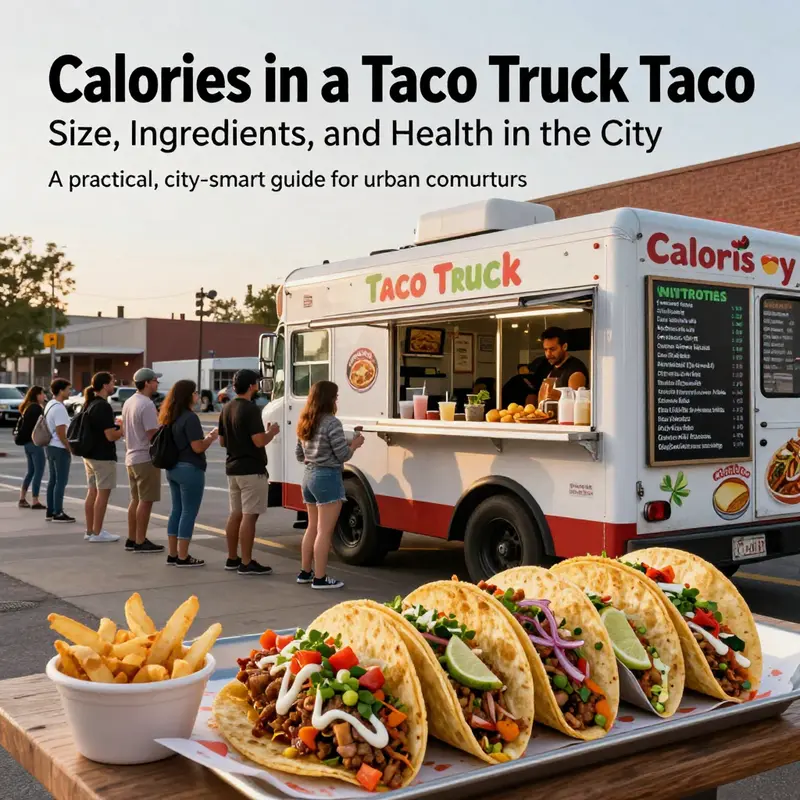
City life often means quick meals from food carts and taco trucks are a convenient, flavorful option. But the calorie picture behind a taco truck taco is not a single number—it depends on size, regional style, and what’s inside. A basic, lean-taco can hover around 180–200 calories, while larger, richer builds—especially French-style adaptations with extra cheese, sauces, and bigger tortillas—can skyrocket well beyond a simple snack. This guide helps urban commuters, outdoor enthusiasts, small business owners, and first-time pickup buyers understand where calories come from, how different choices modify the total, and what that means for daily routines, budgets, and menus. We’ll break the topic into three chapters: Chapter 1 examines variability by size and regional styles (Mexican-style vs French-style); Chapter 2 dissects ingredients—tortillas, protein, cheese, and sauces; Chapter 3 translates these facts into health implications, consumption patterns, and market considerations. With clear benchmarks and practical takeaways, you’ll be empowered to order smarter, train your palate, and communicate nutrition with taco vendors in fast-paced city settings.
Counting Calories on the Move: How Taco Truck Tacos Swing the Calorie Scale Across Sizes, Fillings, and Global Styles
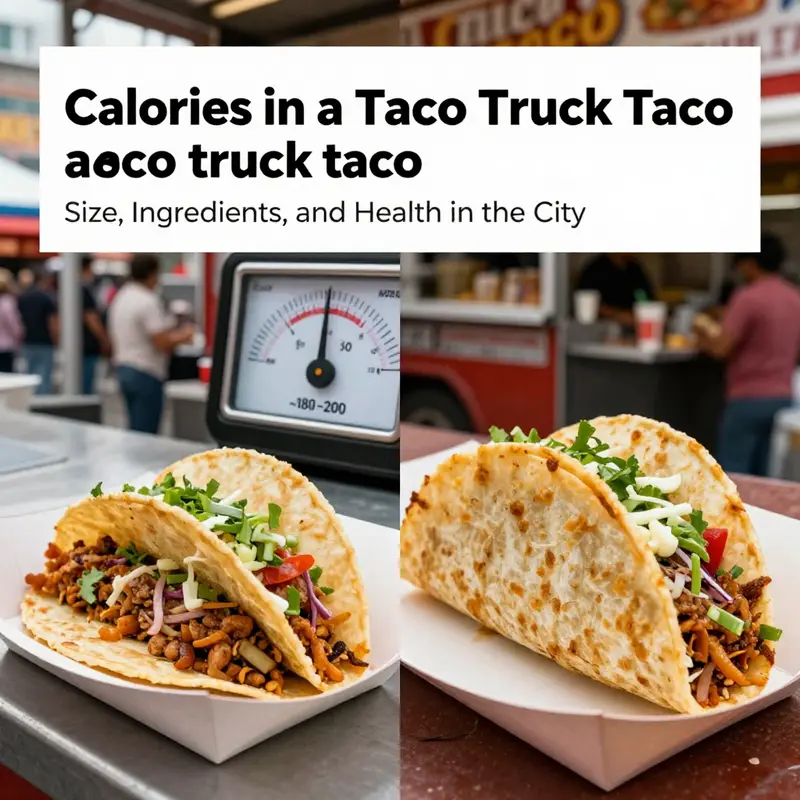
Taco trucks move fast, and so do calories. A single bite from a steaming taco can carry a surprisingly wide range of energy, depending on where you stand on the size spectrum, what fills the tortilla, and how generously sauces and toppings are applied. The same street cart might offer a lean, simple option that stays close to a small, steady baseline, while a neighboring stall might showcase a loaded, sauce-slicked taco that pushes well past the standard daily recommendations in a single shell. The math behind these differences is both simple and nuanced: calories come from the tortilla, the protein or filling, and the extras that crown the meat with flavor. Understanding how these pieces fit together helps anyone who cares about appetite, weight management, or simply making smarter choices when hunger hits on a roadside stop.
At the heart of any taco’s calorie footprint is the tortilla. In authentic Mexican street settings, corn tortillas are the most common vessel. A tortilla roughly 3 inches in diameter contributes about 60 calories. When the tortilla expands to around 5 inches, the energy content can rise toward 90 calories. This distinction matters, because many street-taco experiences hinge on the tortilla size as a first lever for calories. A larger shell, even before any filling is added, is already a meaningful step up in energy density. Equally important is the type of tortilla. Corn tortillas tend to be lower in fat and higher in fiber than their flour counterparts, which nudges the overall profile in a healthier direction for those watching portions. The USDA FoodData Central data underpins this baseline, giving a clear anchor for authentic, raw ingredients that street vendors frequently rely on in practice. The tortilla is the stage; what sits on it determines the act.
The protein or filling is the second major determinant. Lean chicken or beef will add different energy than fatty cuts or fried fillings. A typical amount of chicken filling in a compact taco might hover around 60 to 80 calories, once you factor in the lean protein portion and the natural garnishes that come with it. Beef, when used in a standard, modestly portioned taco, often lands in roughly the same ballpark or higher depending on cut and fat content. In many common street-taco experiences, a beef taco can range from about 180 to 250 calories, with the tortilla contributing roughly 60 to 70 of that total for a 5-inch shell. When fish is used, the taco often lands near 70 to 90 calories for the protein portion, still elevated by the tortilla and any oil or toppings that accompany it.
Vegetarian and plant-based fillings—grilled vegetables, beans, or combinations—treat the math a bit differently. A vegetarian option tends to be leaner on calories in the protein department but can gain height from toppings like avocado, cheese, or cream-based sauces. In such cases, a single taco might still land around 50 to 70 calories from the plant-based filling, with an extra 20 to 50 calories coming from accoutrements. This core structure—tortilla baseline, filling energy, and add-ons—frames the typical Mexican street taco in most markets and helps explain why some servings feel almost deceptively light while others feel richly indulgent.
Beyond these core pieces, the extra toppings can tilt the energy balance in subtle or dramatic ways. A spoonful of salsa adds only a small amount of calories, often 5 to 20, depending on whether it’s a simple tomato-based mix or a creamier, oil-rich preparation. Avocado slices contribute more substantial energy—roughly 25 to 50 calories per quarter to half an avocado, depending on portion size—which is why the same order can suddenly feel a lot more filling if the vendor doubles the guacamole or pools a generous crema on top. Cheese adds another 50 to 100 calories per 20 grams, and sauces that carry oil or could be a base for fried drippings may nudge the total by another dozen to several dozen calories per taco. All told, the ordinary small-to-medium street taco can sit in the 90-to-120 calorie range when the filling remains simple and the toppings are light. But the same format, scaled up with richer fillings and more generous toppings, can easily reach 150 to 180 calories per taco in many “taco grande” presentations. In other words, the baseline is modest; the ceiling is widely variable.
The argument for the broader spectrum becomes even clearer when you widen the lens beyond traditional Mexican street fare. A French-style taco—an international fusion creation that folds in extra ingredients, larger portions, and often fried components or oil-rich sauces—can dramatically stretch the calorie envelope. Reports from culinary data sources place a French-style taco, especially versions served with fries and heavy cheeses, around 800 calories per taco. These variants often include multiple layers of components: a thick tortilla or wrap, fried or heavily sauced fillings, cheese, and a substantial side of fries. The energy density rises not just from more food but from fats embedded in the cooking process and in the toppings. That single item can resemble a small calorie bomb, illustrating how a similar-sounding menu item can diverge by hundreds of calories depending on style, region, and technique. This contrast—between a lean, modest Mexican street taco and a calorie-dense fusion version—highlights why a blanket estimate for “a taco” can be misleading. It is the canvas and the craft that determine the final energy punch.
Context matters when we translate these numbers into everyday choices. In the most traditional sense, a standard street-style taco made with a small corn tortilla and straightforward fillings generally lands in the 90-to-120 calorie range per taco. When you consider a two-taco serving, the energy for that meal can hover around 180 to 240 calories, provided toppings and sauces are kept moderate. But the moment you add extra fillings—more cheese, more avocado, a dollop of crema, or a splash of oil-based sauce—the calories climb quickly. A typical two-taco plate with richer toppings can approach or exceed 300 calories, and if the portions are truly generous, the total might tip toward 400 or more. For anyone tracking calories, this is a useful reminder: the tortilla’s size and the choice of fillings are the most important levers after you decide to eat two or more tacos in one sitting.
The landscape becomes even more nuanced when you compare market-to-market or country-to-country variations. Authentic Mexican street tacos emphasize compact size and lean fillings, making it possible to keep a meal closely aligned with a light, approachable calorie target. In other contexts, particularly where large or fusion-style tacos dominate, the same conceptual taco can morph into a fundamentally different caloric experience. The takeaway is not simply “tacos are bad” or “tacos are good.” It is that calories flow from a few straightforward sources, but those sources can combine in unpredictable ways depending on the eater’s locale, the vendor’s recipe, and the eater’s portion choices.
For operators who balance speed with nutrition, this variability is both a challenge and an opportunity. A vendor can offer a small, lean taco as a standard option while also presenting a “chef’s special” or “loaded” taco?—a version that intentionally brings a higher energy count for customers seeking bigger flavors or a more filling meal. The key to maintaining balance is to communicate clearly about portion sizes and the ingredients being used. When a taco is described as “two tortillas with lean protein and pico de gallo,” the expectation for calories should be lower than for a taco described as “taco grande with oil-based sauce, cheese, avocado, and crema.” The conversation between vendor and guest, even at a street corner, becomes a conversation about energy as well as taste.
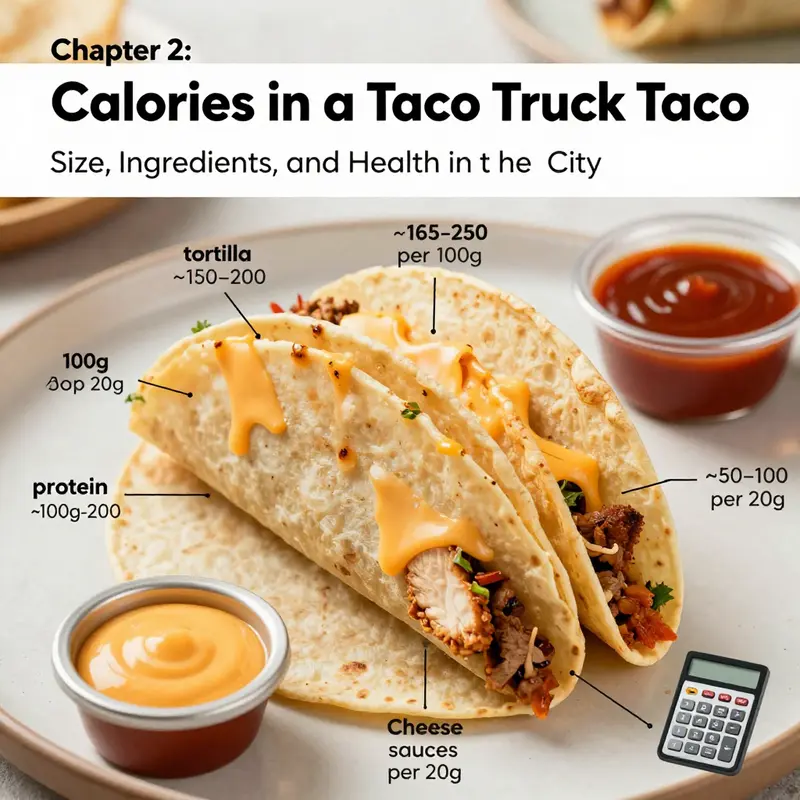
In the numbers that flank these narratives, the tortilla remains king. A 60-gram corn tortilla can sit near the 150- to 200-calorie mark in some contexts, especially when it is thicker or stuffed with more maize and fat. If a kitchen uses a larger tortilla, or if the shell is fried, that 60-calorie baseline can multiply quickly. The protein is the second pillar: roughly 100 grams of chicken roughly translates to 165 calories, while the same portion of beef can be closer to 250 calories. These numbers are approximate, and real-world portions vary, but they provide a practical framework for estimating a single taco’s energy content. Cheese and sauces—the extras that set flavor apart—can add 50 to 100 calories for every 20 grams. This is the category where a big difference can appear between a simple taco and a meal that feels substantial and indulgent.
Evidence from broader nutrition data sources helps anchor these observations. For instance, the USDA’s data on corn tortillas confirms the energy contribution from the shell itself—roughly 60 calories for a small 3-inch tortilla and up to around 90 calories for a larger 5-inch version. This is a crucial reference point because it demonstrates that much of the early variability in taco calories originates at the shell. Combine that with a modest protein portion and a handful of toppings, and you have a recognizable, classic street taco. Add more protein, switch to a fattier meat, or deploy heavier sauces, and the calories quickly multiply. A single, well-filled French-style taco—if we consider the French fusion example—can climb into the hundreds, underscoring how the same meal category can swing dramatically across cuisines and preparations. In this sense, the chapter’s core question—how many calories are in a taco truck taco? becomes a question with an honest answer: it depends on size, filling, and style as much as anything else.
For readers who want a quick, practical rule of thumb, there is a simple heuristic. Start with the tortilla. If you choose a small corn tortilla, you are beginning at roughly 60 calories. Then add a lean protein portion—roughly 100 to 120 calories for chicken or turkey, up to 150 for some fish options, and 180 to 250 for beef with modest fat. Add toppings sparingly: salsa and pico de gallo are relatively light, while a small amount of cheese or avocado adds a meaningful bump. If your goal is to stay under 300 calories for a two-taco meal, you can aim for two small corn tortillas, two lean fillings, and minimal high-fat toppings. If you crave a more indulgent experience, you can reach 500 calories or more with larger tortillas, extra protein, and substantial cheese or crema. The key is awareness and portion control, both of which are practical tools when navigating fast-moving street menus.
The ecological and cultural dimension of tacos also invites reflection. The same dish travels across borders and climates, picking up local twists and textures. The energy profile of a taco is not merely a personal concern; it’s a reflection of how food systems adapt to demand, supply, and culinary creativity. In some places, the street culture prizes compact, efficient bites that fuel quick work shifts or long walks. In others, street vendors lean into comfort and decadence, pairing protein-rich fillings with oil-based sauces and starchy accompaniments. This spectrum lies at the heart of why any single taco’s calories are not a fixed number but a range, shaped by choices, context, and taste goals. A shopper can, with a few informed questions, steer toward lighter alternatives, while a curious palate can explore denser combinations that deliver more intense flavor in a single, satisfying package.
To support this approach, operators and eaters alike can lean on practical practices. For operators, offering both lean and loaded options with clear labeling helps guests make informed decisions without sacrificing speed. For guests, asking for specifics—whether the tortilla is corn or flour, whether the meat is grilled or fried, and how much sauce or cheese is included—transforms an ambiguous menu item into a predictable calorie choice. An additional practical lever is to consider portion sizes. A typical street taco served with two tortillas and a straightforward filling amounts to about 150 calories in some contexts, while a larger, more intricate construction with rich toppings can easily double that figure. Mindful ordering that prioritizes lean fillings and modest toppings keeps the meal within a sensible energy range while preserving the cultural richness and flavor that make taco trucks a beloved part of the food landscape.
For readers who are curious about the nutrition data underpinning these observations, the broader literature and official databases offer a reliable foundation. A basic corn tortilla—the staple of many tacos—has been documented in nutrition resources with a range that captures the everyday variation in tortilla size and thickness. The standard reference points at the USDA’s database show 60 calories for a small tortilla and closer to 90 for a larger version. The protein portions—whether chicken, beef, or fish—come with their own consistent ranges, while cheese and sauces add bite-sized increments that accumulate in the final tally. The contrast with fusion or regional variations—such as a French-style taco that combines multiple energy-dense components—illustrates how the same culinary envelope can be stretched to extremes depending on technique and tradition. The overarching lesson is simple: know the building blocks, and you can estimate more accurately, even when the exact recipe is a mystery.
As a practical note for travelers and locals alike, one practical source of nutrition context is the USDA’s ongoing work with corn tortillas. A three-inch tortilla is typically around 60 calories, while a five-inch tortilla can approach 90 calories. This information helps anchor estimates when you are tempted to rely on memory or guesswork in a busy lineup. The rest of the equation—protein, fats, and carbs from toppings—will vary with every vendor, but the tortilla’s contribution remains a dependable starting point. And when you encounter a more indulgent menu item that pairs with fries, abundant cheese, or heavy creams, you’ll know the spike comes from the combination of multiple high-fat elements alongside that familiar shell.
In sum, the answer to the chapter’s central question is nuanced but actionable. A classic, lean Mexican street taco sits near the lower end of the spectrum, roughly 90 to 120 calories per taco. A larger, more filling version can land around 150 to 180 calories per taco, especially when extra toppings are present. Beef, chicken, fish, or bean-based fillings shift the average, with beef often pushing higher in the context of modest portions and lean cuts. Fusion-style or heavily sauced variants can climb aggressively higher, even into eight-digit calories in some extreme cases, though such figures reflect a distinctly different end of the culinary spectrum. The bottom line remains practical: if you want a light meal from a taco truck, choose a small corn tortilla with a lean filling and minimal cheese or oil-rich sauces. If you crave heft and variety, savor the loaded version—but be mindful that the energy count will rise in kind. The taco’s calories mirror its crowd-pleasing strength: a simple shell can hold a lot of energy when imagination, portion size, and toppings converge.
For those who navigate both nutrition and commerce in this space, there is a useful bridge between taste and numbers. A responsible approach to menu design emphasizes transparency—clear labeling of portion sizes and ingredient profiles—so that customers can make choices that align with their dietary goals. A lean option alongside a more indulgent alternative gives people control without compromising the cultural and sensory appeal of the dish. In other words, the taco truck becomes not only a stage for flavor but a practical classroom for energy awareness. And while the precise calorie count for any given taco will fluctuate with tortilla size, filling, and toppings, the guiding framework remains stable: the shell sets the baseline, the protein adds the middle, and the extras tilt the final balance.
Internal link reference: For operators seeking to balance nutrition with sustainability and speed in mobile food contexts, see Sustainable practices for mobile food trucks. Sustainable practices for mobile food trucks
External reference: For baseline nutrition data and a deeper look at tortilla and component energy, consult the USDA FoodData Central resource: https://fdc.nal.usda.gov
Calories on the Move: A Deep Dive into What a Taco Truck Taco Really Adds to Your Day
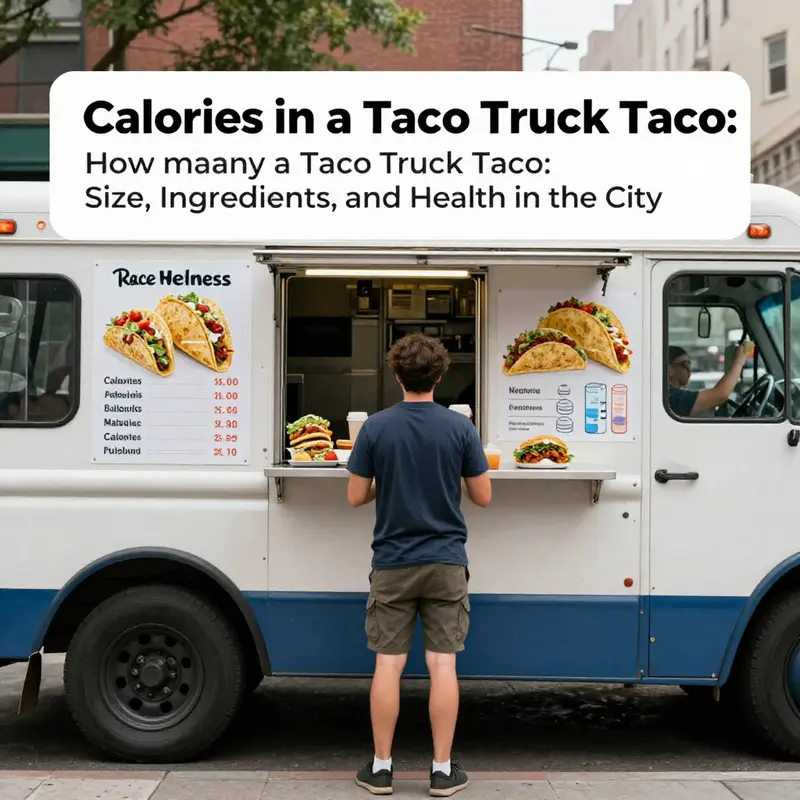
Deciding how many calories ride along with a single taco from a moving kitchen isn’t something you guess at. It’s a practical reading of the plate’s components, the size of the tortilla, the choice of protein, and the way sauces layer flavor and fat onto the bite. The taco truck, as a mobile kitchen, trades uniformity for flexibility. That means the energy in a single taco can range widely depending on the vendor, the day’s specials, and how a cook assembles the plate. The numbers aren’t judgments about people’s eating habits; they’re a map that helps someone plan for a day, a shift, a workout, or a road trip. When you travel or work long hours, understanding that map can transform a quick meal from an energy spike to a measured contribution to your daily needs.
At the heart of the calorie equation is the tortilla. A corn tortilla is the edible container and, in many street-style tacos, the main engine of calories. A small tortilla—often around 50 calories—serves as a baseline. The average taco truck might use one or two of these, depending on whether the vendor aims for a compact bite or a more substantial wrap. The tortilla’s composition—mostly carbohydrates, with a modest share of fat and protein—frames how energy accumulates as the rest of the toppings pile on. If a vendor uses a second tortilla or opts for a larger wrap, the energy footprint rises quickly. The same two bites that taste light can become a noticeable portion of a day’s energy intake when portions are larger or when a cart prioritizes heartier corn products. The tortilla thus acts as the gatekeeper to the taco’s energy profile, a reminder that the foundation matters as much as the toppings.
Protein is usually the strongest driver of calories within a taco. Grilled beef portions typical of street offerings can land around 150 to 180 calories for a two-ounce serving, with fat and marinade contributing the rest. Chicken, especially when lean and simply seasoned, tends to fall in a similar range overall, though portion size and preparation can shift the total. Al pastor and carnitas—pork styles popular in many carts—often land in a comparable region, but marinades, cuts, and how fat renders during cooking can move the count by a few tens of calories per taco. The result is that the protein choice, more than any other single component, often sends a taco from a light snack into a substantial meal, particularly on days when appetite is high or when energy reserves are depleted after a long shift. Marinades may add sugars, oils, and herbs that push calories upward, while grilling can trim fat and keep protein calories in check. In practice, a single protein option rarely defines the entire taco’s energy; instead, it anchors the range and interacts with other components to determine the final tally. The variability here is real: even within the same protein category, the exact cut, the marination, and the degree of fat retention can tilt calories by dozens per order.
Cheese and other dairy toppings step in as the middle ground, the bridge between protein and sauce. A modest tablespoon of shredded cheese or a light sweep of crema can add roughly 70 to 90 calories, often bringing along saturated fats that linger on the palate and in the bloodstream. Cheese doesn’t merely heighten flavor and mouthfeel; it tightens the energy budget of the bite. A light sprinkle can tilt a taco from a lean 230 calories toward the mid-two hundreds; a heavier layer can push toward 320 or more if sauces and guacamole pile onto it. The exact impact hinges on how much cheese lands on the tortilla and on cheese’s fat content, which tends to be the dominant factor in this component. The diner who tastes the cheese without overloading the palate will still enjoy a satisfying experience with a more controlled calorie count, even in a cart that embraces bold flavors. In this sense, cheese becomes a signal: a small amount marks richness, while too much quickly compounds energy without proportionate flavor payoff.
Sauces and condiments are the wild card; their energy comes not only from the ingredients themselves but from quantity and method of application. Avocado-based sauces or guacamole add roughly 50 to 60 calories per tablespoon, bringing a creamy, fruit-forward texture into the mix and folding in more fat. Sour cream or crema adds about 40 to 50 calories per tablespoon, while a salsa or pico de gallo contributes smaller amounts per tablespoon but can become substantial if the toppings are generous. The salsa’s brightness may carry acidity, fiber, and spice with a fraction of the calories, letting the eater achieve a satisfying bite without skyrocketing the energy. The practical takeaway is straightforward: sauces can multiply a basic protein’s energy, especially when paired with cheese and a thick tortilla. Even a lean meat taco can drift into a higher-energy category when the toppings lean toward indulgence. Each cart crafts its own balance, and the challenge for the health-minded diner is to ask for measured amounts and to opt for lighter options when available. The culinary experience remains enjoyable, and the energy cost becomes more predictable rather than arbitrary.
Putting those components together creates a spectrum rather than a single number. A standard taco truck taco, with a conventional corn tortilla, modest protein, light cheese, and no heavy sides, tends to land in roughly 250 to 350 calories. In that range, the tortilla accounts for a large portion of calories, the protein provides the backbone, cheese sits as a flavorful layer, and sauces whisper in behind as a final touch. This is the familiar zone for everyday meals—an energy density that sits comfortably between a light sandwich and a mid-size burrito, depending on how you assemble it. The upper end of the spectrum occurs when the tortilla is larger or when multiple tortillas are used, when cheese is generously applied, and when sauces are rich or abundant. It’s not unusual to see tacos that reach 400, 450, or more calories when the cart leans into heartier portions or when the toppings lean toward indulgence. A rare, larger, French-style interpretation of a taco that uses bold fillings and indulgent sauces can push calories dramatically higher; estimates cited in research show potential counts well over a thousand calories for these oversized creations, illustrating how portion size entirely reshapes the metric. This contrast underscores a basic reality: in a mobile kitchen, energy per bite tracks closely with how much food is delivered to the bite, and portion discipline matters as much as ingredient choice.
Understanding the range helps demystify the mathematics behind the menu. The tortilla’s role as a calorie engine becomes clear when you compare small and large options; a tiny bite might hover around 50 calories, while a full, two-bite meal with extra tortillas and fillings can climb into the high hundreds. This is a practical cue for anyone trying to count calories on the go. If you’re budgeting your day around a few tacos, or if you’re balancing a long shift in which you’ll need sustained energy without a heavy post-meal crash, the math matters. Protein remains important, but the context of portion size, preparation, and the presence of sauce escalate the total in ways that are not always obvious from the first bite. In climates or markets where cart vendors operate with rotating menus and varying recipes, the same protein can appear in different calorie bands across days. That variability is not an error but a natural feature of the mobile kitchen economy.
To navigate this landscape, one can adopt a mental model that treats a taco as a modular energy system. The tortilla is the shell; the protein, the core; the cheese, the flavor booster; and sauces, the wrap that ties everything together. When you consider the energy content, you can estimate quickly by thinking: is this a single-tortilla model? If so, expect around 200 to 250 calories before any extras. If the vendor adds a second tortilla or doubles the protein, you’re likely in the 350 to 500 range. If sauces are generous and cheese is a feature, the count can slip into the mid-500s or beyond. This mental calculation doesn’t require a scale or a calculator—only a quick sense of proportion and a willingness to adjust based on the visual cues of the plate. The trick is to use knowledge about common serving sizes without becoming paralyzed by minutiae. Most diners do not need to know the precise gram count of every ingredient to manage energy intake; they want a workable frame that informs appetite, meal timing, and daily rhythm. In practice, this approach helps people make decisions that fit their goals—whether that means keeping calories moderate while enjoying a flavorful street meal or choosing toppings that align with a broader nutritional plan.
Within that framework there are practical choices that can tilt the energy balance toward a healthier outcome without sacrificing satisfaction. One can opt for leaner proteins when available, or request smaller portions of cheese and creamy sauces. If a cart offers grilled chicken or lean beef as separate options, selecting those can cut calories noticeably while preserving protein. When possible, ask for salsa-based toppings in place of heavy creams, and limit guacamole to a modest spoonful rather than a full spoonful; guacamole carries healthy fats, but the energy cost adds up. If the cart uses avocado-based sauces or crema, requesting lighter versions or a drizzle rather than a flood can preserve flavor with a gentler energy footprint. Choosing a single tortilla rather than a double wrap can also be a simple, effective step. For vegetarian or plant-based options, cauliflower-based or mushroom substitutes can deliver bold textures and flavors with a different energy density, sometimes lower, though marinades and cooking oil can still push calories higher. Every cart has its own rhythm, and the best path is to treat your choices as a conversation with the cook: explain your goals, listen to what’s on offer, and then assemble a taco that satisfies hunger and helps you meet your daily energy target.
Beyond personal choices, there is a broader story about how a taco truck fits into the rhythms of a busy day, especially for people who drive, deliver, or staff long shifts on the road. The energy carried by a meal matters, not only as a measure of calories but as a buffer for fatigue, mood, and performance. A balanced approach might blend the taco with other components of a meal—perhaps a side of fresh fruit or a light salad on some days, or a small beverage that supports hydration without spiking calories. When energy needs are high and time is short, a taco becomes part of a larger planning exercise rather than a single decision. In this context, the order-in experience is about more than taste; it is about how the energy from the plate aligns with the body’s needs across a day of movement and decision points. For truckers, delivery crews, and travelers, these decisions accumulate, and small adjustments can compound into meaningful differences in day-to-day energy and long-term health. The taco truck, with its dynamic menu and accessible flavors, offers a practical example of how a single meal can fit into a life defined by movement and schedule rather than routine restaurant hours.
People who track calories often adopt practical habits that work in real-world settings. Carrying a small notebook or using a quick digital note on the phone can help record what was chosen and approximate calories later, without having to chase down the exact grams. Some carts display calories on boards or in small handouts; others rely on general guidelines that vary with the toppings. Even the absence of precise data can become a useful signal: if a choice feels heavy and indulgent, it likely carries more energy than a lighter option with similar flavor intensity. The key is to be aware of the interplay between the tortilla, the protein, the cheese, and the sauces; when you learn to see the meal as a combination rather than a collection of parts, you gain confidence in estimating energy and adjusting portion sizes to suit your day. It’s a habit that can be cultivated anywhere, including on the go, and it is grounded in everyday cooking logic rather than complex calculations. This is not about deprivation; it is about making choices that align with your daily energy budget while still enjoying the vibrant flavors of a taco truck. As you move through different carts and menus, the lesson remains consistent: energy density follows portion and preparation as much as it follows tradition. If a cart emphasizes rich sauces, heavy cheese, and larger tortillas, the calories climb; if it leans toward lean proteins, salsa-forward toppings, and modest wraps, the taco remains a satisfying, lower-energy option. The chapter on nutrition from this body of research underlines a practical truth: you can enjoy a street-style taco and still meet daily energy goals when you understand how each element contributes to total calories and how variations in size and toppings swing the needle. For further reflection or broader reading on how mobile food operations balance sustainability, profitability, and menu design, consider exploring Sustainable-practices-mobile-trucks. This resource connects the nutrition-focused discussion with the operational realities of mobile food enterprises, offering a holistic view of how caloric choices intersect with a truck’s business model and community impact. For broad reference on caloric data, see https://fdc.nal.usda.gov.
Crunch, Calories, and Street-Flavor: Mapping the Calorie Landscape of a Taco Truck Taco
The neon glow of a taco truck and the scent of grilled meat set the scene. In that moment the question arises: how many calories are in the taco before you? The answer isn’t a single number but a range shaped by the tortilla, the protein, and the toppings. A typical taco starts with a tortilla that can contribute roughly 100–200 calories, depending on size and whether it’s corn or flour and if it’s fried. Protein choices add more variety: lean chicken or pork may sit in the 150–250 calorie range per taco, while richer fillings or larger portions push totals higher. Sauces, cheese, crema, and avocado can add substantial calories in modest portions, turning a lean base into a more indulgent meal.
Across markets the range widens. A simple street taco often lands in the low to mid 200s, but larger or richer builds can climb past 400 and, in rare cases, exceed 500. The three primary levers – tortilla, protein, and toppings – explain most of this spread: tortilla choice and size, lean versus fatty proteins, and the presence of high-calorie sauces or fried components. Dry mixes and base ingredients can be relatively modest, but the final assembled taco is the product of many choices, not a single component.
For diners, a practical approach helps: opt for a smaller tortilla or corn tortillas, choose grilled or lean proteins, and moderate cheese or crema. Load up on salsa, vegetables, and other low-calorie toppings to balance flavor and energy. Vendors can support healthier decisions by offering lean builds, clearer labeling, and visible portion cues. The street food scene thus becomes a place where flavor and energy awareness can coexist, not one where nutrition is sacrificed for speed.
In short, the calorie content of a taco truck taco is context dependent. Understanding the core building blocks makes it easier to estimate energy and to adapt meals to daily goals without losing the joy of street cuisine.
Final thoughts
Across these chapters, the calorie story of a taco truck taco ranges from a lean baseline to indulgent builds, driven by size and ingredient choices. A standard, lean taco tends to sit near 180–200 calories, while larger or sauce-heavy versions can exceed 500 calories and, in some regional styles, climb even higher. The key takeaway for urbanites and professionals is simple: know the components. The tortilla size and type set the foundation; the protein choice and portion drive the bulk of the calories; and cheese, sauces, and extras push the total upward quickly. For patrons, this knowledge supports smarter ordering—favor smaller tortillas, lean proteins, and measured sauces; for operators, clear labeling and consistent portioning can maintain flavor while offering healthier options. The city’s taco trucks thrive on speed and variety, but calorie awareness can help you balance cravings with daily goals and help vendors meet a broader audience. Embrace the data, ask questions, and choose options that satisfy taste without compromising wellness in the urban landscape.