
Urban life loves quick, flavorful bites, and food truck tacos deliver that magic on sidewalks, parks, and transit hubs. Whether you’re a city dweller grabbing a lunch between meetings, an outdoor enthusiast fueling a hike, or a freelancer testing a pickup window, tacos that travel well and taste bold are a smart bet. This guide breaks the craft into three interconnected layers. Chapter 1 unlocks core filling concepts and flavor profiles that suit beef, chicken, or plant-based options. Chapter 2 dives into tortillas, build order, and service presentation so every bite looks and holds together under sun, wind, and crowd pressure. Chapter 3 turns attention to operations, pro tips, and menu innovation, helping you run efficiently, control costs, and keep customers coming back for seasonal twists. As you scroll through, you’ll find practical tips you can test today—no fancy equipment required—to turn a simple taco into a memorable city-dwelling dining moment.
Building the Perfect Food Truck Taco: Filling Foundations and Flavor Architecture
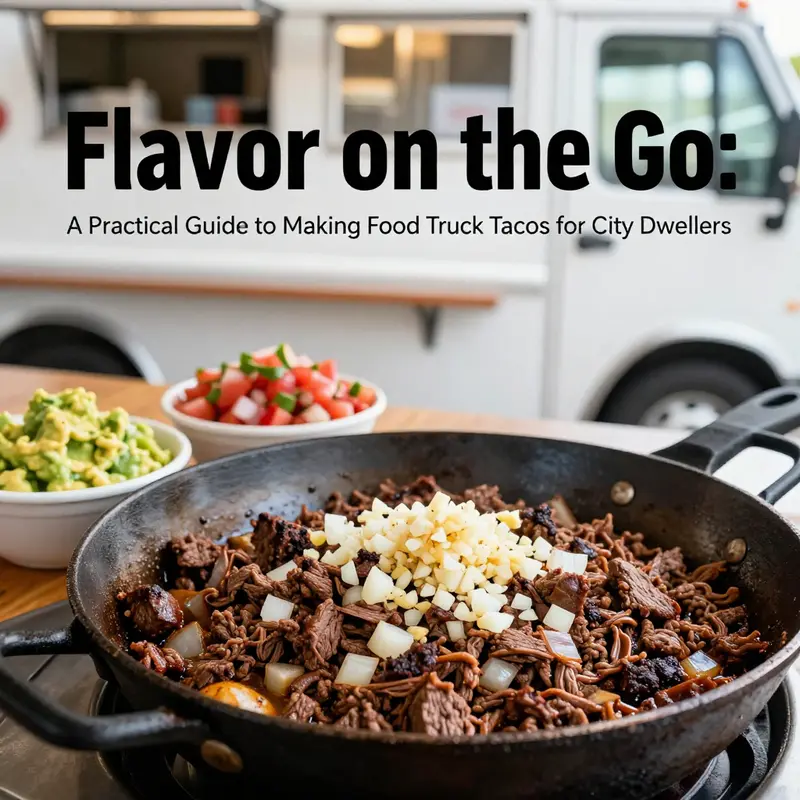
Core idea: great food truck tacos start with a clear plan for the filling, a deliberate flavor profile, and a practical workflow that preserves taste under pressure. This chapter walks through the thinking behind choosing proteins, balancing textures and acidity, and tuning seasonings so each bite feels intentional. It also translates those concepts into simple, repeatable steps you can use in a busy mobile kitchen.
A memorable taco is more than protein in a warmed tortilla. It is a compact melody of contrasts: fat and acid, heat and cool, soft and crisp. Start by choosing a primary protein that matches the mood you want to create. Rich, slow-cooked pork or beef demands bright, acidic toppings to cut the weight. Grilled steak and chicken welcome smoky or charred accoutrements. Plant-based proteins often benefit from bold, umami-driven elements to mimic the savory depth of meat. Once the protein is chosen, define a concise flavor family. Will you lean into classic Mexican spices like cumin, oregano, and lime? Or will you borrow elements from Cajun, Asian, or Mediterranean palettes? Commit to one direction. The rest of the taco components must support that choice.
Protein preparation is the first crucial decision. Ground meat cooks fast and is easy to portion, which suits high-volume service. Slow-cooked carnitas or barbacoa take more time, but they reward with texture and depth. For a food truck, aim for proteins that hold well under heat without drying out. Braised meats finished with a quick sear deliver both tenderness and a crisp edge. When using shredded proteins, reserve some rendered fat or cooking juices to spoon on during assembly. That splash of fat carries flavor and keeps the tortilla from feeling dry.
Seasoning should feel generous and clear. Rather than splattering many small spices, choose a dominant seasoning blend and use it boldly. A Mexican-inspired blend might center on chili powder, smoked paprika, garlic, cumin, and a touch of oregano. If you prefer a Creole or Cajun lean, push paprika, thyme, and cayenne, and finish with a squeeze of lemon or lime for lift. Asian-leaning tacos benefit from soy, toasted sesame oil, and fresh ginger. Mediterranean notes come alive with lemon, sumac, and parsley.
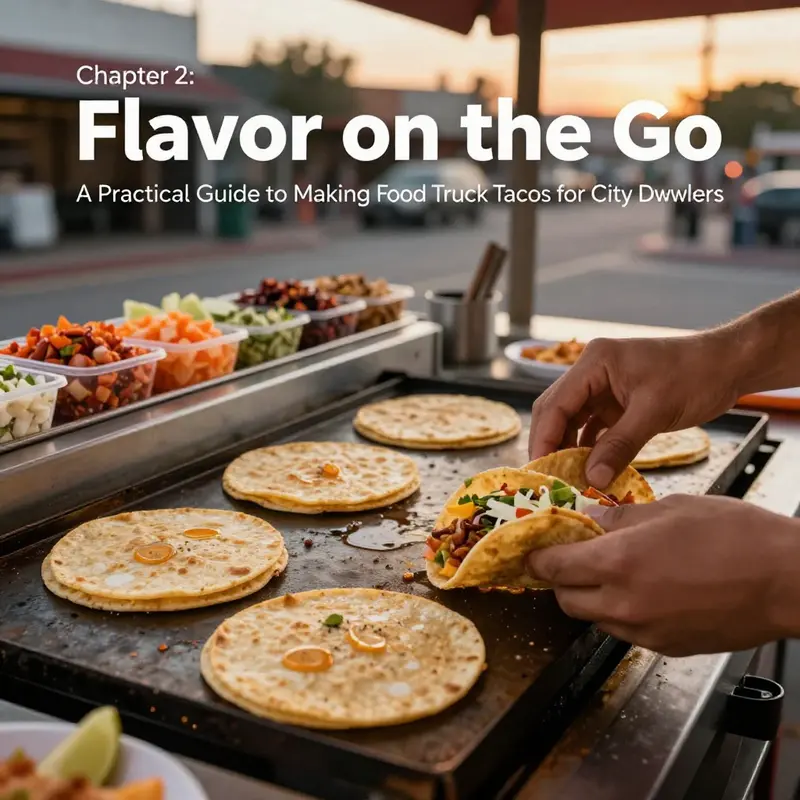
Think of the tortilla as an active component, not just a wrapper. Corn tortillas are traditional and bring a faint sweetness and grain that complements rich fillings. Heat tortillas briefly on a griddle until pliable. A quick char provides smoky notes and improves mouthfeel. If you plan to steam or keep tortillas warm in a towel, avoid over-softening. A slightly firm tortilla creates structural support and helps the taco hold its fillings during service.
Textural balance is a constant priority. Soft, fatty proteins need something crisp to contrast. Finely shredded cabbage, thin slaw, or quick-pickled onions add snap and brightness. Conversely, lean grilled protein benefits from creamy elements like guacamole, crema, or a yogurt-based sauce. These cooling components tame spice and round the flavor. Add seeds, fried shallots, or toasted pepitas for an extra crunch that feels intentional.
Acidity and heat are the taco’s punctuation marks. Lime juice, vinegars, and fermented salsas cut richness. Use acid sparingly during cooking so the protein retains depth. Save bright acid for final assembly, and add it at the last moment. Heat should be layered. Mild chiles, spicy powders, and hot sauces each play a role. A smoky chipotle, for example, gives warmth and complexity. Fresh chiles or pickled jalapeños provide a bright, immediate bite. Offer heat on the side for diners who want control.
Herbs and finishing salts refine the profile without overpowering it. Fresh cilantro is classic and delivers a clean, citrusy lift. For Mediterranean or fusion tacos, fresh parsley or mint can be substituted. Sprinkle a finishing salt or a flake salt just before serving. The contrast of a large salt crystal against soft fillings elevates every chew.
Salsas and sauces are the flavor glue. They should be simple, bold, and made in batches that hold for service. A vibrant pico de gallo brings freshness through chopped tomato, onion, cilantro, and lime. Roasted salsas add depth through caramelized tomatoes and chiles. Crema, whether dairy or plant-based, smooths heat. Guacamole should be chunky and lightly seasoned to avoid overpowering the protein. Make sauces with a clear role: acid, fat, umami, or heat. Avoid making every sauce try to do all four.
Efficiency in a food truck demands premeditated mise en place. Pre-chop vegetables, portion toppings, and label containers. Par-cook proteins ahead and finish them to order with a quick sear for texture. Hold sauces in squeeze bottles for rapid application. Stack tortillas with a damp cloth to keep them pliable. Keep one station for assembly and another for finishing touches like herbs and lime wedges. This setup reduces pauses and keeps lines moving.
Consider seasonal twists and the benefits they bring. Roasted sweet potatoes or grilled pineapple make excellent vegetarian or pork companions in summer and fall. Seasonal produce also gives small costs savings and flavor lifts. Make one or two rotating specials each week to showcase seasonal items and to keep the menu exciting. Specials also allow you to test new flavor combinations without overcomplicating daily operations.
Portion control matters as much as seasoning. Consistent spoonfuls of protein, predictable amounts of salsa, and measured dollops of crema create a uniform guest experience. Practice plating or serving your tacos to a timing standard. Too much filling makes the taco messy. Too little makes it forgettable. Aim for a balance where each bite contains protein, acid, crunch, and herb.
Menu clarity helps guests quickly choose. Use short descriptors that emphasize the primary protein and the most distinct topping. For example: “Carnitas — braised pork, lime-cabbage slaw, roasted salsa.” Descriptions should also hint at heat level. A simple icon system for spice keeps the line moving and sets expectations.
Food safety is non-negotiable. Keep hot proteins above required holding temperatures. Chill salsas and crema and keep them under cold holding. Label and date all prepared items. Rotation of prepared batches reduces waste and preserves quality. Train staff to taste and adjust seasoning before service. Small adjustments like a bit more salt, a squeeze of lime, or an extra pinch of chili elevate quality consistently.
Plate presentation is part of the experience. Even in a food truck, how a taco looks matters. Arrange toppings to show color variety. A bright green herb, a red salsa, and a white crema photograph well and invite guests. Serve tacos in simple, practical vessels that preserve warmth and reduce spills. If you use paper boats or trays, consider a grease-resistant liner to keep presentations clean.
Cost control ties back to component choices. Proteins dictate the primary cost center. Stretch expensive proteins with hearty, low-cost accoutrements. A small scoop of flavorful salsa, a crisp slaw, and a wedge of lime can make a premium protein feel abundant. Conversely, inexpensive proteins can taste premium if paired with high-quality salsas and finishing salts.
To build signature tacos, blend one unexpected element with a familiar base. For example, pair classic shredded chicken with a bright, tangy slaw that includes a surprising herb, like mint or basil. Or fork-roast pork and finish with a sweet pickled fruit. These small departures create a memorable identity without alienating customers.
Train staff on the concept of balance. Teach them to taste and to ask whether a taco needs more acid, salt, temperature contrast, or crunch. Use tasting sessions to illustrate how a lime wedge changes perception, or how a touch of chili oil can enliven a mellow filling. Simple checkpoints like “does it have acid?” or “does it have texture?” make quality consistent.
For vegetarian and vegan options, build depth through texture and umami. Roast or caramelize vegetables to concentrate flavors. Use mushrooms, jackfruit, or tempeh as protein bases. Add miso, soy, or roasted chiles to introduce savory notes. Finish with citrus and crunchy pickles to keep the bite lively.
Sustainability matters in modern mobile kitchens. Source produce locally when possible. Use efficient prep methods to reduce waste. Compost scraps or partner with local composting services. For practical guidance on running greener mobile operations, see sustainable practices tailored to food trucks. Integrating sustainability reduces costs and strengthens brand stories.
Finally, iterate. Use customer feedback and brief daily debriefs to refine portions, seasoning, and service rhythm. Monitor waste, speed of service, and sales of each taco type. Rotate flavors slowly and note how changes affect throughput and guest satisfaction. The best food truck tacos evolve from a simple, strong core concept and disciplined execution.
External reference: For inspiration on balancing traditional techniques and street taco authenticity, consult this guide on top food truck taco approaches. (https://www.foodandwine.com/taste/austin-taco-trucks-best)
This chapter equips you to design fillings that work under heat and hustle. The next chapter will translate these ideas into an efficient prep and service plan, complete with recipes and a timeline you can follow during rush hours.
null
null
Taco on Wheels: Orchestrating Flavor, Velocity, and Innovation in a Mobile Taco Operation
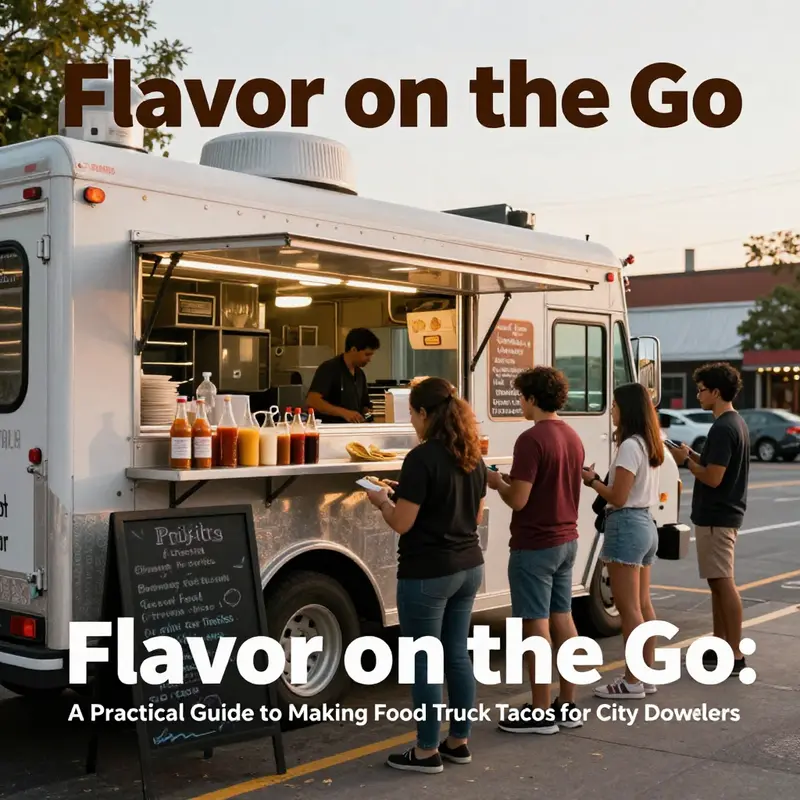
The scent of sizzling corn, the quick crackle of onions meeting a hot skillet, and the steady hum of a serving window opening to greet a crowd—these are the elements that define a successful food-truck taco operation. It isn’t enough to nail a recipe; the real craft lies in turning a narrow kitchen into a precision tool for speed, consistency, and delight. The best taco trucks move with a rhythm that feels almost musical: pre-assembly quietly builds the backbone, while the hot line keeps pace with the day’s demand, and the front of the house becomes a small stage where color, aroma, and hospitality perform in harmony. In this landscape, flavor and function are not opposing forces; they fuse to create a transportable feast that travels from the pan to the hand, and then, in the swift corridor of a few bites, from craving to satisfaction. The road to mastery begins with a clear map of operations, then invites experimentation that respects the tempo of a busy service and the personal taste of every guest who steps up to the window.
Operational efficiency in a food truck is a game of precision dressing, not guesswork. It starts long before service begins. Core components—protein, toppings, sauces, and tortillas—are prepared in advance in a controlled sequence so that the moment the order slips into view, the assembly line can glide rather than grind to a halt. This is not about rushing; it is about reducing friction. Pre-chopped onions, diced tomatoes, and peppers sit in labeled, easy-access containers. Large batches of seasoned meat or shredded chicken rest in a holding unit, kept at safe temperatures but ready to be warmed with minimal manpower. When the order arrives, a trained team can transform raw ingredients into a finished taco in a handful of deliberate steps, each one calibrated to preserve moisture, texture, and color. A well-lit, two-station layout—one focused on cooking and filling, the other on assembling and finishing—becomes a silent maestro directing a sequence that never loses tempo. In such a space, even a line of eight people can move with the grace of a well-rehearsed troupe.
To maintain consistency across shifts and days, standardized recipes do more than guarantee taste. They set a shared language for the crew. Weighing meat with a digital scale, measuring salsa with a ladle of fixed size, and portioning toppings with uniform scoops create predictable outcomes that guests come back for. The discipline of portion control isn’t punitive; it is a promise that every taco tastes the same whether it’s 11 a.m. or 11 p.m. It also protects margins, a critical consideration when fuel, labor, and ingredient costs drift with the weather and the calendar. A small but steady investment in a dual-station workflow and clear SOPs—standard operating procedures—can transform a chaotic service into a predictable, repeatable performance.
In the micro-economy of a truck, inventory management behaves like a living system. A FIFO (first in, first out) protocol keeps perishables fresh and reduces waste. A lightweight digital tracker that tracks stock in real time can alert the team to surpluses and shortages before they disrupt service. The goal is not to chase every penny but to steady the ship so that peak hours don’t become a scramble. A well-planned inventory also informs menus. When a supplier delivers peppers in bright red, orange, and yellow, it invites color in the salsa and toppings, which in turn invites customers to favor certain toppings with higher margins or faster turnover. In this context, the Taco Station becomes a hub of color and aroma, a place where the eye takes in the vibrant lineup and the nose cues the next bite.
Yet the truck’s engine is not only what’s cooking; it is the way people move inside the space. Customer experience hinges on staff who are as precise as they are personable. A warm greeting, a confident cadence, and an eye for details—such as offering extra cilantro or a side of lime—become a small bundle of differentiators that accumulate into a preferred memory. Training focused on hospitality builds loyalty in a market that is often crowded with options. When a guest asks about heat levels or dietary restrictions, a well-informed team member can respond with options and confidence, not hesitation. This is where flavor meets service, and memorability becomes part of the product. The brand becomes not just a taste but a feeling—the sense that the customer is seen, heard, and valued in every interaction.
The line between flavor and technique broadens when we consider sauce and spice balance. A single, well-balanced salsa can elevate a humble filling into something memorable. The truck can offer several salsa profiles, from a bright pico to a smoky roasted tomato or a tangy green salsa. The key is to provide choice without complexity that slows service. Guests can customize, but the base flavors remain robust enough to stand on their own. A signature house sauce adds another layer of identity. A citrus-chili rub for chicken or a quick, herbaceous drizzle for beef can become a nondisclosed secret that differentiates the truck without requiring exotic ingredients. The sustainability of this approach rests on the ability to reproduce the sauce’s flavor across countless cooks and days—a true test of process and memory.
The tortillas themselves deserve more attention than they often receive. Tortilla mastery is not a momentary flourish but a core practice. Warming tortillas just before serving unlocks a tender texture and an aroma that signals freshness. A dry skillet, a comal, or a dedicated warmer can all deliver the right level of pliability and slight char. The goal is to avoid serving tortillas cold or dry, which dulls the taco’s overall impact. When tortillas are warmed to the point of being pliable with a faint toast, they set the stage for the fillings to shine. If the truck uses corn tortillas, that choice aligns naturally with traditional street-food aesthetics and gluten-free considerations, while also offering a familiar canvas for bold toppings. The texture and aroma not only enhance flavor but provide sensory cues that invite the customer to indulge. In practice, tortillas are the unsung heroes of taco quality, their success measured in the first bite when the tortilla holds the filling together with just enough give to keep the experience cohesive from wrapper to mouth.
Another axis of excellence lies in the ability to adapt and iterate without losing core identity. Menu innovation is not simply about chasing trendy flavors; it is about creating room for evolution while preserving what makes the truck recognizable. Seasonal specials are one legitimate pathway. In summer, a grilled pineapple with spicy chicken can fuse sweetness with heat, while in cooler seasons, roasted root vegetables with a smoky rub can deliver comfort with a twist. Fusion concepts invite exploration—Korean barbecue with gochujang mayo or Mediterranean lamb with tzatziki and feta can broaden the appeal while maintaining a clear through-line of taco structure. The most successful operators treat innovation as a sandbox with guardrails: the base tortilla, the core protein, and the essential toppings remain constant, while toppings, salsas, and small tweaks to seasoning offer a controlled space for experimentation. This approach minimizes waste and ensures that the kitchen remains adaptable without becoming unmoored from its identity.
Dietary inclusivity is not an optional add-on but a strategic necessity. Clear labeling helps guests navigate gluten-free, vegan, vegetarian, and dairy-free options. Corn tortillas provide natural gluten-free compatibility, and plant-based proteins such as legumes or mushrooms can be included to accommodate diverse diets. An explicit menu language helps guests understand what’s available without feeling singled out. In practice, this means mapping ingredients to common allergen concerns and offering substitutes that are reliable in texture and flavor. It also means training staff to discuss options with confidence. A guest who is avoiding dairy, for example, should be able to choose sauces and toppings that deliver satisfying mouthfeel and brightness without compromising their dietary needs. In a crowded market, inclusive options can be a selling point, drawing curious eaters who might otherwise pass by a truck that feels limited by its own assumptions.
From a design perspective, packaging and presentation matter as much as the filling inside. Visual appeal matters because the moment the order is placed, the customer’s eyes are already tasting the product. Neat stacking, fresh herb garnish, and color-attracting toppings can transform a simple taco into a small, portable sculpture. Eco-friendly packaging can communicate values to a client who respects the planet as part of their dining experience. A QR code linking to a simple online menu or social channels can also extend the brand’s reach, turning a quick meal into a moment of discovery that fans will want to share. The story that follows each taco—where the ingredients come from, who prepared them, and how a unique sauce came to be—can be told with a single, vivid bite if the execution is consistent and the narrative clear.
The push and pull of operations, flavor, and innovation ultimately converge in how a truck earns its keep. The economics of mobility require not only careful menu planning but also a fearless readiness to pivot when the market shifts. A Build-Your-Own Taco concept, for example, can be a clever way to manage waste and cater to multiple tastes in a single transaction. Guests construct their own taco from a base, protein, toppings, and sauce, creating interaction and a sense of ownership. By observing choices, the operator can learn which toppings are favored, adjust inventory accordingly, and refine the menu to optimize both taste and cost. The interactive element also improves the guest experience, inviting a playful moment that becomes memorable in a crowded street scene. The key to making such a station work lies in a robust but flexible setup: clear labeling, accessible toppings at varying heights, and a sauce bar with sensor-ready containers that dispense a measured amount to avoid overuse and mess. The result is a service that feels both artisanal and efficient—a combination that many customers come to rely on as part of their weekly rhythm.
To weave these strands into a cohesive operation, it helps to see service as a performance with a backstage. The backstage consists of inventory alerts, prep schedules, equipment maintenance, and a simple, human-centered approach to guest interactions. The front of the house—windows, counters, and canopies—becomes the stage where warmth, speed, and taste fuse into a single, repeatable experience. When a customer leaves with a bright, balanced bite and a smile, the entire system has worked as intended. The goal is not to maximize complexity but to minimize friction while maximizing flavor and personality. In practice, this means that every shift repeats a reliable core process, even as the menu flexes with the seasons and the city’s appetite. It also means that the crew evolves together, learning from each service, capturing small improvements, and turning them into routines that endure. The chapter of a truck’s life is written between dawn prep and dusk service, in the careful choreography that keeps the tacos moving from pan to plate to palm with consistent joy.
Sustainable practices for mobile food trucks are not an afterthought; they show up in every slice of the operation, from waste streams to napkin counts. To honor the planet while honoring guests, operators can implement simple, high-impact measures: portion-control tools to curb waste, reusable or compostable packaging that aligns with branding, and a waste-sorting system that makes recycling and composting straightforward for staff and customers alike. Every little decision matters, from how long a tortilla sits under heat to how quickly a guest is invited to enjoy their food. The more deliberate the tempo, the more guests feel that the truck is a well-run, respectful business rather than a casual street stall. And because mobile food service is dynamic—rain, traffic, and line length can all influence the moment—the real advantage lies in building a resilient operation that can sustain both rapid service and the quality that keeps customers coming back. The menu can be an instrument for resilience too, offering a few adaptable staples alongside seasonal specials that illuminate the palate without compromising the workflow.
The ongoing challenge, and the opportunity, is to remain relevant without becoming bloated. This means listening—carefully—to the market, monitoring what people respond to, and letting data guide decisions in a way that preserves the soul of the taco. It also means storytelling: sharing the origins of ingredients, the thought behind a sauce, and the care that goes into each plate. Food trucks don’t just feed people; they create little communities in motion, where a shared appetite becomes a shared memory. In this sense, the taco truck is less a business and more a living, breathing experience, one that can travel from neighborhood to neighborhood with the same vigor as the city itself. The chapters of a successful mobile taco operation build on one another: precision operations, bold flavors, guest-focused service, and innovative thinking that respects the constraints of a small kitchen while inviting guests to participate in the evolution of the menu. The journey is ongoing, and every service is a new page that can rhyme with the last while offering something distinctly delicious.
To close this chapter’s thread, imagine an afternoon where the truck hits a steady rhythm: a steady pour of orders, a chorus of compliments, and a line that moves with the clock rather than against it. In such moments the crew feels a shared pride, the guests feel well cared for, and the business feels purposeful. The best operators treat each day as a chance to refine what they do best: deliver a simple, iconic format—the taco—through a sophisticated blend of technique, hospitality, and creative spirit. The result is not merely sustenance but momentum—the momentum that comes from dependable operations, from flavor that sparks conversation, and from a menu that invites curiosity while delivering comfort. The path forward is to continue balancing the elements that make a taco truck thrive: speed without sacrifice, quality without stiffness, and a willingness to imagine better ways to bring a village’s appetite into motion. In the end, the truck becomes more than a vehicle; it becomes a mobile kitchen that honors craft, respects guests, and keeps turning the corner toward new flavors and a broader community of taco lovers.
External resource: https://www.thespruceeats.com/mexican-taco-recipe-4775689
Final thoughts
By aligning core fillings with bold flavor profiles, pairing them with reliable tortilla technique, and tightening operations around service presentation and menu innovation, you create a food truck taco workflow that travels well, scales with demand, and stands out in a crowded cityscape. Use the three chapters as a practical blueprint: nail the filling flavors first, perfect the build and look of each taco, and then optimize your prep, pricing, and seasonal twists for sustainable profits. With discipline and creativity, your mobile taco concept can become a reliable, beloved urban go-to.