
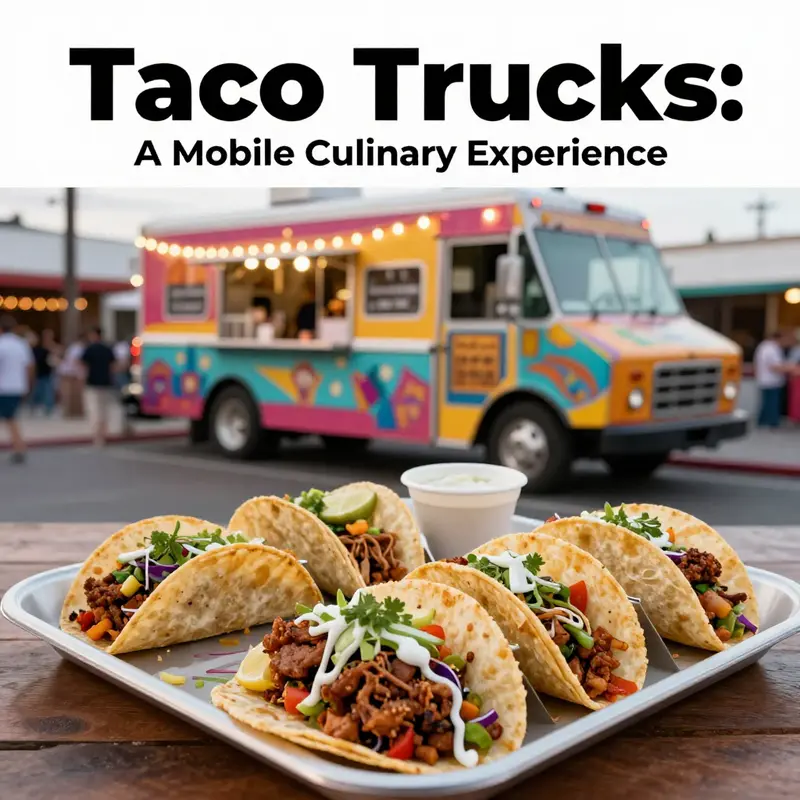
Taco trucks are more than just mobile kitchens serving delicious tacos; they represent a vibrant intersection of culture, economy, and community. For urban commuters, city dwellers, outdoor enthusiasts, and small business owners, understanding what taco trucks stand for unveils a rich narrative of culinary artistry and economic contribution. In this exploration, we will delve into what makes taco trucks vital in the culinary landscape, their economic impacts on urban areas, and their sociocultural significance, highlighting their essence beyond mere food vendors.
null
null
From Sizzle to Significance: The Citywide Meaning and Economic Pulse of the Taco Truck
The taco truck is more than a mobile kitchen or a fleeting flavor in a city’s lineup. It is a microcosm of urban life in motion, a portable workshop where cuisine, labor, culture, and commerce intersect in the street. As a symbol, it embodies a practical philosophy: hunger can be met with improvisation, opportunity can be found in a lane between storefronts, and community can grow around a shared meal. When we ask what a taco truck stands for, we glimpse a layered answer that extends far beyond the sizzle of carne asada or the aroma of fresh cilantro. It stands for mobility, accessibility, and the enduring work of people who turn simple ingredients into neighborhood rituals. This chapter traces how that everyday stand on wheels has become a significant economic engine in urban areas, reshaping where people work, how local economies circulate, and how a city imagines itself through street food as a living, evolving form of local culture.
The mobility of the taco truck is its first economic gift to the city. Unlike a fixed restaurant, the truck can reposition itself to where customers are most abundant or where a new demographic is seeking a quick, affordable meal. This fluidity matters in dense urban landscapes where foot traffic shifts with office hours, events, and seasonal patterns. A traveling kitchen can test menus in underrepresented neighborhoods without the heavy capital risk of brick-and-mortar space. In practice, this means chefs with limited startup capital can explore culinary innovations, then either scale up their concept or continue to operate as nimble, community-facing purveyors. The result is a city that accommodates experimentation, not just established brands. The truck becomes a bridge between traditional cooking and contemporary tastes, a catalyst for culinary dialogue across neighborhoods that might otherwise feel disconnected. In that sense, the taco truck is an instrument for urban inclusivity as much as it is for appetite.
Beyond the kitchen on wheels lies a web of entrepreneurship that is both practical and aspirational. Many operators reflect family traditions, turning weekend or after-school labor into a professional vocation. The low barrier to entry—less upfront capital, fewer fixed costs, and the ability to scale with demand—creates a pathway from informal street vending to formal small business ownership. Entrepreneurs who start with a truck can learn the basics of supply, pricing, and customer service in real time, then adapt to regulatory environments or expand into storefronts when the timing feels right. In cities where immigrant communities contribute richly to the food scene, the truck often serves as a first hearth for new arrivals, a place where culinary know-how can be shared, refined, and showcased. The journey from a weekend stand to a beloved local institution is a narrative many owners carry with pride, and it is a clear demonstration of how street-level commerce can seed broader economic mobility.
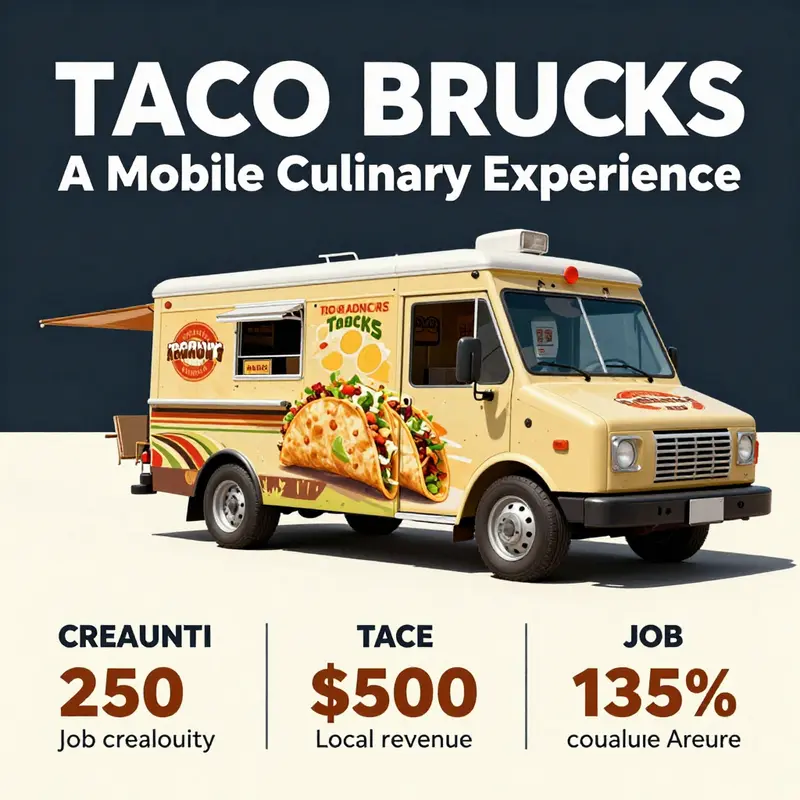
Job creation is another thread in the economic fabric woven by taco trucks. The operator hires cooks, assistants, and often drivers, while the broader ecosystem—suppliers, bakers, butchers, and farmers—feels the ripple effects of steady demand. Even small-volume sellers engage local growers for corn, lettuce, salsa ingredients, and spices, reinforcing regional supply chains and reducing the need for distant sourcing. In urban settings with diverse populations, trucks can offer varied menus that address dietary preferences and cultural tastes, expanding employment opportunities to a wider range of workers. The labor story here is personal as well as economic: families, friends, and neighbors collaborate across generations, sharing recipes, techniques, and the wisdom of day-to-day operations. When a truck remains in a neighborhood for years, the people around it build a sense of ownership and pride in their local economy, reinforcing social bonds while contributing to the city’s tax base and retail vitality.
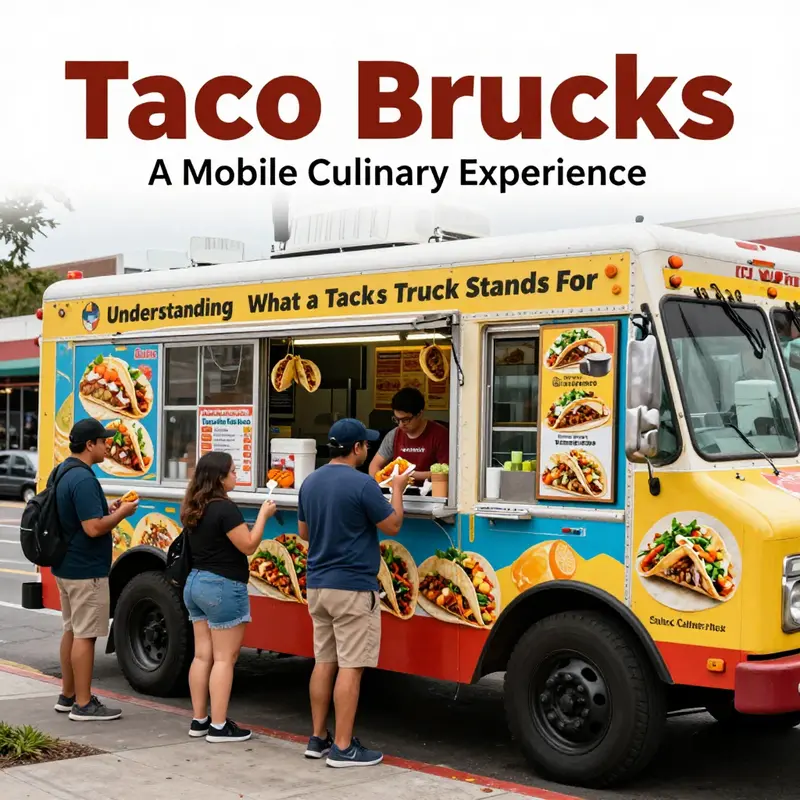
The vibrancy that taco trucks inject into urban food scenes has tangible effects on nearby businesses. The hustle of a truck can draw pedestrians into commercial districts during slow hours, creating spillover benefits for nearby groceries, clothing stores, and service providers. The sight and sound of a lively cart—bright colors, a line of customers, the rhythmic rush of a grill—transforms a street corner into a rendezvous point. This sociocultural dynamic matters because urban vitality is not just about meals; it is about circulation—people moving through spaces, spending time, and returning with friends and families. The presence of trucks adds texture to the city’s culinary map, inviting exploration and cross-cultural exchange. In a city’s narrative, they become anchors of memory and anticipation, places where people know they can gather, try something new, and feel connected to a larger urban story.
Nutrition and sustainability concerns increasingly enter the conversation about urban street food. A growing share of taco trucks chooses locally sourced ingredients, reducing food miles and supporting nearby farms. When operators link to regional producers, they contribute to more resilient local food systems that can better weather supply disruptions. This local sourcing also has educational value: customers learn, often through casual conversations, about where food comes from and how it is produced. The truck, in this sense, becomes a mobile classroom, a site where economics and ecology meet at the counter. For many operators, the practice of sourcing locally aligns with broader commitments to community resilience and environmental stewardship, turning a simple meal into a platform for sustainable urban living.
From a policy perspective, the city recognizes taco trucks as partners rather than only competitors to traditional restaurants. Authorities have begun to design permitting processes that acknowledge the unique realities of mobile vendors, balancing safety and permitted activity with the need for economic opportunity. Designated parking zones, simpler licensing steps, and collaborative events show a shifting mindset: street food is not a nuisance to be managed but a valued asset that can contribute to sustainable development goals. These partnerships reflect a pragmatic appreciation of the trucks’ role in promoting neighborhood revitalization, encouraging night-time economy, and expanding access to affordable meals across different districts. In many cities, this alignment between government and street vendors signals a broader definition of economic development—one that embraces flexibility, cultural exchange, and inclusive growth as core components of urban strategy.
The symbolic weight of the taco truck should not be overlooked. It is a portable emblem of resilience and adaptability. For many operators, the truck embodies a horizon of possibilities opened by transnational culinary practice. It carries recipes from home, but it also travels to new customers who would not have walked into a traditional restaurant in the same way. The result is a shared table that can bridge differences and foster community ties. The truck’s appeal lies in its simplicity: a warm tortilla, a handful of carefully balanced fillings, and a quick, friendly service that makes residents feel seen and valued. In that sense, the taco truck stands for more than nourishment; it stands for accessibility, entrepreneurship, and the human capacity to build belonging wherever a city’s streets lead. It frames urban life as a collaborative project, where residents and vendors co-create a culinary landscape that is as much about identity as it is about appetite.
To connect these threads to a broader social purpose, many cities highlight the role of street vendors in community development and civic engagement. The trucks become catalysts for neighborhood gathering, festivals, and informal markets that extend the reach of public spaces. They invite residents to participate in the city’s evolving food culture, to celebrate diverse traditions, and to support small businesses that contribute to a city’s character and economy. The simple act of eating at a taco truck—and the conversations that follow around the countertop—build social capital that can pay dividends in other areas, from kid-friendly education in the evenings to small-scale entrepreneurship classes in community centers. The truck thus acts as a social glue, linking daily sustenance to long-term urban aspirations.
In reflecting on the meaning of the taco truck, one can see a pattern emerge: it is a practical instrument of economic empowerment that also serves as a cultural vehicle. The urban economy benefits from the ability of these mobile eateries to catalyze job growth, stimulate local supply chains, and attract foot traffic that sustains nearby commerce. The cultural impact is equally significant, as the trucks introduce new flavors, stories, and cooking techniques to a broad audience, enriching the city’s shared palate and collective memory. And as policy makers embrace these vehicles as assets rather than liabilities, the city’s future looks more inclusive and dynamic, with street-food culture acting as a visible indicator of adaptive, affordable, and diverse urban life. This convergence of economics and culture is the essence of what the taco truck stands for in contemporary cities: a practical engine of growth and a symbolic invitation to a more interconnected, resilient urban fabric.
For readers who want to see how these dynamics play out in real cities, the picture is often reinforced by documented studies and municipal reports. In urban centers where food trucks contribute to retail activity and tax revenue, planners note that thoughtful regulation can maximize positive outcomes while preserving the livability and character of neighborhoods. Designated spaces and transparent permitting processes help vendors thrive, customers feel secure, and surrounding businesses benefit from the spillover effects of increased foot traffic and extended evening economies. When we trace these lines back to the core question of what a taco truck stands for, we arrive at a cohesive answer: it is a walking argument for inclusive growth, cultural exchange, and the pragmatic ingenuity that makes city life possible. The truck embodies a spirit of making do with what is available, turning street corners into communal spaces, and turning hard work into shared meals that reinforce a sense of belonging. In that spirit, the chapter holds a mirror up to urban life and invites the reader to see the street not as a barrier to commerce, but as a stage where people, food, and neighborhoods perform together; working, serving, learning, and thriving as part of a bigger urban story.
trucks for change: community support initiatives
External resources deepen this picture. A municipal economic impact study highlights how food trucks contribute tax revenue, drive retail sales, and foster partnerships between vendors and city governments to cultivate designated spaces and streamline permitting. These insights illustrate how street food aligns with urban development goals while keeping the menu personal and accessible. For readers seeking additional context on how food trucks influence urban economies, a representative external resource offers a broader view of the policy and economic framework that supports street vendors in modern cities: https://www.austintexas.gov/news/economic-impact-food-trucks
Wheels of Flavor, Symbols of Community: What Taco Trucks Stand For in Modern Society
A taco truck is not merely a mobile kitchen; it is a moving stage where memory, movement, and menus meet. The sight of a painted van or trailer rolling into a neighborhood is a prompt for conversation, a signal that taste can travel and stories can travel with it. On its surface, the concept is simple: tacos in a tortilla, filled with meat, beans, cheese, or greens. But in practice, the truck is a portable social space that reshapes how people eat, who feeds them, and how communities imagine what is possible when food is portable, affordable, and proudly local. The texture of a street corner where a truck parks—steam, smoke, sizzling sounds, laughter, and the glow of neon—becomes a living advertisement for a different kind of urban life. In that moment, the taco truck embodies a promise: you can taste home wherever you are, and you can belong even if you arrived from somewhere else yesterday. It is a small but stubborn assertion that sustenance, culture, and kinship can move with the wheels of a city as surely as buses and trains do. The symbol is not static; it shifts with the street where it stops, the kitchen crew who run it, and the customers who gather around the window for a quick, generous bite.
The roots of this phenomenon lie in the intimate work of immigrant families who turned kitchens into schools and kitchens into launch pads. Food trucks emerged from modest beginnings: a family recipe, a plan to stretch a paycheck, a dream of independence, and a willingness to learn on the go. They carried forward techniques learned at home and offered them with a public-facing twirl—fast, friendly, and affordable. The recent history of the United States, especially after the 2008 economic downturn, shows how such ventures grew into a robust micro-ecosystem. In that period, food trucks became laboratories of culinary experimentation, places where authenticity met innovation with surprising ease. Chefs who had once cooked for relatives could suddenly test flavors for a wider, more diverse audience. The mobility of the truck allowed experimentation with ingredients from many traditions, boiling down to a simple truth: a well-made taco can serve as a universal language while still honoring local taste and memory.
Culinary mobility also fosters a remarkable fusion culture, where culinary borders blur as quickly as the wheels roll. A cart might pair traditional al pastor flavors with unexpected toppings from another cuisine, or reframe a classic fish taco with regional ingredients that reflect where it docks for the night. The on-road kitchen becomes a classroom without walls, a place where cooks learn to balance speed with soul, discipline with generosity. The freedom of movement invites chefs to tailor menus not to a fixed storefront but to the street they find themselves on, listening to customers, adjusting to weather, and inviting feedback in real time. This is not frivolous improvisation; it is adaptive craft that respects the core idea of a taco—handheld, shareable, and deeply personal—while expanding what that idea can mean in a world of global influences and local preferences.
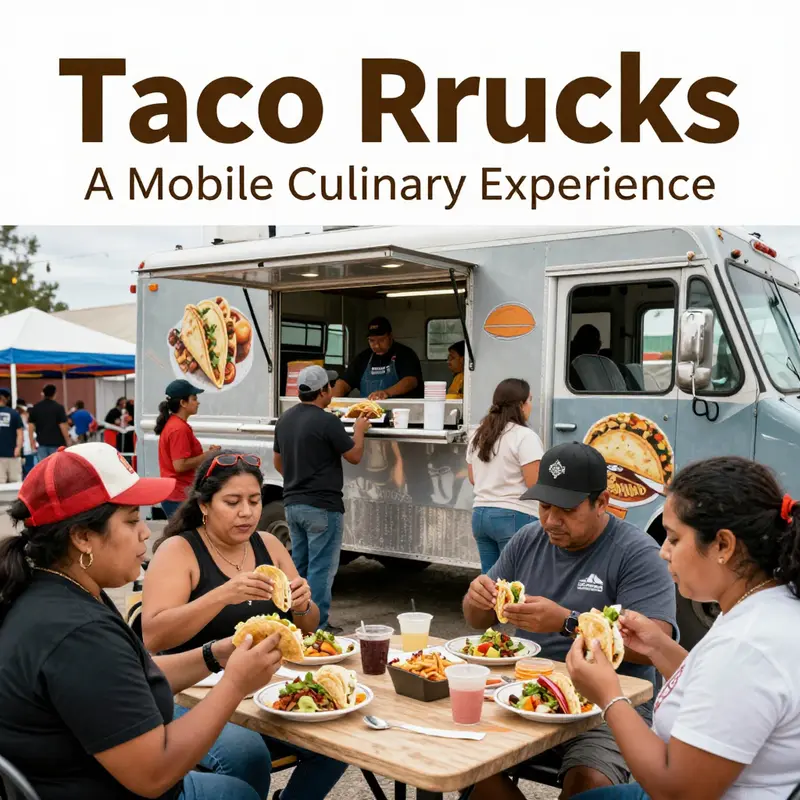
Beyond the flavor and the pace, taco trucks function as social hubs that knit together communities in ways storefronts often cannot. They are the kind of places where a nurse finishing a late shift might grab a quick bite and trade a story with a student who just moved to town, where neighbors gather after a festival, or where coworkers decompress after a day of back-to-back tasks. The direct relationship between the chef and the consumer adds a layer of trust and transparency that’s rarer in a crowded dining landscape. As Carlos Mendez, owner of one of Denver’s top-rated taco trucks, observes, “The food truck model allows us to experiment, connect directly with customers, and keep our menus dynamic.” His words illuminate a broader truth: the truck is a conduit for communication as much as it is a conduit for sustenance. When a customer asks for a tweak to a recipe or suggests a new topping, the kitchen responds in real time, and the dialogue itself becomes part of the meal.
The economic logic of the mobile eatery also helps explain why taco trucks have become gateways for entrepreneurship and for diverse voices to enter the economy with relatively low barriers to entry. The capital required to start a truck is smaller than that of a traditional brick-and-mortar operation, and the ongoing overhead is often leaner. That combination makes it possible for immigrant families and underrepresented groups to translate culinary heritage into a livelihood without first amassing a large fortune. Lena Patel, founder of Green Sprout Kitchen in Denver, puts it plainly: “We’re not just serving food—we’re building community, one meal at a time.” Her sentiment speaks to a broader movement in which the act of feeding others becomes a form of social investment, a way to cultivate networks, trust, and mutual aid as businesses grow. The truck thus becomes a platform for inclusion, a micro-economy where quality, resilience, and people-first values shape outcomes as surely as the salsa does.
The symbolism embedded in taco trucks extends far beyond economics or sociability. They stand for adaptability—the capacity to meet people where they are, to listen to tastes that shift with seasons and neighborhoods, and to respond with speed and care. They also embody cultural pride, as families preserve cherished recipes while permitting them to evolve through contact with other traditions. Each stop is a chance to tell a story about where a cook came from, what language flavors the kitchen, and how a shared meal can soften boundaries. The result is a hybrid cuisine that feels both familiar and new, a culinary map drawn not on a single label but on a field of experiences that travelers gather as they move through a city. Taco trucks invite broader conversations about identity, migration, and memory, suggesting that food can be a resilient bridge between difference and belonging.
The social fabric of tacos on wheels extends into the realm of community service and civic engagement. As urban life grows more complex, these mobile kitchens often become sites of collaborative effort, charity, and neighborhood support. They support school fundraisers, festival lineups, and after-hours community events, while also modeling a participatory ethos—where the business is as much about giving back as it is about turning a profit. The “trucks for change” impulse captures this idea: a form of enterprise that builds trust, fosters local pride, and strengthens the social safety net by connecting eaters with those who serve them. In this sense, the taco truck is a microcosm of a more inclusive city, where economic activity and social cohesion go hand in hand, and where the act of feeding becomes a shared act of uplift.
For readers seeking a broader narrative on how taco truck culture translates into urban transformation, consider the idea of community engagement as part of the business model itself. The truck becomes a community space, a site for spontaneous concerts, storytelling, or youth mentorship, depending on who parks nearby and what the neighborhood needs that week. The creative chef who runs the cart is often also a neighbor who notices gaps and opportunities, using the platform to invite others into the process of feeding the city. This is where the chapter’s core question—what does a taco truck stand for? finds its most compelling answer. It stands for a form of culture that travels, a form of work that foregrounds people, and a form of urban life that models flexibility, generosity, and shared nourishment. And it does so without demanding a fixed storefront, a fixed menu, or a fixed audience. It thrives because it is anchored in relationships: between cook and customer, between family and city, between heritage and contemporary taste.
As a cultural phenomenon, the taco truck resembles a portable community hall. It is a place where differences converge around a common appetite, where the act of choosing a topping becomes a small ritual of self-definition, and where the experience of eating becomes a moment of social connection. The flavor of the food is inseparable from the conversations it sparks, the way a customer discovers a new favorite combination, or how a family passes a recipe from one generation to the next by placing a request for a specific sauce on the order slip. The on-road kitchen teaches that good food is not just about technique, but about listening—to the street, to the weather, to the change of mood in a crowd. It is this listening that gives taco trucks their enduring appeal and their lasting significance in modern society.
For those who want to see how these ideas translate into concrete practice, a recent body of research highlights the role of taco trucks in shaping urban culture and community life. The research points to the way mobile food vendors occupy and redefine public space, creating moments of shared experience in places once dominated by routine commerce. It shows how the trucks honor tradition while welcoming experimentation, a dual impulse that has become essential to contemporary food culture. It also underscores the importance of direct customer relationships as a vital element of business resilience, especially in cities where brand stories and personal interactions carry as much weight as the menu itself. In this light, the taco truck is not only a culinary option; it is a social technology for connection, a practical answer to how cities can nourish themselves and one another in a rapidly changing world. The result is a more equitable and dynamic urban table, where people from many backgrounds can gather, tell their stories, and savor something delicious together.
To explore a related perspective on community engagement and the broader impact of mobile food cultures, you can learn more from a community-focused resource that documents how vehicles of care and service connect people in practical, tangible ways. Trucks for Change: Community Engagement and Impact offers a closer look at these processes in action. This example helps illuminate how something as simple as a food truck can become a catalyst for lasting social bonds, local pride, and visible acts of generosity. Trucks for Change: Community Engagement and Impact
In sum, the taco truck stands for much more than convenience. It stands for adaptability and resilience, for the pride of heritage and the openness of experimentation, and for the belief that a good meal can be a shared a moment of welcome. It is a symbol of how modern life can accommodate mobility and memory at once, how a city can be fed by people who bring old recipes into new light, and how communities can grow stronger when street food becomes a space for dialogue, trust, and mutual care. The truck’s wheels carry history forward as much as they carry food, and every stop becomes an invitation to taste and tell a story about who we are when we open our doors—and our mouths—to one another. For readers who want to see these themes in a broader frame, the external conversation about taco truck culture offers additional texture and context, inviting us to consider how such mobile kitchens shape not just what we eat, but how we live together.
External resource for further reflection: a broader look at taco truck culture can be found here: https://www.foodnetwork.com/recipes/food-truck-culture-why-taco-trucks-are-more-than-just-a-meal-13964579
Final thoughts
In summary, taco trucks stand as icons of culinary creativity, economic vitality, and cultural significance in urban landscapes. They offer authentic flavors, contribute to local economies, and foster community connections. As we appreciate the stories behind these mobile kitchens, we recognize that they are much more than food vendors; they are vital to our shared urban experience. The next time you indulge in a taco from a truck, remember the richness of its story and the impact it has on the community around you.