
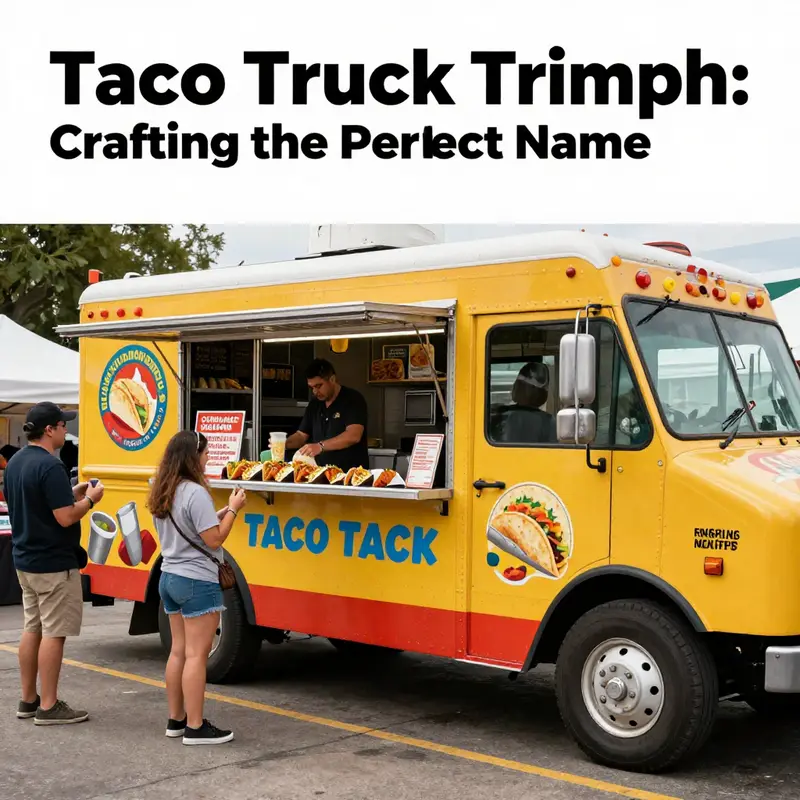
Choosing the right name for your taco truck is crucial in a bustling urban environment. A memorable name not only highlights your culinary expertise but also connects with your target audience including urban commuters, outdoor lovers, and freelancers. Throughout this exploration, we’ll delve into the creative considerations when naming, the cultural significance behind your choices, effective branding strategies, and the latest market trends impacting your decision. We’ll equip you with insights to stand out in a competitive food landscape—ensuring that your taco truck name not only captures attention but also sustains customer loyalty.
Flavor-Driven Identities: The Art and Strategy of Naming a Taco Truck
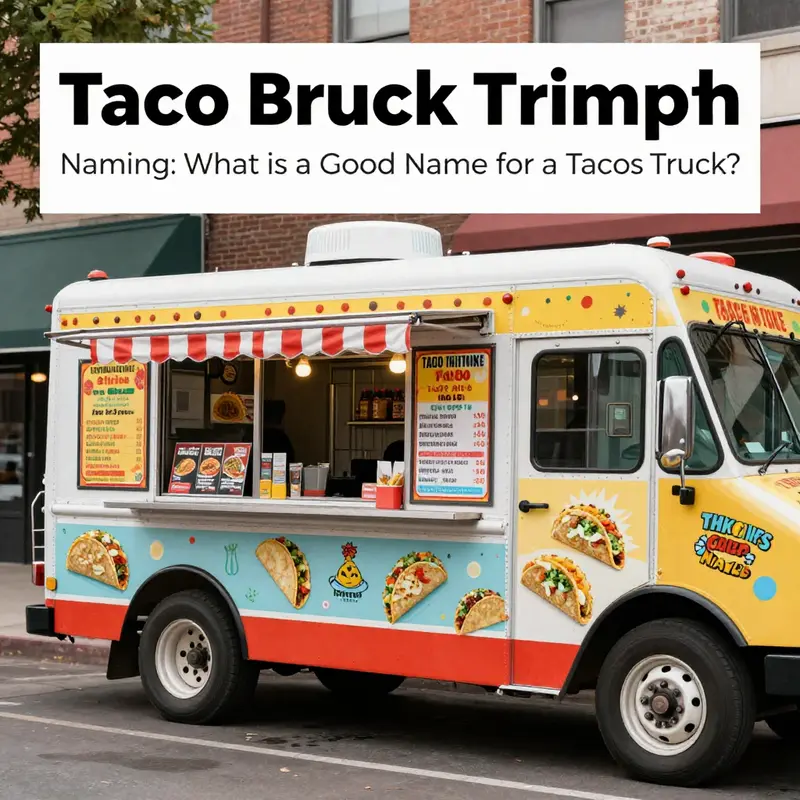
A name is more than a label slapped onto a menu or a side of a truck. It is the opening bite of your brand, a first language your customers hear before they even sample your food. In the crowded streets where a hundred trucks compete for attention, a clever name can do the heavy lifting of signaling who you are, what you stand for, and why someone should care enough to walk closer. The goal is not simply to sound appealing; the aim is to convey a promise in a single, memorable breath. When a passerby reads or hears the name, they should feel a hint of the flavor, the energy, and the cultural tone you intend to deliver. A good name becomes a compass for every subsequent decision—how you plate your tacos, how you greet customers, which stories you tell on your social feeds, and even which music fills the air around your window. It must work in the smallest moment of recognition and still scale as you grow from a single cart to a fleet of trucks or a cherished neighborhood staple.
Naming a taco truck, then, is less about chasing the trend of the moment and more about crystallizing your brand’s personality into a form that sticks. You want a name that feels right when you pronounce it aloud, when you write it on a chalkboard, when you tag it in a photo, and when a friend repeats it to another friend. The best names carry a core message about your culinary approach without requiring a long explanation. They hint at what you do best, whether that is flame-kissed al pastor, slow-roasted carnitas, bright and zesty toppings, or plant-forward twists. They also need to be inviting to a broad audience while still resonating with the people you hope to see most often—in particular, younger diners who value modern, stylish appeal and a sense of belonging with a food-truck community that feels fresh yet authentic. The name, in other words, should function as a quick, reliable introduction to a story that can unfold on the menu boards, the banners, and the everyday exchanges with curious customers.
In practice, the naming task balances three evolving signals: the brand’s personality, the culinary specialty, and the intended audience. If your truck leans toward bold, fearless flavor and a fearless, edgy vibe, the name should carry a certain bravado—soundwise, it should be punchy and rhythmic, easy to shout across a crowded lot, and quick to recall after a single taste memory. If your culinary heart drums for authenticity and tradition, your name should evoke heritage with respect, perhaps leaning toward cultural cues or regional storytelling threads that invite curiosity without stereotyping. If your aim is playful creativity and modern fusion, your name can bend language, use humor, or play with familiar taco imagery in unexpected ways. The precision comes in choosing a name that aligns with your menu philosophy and the experiences you want to curate. In this sense, a great name becomes a kind of brand promise: a shorthand for a consistent, repeatable, and shareable dining experience that customers can trust and anticipate.
A well-constructed name also carries an emotional resonance. People don’t just buy food; they buy associations. They attach memories to the sound of a name, picture a vibe when they hear it, and imagine themselves returning for more because the name carried a pleasant impression in the first moment of contact. This emotional arc is amplified when the name is connected to a clear sensory cue—flavor, color, texture, and aroma—that your branding can consistently reproduce. For a taco truck, that means choosing a name that can pair with vivid visual branding: a color palette and typography that reinforce a mood, a logo that can be reduced to a memorable mark, and a menu that can tell a story in a few bold words. You want a name that invites curiosity, a name that can accompany a photo of sizzling meat, a name that feels like it belongs to a place people want to find again on a Saturday night or after a long workday. Consistency across all touchpoints—from signage and packaging to social media captions and neighborhood pop-up appearances—is essential. A name that travels well across channels creates recognition that grows with your community, reducing the effort customers must expend to remember you and increasing the likelihood of word-of-mouth growth.
Within this design ecology, typography, color, and iconography matter as much as the phonetics of the name. The same phrase can feel wildly different depending on the typeface and the branding language you apply. A name that leans into bold, capitalized lettering may convey confidence and speed, while a softer, script-inspired script might signal warmth and craft. A good name is not a standalone ornament; it is a seed around which your entire visual identity grows. When you choose a name, you are also choosing the visual grammar that will carry your brand through menus, tote bags, staff uniforms, and digital platforms. That is why the process should be iterative and collaborative, involving cooks, designers, and front-of-house teams who will translate the name into the sensory design language customers encounter. A cohesive identity helps turn a curious passerby into a regular customer who feels at home when they see your truck in a new neighborhood.
The practical determinants of a good name are not trivial either. Availability matters—domain names, social handles, and trademarks can make or break your ability to sustain a single, recognizable identity. The last thing you want is a name that sounds right but is already claimed elsewhere in a related sphere, which forces awkward compromises or a rebrand after you’ve invested in signage and swag. So the rhythm of your ideation must include a check for practical feasibility: can you secure digital real estate that matches the name? Are there local or regional trademarks that could clash with your choice? Is the name easy to spell and easy to search for in a crowded online space? If the name is too obscure or difficult to pronounce, you risk alienating customers who might hear it once and forget it soon after. Balancing creativity with practicality makes the difference between a heroic brand concept and a fragile, hard-to-protect moniker.
Another crucial facet is the social dimension of naming. People love a story they can repeat, a myth they can retell with a smile. If your name invites storytelling—perhaps by nodding to local history, a familial cooking tradition, or a playful culinary myth—that story can evolve into a recurring narrative across your menu and your events. It gives staff a relatable script for engaging with customers and invites the community to contribute their own associations. A name with storytelling leverage also helps when you align your business with community initiatives or local collaborations. In fact, the most resilient street-food brands often grow through partnerships and shared narratives that the name helps to anchor. See how a name can be a doorway to collaborations that extend beyond the cart to neighborhood events, fundraisers, and local food ecosystems. This is where the idea of naming as a community signal becomes powerful. It is not merely about standing out; it is about inviting participation and connection, turning a name into a social anchor that anchors your truck in the fabric of the street you serve. For example, brands with a community-forward mindset frequently emphasize engagement in ways that reinforce trust and belonging, inviting customers to feel like partners in the journey rather than passive diners. When a name supports such engagement, it becomes a platform for ongoing storytelling and for meaningful conversations with the people you serve. You can weave this dimension into your branding by aligning your naming philosophy with the way you approach events, partnerships, and social responsibility, thereby increasing the likelihood that your truck becomes a beloved local gathering point rather than a one-time treat.
In terms of a practical workflow, the naming process benefits from a staged, collaborative approach. Start with a broad ideation phase where you brainstorm a wide range of options that capture the flavors and mood you want to evoke. Encourage creativity but keep a shared vocabulary to ensure ideas stay relevant to your culinary niche and brand personality. Then move into a vetting phase, where you test the top contenders against criteria such as memorability, pronunciation, cultural resonance, and market fit. It is helpful to read names aloud, ask friends and potential customers for quick reactions, and check for ease of spelling in search queries. A simple test is to say the name in a loud environment and observe whether it remains legible, punchy, and evocative when heard over the noise. From there, narrow to two or three finalists and examine the branding implications for each. Which one aligns best with your visual identity, packaging, and menu narrative? Which one can you realistically sustain across a marketing mix spanning posters, social posts, and staff uniforms? Finally, secure the necessary legal and digital real estate—registrations, social handles, and the domain—so that your chosen name becomes a durable asset rather than a moving target.
The name you choose should also be adaptable. Street food is dynamic; your concept may evolve with seasons, collaborations, or shifts in your core offerings. A name that feels rigid can limit growth or make pivots awkward. You want a backbone that remains recognizable while giving you room to broaden your range. This is especially true if your business explores fusion concepts or revisits traditional recipes with modern flair. A well-chosen name should feel timeless enough to endure changes in the menu yet modern enough to stay relevant to a forward-thinking audience. In this way, naming becomes a strategic pillar of your long-term plan rather than a one-off branding exercise. It is an investment in memory, in belonging, and in a reputation that can weather the weather of markets and the rhythm of trends.
As you weigh candidates, consider how your name will live in the community you aim to serve. A strong name can function as a conversation starter, inviting people to ask about the origins of the concept, the ingredients you highlight, and the stories behind your menu boards. It can spur neighborhood pride when it reflects a sense of place or a culinary lineage that resonates with locals. It can also become a point of leverage for partnerships with artists, musicians, and organizers who share your ethos. In this sense, the naming decision is not a solitary one; it is a gateway to a broader cultural footprint that your truck can inhabit with authenticity and care. When you land on a name that feels right, you will notice a difference in how people respond to your branding, how easily they recall you, and how readily they invite others to join them for a meal that tastes like a story they want to tell again.
For further reflection and inspiration on how branding and naming intersect with community impact, consider how a kitchen’s identity can evolve through collaboration and shared purpose. Engaging with the community—through local events, partnerships, and storytelling—can amplify the meaning of your name and turn a simple label into a lived experience. This approach not only strengthens customer ties but also supports sustainable growth by embedding your truck within the social fabric where you operate. A label that invites conversation becomes a catalyst for relationships, loyalty, and recurring visits, which in turn fuels referrals and organic brand growth. Remember that a good name is the gateway to a broader narrative you will tell again and again—on the street, on your website, and in every mouth-watering photo that follows a bite. The most successful names feel inevitable once you hear them; they roll off the tongue, spark a memory, and promise a satisfying encounter with your food.
To explore broader avenues of inspiration and branding craft, you can draw from a variety of sources offered by the community of food-truck branding enthusiasts and adjacent industries. For instance, communities and networks that focus on community engagement, logistics, and sustainable practices can illuminate how a name might reflect values beyond flavor. A thoughtful name can signal a commitment to responsible sourcing, friendliness, and an eagerness to contribute to the neighborhoods you serve. It is not merely about standing out in a lineup; it is about becoming a recognizable, trusted partner in the daily lives of your customers. The right name helps you get there with fewer words and less confusion, a crucial advantage in the bustling, time-pressed environment of street food.
In sum, a well-crafted name for a taco truck is a strategic asset that communicates personality, signals what you do best, and invites a diverse audience to become part of your evolving story. It anchors your branding across visuals, voice, and social presence, and it becomes the starting point for future growth, collaborations, and shared experiences. By embracing a naming approach that balances flavor cues, cultural resonance, memorability, and practicality, you can create a brand that not only stands out today but endures as your truck winds its way through new neighborhoods, new menus, and new communities. The name you choose will echo in the laughter at the window, in the glow of your signage at dusk, and in the way customers describe their favorite bite—whether they encountered you once or return weekly for a ritual of taste and belonging.
Internal link for further consideration of community engagement and branding: Trucks for Change: Community Engagement Impact.
External inspiration for varied naming approaches can be found in collections of taco truck name ideas, which showcase how humor, local references, and cultural nods can be harmonized with branding goals. This Pinterest collection offers a spectrum of naming concepts that can spark ideas while you refine your own approach to branding and identity. External resource: https://www.pinterest.com/pin/419-taco-truck-name-ideas-to-inspire-your-food-truck-brand/
Flavor, Memory, and the Brand Pulse: The Cultural Significance of Naming a Taco Truck
A name is more than a label slapped onto a menu board. In the microcosm of a taco truck, a name is the first handshake, the opening line of a story that a passerby overhears as they step into a busy, urban street scene. It carries the fragrance of the kitchen, the rhythm of the neighborhood, and a promise about what kind of experience awaits. When a truck rolls up with a name that sounds confident, playful, or deeply rooted in a culture, it signals to potential customers that the people behind the wheels are serious about flavor and about honoring the stories that flavor has to tell. In this sense, a good name becomes a cultural artifact—one that can connect generations, bridge languages, and spark curiosity in a fast-paced lunch hour or a late-night stroll after a long shift. The name does not stand alone; it interacts with the design on the truck, the colors that shimmer under the sun, the music that leaks from the open window, and the scent that snakes through the air when a line forms. It is a multi-sensory invitation that, when crafted with intention, can outpace even the best social-media campaigns in embedding a brand into a community’s daily life.
This is especially true for brands targeting younger demographics who prize modern, stylish appeal alongside authenticity. A name that feels fresh and fearless—yet not gimmicky—can signal a brand that is both current and credible. But to land in that sweet spot, a name must do more than be catchy; it must reflect the brand’s personality, highlight its specialty, and resonate with the audience it seeks to serve. Consider how the name can speak to what the truck is known for—whether it’s al pastor with a craft-polished finish, a fiery flame-kissed technique, or a playful, approachable take on traditional favorites. The best names signal flavor before a bite is taken, offering a mental map of taste and experience before the first order is placed.
The cultural significance of naming a taco truck runs deeper than mere memorability. Street-food names shape a narrative about authenticity, craft, and community. When a name nods to heritage while embracing contemporary flair, it invites curious eaters to participate in a broader story about regional influences, migration, and culinary experimentation. This is not mere branding; it is cultural storytelling on a moving stage. A well-chosen name can make a truck feel like a welcome guest in a neighborhood, a friendly neighbor who knows what the crowd wants and how to deliver it with a wink. In practice, names that blend heritage with modernity—without leaning too heavily on clichés—tend to create the strongest emotional resonance. They honor origin while inviting new readers to become regulars.
Brand founders often measure a name’s impact by how easily it travels across platforms, from the curbside sign to the Instagram bio, from a sticker on a reusable cup to a subtle mention in a local newsletter. A good name is adaptable; it scales as the brand grows, whether the truck adds new regional specialties, partners with local events, or expands into community collaborations. In this sense, the name becomes not just a label but a gateway—one that opens doors to collaborations, partnerships, and a shared language with customers who see themselves reflected in the brand. That reflection matters because it transforms customers into ambassadors. When people feel represented by a name, they are more likely to tell friends, post about their experience, and return with their coworkers or family. The social currency of a well-chosen name is a virality that can be amplified by design, by taste, and by a consistent, dependable experience—elements that turn a truck into a reliable, memorable presence in a cityscape.
Yet naming a taco truck is not simply an exercise in clever wordplay. It is a practice of listening deeply to the community and translating that listening into a signifier that can travel. Names that succeed in this regard often blend humor with meaning, or cultural nods with universal appeal, or bold bravado with a promise of quality. The simplest names, when paired with thoughtful branding, can become iconic because they are easy to recall and easy to whisper with friends over a shared plate. The most effective names, conversely, invite a sense of discovery: a curious phrase that nudges people to ask questions, to explore a menu, to learn where the recipe came from, and to understand why the cook is devoted to a particular technique or ingredient. And when a name carries a sense of place—whether that place is a neighborhood, a country, or a personal memory—it can create a sense of belonging that extends far beyond a single bite.
From a practical angle, the design of the truck and the naming strategy should work in concert. A name with strong consonants and a clear rhythm tends to be easier to read from a distance, which matters when a line of hungry patrons waits in the sun or rain. A name that evokes scent or texture—without naming a specific dish—can prime the palate and heighten anticipation. It is not necessary for a name to spell out every detail of the menu; instead, it should conjure a few sensory anchors that align with the kitchen’s strengths. For example, a truck that specializes in flame-seared al pastor can benefit from a name that suggests heat, smoke, and transformation. The alchemy of cooking—where meat meets spice and smoke becomes a memory—can be mirrored in the title itself, signaling a craft-oriented approach that invites serious food lovers to linger longer and explore the menu with a sense of ritual and curiosity.
In thinking about audience, the cultural significance of a name expands when a brand is deliberate about who it speaks to. Younger diners often seek brands that feel authentic yet experimental, grounded in tradition but not restricted by it. They want stories they can tell friends about, stories that feel alive and dynamic. A name that nods to a cultural lineage while embracing a contemporary rhythm can become a badge of belonging for people who want to savor street-food culture as a form of modern identity. The best names acknowledge the neighborhood they serve—its slang, its landmarks, its local jokes—without resorting to stereotypes or clichés. They lean into playfulness when appropriate but never at the expense of respect or accuracy. The result is a name that resonates not just at the moment of purchase, but as part of a larger conversation about culture, community, and the evolving palate.
The research landscape around naming a taco truck reinforces these themes with practical observations. The literature emphasizes that a name should be catchy and memorable, yet it should also reflect the brand’s identity and its culinary promise. It should be short enough to fit on a sign or a sticker, yet vivid enough to spark a mental image. It should work across languages, given the multicultural contexts in which many taco trucks operate. It should invite exploration rather than deter it, offering a clue about what makes this truck distinct. In practice, many successful brands leverage humor, local references, or playful wordplay to stand out. And because the digital ecosystem rewards shareability, a name that travels well on social media—across photos, memes, and quick clips—becomes an asset that compounds with each new follower and each new post.
The cultural narrative around naming also intersects with the broader trends in street-food branding. Fusion cuisine and handcrafted dishes have become contemporary lingua francas in many urban food scenes. A name that hints at fusions—without losing its connection to a core tradition—can signal a kitchen that honors roots while welcoming experimentation. This balance is delicate. It requires listening to feedback from neighbors, patrons, and fellow vendors, and it benefits from a willingness to adapt the storytelling around the name as the menu evolves. The culture that surrounds a taco truck’s identity—music, art, community events, and street performance—becomes part of the narrative the name begins. In other words, the name is not a static sign; it is a living thread that can weave through design, sound, scent, and service as the business grows.
From a branding perspective, the relationship between name, design, and community becomes a strategic advantage when the founder treats branding as a holistic practice rather than a one-off exercise. A name should be easy to remember, easy to pronounce, and easy to share—especially in a social-media-driven culture where a catchy caption can accompany a photo of a quivering bite of tacos, a mason jar of agua fresca, or a smoky, charred tortilla. This is where a name’s cultural resonance matters most. A name anchored in a recognizable culture or tradition can ground the brand in authenticity, while a modern twist or clever wordplay can translate that authenticity into a contemporary, accessible experience. The challenge is to maintain cohesion across touchpoints: the vibe of the truck’s exterior, the typography on the menu, the tone of the staff’s interactions, and the stories the brand tells about its food. When these elements align, the name becomes a springboard for a lasting memory rather than a momentary curiosity.
In the end, naming a taco truck is an act of hospitality. It invites people to pause, lean in, and share space with a cook who values flavor, culture, and community enough to give a lot of care to the words that announce their craft. It is a way of saying, through sound and symbol, that this is a place where tradition is honored, where innovation is welcome, and where every bite carries a piece of a larger story. The exact letters may blur with time as the truck shifts its specials or expands into new neighborhoods, but the narrative seeded by the name can persist, evolving with each new customer, each new collaboration, and each new night market under the bright city lights. For anyone truly interested in how a name can shape a brand’s destiny, this is where the road begins: with listening, testing, and choosing a signal that will guide countless meals, conversations, and memories.
For direction in the creative exploration, many practitioners find value in absorbing a broad spectrum of ideas—though they keep their own culture at the center. The literature and industry chatter remind us that there are more than a few paths to a compelling name: simple clarity, evocative imagery, cultural nods, or clever humor. The best options manage to be all of these at once without losing their integrity. In practice, this means a branding process that starts with listening—listening to the kitchen’s heartbeat, to the neighborhood’s pulse, to the conversations that happen around family tables and late-night shifts. Then, it moves toward a naming framework that honors heritage while inviting curiosity, and toward a test phase where feedback from potential customers is used, not to conform, but to refine the resonance of the name with real lived experiences. The result is a name that feels inevitable once you hear it, because it so closely reflects what the truck stands for and whom it serves.
As one practical note, the name’s power can be amplified through a community-centered mindset. Businesses that integrate with local events, support neighborhood initiatives, and participate in opportunities to give back tend to extend the life and reach of their brand. The name then becomes more than a sign; it becomes a function of social connection. For brands that want this depth, pursuing partnerships and community visibility—such as collaborating with local fundraisers, farmers, and cultural celebrations—becomes a natural extension of the naming narrative. This approach doesn’t dilute the name’s meaning; it expands it, tying the brand to tangible actions that reflect its values and its sense of responsibility to the place it calls home. In this sense, the name and the community become co-authors of a shared story, making every bite a small chapter in a larger cultural document.
To further explore the spectrum of naming options and to inspire a unique direction that still honors tradition, a valuable resource exists online. It showcases a broad array of creative taco truck name ideas, reminding us how much variance is possible when playfulness and purpose meet. As you browse, you’ll encounter puns, cultural nods, and imaginative twists that demonstrate how a name can function as both invitation and identity. While these examples are not a blueprint, they serve as a talking point for what could work in your own branding journey. For those who want to dive deeper into the pool of ideas, see the collection of creative taco truck name ideas on Pinterest.
In short, a taco truck’s name is a living invitation to culture, craft, and community. It is a pledge that flavor will be paired with respect for heritage and a willingness to explore new culinary conversations. The right name anchors a brand in memory, guides its visual and sonic branding, and invites a diverse audience to become part of its story. It is an enduring statement that speaks to who you are, what you serve, and why you stir the pot the way you do. When done with listening, care, and a touch of wit, a name can become a cultural touchstone—a small, moving stage on which a whole spectrum of taste, identity, and community life performs nightly.
For readers drawn to this topic who want a broader pool of ideas and perspectives, the discussion around community engagement and brand impact offers a compelling companion thread. See the exploration of community engagement impact in the trucking world as a model for how brands can weave responsibility and flavor into a cohesive narrative: trucks-for-change-community-engagement-impact.
External inspiration for naming ventures in street-food culture can be found in widely circulated idea pools that collect hundreds of concepts. A robust external reference is the Pinterest collection of taco truck name ideas, which demonstrates how diverse the approaches can be—from pun-driven humor to culturally inspired elegance. This resource can broaden the horizon for teams starting the naming process, helping to spark innovative paths that stay true to their culinary craft: Pinterest Taco Truck Name Ideas.
Naming the Flame: Crafting a Taco Truck’s Identity Through a Memorable, Authentic Name
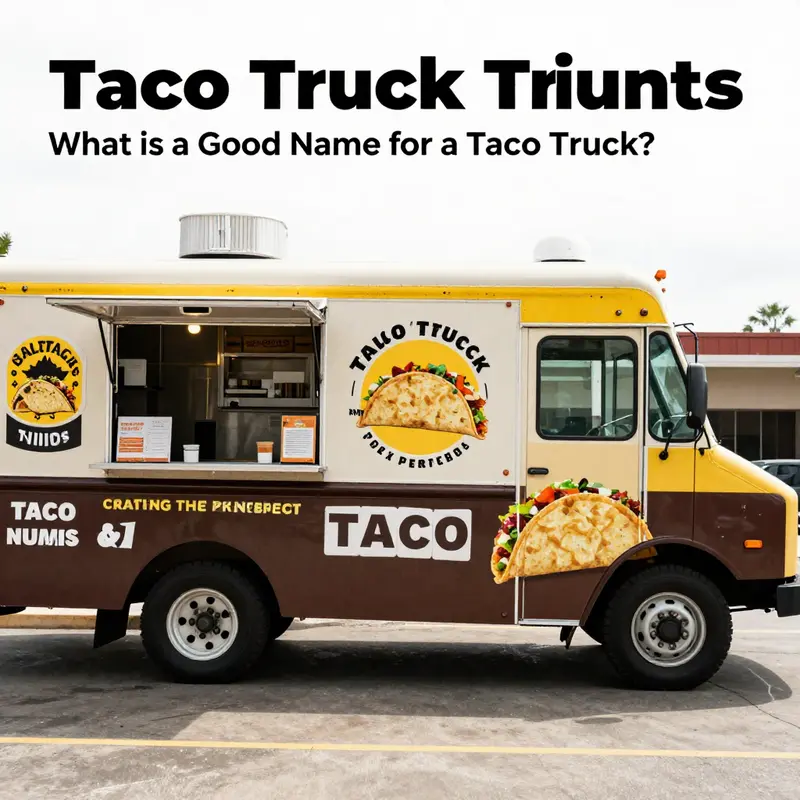
A good name for a taco truck is more than a label. It is the first sensory cue that signals personality, flavor, and belonging. In the crowded street-scene of modern food culture, a name can invite curiosity the moment a speaker hits the curb or a sign first catches the eye. It can tell a story about who you are, what you stand for, and whom you want to serve. This is not about clever wordplay for its own sake; it is about a deliberate alignment between identity, cuisine, design, and the community you intend to nourish. The name sets expectations and creates a memory foothold. Customers may not remember every detail of your menu, but they will remember the tone your name signals and how that tone makes them feel when they walk away with a warm, hand-held pleasure wrapped in a simple, honest package.
Branding clarity begins with listening—listening to the neighborhood, to the culinary itch you aim to satisfy, and to the rhythm of daily life on the street. Younger diners, in particular, respond to names that feel modern and stylish, yet unmistakably rooted in authenticity. They crave an experience that respects tradition while offering something fresh, something that can travel with them from the first bite to late-night cravings after the music fades. A well-chosen name can be the spark that carries a brand’s story across social moments, conversations with friends, and the quick scroll of a feed that might otherwise overlook a new cart on a corner. It is the seed from which a brand voice, color palette, and even the packaging grow. If the name is strong and the story is coherent, the rest of the branding—logos, signage, uniforms, and the truck’s decal graphics—will have a natural, unforced harmony.
In assessing what makes a name work, there are a few dependable principles that remain resilient across markets and trends. First, catchiness matters. A name should be easy to say, quick to recall, and pleasant to hear in casual conversation. Short, punchy, and musical options often linger longer in memory and on the tongue. But catchiness alone is not enough. Memorability matters too, and that is where uniqueness enters. A distinctive name helps you stand out in a sea of options, reduces confusion, and increases the likelihood that someone will walk past you again because the name is now a familiar signal in their own urban routine. A memorable name also invites storytelling. It becomes a hook for conversations about your origins, your cooking method, or your neighborhood ties, all of which deepen connection and loyalty.
Cultural relevance is another cornerstone. A name that nods to local culture, geography, or culinary heritage can foster emotional resonance without feeling performative. It’s about a respectful, informed use of cultural cues that signal authenticity and care. When done well, such references can offer a shared vocabulary that locals and regulars recognize and celebrate. Yet there is a delicate balance: it’s essential to avoid caricature or appropriation. A thoughtful name speaks to roots while inviting newcomers to participate in the experience without feeling like an outsider. In practice, this means opting for terms that carry genuine meaning in the region you operate, or that speak to the origin of your techniques—things that your cooks and your customers both feel proud of.
Humor can be an ally, but it must be used with care. A name that winks at a fond culinary stereotype can attract attention and signal approachability, but it should never alienate or reduce the dignity of the cuisine. A light, joyful tone can soften the intimidating edge of street food marketing and invite people to try something new with a smile. When humor is paired with authenticity, it signals confidence and generosity. And a dash of playfulness can be a powerful differentiator in a market where many trucks offer similar observables—tortillas, salsa, and bright, portable meals. That humor should still be anchored in a real, recognizable brand voice. A name that makes people laugh or smile will more easily travel from the side of the truck to the memory bank, ready to be shared with friends or retold in a social post.
A practical name, however clever, must also pass the everyday tests. Pronunciation should be straightforward, even when a line forms and voices blend. A name that trips over syllables or invites mispronunciations slows the moment of temptation, when a hungry person is deciding whether to step closer. Readability on signage, branding collateral, and digital interfaces matters as well. In a world where many choices compete for attention in seconds, a name should read cleanly in a logo, a menu board, and a thumbnail image. It should scale well across different contexts: a curbside pickup stall, a festival booth, a food hall, and a branded apparel lineup. If the name holds up in everyday use, it reduces friction and builds trust with customers who encounter you repeatedly.
The process of naming is, in effect, a small but significant design brief. It begins with a broad exploration of lexical territory—sounds, imagery, and associations connected to fire, tortilla, heritage, and modern street culture. It moves into a careful narrowing, testing how options pair with the visual identity you plan to deploy. The best names feel inevitable in hindsight, as if they were always part of the cuisine and the community you’re serving. They echo the texture of your al pastor, your char, or your salsa, while promising customers a predictable, reliable, and delightful experience every time they encounter the truck. This is why alignment between name and design matters as a holistic system. A name that suggests energy must be accompanied by a design system that communicates speed, warmth, and flavor. A name that nods to tradition should be matched with colors and typography that honor history while remaining legible and contemporary in bright daylight or neon-laced night markets.
A practical path to a strong name involves listening to the environment you’re entering. Many brands achieve resonance by weaving in local color—street art, neighborhood landmarks, or familiar weather patterns—into the imagery they project. The aim is not to mimic a place, but to reflect it back through a lens that honors its stories while inviting new ones. In urban corridors, the name becomes more than an identifier; it becomes a promise that the truck will show up with a defined personality and a reliable taste profile each time. A name that signals a culinary specialty, whether a technique, a regional influence, or a signature preparation, helps the audience immediately grasp what to expect on the plate. A name that implies al pastor craftsmanship, or flame-kissed techniques, or a penchant for bold, vibrant salsa, primes the palate even before the first bite. If the brand’s specialty is suggested rather than stated, the naming becomes a conversation starter rather than a mere descriptor, inviting curious customers to explore and discover.
There is also practical wisdom in looking beyond the name to the ecosystem of branding you will build. A memorable name is most powerful when it is part of a coherent identity system: logo shapes that echo the speed and warmth of a kitchen flame; color stories that evoke spice, smoke, and brightness; typography that balances urban edge with readability; and packaging that reinforces convenience and care. Within this ecosystem, the name acts as a keystone, supporting the weight of the entire brand. When that keystone is strong, it makes every other branding choice easier and more compelling. Conversely, a mismatched name can undermine even the best-designed signs and menus, creating a fragile impression that customers can sense on the curb or in the feed. This is why many operators invest time early in the naming phase, treating it as a strategic, not cosmetic, decision. A reliable brand voice that flows from the name can carry you through high-traffic seasons, design refreshes, and the inevitable changes that come with growth and expansion.
The social reality of mobile food commerce also shapes naming strategy. Brand discovery now happens across multiple channels—street presence, social media, and collaborative events. A name that translates well into a short handle or a concise tagline helps you win in digital spaces where attention is scarce and rivals chase the same neighborhoods. It helps if the name feels contemporary enough to be paired with tasteful, modern photography and short-form video, yet anchored enough to avoid feeling ephemeral. For a taco truck operating in diverse neighborhoods, a name that resonates across communities while honoring local flavor can build a broad base of affection and loyalty. An effective name becomes a shared shorthand for the experience people seek—the warmth of a kitchen on wheels, the thrill of discovery, and the reliability of a familiar favorite delivered with pride.
In practice, let the naming journey unfold with curiosity and discipline. Begin with a broad brainstorm that captures tone, culinary cues, and audience aspirations. Invite trusted friends, potential customers, and nearby vendors to weigh in on how each option feels when spoken aloud, how it reads on a napkin sketch, and how it could live across signage and social posts. Use a simple feedback loop: try a shortlist in real-life settings—on a curbside setup, at a local market, or in a mock storefront—then return with refinements based on the reactions you observe. This is a human process as much as a strategic one. People will not only hear your name; they will interpret it, pronounce it, and, crucially, remember it when the moment for flavor arises and a choice must be made between a dozen appetites.
Finally, the connection to values matters. If your brand stands for sustainability, community, or a commitment to supporting local producers, let the name countenance that narrative in a way that is subtle yet sincere. You don’t need to shout about every value with every customer in every moment; you need a name that invites curiosity and a story that customers can opt into when they choose your truck. The name is the opening paragraph of a longer, evolving brand story. The rest unfolds as you cook, serve, engage, and participate in the life of the neighborhood. When a name and a cooking style feel natural together, when the sign on the truck seems to glow with authentic intention, customers respond not as passive diners but as participants in a shared ritual of flavor and community.
For brands seeking to align branding and branding-led decisions with broader operational considerations, there is value in asking how naming choices intersect with practical concerns such as sustainability and long-term growth. For a broader perspective on sustainable practices for mobile food trucks, see the following resource, which helps align brand choices with responsible service and community impact: sustainable practices for mobile food trucks. This intersection matters because a name that signals care about people, the planet, and the neighborhood strengthens trust and invites customers to become long-term supporters rather than one-off visitors. The result is a brand that ages with grace, remains legible as the business grows, and continues to feel relevant in changing culinary climates.
As you consider the path forward, keep in mind that a name is not a solitary ornament but a living element of a living brand. It travels with every order, every event, and every follow-up on social media. It becomes the memory your customers share with friends and the mental shortcut that drives impulse visits when the street becomes a stage for tastes and stories. In that sense, the best names are not merely clever; they are useful. They give your team a direction to lean into, a promise to fulfill, and a voice that sounds consistently when the kitchen vent sighs and the crowd calls for your signature dish. The art of naming, when done with care, yields a brand home for your food truck—a place where flavor, craft, humor, and local pride converge in a way that invites people to come back, again and again, for a taste they know and a story they want to tell.
External resource for inspiration and broader context can be found in a widely used collection of ideas sourced from the creative community, which supporters of mobile food ventures often consult to spark initial options and refine their sense of what works in real-world settings. Explore a broad pool of ideas and perspectives at: https://www.pinterest.com/pin/419-taco-truck-name-ideas/
Naming on the Pulse: Market Trends, Demographics, and the Brand Promise of a Taco Truck
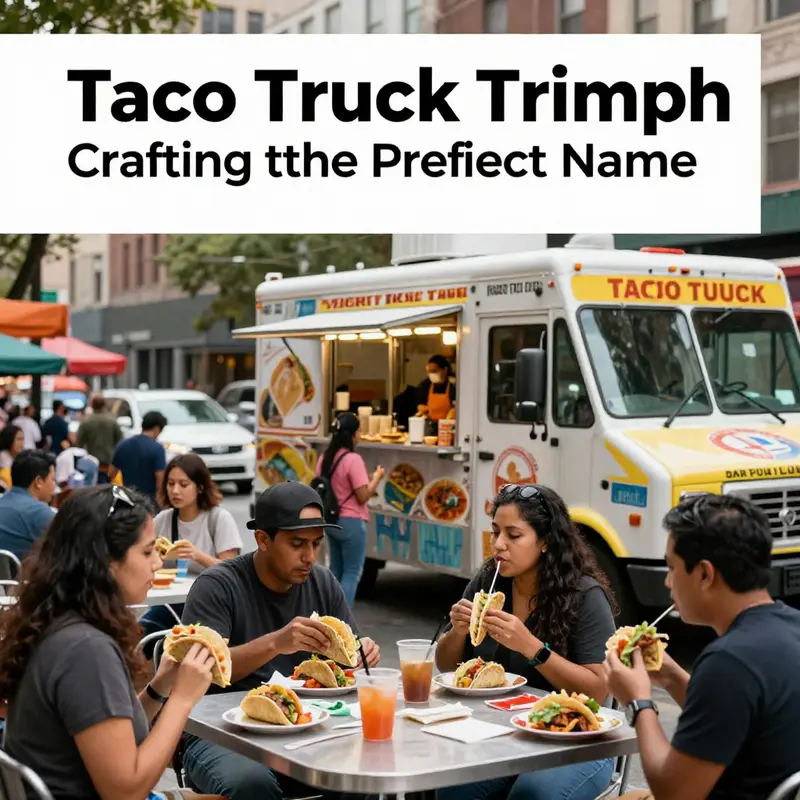
A good name for a taco truck is not just a label; it is an early, often deciding, impression of what the business stands for and how it will feel to eat its food. In markets that prize speed, novelty, and social experience, a name acts as a first handshake between a truck and a potential diner. It carries mood, hints at flavor, and foreshadows the kind of community the brand intends to build. The process of choosing that name is, therefore, inherently strategic. It requires listening to where the culture is headed, understanding who the early adopters are, and imagining how a simple phrase can travel across sidewalks, social feeds, and storefronts with ease and personality. As with any good brand decision, the goal is to align the name with what the truck will prove with its food, its design, and its daily operations.
The current landscape for mobile food ventures has evolved in ways that put a premium on immediacy, authenticity, and a sense of shared experience. Urban diners—especially younger ones who live on sidewalks and feeds rather than storefronts—value brands that feel crafted rather than mass-produced. They respond to names that promise specificity (this truck specializes in a particular approach to flavor) and personality (the brand feels like a person you’d want to meet and follow). Names that imply flavor and craft have an edge, but so do those that evoke a sense of journey, community, or cultural roots. The best names often manage to blend several of these ideas into a compact, memorable phrase that still feels fresh two years later.
A crucial dimension of market trends is the rise of fusion and handcrafted dishes that feel intentional rather than opportunistic. Diners aren’t simply chasing spicy or salty notes; they’re chasing a story they can tell their friends about, a story that feels authentic and specific to the moment. This emphasis on storytelling means a name should do more than hint at a flavor profile. It should suggest a narrative—where the truck came from, how it cooks, and who it serves. The most effective names deliver a sparks-and-curiosity effect: they invite a second look, a second bite, a second visit, and a second share on social media. The name must work in imagery, in street signage, in a logo, and in a social caption. It should compress well into a logo silhouette and still be legible when scaled down on a phone screen.
Target demographics drive the design of those names as surely as they steer food and service design. The younger urban crowd, often the primary early adopters of mobile food, tends to value authenticity, creativity, and a strong sense of place. They want to feel that the truck belongs to their city, or to a city they want to claim as their own. Names that nod to local culture or regional heritage can deepen that sense of belonging. They might reference a neighborhood, a street, a landmark, or a cultural tradition in a way that signals roots without becoming caricature. The modern consumer also seeks social currency; a name that is easy to remember and easy to spell travels further on social feeds and search results. Easy pronunciation matters too, particularly for a city with a multilingual population. A great name, in short, is one that travels with ease—from the curb to the feed to the storefront window.
Ethos and aesthetics go hand in hand with market signals. The name should harmonize with the truck’s design palette, signage, and even the music or vibe that accompanies the eating experience. A bold, punchy name calls for sharp, high-contrast signage; a poetic or minimal name benefits from clean typography and a restrained color scheme. Consumers often form impressions in a single glance: the shape of the letters, the color pairing, the arrangement of the logo, and the tone of the tagline that might accompany the name. When these elements align, the brand becomes instantly recognizable. In this sense, a name is the seed of a broader ecosystem—the vehicle, the menu, the uniforms, the social media voice, the packaging, and the way the truck appears in photos at a festival, a food hall, or a neighborhood block party.
Local flavor matters, too, not merely as a source of inspiration but as a way to anchor a business within a community. In regions with rich Mexican culinary traditions and a history of street food culture, a name that references heritage can feel both respectful and aspirational. Yet there is a balance to strike: reverence should coexist with novelty so a brand does not feel locked to the past or vignetted to a single neighborhood. A well-considered name may lean into regional cues—geography, language, or familiar cultural motifs—while still communicating a modern edge. The result is a brand that resonates with long-time residents and curious newcomers alike, inviting them to learn more about the truck’s menu and its mission.
From a practical standpoint, length and phonetics matter. A bumper-to-bumper drive-by reads a name in seconds; a diner scrolling social media will search for it in a fraction of that time. Short, punchy names tend to be easier to recall and more adaptable for logos and signage. That said, longer, clever names can excel if they carry a clear hook and rhythm. A name that makes someone smile or think twice often gains traction quickly, particularly when paired with strong visuals. The best names, therefore, balance memorability with clarity, and creativity with a sense of purpose. The goal is not to win a naming contest but to establish a durable, legible identity that can grow with the business and adapt to new menus, new neighborhoods, or new collaborations.
Testing is a quiet but essential part of the process. Shortlists drafted with input from friends, family, and potential customers can illuminate what lands and what doesn’t. A quick survey of signage readability at street level and a few social posts with mockups can reveal how a name behaves in real-time contexts. The brand’s tone—whether cheeky, sincere, rugged, or refined—should align with the chosen name. If the name feels jokey, the menu and packaging should not collapse into seriousness; if the name feels sophisticated, the food experience should reflect clarity and craft rather than gimmick. The alignment across touchpoints—name, branding, packaging, and service style—is what transforms a good name into a durable brand signal.
For readers seeking practical branding inspiration, a resourceful approach is to explore a wide array of naming ideas that reflect the current cultural moment. This includes categories that range from playful wordplay to minimalist sophistication, and from regionally anchored phrases to adventurous, mobility-themed cues. The modern taco truck brand often blends cultural roots with movement and discovery—an echo of both the street-food heritage and the nomadic, ever-traveling nature of a food truck. When a name hints at both craft and journey, it primes audiences to imagine a flavorful adventure, a shared meal, and a story that unfolds with every stop.
A thoughtful name also aligns with sustainable and people-centric business practices. In the current climate, consumers increasingly value brands that demonstrate responsibility and care for communities. Naming a truck with this awareness signals a broader commitment to quality and ethics. It is not enough for a name to promise bold flavor; it should also imply a respect for the neighborhoods it serves, the people who prepare the food, and the environment affected by the operation. This alignment flows into practical branding choices: the truck’s design can echo the name’s values, the menu can reflect a thoughtful sourcing narrative, and the voice on social media can reflect a consistent, trustworthy character. A cohesive approach makes it easier for the audience to trust the brand, to share it with friends, and to become repeat visitors who feel part of the truck’s community.
Within this broader frame, the role of design cannot be overstated. A name is the seed of a visual language, but it requires a design system to flourish. The rhythm of the letters, the weight of the typography, the spacing in signage, and the color pairings all modulate how the name is perceived at a glance. A well-chosen name invites a complementary palette and a scalable logo. The design should be legible from a distance, legible on a phone, and legible in a photo posted by a customer on social media. A name that scales gracefully across formats—t-shirt prints, stickers, banners, and digital icons—contributes to a single, coherent brand story rather than a fragmented aesthetic.
Readers who want to anchor their naming decisions in practical branding considerations can explore resources that discuss sustainable branding and branding ecosystems for mobile food. For example, adopting branding that supports sustainable practices across operations helps unify the name with action. See the discussion on sustainable practices for mobile food trucks for a concrete example of how branding choices can reflect and reinforce environmental and community commitments. This kind of integration helps ensure that the name remains credible as the business grows, adds new menu items, or enters new neighborhoods. The link between naming and operational values creates a durable brand resonance that can outlast trends and keep the truck relevant in a shifting market. sustainable practices for mobile food trucks.
Inspiration, of course, does not come only from inside. External observation and content curation play a vital role in sparking ideas. Platforms that compile naming ideas across themes—from humor to minimalism to bold regional references—can broaden the palette of possibilities. They offer a sense of what kinds of wordplay or concepts are resonating in the community. For a broader well of ideas, one might explore curated collections that showcase how different brands approach naming, branding, and identity in the food-truck space. These references can illuminate the kind of energy that fans are responding to, and they can help a team spot gaps in the market where a new name could fill a niche in a city’s street-food scene. The process, however, remains grounded: a name must be legible, ownable, and emotionally precise for the audience you intend to serve.
As the market continues to evolve, keep in mind that the most enduring names are not merely clever labels; they are the starting point for an entire brand conversation. They trigger curiosity, invite participation, and set expectations for what the truck will deliver. A strong name invites people to follow on social media, to attend events, to share photos, and to return with friends. It signals a promise of flavor, speed, and a sense of belonging. It promises an experience in which every bite becomes part of a larger story—the story of a neighborhood, a movement, and a community that values craft, culture, and connection. The best names endure because they consistently deliver those experiences, both in the kitchen and on the street.
As you refine your shortlist, remember that a good name for a taco truck is a living element of your business strategy. It should flex with growth while preserving its core message. It should travel well as you move between neighborhoods, events, and markets. It should sound right in conversations with customers who stop by for a quick lunch and in longer posts that celebrate your team’s effort behind the grill. And it should invite your audience to invest in the brand as much as in the food. In the end, a well-chosen name who can do all of this is not just a marker of taste; it becomes a compass for identity, a cue for behavior, and a harbinger of the community you are building one plate at a time.
For those seeking tangible avenues to spark ideas, it helps to consider the spectrum of naming approaches—from regionally grounded cues to adventurous mobility-centric phrases, from flavor-forward signals to craft-focused, design-conscious choices. The landscape favors names that are emotionally evocative and visually friendly, but also names that can scale with the business as it grows. The right name is not the end of the process; it is the beginning of a brand journey that will unfold across signage, packaging, social media, and, most important, the dining experience itself. A well-chosen name gives you a platform to tell a story, to invite a community to participate, and to invite curious guests to become regulars who crave the next stop on your urban map.
External inspiration can help complement internal work. A broad exploration of naming ideas—covering humor, clever wordplay, regional nods, and travel motifs—can reveal which concepts resonate with the local culture and the broader food-loving audience you hope to attract. For additional inspiration, see a Pinterest collection of taco truck name ideas, which aggregates a wide range of creative directions and demonstrates how language, culture, and playfulness can converge in naming conventions. https://www.pinterest.com/pin/419-taco-truck-name-ideas/.
In sum, a good name is the first persuasive talisman for a taco truck. It must mirror current market tempo, speak to the values of the target audience, and harmonize with the visual and sensory world the business will create on the street. It should be memorable but not gimmicky, regionally respectful yet open to visitors from all backgrounds, and simple enough to be clear yet rich enough to hint at the flavor journey to come. When these elements align, a name becomes more than a label. It becomes the compass that guides every customer interaction, the beacon that draws people in at busy corners, and the subtle invitation for a regular, shared ritual—one delicious stop at a time.
Final thoughts
The importance of a catchy name for your taco truck cannot be overstated. Not only does it carve out a unique identity in the minds of potential customers, but it also embodies the essence of your brand, asking you to reflect authenticity and flavor. As you embark on this exciting venture, always remember the creative, cultural, branding, and market insights discussed here. By thoughtfully considering these elements, you can create a taco truck name that resonates with your target demographic and fosters a loyal customer base.