
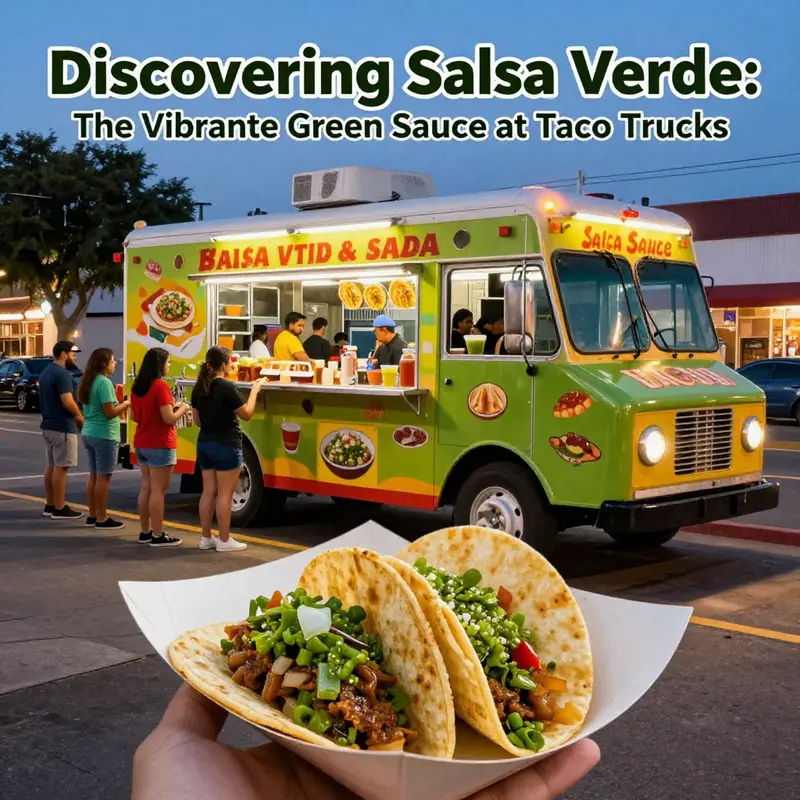
Imagine standing at a bustling taco truck, the mouthwatering scents of grilled meats and fresh ingredients wafting through the air. As you prepare to make your choice, your gaze lands on that vibrant green sauce glistening in its container—salsa verde. This delightful condiment is a staple in Mexican cuisine, especially at taco trucks, and it’s more than just a topping; it’s a burst of flavor that complements the various dishes on offer. In this article, we will delve into the essentials of salsa verde—from its definition and key ingredients to the regional variations and food pairings. Each chapter will enhance your appreciation for this zesty sauce, enabling you to make the most out of your next taco truck visit.
Tomatillo Fire: Decoding the Green Sauce That Defines Taco Truck Flavor
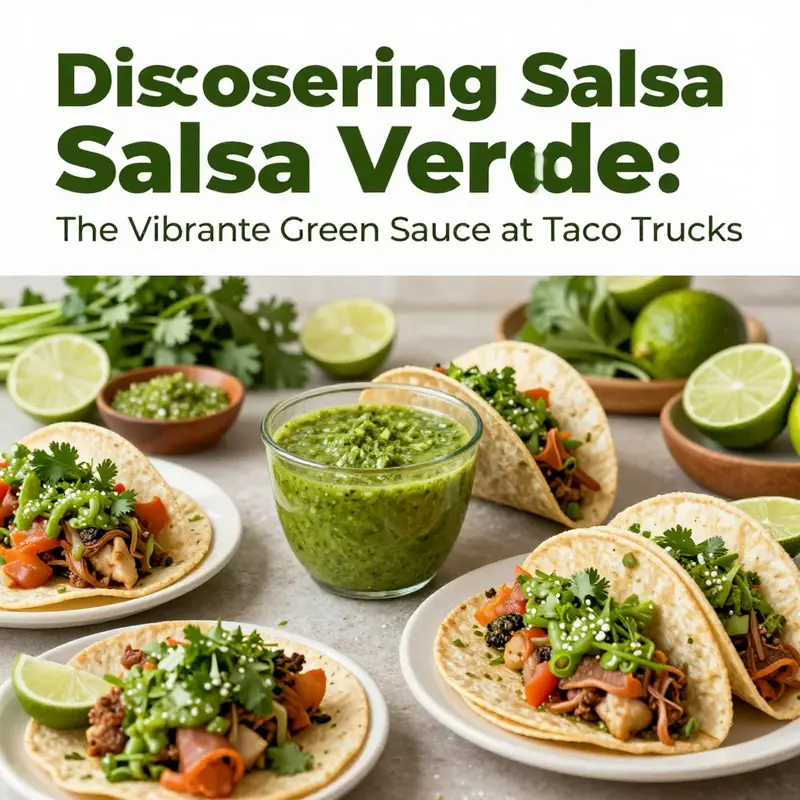
Bright, tart, and almost electric in its freshness, the green sauce that seems to glow atop many taco truck offerings is salsa verde—the Mexican cousin of green sauces that earns its keep with tomatillos, green chiles, and a handful of garden herbs. This sauce has carved out a special space in street food culture, where hot grills hiss and tortillas steam, inviting a bright counterpoint to the richness of grilled meats. When you bite into a taco built around tender carne asada or slow-charred al pastor, a spoonful of salsa verde can feel like a little weather shift—the citrusy tang pulls the fat’s texture into focus, the cilantro lightens the mouthfeel, and the peppers deliver a clean, crisp burn that lingers just enough to remind you of the source. It is more than a condiment; it is a flavor system that threads through the entire eating moment, tying meat, tortilla, lime, and heat into a single, coherent experience.
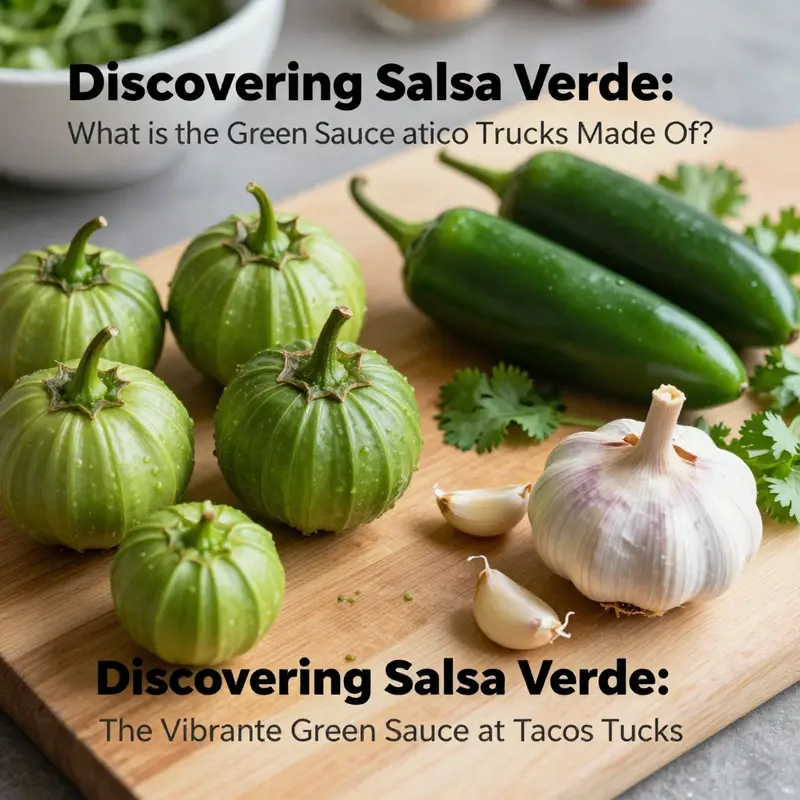
The name salsa verde literally means “green sauce,” but the green in question is not merely a pigment; it is a doorway to a distinctly Mexican culinary logic. The core ingredient is tomatillos, those small, tart green fruits wrapped in a papery husk that look almost like miniature robustnesses of green fruit armor. When roasted or simmered, tomatillos shed their brightness and gain a slightly velvety, tangy backbone that stands up to the sharpness of onions, garlic, and green chiles. By design, the sauce foregrounds brightness without sacrificing depth. The green chiles—whether serrano or jalapeño, sometimes milder or hotter depending on the vendor and the region—bring a controlled heat that grows gradually, rather than detonating all at once. A sprinkle of cilantro introduces a herbaceous note that feels almost herbal rather than leafy, and lime juice lands at the end of the process to sharpen the finish, creating a zing that lingers long after the last bite.
What makes salsa verde distinctive from its Italian cousin, despite the shared name, is not merely the ingredients but the philosophy behind its construction. In Mexican kitchens and on street carts, the salsa verde often begins with ripe or roasted tomatillos, sometimes raw for a sharper acid, sometimes simmered with onions and garlic to create a smoother, more integrated sauce. The texture can range from a bright, chunky coat to a silkier, more spoonable sauce, depending on whether vendors blend the mix to a speckled paste or leave flecks of green pepper and herb visible. The goal is a balance: tomatillo tartness to cut fat, cilantro’s green brightness to lift everything, and peppers’ heat to remind you this is street food that was meant to be eaten quickly, with little ceremony, and a lot of personality. In many regional interpretations, a touch of avocado or a hint of crema may drift into the mix, softening the edges without masking the core citrus-driven brightness. Such adaptations illustrate how a single sauce can breathe differently in different hands, while still speaking the same language of freshness, heat, and clarity.
The sensory profile of salsa verde is a careful orchestration. The tomatillos provide tartness that is tart but not sour in a way that puckers the mouth; the heat from jalapeños or serranos is present but not overpowering, allowing the herbaceous top notes to shine through. Fresh cilantro brings an almost citrus-like lift, while onions and garlic layer in a savory, savory-sweet foundation. Lime juice lands at the end like a bright exclamation point, often just before serving, so the drinkable lime fragrance and the crisp acidity can wake up the other elements. The texture is as important as the flavor: a good salsa verde on a taco should cling to the surface without turning to mush, providing a counterpoint that complements rather than overwhelms the meat, a dip that makes each bite feel tighter and more in focus.
Culturally, salsa verde spans a spectrum from everyday street eating to more ceremonial tables, and its everyday popularity at taco trucks reflects a practical philosophy. In the hot midday burn, cooks use salsa verde as both a topping and a finishing touch, slathering a glossy, bright layer across a hot tortilla to seal in the steam and amplify aroma. The sauce often arrives at the counter in a chilled or room-temperature state, a deliberate choice that preserves its sharpness without dulling the peppers’ bite. The geometry of how it is served matters too: a modest drizzle can lift a bite, while a generous pour can turn a single taco into a layered, intoxicating bite that balances char, fat, and acidity. Vendors may adjust the sauce’s consistency on the fly, adding a touch of water or blending a splash of avocado into the mix for creaminess in certain regional variations or modern adaptations. The result is not merely functional; it’s a signature that marks each stand as a place where tradition and improvisation meet.
In many taco carts, salsa verde is a measure of character as much as a condiment. The way it is integrated into the assembly line—on the counter, in squeeze bottles, or dabbed like a glaze across grilled meat—speaks to the tempo of street service. A spoonful can transform a plain carne asada taco into a bright, familiar, almost ritual experience. It is the kind of sauce that tells you, without words, that the cook values balance and restraint. The presence of a well-made salsa verde can invite a curious diner to explore the full range of flavors on offer: the smoky flesh of the meat, the toasty corn of the tortilla, and a chorus of fresh herbs that keep the plate from tipping into heaviness. It is this insistence on harmony that makes salsa verde so indispensable to the taco truck canon, a practical luxury that is both quick to deploy and slow to forget.
Salsa verde’s appeal also lies in its adaptability. Some vendors will adjust the heat by varying the pepper type or by de-seeding chilies to reduce spiciness, while others will go for a more assertive burn. The acidity can be dialed up with extra lime or tempered with a touch of avocado or cilantro, a technique that yields a smoother, creamier finish. The ability to tune the sauce to a particular crowd or to a specific protein—be it grilled carne, al pastor with its pineapple sweetness, or even fried fillings—gives street cooks a rare degree of creative control. This responsiveness is part of what makes salsa verde not only a condiment but a culinary instrument that shapes the entire eating experience around the taco. When done well, it invites the consumer to savor the complexity of the sauce while remaining anchored to the essentials: the corn tortilla, the meat’s crust, and the bright, fresh aroma of lime and cilantro rising from the plate.
For readers who would like to situate salsa verde within a broader conversation about mobile food culture and sustainability, further exploration of how modern taco operations balance tradition with responsible practice can be enlightening. Sustainable practices for mobile food trucks offers a perspective on how kitchens designed for speed and high turnover also pursue efficiency, waste reduction, and community engagement without compromising flavor or authenticity. This broader context helps explain why a simple sauce—green, bright, and zesty—becomes a touchstone for a cuisine that travels, adapts, and thrives across neighborhoods and seasons. On the plate, salsa verde remains faithful to its roots while allowing cooks to respond to the moment with generosity and wit.
In the end, salsa verde at a taco truck is not just a glaze or a dip. It is a thread that ties together the technique of roasting or fresh blending, the geometry of the tortilla, and the sensorial impulses that make street food so memorable. It is the voice that asserts citrus brightness when fat and grill heat might otherwise shout more loudly. It is a reminder that green—that color that often signals freshness—can carry meaning as potent as heat, and that in the hands of a skilled cook, a humble sauce can become a map of a place, a time, and a shared appetite. For those who taste it in a crowded market or a sunlit alley, salsa verde confirms a simple truth: sometimes the simplest components, assembled with care, produce the most enduring flavor.
External reference for further reading: If you’d like a quick definitional reference to ground the name and the core ingredients, visit the Free Dictionary’s salsa verde entry: https://www.thefreedictionary.com/salsa+verde.
null
null
Green Heat on the Street: Decoding Salsa Verde and Its Vital Role in Taco Truck Flavor
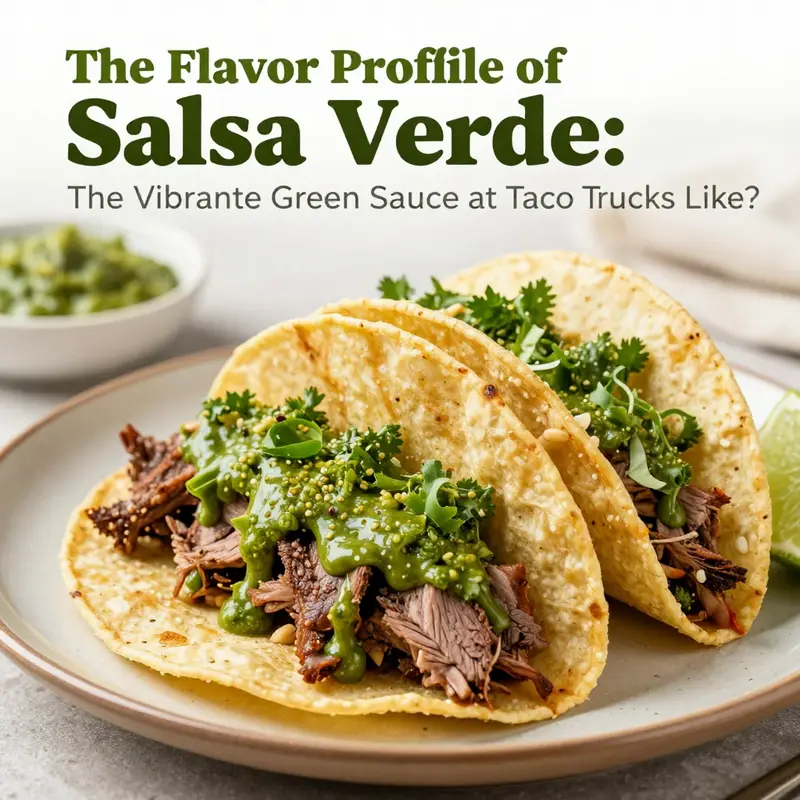
The green sauce that wagons and carts carry like a banner is more than a condiment. It is the bright, tart heartbeat of the taco truck lineup, a counterpoint that awakens the palate and lifts the oil-slick richness of grilled meats. At its core lies tomatillos, those tart, green fruits that look like underripe cousins to tomatoes but behave with a citrus-tinged sharpness that sets the stage for everything that follows. From the moment a vendor chops a handful of cilantro and slices a lime, the sauce begins to sing—a chorus of brightness that makes the first bite feel almost lighter, even before you taste the heat. The classic salsa verde you see splashed across street-food tacos is a reminder that flavor can be lean and electric at the same time, a balance that street cooks have perfected by years of practical trial rather than laboratory recipes.
The flavor profile is not a single chorus but a chorus line. Fresh tomatillos provide a tart, citrus-like base that is then lifted by jalapeño or serrano peppers. Those peppers bring a lively, clean heat that is present but not domineering, a heat that invites you to take another bite rather than slam the brakes. The bite of raw onion and the bite of garlic combine with cilantro to create an herbaceous lift that makes the sauce feel almost verdant, as if you could taste a sunlit patch of hillside where the ingredients were picked. The lime juice adds a final jolt of brightness, a zing that keeps the sauce from tipping into flatness and helps it cut through the fat and char on carne asada or al pastor with a refreshing precision. In many trucks, this salsa verde is served chilled or just warm enough to loosen its texture; this choice preserves a crispness that contrasts beautifully with a hot tortilla and a sizzling piece of meat.
Texture plays a crucial role in how this green sauce coats a taco. Some vendors blend it smooth, while others leave it slightly chunky, allowing bits of tomatillo and cilantro to cling to the surface of a taco and catch the light with every bite. The consistency matters because the sauce must be able to cling without turning to a slick of oil on the plate. The more rustic varieties, with a touch of onion bite and a whisper of garlic, deliver a rustic vibrancy that feels handmade and intimate. The smoother renditions, often lighter on cilantro and heavier on citrus, evoke a cleaner, almost garden-fresh sensation. In either form, salsa verde acts as a flavor amplifier that makes every other ingredient taste a touch more vivid, more immediate, more alive.
Pairing salsa verde with grilled proteins is where the science of street-food balance comes into focus. Carne asada, with its post-sear sear and caramelized edges, carries fat and char that can drift toward heaviness if left unmanaged. A bright spoonful of salsa verde introduces acidity that slices through that richness, brightening the meat without washing out the smoky character that makes the meat so crave-worthy. In al pastor, where the meat’s spices lean toward a fruity sweetness and a crisp edge, the salsa verde offers a counterpoint that vibrates against the pork’s porky warmth. The acidity and herbaceous lift act as a palate reset between bites, encouraging you to return to the taco with renewed appetite. The cool or room-temperature sauce also tempers the heat from the chilies, creating a multi-layered sensation where cool brightness and a gentle burn share the stage rather than compete for dominance.
The cultural logic behind salsa verde at taco trucks is not merely about taste. It is about the way a single sauce can unify a menu and signal a kitchen’s philosophy. The decision to serve salsa verde raw or lightly sautéed reflects a vendor’s approach to freshness and texture. A raw preparation honors the tart brightness of the tomatillos and preserves the crisp notes of onion and cilantro, delivering a straightforward, almost garden-like aroma that feels immediate and honest. A light sauté, on the other hand, can mellow the sharpness just enough to wrap the flavors together into a cohesive warmth. Either choice shows a commitment to sustaining the vibrant character of the sauce while adapting to the din of a busy street scene where speed, consistency, and reliability matter as much as individuality.
The regional spectrum of salsa verde in Mexican cuisine enriches the taco truck repertoire without erasing its core identity. In some locales, the sauce features avocado for a creamy texture that rounds off the edges of the heat and gives the sauce a silkier mouthfeel. In others, a higher proportion of cilantro or a touch more lime juice pushes the herbal and citrus notes to the fore. Yet even as these variations proliferate from cart to cart, the fundamental traits persist: the tomatillo’s tart brightness, the lime’s bite, the cilantro’s scent, and the chili’s sustained warmth. This consistency across varieties helps explain why salsa verde endures as a staple in central and southern regions of Mexico—and why it travels so confidently into the street-food culture of taco trucks elsewhere.
Beyond taste, salsa verde is a practical ally for cooks who must feed crowds quickly. Its ingredients are straightforward to prep in modest quantities, and its forgiving nature accommodates small deviations in spice level and texture. A vendor can adjust the spiciness by adding more jalapeño or serrano, or dial back heat to invite patrons who prefer milder flavors. The sauce’s bright acidity also acts as a flavor preservative, helping to keep meat dishes feeling fresh even after multiple rounds of customers. In that sense, salsa verde is not just an accessory; it is a tool of the trade, a sensory signal that the cart is open, the grill is hot, and the food is about to move swiftly from pan to tortilla to plate.
For readers curious about the canonical flavor architecture of salsa verde, it helps to consult an authoritative culinary reference that captures the balance of brightness, herbal notes, and heat. See an external resource that outlines the traditional profile and usage of salsa verde for a broader understanding of how this green sauce sits within classical preparation and contemporary adaptation. External resource: https://www.epicurious.com/article/what-is-salsa-verde.
As this chapter threads through the experience of the taco truck, it becomes clear that salsa verde is more than a sauce. It is a cultural instrument—one that communicates freshness, regional lineage, and a vendor’s professional restraint. When a street cook dabs a spoonful on a hot tortilla and fresh lime juice gleams in the pale light of an afternoon sun, the moment embodies a philosophy of flavor: bright, honest, and inviting, designed to be shared over the counter, at the edge of a busy curb, with people who crave a little brightness to cut through the day’s heat. In the ongoing dialogue between grill and street, salsa verde keeps time with the rhythm of the truck, a steady, lively reminder that even a simple green sauce can carry a world of taste, memory, and craft. And as chefs and enthusiasts explore new variations—whether a touch more avocado for creaminess, or a sharper jalapeño-to-tomatillo ratio for kick—the core principle remains intact: the green sauce at the taco truck is a doorway to balance, a catalyst for conversation, and a faithful companion to every bite that follows.
In the spirit of sharing and learning from one another, readers might explore related discussions about sustainable practices for mobile food trucks, which connect the craft of bright, clean flavors with responsible sourcing and community impact. sustainable practices for mobile food trucks offers context on how vendors approach fresh ingredients and operational decisions without sacrificing flavor or speed. This thread of thought complements the sensory journey of salsa verde, inviting readers to consider not just what they taste, but how the meal is grown, gathered, and brought to the curb. As we move toward the next chapter, the conversation about green sauce transitions from the plate to the wider ecosystem of street-food culture, where flavor, provenance, and community intersect in thrilling, edible ways.
How Regional Roots Shape the Green Sauce at Taco Trucks
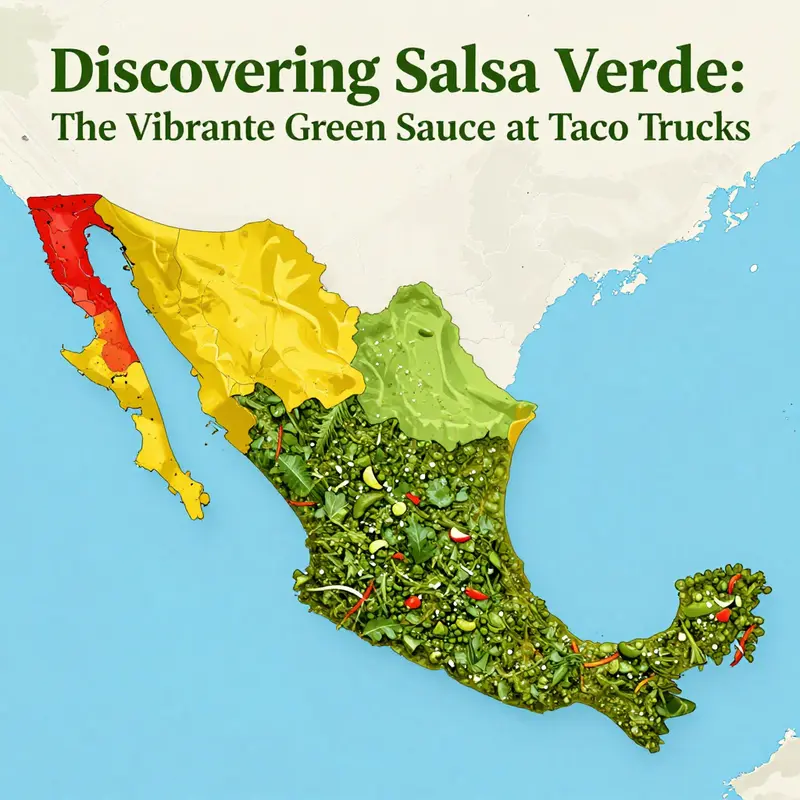
How Regional Roots Shape the Green Sauce at Taco Trucks
The green sauce at a taco truck is more than a condiment. It is a marker of place, climate, and cultural exchange. When you spoon salsa verde over carne asada in Los Angeles, or a smoky hatch chile gravy onto enchiladas in Albuquerque, you are tasting history. Vendors adapt familiar recipes to local ingredients and customer preferences, and those choices create distinct regional signatures. Understanding these signatures helps you identify what you’re eating, and why it tastes the way it does.
Along the West Coast, especially in Southern California, the green sauce you meet at taco trucks leans on Central Mexican tradition. Tomatillos are front and center. They may be roasted or boiled, then blended with serranos or jalapeños, cilantro, garlic, onion, and lime. The result is bright and herbal, with a clear tomato-like tartness from the tomatillo. Heat is present but rarely overwhelming. Texture is usually smooth, designed to balance rich, fatty meats like carnitas or al pastor. In this region, freshness matters: markets supply year-round tomatillos and chilies, and vendors prioritize quick-turn batches. The sauce is meant to cut through fat, lift flavors, and add a citrusy, vegetal snap to each bite.
Travel east, and the character shifts. In New Mexico and much of the Southwest, the green sauce carries the soil and smoke of the Hatch Valley. Fresh New Mexico green chiles—Big Jim, Española, or Sandia—are charred on a flame, peeled, and chopped. Tomatillos sometimes appear, but the chile dominates. The texture is often chunkier and heartier. Vendors or home cooks may simmer the chiles with onions and garlic, adding a little flour or masa to thicken the sauce. The flavor profile favors roasted, slightly sweet peppers and an earthy smoke. This sauce sits well on enchiladas or on red-chile braided dishes like carne adovada. It is a regional statement: the green chile harvest is a communal event, and the sauce is a way to celebrate that seasonality.
Texas creates its own interpretations by mixing traditions. In cities like Austin and San Antonio, green sauces can be bolder and more experimental. Some versions blend tomatillos with a greater proportion of chiles, or include green bell pepper for sweetness. Acid may come from lime, but also from sour orange or vinegar, giving a sharper tang. There, the sauce sometimes tilts toward a more assertive, layered heat that complements smoked brisket and Tex-Mex fillings. Texas vendors often play with texture, offering both smooth salsa verde and coarser chile sauces. The diversity reflects the state’s complex culinary map—Mexican, Tejano, and barbecue traditions converging in one spoonful.
On the East Coast, taco trucks become fertile ground for fusion. Cities like New York and Boston host cooks from many backgrounds. Some adopt a Cuban-style green sauce, emulsified with olive oil, lots of cilantro, garlic, and sour orange. The texture is cooler and more sauce-like than salsa—think herb-forward and slick, perfect for fish tacos or plant-based fillings. Other chefs borrow from Mediterranean or French flavors, blending parsley, tarragon, lemon zest, and mustard for a lighter, tangy herb sauce. These adaptations reflect available produce and local taste preferences; they also show how taco trucks innovate to stand out in competitive scenes.
Beyond these headline regions, local quirks emerge. In the Pacific Northwest, you’ll find green sauces with dill or mustard seeds, reflecting Scandinavian influences and abundant summer herbs. Midwestern trucks sometimes use pickled jalapeños or preserved tomatillos through winter, which creates a vinegary tang. In coastal towns, avocados often appear in the green sauce, yielding a creamier consistency that pairs well with seafood tacos. Each variation tells a pragmatic story: vendors optimize for supply chains, climate, and the palates of repeat customers.
Texture and temperature are key clues to origin. A chilled, smooth tomatillo salsa that brightens a taco points to Central Mexican roots or a California adaptation. A warm, chunky, roasted-chile sauce signals New Mexico and Hatch influences. A silky, oil-based herb emulsion hints at Cuban or East Coast fusion. Vendors know these distinctions and use them intentionally. The right sauce can complete a taco’s architecture. A bright, acidic sauce lifts fatty meats. A smoky, thicker sauce adds body and complexity. An herbaceous emulsion creates a soft, refreshing counterpoint.
Seasonality and sourcing shape flavor, too. Hatch chiles have a short, celebrated season each fall, and fresh batches change a truck’s menu. In summer, tomatillo crops swell in many regions, prompting sharper, fresher salsas. Where local supply is limited, vendors may rely on preserved chiles or import tomatillos, and those choices alter the sauce’s acidity and aromatic weight. Sustainable practices matter in this context. Many mobile vendors now prioritize local produce and waste reduction, and those choices influence what ends up in the sauce. If you want to learn more about how mobile vendors manage sourcing and operations, consider practical guidance on sustainable practices for food trucks: https://pockettacotruck.com/sustainable-practices-mobile-food-trucks/.
Tasting a taco truck’s green sauce can be a small lesson in culinary geography. Start with aroma. Tomatillo-forward salsas smell tart and green. Roasted chile sauces give char and a roasted sweetness. Herb emulsions deliver bright, oily cilantro notes. Then test texture and temperature. Is the sauce cool and saucy, or warm and chunky? Does it cling to the tortilla or run off? Finally, notice how the sauce interacts with the taco. Does it cut richness, or build savory heat? These observations will reveal regional intentions and the vendor’s influences.
Over time, these regional styles cross-pollinate. Migrant cooks carry recipes and tweak them with new ingredients. Food trends travel quickly; a Hatch chile craze can influence vendors in distant cities. Yet core identities persist: tomatillo salsa remains anchored in Central Mexican tradition, Hatch chile sauces preserve a roasted, smoky lineage, and herb emulsions reflect coastal and Caribbean exchanges. The green sauce at your local taco truck is a living archive. It reveals what grows nearby, who cooks there, and what diners want. Tastes evolve, but each regional version offers a distinct, traceable voice.
For more on the Hatch-style green chile tradition and a deep dive into regional technique, see this thorough resource: https://www.seriouseats.com/spicy-green-chili-sauce-recipe-inspired-by-575-hatch.
null
null
Final thoughts
Salsa verde is not just a simple condiment; it’s an experience, a vibrant complement to the delicious offerings at taco trucks. As we’ve explored, this green sauce, made from fresh tomatillos and zesty greens, enhances and defines the character of many beloved dishes. Understanding its ingredients, flavor profile, and regional variations enriches our appreciation of not only our meals but also the cultural heritage they represent. Whether you’re a city dweller grabbing a quick bite or an outdoor enthusiast seeking sustenance, salsa verde should undoubtedly be a staple in your culinary adventures. Next time you visit a taco truck, don’t skimp on the sauce—let salsa verde elevate your experience!