
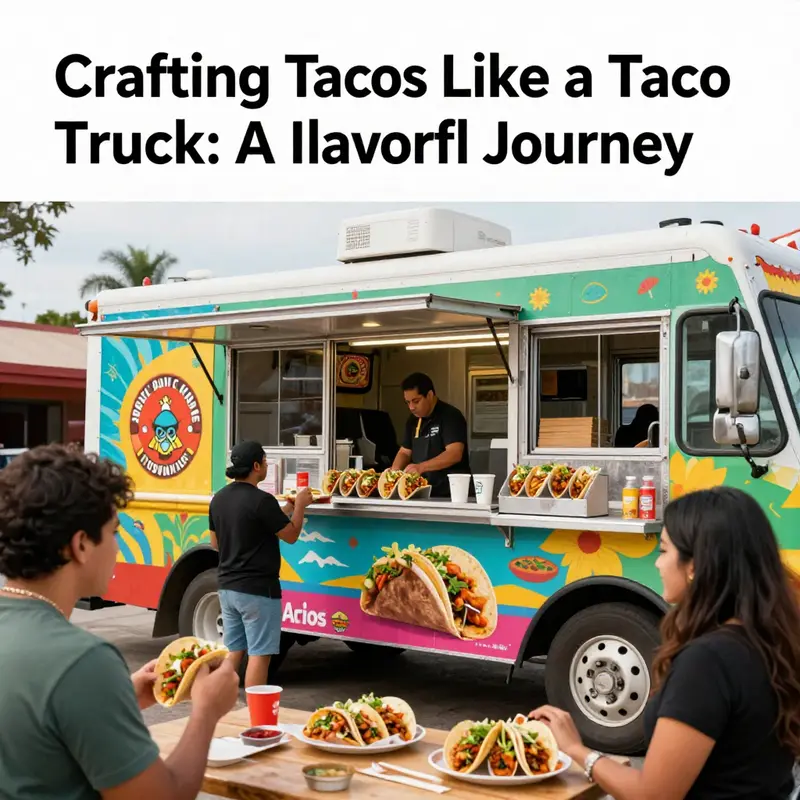
Imagine pulling up to your favorite taco truck, the smell of sizzling meat and fresh tortillas wafting through the air. Now, picture yourself recreating that culinary experience right in your own kitchen. Making tacos like a true Austin food truck is more than just a meal; it’s a celebration of vibrant flavors, fresh ingredients, and that no-frills atmosphere we all love. In this journey, we will explore the essential aspects you need to consider: selecting the best ingredients, preparing flavorful proteins, choosing the right toppings and salsas, and finally, serving your tacos in style. Each chapter will guide you step-by-step, ensuring you capture that loved taco truck flair in every bite.
Curating Core Ingredients: Building Taco Truck–Quality Tacos at Home
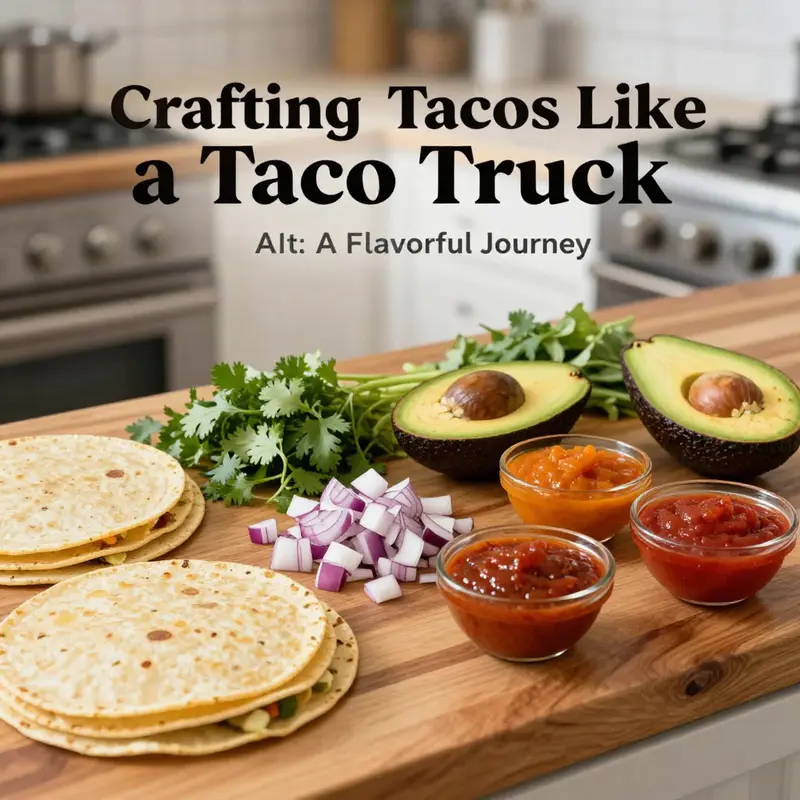
The best tacos start with a simple premise: great ingredients, treated with respect, can carry the whole dish. When you pull that off, you’re not just assembling meat and tortillas; you’re recreating the essence of a taco truck—the bold aroma of smoke, the brightness of lime, the crunch of fresh onion, and the silky crackle of a warm tortilla. In this chapter, you’ll learn how to curate the core ingredients that give home-made tacos the same punch and balance you’d expect from a well-loved street-side kitchen. It’s a discipline of selection, preparation, and assembly, where choosing the right protein, the right marinade, and the right toppings becomes a rhythm you can repeat night after night without losing the spontaneity that makes taco trucks feel effortless and alive.
Begin with proteins, because they set the tone for the rest of the filling. Popular choices include flank steak, skirt steak, lean chuck, and top round. Each cut has its own personality: flank offers a deep beefiness and a sturdy structure that holds up to bold marinades; skirt delivers a slightly more tender bite with a pronounced aroma; chuck brings richness and a comforting mouthfeel when cooked properly; top round remains lean but develops a lively, beef-forward flavor when treated with care. The key is to select a cut based on two factors: how quickly you want the cooking to move and how you want the finish to feel. Skirt and flank are ideal for quick searing and slicing thin against the grain, which yields slices that bite back with character. Chuck rewards slower, attentive handling, yielding tenderness if you give it time and heat it gently enough to break down connective tissue without losing shape. In the end, the choice hinges on how you picture the texture and the intensity of the beef experience in every bite.
Marinades are the bridge between the raw meat and its finished, mouth-watering form. A classic blend of vegetable oil, red wine vinegar, garlic, cumin, chili powder, and lime juice creates a harmony that’s at once bright and deeply savory. The oil carries flavor and helps the surface to seize when the meat hits a hot pan or grill, while the lime juice and vinegar begin the chemical process that tenderizes and lifts aroma to the surface. Garlic lends warmth, cumin adds earthiness, and chili powder introduces a gentle kick. This combination is flexible enough to adapt to different proteins, whether you’re working with flank, skirt, chuck, or round. For best results, mix up enough marinade to thoroughly coat the meat you’ve chosen, then let it rest in a cool, non-reactive container. Time matters but not in a fortress-like way: thirty minutes can infuse flavor deeply enough for a weeknight, while a couple of hours gives you a more pronounced depth. If you’re preparing ahead, you can marinate at room temperature briefly and finish cooking later, though refrigerating during longer marination is safer and often yields a more controlled outcome.
Toppings are where brightness and texture meet to finish the taco. The simple lineup of finely chopped onions, cilantro, diced tomatoes, and a squeeze of lime creates a fresh base that can stand up to robust meat without getting overwhelmed. The onion should be crisp rather than mushy, so you’re aiming for small, precise dice that deliver a snap and a touch of bite. Cilantro brings a grassy, citrusy lift that works in synergy with lime and meat fat; tomatoes add juiciness and a slight acidity that keeps the palate alert between bites. The lime doesn’t just garnish; it acts as a zippy balance, brightening the entire spectrum of flavors when pressed over the finished filling. For variation, consider adding a finely diced jalapeño or a hint of radish for extra crunch and a peppery note. The secret is to keep toppings clean and crisp, never pickled beyond recognition, so their textures remain distinct and each bite feels fresh rather than muddled.
Beyond the fresh toppings, you’ll want signature elements that push the taco beyond everyday fare. A tangy salsa verde offers brightness with a subtle green herbal backbone; a smoky chipotle sauce brings a restrained heat and a wood-fired depth; a creamy avocado crema smooths the ensemble, adding a cool counterpoint to the heat and acidity. These sauces do more than add flavor; they orchestrate how the fillings unfold on the palate. A drizzle across the top should be considered a finishing note, not a drowning veil, so the meat’s natural savor remains legible and the tortilla still acts as a carrier rather than a barrier to the flavors.
Tortillas are the unsung hero that often determines the final texture of the dish. Corn tortillas—preferably fresh, either made in-house or sourced from a trusted local supplier—give that characteristic bite and aroma that pair so well with open-fire or skillet searing. Warm them gently on a dry skillet or comal until pliable but still with a touch of crispness, then keep them wrapped in a clean cloth or a shallow basket to preserve heat. The goal is to achieve a tortilla that is flexible enough to wrap around generous fillings yet resilient enough to not crack or disintegrate when you bite down. The tortilla acts as the frame for your toppings and meat, so its flavor and texture must harmonize rather than compete.
A well-balanced taco is built layer by layer, with each component chosen for how it contributes to the whole rather than for sheer individual intensity. The interplay should feel like a conversation: the beef offers depth, the onions and cilantro cut through that depth with sharp brightness, the avocado crema softens and unifies, while the salsa verde or pico de gallo injects acidity and a hint of herbaceous freshness. The arrangement matters as much as the ingredients themselves. If the meat is heavy, you lean into a lighter salsa verde and a more modest amount of crema; if the meat is lean, you may lean into a brighter pico and a more generous lime finish to keep the palate energized. The balance is a practical art formed by testing, tasting, and adjusting—values a taco truck understands instinctively, where cooks learn to trust their senses more than a recipe card.
In the practical kitchen, this philosophy translates into how you source and prepare. Authenticity is not a luxury but a process of attention. Sourcing ingredients from trusted suppliers who prioritize freshness and flavor integrity keeps flavor consistent, time after time. If a local market or butcher can provide sos—or the precise cuts you crave—without sacrificing quality, you’re on the right track. Freshness is non-negotiable; it shows in the way meat sears, the way onions release their sharp perfume, and the way cilantro releases its clean, bright oils when you tear the leaves by hand for chopping rather than pulverizing them in a blender.
As you assemble, you’ll begin to notice how the components speak to one another. A good marinade carries the meat’s natural sweetness into the surface, making the onion and cilantro taste more vibrant when they meet the meat. The lime tightens the flavor loop, making every bite feel brighter and more immediate. A dollop of avocado crema can soften a surge of heat and bring the dish into a smoother, more cohesive finish. The sauces and toppings don’t just sit on top; they guide the eater’s experience, telling a story of flavors that arrive one after another in a sequence that feels effortless and correct.
An important, almost ceremonial, aspect of recreating taco truck authenticity is the mise en place—the way you set up your work area so that everything needed for assembly is quickly accessible and logically organized. The marinated meat should rest before cooking to allow the flavors to settle and to ensure even cooking. The tortillas should be warmed just before serving, in a small batch that matches the pace of eating. Sauces and toppings should be arranged with a clear path for the hand: a small stack of warm tortillas, a tray of sliced meat, a bowl of onions and cilantro, a container of salsa verde, a bowl of crema, and a wedge of lime ready to be squeezed as the taco leaves the plate. When everything has a home, the act of assembling becomes an intuitive rhythm rather than a chore, and your guests feel the same sense of ease that makes a taco truck experience so inviting.
If you’re seeking a practical cue for when to introduce a certain element, remember this simple rule of thumb: components with more moisture or acidity should be added last or in smaller quantities to avoid soggy tortillas or overwhelmed flavors. The meat should sing first, then the punch of onion and cilantro should appear, followed by the zest of lime, and finally the sauces that bring everything together with a creamy or smoky finish. The result is a handheld meal that feels complete yet restrained—savory, bright, and deeply satisfying in every bite.
To keep the process grounded, consider the workflow not as a rigid recipe but as a philosophy you apply whenever you cook. This means embracing simplicity when possible, opting for fewer ingredients of higher quality rather than many mediocre ones. It means honoring time, where a little extra marination can transform a cut from good to great, and a brief, high-heat sear can produce a crust that crackles against the tender interior. It means respecting the culture from which these flavors emerge, acknowledging that a taco truck is as much about speed and efficiency as about tenderness and texture. And it means balancing commerce and craft: while you may source most ingredients from local suppliers to support freshness, you also keep the operation lean—like a mobile kitchen—so that quality never slips in the fog of hurry.
The narrative behind these ingredients is not just about technique. It’s about a way of eating that values interaction, speed, and a sense of place. A taco truck’s success is less about flashy ingredients than about the clarity of flavor and the ability to recreate it consistently with minimal fuss. The approach outlined here—careful protein selection, thoughtful marinades, crisp toppings, signature sauces, and intelligent tortilla handling—gives you the compass to navigate the vast world of possible fillings and still land in a place that feels unmistakably authentic. It makes home cooking an act of street-level craft, where you can present bowls of flavor that look, smell, and taste like the real thing even when you’re miles from an actual truck.
For a practical nod to adaptability, you can add a reflective note in your kitchen routine: swap proteins with equal care, experiment with plant-based or vegetable-forward fillings, and adjust sauces to reflect seasonal produce while preserving the core philosophy of bold, fresh flavors with restrained complexity. The beauty of this approach is that it remains true to the spirit of taco trucks—quick, flavorful, and resourceful—while inviting you to tailor it to your home kitchen. And as you continue to refine your technique, you’ll find that the simplest ingredients, when treated well, narrate a story that’s as compelling as any curbside legend. If you want to see the broader culinary logic in action and explore a well-regarded, professional interpretation of steak-based tacos, an external reference offers a useful perspective on technique and balance: Steak Tacos Recipe.
Internal linking note: for a complementary look at equipping your space to support this approach, you can explore guidance on choosing food-truck equipment wisely. This resonates with the practical side of curating ingredients because reliable equipment ensures you can handle fresh produce, marination, and grilling with consistency. Learn more here: choose-food-truck-equipment-wisely. Keeping equipment and ingredients aligned helps you maintain a steady rhythm that mirrors a well-oiled mobile kitchen, even when you’re cooking at home.
From Grill Marks to Street-Style Flavor: Preparing Proteins for Tacos Like a Taco Truck
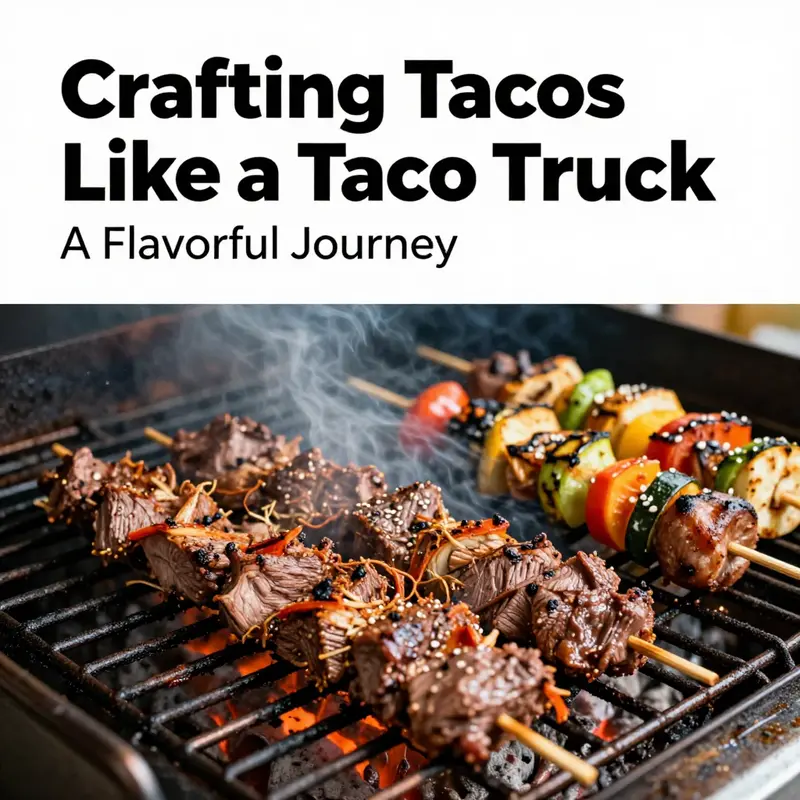
The backbone of a taco truck’s swagger is in its proteins. In Austin and across Texas, the same bold confidence that drives the city’s music and street art shows up in the way a taqueria builds its fillings. The protein is not just a sustenance carrier; it is the flavor engine, the part that carries the heat, the citrus brightness, and the all-important char that tells you you’re eating something crafted quick but with intent. When you cook with the discipline that a taco truck demands, you learn to balance speed with soul, bulk with nuance, and simplicity with impact. The result is a plate that tastes like it traveled from a crowded line on a curb to your kitchen table in a matter of moments, yet carries the same street-level precision that keeps customers coming back for more. In this chapter, the focus is on proteins that can stand up to bold seasoning and quick service while remaining flexible enough to accommodate home cooks who want the truck experience without a full kitchen’s infrastructure. It’s a practical artistry, built on a few reliable techniques that translate across proteins and keep the vibe intact: high heat, short marination, and the kind of flavor layering that makes each bite feel essential rather than incidental. You’ll see why the classic carne asada and al pastor remain enduring anchors in the taco truck repertoire, yet you’ll also feel permission to adapt, to switch proteins when the market or your pantry calls for it, and to keep the operation moving with the same no-frills efficiency that defines the mobile kitchen ethos.
Carne asada anchors the street taco world with its brisk, smoky brightness. The key to manifesting that signature flavor in your home kitchen is a marination that leans into acidity, garlic, and a clean spectrum of spices. A citrus-forward approach works beautifully here: lime juice brightens the meat, garlic adds depth, and a careful selection of spices—cumin for warmth, chili powder for a gentle heat, and oregano for a hint of herbaceous bite—creates a profile that reads as authentically Tex-Mex without needing elaborate components. The method is simple but precise. You slice a fit-cut of skirt steak into manageable portions so the marinating action can permeate quickly, then you bathe it in a mixture of citrus juice, minced garlic, salt, and those ground spices. A short rest—often as little as thirty minutes but sometimes a couple of hours if time allows—lets the enzymes do their work, tenderizing the meat enough to yield a quick sear that seals in juices. When the grill opens to high heat, the fat starts to render, and the surface develops a deep, familiar caramelization. That char, not too heavy, is the signal that the meat has touched flame and time, and it is the flavor fingerprint of a taco truck quality carne asada. It’s not about laborious basting or glossy sauces; it’s about restraint—allow the citrus and the fire to do the heavy lifting while the meat remains juicy inside.
Al pastor is a study in bold restraint and balance. The traditional technique of stacking marinated pork on a vertical spit creates a continuous edge-to-edge flavor that is both sweet and savory with a chili-kissed heat. In a home kitchen, you approximate that profile by marinating pork shoulder with achiote paste, which provides color and a peppery warmth, then grilling the slices until just charred at the edges. Pineapple, added either as fresh chunks or a grilled caramelized ring, brings the tang of fruit that contrasts the meat’s fat, creating a dynamic bite that clears the palate between mouthfuls. The marinade for al pastor typically folds in spices like garlic, cumin, and oregano, along with a touch of vinegar to brighten and preserve moisture during the quick-sear process. The result is a mix of sweet, savory, and a kick of heat that still reads as distinctly taco truck in its boldness. The trick here is not to drown the pork in sauce or heavy marinades; instead, you want a coating that will cling to the surface as it cooks, delivering flavor in every bite while still allowing the pork’s interior to stay tender and juicy. In practice, many cooks prepare a larger batch of pork shoulder, portion it for the week, and then grill slices in batches as orders come in. This approach mirrors the efficiency of a mobile kitchen: you create a baseline, reliable base, then perform rapid finishing during service.
Beyond these two pillars, the truck world invites flexibility. A plant-based option—seasoned black beans or grilled vegetables—can stand shoulder-to-shoulder with meat fillings when seasoned well and cooked with confidence. Black beans, spiced with cumin, chili powder, and garlic, can be simmered to a glossy, slightly thick texture that clings to tortillas and stays intact as you top with onions, cilantro, and avocado. When choosing vegetables, aim for sweetness and bite: bell peppers, onions, mushrooms, or zucchini tossed with a light oil, salt, and a touch of smoked paprika or cumin can bring a satisfying, meaty feel to the filling. The surrounding toppings play a crucial role here. Finely diced red onion gives a crisp bite, cilantro adds brightness, avocado or guacamole brings creaminess, and a salsa verde or pico de gallo injects a fresh acidity that elevates the entire composition. The balance is essential: each element should stand out but work in concert with the others. Too much of one component can overwhelm the others, so taste as you go and adjust with a confident, light touch.
A tidy equation underpins all these decisions. Marinate thoroughly to infuse flavor while keeping the meat secure enough to withstand a brisk high-heat sear. Cook in bulk, not with patience-wasting, slow, kitchen-slow methods, but with the realism of peak-hour service in mind. Use high heat to achieve a quick crust that forms that coveted aroma and texture without turning the protein dry. Keep it simple and bold—avoid layering too many sauces or competing flavors that muddy the primary seasoning. And stay flexible enough to swap proteins in response to availability or customer demand. The latter is a hallmark of the taco truck mindset: the menu might evolve with the day or the locale, yet the core technique remains consistent, a rhythm of marination, sear, rest, and slice that makes the operation feel effortless rather than improvisational.
In translating this to a home kitchen, you’ll still honor the truck’s workflow: prepare in larger quantities when you can, so you can finish quickly as orders come in. A cast-iron skillet or heavy-duty grill pan can stand in for a commercial grill, delivering those desirable char lines and rapid cooking. The marinade remains the star here, but it is the execution—how you manage heat, how you time the cook, how you rest the meat briefly before slicing—that elevates the final product from good to truck-grade. Resting is a small but mighty step. A few minutes of rest after cooking allows juices to redistribute, preventing a rushed slice from turning a bite into a dry moment. When you cut, there should be a subtle, almost savory juiciness at the edge, a sign that the protein was handled with care and respect for its natural moisture. The integrity of each slice matters, not just for flavor but for the mouthfeel that accompanies every tortilla bite.
The taco truck ethos thrives on efficiency without sacrificing flavor. Bulk cooking is not about mass production at the expense of character; it’s about building a reliable flavor foundation that you can deliver quickly and consistently. Plan for uniformity in thickness when you slice meat, ensure even marination by distributing the mixture thoroughly across the meat surface, and use a controlled sear to keep the surface crisp while the interior remains tender. If you’re serving a crowd, you’ll want to keep the selection straightforward: two proteins—carne asada and al pastor—plus one plant-based option as a modern twist. This approach reduces decision fatigue for guests and supports a smoother service rhythm. The nomadic, on-the-fly energy of a taco truck translates well into home cooking when you anchor your process in simple, repeatable steps and the confident use of your strongest flavors. When you think about the experience as a whole, it’s not only about the protein but about the way the kitchen hums around it—the grill heat, the chopping boards, the steady rhythm of toppings piling onto warm tortillas, and the sense of immediacy that keeps everything fresh and vibrant.
To strengthen your approach, consider integrating a practical, scalable workflow that mirrors the truck setup. Marinate in large containers, divide into portions for quick pick-off during service, and rehearse a routine that minimizes cross-contamination and keeps every component fresh. The beauty of this system lies in its modular nature: the same marination and cooking logic applies whether you’re working with skirt steak or pork shoulder, whether you’re browning peppers for a plant-based route or simply warming the tortillas for service. The more you lean into this modularity, the more you’ll see how a few well-chosen steps can yield a chorus of strong, clean flavors that align with the taco truck’s no-frills philosophy. And while the equipment may differ—from a professional flame grill to a home skillet—the core principles—high heat, bold yet simple seasonings, careful timing, and respectful handling of the meat—remain universal. When you combine these ideas with the right toppings, your tacos carry the same street-smart charisma that makes a line form behind a food truck and a cook grin at the sizzle of the grill.
As you build your repertoire, you’ll discover that the most memorable bites come from restraint. A bright lime finish, a touch of garlic, a whisper of cumin, and a well-timed sear carry more weight than an over-embellished sauce or a heavy-handed glaze. The goal is to let the natural richness of the meat and the crisp bite of the tortilla lead the way, while the supporting players—the onions, cilantro, avocado, and salsa—offer clean contrasts and ensure every bite is balanced. If you want to take the experience further, you can explore how a few well-chosen adjustments to your routine emulate the rhythm of a nighttime truck lineup. For example, preparing the bulk proteins to a near-ready state and finishing with a fast, hot sear as orders come in can help you maintain quality as demand surges. This approach mirrors the real-world efficiency of mobile kitchens, where the goal is to deliver a consistent product at speed under variable conditions. For readers who want to dive deeper into the broader world of mobile food operation, you can explore sustainable practices for mobile food trucks, which offers a perspective on how trucks balance flavor with efficiency and responsibility in the field: Sustainable practices for mobile food trucks.
In closing, the act of preparing proteins for tacos like a taco truck is a practice in disciplined simplicity. It rewards clarity: clear marination with a citrus-glow, a high-heat sear that creates a crust with character, and a finishing plan that respects the integrity of each component. The result is not merely a set of recipes but a workflow you can adapt to your kitchen, your pantry, and your pace. When you plate the protein alongside crisp toppings and bright salsas, you replicate not just the taste of a street-side truck but the spirit of it—the quick, confident joy of a meal that feels both immediate and deeply satisfying. For seasoning guidance that supports this approach, consider a practical reference that emphasizes lean, flavorful profiles without unnecessary sugars, and remember to taste as you go so the final bite remains bold, balanced, and true to its street-inspired roots. External reference: Mayo Clinic’s taco seasoning guidance can offer a helpful baseline for achieving that clean, robust flavor without complicating your process: https://www.mayoclinic.org/healthy-living/nutrition-and-healthy-eating/in-depth/taco-seasoning/art-20487933
Elevating Taco Truck Toppings: Texture, Temperature, and Salsa That Sing
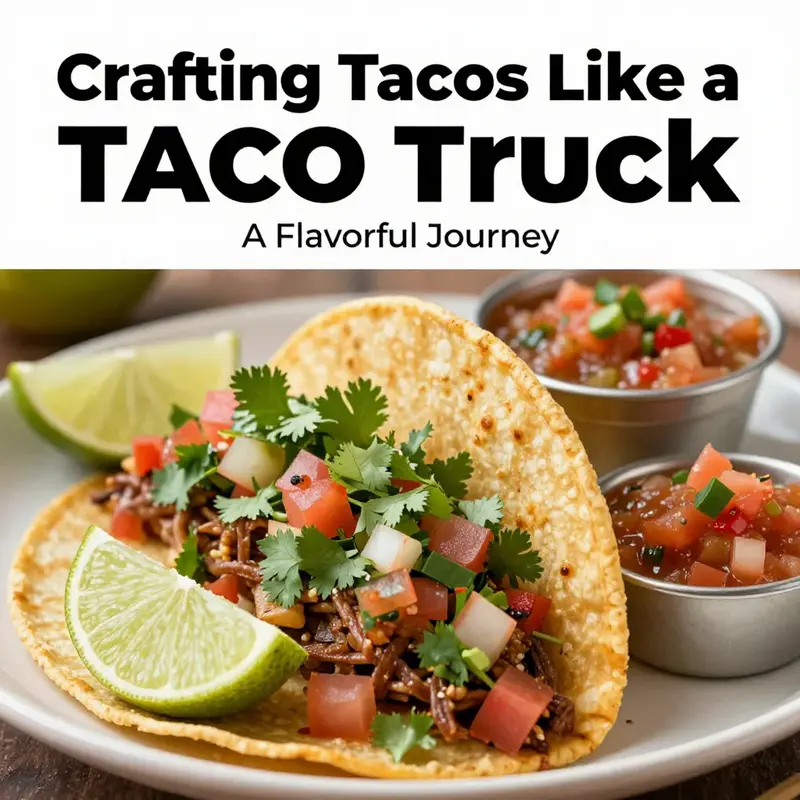
Toppings and salsas are not decorations but the backbone of the taco truck experience. They choreograph flavor, texture, and temperature to turn a filling into a memorable bite. In a busy service, toppings must balance speed with purpose. A crisp red onion, bright cilantro, cool avocado, silky crema, a crumble of queso fresco, and a salsa that wakes the palate—these elements work in harmony to create a taco that feels complete from the first bite and invites a second. The classic fish taco offers a template: fish grilled or lightly fried, a tangy slaw built from cabbage, lime juice, and cilantro provides a refreshing contrast to richness. A creamy avocado adds silkiness, while a bright salsa verde made from tomatillos and jalapeños introduces a citrusy kick. A pico de gallo can also play this role, offering a clean finish that cleanses the palate after each bite. These components are essential to the flavor arc, like a chorus supporting a melody. When fillings shift to carne asada or al pastor, toppings still balance. Pickled red onions add acidity; chopped cilantro brightens; avocado or crema provides creaminess; queso fresco adds saltiness; a roasted corn salsa adds sweetness and char; a mango salsa adds tropical brightness. The aim remains: every topping has a purpose to lift, brighten, or balance the core filling. Austin’s taco trucks become laboratories for this approach because toppings reflect seasonal produce and regional influences. Fresh pico de gallo and roasted corn salsa anchor the lineup. A crisp slaw adds texture without watering down the tortilla; lime juice brightens at the end as a final touch. For the adventurous palate, a tropical mango salsa or jalapeño-led habanero salsa tilts toward brightness and heat without losing balance. The beauty is that no two trucks are identical; toppings are the signature accents that declare a truck’s identity. Assembly matters as much as ingredients. Start with a warm tortilla, distribute protein evenly, then layer: a bed of crunch, cilantro, avocado or crema, and a bright salsa at the edge rather than center. This arrangement helps prevent sogginess and allows distinct flavors to make each bite. Temperature dynamics are crucial. A steaming-hot filling with cool toppings creates a dynamic mouthfeel. Crunch contrasts with creaminess; lime acidity guides the palate. A spicy salsa lingers to invite another bite. Toppings act like seasoning on their own level; a squeeze of lime brightens dairy or protein, and pickled onions can restructure the bite by adding zing. Texture is the unsung star. Crunch, creaminess, and a delicate saltiness linger. The fish taco example shows how a single component, a well-made slaw, can recalibrate the dish by changing mouthfeel. In a busy truck, texture conversations help a taco move from delicious to memorable.
Riding Flavor on Wheels: Crafting Tacos with a Taco Truck Vibe
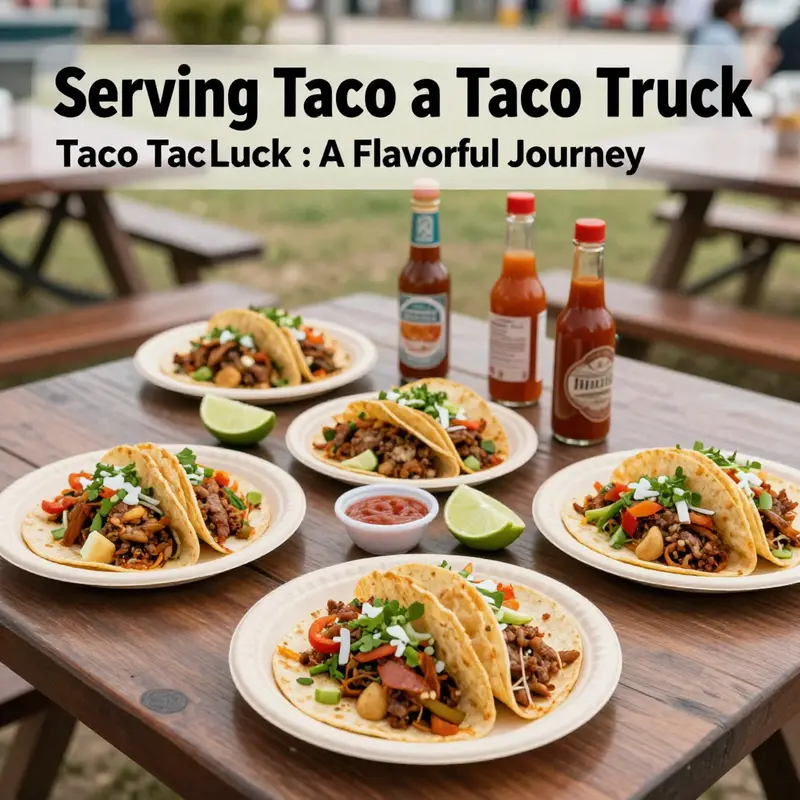
Riding flavor on wheels becomes a kitchen philosophy you can translate to any space. The taco truck vibe is about speed, clarity, and the shared bite. In a home setup you mimic the workflow: mise en place, a hot grill, simple garnishes, and service that invites guests to customize. Tortillas are warmed gently, fillings are prepared in small batches, toppings are bright and fresh. Carne asada offers a sharp, citrusy character with a quick sear; al pastor brings a pineapple lift. Plant based options stay flexible and satisfying. The trick is balance: each bite should feel cohesive with tortilla, protein, onion, cilantro, and salsa.
To build the mobile kitchen vibe, design a compact station with clearly defined zones: grill, tortilla warmer, toppings, and service. Lighting matters; bright above prep, warm near guests. The experience grows from a story you tell with simple toppings and a rotating specials board. Authenticity comes from respect for tortillas, proper seasoning, and careful heat. The goal is a living scene rather than a staged tableau, so you invite guests to participate and share their favorite combos. Beyond the dish, the truck ethos extends to community, testing ideas, and adapting to what people crave. The result is a plate that travels well and a moment that feels like a small celebration on a street corner.
Final thoughts
The joy of making tacos like a taco truck lies in the simplicity and freshness of the ingredients you choose. By focusing on high-quality products and a few well-cooked proteins, balanced with delicious toppings and salsas, you can bring the essence of Austin’s food trucks right into your home. So roll up your sleeves, gather your ingredients, and get ready to impress your friends and family with an authentic taco feast. The experience is not just about the food; it’s about creating memories—one taco at a time!