
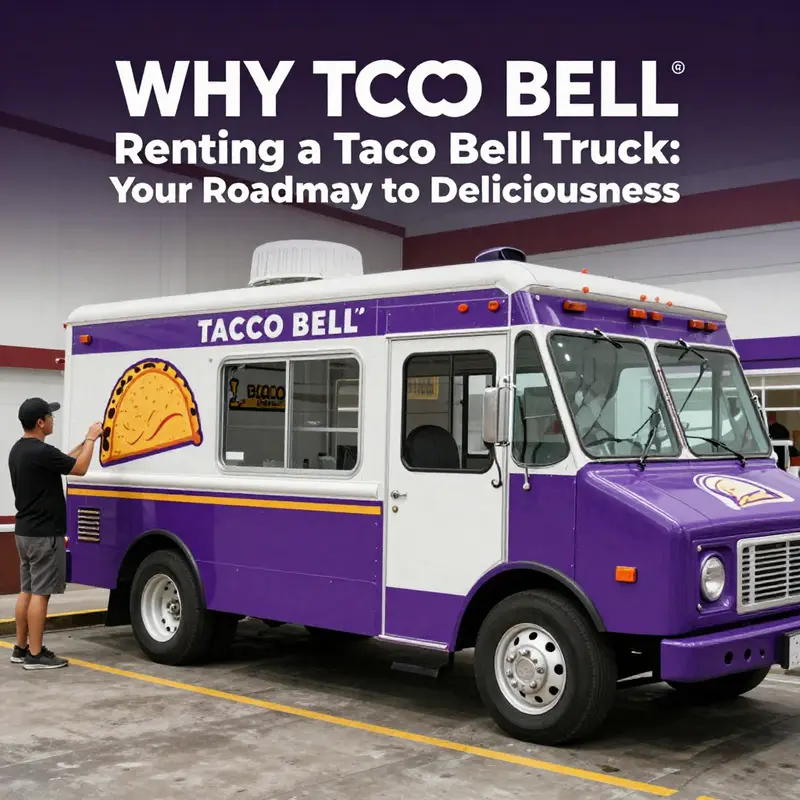
For those who dream of a Taco Bell on wheels, the reality can be a little different than expected. Understanding the current market landscape, alternatives to Taco Bell-branded trucks, and your options for starting a mobile food business can help clarify your path forward. In this article, we will explore the intricacies of renting and operating a food truck, while unraveling the reasons behind Taco Bell’s strict brand control. We’ll delve into various options available to urban commuters, outdoor enthusiasts, and small business owners looking for an electric taste of the taco world.
Understanding How to Rent a Taco Brand Truck: Navigating the Market Reality
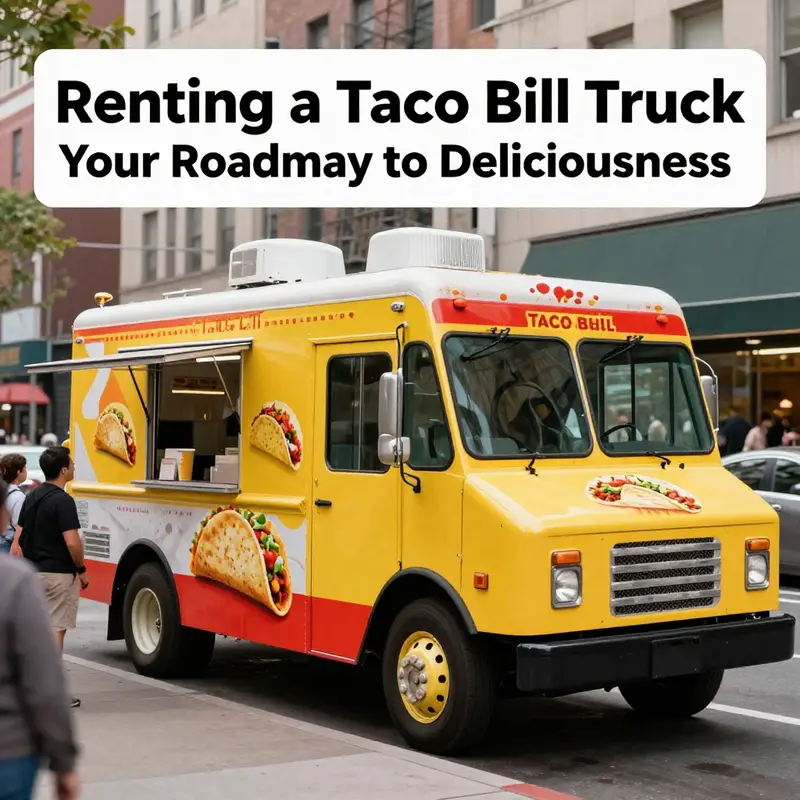
When aspiring mobile food entrepreneurs search for a branded taco truck, the reality is there is no official branded truck rental program for individuals or small operators. Large taco brands deploy trucks through corporate channels, franchises, or long term partnerships rather than casual leases. This means you cannot rent a genuine branded vehicle from the brand itself, but you can still run a taco concept with pace and polish by using unbranded equipment or pursuing a franchise route.
Two practical paths emerge. First, rent an unbranded, commercially designed food truck from a third party and customize it to fit your concept. You maintain your own branding, menus, and permits, without franchise fees or following brand standards. Second, pursue franchising if you want the brand recognition and support, understanding it comes with upfront fees, ongoing royalties, and strict guidelines.
A middle path exists as well: hire third party catering operators or fully equipped branded trucks for events, which lets you deliver a familiar service quality without operating under the brand on a daily basis.
Key steps to start include: define a clear concept and menu; build a realistic budget including vehicle, equipment, insurance, and permits; establish a supplier network and inventory system; secure health and safety approvals and vehicle and business licenses; consider using a commissary for storage and prep; compare the costs and control between unbranded rental, owned or leased vehicles, and franchise options; test markets with smaller events, gather feedback, and plan for growth with a disciplined financial model and compliant operations framework.
Alternatives to Renting a Brand-Name Taco Truck: Practical Paths with Commercial Food Trucks
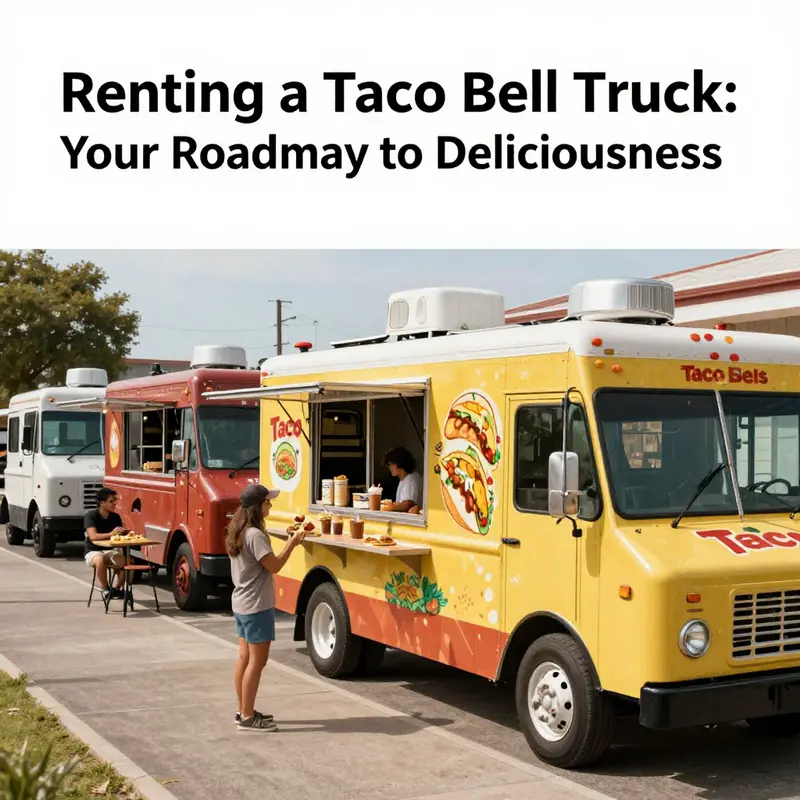
The appeal of a branded, taco-focused mobile kitchen is clear: a ready-made platform and a showy presence that travels to events and street corners. Yet the reality is more nuanced. There is no official rental program for a brand-name taco truck. You typically operate either a non-branded commercial truck, pursue franchising through official channels, or partner with third-party catering services that provide mobile units. Each path has different costs, timelines, and constraints, but all aim to deliver a reliable guest experience while staying within legal and financial bounds.
First, consider renting a standard, non-branded commercial food truck. This option remains a common entry point for a mobile presence without a franchise. Third-party rental platforms offer configurations from compact setups to larger fleets. The practical advantage is flexibility: choose a kitchen layout that matches your menu, access existing water, power, and waste infrastructure, and tailor terms to a seasonal schedule. Because the truck isn’t branded, you can craft your own identity and menu focused on speed, consistency, and quality within legal boundaries.
Second, franchising can offer brand equity, standardized recipes, and a tested operating playbook, but it requires significant upfront and ongoing investments and adherence to brand systems. It is a long-term commitment that demands careful location planning and a solid financial plan.
Third, you can work with third-party catering services that bring mobile units to events. These options provide immediacy and scale without owning a truck, but they limit control and require coordination with another operator’s schedule. This path can be ideal for testing concepts and refining your menu before investing in your own vehicle.
Whatever path you choose, the kitchen on wheels must meet health codes, insurance requirements, and municipal permits. Map your menu to the truck’s capabilities, design an efficient workflow, and build a compelling front-of-house presentation that avoids protected logos or trademarks. With thoughtful planning and disciplined execution, a non-branded truck can deliver a distinctive, memorable guest experience.
On the Open Road Without a Brand: Building a Taco-Bell–Inspired Mobile Taco Venture
A road-worthy dream often starts with a truck and a story. For would-be food entrepreneurs chasing the buzz of a taco-centric, fast-casual concept on wheels, the obvious question can feel urgent: can I rent a branded truck from the iconic brand known for its customizable menu? The short answer is no. There is no official program that allows individuals or independent businesses to rent a branded truck from that chain, and franchising opportunities for standalone mobile units are not currently on offer. But this isn’t a dead end; it’s a doorway to a robust and scalable path. The road to a successful mobile venture that captures the spirit of that brand—without riding on its license plate—starts with a clear concept, a practical plan, and a willingness to innovate within the rules of the street. The reality is plenty bright: a mobile food business can be lean, fast, and highly adaptable to crowded events, office corridors, and urban neighborhoods. The core ideas that have powered the brand’s growth—speed, consistency, affordability, and a highly customizable menu—translate well into a standalone truck operation if you adapt them thoughtfully and legally.
The first mile of this journey is honest constraints. You cannot operate under the original brand’s name or claim its identity without the franchising pathway—and that pathway, in its current form, does not extend to a simple mobile unit. This clarity is not a limit so much as a compass. It guides you toward a legitimate, independent concept that can still evoke the same appetite for personalization that fans love. If you want to pursue the “brand-evoking” experience, your best bet is to craft a distinctive, Taco-Bell-inspired concept rather than a direct replication. Your menu can celebrate the same flavor profiles—bold, bright, and buildable—but you’ll brand it as your own. That approach unlocks franchising or licensing potential in a future, but in the meantime, it keeps you compliant and entrepreneurial.
With that framework in mind, the practical route to rent a mobile kitchen that fits your goals is straightforward and businesslike. You can rent a standard, unbranded food truck from third-party providers and outfit it to reflect your concept. This is not about copying a logo or taglines; it’s about delivering a similar dining experience—fast, customizable, and coast-to-table—within your own brand story. It’s common for new operators to treat the vehicle as a blank canvas: a moving kitchen that showcases your ideas while you prove your concept to customers. The flexibility here is powerful. You can tailor the truck’s layout to optimize speed, streamline workflow, and create a memorable customer journey from first bite to last. The decision to rent, rather than buy, reduces upfront risk and preserves capital for essentials like permits, equipment, and initial inventory.
No matter which path you choose, the long view matters most: what will your menu say about your brand on every street corner, at every festival, and in every corporate campus lunch hour? Your answer should be anchored in the same principles that make the source brand a standout in its category. Emphasize speed—how quickly you can assemble a customer’s order after they’ve joined the queue. Seek consistency—every burrito, every taco, every bowl should deliver the same core flavors and texture, regardless of the day’s line length. Price your offerings with affordability in mind, so customers feel they are getting value as well as flavor. And design a menu that invites customization—build-your-own bowls, burritos, or tacos with a wide array of ingredients to choose from. In short, emulate the essence of the familiar model, but reframe it through your own branding, your own sourcing, and your own kitchen choreography.
As you sketch this plan, integrate three shifts in thinking. First, mobility is a feature, not a limitation. A well-run truck can move from festival to office park to market square with ease, letting you test different neighborhoods and adapt to foot traffic patterns. Second, hospitality is the differentiator. Your team’s speed, clarity of communication, and willingness to modify orders on the fly create an emotional connection that no single signature dish can secure alone. Third, safety and compliance are nonnegotiable. From food safety training to proper labeling and allergen controls, your brand’s reputation rides on reliable execution as much as it rides on bold flavors.
The menu is your most public ambassador. A Taco-Bell–inspired approach thrives on customization and a lean selection that can be expanded with seasonal or localization twists. You might start with a core set of proteins, a handful of signature sauces, and a generous array of toppings. The trick is to design the building blocks so customers feel they are co-authors of their meal. You can lean into Mexican-inspired flavors, but avoid clichés by layering textures—crunch, creaminess, heat—across the stack of ingredients. Your team should be trained to guide customers with suggestions, pairings, and quick upsells that feel helpful rather than pushy. The goal is not to imitate a brand’s exact menu, but to capture its spirit of customization and reliability. As orders grow, you’ll want a menu engine that makes it easy to swap in regional ingredients, reduce waste, and keep preparation sound in a compact, mobile kitchen.
The practicalities of launching are often the hardest part of the journey, and here the road map becomes concrete. Start by narrowing your concept to a single, compelling profile that can travel—your “why” expressed in a dish ritual. Then evaluate vehicle options with a critical eye toward back-of-house efficiency. A standard, unbranded truck is the safest starting point for most newcomers, because you can retrofit the interior to fit your workflow without risking brand guidelines or trademark concerns. When you’re evaluating a rental, inspect the kitchen layout for bottlenecks. Look for a service window that minimizes the wait time and a prep area that reduces cross-contamination risks. Equip it with reliable refrigeration, a robust flame and heat system, and a versatile warming station. A modern POS system that can operate offline during events is another essential, preserving speed even in crowded settings.
Beyond the vehicle, there are permits, licenses, and partnerships to consider, and this is where the story becomes practical. A mobile food business still needs a business license, a health permit, a certified commissary, and appropriate insurance. You’ll want a food handler’s certificate for all staff and a documented food-safety plan that your local health department can review. Depending on your location, you may also need a fire inspection, a grease trap, and a waste-disposal agreement. If you’re targeting events, you’ll likely need event permits and perhaps a vendor contract that outlines power supply, water access, and waste management. The exact requirements vary by city and state, so connect early with a local small-business development center or a mentor who understands the paperwork and can help you avoid avoidable delays.
Branding is the bridge between concept and street legitimacy. You’ll need a name, a logo, packaging that communicates your concept, and an exterior design that draws attention without overpowering the on-site workflow. Consider signage that tells a quick story: what makes your build-your-own concept unique, what ingredients you offer, and how your customers can customize their meals in seconds. The branding should be legible from across a crowded lot, and the truck’s interior should be visible to the customer as much as the exterior is. In this vein, the role of sustainability is increasing in importance for mobile operators. How you source ingredients, how you manage packaging waste, and how you power the mobile kitchen in events all contribute to your reputation. A useful starting point is to ground your practices in sustainable, practical choices. For instance, you can adopt eco-friendly disposables, source local and seasonal produce when possible, and implement a waste-reduction program that satisfies event organizers and customers alike. For a deeper dive into sustainable practices for mobile food trucks, explore the linked resource on sustainable practices for mobile food trucks.
As you grow, your sales channels will matter as much as your cooking. Social media should be enlisted not merely to blast menus but to tell your story in real time. Post behind-the-scenes looks at your prep, highlight customer build-your-own combinations, and share seasonal specials that reflect local flavors. You’ll want to cultivate a consistent cadence of events—weekly farmers’ markets, monthly festivals, and corporate catering contracts—that keeps the truck moving while maintaining a steady cash flow. A thoughtful route plan helps you maximize coverage and minimize downtime. The most successful operators treat the truck as a portable brand, not just a kitchen on wheels. They think about the experience: a quick order, a friendly exchange, a clean station, and a meal that people want to tell others about.
A final consideration is whether to pursue franchising opportunities in the future. While the specific brand you admire does not offer a mobile-unit license today, the door to collaboration can still open through partnerships, co-branding, or evolving consumer demand that paves the way for licensed concepts under a disciplined, legal umbrella. If your ambition is to grow beyond a single truck, you’ll need a scalable system: standardized recipes, documented training programs, reliable supplier agreements, and consistent, transparent financial reporting. These elements transform a single truck into a replicable model that can attract investors or partners while preserving your independent identity.
In sum, the dream of renting a branded truck from a famous taco-forward brand is not the right path for an independent operator today. Yet the market for mobile food is vibrant and accessible. By embracing a Taco-Bell–inspired ethos—rapid service, customization, and affordability—within your own brand, you can build a compelling, legally sound, and financially viable mobile business. The best practice is to view the truck as a vehicle for your vision, not a badge you attach to a menu. Rent a generic, well-equipped kitchen on wheels, design a distinctive identity, and approach the street as your studio. The road ahead will demand discipline, quick iteration, and a relentless focus on the customer experience. But with these elements aligned, you’ll be able to serve up a memorable, taco-inspired dining experience that travels as freely as your ambitions do. If you want a practical primer on broader mobile-truck trends as you plan, see Shopify South Africa’s Food Truck Business Ideas (2026) for wider market context. And as you iterate on your concept, consider the long-term value of sustainable practices for mobile food ventures—an anchor for today’s eco-conscious customers and tomorrow’s responsible growth.
Internal link note: For a focused view on sustainable operations within the mobile-truck space, you can explore this resource: Sustainable practices for mobile food trucks.
External reference for broader market context: Shopify South Africa Blog: Food Truck Business Ideas (2026).
null
null
Final thoughts
The elusive idea of renting a Taco Bell truck is grounded in the reality of brand control and corporate strategy. While you can’t roll out with a Taco Bell food truck, there are ample opportunities to explore food truck rentals and the exciting world of mobile food business ownership. Whether it’s through various rental services or starting your own venture, the options are plentiful for those ready to embark on a culinary journey. Dive into the alternatives and be inspired to create your own taco haven on wheels!