
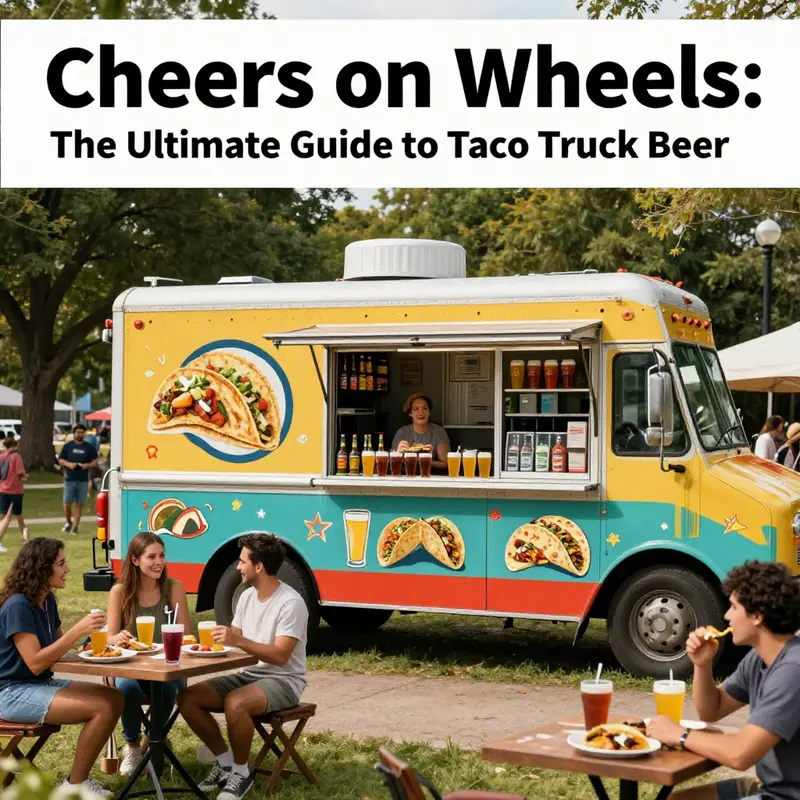
The vibrant culture of taco trucks is undeniably intertwined with the pleasure of enjoying a cold beer on a sunny day. As urban commuters, outdoor enthusiasts, small business owners, and first-time pickup buyers alike seek more excitement in their culinary experiences, the concept of merging taco trucks with mobile beer service stands out. In this guide, we explore not only where to purchase the essential vending equipment but also how to find the right vendors that fit your vision. With an eye on your unique needs, let’s delve into enhancing your taco truck experience with the delightful combination of tacos and beer!
Mobile Beer for Taco Trucks: How to Choose and Where to Buy the Right Vending Unit
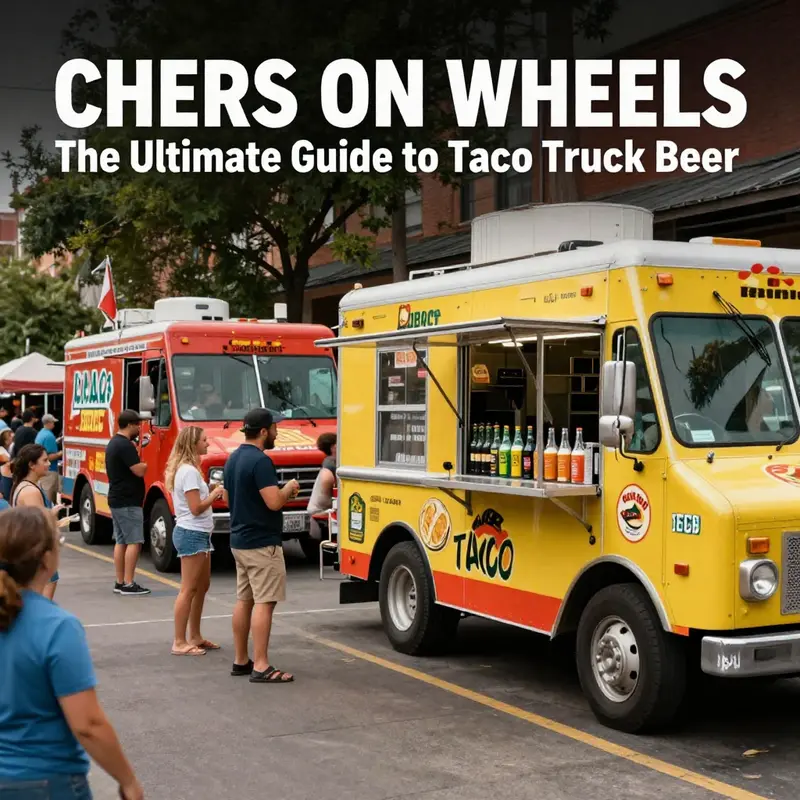
Mobile Beer for Taco Trucks: Choosing the Right Vending Unit
Selling beer from a taco truck changes more than your menu. It alters how you design service flow, manage inventory, and comply with local rules. Choosing the right mobile beer vending unit matters for service speed, product quality, and profit margins. This chapter guides you through the practical choices, trade-offs, and buying strategies so you can find a solution that fits your taco operation.
Think of a mobile beer unit as a service backbone. It must move well, serve quickly, and protect product quality. Options range from compact pedal or tricycle carts to fully outfitted mobile bar trailers. Each option fits a different business model. Small carts work for festivals and short events. Trailers or converted trucks suit full-time vending and high-volume service. Your choice depends on footprint, expected volumes, licensing, and where you plan to park or perform.
Design and layout affect every aspect of service. A simple cart needs room for a cooler, taps, and glassware. A trailer can add kegerators, multiple taps, and a sink. Plan counter height for speed. Include storage for spare CO2 cylinders and basic tools. Think about access for restocking kegs and ice. Consider a fold-out awning or canopy to shield patrons from sun or rain. A well-thought-out layout reduces customer wait times and improves the drinking experience.
Power and temperature control are crucial. Beer tastes best cold and served consistently. A mobile unit requires refrigeration or insulated systems to keep kegs and bottled beer at safe temperatures. Look for reliable cooling options: direct 12V refrigeration, built-in kegerators, or high-quality insulated chest coolers. Battery-backed systems help maintain temperature during short moves. If you plan long shifts, ensure a robust electrical plan. Solar panels and silent generators provide off-grid power, while shore power is ideal for fixed event setups.
Draft systems need careful selection and maintenance. A draft line, if poorly configured, ruins beer through oxidation or off-flavors. Choose stainless steel or food-grade tubing. Maintain appropriate line lengths and use correct regulators for CO2 systems. If offering multiple taps, plan for independent temperature zones or separate cooling units. Include easily accessible clean-in-place connections so staff can sanitize lines quickly. Regular maintenance extends keg life and keeps flavor consistent.
Keg sizes and stocking affect cash flow and operations. Smaller kegs suit low-volume events and reduce waste. Larger kegs lower per-pour cost but need more storage and stronger cooling. Estimate expected pours by event type to decide keg mix. Track pour counts to forecast reorders. Include backup solutions for sudden demand, such as bottled beer or a cold box stocked with cans.
Payment systems and inventory tracking streamline service. Modern mobile units benefit from cashless payments. Accept cards, mobile wallets, and contactless taps to speed transactions. Use a POS system that integrates with inventory tracking. Real-time stock monitoring prevents stockouts and ensures accurate reorder timing. Lightweight tablets or hardened POS terminals resist spills and heat. Choose systems that sync across multiple devices if you operate more than one vending point.
Permits and compliance shape what you can buy and how you operate. Alcohol regulations vary widely by city, county, and state. Some jurisdictions require specific vehicle adaptions to sell alcohol. Others limit where you can park or mandate on-premises consumption areas. Check local health department rules for handwashing sinks and waste disposal. Confirm the need for a special alcohol license or vendor permit well before purchase. Failing to secure proper permits can lead to fines or shutdowns.
Insurance and liability are as important as permits. Serving alcohol increases risk exposure. Your unit should meet local safety codes and carry appropriate liability insurance. Consider policies that cover vehicle damage, product spoilage, and alcohol liability. If employees serve beer, verify that your policy covers server-related incidents. Insurance underwriters often require documented sanitation and safety procedures.
Customization versus ready-made options is a core buying decision. Off-the-shelf carts arrive quickly and cost less. They suit startups or event-focused vendors. Custom builds let you tailor layout, branding, and specialized equipment. A custom build can integrate multiple refrigerated zones, dedicated dishwashing stations, and specialized tap towers. Expect higher costs and longer lead times for custom solutions. Evaluate total cost of ownership, including maintenance and resale value, before choosing.
Materials and build quality affect longevity. Look for corrosion-resistant materials and food-grade surfaces. Stainless steel counters resist wear and clean easily. Powder-coated frames add protection for mobile operations. Ensure doors and access points are secure and designed for frequent opening. Heavy-duty casters, reinforced axles, and proper suspension increase reliability on rough roads. A robust build reduces downtime and repair costs.
Mobility and legal vehicle class matter. Smaller carts may require only pedestrian permits. Larger trailers might need vehicle registrations and commercial insurance. If you plan to tow, confirm that your tow vehicle is rated for the trailer’s weight. Some areas require commercial drivers for heavier units. Factor in parking restrictions and access limits in urban centers. Operating in crowded neighborhoods often means maneuverability is key.
Sustainability and operational costs influence long-term performance. Choices such as electric or human-powered carts reduce fuel costs. Efficient refrigeration and LED lighting cut energy bills. Waste-reduction strategies save money and attract eco-conscious customers. For practical guidance on reducing your unit’s impact, review best practices in sustainable mobile food operations at sustainable practices for mobile food trucks. Small changes boost brand reputation and lower operating expenses over time.
Maintenance, cleaning, and sanitation keep beer tasting great. Draft lines need routine cleaning to prevent bacterial growth. Plan a cleaning schedule for taps, faucets, and kegs. Replace seals and gaskets periodically. Keep spare parts on hand for common failures. Train staff to recognize off-flavor signs and to follow sanitation protocols. A clean unit protects customers and preserves product quality.
Staffing and service flow determine how many transactions you handle per hour. A single server can manage a small cart. Larger trailers need at least two staff: one taking orders, another pouring. Cross-train employees to handle cashless transactions and basic equipment troubleshooting. Efficient service reduces spill risk and increases throughput during peak hours.
Branding and display matter for impulse sales. Beer presentation influences customer perception. Keep taps clean, and use clear, attractive signage. Consider sample pours for tasting events. Display beer lists that match taco offerings. Thoughtful pairings increase average ticket sizes and customer satisfaction.
Purchasing logistics include lead time, shipping, and import duties. Mobile units shipped from overseas reduce upfront costs but add shipping time and potential tariffs. Verify supplier lead times and ask about local assembly options. If buying used, inspect refrigeration and draft components carefully. Used units can be cost-effective if they receive a detailed mechanical and sanitation check.
Financing and budget planning are practical realities. Set a budget including purchase, customization, permits, insurance, and initial inventory. Explore financing options such as equipment loans or leasing. Leasing spreads cost but may restrict modifications. A clear budget prevents surprises and ensures you have working capital for operations.
After-sales support and warranty matter. Equipment that comes with technical support reduces downtime. Check warranty terms on refrigeration, taps, and electrical systems. Confirm availability of replacement parts in your region. If a vendor offers on-site installation, that can simplify setup and ensure the unit meets health codes.
Where to buy depends on urgency and level of customization. Marketplaces offer quick, ready-made carts and small trailers. Manufacturers provide configurable platforms and full builds. Local fabricators help with custom conversions of vans or pickups. For many operators, contacting multiple suppliers and requesting detailed quotes yields the best fit. Ask vendors for photographs of finished units and references from other operators.
Negotiating with suppliers can lower costs. Ask for bundled pricing on equipment and spare parts. Request training for your staff as part of the deal. Clarify shipping and installation costs up front. For custom builds, agree on milestones and final acceptance criteria. A written contract that includes timelines reduces misunderstandings and protects both parties.
Testing and trial service prevent costly mistakes. Where possible, arrange a demo or short-term rental before a full purchase. Testing in a real event environment reveals unforeseen layout or flow problems. Use this trial to verify refrigeration performance and draft quality over several hours. Adjustments are easier and cheaper before finalizing a purchase.
Resale and upgrade paths are part of strategic buying. Build with modularity in mind so upgrades are easier. Standardized fittings allow new equipment to integrate later. If you plan to scale, consider units that can be multiplexed or duplicated with minimal retraining. A well-maintained unit holds resale value, easing future upgrades.
Buying a mobile beer vending unit for a taco truck involves more than hardware. It blends equipment choices, legal compliance, staffing, and customer experience. Prioritize reliable refrigeration, a well-designed draft system, and a layout that matches service goals. Balance budget with long-term operating costs. Seek vendors who provide transparent specs, support, and references. Finally, test before committing to ensure the unit supports your taco truck vision and service model.
For a close look at a sample product listing and further technical details, review this example product listing.
Selecting the Perfect Beer Service for Your Taco Truck: Equipment, Layout, and Practical Choices
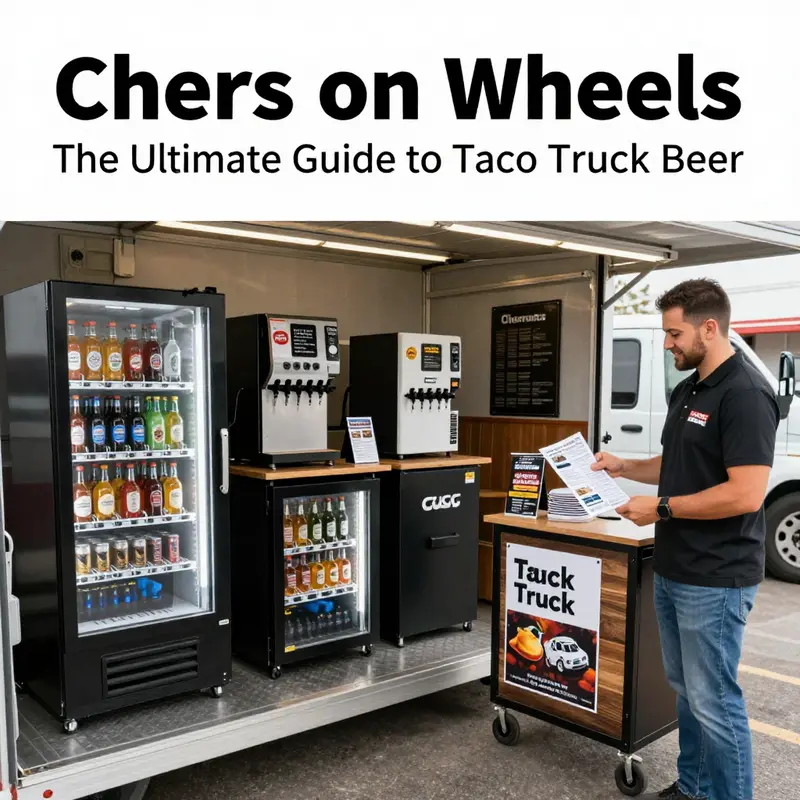
Choosing Your Beer Service Setup for a Taco Truck
Mixing great tacos with beer is more than a pairing. It is an operational decision that shapes customer flow, compliance, and profit. Picking the right beer service equipment starts with where you will sell. Will you station at a weekly market, roll into large festivals, park in a food truck lot, or operate as a pop-up at private events? Each scenario changes the needs for power, space, and speed.
At fixed or semi-fixed locations, you gain access to steady power and larger footprints. There you can install draft systems with multiple taps. These systems require refrigeration, CO2 or nitrogen handling, and a proper draft tower. They keep beer at ideal temperatures and manage pressure for consistent pours. For roaming operations and short events, portability becomes essential. Mobile kegerators and compact draft rigs offer mobility with enough capacity for several kegs. These units balance weight, cooling efficiency, and setup time.
Space inside a taco truck is always premium. Draft components must share room with cooking gear, storage, and sanitation stations. Mini-bars and rolling draft cabinets can sit at the service window or attach to a side hatch. Consider units that offer vertical storage to preserve floor area. Also weigh ease of installation. Systems that bolt into existing counter cutouts or that integrate with standard truck utilities will save time and reduce retrofit costs.
Power is a recurring constraint. Some markets allow shore power, while parks often do not. If shore power is unreliable, look for equipment with low-power draws or with diesel-electric independent refrigeration options. Insulated kegs with efficient compressors reduce run time. In off-grid conditions, battery-backed systems or small generators can be practical. Choose reliable models with straightforward electrical diagrams so field technicians can troubleshoot quickly.
Durability matters when equipment travels. Draft lines, couplers, and regulators face constant handling and vibration. Choose stainless steel and high-grade polymers for long life. Quick-disconnect couplers simplify keg changes and reduce spillage. Also prioritize easy-to-clean components. Beer lines must be cleaned regularly to prevent off-flavors and bacterial growth. Systems with removable parts allow faster sanitization between shifts, which keeps quality high and compliance simple.
For smaller operations, alternative formats deserve attention. Tricycle carts, tuk-tuk platforms, and small vending carts offer unique mobility and strong branding potential. They work well for campus activations, block parties, and narrow streets where trucks cannot fit. These compact units require less staff and can be parked in tighter spots. Their limitations are capacity and bulk refrigeration, so plan inventory accordingly. They excel when paired with canned craft beer or pre-mixed cocktails instead of multiple kegs.
Buying second-hand trucks can cut startup costs. A used truck often already has refrigeration and electrical distribution. That saves initial retrofit expenses and reduces time to launch. Inspect the vehicle for the condition of the chassis, refrigeration units, and wiring. Confirm all existing equipment meets local health codes. Upgrades may still be necessary for alcohol service. Working with a qualified mechanic and a food-truck specialist ensures you avoid hidden liabilities.
Shipping containers and modular kiosks create a different proposition. In a festival village or food hall, a converted container offers security, storage, and a strong visual presence. They support larger refrigeration systems and secure inventory storage overnight. Containers require climate control. Without proper insulation and cooling, beverage quality will suffer. Add remote monitoring for temperature and intrusion to protect product and reputation.
Consider the range of beverages you plan to serve. If you intend to pour beer and wine, design systems for both. Wine requires a different temperature band and often different dispensing equipment. Cocktails may demand refrigeration for mixers, storage for bottles, and possibly a small bar sink. Think about spares. Having an extra regulator, tap handle, or coupler on board avoids service interruptions during busy shifts.
For events with live cooking and beverage service, mobile catering trolleys are a powerful option. These allow on-site preparation and bar service in small footprints. Trolleys with built-in gas grills, convection ovens, or induction plates can handle last-minute orders. When paired with a compact draft unit, a trolley keeps pace with demand and creates a memorable guest experience. They are especially useful for weddings and corporate banquets where mobility and presentation matter.
Compliance will shape equipment choices as much as practical needs. Serving alcohol comes with additional licenses, age verification requirements, and often specific hardware standards. Servers may need to prevent open container violations in certain jurisdictions. Some places require tamper-evident seals on secondary containers. Research local laws early and design supply lines that comply. Include provisions for ID checks, secure POS systems, and clear signage about responsible service.
Security and inventory control are often overlooked. Beer is high-value inventory. Lockable kegs, secure storage cabinets, and simple surveillance systems deter theft. Inventory management software that tracks pours by volume helps reconcile kegs with sales. Pour sensors and smart taps can integrate with POS systems to measure waste and theft. For smaller vendors, a basic lockbox and nightly stock counts suffice. For larger operations, invest in systems that automate tracking.
Think visually. The beer service becomes a stage for your taco brand. Draft towers, branded tap handles, and tidy cabinetry contribute to perceived quality. Lighting accents and clear menus guide customers and speed decisions. For compact vending carts, vivid wraps and consistent colors make you visible in crowded spaces. But design must never compromise safety or function. Ensure ventilation for cooking and refrigerant systems, and keep service counters clear for fast transactions.
Maintenance planning is essential. Draft systems require scheduled line cleaning and valve inspections. Refrigeration compressors need preventive care. Draft regulators and gas lines should be tested before busy events. Create a maintenance manual and a checklist for daily, weekly, and monthly tasks. Train staff to perform quick checks and to recognize signs of pressure or cooling issues. A small toolkit and spare parts inventory will reduce downtime.
Costs can scale widely depending on choices. Portable carts are cheaper than full mobile bar trailers. Shipping container setups often cost more up front but can handle higher volumes and offer better margins on big event days. Second-hand trucks reduce purchase costs but may require immediate upgrades. Weigh capital expenditure against projected revenue per service hour. Model scenarios for a slow weekday, a busy weekend, and a festival day. Include staffing, fuel, and restocking in those models.
Negotiating with equipment vendors requires clarity. Communicate expected daily volume, event types, and any unique site constraints. Ask for clear warranties and service agreements. Request references from other food or beverage vendors who run similar equipment. If possible, schedule a live demo or a site visit to see units in operation. That helps you spot practical issues that spec sheets miss.
Customization should be approached with restraint. Cosmetic tailoring builds brand identity but can make equipment harder to resell. Keep core mechanical systems standardized and modular. This approach simplifies replacements and repairs. Modular panels and removable branding elements allow you to change visual identity without reengineering the base unit.
Training your staff completes the system. Good equipment only performs with informed operators. Train your team on draft line changeovers, tap cleaning, keg handling, and spill control. Practice quick keg swaps and teach safe lifting techniques. Include alcohol service training that covers refusal, de-escalation, and documentation. Staff who understand equipment will reduce waste and deliver consistent product quality.
Sustainability considerations are increasingly important. Lightweight insulated kegs, efficient compressors, and LED lighting cut energy use. Recycling programs for cans and bottles can enhance your brand story. Offer water-efficient cleaning protocols for lines that save both water and time. Sustainable choices often reduce long-term costs and attract environmentally conscious customers.
Finally, consider scale and future flexibility. Choose systems that grow with demand. A truck with conduits for additional taps, or a container with preinstalled utility hookups, reduces future retrofit costs. Keep careful records of equipment serial numbers, maintenance history, and supplier contacts. When it is time to expand, those records will speed procurement and lower risk.
For practical, technical guidance on mobile beverage setups, consult a dedicated resource that covers grades, composition, and optimization strategies for mobile beverage trucks. That guide will help you match specifications to your operational goals and ensure performance when it matters most: during service.
For more on selecting equipment for a food truck, see the guide on how to “choose food truck equipment wisely” available from our site: choose food truck equipment wisely.
External resource: https://www.foodtruckequipmentguide.com/mobile-beverage-truck-guide
Pouring Profit: How to Add Beer and Beverage Alternatives to Your Taco Truck Menu
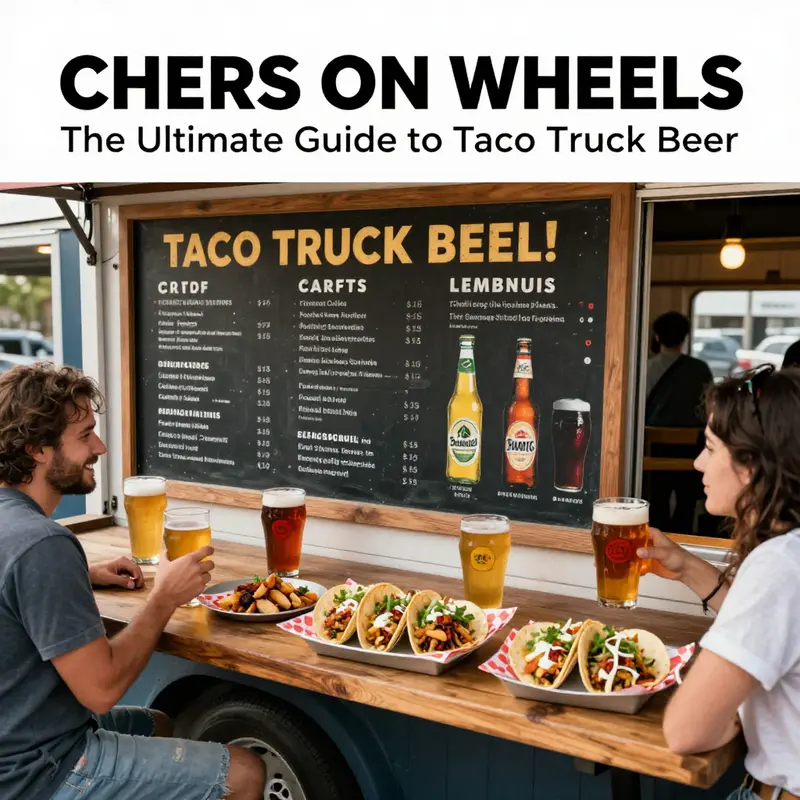
Planning and Execution: integrating beer and beverage alternatives into a taco truck operation
Adding beer and other beverage alternatives to a taco truck menu does more than increase ticket size. It changes the way customers experience your food. A well-selected drink can brighten flavors, calm spice, and encourage longer stays and repeat visits. But the move from food-only to drink-inclusive service brings real requirements: licensing, equipment, staff routines, and deliberate menu design. This chapter walks through the practical choices operators face and the ways to turn beverage service into a reliable revenue stream without weakening the core taco experience.
Start with the customer story. Picture the typical crowd at a taco truck: people seeking quick satisfaction, groups at outdoor venues, and late-night patrons hunting bold flavors. Those groups have different beverage needs. A short, cold beer pairs perfectly with a smoky carne asada taco. A bright, non-alcoholic sparkling mixer refreshes someone eating something spicy. Offering a range of beverage alternatives lets you serve each guest better and upsell naturally. But before putting taps on a truck, plan around constraints that mobile food operators already know: limited space, power budgets, and fast turnover.
The most immediate non-negotiable is regulation. Alcohol laws vary greatly by jurisdiction. Some places allow off-premises sales from licensed mobile units. Others require a specific mobile vendor permit, temporary event licensing, or a partnership with a brick-and-mortar licensee. Start by contacting your local liquor authority. Ask about on-site consumption rules, allowable container types, and age-verification requirements. Effective compliance is preventive maintenance for your business. It avoids fines, shutdowns, and loss of hard-won reputation.
Licensing also shapes what equipment you bring. If you are allowed to sell draft beer, you will need a draft system sized to your expected volume. Draft systems require CO2 or nitrogen, kegs, lines, a draft tower, and reliable refrigeration. They also require cleaning routines to keep beer fresh and safe. For operators who want variety with lower complexity, bottled and canned formats provide simpler handling and broader inventory flexibility. They need less daily maintenance but demand good chilled storage and fast service workflows.
Temperature control is the operational backbone. Cold beverages sell best, and a chilled offering requires purpose-built refrigeration. Compact undercounter refrigerators, chest coolers, and insulated mobile beer dispensers can fit into narrow service footprints. Ice remains a practical backup, but it consumes space and staff time. Evaluate your expected daily sales and plan chilling capacity with a margin for hot days and busy events. Energy efficiency matters as much in a truck as it does in a brick-and-mortar shop. Choose equipment that balances cooling power with the reality of limited generator output.
Beyond cooling, think about service ergonomics. Draft lines should be routed to minimize bending and congestion behind the window. Bottles and cans should be accessible in a way that speeds service and reduces handling. Add drainage and sinks to manage spills and waste water. Account for trash collection and recycling. A clean, efficient service area reduces mistakes and keeps lines moving when the lunch or evening rush hits.
Menu design must harmonize with both your kitchen and your brand. Keep pairings simple and intentional. Use beverages to accentuate your tacos. Lighter lagers and crisp pilsners match fish and chicken tacos. Hoppy beers cut through rich, fatty fillings. Sour or tart beverages lift citrus-forward preparations. Remember inclusivity. Offer non-alcoholic alternatives that feel like a considered choice, not an afterthought. A craft-style ginger soda or a premium sparkling mixer carries a higher perceived value than a generic soft drink. These options broaden your audience and make the truck a destination for groups with mixed preferences.
Staff training covers more than checking IDs. Teach your team quick tasting pointers so they can recommend pairings. Train them on pouring techniques to avoid waste and improve presentation. Teach safe alcohol service practices: monitor for intoxication, refuse sales when legally required, and keep accurate incident logs. Smooth coordination between cooks and servers matters. A person taking orders should know how long a draft pour or cocktail assembly will take. Customers tolerate a little wait when staff communicates effectively.
Equipment choices should reflect your expected scale. A small operator might go with a compact beer cart or beverage station that sits next to the taco window. A higher-volume truck might retrofit with a recessed draft tower and a larger refrigerator. Evaluate options on durability, ease of cleaning, and parts availability. Mobile-specific vendors offer modular systems designed for small footprints. These systems can include beer rails, refrigerated drawers, and integrated waste management. Prioritize systems that make maintenance straightforward and minimize downtime.
Supply management is another practical concern. Keg logistics differ from canned inventory. Kegs require handling equipment and storage planning. They also present fill-cycle scheduling that ties you to distributors. Cans and bottles can be stocked in flexible quantities, but they need organized rotation to avoid expired stock. Build relationships with beverage distributors who understand the mobile market. Negotiate favorable delivery schedules and return policies. When you can, consolidate suppliers to streamline invoicing and reduce delivery fees.
Insurance and liability deserve attention. Adding alcohol service often raises premiums or necessitates separate alcohol liability policies. Work with an insurance agent familiar with mobile vendors to secure coverage that protects your business and drivers. Clear, well-documented policies reduce insurer concerns. Keep incident reporting and staff training records readily accessible to demonstrate responsibility if an incident occurs.
Marketing shifts subtly when you serve beverages. Promote combos and pairings. Highlight a recommended beer or sparkling mixer next to each taco in bold type. Use social media to showcase pours and backbar displays. Visuals of chilled bottles, frothy drafts, and curated bundles drive engagement. On-site signage should be legible and concise. A simple pairing suggestion under each menu item works better than long tasting notes in high-traffic environments.
Events and partnerships unlock big upside for mobile beverage programs. Festivals, block parties, and private events often value a one-stop food-and-drink provider. Event organizers appreciate vendors who can manage their own beverage logistics and necessary permits. Offer package deals for weddings or corporate events. Consider pop-up collaborations with breweries or local beverage makers who provide product and marketing support. These partnerships can increase foot traffic and introduce your taco truck to new audiences.
Sustainability is a differentiator customers notice. Serving beverages responsibly means choosing recyclable packaging, compostable serviceware, and efficient cooling strategies. Implementing waste separation for cans, bottles, and organics keeps events cleaner. Use reusable pour systems where possible and specify recyclable or biodegradable packaging for mixers and garnishes. For more ideas on reducing environmental impact in mobile service, refer to guidance about sustainable practices for mobile food trucks.
Financing the upgrade is realistic when you map costs against projected revenue. Estimate capital costs: refrigeration, draft equipment, sinks, and permits. Add operating costs: inventory, deliveries, insurance, and waste disposal. Then model the revenue uplift. Even modest drink add-ons increase average order value. Use conservative sales estimates and build in contingency for slow seasons. Many operators offset upfront cost with targeted event bookings in the first months after launch.
Operational resilience matters. Outline fallback plans for equipment failure and high-demand situations. Keep spare parts like faucet handles, regulator seals, and extra CO2 or nitrogen bottles on hand. Train staff to switch from draft to canned service if lines need repair. Maintain a basic toolkit and checklists for routine cleaning and troubleshooting. Regular preventive maintenance avoids expensive emergency repairs during peak service times.
A final, often overlooked area is the guest experience beyond the pour. Seating, lighting, and music shape how customers perceive their meal. If your truck expects patrons to linger, create comfortable waiting spaces nearby. Encourage responsible consumption by providing water freely and promoting food pairings. Consider nonalcoholic mixers that function as premium alternatives. They let all guests feel included while keeping your truck accessible to families and evening crowds.
Integrating beer and beverage alternatives into a taco truck is a layered project. It touches licensing, equipment, training, menu design, logistics, insurance, and marketing. Approach the change in stages. Pilot a limited beverage selection to refine operations. Gather customer feedback and monitor sales to decide which additions perform best. Use that data to expand offerings gradually. This iterative method limits risk while letting you learn how beverages change dynamics.
Plan for scale. If the pilot proves successful, standardize purchasing and service routines. Consider modular retrofits for additional trucks. Standardization lowers labor costs, simplifies training, and improves quality control. Document your recipes and pairings. Keep service guides and checklists with every unit so staff can replicate the experience reliably.
Throughout, don’t lose sight of what made the taco truck successful: great food, rapid service, and a clear identity. Beverage service should amplify that identity, not obscure it. Choose drink partners and packaging that reinforce your brand rather than dilute it. Keep your menu concise and your messaging sharp. Customers respond to confident curation more than to an exhaustive beverage list.
Finally, stay curious about trends. Beverage trends evolve quickly. Consumers care about craft flavor, low-ABV options, and novel non-alcoholic beverages that mimic cocktail complexity. Continually sample and test new ideas, then fold in winners to keep the menu fresh. Be prepared to retire offerings that no longer perform.
For operators ready to dive deeper into equipment selection and performance optimization for mobile beverage operations, a technical resource provides guidance on design considerations and operational efficiency. Refer to that comprehensive mobile beverage truck guide for more detailed specifications and optimization strategies: https://www.graceholden.com/mobile-beverage-truck-guide
By combining careful planning with intentional menu design and operational discipline, adding beer and beverage alternatives can transform a taco truck into a fuller dining destination. The move requires effort, but the payoff comes as higher checks, broader audiences, and a richer brand experience.
Final thoughts
Bringing beer to your taco truck isn’t just about serving drinks; it’s about creating memorable experiences for your customers. This guide has illuminated the paths to sourcing mobile beer vending equipment and highlighted the benefits of expanding your menu. As a small business owner or a first-time pickup buyer, understanding where to buy taco truck beer enables you to stay competitive and appealing in a dynamic market. By combining quality tacos with great beers, your venture can become the go-to spot for city dwellers and outdoor lovers alike. Now, go forth and enhance the culinary adventure your taco truck offers!