
Taco trucks have become a staple of urban life, offering quick, flavorful meals on-the-go. With busy schedules, city dwellers often rely on these mobile kitchens for their daily sustenance, but how healthy are they? The answer is nuanced and can vary considerably from one vendor to another. This article dives deep into the relationship between taco trucks and healthy eating, examining their use of fresh ingredients, customization options, cultural authenticity, health risks, and practical strategies for making informed choices. By the end, you’ll be equipped to savor your taco truck experience while prioritizing your health.
Fresh Ingredients on the Move: Unpacking Health Impacts of Taco Trucks in Everyday Diets
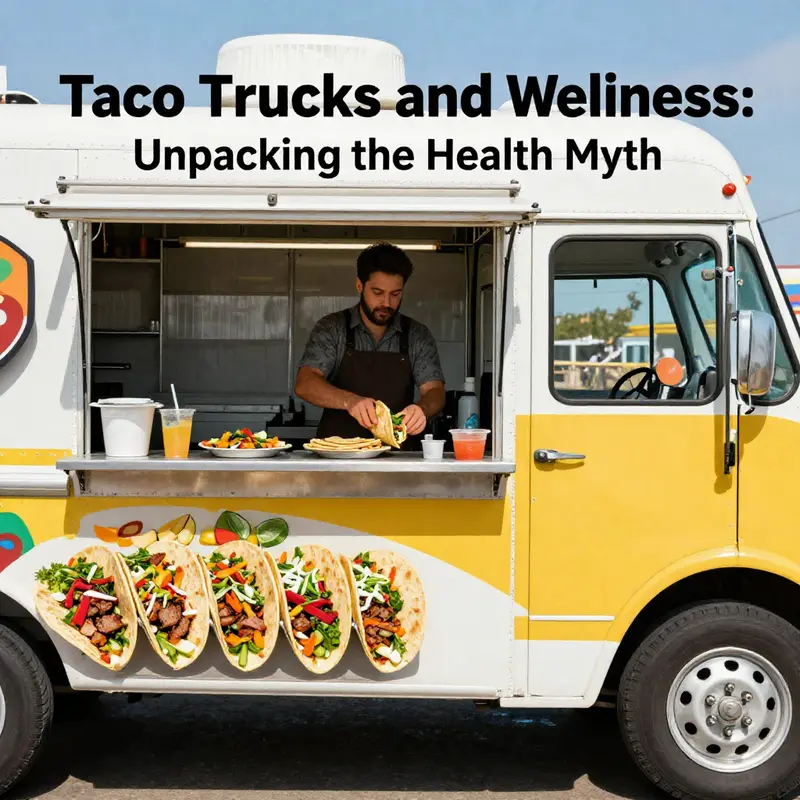
Taco trucks drift through city streets with the ease of a slow-motion parade, delivering aroma and color where chrome and glass storefronts often struggle to compete. They are not just food vendors; they are mobile kitchens that translate regional flavors into quick meals, often balancing speed, affordability, and a sense of community. When we ask whether taco trucks are healthy, we are really asking how the health of a dish is shaped by where and how it is prepared, what ingredients are used, and how much control a consumer actually has over the final plate. The answer is nuanced, and it tests a simple assumption: that health is a matter of the ingredients alone rather than the context in which those ingredients are assembled, served, and consumed. In this sense, fresh ingredients matter, but so do preparation methods, portion sizes, and the environmental cues surrounding a meal on wheels.
In many urban settings, especially in food-forward cities, taco trucks embody a philosophy of freshness that aligns with nutrition-minded eating. Vendors who emphasize fresh, locally sourced produce and house-made components offer a counterpoint to the stereotype of street food as indulgent or imprecise. The most compelling examples are those where tortillas are made in-house, vegetables are grilled rather than fried, and lean proteins—think chicken, fish, or plant-based alternatives—anchor the menu. When these choices come together, a taco can be a compact, fiber-rich meal that fits within a balanced eating pattern. The flexibility of a taco truck’s menu often allows customers to tailor a dish to align with dietary goals. Extra vegetables can be added, whole grains can be chosen where available, and heavy additions like fried shells, creamy sauces, or excessive cheese can be moderated or omitted. In effect, the on-the-ground reality of a taco can be as wholesome as the sourcing and preparation permit, making these trucks legitimate players in healthy eating, not just convenient indulgences.
The mobility of taco trucks matters as well. Being able to reposition across neighborhoods means chefs can work with different supply chains, seasonal produce, and community preferences. This flexibility fosters culinary experimentation and closer ties to local growers who might not be accessible to brick-and-mortar operations. Yet mobility is a double-edged sword for health, because it introduces variability in ingredient quality and in food-safety practices, especially when a truck has to cover long routes with limited refrigeration or on-site storage. The best operators counter this by maintaining strict sourcing standards, keeping quick-turnaround ingredients fresh, and prioritizing cleanliness as a core part of their craft. In practice, that means clean prep surfaces, proper handwashing, and careful cross-contamination controls, which are essential for preserving both safety and nutritional value.
Ingredient quality across taco trucks can be uneven, mirroring the broader street-food landscape where cost, supply logistics, and seasonality all play a role. A meaningful segment of vendors prioritizes fresh produce, legumes, and authentic proteins sourced locally or regionally. These choices support a more wholesome nutritional profile: more fiber from beans and vegetables, more micronutrients from seasonal produce, and fewer additives when sauces and seasonings rely on simple, real ingredients rather than highly processed blends. In contrast, some trucks lean on pre-packaged components, including seasoning mixes and preserved or highly salted ingredients, which can undermine the healthful potential of a meal. This variation underscores why health assessments for taco trucks cannot rely on single metrics; they must consider the entire sourcing and preparation continuum—from farm to shell to salsa.
A related dynamic is the contrast between traditional culinary principles and modern convenience. Traditional Mexican street foods often combine beans, corn tortillas, and seasonal produce in a way that naturally supports balance. Beans contribute plant-based protein and fiber, corn tortillas offer a whole-grain foundation when made from masa, and vegetables add vitamins and minerals. When vendors stay close to these traditions, the nutritional profile tends to align with wholesome eating patterns. The challenge arises when the menu relies on fried components, heavy sauces, or processed meats. Deep-fried shells, crispy toppings, and fat-rich fillings can dramatically increase calories, saturated fat, and sodium per serving. Sauces and salsas, if rich in sugar or salt, can also tilt a seemingly simple dish toward excess. The same truck that excels with grilled protein and vegetable-forward tacos may still deliver a less healthy option if the sauces are sugar-laden or if portions are oversized.
Public health data adds another layer to the conversation. A 2016 review by a major newspaper highlighted that food trucks faced notable hygiene challenges in some markets, with issues ranging from improper handwashing to inconsistent glove use. While such findings do not indict the entire industry, they illuminate a critical reality: nutrition cannot be disentangled from food safety. The healthfulness of a taco is inseparable from the hygienic conditions under which it is prepared. In cities with robust health inspection regimes, the emphasis on cleanliness often tracks with higher consumer confidence and better nutritional outcomes, because safer preparation practices support consistent ingredient quality and reduced risk of contamination.
In the specific context of Austin, a city known for its vibrant truck culture, these dynamics play out with particular nuance. Many Austin vendors operate with a familial, community-centered ethos, and some have evolved from weekend stands into enduring local institutions. Their ability to source fresh produce from nearby farmers or markets, pair it with lean proteins, and offer creative yet balanced combinations speaks to the potential health benefits of taco truck dining. Yet the broader lesson holds: the health impact hinges on the vendor’s sourcing practices, the care taken in preparation, and the transparency of menu options. For readers who want to dig deeper into safety and ingredient transparency in their city, local inspection reports and official health department resources can be instrumental in identifying which trucks align with healthier practices.
The idea of health in this context is not about a universal label attached to all taco trucks. It is a spectrum that reflects choices at every step of the process. For consumers seeking healthier options, several practical guidelines emerge. First, prioritize trucks that feature whole-grain tortillas or tortillas made in-house from masa. These choices contribute to more complex carbohydrates and fiber compared with refined options. Second, look for grilled or steamed proteins rather than fried options. A base of beans, peppers, onions, and leafy greens can turn a meal into a balanced plate rather than a quick hit of calories. Third, favor menu items that showcase vegetables as the focal point—addresses often include salsas, pico de gallo, fresh salsa verde, or roasted vegetables that add volume and nutrients without excessive calories.
Fourth, be mindful of sauces and toppings. Heavy cream, fried toppings, and cheese-heavy additions can quickly push a meal into high-sodium, high-fat territory. Request lighter sauces, or ask for sauces on the side to control portions. Portion size matters too; a large, sauce-drenched taco can deliver more calories than several smaller, vegetables-forward options. And because many trucks offer a customizable experience, you can assemble a meal that fits your energy needs and dietary goals, stacking components like beans, vegetables, and lean protein while limiting calorically dense extras. This approach aligns with the broader health principle that healthy eating is achievable in diverse dining contexts when choice architecture supports prudent decisions.
Transparency and education play significant roles in guiding healthier choices. Menu labeling, clear ingredient lists, and honest disclosures about sourcing enhance consumer trust and empower people to make decisions aligned with their health objectives. To that end, the concept of sustainable practices in mobile food trucks becomes not just an environmental concern but a health-forward strategy. When a truck openly documents its sourcing and preparation methods, it signals a commitment to quality that resonates with health-conscious diners. For readers who want to explore how trucks can combine flavor with responsibility, a discussion of sustainable practices in mobile food trucks offers a practical pathway, and it can be a useful touchstone when evaluating a vendor’s overall health profile. See more on the topic here: Sustainable practices in mobile food trucks.
As we navigate these considerations, it becomes clear that a healthy taco from a truck is not merely a function of the ingredients on a slate of options, but of the entire decision-making environment. Are the ingredients fresh? Are lean proteins prioritized? Is there a willingness to reduce or omit fried items and heavy sauces? Is there a culture of cleanliness and transparency that reassures customers about what they are eating? In cities where inspectors and advocates emphasize these dimensions, the picture shifts in a healthier direction. In Austin, and in many other culinary hubs that celebrate mobility and local sourcing, the best trucks offer a narrative of nourishment as dynamic as their menus. They demonstrate that fresh ingredients, properly prepared, can be both flavorful and compatible with daily dietary patterns.
Ultimately, the health impact of tacos from food trucks rests on a triad: sourcing, preparation, and portion control. When vendors source fresh, local produce; when they prep with minimal processing and lean proteins; and when customers actively tailor portions and toppings, a taco can be a compact, nutritionally meaningful meal. The narrative is not that taco trucks are inherently healthy or inherently unhealthy, but that they exist on a continuum where informed choices matter as much as the ingredients themselves. For some people, a well-curated taco can fit into a balanced diet without sacrificing taste or cultural connection. For others, the temptation to choose richer toppings, larger portions, or fried items can tilt the balance toward excess. The key is awareness and access to information, both of which improve when health and safety practices are transparent and when communities engage with their local food-truck ecosystems with curiosity and care.
External resource: https://www.austintexas.gov/department/health-inspections
Personalizing Health on Wheels: How Customization Shapes the Healthiness of Taco Trucks
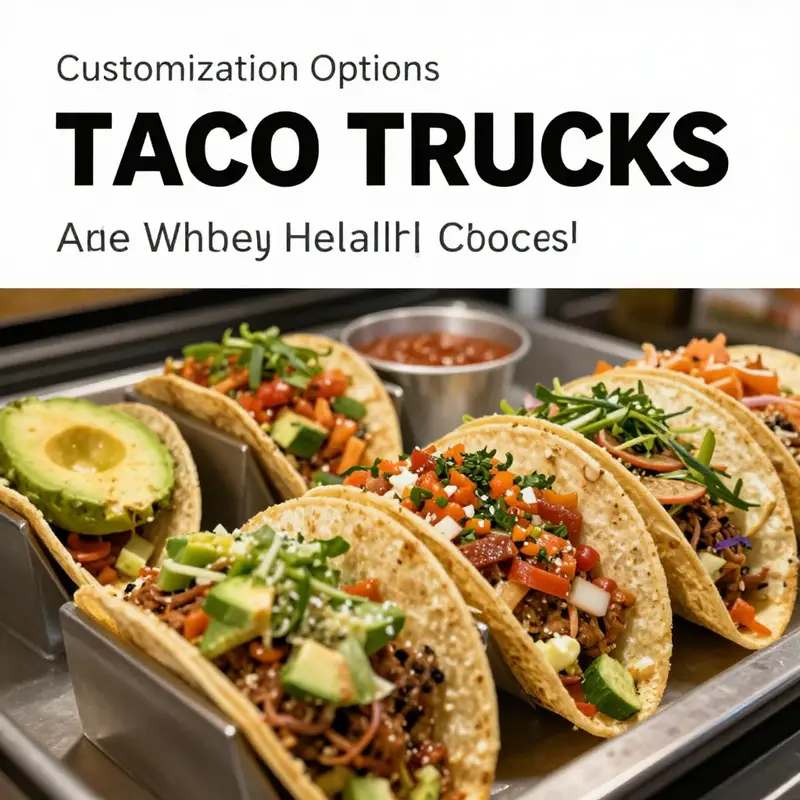
The street-level allure of taco trucks lies in their immediacy, bold flavors, and the sense that a meal can be assembled in minutes. Yet when we ask whether they are healthy, the answer becomes a nuanced conversation about choices, constraints, and the realities of mobile cooking. Customization sits at the heart of that conversation. It is the mechanism by which a customer can tilt a meal toward balance or toward indulgence, depending on the information available, the staff’s guidance, and the particular truck’s menu architecture. The very term customization implies agency: you can select a lean protein, you can pile on vegetables, you can opt for a tortilla that functions as a whole-grain base rather than a refined-carbohydrate wrapper. In theory, customization offers a path to healthier eating in a setting where options are plentiful and decisions are often made quickly. In practice, however, the health payoff is neither automatic nor universal. It depends on whether the vendor prioritizes nutritious ingredients, whether the preparation methods align with wellness goals, and whether customers actively steer their meals away from high-sodium, high-fat, and high-sugar add-ons.
Customization options have the potential to transform a meal into a more nourishing choice. When a truck presents grilled chicken or fish as a standard option, adds a bean-based filling, or highlights fresh salsas and vegetables, the health quotient can rise. The presence of house-made tortillas, preferably whole-grain, can further shift a dish from refined carbohydrates toward a more satisfying, slower-releasing base. For many diners, customization also means reducing fats and calories by asking for less cheese, avoiding sour cream, or choosing toppings that emphasize brightness from lime and herbs instead of heavy sauces. The beauty of this approach is that it keeps the sensory appeal—the balance of acidity, heat, and herbaceousness—intact while informing the plate with better nutritional fundamentals.
The safety and quality of the ingredients seal the deal, though, and here context matters. A growing body of evidence shows that the healthfulness of a meal from a taco truck is shaped not only by what is chosen but by how it is prepared. A truck might offer grilled options and fresh vegetables, but if it relies on heavily processed meats, fried components, or oversized portions, the health payoff diminishes quickly. A 2016 warning about hygiene lapses in some mobile food operations reminds us that food safety is inseparable from nutrition. Clean handling and proper cooking temperatures underpin a healthy outcome; without them, the best-sounding order can become a risk. Hygiene concerns, while not strictly dietary, influence the overall health impact of the meal because they affect food quality and consumer trust. In other words, customization is a tool, but it works best within a system that safeguards cleanliness and freshness.
Systematic investigations into the context of mobile eating reveal a more complicated picture. A 2022 systematic review emphasized the practical realities that shape food choices for people stopping at truck plazas and food courts. Time pressure, parking struggles, and the perception that healthier options are overpriced all push customers toward familiar, higher-calorie items. Even when healthful choices exist, the stress of the setting—crowds, lines, and the need to eat on the go—can undermine deliberation. The study also noted that the lack of standardized nutritional labeling on these menus complicates decision-making. Without clear cues about calories, sodium, and fats, customers may rely on heuristics—“veggies equal healthy”—without confirming the full nutritional profile. This gap highlights a central paradox: customization empowers, yet without transparency and accessible guidance, it cannot reliably guarantee healthier outcomes.
If customization is to translate into healthier meals, several practical patterns emerge. First, the language of the menu matters. Trucks that signal items as grilled, baked, or steamed, rather than fried, tend to guide choices toward lower fat and calories. Second, the presence of vegetables in generous, varied amounts makes a big difference. A topping bar or on-demand salsa station that emphasizes fresh tomatoes, herbs, onions, peppers, and lime juice rather than creamy sauces or sugary glazes can transform an otherwise simple protein-and-tiber into a colorful, nutritionally dense plate. Third, the tortilla choice matters. When a vendor offers corn tortillas with a whole-grain or higher-fiber option, the meal’s glycemic load can be moderated. If a truck can accommodate a bean-based filling, or a lean protein complemented by legumes, the fiber and protein synergy supports satiety and steady energy rather than a quick sugar spike.
Yet customers must be proactive. Customization is not a guarantee of healthiness, especially when ambiguous defaults exist. It is common for diners to default to familiar, calorie-dense combinations—cheese-heavy fillings, creamy sauces, and crunchy, fried components—unless they consciously steer toward the lighter end of the spectrum. Clear, accessible labeling becomes a crucial ally in this process. When menus use simple descriptors like “grilled,” “steamed,” or “vegetarian,” and when portion sizes are visibly calibrated, diners can make better-informed decisions under the typical time constraints of street dining. In a setting where the food arrives fast and the decision-making window is small, the presence of user-friendly nutrition cues can reduce cognitive load and encourage healthier choices without sacrificing speed or flavor.
The constraints of the mobile kitchen itself also shape the health outcomes embedded in customization. Limited refrigeration and cramped cooking space can affect the freshness of ingredients, the variety of proteins available, and the capacity to prepare vegetables on demand. These realities may lead some trucks to rely on prepared, shelf-stable components that travel well and hold their flavor, but which may also be higher in sodium or unhealthy fats. In practice, this underlines a simple truth: the healthiness of a customized meal is inseparable from the supply chain, the sourcing practices, and the kitchen’s operational standards. A truck that emphasizes locally sourced produce, seasonal vegetables, and a disciplined approach to portion control will tend to yield healthier results than one that prioritizes price and speed at the expense of ingredient quality.
For those who want to use customization as a pathway to healthier eating, several signals help; the most reliable are transparency and consistency. A menu with clearly labeled healthier options, even if only a few, signals a vendor’s commitment to wellness. It helps if staff can answer questions about protein preparation (grilled versus fried, the presence of added fats), and if the truck is able to accommodate substitutions without balking at extra time or cost. In practice, this means asking direct questions: Is the protein grilled? Are the tortillas whole grain? Can I add more vegetables and skip cheese or sour cream? Is there a bean-based filling option? How large are the portions, and can I take half for later? Customer diligence in asking these questions often determines the nutritional trajectory of the meal.
The discussion inevitably returns to the broader ecosystem surrounding these meals. Beyond the stall, the sustainability and ethics of sourcing, the cleanliness of the operation, and the consistency of service all influence the healthfulness of the experience. Communities and regulators increasingly value vendors who provide clear sourcing practices and visible indicators of quality. For readers who want to explore how trucks can balance flavor, speed, and safety in tandem with wellness, the topic of sustainable practices in mobile food trucks offers a constructive lens. Sustainable practices of mobile food trucks provide a framework for understanding how the industry can invest in healthier options without sacrificing the essential advantages of a fast-casual street model.
Ultimately, the question, are taco trucks healthy, does not yield a universal yes or no. It yields a conditional yes, contingent on three interlocking factors: the vendor’s commitment to nutritious ingredients and transparent labeling, the customer’s willingness to customize with guidance, and the structural realities of the mobile kitchen that shape what can be prepared fresh and served promptly. When these factors align, a taco truck can offer meals that honor flavor while supporting dietary goals. When they do not, the same setting can easily produce a plate heavy in sodium, fats, and refined carbohydrates, regardless of the customer’s intentions. The key is awareness and navigation: knowing what to ask, detecting signs of ingredient quality, and choosing trucks that make healthier options visible and accessible. In the end, customization is a powerful ally for healthier fast food, but it requires a collaborative ecosystem—one that closes the information gap and respects both the pace of street dining and the rhythm of a balanced diet.
External resource for further reading: https://www.ncbi.nlm.nih.gov/pmc/articles/PMC9012345/
Authenticity on Wheels: Balancing Cultural Pride with Healthier Taco Truck Choices
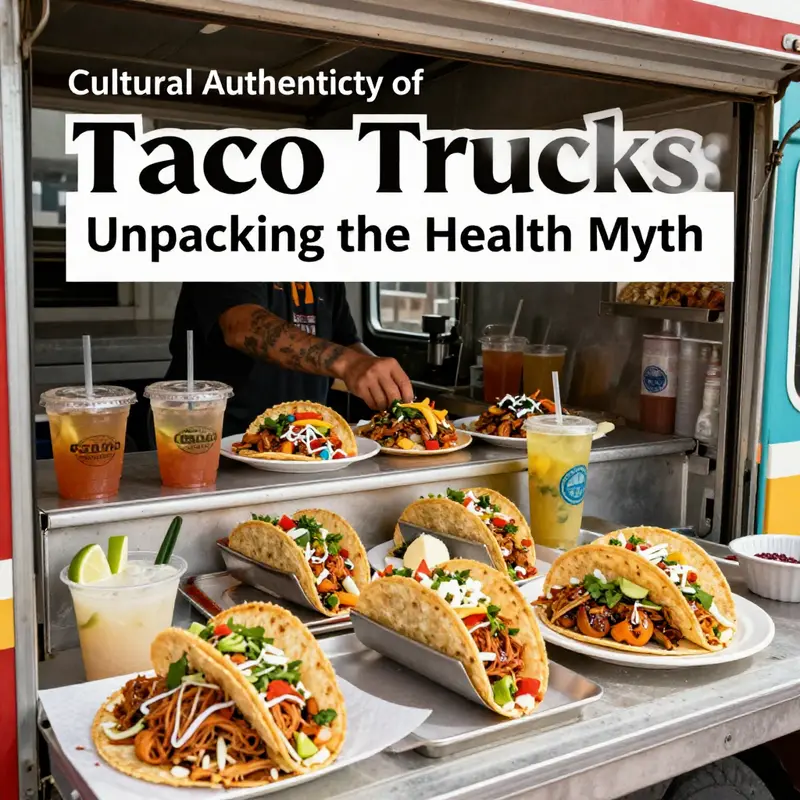
A taco truck is rarely just a source of calories. Parked on a sunlit corner or threading through a late-night street, it becomes a mobile archive of memory, craft, and community. The question, are taco trucks healthy, cannot be answered with a single metric. Health depends on the choices each vendor makes, the ingredients they source, the methods they use, and the way they balance tradition with modern expectations. Yet within that complexity lies a quiet truth: authenticity and health are not mutually exclusive when the focus is on craftsmanship, transparency, and respect for the cultural roots that give these foods their distinctive flavor. In this sense, taco trucks act as cultural ambassadors—vehicles for stories as much as meals—where health can be as much about process and context as about a single dish’s fat, salt, or sugar content.
The notion of authenticity in taco trucks is not a static ideal but a living practice. These mobile kitchens carry with them generations of cooking methods, family favorite blends, and regional sensibilities that shape what ends up on the plate. In cities like Austin, where food trucks became a culinary dominion, many operators trace their origins to family stands that started as weekend ventures. Over time, these family narratives expanded into enduring institutions. The evolution is revealing: authenticity here often translates into a commitment to fresh ingredients, seasonal produce, and strategies that honor traditional textures and flavors while adapting to new audiences and norms. The result is not a relic of the past but a dynamic conversation between memory and modern life, one that can offer healthier options when the conversation centers on quality ingredients and mindful preparation.
This interplay between tradition and modern adaptation is not without its tensions. On one hand, the reliance on live-fire grilling, handmade tortillas, and seasonal herbs can produce vibrant, nutrient-dense dishes. On the other hand, the pressures of speed, consistency, and profit can steer some trucks toward pre-cooked bases, heavily salted components, or fried elements to maximize yield and keep lines moving. The tension is most visible in how trucks label their menus and how transparent they are about ingredients. Authenticity does not require sacrificing health; rather, it invites cooks to emphasize the core virtues of traditional street fare—beans that are simmered from scratch, tortillas pressed by hand, salsas bright with fresh tomatillos and peppers—while avoiding heavy reliance on processed fats or oversized portions.
From a health perspective, authenticity often aligns with healthier outcomes when vendors choose whole, recognizable components. For instance, traditional Mexican street food frequently features beans, corn tortillas (a whole-grain option when made from masa), and vegetables that provide fiber, vitamins, and minerals. When a truck leans into grilled proteins instead of fried ones, and when toppings are generous but simple—fresh salsa, pico de gallo, avocado slices, lime—the meal can be satisfying without tipping toward excess calories or sodium. The best examples of this alignment occur where menu design reflects both cultural fidelity and nutritional mindfulness. A truck that offers lean proteins such as grilled chicken or fish, paired with generous vegetables and a modest dollop of cheese or crema, can deliver a balanced plate that respects tradition while supporting healthier eating habits.
Yet the conversation cannot overlook health concerns that have shadowed the street-food world. A broader public health lens reminds us that taste and tradition exist alongside issues of sodium, fat, and sometimes hygiene. A 2016 report highlighted serious health-safety gaps in some mobile food operations, including lapses in handwashing and glove use. While that report did not measure nutrition directly, it underscored how food safety, ingredient quality, and preparation practices collectively influence health outcomes. In a culture that prizes bold flavors and quick service, it matters that cleanliness, proper storage, and careful handling accompany any enthusiastic approach to tradition. Authenticity, then, must be paired with rigorous food-safety standards to ensure that cultural pride does not come at the expense of health.
Adaptation—the second pillar of this discussion—shapes how authenticity translates into healthier realities over time. Some trucks preserve traditional methods, such as live-fire grilling or handmade tortillas, which can nurture flavor depth while supporting healthier preparation when done with lean proteins, vegetables, and careful portioning. Others lean into speed and scale, relying on pre-cooked bases and ready-made sauces. This is not inherently anti-authentic; it is a recognition that the street-food landscape continually negotiates between craft and commerce, between intimate, family-led kitchens and enterprise-scale operations. In this ongoing negotiation, a mindful chef can still honor the layered complexity of a traditional mole or adobo by using homemade seasoning blends rather than relying on processed shortcuts. The result is a food experience that retains cultural resonance while offering better control over added sugars, sodium, and fats.
Cultural authenticity also intersects with social justice and community stewardship. The rise of street food as a public space for immigrant communities has sparked both pride and friction. In cities such as Portland, supportive policy environments have enabled vendors to flourish, allowing families and small businesses to sustain livelihoods and share cultural recipes with broader audiences. Yet in other places, regulatory regimes have imposed barriers that disproportionately affect immigrant vendors, limiting access to sidewalks, stalls, or permitted hours. The dynamic is more than a regulatory issue; it is a question of who gets to tell their story, where they can operate, and how their culinary contributions are recognized and valued. Authenticity here becomes a metaphor for equity. When communities are empowered to maintain and adapt traditional cooking practices while participating fully in the city’s economy, taco trucks can help expand access to culturally diverse and nutritious options. When policy binds vendors in ways that stifle creativity or limit choice, the health potential of authentic street food can be compromised by economic constraints and restricted access to fresh ingredients.
Amid these tensions, the health narrative around authenticity invites a forward-looking consideration: how can customers discern between truly health-forward options and those that merely claim tradition as a marketing hook? The answer begins with awareness. Look for trucks that foreground whole ingredients, where the tortillas are made from scratch or sourced from a supplier that uses traditional masa techniques. Seek proteins that are grilled or steamed rather than fried, and favor menus that offer an abundance of vegetables, beans, and fresh salsas over heavy reliance on creams, fried toppings, or oiled reductions. Portion control matters, too. A big plate can be generous in spirit yet small in health impact if it centers on vegetables, lean protein, and mindful sauces rather than heavy cheese or sugar-laden accompaniments. Menu labeling, an often overlooked signal of transparency, can be a practical guide. When a truck clearly lists ingredients and possible allergen considerations, it signals a vendor who cares about diners’ health as much as their cultural authenticity.
The concept of authenticity, then, is not simply a recipe. It is a relationship—a trust built between cook and eater, rooted in shared stories, in the vessel that carries those stories, and in the ongoing choices that shape every plate. This relationship becomes even more meaningful when we consider the broader ecosystem in which taco trucks operate. The inclusion of sustainable practices, for example, can reinforce the health narrative by reducing environmental toxins and supporting local economies, which in turn strengthens the well-being of communities. To connect the thread between memory and nourishment, one can engage with resources that explore sustainable, community-centered approaches to mobile food service. For readers who want a practical lens on these practices, consider the discussion of sustainable practices in mobile food trucks, which presents a framework for aligning cultural craft with responsible operations. sustainable practices in mobile food trucks
Meanwhile, the authenticity conversation remains incomplete without acknowledging the stories and structures that give taco trucks their shape. The origins and evolution of these vendors are rooted in family labor and neighborhood networks, where late-night markets and weekend stalls become the seeds of enduring culinary institutions. In many places, a truck is a portable family business, a conveyor of generations, and a living archive of regional flavors that travelers carry from street to street. This mobility, in itself, challenges the static notion of “authenticity.” It invites chefs to articulate what is essential about a dish in one city and reimagine it with local ingredients or available equipment in another. When a truck preserves the essence of a recipe—its spice profile, its balance of acidity and fat—while adapting certain elements to local preferences or ingredient availability, it demonstrates a form of authenticity that is resilient, inclusive, and relevant.
The health implications of this cultural resilience are nuanced. On the positive side, authenticity rooted in fresh produce, careful technique, and transparent sourcing often yields meals that are nutrient-dense and flavorful without excessive reliance on fried components or heavy fats. The presence of beans, corn tortillas, and vegetables contributes fiber and micronutrients that support satiety and metabolic health. On the cautionary side, the same authenticity can be compromised when traditional methods collide with the pressures of mass production, prompting shortcuts that raise sodium, saturated fat, and sugar levels. The challenge is not to cast authenticity as an obstacle to health but to recognize that the healthiest outcomes arise when vendors maintain techniques that honor tradition while adopting prudent modern practices—grilled rather than fried proteins, generous veg, measured sauces, and clear menus that guide customers toward balanced choices.
Ultimately, a healthy perspective on cultural authenticity acknowledges both deep roots and ongoing change. When a taco truck stays faithful to its origins—handmade tortillas, slow-simmered beans, and peppers roasted to retain their bright character—while embracing innovations that improve health outcomes, it offers a model for how tradition and wellness can coexist. The social justice dimension adds gravity to this vision: equitable access to street foods that are both culturally meaningful and nutritionally mindful enriches communities, supports immigrant entrepreneurs, and broadens what healthy eating can look like in urban life. The takeaway is practical and principled. Seek trucks that demonstrate a real commitment to ingredients, preparation, and transparency. Appreciate the cultural stories they carry, but also insist on health-conscious options that respect both body and culture. And remember that authenticity is most powerful when it is inclusive, adaptable, and guided by a shared respect for the people who grow, cook, and share the food.
For readers who want to explore more about the cultural significance of tacos in everyday life, a broader scholarly lens helps ground these reflections in a larger social context. The conversation about cultural authenticity, food, and health is not merely about what is served on a plate; it is about the spaces in which food is produced, the people who produce it, and the policies that enable or constrain their work. As the Smithsonian piece on the cultural significance of tacos reminds us, these foods are woven into daily life and collective memory in ways that go far beyond taste alone. The healthy perspective, then, emerges from listening to those stories and partnering with them through careful choices, policy support, and a continued commitment to community wellbeing.
External resource: https://www.smithsonianmag.com/arts-culture/cultural-significance-tacos-everyday-life-180984537/
null
null
null
null
Final thoughts
Taco trucks can indeed play a role in a healthy diet if approached with awareness and intention. By choosing fresh ingredients, customizing your meal, and understanding the cultural heritage behind the food, you can enjoy delicious tacos while prioritizing your wellness. The key lies in making informed decisions and being mindful of the health aspects, ensuring that your busy lifestyle doesn’t compromise your nutritional goals. Next time you grab a bite from a taco truck, go prepared and savor both the flavors and health benefits they offer.