
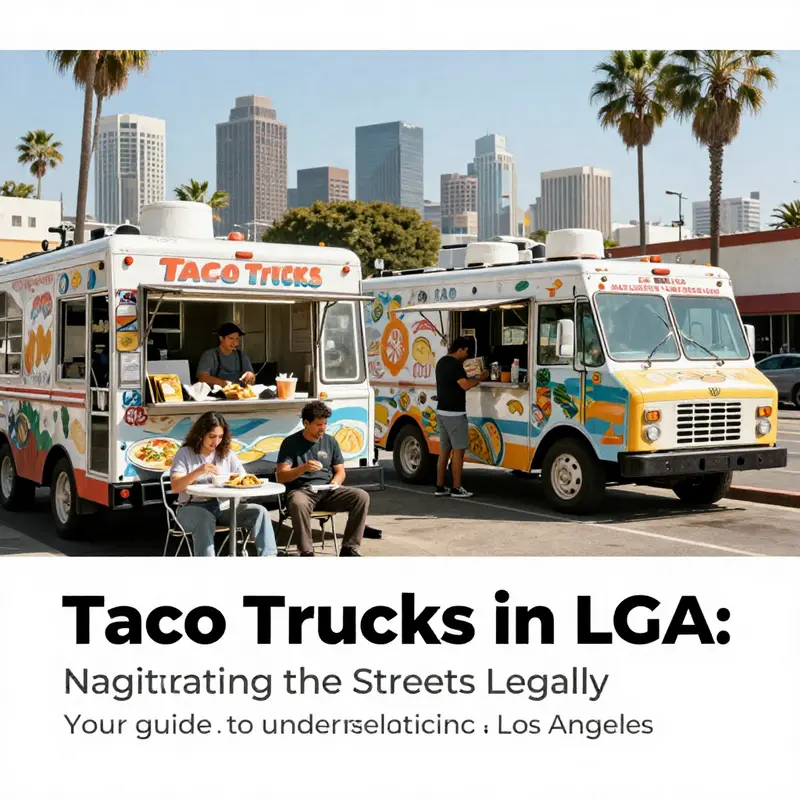
Taco trucks have become an integral part of Los Angeles’ culinary scene, attracting urban commuters, outdoor enthusiasts, small business owners, and first-time pickup buyers alike. But how exactly do these beloved mobile kitchens operate within the city? Understanding the regulations surrounding taco trucks in LA is essential for anyone wishing to enjoy their delicious offerings or even start a food truck business. Throughout this article, we will delve into the regulatory framework that governs taco trucks, explore the necessary health and safety standards they must adhere to, and unpack parking regulations that keep the streets orderly. We’ll also guide you through the licensing and permitting process vital for entrepreneurs entering this exciting market, and finally, examine the economic impact taco trucks have on the city. Let’s taco ’bout it!
Rolling Under the Rules: The Regulatory Landscape of Taco Trucks in Los Angeles
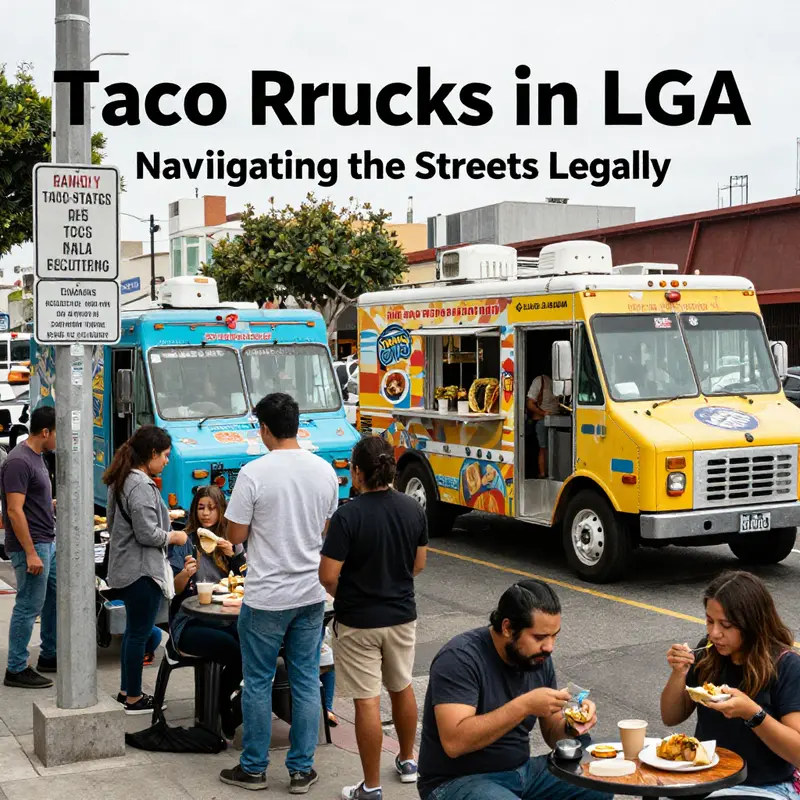
Taco trucks roll through Los Angeles with the scent of citrus and grilled meat, yet beneath their promise lies a complex matrix of rules. California’s Vehicle Code constrains how cities regulate food trucks through vehicle-related ordinances, and courts have held that traffic or parking laws cannot be used to ban or tightly control mobile vendors. Los Angeles has responded with a nuanced approach that preserves public health and street-food culture. The result is a regulatory ecosystem that evolves with policy and precedent.
In Los Angeles, the health permit system administered by the Department of Public Health governs mobile vendors, tying operation to health and safety standards, inspections, sanitation, and vehicle cleanliness. The permit signals to regulators and customers that the operation meets public health risk expectations and frames ongoing compliance as essential for continued operation.
Beyond health permits, designated food truck zones exist to manage pedestrian flow, reduce congestion, and protect public space. Enforcement can be uneven, reflecting neighborhood norms and competing interests, but the aim remains to balance mobility, access to diverse street foods, and neighborhood livability.
The Taco Truck War captures tensions between vendor mobility, resident concerns, and business interests. Courts reinforce California preemption principles against broad prohibition of taco trucks via zoning or traffic control, pushing policymakers toward balanced solutions that respect mobility while addressing nuisance and safety concerns.
For operators, daily life centers on health compliance, wait times for inspections, and parking within zone rules that keep pedestrian pathways clear and minimize conflicts with storefronts. Successful operators adopt predictable schedules, waste-management plans, and adherence to city regulations.
The cultural role of taco trucks remains a driver of economic opportunity and neighborhood identity, inviting regulatory clarity that preserves vibrancy while protecting health and order. The evolving framework is a negotiation among public health, mobility, and community vitality, not a ban.
Whether readers seek practical guidance or broader context, the landscape invites ongoing dialogue about sustainable practices, fair permitting, and the balance between street culture and municipal governance.
Beyond the Sizzle: How Los Angeles Regulates Taco Trucks to Keep Street Food Safe and Legal
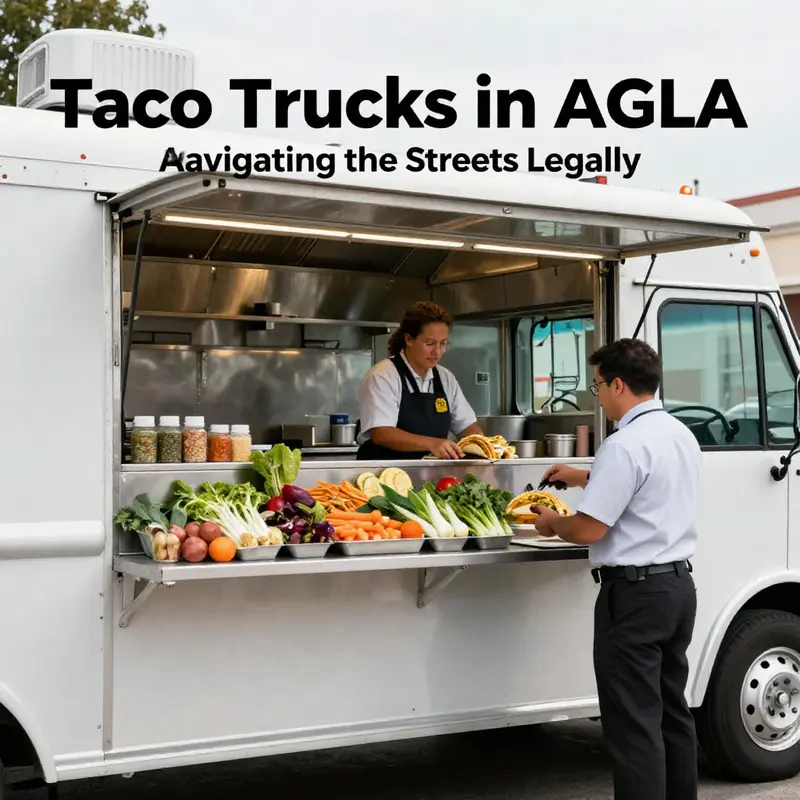
Los Angeles regulates taco trucks through a framework designed to protect public health while supporting mobile food operators. The Los Angeles County Department of Public Health (LACDPH) translates general food safety principles into the realities of a moving kitchen. These rules are updated as science and urban needs evolve. Operators obtain a permit and are subject to on site inspections that verify sanitation, equipment, and personal hygiene practices.
Core standards cover clean preparation areas, prevention of cross contamination, proper food storage, and safe handling procedures. Temperature control is critical: hot foods above 60 C and cold foods below 4 C help limit bacterial growth and preserve quality. Trucks often use heat lamps, portable coolers, and calibrated thermometers to document temperatures at shift start and during service.
Handwashing facilities and sanitizing supplies must be readily accessible. Staff should wash hands, sanitize equipment, and change gloves as needed. Inspectors look for functional capability, correct technique, and evidence of routine sanitation.
Inspections verify compliance; correction notices may be issued, and in some cases the operating permit may be temporarily suspended to protect public health.
Licensing and zoning rules shape where a truck can park and operate. The official guidance is available through LACDPH and the City of Los Angeles. A well run operation balances speed and flavor with reliability and transparency.
Parking near public facilities such as restrooms is considered a practical hygiene detail. The goal is to ensure access to facilities for staff and customers, especially during peak times.
The result is a regulatory ecosystem that fosters trust between vendors and diners. The system encourages ongoing training, documented procedures, and proactive safety practices that make street food both safe and vibrant.
On the Move, on the Menu: The Legal Rhythm of Taco Trucks in Los Angeles
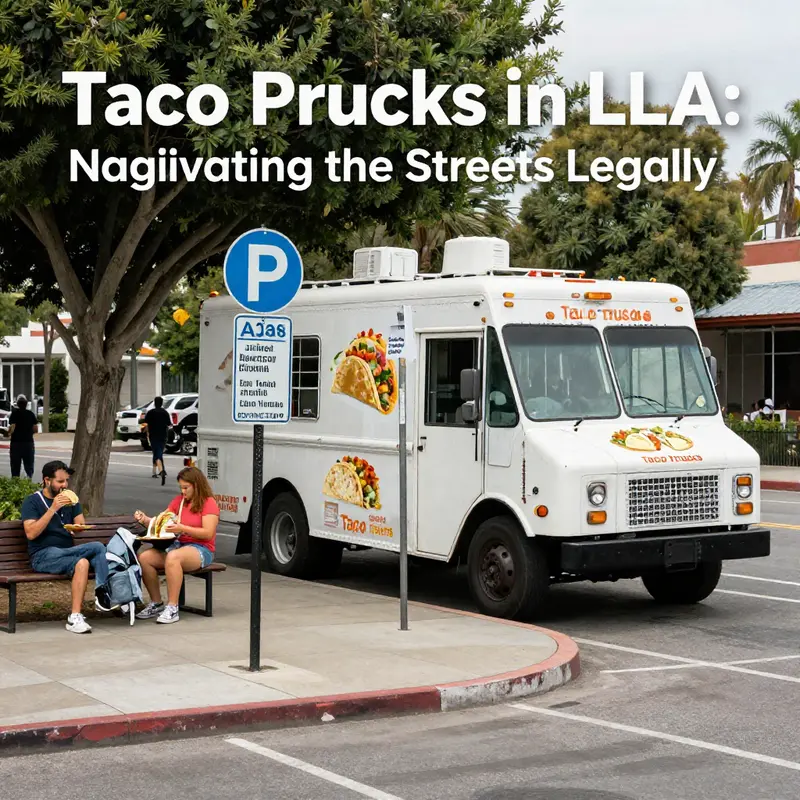
The aroma of sizzling meat, cilantro, and citrus wafts through many Los Angeles streets as a taco truck slides into a curbside space and opens its window to the afternoon crowd. These portable kitchens have long been woven into the fabric of the city, offerings that echo neighborhood histories and the rhythms of daily life. Yet the presence of taco trucks on LA’s sidewalks is not simply a matter of appetite. It rests on a web of rules designed to protect public health, manage urban space, and balance the needs of vendors with those of brick-and-mortar eateries and residents. What makes the Los Angeles story distinctive is not just the flavor of the food but the way regulation, culture, and commerce collide, collide, and ultimately, negotiate a path forward. In this landscape, taco trucks are allowed to operate, but they must do so within a framework crafted by city and county authorities, one that has evolved through the early 21st century as much as through the cook fires of their grills.
From a practical standpoint, the permits, inspections, and zoning requirements that govern a mobile kitchen in LA are multi-layered. Vendors must obtain the appropriate licenses, pass health inspections, and comply with parking rules that regulate where and when a truck can stop, how it handles waste, and how it maintains clean, safe food preparation. The health departments at both the county and the city level set the standards. These standards are not mere paperwork; they are the backbone of a system intended to prevent contamination, ensure safe storage of perishables, and provide public confidence that a quick bite from a truck is as safe as a meal from a restaurant. In practice, that means regular checks, proper refrigeration, hot-holding equipment that maintains dangerous temperatures, and procedures for cleaning and sanitizing surfaces. It also means that a truck’s operation is tied to a particular place and time—constraints that aim to minimize conflict with surrounding land uses while maximizing the trucks’ ability to reach customers who crave affordable, flavorful options.
A centerpiece of the historical debate over taco trucks in LA has been how long a truck can stay parked in one place. In the early 2000s, the city explored an ordinance that sought to cap or restrict the duration of parking and operation for mobile vendors. The goal, in part, was to reduce clutter and prevent monopolization of street corners. Vendors, patrons, and community members pushed back against the notion that mobility and flexibility—the very traits that give food trucks their edge—could be undone by time-based limits that treated a truck like a storefront with fixed hours. The public’s response reflected a broader sentiment: taco trucks are not just vendors; they are community fixtures that contribute to the texture of daily life, especially in neighborhoods where they serve as accessible, affordable food sources.
Ultimately, the push for a time-based restriction was overturned in a landmark way. In June 2009, a court commissioner effectively rejected the restriction, ruling that it was not appropriate to compel operators to move after a set period. The decision did not erase all rules or responsibilities. It reaffirmed that street food can be a lasting feature of the city’s landscape, rather than a temporary, rotating spectacle. The reversal did not transform the street into a free-for-all; rather, it recognized the importance of flexibility for operators and the communities they serve. It framed food trucks as legitimate participants in the city’s culinary ecosystem, especially in Latino communities where such vendors have historically played a central role in daily life and social exchange. The ruling and its surrounding discourse underscored a broader cultural and regulatory argument: the city could protect public health and safety without stripping away a mode of commerce and expression that helps define Los Angeles’s evolving food culture.
That debate still resonates today because it speaks to how cities negotiate space, culture, and risk. The legal shift of the late 2000s highlighted a tension between attempting to regulate the street for order and recognizing the organic, improvisational character of mobile cuisine. It also pointed to a larger truth about California’s diverse food culture: street vendors are not mere outliers; they are an expression of a living, changing urban palate. In practical terms, today’s LA taco trucks operate within a system that emphasizes compliance with health standards, careful attention to where trucks park, and a willingness to adapt to changing coordinates of urban life. The 2009 ruling did not create a universal license to park anywhere at any time; rather, it affirmed that mobility, not arbitrary time limits, could be a legitimate portion of the city’s approach to street food, so long as vendors meet the safeguards that protect the public.
In addition to the health and parking considerations, licensing and zoning play crucial roles. Vendors must secure the right licenses from the city’s business licensing office and verify that their activity is permitted in the chosen zones. Zoning determines whether a particular street segment is an appropriate setting for a mobile kitchen, balancing the needs of communities, neighborhood character, and nearby businesses. The interplay between licensing, zoning, and health compliance creates a practical pathway for operators to participate in the city’s vibrant street-food scene, while ensuring that the meal served is not just delicious but safe. That pathway is not static. It has evolved through legal decisions, community feedback, and the daily realities of operating on crowded sidewalks and busy boulevards. The modern LA street-food scene thus resembles a living system where policy, culture, and commerce continually adapt to new challenges and opportunities.
The cultural dimension of this story is as important as the regulatory one. Food trucks are often described as portable cultural ambassadors, especially within Latino communities where traditional flavors meet the rhythms of a metropolitan landscape. They connect neighborhoods to shared memories of markets, family gatherings, and Sunday lunches, while also inviting new audiences to sample a cuisine that has influenced the city’s broader culinary vocabulary. The policy conversations surrounding these trucks reflect that cultural significance. Public health and safety are non-negotiable, but so too is the city’s obligation to preserve access to diverse, affordable food. When a city recognizes the value of a mobile culinary economy, it must translate that recognition into rules that are clear, fair, and enforceable—rules that protect health while allowing vendors to respond to customer demand, weather, and traffic patterns. The LA experience thus offers a microcosm of the wider debates that shape urban food spaces across California and beyond.
For operators seeking practical guidance, the core message remains straightforward: comply with health inspections, maintain proper food-handling practices, secure the appropriate licenses, and respect zoning considerations. These are the rules that make a taco truck not only possible but sustainable in a bustling, policy-conscious city. And for communities, the lesson is about preserving access to a beloved form of street food while ensuring safety and order. The history of the city’s taco trucks demonstrates that cultural vitality and regulatory structure can coexist when each side engages with the other in good faith. The result is a street-food culture that is not merely tolerated but celebrated as an essential part of Los Angeles’s evolving identity.
For readers who want to explore practical, contemporary models of parking and site management, a look at networked parking approaches can be informative for operators planning routes, events, or regular curbside service. These models emphasize reliability, accessibility, and compliance, providing a blueprint for how mobile vendors can integrate with local communities without sacrificing efficiency or safety. Freight Ninja secured truck parking network offers a representative example of how modern parking networks approach the challenge of locating safe, compliant spaces that respect both vendors’ needs and residents’ concerns. While the specifics of truck parking in the food space differ from freight operations, the underlying principle—clear rules, predictable locations, and dependable access—resonates with the LA taco truck experience and the regulatory framework that sustains it.
As Los Angeles continues to adapt to changing urban dynamics, food trucks will likely remain a fixture of the city’s landscape. The key is ongoing dialogue among vendors, policymakers, health officials, and community members. That dialogue helps ensure that safety standards keep pace with innovation, and that cultural traditions continue to flourish on the city’s sidewalks. The legal and regulatory narrative around LA’s taco trucks is not a static tale of compliance; it is a living story about how a city negotiates risk and reward in the service of diverse, accessible, and delicious street food.
External resource: LA’s Taco Truck War: How Law Cooks Food Culture Contests, https://doi.org/10.2139/ssrn.1694747
Sizzle and Paperwork: A Practical Roadmap for Licensing and Permitting LA Taco Trucks
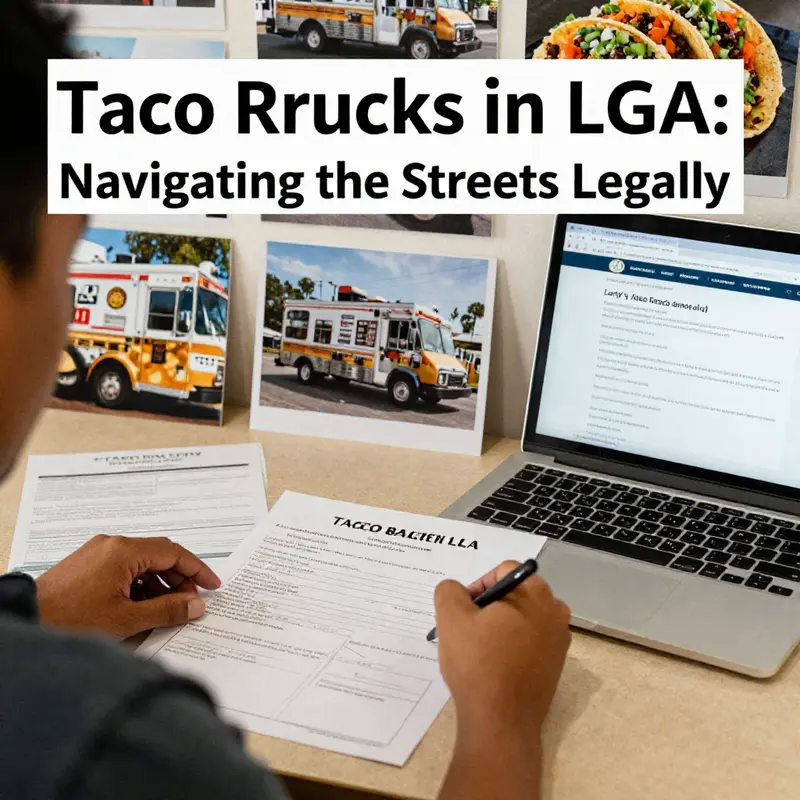
In Los Angeles, the aroma of sizzling carne and citrus kissed salsa draws crowds, but the path to turning that scent into a legal, thriving business runs through a maze of licenses, inspections, and permits. For taco trucks, the rules are not merely administrative hurdles; they are guarantees of public health and safe operation. A sound concept and a delicious menu can spark demand, yet without the right licenses and a clear compliance plan, even the best truck can stall at the curb. This chapter lays out a cohesive journey through the licensing and permitting landscape, illustrating how operators align culinary ambition with the public safeguards that keep communities healthy. It is a journey that blends strategy with practical steps, so every decision from the truck layout to where it parks is informed by the same goal: legality and reliability in a competitive city of appetite and opportunity. At the core of the licensing framework two agencies hold sway, often in different corners of the county and city map, depending on where the truck operates. The Los Angeles Department of Health (LADH) and the Los Angeles County Department of Public Health (LACDPH) administer the health and sanitation standards that govern mobile food facilities. Their overlap can feel intricate, but the principle is straightforward: a taco truck must demonstrate consistent food safety practices, proper equipment operation, and sanitary handling in every step of service. The formal gatekeeper for city based operations is the Mobile Food Facility Permit (MFFP), issued through the LADH, which codifies the health inspection cadence and the specific sanitation requirements for mobile vendors. If a truck tends to park or operate in unincorporated or more outlying areas of the county, LACDPH becomes the primary authority guiding inspections and compliance. In either case, the MFFP and its corresponding health standards anchor the operational reality of a mobile taqueria in this region. Beyond the health department, there are a handful of other permits that must align with the truck’s business model and location strategy. A valid Business Tax Certificate is essential; it certifies that the business is registered with the city’s tax authorities and complies with local tax obligations. Local zoning and parking permits come into play when a truck targets a specific area on a recurring basis, such as Downtown LA, Venice Beach, or South Central neighborhoods. These permits, often coordinated at the city or neighborhood level, ensure that the truck’s presence respects local zoning, street usage, and traffic patterns. A Fire Department permit is a second layer of safety, addressing the unique risks posed by cooking equipment, propane and gas systems, and extinguishing provisions. If the truck features prominent, permanent signage, a Signage Permit may be required to harmonize with city signage codes. In practice, most operators who plan a steady presence in a neighborhood will encounter all of these permits in some combination, sometimes concurrently, sometimes in staggered phases. The application process unfolds in a sequence that rewards preparedness and a steady pace. Start with a clearly defined concept and a solid operational plan. A compelling menu, efficient workflow, and a truck layout designed for rapid, safe service create a persuasive narrative for the permit reviewers. The health focused permits—the MFFP in the city context or the corresponding county procedures—will scrutinize how you handle hot and cold holding, handwashing, dishwashing, cleaning and sanitizing schedules, and cross contamination controls. Reviewers will expect clear maps of the service area, a documented menu with item-level temperatures, and proof that the vehicle and equipment meet health standards. Turning up with a thoughtful, well-documented plan can reduce back-and-forth and expedite scheduling for inspections. The financial and administrative costs are not trivial. Application fees and processing times vary by permit type and vehicle size, with typical fees ranging from a few hundred to well into the high hundreds in some cases. A pragmatic estimate places the initial startup costs for permits somewhere in the mid-range, recognizing that any added features—like larger equipment, an upgraded ventilation system, or enhanced fire-safety measures—can push the totals higher. A commonly cited estimate range for the permit bundle sits around several hundred dollars to over a thousand dollars, depending on jurisdiction and vehicle specifications. The application process can take time; a typical timeline spans four to eight weeks, assuming no major complications or missing documents. A patient, organized approach—collecting documents, preparing facility layouts, and coordinating with inspectors—helps keep the timeline predictable. One detail that often shapes both scheduling and site strategy is the alignment of the truck with public health requirements for parking and placement. Health codes frequently specify proximity and access considerations to maintain sanitary conditions for customers and staff. A notable example is the requirement that food truck operators plan parking in locations with ready access to restroom facilities, sometimes framed in terms of being within a certain distance, such as 200 feet of a restroom. This rule, while seemingly logistical, has real implications for where a truck can legally operate during a shift, how it routes customers, and how it manages waste and handwashing facilities. The practical upshot: site scouting becomes as important as recipe development. A truck route and daily plan must reflect a balance between foot traffic, neighboring business impacts, and compliance realities. To manage the journey from concept to compliant operation, most operators engage a two-track approach: mastering inspections and building a compliant, resilient operation. Health inspections are ongoing responsibilities rather than one-time hurdles. They assess temperature control, refrigeration integrity, hot holding equipment, and the cleanliness of the food prep zone and the food contact surfaces. Inspectors verify that sanitation schedules are posted and followed, that there is a verifiable system for preventing cross-contamination, and that the staff demonstrates correct hygiene practices, including proper handwashing techniques and glove usage where applicable. The aim is not to catch operators out but to promote safe service under the pressures of a mobile environment. A well-prepared team treats these inspections as a regular part of daily operations, not as annual, anxiety-filled audits. Equally important is the fire-safety dimension. A Fire Department permit that covers cooking equipment and propane systems is a constant companion to the health-permit journey. This permit enforces safe fuel handling, proper installation of propane lines, fire suppression equipment, and clear access to the truck’s fire exits. The permit process dovetails with the truck’s mechanical readiness; it often requires a verified inspection of gas lines, fuel storage, and electrical components, ensuring that the vehicle can perform safely in busy urban environments and during long service days. Beyond the state and city mandates, the operational landscape benefits from a proactive mindset about community compliance and business legitimacy. Operators commonly join local associations and networks that offer guidance, advocacy, and practical tips for navigating the regulatory terrain. These groups provide a space to share experiences with specific neighborhoods, discuss parking strategies, and learn from peers about how to satisfy both regulators and customers. They also offer practical templates for health and safety checklists, which can be invaluable when preparing for inspections or updating procedures as menus evolve or seasonal menus shift. For readers who want to weave sustainable practice into regulatory compliance, a useful reference is the broader field of responsible operations for mobile food venues. A practical takeaway is that sustainable practices—efficient waste management, energy-conscious equipment choices, and mindful sourcing—often align with permitting objectives. Good practices can even streamline inspections by reducing clutter, improving sanitation, and making it easier to demonstrate compliance to inspectors who review both process and outcomes. A broader perspective helps a small or emerging operator see compliance not as a punitive barrier but as a framework for consistent quality and customer trust. To explore this alignment, consider resources focused on sustainable practices for mobile food trucks. If you are navigating this landscape, you’ll want reliable, up-to-date references for the official requirements. The city and county health departments regularly update their guidance, and it is essential to consult the primary sources as you plan and execute. An excellent starting point is the official page for the Mobile Food Facility Program, which outlines the licensing, inspection, and operational standards that apply to LA County and the City. This resource provides the current scope of what inspectors will review, the forms you’ll need, and the steps to obtain and renew permits. It is a practical compass for mapping out your own license timeline and ensuring your truck remains in good standing. Internal linking note: to deepen practical understanding of sustainability in this context, you may explore the concept of responsible practices in mobile food operations through industry-focused guidance such as this piece on sustainable practices for mobile food trucks. This resource offers actionable ideas you can apply to your kitchen layout, waste streams, and energy use while you work through the licensing process. Sustainable practices for mobile food trucks: https://pockettacotruck.com/sustainable-practices-mobile-food-trucks/. In all, licensing and permitting for LA taco trucks demands thoughtful preparation, steady process management, and a clear view of how every permit supports a safe, reliable dining experience on wheels. Start with the health authoritys framework, align your business structure with city tax and zoning expectations, and design your truck and workflow to meet the highest standards of sanitation and safety. Build time into your schedules for inspections and revisions, knowing that each checkpoint is a layer of protection for customers and staff alike. The end result is not merely permission to operate; it is a durable platform for growth, customer trust, and the kind of reputation that turns a busy curb into a reliable nightly destination. External resource: For official, up-to-date requirements, consult the LA County Department of Public Health Mobile Food Facility Program at https://publichealth.lacounty.gov/food/mffp.htm.
Rolling Economies on the Curb: The Economic Footprint of LA’s Taco Trucks in a Regulated Urban Market
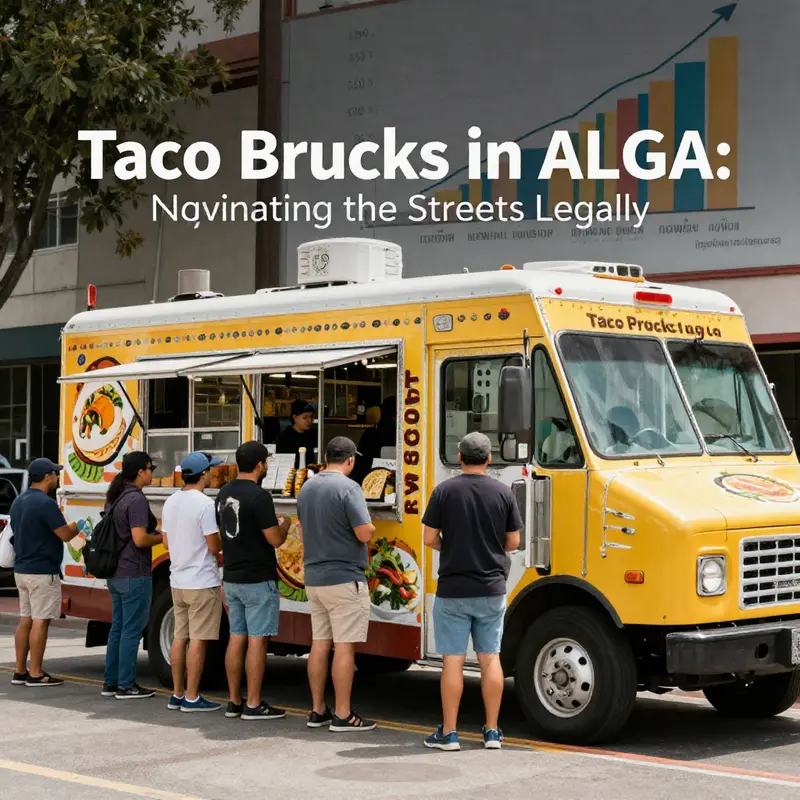
In Los Angeles, the curbside hustle of a taco truck is more than a meal option; it’s a recurring scene in the daily life of the city. The trucks thread through arteries of both popular neighborhoods and underserved corners, offering affordable, authentic food while weaving themselves into the fabric of local economies. The economic footprint of these mobile eateries is felt far beyond the register tape. They operate with comparatively low overhead, enabling a route to entrepreneurship that many entrants cannot pursue in a traditional brick-and-mortar setting. This accessibility helps explain why taco trucks have become a vehicle of economic mobility for immigrant communities and first-generation entrepreneurs who bring family recipes and a willingness to work long hours to the street. Yet the same streets that allow these opportunities also demand a set of public health and safety rules, which are designed to protect customers, workers, and neighborhoods. The result is a regulated space where opportunity and compliance dance together.
Lower overhead costs translate into real life outcomes: rent is replaced by a permit, a portable kitchen, and a truck that travels rather than a fixed storefront. The financial model between a truck and a brick-and-mortar restaurant is stark: capital requirements are lower, turnover can be faster, and margins can be squeezed with fierce competition. For many operators, owning a taco truck is a first step into independent business ownership, not merely a side hustle; it is a gateway. The accessibility of ownership makes it easier for newcomers to enter the foodservice economy, especially for people who may face barriers to securing traditional loans or investors. The mobile format also allows operators to test menus and refine recipes in real time, aligning offerings with neighborhood tastes, festival pulses, and seasonal demand. The consequence is a dynamic, living market where culinary identity and financial resilience grow together.
Every time a truck parks, the ecosystem changes. Customers who might not have ventured into a restaurant or pay premium rates for dining out find a quick, affordable option around the corner. Purchases ripple outward: ingredients from neighborhood wholesalers, snacks, condiments, and packaging materials, often sourced from nearby suppliers. The presence of multiple trucks on a street corner rarely stands alone; it attracts pedestrians who then spend time and money in nearby convenience stores, coffee shops, and street vendors. This circulation of spending builds micro-economies around street food activity, turning intersections into informal commercial hubs. The neighborhood’s image benefits too; faster foot traffic, the rhythm of service, and the familiar scent of taco seasonings contribute to a sense of place that both residents and visitors recognize and appreciate. In short, taco trucks help convert public spaces into active markets with tangible, local multiplier effects.
Beyond dollars and cents, taco trucks function as cultural ambassadors. They carry recipes, techniques, and stories from Mexican-American communities that have shaped the city’s cuisine for decades. Each truck can become a touchstone for neighborhood pride, a place where families gather after work, where a long line signals community care, and where a shared meal becomes a bond across generations. This cultural dimension reinforces the broader vitality of urban economies that rely on diverse voices to sustain growth. The symbolism is not merely nostalgic; it translates into resilience. When small entrepreneurs adapt to changing regulations and market conditions, they model ingenuity within immigrant communities and demonstrate that urban economies can respond to threats with creativity, collaboration, and a willingness to persevere. The trucks therefore serve as both economic actors and cultural storytellers, amplifying the city’s diversity in tangible, edible form.
The rise of taco trucks mirrors larger immigration and labor trends in California and across the United States. They provide a flexible pathway to income for families navigating a complex housing and labor market, often pairing with other informal or casual sectors to supplement earnings. Their success stories are not just about the sizzle in a grill; they reveal a broader pattern of entrepreneurship where knowledge, networks, and language skills translate into business opportunities. The macroeconomics are subtle but consequential: these micro-ventures contribute to local tax bases through licensing and permit fees, they stimulate supplier networks, and they invigorate street-level commerce that sustains nearby jobs. Even when a truck is only a few blocks from a formal restaurant, its activity can spur shared peak periods of demand, encourage cross-pollination of cuisines, and prompt nearby operators to innovate in service and presentation. The cumulative effect is a nuanced picture of urban economies that rely on street-level entrepreneurship to remain vibrant and inclusive.
LA’s policy environment shapes what is possible on the curb. Taco trucks are allowed to operate under a framework that requires compliance with city and county health standards, licensing, and zoning rules. This means passing health inspections, maintaining proper refrigeration and food handling practices, and adhering to strict parking guidelines—such as staying within designated zones and meeting proximity requirements like being parked within a reasonable distance of restroom facilities to ensure access to sanitary amenities. These rules are not merely overhead; they influence where trucks can park, how often they can operate, and how they interact with nearby businesses. Operators often cooperate with health inspectors and licensing officials to align menus, hours, and locations with community needs. The regulatory environment, when transparent and predictable, lowers perceived risk for customers and landlords, encouraging street-level commerce while preserving safety and order in busy neighborhoods. The result is an economy where compliance and entrepreneurship reinforce one another rather than compete for scarce street space.
Many operators look beyond profit to participate in neighborhood life. Some trucks join community initiatives that support local programs, schools, and nonprofits, turning a curbside business into a platform for social engagement. For example, trucks for change initiatives illustrate how street vendors contribute to community resilience and stability by channeling part of their proceeds into local projects. Such efforts remind readers that the economics of taco trucks intersect with social capital, building trust and long-term relationships with residents, organizers, and local institutions. The street becomes not just a place to eat, but a venue for collective action and mutual aid. This dimension of the enterprise matters because it deepens the social license for street vendors and helps anchor their economic activity in ways that neighbors can see and value.
As cities grow and neighborhoods evolve, the policy conversation around taco trucks will continue to matter. The balance between accessible entrepreneurship and orderly urban space will require ongoing attention from policymakers, health officials, and the people who drive this economy every day. Shared commissaries, improved training for food safety, clearer guidance on permissible locations, and streamlined licensing could lower barriers without compromising safety. If policymakers can translate the lived experiences of operators into clearer rules, more entrants will feel confident joining the curbside economy. In the end, the story of LA’s taco trucks is less about a single menu and more about a framework that values diverse labor, local sourcing, and the vitality that arises when streets are alive with commerce. The dynamic documented here suggests that when regulation is thoughtful and accessible, the curb becomes a productive space where culinary heritage meets urban renewal, one plate at a time. Trucks for Change: Community Support Initiatives
External reference: https://doi.org/10.5622/illinois/9780252042454.003.0001
Final thoughts
Taco trucks proudly represent the heart of Los Angeles’ vibrant street food scene, offering not only delicious food but a unique cultural experience. By navigating the regulations, health standards, and economic benefits associated with these mobile kitchens, urban commuters, small business owners, and food lovers can appreciate the significant role taco trucks play in the city. Whether you’re planning to delight in the flavors of the city or embark on your own taco truck journey, understanding how this ecosystem operates is key. As the saying goes, where there’s a taco truck, there’s a way—a way to enjoy exceptional food, foster community, and celebrate culture right in the city’s streets.