
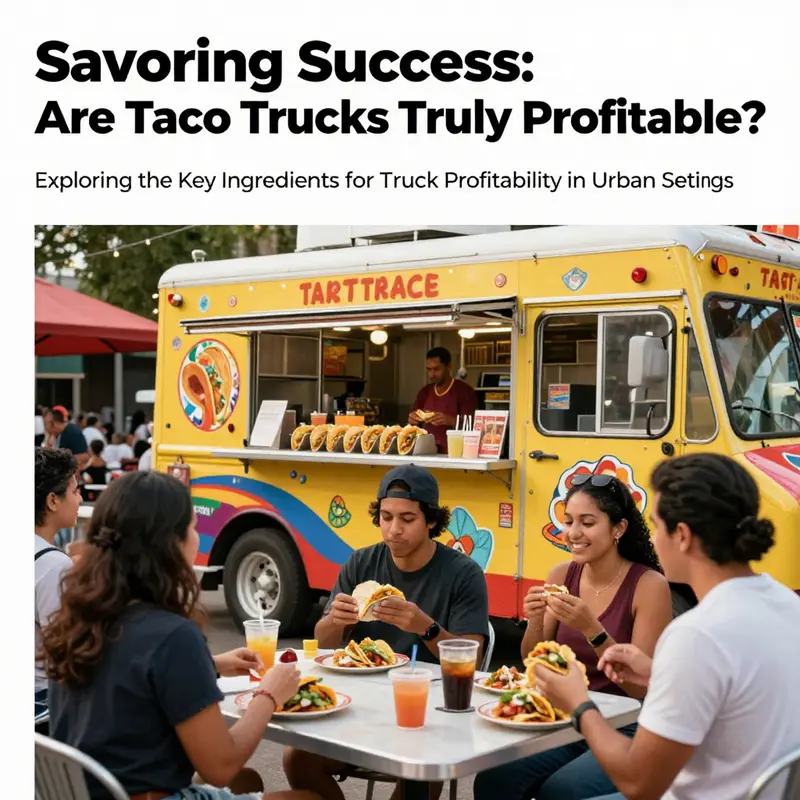
Taco trucks have become a beloved feature in urban landscapes, delighting commuters and city dwellers alike with their tantalizing offerings. But are taco trucks genuinely profitable? This question is crucial for aspiring small business owners and freelancers looking to dive into the food truck business. By delving into key factors like location, menu pricing, and operational efficiency, we’ll explore how each aspect contributes to the overall success of a taco truck. As we navigate these chapters, you’ll discover practical insights and strategies that can elevate your taco truck venture, whether you’re a first-time pickup buyer or an outdoor enthusiast seeking your next culinary delight.
Riding the Profit Curve: The Hidden Mechanics Behind Profitable Taco Trucks
Profitability in the taco-truck world reads more like a chart than a recipe. Delicious food is the lure, but sustained success rides on a balance between price, cost, and the velocity of sales that only smart location, disciplined operations, and adaptive menus can deliver. The arithmetic is straightforward yet unforgiving: a food operation must cover ingredient costs, labor, and overhead, then sustain a margin to weather slow days, rising input prices, or new competition. In practice, many profitable taco trucks land in a net profit margin of roughly 10–20 percent, while top performers, through sharper location choices and tuned menus, push past 25 percent.
Pricing strategy sits at the core of that rhythm. Prices set the trade-off between volume and per-unit margin: too low and the truck attracts crowds but may fail to cover fixed costs on lean days; too high and customers walk to cheaper alternatives. Successful operators continuously model local market rates, ingredient costs, and throughput time to find the sweet spot. Small adjustments to portioning, upsells, or combo pricing often yield outsized improvements in revenue without alienating regulars.
Location is the loudest driver of volume. A well-chosen spot near office clusters, transit nodes, event venues, or high-footfall streets transforms a modest menu into a bustling operation. Mobility adds resilience: trucks can chase seasonal peaks, attend festivals, and pivot to where demand concentrates. But location is also cadence—consistent presence during predictable meal windows builds repeat business more reliably than occasional pop-ups.
Operational efficiency is the other pilot needle. Speed from order to plate, tight inventory control, and minimized waste directly improve margin. Labor scheduling that matches demand, disciplined batch prep, and portion controls reduce variable costs and shorten queues. Equipment uptime, menu complexity management, and a focused core lineup with one rotating specialty help keep throughput high while limiting back-of-house friction.
A focused, well-priced menu is a powerful differentiator. A tight menu accelerates service and cuts waste, increasing sales per hour. Differentiation can come from concept clarity, signature items, or reliable execution rather than exotic ingredient lists. Operators who test pricing and portions against real unit economics learn how many tacos, sides, and drinks must sell to meet target margins and can iterate accordingly.
Startup costs and scaling pathways also shape profitability. Compared with brick-and-mortar restaurants, taco trucks typically demand lower upfront investment, fewer staff, and more location flexibility. Reliable suppliers, scalable prep options, and sensible financing or depreciation planning help lower per-unit costs as operations scale—either by adding hours or additional units.
Regulatory compliance and risk management cannot be ignored. Permits, health regulations, and parking rules determine where and when a truck can operate; consistent compliance reduces fines and interruptions. Preparing for weather, seasonal shifts, and competitive moves builds operational buffers, while a supportive local culture and accessible public venues accelerate the road from startup to sustainability.
Customer demand is the market force that ties these pieces together. Convenience, flavor, consistent service, and a compelling brand story drive repeat visits and word-of-mouth. Operators who understand local rhythms—when people gather and what flavors resonate—can align menu, price, and hours to capture the moments when willingness to spend is highest.
Many operators use simple data to guide decisions: sales logs, waste tracking, and inventory audits reveal gaps between plan and reality. Regularly analyzing what sells, when, and at what margin enables preemptive adjustments to menu, staffing, and location. For further reading, practical resources such as https://www.foodtrucks.com/insights/taco-truck-profitability-and-success-factors/ and https://pockettacotruck.com/unlocking-profitability-essential-trends-every-owner-operator-needs-to-know-in-2025/ offer complementary frameworks and owner-operator strategies.
Ultimately, profitability is not a one-time win but an ongoing practice. Location, pricing, and operational discipline form the steady drumbeat that turns daily turnover into meaningful profit. Trucks that deliver speed, reliability, and perceived value while adapting to local demand patterns are the ones that ride the profit curve successfully.
Where to Park Your Profit: How Location Drives Taco Truck Success
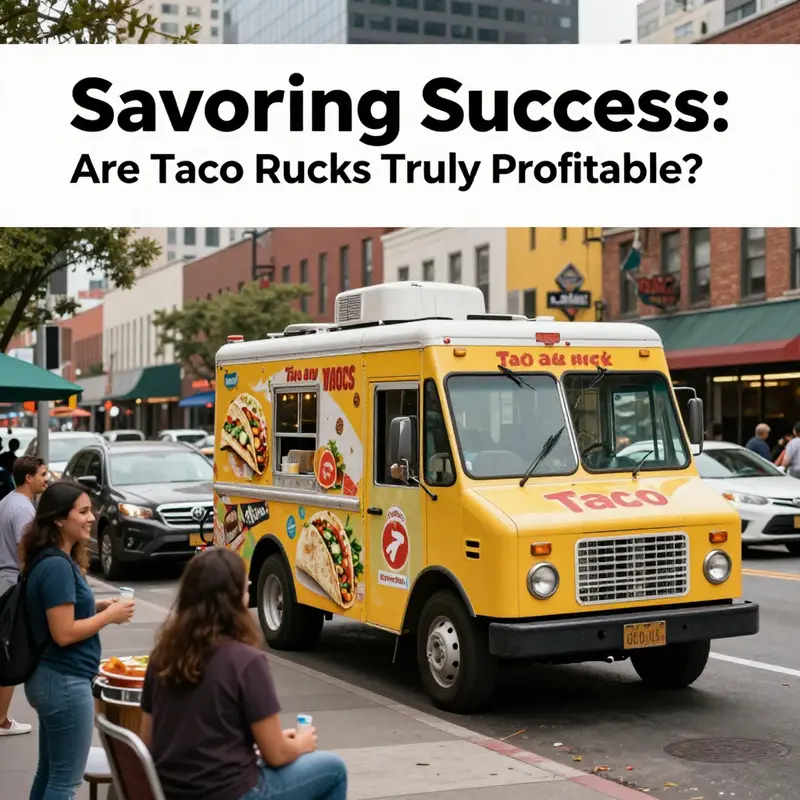
Where you position a taco truck determines more than daily sales; it shapes the entire business model. Location controls foot traffic, captures specific customer groups, and alters both fixed and variable costs. A great spot turns a modest menu into steady revenue. A poor spot turns a promising concept into missed opportunities. This chapter explores how thoughtful site selection, strategic movement, and local logistics elevate profitability for taco trucks.
Choosing a location begins with understanding who you want to serve. Office districts deliver predictable weekday lunch volumes. Entertainment zones and nightlife corridors produce strong evening demand. Event venues and markets create short bursts of high volume that can out-earn a week of normal trade. Each option brings different buying patterns, peak times, and customer expectations. A truck near offices must be fast and consistent. One near a concert venue can focus on limited, high-margin items and upsells. Recognizing these patterns lets operators tailor menus, staffing, and inventory, so costs align with revenue potential.
Visibility and accessibility matter as much as raw foot traffic. A truck tucked behind a building or set far from the sidewalk will miss impulse buyers. Easy access from pedestrian routes and vehicle arteries boosts impulse purchases and repeat visits. Consider sightlines from crosswalks and parking areas. Good signage and bright, readable menus convert passing interest into sales. On busy streets, a safe queuing area and efficient service window keep lines moving and customers satisfied, increasing turnover during peak windows.
Competition is a double-edged sword. Clustering with other food vendors can create a destination that attracts more customers than any single truck could alone. Food halls, festivals, and market rows turn comparison shopping into opportunity. But heavy competition in the same niche lowers per-truck share. When multiple taco trucks fight for the same crowd, price wars and menu similarity erode margins. Success demands differentiation—signature recipes, faster service, or value-added options that justify a premium.
Regulation and permits are location-dependent costs that cut into profits. Many cities require vending permits, health inspections, and special event fees. Some high-demand spots charge private lot owners for daily access. Factor permit costs and parking fines into revenue forecasts. Securing a regular space often means negotiating with property managers or obtaining long-term vending permits. Those arrangements reduce daily uncertainty but add fixed expenses. Balance the stability of a recurring location with the higher potential of rotating to prime events.
Seasonality and weather shift the value of any spot. Outdoor plazas flourish in summer, while covered or indoor-adjacent locations protect sales during colder months. Access to shelter, or the ability to quickly move to indoor events, can smooth seasonal dips. Planning for weather includes menu adjustments—warm comfort items when it’s cold, lighter fare and beverages when it’s hot—and logistics like portable awnings, heaters, or cooling systems. These investments influence where a truck can reasonably operate and the kinds of events it can serve.
Infrastructure and operational logistics are often overlooked but essential. Proximity to reliable water sources, trash disposal, and supplier access reduces downtime. A location that requires long drives to restock increases fuel and labor costs. For specialized carts, such as those needing continuous power for a rotating spit, sites with electricity or easy fuel access become much more valuable. Choosing locations with appropriate utilities reduces equipment wear and unexpected expenses, improving margins over time.
Mobility is a core advantage. Taco trucks can chase crowds—from weekday commuters to weekend festival-goers—allowing owners to test spots and scale up successful runs. Use data from point-of-sale systems and daily sales logs to compare performance across locations. Track metrics like customers per hour, average ticket size, and peak times. Over several weeks, patterns emerge that justify committing to a recurring space or shifting focus to certain events. A flexible schedule lets truck owners balance steady income from recurring weekday locations with lucrative weekend gigs.
Partnerships with local businesses turn parking spots into strategic assets. Office buildings, breweries, and retailers often welcome food trucks that increase foot traffic for their tenants. Formal agreements can secure prime curbside locations and predictable daily traffic. In return, trucks may agree to set hours or revenue-sharing arrangements. These partnerships stabilize income and reduce time spent scouting profitable locations.
Marketing and communication amplify location benefits. When customers know where to find a truck, repeat business grows. Social media and local listings must be updated consistently to build a reliable following. Schedule transparency turns one-time buyers into regulars. Consider targeted promotions tied to location—happy hour specials near nightlife districts, or combo deals with nearby businesses. Digital tools let operators announce last-minute moves to capitalize on sudden demand.
Sustainability and community fit also affect long-term profitability. Choosing spots near public transit hubs reduces the need for extensive on-site utilities, lowering energy costs. Minimizing generator runtime and optimizing routes reduces fuel consumption and maintenance. For guidance on eco-friendly operations and the operational choices that support long-term viability, see sustainable practices for mobile food trucks. Aligning the truck with community values often increases goodwill, which translates into loyal customers and favorable relationships with local authorities.
Finally, treat location decisions as experiments, not one-time choices. Start with short-term tests, measure results, and refine. Rotate through a mix of steady, moderate-traffic spots and occasional high-volume events. Build a calendar of reliable locations and a pipeline of event opportunities. Over time, the best balance will reveal itself: a set of recurring spots that cover fixed costs and a rotating selection of high-margin events that drive profit growth.
Location is more than a place to park. It is a strategic lever that affects menu design, staffing, inventory, and marketing. When chosen and managed with data, flexibility, and local knowledge, location becomes a profit multiplier.
Source: https://www.austinchronicle.com/daily/food/2026-02-17/discover-the-best-tacos-in-austin-tx-strictly-from-food-trucks/
Pricing the Plate: How Dynamic Pricing and Operational Finesse Fuel Taco Truck Profitability

Profitability for a taco truck rests on a careful balance between cost control, price discipline, and the ability to meet demand wherever the truck roams. The street kitchen has a natural edge: low startup costs relative to a brick-and-mortar restaurant, mobility to chase crowds, and a menu that can be tuned in real time to reflect what customers are willing to pay. Yet price alone cannot carry a business without a strong sense of how that price interacts with location, season, and the day’s traffic. The foundational insight is simple but powerful: profitability emerges when pricing models align with ingredient costs, labor, fuel, and permit fees, while still offering value that keeps customers coming back. In practice this means more than slapping a price tag on a plate; it means treating the menu as a dynamic instrument whose notes shift with the market like a well-tuned melody.
Costs in this arena are layered and variable. There is the upfront investment in a mobile kitchen unit, but ongoing expenses often eclipse the initial price tag: fuel for the vehicle and for any specialized cooking apparatus, maintenance to keep burners and rotisserie rotating smoothly, and the energy or gas needed to power refrigeration and prep space. Add in the labor required to assemble and serve food, and the picture becomes a moving target. A well-run operation uses a lean crew, precise prep, and a tight schedule to limit downtime, because every minute of a cart’s wheel-spinning is money that isn’t translating into profit. For many operators, the challenge is not merely covering costs but carving out a margin that survives slow days and price-sensitive markets. The research suggests a typical profit range for mobile food units sits somewhere in the low to mid double digits, with a path to higher margins when the operator can command premium pricing in the right setting or minimize waste through smarter sourcing and prep discipline. The bottom line is this: pricing must reflect cost realities, but it also must respond to the realities of demand in the truck’s chosen geography.
Dynamic pricing becomes the most potent tool in this toolkit, because it recognizes that a single menu price often fails to capture the variations in willingness to pay across different neighborhoods, events, and times of day. A tiered approach—basic, premium, and deluxe versions of core items—lets customers choose based on how much they value speed, flavor, or extras. A basic taco can be offered with fewer toppings at a lower price, while a deluxe iteration can include signature sides or a specialty salsa that commands a higher premium. Bundling items into combos—taco with a drink and a side—simplifies the decision process for the customer and raises average transaction value, especially when the bundle is priced to feel like a small but meaningful saving versus ordering items à la carte. Limited-time offers, or time-bound menu changes that reflect seasonal ingredients or limited inventory, create urgency and push customers toward a higher average ticket. The strategy hinges on knowing not just the price a customer is willing to pay, but the context in which they’re making the choice: a lunch crowd near office towers, a festival with a sea of competing vendors, or a late-night stretch along a busy corridor.
Local market research becomes a practical companion to pricing. Urban centers with higher disposable incomes often tolerate higher price points for quality and convenience, while neighborhoods with tighter budgets may demand more affordable options. This is where a flexible menu shines—the ability to swap in items that rely on inexpensive ingredients when costs rise, or to elevate offerings when customers respond positively to novelty or authenticity. The operator who anticipates these shifts and adjusts the menu without alienating core customers builds resilience into the pricing structure. It is also essential to monitor the inverse relationship: raising prices without a corresponding improvement in perceived value or speed can erode traffic and volume, which in turn dampens overall profitability. The balance lives at the intersection of value, speed, and taste, all of which are visible to the customer in the line that forms or the time it takes to receive hot food.
To translate pricing insight into sustainable profit, operators must optimize operations. Efficient production and service—not merely a lower price—drive margins. Streamlined prep, precise portioning, and disciplined waste control reduce per-unit costs, enabling more aggressive pricing when the market supports it without sacrificing profit. A well-timed rotation of staff responsibilities, a clear service blueprint, and a dependable supply chain prevent disruptions that would force expensive last-minute substitutions or rushed cooking, both of which erode margins. The flexibility feature of a taco truck—its ability to move to a new site or pivot to a festival—plays a crucial role here. It allows price testing in multiple micro-markets, with the best performers eventually informing the baseline pricing strategy. The dynamic nature of these adjustments makes data essential: simple daily receipts, a quick review of the most profitable hours, and a sense of which menu items carry the best margins under current ingredient costs.
An additional layer comes from how the product is presented and how customers perceive value. The same taco can carry different perceived value depending on its setting, the speed of service, and the storytelling around ingredients. A rotation of items that reflects authenticity—perhaps a nod to regional specialties or seasonally available produce—can justify pricing at the higher end of the spectrum in certain contexts. Conversely, offering a more streamlined version for a lower price on busier days when demand is elastic helps retain price-sensitive customers while preserving volume. The art here is not to trick customers with higher prices, but to demonstrate ongoing value: consistent quality, timely service, and a menu that makes it easy for customers to upgrade or downsize based on their appetite and wallet.
To support these strategies, a strategic approach to suppliers and equipment—especially in the early stages—plays a decisive role in profitability. Lowering startup and ongoing costs through smart procurement, when feasible, helps free up price flexibility for future tests. The broader business environment emphasizes the potential gains from efficient, scalable equipment that supports consistent cooking quality without excessive fuel consumption or maintenance demands. In practical terms, the operator should consider how equipment and sourcing choices affect the bottom line and price strategy over time. A thoughtful price model also invites customers to see the value in what they’re paying for: speed, freshness, and a menu that can adapt to both the neighborhood palate and the calendar of events the truck roams.
For operators seeking concrete guidance, there is a practical resource that compiles current standards on startup costs, operating expenses, and revenue projections for mobile kitchen ventures. This external analysis can help frame pricing decisions within realistic financial expectations, complementing in-house experimentation with robust benchmarking. Mobile Kitchen Car Price: Standards, Performance, and Practical Applications (https://www.foodserviceequipment.com/mobile-kitchen-car-pricing-standards-performance-applications/) provides a recent perspective on what entrepreneurs should anticipate as they map pricing to profitability. Meanwhile, for those who want to explore sustainable practices as a foundation for steady long-term earnings, a relevant internal resource offers guidance on minimizing waste, reducing energy use, and delivering consistent quality in a mobile setting: Sustainable practices for mobile food trucks (https://pockettacotruck.com/sustainable-practices-mobile-trucks/). These references help anchor pricing decisions in financial realism and operational excellence, ensuring the taco truck can endure market fluctuations while maintaining a compelling value proposition for buyers on the street.
Streamlined Service: How Operational Efficiency Drives Taco Truck Profitability

Operational efficiency is the practical framework that separates taco trucks that break even from those that build a steady profit. In a mobile food business where margins are tight and the customer experience is immediate, efficiency touches every decision. It affects how fast a line moves, how much inventory spoils, how often equipment breaks down, and ultimately how much cash is left at the end of the day. Owners who treat efficiency as an operational discipline—not an afterthought—create predictable service, lower costs, and a consistent product that customers return for.
A starting point is process design in the service window. Every motion a cook or server makes should add value. Arrange stations so gestures are short and sequential. Place common ingredients within arm’s reach of the primary prep area. Use portioning tools to eliminate judgment calls and ensure consistent plate costs. A compact, repeatable workflow reduces preparation time and food waste. It also makes training new staff faster, which matters for trucks that scale by attending events and rotating crews.
Menu engineering is another lever with immediate payback. A smaller, well-priced menu cuts ingredient complexity and speeds orders. Focus on high-margin staples that can be reused across dishes. Offer add-ons and combos to increase average ticket size without adding prep steps. Price items to reflect ingredient costs, labor, and expected throughput. Test price shifts in small increments and track sales. When changes are data-informed, you can raise margins without turning away customers.
Inventory control prevents one of the stealthiest profit drains: spoilage. Mobile kitchens have limited cold storage and fast turnover. Implement a simple par system for each ingredient, tied to expected sales by location. Count inventory daily and reconcile the numbers weekly. Use first-in, first-out rotation for perishables. If possible, schedule deliveries during low-traffic times to avoid disrupting service. Digital inventory tools help, but even a clear paper system keeps waste visible and accountability high.
Technology can multiply human effort. A fast, reliable point-of-sale system reduces order errors and logs sales by item and time. Contactless and mobile payments speed transactions and increase throughput during rushes. For high-volume events, consider a line-management tool or pre-ordering system to avoid bottlenecks. More advanced operators use simple analytics from sales data to identify peak hours, best-selling items, and low-performing locations. Those insights inform staffing, supply orders, and future route choices.
Connecting equipment to operational goals pays off, too. Many trucks rely on a handful of critical devices: grills, fryers, refrigeration, and sometimes a rotating spit for specialty tacos. Prioritize preventive maintenance. A scheduled check of seals, burners, and coolant saves emergency repair bills and lost sales from downtime. If a signature item relies on continuous rotation or a consistent heat source, factor fuel or electricity requirements into daily cost models. Small investments in reliable equipment lower long-term expenses and preserve brand reputation.
Supplier relationships matter as much as internal systems. Negotiate clear delivery windows and quality standards. When possible, consolidate purchases to reduce small-order premiums. For specialized gear or scaled production, sourcing from competitive manufacturers improves margins. This includes foreign suppliers for carts and fabrication when that route balances cost with compliance and shipping timelines. Choosing the right equipment reduces replacement frequency and supports steady throughput. For guidance on equipment choices and procurement strategy, see advice on how to choose food truck equipment wisely.
Labor is a major cost line that responds directly to efficiency. Cross-train crew to cover prep, service, and cleaning. Establish clear role rotations so staff can step into peak positions without delays. Use short, focused training modules rather than long classroom sessions. Track labor efficiency through metrics like sales per labor hour and average ticket time. Schedule staff to match demand patterns, not a static day plan. When crews understand workflows and performance targets, service smooths out and morale improves.
Route planning and site selection are operational levers with revenue implications. Fixed spots near offices or nightlife return reliable traffic. Events and festivals offer concentrated demand but require different staffing and supplier logistics. Build a route that minimizes deadhead time and fuel consumption. Plan for permits and parking restrictions ahead of time to avoid fines or lost days. The cost of a prime spot should be justified by the revenue it produces; track revenue per stop to make informed decisions.
Waste reduction is both ethical and profitable. Measure plate waste and unsold inventory daily. Adjust portion sizes and prep quantities to lower leftovers. Use compostable packaging to reduce disposal costs where feasible. Reuse common ingredients across menu items to prevent single-use stock. Even small reductions in daily waste compound into meaningful savings across a month or season.
Customer experience is often the result of efficient operations. Faster lines and consistent flavors build loyalty. Use signage and clear menus to speed decision-making. Train staff to confirm orders and speed handoffs. Encourage repeat business with simple loyalty prompts, such as offering a discount on a visit during slow hours. Those small touches are easiest to implement when the operation runs predictably.
Measure what matters. Track gross sales, food cost percentage, labor cost percentage, and net profit per shift. Monitor ticket times, customer wait times, and inventory turnover. Set weekly targets and review them with staff. Small, consistent improvements in these KPIs yield compounding gains in profitability.
Scaling a taco truck business requires a foundation of repeatable operations. Standardize recipes, prep lists, and training materials so new trucks reproduce the original unit’s performance. Use checklists for opening, mid-day maintenance, and closing. When you can hand a truck to a new operator and expect consistent results, growth becomes less risky and more profitable.
Operational efficiency is not a single action. It is a discipline that aligns menu design, labor, equipment, supply chains, and customer flow toward a common goal: consistent, low-cost delivery of a great taco. When efficiency is embedded in daily routines, a taco truck can turn high-demand days into reliable profit, and low-demand stretches into manageable variance. That operational steadiness makes scaling viable and keeps margins healthy as the business grows. For practical frameworks and deeper context on operational efficiency, see this resource from Indeed: https://www.indeed.com/career-advice/finding-a-job/operational-efficiency
Turning Obstacles into Margin: Practical Strategies to Keep Taco Trucks Profitable

Running a taco truck profitably is rarely about a single breakthrough. It is about layering smart decisions: pricing that reflects customer perception, systems that reduce downtime, and marketing that sustains steady demand. Owners who treat these areas as connected parts of one business model turn unpredictable days into reliable profit streams. This chapter pulls those pieces together into a practical playbook you can apply on the street.
Start with pricing that captures value, not just cost. A value-based pricing approach charges according to what customers believe your food is worth. If your tacos deliver exceptional taste, speed, or convenience, you can command higher prices than a simple cost-plus calculation would allow. Positioning matters here. Fresh ingredients, visible preparation, locally sourced produce, or a signature salsa create cues of quality. Those cues let you price above commodity levels while still keeping lines moving. Pricing tiers also work: offer a core, affordable taco and a few premium options. That spreads your appeal and lifts your average ticket without alienating budget-minded customers.
Operational resilience is the second pillar. Supply disruptions, equipment failures, and staffing gaps are the hazards that quietly erode margins. A lean contingency plan reduces their impact. Keep two reliable suppliers for each key ingredient. Store small safety stocks of nonperishables and rotate them often. For specialty equipment—rotisserie motors or propane systems used by niche carts—schedule preventive maintenance weekly. Track parts and service records so you can spot wear before it becomes a breakdown. When suppliers fail, a strong local relationship network lets you borrow or swap inventory quickly and keep service uninterrupted.
Logistics deserve deliberate attention. Fuel and delivery delays can raise costs dramatically. Plan delivery windows to avoid peak freight bottlenecks and consolidate purchases to reduce trips. During industry-wide slowdowns, alternative delivery options such as rail or intermodal freight for large orders can be more economical. Adjust reorder points based on demand cycles; for example, stock up slightly before a known festival weekend, but avoid overbuying seasonal produce that will spoil. These small adjustments reduce emergency spend and preserve cash.
Staffing and labor scheduling directly affect service quality and margins. Cross-train team members so a single person can handle front-of-house, register, and light cooking when needed. Use short shift rotations during peak hours to maintain energy and speed. For recruiting, emphasize flexible hours and a clear path to higher pay through performance and reliability. Incentivize upsells and speed with small, measurable bonuses. Labor cost is a major line item; thoughtful scheduling and simple incentive plans can improve throughput and morale without increasing fixed payroll dramatically.
Marketing and customer engagement turn one-time buyers into repeat customers and steady revenue. Social media is indispensable because it maps directly to where people choose lunch. Post daily specials, real-time location updates, and short videos that show preparation or seasoning rituals. Integrate simple digital ordering or text-ahead systems to shorten lines. Loyalty programs—digital punch cards or mobile discounts—encourage repeat visits and let you gather useful sales data. That data feeds smarter menu decisions and targeted promotions that lift slow days and smooth weekly revenue.
Menu design is a silent profit driver. Limit the menu to items you can produce consistently and fast. Focus on high-margin add-ons: chips with dips, extra toppings, and combo upgrades. Use menu engineering to highlight profitable items. Rotate limited-time offerings to test premium pricing and encourage urgency. When introducing a niche specialty—like a slow-roasted filling requiring extra equipment—calculate the true incremental cost. If the item draws a new crowd or increases average spend, the extra complexity is justified. If it only attracts occasional buyers, keep it off the regular menu and reserve it for events.
Events and location strategy magnify revenue potential. High-traffic office corridors, nightlife districts, and festivals produce spikes that can transform daily sales. Plan a calendar that balances daily regular locations with high-return events. For festivals and private catering, build separate pricing that accounts for permits, staffing, and setup time. These assignments often deliver higher margins but require ironclad logistics. Use short-term staffing solutions or partnerships for large events to avoid long-term payroll increases.
Equipment sourcing and cost control are long-term levers for profitability. Buying new can be expensive, but sourcing well-made used components or working with efficient manufacturers reduces startup and replacement costs. Global manufacturing hubs offer competitive pricing for carts and specialty pieces. When you buy from lower-cost suppliers, prioritize build quality and parts availability. A slightly higher upfront cost for a reliable unit usually pays back in fewer breakdowns and less downtime.
Regulatory compliance and insurance are non-negotiable. Permits, health inspections, and local ordinances vary by city. Treat compliance as a fixed cost that protects revenue. Keep documentation organized, schedule inspections proactively, and maintain clean, transparent operations. Insurance that covers equipment, liability, and interruptions should be part of your financial plan. These protections cost money but prevent catastrophic losses that could wipe out months of profit.
Finally, measure relentlessly. Track daily sales, gross margins, labor hours, and food cost percentage. Use those numbers to set realistic daily targets and to diagnose problems early. If margins slip, isolate whether the cause is price erosion, waste, or underperformance. Small, consistent gains across areas usually add up to a sizable improvement in net profit.
Taken together, these practices create a resilient taco truck. Value-based pricing raises per-sale return. Operational contingencies reduce unexpected costs. Targeted marketing drives consistent demand. Smart menu design and careful equipment choices protect margins longer term. By tying these elements into a single operating rhythm, owners convert obstacles into predictable profit. For practical implementation tips on drafting a food truck business plan that aligns pricing and operations, see the linked guide: https://www.shopify.com/blog/food-truck-business-plan
For owners wanting to reduce waste and operating cost while improving customer appeal, consider exploring sustainable practices for mobile food trucks to cut energy and supply expenses and boost community goodwill: https://pockettacotruck.com/sustainable-practices-mobile-food-trucks/
Final thoughts
Taco trucks often embody the spirit of urban dining, bringing delicious flavors to busy streets and parks. The profitability of a taco truck hinges on understanding core factors such as location, menu pricing, and operational efficiency. As you consider this venture, remember that challenges exist but can be navigated with strategic planning and smart decision-making. With the right approach, taco trucks can not only thrive but also stand out as a profitable business model in the food industry.