
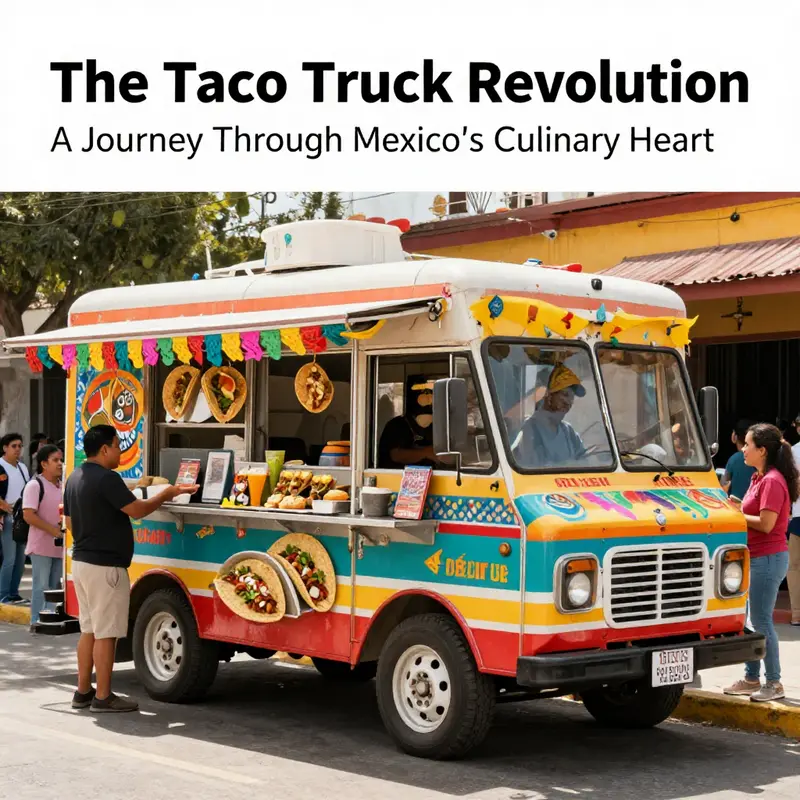
Taco trucks are more than just convenient food options—they are a vibrant symbol of Mexican culinary heritage. With their roots deeply embedded in local communities, taco trucks serve as a gateway to understanding not only the flavors of Mexico but also its culture and street life. From the bustling streets of Mexico City to remote villages, these mobile kitchens offer deliciously diverse dishes that cater to travelers, urban commuters, outdoor enthusiasts, and anyone looking to indulge in authentic flavors. This exploration unfolds across several chapters: the integral role these trucks play in Mexican culture, a focused case study on their presence in Mexico City, a glimpse into the regional specialties that each state offers through taco trucks, and lastly, the growing impact they have on tourism. Whether you’re a local or a visitor, the world of taco trucks promises a rich culinary adventure.
Rolling Kitchens and the Pulse of Mexican Street Food
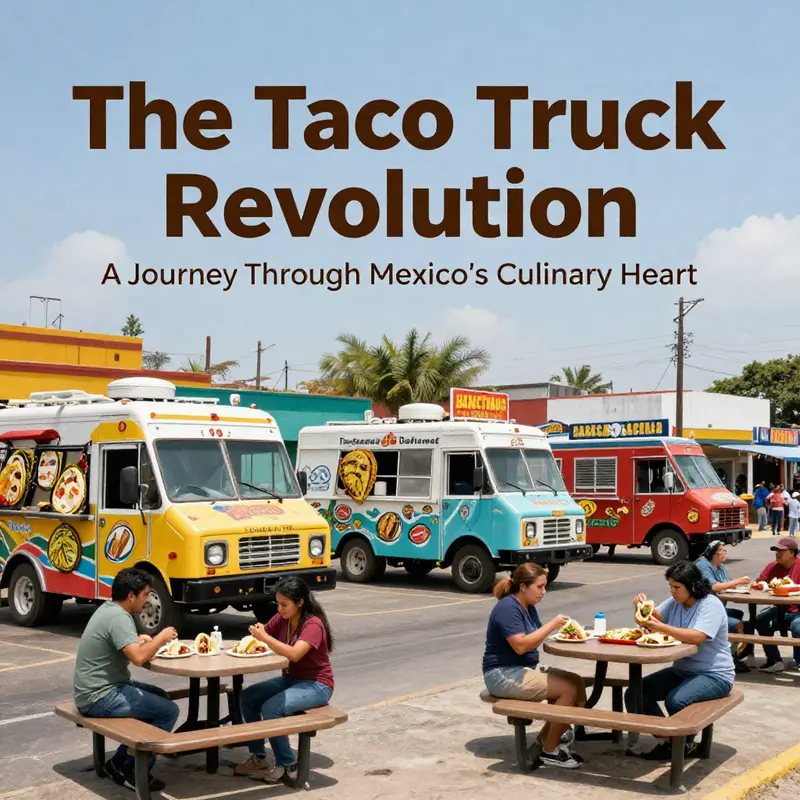
In Mexico, the sight of a taco truck rolling through a neighborhood is more than dinner on wheels; it is a daily ritual that stitches together family recipes, neighborhood memory, and local pride. The taco truck serves as a mobile kitchen and a social space that travels with the city. From dawn to dusk, these engines and their cooks turn sidewalks into open dining rooms where tortillas, salsas, and slow braises become the center of everyday life. The tortilla remains the anchor of Mexican street food, a round disk of corn born from centuries of masa work. Nixtamalization, grinding, and hand pressing happen wherever the truck stops, giving each bite a texture that carries history. Tacos al pastor, suadero, carnitas, and the regional variations that travelers discover along a route reflect local ingredients and memories. The mobility of the truck allows vendors to respond to tastes, seasons, and neighborhoods, making the same core idea feel fresh in a new block. Beyond taste, the act of eating on the street is a shared ritual. Families push strollers, workers pause for nourishment, friends exchange stories, and a knotted line of conversations forms around the grill. These moments remind us that food on the street is not a product alone but a practice of hospitality and belonging. Across Mexico City and other urban centers, the street becomes a living market and a moving stage where tradition meets improvisation. The truck is a portable classroom in which customers witness masa being ground, tortillas pressed, and meat roasted to order, then served with salsa and lime. This visibility helps maintain craft across generations, keeping techniques accessible and adaptable. The culinary language of street food travels with the people who carry it, evolving through regional sauces, chiles, and fillings while honoring the core technique of masa and fire. In the broader North American context, Mexican street food travels with migrants and ideas, adapting to urban climates and new markets while preserving core methods. In cities like Los Angeles, Chicago, and beyond, taco trucks have grown from weekend curiosities into lasting institutions that anchor communities and introduce diverse audiences to handmade tortillas, smoky chiles, and a reverence for simple, well-executed meals. The ethic of accessibility and democracy defines this culture: a meal that is flavorful enough for everyday consumption, flexible enough to honor regional identity, and social enough to be shared with neighbors. The truck’s mobility is not just logistical; it shapes the menu, the service style, and the pace of eating itself. Vendors move with the light of the day, adapting recipes to the audience and weather, relocating to parks, markets, and street corners where people gather after work or school. While the spectacle of a big, fixed restaurant can be glamorous, the strength of the taco truck lies in its intimacy and immediacy. It invites dialogue between cook and customer, inviting feedback, customization, and a sense of participation in a living tradition. The result is not merely a meal but a shared moment that can stretch across generations and borders. The vibrant microcosm of the taco truck world also intersects with urban policy and sustainability. Mobile kitchens challenge conventional restaurant economics, offering lean overhead and the ability to relocate to optimize foot traffic and rents. They encourage seasonal menus that reflect the best available produce and emphasize waste reduction through careful prep and mindful portioning. For travelers seeking authentic experience, a family-run truck that carries a lineage of recipes can offer a revealing encounter with how food travels and evolves. The story of the taco truck is thus a story about life on the street, about craft passed down through families, about commerce that respects community, and about hospitality that travels without losing its warmth. To learn more about how mobile food is shaping sustainable urban cuisine, see related conversations about portable kitchens and community benefits at the pocket taco truck site: https://pockettacotruck.com/sustainable-practices-mobile-food-trucks/. The broader arc shows that Mexican street food is not a relic but a dynamic practice that continues to evolve while keeping its core values: careful technique, generous hospitality, and a respect for ingredients that speak of place and season.
Under Neon and Corn: The Living Thread of Mexico City’s Taco Trucks
Under Neon and Corn: The Living Thread of Mexico City’s Taco Trucks
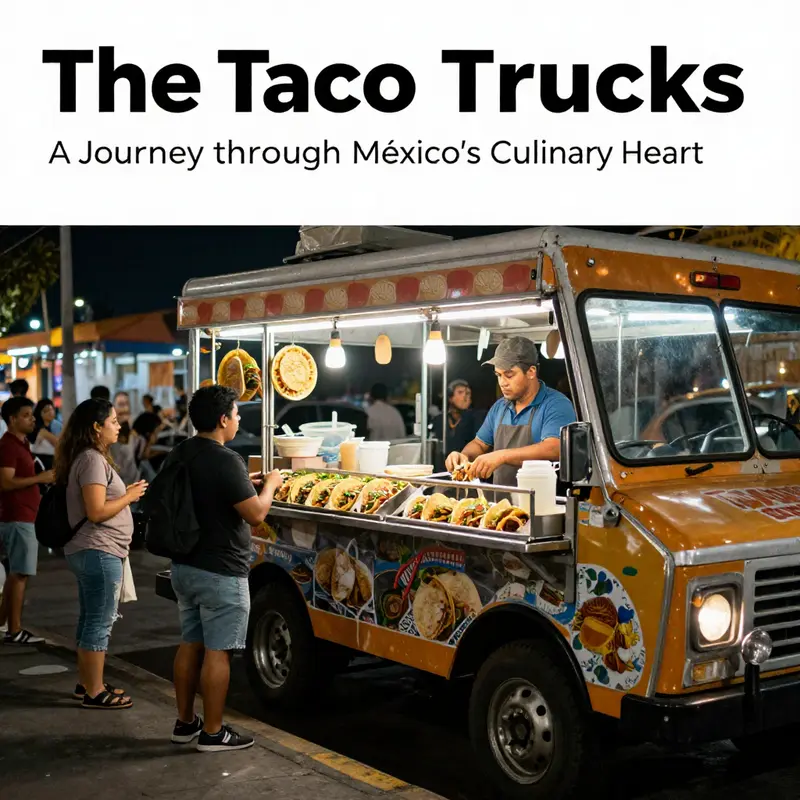
In the pulse of Mexico City, where every alley hums with a thousand small economies and every plaza tells a different street-food story, the taco truck is more than a vehicle or a vendor. It is a portable kitchen, a social meeting point, and a personal entry into a deeply rooted culinary tradition. The taco truck in CDMX travels with the day’s rhythms, weaving through neighborhoods and parks, turning corner after corner into quick, communal feasts. It is not simply about sustenance; it is an urban ritual that binds families, neighbors, and strangers into a shared, savory experience. If you listen closely at night, you can hear the sizzle of masa on hot griddles, the crackle of fresh salsa hitting a bright tortilla, and the soft thump of a wooden spatula as it sweeps toward a plate. These sounds, paired with a scent that mixes char, cilantro, and something smoky, are the flag of a city that wears its street-food traditions like a badge of honor.
The story of taco trucks in Mexico City is a story of continuity and change moving in tandem. Street vending has deep historical roots in Mexico, but the modern taco truck phenomenon in CDMX has matured into something both familiar and contemporary. Today, these mobile kitchens inhabit a map that resembles a living mosaic: Roma and Condesa’s chic, tree-lined avenues share the curb with Coyoacán’s winding, market-like lanes; around Chapultepec Park, glimmering neon lights meet the hum of late-night chatter. The city’s top neighborhoods have become almost ceremonial battlegrounds for flavor, where long-standing family recipes coexist with new interpretations and daring combinations. From a simple, humble beginning, the craft has evolved into high-quality, highly efficient operation. The trucks may be mobile, but their impact is stationary in the hearts of residents who depend on them for weeknight dinners, weekend gatherings, and spontaneous celebrations.
What makes a taco truck in CDMX resilient is not simply the speed at which it serves food, but the way it sustains a culture of craftsmanship. The masa, ground by hand and formed into corn tortillas, remains a bedrock of authenticity. The cooking technique—whether meat slowly roasted on a vertical spit or gently grilled and finished with a bright salsa—reflects regional flavors that travelers often come to experience in one evening, rather than across a single sit-down meal. The meats themselves, ranging from lean cuts to more richly marbled options, are the product of careful sourcing and patient preparation. A single taco can carry layers of taste: the depth of the meat’s seasoning, the tang of a lime wedge, the sweetness of roasted onions, and the herbal brightness of cilantro, all balanced by the bread-thin corn tortilla that holds it together. In this setting, the tortilla is not a mere vehicle; it is a flavor component, a frame around which the other elements are composed.
The cooking space on a taco truck is a study in compact efficiency. A relatively small footprint, a high heat source, and a few well-chosen tools become a kitchen that can rival a brick-and-mortar establishment in terms of both taste and presentation. The trompo, a vertical spit used for certain seasoned meats, performs a quiet ceremonial role as it rotates and caramelizes meat over an open flame. The process invites onlookers: the aroma climbs, the heat washes over the street, and a line of curious passersby forms, shifting from spectators to customers with a simple nod and a question about what’s fresh that night. The sense of theater attached to the cooking is part of the appeal; diners are not just eating, they are observing a living craft. And while the spectacle draws attention, what keeps people returning is the consistent quality and personality behind each taco. Vendors—often second- or third-generation family operators—bring decades of tacit knowledge to the grill, softening the edge of urban life with a reliable, comforting bite.
Another core truth about CDMX’s taco trucks is how closely they are tied to regional variety across the country. Although the trucks in the capital have their own distinctive cadence, they carry flavors that speak to broader Mexican culinary identities. A typical night might present a spectrum of choices: a suadero-adjacent offering with a melt-in-the-mouth texture; al pastor-inspired preparations featuring citrus, chile, and a hint of pineapple; and carnitas with slow, patient shredding that yields a crisp edge and a rich, porky aroma. Even within a few blocks, the menu can reveal a microcosm of the nation’s diverse street-food repertoire. For many locals, these trucks are a fast track to an education in regional tastes—an edible map that can be traced through small bites, each with its own story of origin and technique.
The social fabric around these mobile kitchens is equally important. These are not purely commercial spaces; they are communal hubs where neighbors exchange news, friendships form, and the texture of daily life is public. In the mornings, parents and students pass by the same stretch of trucks, trading quick updates while fetching breakfast to-go. After work, office workers and teachers drop by to cap the day with a late-night bite that is both affordable and satisfying. The trucks’ mobility mirrors the city’s own dynamism: they chase foot traffic, settle in for a busy hour, and relocate as crowds ebb and flow. The social media layer has become a critical ally in this ecosystem, enabling vendors to signal location, announce specials, and respond to trends in real time. A single post can direct a curious traveler to four different spots across a single evening, turning a casual curiosity into a curated tasting journey. In this way, the street becomes a classroom where the language is flavor, and the curriculum is memory.
For travelers and local food lovers alike, the experience is as much about the moment as the meal. The ritual of selection—approaching a stall, catching a whiff of the sizzling meat, listening to the crackle of the tortilla being pressed—creates a sensory memory that stays with people long after the last bite. There is a rhythmic pace to ordering: a quick exchange of questions and answers, a nod, and then a return to the curb to savor the taco with a squeeze of lime and a handful of cilantro. Some nights, a small crowd forms, with strangers sharing recommendations and swapping bites, turning a simple purchase into a social event. Other evenings, the trucks are quieter but no less essential, offering comfort food that steadies the senses after a long day. These moments—delicious, ephemeral, and deeply human—illustrate how integral the taco truck has become to the city’s social life.
The experiential aspect of a taco-truck outing has influenced how CDMX is perceived by visitors. In recent years, guided experiences have grown in popularity, offering curated routes that combine flavor, neighborhood lore, and urban ambiance. These tours emphasize not only the chance to taste a variety of toppings and textures but also to absorb the social codes that animate street vending. Guides often illuminate the history of the craft, describing how generations of cooks have adapted to changing urban landscapes, regulatory climates, and consumer expectations. The result is a more nuanced understanding of the street food scene—one that respects tradition while recognizing innovation. A visitor who follows a well-planned evening route leaves with a sense that the city has opened its mouth and invited them to participate in its ongoing story rather than merely observe it.
From an economic vantage point, taco trucks function as flexible, scalable micro-enterprises that empower individuals with entrepreneurial drive. They reduce barriers to entry for culinary talent, enabling families to sustain themselves through a low-overhead model that can adapt to shifting urban demand. The mobile format also fosters a spirit of resilience. In a city that often faces logistical and infrastructural challenges, the ability to relocate quickly to accommodate crowds is not just a business advantage; it is a form of social insurance. These vendors frequently source ingredients locally, supporting neighborhood suppliers and strengthening the local economy. The emphasis on fresh produce, time-honored cooking methods, and handmade tortillas reinforces a cultural identity that values quality and authenticity over speed alone. In this sense, the taco truck is both a practical enterprise and a custodian of a living tradition, carrying forward a culinary language that residents have spoken for generations.
The future of this street-food network in CDMX appears robust, buoyed by a combination of tradition, savvy entrepreneurship, and digital connectivity. Vendors increasingly blend age-old practices with modern workflows: scheduling their day around foot traffic patterns, leveraging social media to cultivate loyal followings, and curating menus that reflect evolving tastes without surrendering core techniques. Even as new cuisines and innovations seep into the city’s culinary ecology, the taco truck’s core appeal remains intact—a formula built on accessible flavors, intimate craft, and a sense of shared experience. The trucks’ adaptability—how they morph to fit the city’s changing tempo while preserving the soul of their cooking—may well be what secures their central role in CDMX for years to come. In a world where dining-out can feel transient, these mobile kitchens offer a stable, welcoming neighborhood anchor that travelers and locals alike return to time and again.
For readers who want to explore this scene with an eye toward sustainability and responsible tourism, there is value in understanding how mobile food operations balance tradition with modern imperatives. Seeding awareness around sustainable practices for mobile food trucks can deepen appreciation without compromising flavor. Sustainable practices for mobile food trucks offers a concise window into how vendors can maintain quality while minimizing waste, optimizing energy use, and supporting local suppliers. Such insights complement the sensory allure of the experience, helping readers consider the broader footprint of street-food culture and the ways communities can sustain it for future generations. The combination of skill, community, and stewardship that characterizes CDMX’s taco trucks makes them more than a dining option; they are living laboratories of urban culture, teaching resilience, creativity, and shared joy through every bite.
For travelers curious about an immersive, guided evening encounter with these mobile kitchens, there are curated experiences that invite visitors to sample multiple stalls in a single excursion. While each route is unique, the underlying idea remains the same: allow flavor to guide the night, while sharing stories that connect the plate to the street, the family to the neighborhood, and the city to its broader regional heritage. Such experiences transform a simple meal into a voyage through memory and place, one that honors the craft and invites ongoing discovery. In that sense, a night spent among CDMX’s taco trucks is not just a meal; it is an invitation to participate in a living tradition—one that continues to reinvent itself in the glow of neon, the sound of sizzling meat, and the chorus of voices gathered around a shared table of corn and salsa.
External reference on the social and culinary workings of this scene can provide additional perspective on the immersive, nighttime experiences many travelers seek. For a broader sense of how these intimate, street-level culinary celebrations unfold in practice, consider the accessible overview linked here: https://www.eatlikealocal.com/mexico-city-taco-truck-tour/.
Trompos, Tortillerías, and the Real Map of Taco Streets: A Regional Panorama Beyond the Truck
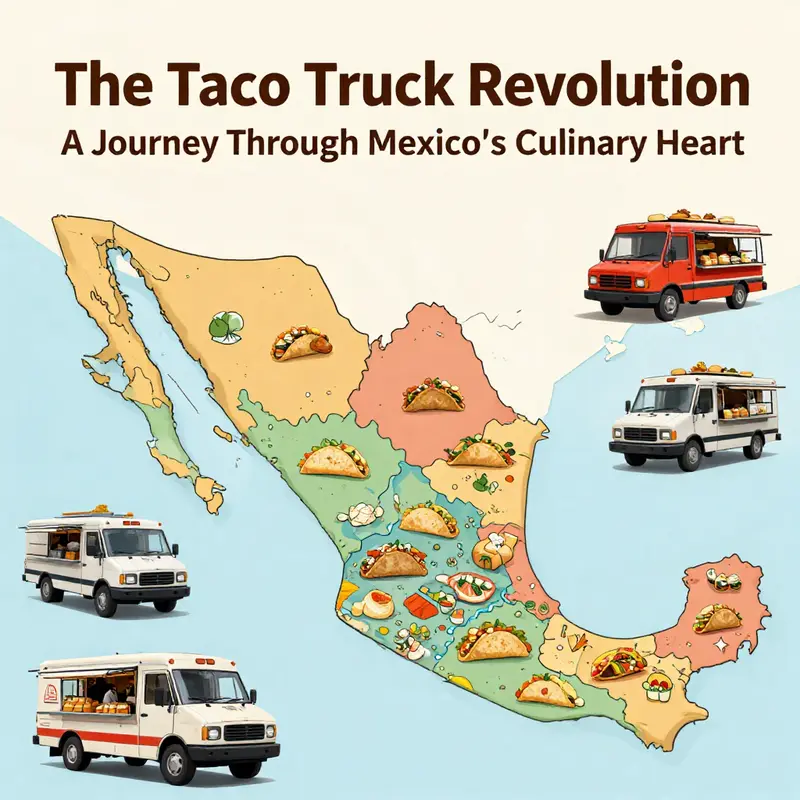
When people ask whether there are taco trucks in Mexico, the instinct is to picture a roving kitchen on wheels, humming along city streets with a fixed menu. The truth runs deeper and more nuanced. In Mexico, the most traditional and enduring form of mobile or semi-mobile street food is less a single truck model and more a tapestry of small, family run operations: tortillerías that pulse with corn masa, frituras that fry without pause, and puestos de tacos that hold their spots in markets, plazas, and sidewalks. The image of a standardized, motorized taco truck rolling through neighborhoods is largely a North American and global media trope. Here, the street food ecosystem is anchored in local rhythm, regional ingredients, and time honored techniques passed from one generation to the next. To understand Mexico’s taco landscape, one must read the streets as a map of regional memory rather than a uniform fleet of mobile kitchens.
In the central belt of the country, where the urban hustle of cities like Mexico City and its surroundings blends with agrarian traditions, the signature is not a truck but a vertical rotisserie turning slowly on a trompo. Tacos al pastor, as they have become a cultural beacon, grew from Lebanese immigrant metal trades and culinary curiosity. The trompo’s heat carves thin, glossy slices of marinated meat that caramelize in the open air, catching aroma and spectacle alike. The tacos emerge with a handful of onions, cilantro, lime, and a sizzle that signals shared meals after work or a late-night wander through a lively neighborhood. This is a central Mexico specialty that travels through neighborhoods not on the back of a truck but from a street-side stand or a compact, wind-swept kiosk where the meat is shaved to order. The experience is as much about the ritual of assembly as it is about the bite itself. The result is a taco that tastes like a story told in sound—the hiss of the griddle, the clink of a metal spatula, the soft crack of tortilla against hot filling, and the crowd that gathers around the stall as the sun dips lower.
Head northward and the story shifts in texture and spice. In the northern states, donde the air takes on a brisk edge, carne asada becomes the backbone of many taco encounters. Here the grill marks are bold, and the flavor profile leans into cumin and dried chiles like guajillo or ancho, which perfume the meat and the surrounding air with a smoky heat. The vendors often operate with straightforward, robust setups: a portable grill, a small table of toppings, a stack of warm tortillas, and the kind of efficiency that comes from generations of practice. The result is a different kind of intimacy with the street—one built on the promise of a hearty, straightforward taco that feels earned by a long workday. Even as the stalls are mobile and the menus adaptable, the core of the experience—coarse-grained charcoal, crisp tortillas, and the immediate satisfaction of a well-seasoned bite—remains stubbornly regional in its soul.
In the humid heat of the Yucatán peninsula, the culinary imagination travels through time as well as space. Tacos de cochinita pibil, slow roasted pork marinated in citrus and annatto and wrapped in banana leaves, trace their lineage to Mayan cooking practices. The method produces a flavor that is bright, sour, and deeply fragrant, a reminder that street food in this region often carries centuries of cultural layering. The technique is not about speed but about patience, about presenting a finished product that reveals the land’s citrus, its herbs, and the patience of a well-managed fire. The tacos that emerge from these traditions arrive in corn tortillas warm from the griddle, sometimes paired with a salsa roja or a tangy pickled onion that cuts the richness. The setting might be a simple stall at a market or a family corner near a cenote or a colonial plaza, but the essence remains rooted in time and place, not in a mobile kitchen with a standard menu.
Meanwhile Veracruz—the Gulf coast’s embrace of the sea—offers another slice of the regional map. Here the tacos lean toward seafood, turning the day’s catch into a chorus of textures: white fish, shrimp, or octopus mingled with a bright salsa aguacate or a citrusy mojo. The coastal palate favors freshness and light acidity, letting the ocean’s own flavors do much of the talking. In Veracruz, as in other coastal towns, a taco can be a matter of minutes from the boat dock to the griddle, showing how mobility and proximity to the water shape the street food economy. The eventual product is often hasty and joyful—a taco that tastes like a sea breeze carried by a vendor with a shared sense of community who knows that the best adjournment after a long day is a bright, peppered bite wrapped in corn.
The larger point, however, is not simply to catalog regional toppings and cooking times. It is to recognize that these regional variations are less about the scale or speed of a vehicle and more about how the ingredients and techniques reflect the land and the people who tend to them. The idea of a fully equipped, standardized taco truck with a nationwide menu is not a common feature of Mexican street life. Instead, mobility exists in the form of removable stalls, carts, and a handful of portable kitchens that can travel between neighborhoods but still honor local specialties. In markets, plazas, and along quiet sidewalks, the street food economy thrives on proximity—farmers, fishers, and cooks exchanging ingredients, stories, and recipes as a shared public ritual.
This distinction matters for anyone exploring the country in search of authentic bites. It invites travelers to seek out the smaller, slower moments: a grandmother’s stall that has been there since the neighborhood’s first days, a father teaching his children to flip tortillas just so, or a young vendor who has learned to balance a precise tempo of heat, time, and spice. A traveler who chases a purely truck based myth may miss the richer map of Mexican street food—the ways communities keep tradition alive, the crosscurrents of migration and exchange that have shaped regional flavors, and the quiet pride of vendors who keep a neighborhood fed with a sense of belonging.
The cultural significance of these street foods lies not just in taste but in the social fabric they weave. Food is communal glue, and the stalls are living archives. The stalls anchor daily routines: a stop on the way home from work, a quick lunch during a school break, or a late evening bite after the day’s labor. The market becomes a theater of social life where neighbors catch up, celebrate seasonal events, and pass down a shared sense of identity. In this sense, the street is not merely a place to eat; it is a space of memory where recipes and family histories are preserved and transmitted. The agile, informal nature of these operations—fueled by local knowledge and a deep understanding of seasonal produce—remains a strong counterpoint to the glossy image of a modern, standardized mobile kitchen.
The arc of modernization and globalization has touched Mexico’s street food landscape, as it has touched so many culinary systems around the world. In some urban contexts, you may encounter mobile kitchens that resemble trucks or vans, complete with a compact kitchen inside and a menu that travels beyond a single neighborhood. These are the offspring of cross border exchange and urban planning that sometimes accommodates mobile vendors in new forms. Yet even when trucks appear, they coexist with the long standing tradition of stands and puestos, and they rarely erase the value of the more intimate, neighborly stalls that define the everyday street life of Mexican towns and cities. The truck as a universal icon of Mexican tacos is, at best, a misreading born of media narratives and outside expectations. At worst, it risks flattening a vibrant, multi dimensional cuisine into a single, portable stereotype.
Travelers who wish to experience authentic Mexican street food often discover a surprising lesson: the most memorable bites are not necessarily the most dramatic setups but the most precise expressions of regional identity. A stall that remains in the same corner for decades, a cook who seasons with a hand steady as a drumbeat, and a group of neighbors who circle back with a familiar order—these moments reveal a culture that prizes continuity as much as change. The variety of tacos—each region offering its own signature pairing of meat, spice, and condiments—reads like a map of the country’s ecological and cultural zones. This is not a catalog of trucks but a portrait of a kitchen culture that travels in the footsteps of history and in the pace of everyday life.
For those drawn to the romantic idea of mobile food as a universal symbol of street cuisine, it is worth pausing on the distinction between mobility and monumentality. In Mexico, the street food ecosystem is more than the sum of its mobile components. It is a living, breathing network of people who sustain foodways through shared labor, seasonal harvests, and regional rituals tied to markets, religious festivals, and family gatherings. The tacos that emerge from this network are less about a single, portable icon than about a conversation: what the region offers, who is cooking, and how the community tastes and responds. In that sense, the real map of taco streets is not carved on the side of a truck but etched in the memories of the people who savor them day after day.
For readers curious about the broader context of authentic regional cooking and its cultural roots, Serious Eats offers a thoughtful exploration of how diverse Mexican traditions converge and diverge across the country. See an external resource for a deeper dive into regional Mexican cuisine: https://www.seriouseats.com/regional-mexican-cuisine-7259864.
In thinking about mobility and street food within Mexico, it is also useful to reflect on the practicalities that shape where and how vendors operate. Licensing, urban zoning, and local ordinances influence whether a vendor can legally set up a stall in a particular plaza or market alley. These regulations, along with the economics of small family operations, help explain why the mobile food economy in Mexico remains more fragmented and intimate than the mass marketed, nationwide truck model that can be seen elsewhere. Yet this fragmentation is not a flaw; it is a strength. It preserves the pace of daily life, the freshness of ingredients, and the intimate exchange between cook and customer that defines Mexican street food as a democratic, participatory cuisine. It also means that those seeking a truly Mexican taco experience should wander beyond the main thoroughfares and into the heart of neighborhoods where ordinary people turn meals into rituals.
If one curiosity remains—whether there exist truly mobile taco trucks in Mexico—the answer lies in language and perception as much as in vehicles. The term taco truck has become a convenient shorthand for travelers and journalists exploring Mexican street food, but it is a label that risks oversimplifying a landscape that thrives on variety and locality. The real story is about how people feed one another with pride, how regional ingredients travel from field and coast to the griddle, and how the act of eating becomes a shared act of cultural memory. In that sense, the essential question shifts: not do taco trucks exist in Mexico, but how do the many forms of mobile and semi mobile street food—be they stalls, carts, or compact kitchens—animate the regional identities that give Mexican tacos their enduring charm?
The journey through Mexico’s regional taco traditions offers more than a tour of flavors. It offers a lens into how communities preserve culinary heritage while negotiating modern life. It invites the traveler to trust the pace of the stall over the urgency of speed, to savor a tortilla warmed on a hot comal rather than one freshly cranked out by a mechanized system, and to listen for the stories that accompany each bite. As the night markets come alive and as families close the day with a plate of grilled meat, onions, cilantro, and a squeeze of lime, the street food scene remains a living archive of regional memory. In this archive, the real geography of Mexican tacos is mapped not by the number of trucks in a fleet but by the diverse flavors that travel from mesa to mouth, from market to memory, across the country. To explore more about sustainable practices in mobile food environments, consider resources like Sustainable practices for mobile food trucks.
Internal link: For readers curious about how mobile food vendors adapt to local constraints and still sustain community value, see Sustainable practices for mobile food trucks. https://pockettacotruck.com/sustainable-practices-mobile-food-trucks/
External resource: Serious Eats: Regional Mexican Cuisine (for context on how regional traditions shape the broader cuisine). https://www.seriouseats.com/regional-mexican-cuisine-7259864
Taco Trucks on Mexico’s Streets: The Living Pulse of Cuisine, Community, and Tourism
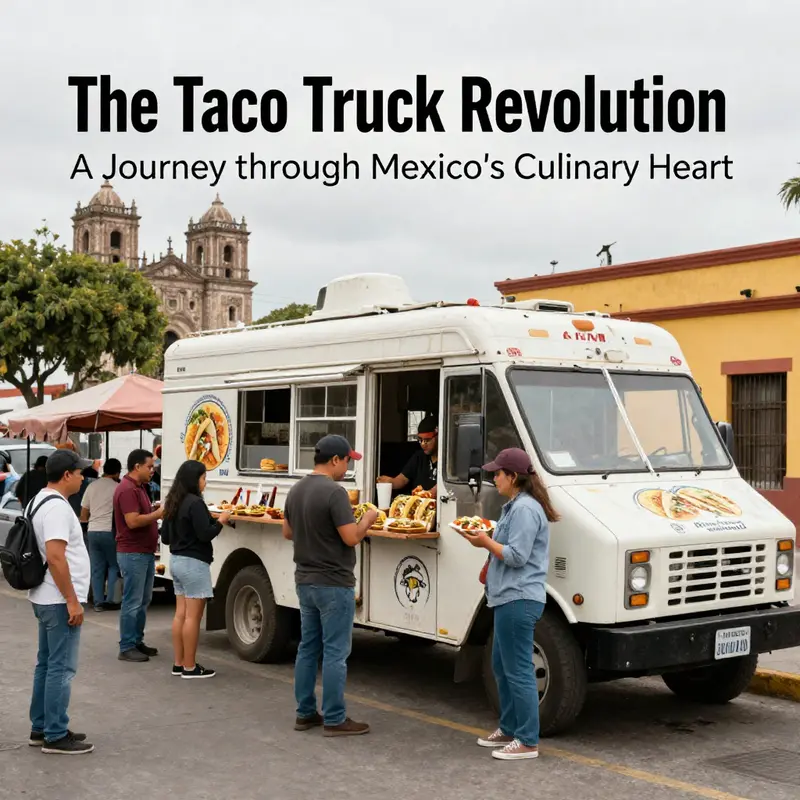
If there is a single phrase that captures the heartbeat of Mexican food culture for many locals, it is the image of a taco truck or a street stall that glows at night, its grill smoking gently, the air perfumed with cilantro, cebolla, and the scent of corn tortillas warming on a comal. In Mexico, taco trucks are not merely mobile kitchens; they are itinerant anchors of daily life, weaving together neighborhood habit, family recipes, and a shared sense of place. They appear in every kind of urban landscape, from the bustling arteries of mega-cities to quiet, winding lanes of old neighborhoods, where a grandmother’s recipe can be passed down through a line of cooks who learned it from their mothers and grandmothers. The trucks and stands are ubiquitous in Mexico City, where the sheer density and variety of street food give the city a flavor that feels both intimate and expansive at once. They are the kind of presence you notice before you even notice the city: a familiar sound, a familiar line, a familiar scent guiding you toward a stall where something comforting, honest, and freshly made awaits.
What makes these mobile kitchens so integral to Mexican life is not only what they serve but how they serve it. A taco truck is a place of quick exchange—the buyer, the cook, the fire, and the salsa maker all converge in a single, efficient rhythm. A pot of beans simmering on a portable burner shares space with a stack of corn tortillas, and a small cooler holds bright, zesty salsas that are prepared in small batches, taste-tested by repeat customers who have become de facto critics and ambassadors of the stall’s identity. The ritual of choosing a taco is itself a social practice. Men and women arrive with friends, families, or colleagues, swap notes about which stall has the best al pastor or which region’s carne asada is shining today, and linger long enough to exchange a story or two. In this sense, the scene functions as a social space as much as a food venue, a place where community ties are reinforced and new connections are forged over shared plates wrapped in warm tortillas.
In CDMX and across many Mexican states, the taco truck represents a spectrum of regional pride. The country’s culinary geography is written in the language of tortillas and fillings: Baja California’s fish tacos with crisped tortillas and citrus-fresh toppings; the slow-simmered pulled pork and the pineapple-glazed adobo that cling to a vertical spit in the style that has traveled across kitchens and street corners; the tender, citrus-bright carne al pastor whose origin story is now a beloved chapter of modern Mexican street food. Each region leaves its mark on the street scene, and every stall or caravan becomes a traveling exhibit of local tradition. The mobile kitchen is a flexible platform for continuity and innovation, a place where time-honored recipes meet the demands of urban life, where cooks adapt their menus to the appetite of the moment, and where the crowds can steer the day’s flavor by deciding which line to join and which grill to approach.
The social texture of Mexican street food is reinforced by the way these vendors organize their daytime and nighttime routines. Some carts operate in predictable hours of the evening when neighborhoods come alive with after-work chatter and the first glints of neon. Others work late into the night near markets, bus stops, or plazas where late-night hunger is part of urban rhythm. The food is quick to prepare and easy to share, which makes it especially compatible with the tempo of contemporary life, where people crave nourishment but also a sense of belonging in the moment. The truck becomes a waypoint in the journey through a neighborhood, a place where locals greet familiar cooks as if they were long-lost relatives reappearing after a long day. This sense of continuity, of being recognized by the people who serve you, is part of what makes the street food experience in Mexico feel honest and alive.
From the vantage point of a traveler, the street taco scene is accessible in a way that formal dining can rarely replicate. The public nature of the stalls invites casual observation, but the real reward is the encounter with a cook whose hands move with practiced ease, transforming simple ingredients into something that feels both universal and deeply personal. The corn tortilla, pliant and resilient, serves as a canvas for a few select toppings: a sliver of onion, a smear of cilantro, a handful of fresh radish, a splash of lime, and a sauce that can range from bright and tangy to deeply smoky. Each bite is a reminder that Mexican cuisine has long prioritized ingredients that are grown or raised nearby, harvested at their peak, and then assembled with care to honor both tradition and the moment’s availability. The result is not just sustenance but a narrative—of farms, of markets, of the street vendors who wake up with the city to feed it.
Within this landscape, the idea of a guided experience that foregrounds street food emerges as a natural extension of cultural curiosity. Tour itineraries that highlight late-night taco trucks offer visitors a curated lens through which to understand neighborhood life. They are not simply routes from one tasting to another but guided reflections on how a city negotiates space, time, and appetite in an environment that blends commerce with ritual. Such experiences tend to emphasize a sense of belonging rather than distance, inviting travelers to observe, listen, and participate in a pace that mirrors the cadence of everyday life. The value of this form of tourism lies in its capacity to reveal a country’s culinary intelligence—how cooks improvise, how families preserve recipes, and how communities decide what is worthy of sharing with strangers who want to understand their home through its flavors.
The dietary landscape of Mexican street food is also notable for its openness to regional specialties. A single stop may feature a handful of core items—tender meats, bright salsas, and carefully prepared tortillas—but the broader street ecosystem makes room for variety. The same corner might host a truck that specializes in carnitas one night and, on a different week, in barbacoa or chorizo with fresh avocado and a roasted pepper salsa. This fluidity speaks to a larger truth about Mexican cuisine: it thrives on adaptability, seasonal ingredients, and a readiness to reinterpret tradition through the lens of locality. In practice, this means that a taco truck is rarely a fixed menu; it is a living workshop, an improvisational kitchen where cooks respond to the day’s market, the weather, and the appetite of passersby.
An important caveat for anyone entering this street-food world is the need to approach with respect and awareness. For locals, taco trucks are not tourist attractions to be consumed at will but part of the fabric of a city’s lifeways. Etiquette matters: knowing when to join a line, how to communicate preference for spiciness or level of cilantro, and how to tip when appropriate can shape the experience for both the customer and the cook. Cleanliness and safety are also essential considerations. In many places, the vendors operate with pride and discipline, keeping workspaces clean, managing waste in ways that align with local norms, and maintaining storage and cooking areas that preserve freshness. Travelers who witness or participate in these routines gain a deeper appreciation for the craft and the discipline required to serve high-quality food in a street setting.
Beyond the immediate scene, the global curiosity about Mexican street food translates into a broader cultural conversation about identity and mobility. The presence of taco trucks is a signal of how Mexican culinary influence travels with people who move across borders, across cities, and across life stages. In Mexico itself, the experience of the street taco is not merely a pastime but a vehicle for continuity and renewal—an ongoing practice of sharing, reinterpreting, and preserving regional flavors within the dynamic pace of urban life. The street becomes a stage on which history and modernity perform together, a place where recipes are both inherited and renegotiated in real time. This interplay is part of why the street food narrative resonates with travelers. It offers a doorway into a cuisine that feels both intimate and expansive, familiar in its core textures but endlessly diverse in its expressions.
From an experiential perspective, the presence of taco trucks contributes to a broader tourism tapestry that many travelers seek when they arrive in Mexico. The chance to sit beside a local family or a group of workers and share a bite is a form of cultural exchange that photographs and guidebooks alone cannot capture. The sensory drama—the hiss of the grill, the sizzling of meat, the bright bite of lime and salsa—creates lasting impressions that often become part of travelers’ memories of a country. And because the scenes of street life evolve with the city, visitors can find new discoveries in the same neighborhoods over time, a reminder that Mexico’s culinary landscape is in constant motion, shaped by generations of cooks, farmers, and street vendors who keep improvisation alive while honoring established traditions.
The research that shaped this chapter notes a gap: while there is a substantial body of analysis about taco trucks in the United States as symbols of Mexican cultural identity and as fixtures in urban landscapes, there is comparatively less published data about how Mexico itself experiences or interprets its own taco truck culture in relation to tourism. This absence is itself revealing. It points to a disciplinary focus that often emphasizes migration and diaspora in U S contexts while leaving in-country dynamics less systematically documented. Yet the everyday reality in Mexican cities is vivid enough to suggest that taco trucks are not a footnote but a central thread in the fabric of street life and culinary heritage. They function as mobile stages where tradition is practiced, economies are sustained, neighborhoods are knit together, and visitors are invited to participate, to taste, and to learn through the simplest of acts: sharing food.
In acknowledging this vibrant parallel between daily life and tourism, one can also recognize how the street taco scene invites a careful, respectful approach from travelers. Rather than seeing the trucks purely as flavor experiences, travelers are encouraged to observe the social choreography—the way cooks balance speed with care, the way lines form with a sense of communal rhythm, the respectful exchange that happens when someone asks about a recipe or requests a spicy salsa. This approach reframes travel as a practice of listening and learning in a living culture rather than a quest for quick novelty. It is in this spirit that the street food landscape becomes not only a reflection of local identity but a doorway to deeper understanding of the country’s people, their histories, and their neighborhoods. The best encounters often happen when a traveler follows a simple impulse: to try what the stall offers, to listen to a cook’s story about a family recipe, and to let the moment carry them into conversations that reveal how food binds generations and places together.
To illustrate how readers might engage with this culture without losing sight of their own journey, consider the practicalities of choosing where to begin. Start with a neighborhood known for its late-night food scene and wander through a pattern of stalls that change with the hour. Observe which stalls attract the most locals, note how cooks manage peak hours, and taste a few offerings that seem to reflect the neighborhood’s character. A bite of al pastor, with its caramelized edges and citrusy finish, paired with a salsa that carries a bright acidity and a touch of smokiness, can become a small, unforgettable lesson in regional interpretation. Then wander a short distance to see how other stalls present different expressions of the same overarching craft. The same street nook may host a different version the next week, reminding visitors that Mexican street food is an evolving, collaborative art form rather than a fixed tradition.
For readers seeking further context on the broader world of mobile food culture, a useful reference on sustainable practices in mobile food operations can illuminate how vendors balance efficiency with environmental responsibility. Sustainable practices for mobile food trucks offers perspectives that, while not Mexico-specific, echo the kinds of operational choices that many Mexican stall operators make to maintain freshness, minimize waste, and keep day-to-day routines manageable in busy urban settings. The continuity of this practice across borders underscores a shared understanding that street food, at its best, respects both the person who prepares it and the people who eat it.
As this chapter unfolds, it becomes clear that the taco truck phenomenon in Mexico is more than a culinary convenience. It is a social ritual, an economic engine, and a living exhibition of regional diversity that travels with the nation’s people. In cities and towns across the country, these mobile kitchens carry recipes that trace their origins to farms and markets as well as to the improvisations of cooks who learned in family kitchens and refined their craft on the street. They offer travelers a tangible path into the heart of Mexican life, where flavor, memory, and place converge in the act of eating. The street becomes a classroom, and the stall becomes a teacher, reminding us that food can be one of the most direct routes to understanding a country’s culture, its people, and its enduring invitation to explore with curiosity and generosity. In the end, the question of whether there are taco trucks in Mexico resolves into a broader truth: yes, they exist, and they do more than fill a stomach. They nourish a nation’s sense of community and invite the world to taste a living culture in motion.
Final thoughts
Taco trucks are not merely food vendors; they serve as cultural icons that connect communities, sustain traditions, and drive the tourism industry in Mexico. Their variety and flexibility highlight the rich diversity of Mexican cuisine, drawing in not just locals but travelers eager to experience authentic street food. If you’re seeking a true taste of Mexico, look no further than the tantalizing offerings from taco trucks—each bite tells a story rich with tradition and flavor.