
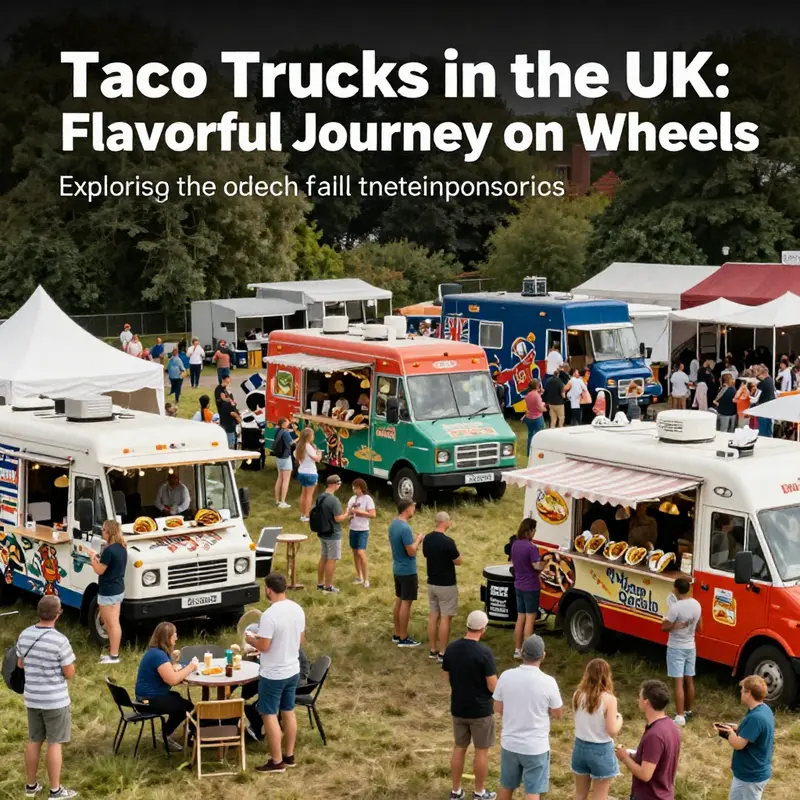
As the bustling streets of urban centers come alive with diverse culinary offerings, taco trucks have emerged as a delicious staple in the UK. From the vibrant markets of London to the bustling festivals in Manchester, these mobile eateries are more than just convenient food options; they signify a cultural evolution, bringing authentic Mexican flavors to a growing fan base. This article sets out to explore the significant growth of taco trucks, delve into their cultural influences, uncover the entrepreneurial spirit fueling their success, and examine the regulatory landscape they navigate. Through this exploration, we aim to enhance your understanding of how taco trucks are shaping the UK’s food scene.
Taco Trucks on Britain’s Streets: A Flexible, Flavor-Forward Culinary Trend
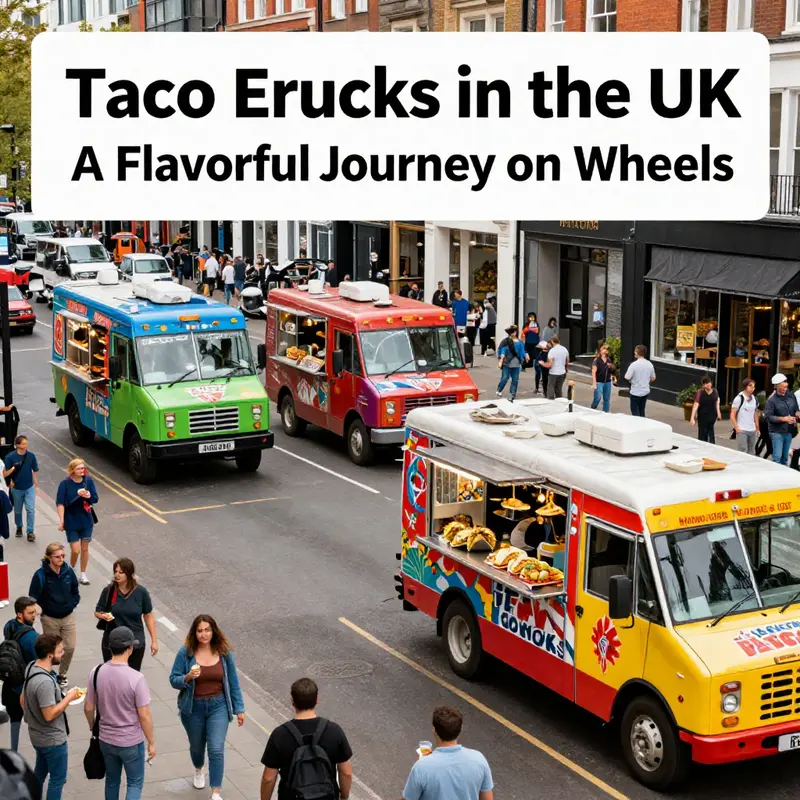
Across Britain, a street-food phenomenon that once lived mainly in fantasy menus and festival chatter has quietly become a steady presence: taco trucks threading through city cores, markets, and sidestreets with a pace that feels both modern and deeply rooted. The rise of these mobile kitchens mirrors wider shifts in how people eat, where they eat, and who is cooking. It is less a passing fad than a sign of urban food culture maturing into something more responsive, more experimental, and, crucially, more accessible to a broad cross-section of communities. Like other kinds of street vendors, taco trucks in the UK survive and thrive by combining speed, affordability, and flavor. Yet they also carry a distinctly transnational energy, a reflection of migration patterns, diaspora networks, and a growing appetite for Latin American cuisine that is as much about storytelling as it is about sustenance. This is a story not of a single style of food encountering a single market, but of a flexible culinary framework that absorbs regional sensibilities while keeping a core script: bright, bold, and portable.
The essential appeal lies in mobility. A taco truck can move where fixed restaurants cannot, which makes it an adaptable solution for urban life in the UK, where population density, festival calendars, and business districts create natural opportunities for short-term, high-visibility food experiences. Markets and pop-up corridors become incubators for new flavors, while more permanent street-front locations in certain neighborhoods anchor the scene. In this sense, taco trucks function like culinary hubs on wheels. They allow cooks to test recipes, respond quickly to what diners want, and sculpt menus around seasonal produce and local ingredients. This adaptability matters as much as the recipes themselves because it enables a kind of culinary agility that brick-and-mortar options may struggle to match in the early stages of market testing.
Entrepreneurship sits at the heart of the UK taco truck narrative. Many operators are guided by personal histories tied to Latin America, but they are not monocultural in their approach. They arrive with authentic techniques and cultural memory, then translate those into options that resonate with British palates. This translation often takes the form of lighter spice profiles, shorter ingredient lists for speed, and a willingness to blend traditional fillings with locally inspired twists. You can find tortillas that honor classic masa traditions alongside fillings that celebrate British ingredients—think seasonal greens, locally produced grains, or regional cheeses. The result is a spectrum rather than a single recipe, a sign that the street-food scene is moving from mere replication toward genuine culinary dialogue across cultures.
One meaningful throughline in this evolution is the emphasis on sustainability and local sourcing. Operators increasingly frame their menus around regional produce and responsible practices, a reflection of broader UK food trends that prize transparency, seasonality, and reduced carbon footprints. It is not just about offering a tasty alternative to fast food; it is about aligning a business model with values that diners increasingly expect. In practice, this can mean sourcing British-grown oats, barley, and wheat to incorporate into masa, tortillas, or toppings, enabling a fusion that respects both regional agriculture and global flavors. This kind of local integration helps explain why menus feel fresh and relevant rather than relics of a distant culinary tradition. It is a quiet but powerful signal of how street food can evolve in place without losing its sense of place.
The broader cultural impact of taco trucks in the UK extends beyond food alone. They contribute to the diversification of urban foodscapes, offering social spaces where neighbors, students, workers, and visitors intersect in a shared moment around a quick, flavorful meal. The social dynamic matters because street food is as much about hospitality as hunger. A cook’s interaction with customers—explaining a dish, offering a quick sample, adjusting spice levels—becomes part of the dining experience itself. This direct contact helps build trust and curiosity in communities that may be encountering Latin American cuisines for the first time or expanding their awareness of regional Mexican flavors. In turn, diners gain access to a form of culinary education they can sample in minutes, which can spark ongoing interest and repeat visits.
Media coverage in the UK has also played a role in legitimizing and expanding the taco-truck scene. National and regional outlets alike have highlighted how mobile kitchens contribute to a vibrant, inclusive food economy. Stories in major outlets have showcased the rise of food trucks as accessible entry points for small businesses and as ambassadors for cultural exchange. Such coverage matters because it frames street food as an important—and legitimate—component of the country’s evolving food culture, one that complements fixed restaurants rather than competing with them. The public conversation around taco trucks intersects with broader discussions about urban space, licensing, safety, and the evolving expectations of modern diners. This broader discourse helps operators navigate regulatory realities while continuing to innovate.
Where you encounter these trucks matters as much as what you eat. London, Manchester, Bristol, and Birmingham have emerged as focal points, though relevance has spread to numerous towns and smaller cities as well. In metropolitan hubs, taco trucks cluster around markets, rail stations, business districts during lunch hours, and beyond. In festival circuits, they become crowd-pleasing anchors that offer reliable, repeatable experiences amid a diverse line-up. The pattern resembles a kind of culinary tentpole strategy: a mobile kitchen that anchors a larger ecosystem of food culture and community events. And because the menus evolve with the seasons, the people who run these trucks become de facto curators of a living, mobile menu that mirrors the city’s changing tastes.
What does this mean for the future of the street-food economy in the UK? It points to a trend where flexibility is a key competitive advantage. The ability to adjust concepts quickly—whether that means swapping fillings for autumn produce, launching a tapas-inspired taco, or offering a vegan option that remains faithful to flavor integrity—creates a dynamic that fixed restaurants can struggle to replicate in the short term. This is not to deny the importance of traditional, permanent eateries; rather, it highlights how mobile kitchens complement the broader food ecosystem by filling moments of demand that fixed venues might miss. It also aligns with consumer expectations for variety, speed, and price. A well-run taco truck can deliver satisfying, well-balanced meals in minutes, a valuable proposition in busy urban environments where time and value are both in demand.
In discussing why the UK scene has grown, it is helpful to connect the local phenomenon with global patterns. The success of taco trucks elsewhere has often hinged on the ability to adapt to local demographics, an insight shared by observers who compare the UK experience with stories from other food-truck hubs. In places like Austin, Texas, truck owners adjust menus based on neighborhood demographics and cultural shifts. In the UK, the parallel is clear: operators listen to their customers, test flavors, and keep what works while discarding what does not. The result is a set of offerings that feel both rooted in tradition and energized by contemporary tastes. This is precisely the kind of cultural exchange that makes street food resonate today—an everyday reminder that food is a social, shared experience as much as it is a meal.
To support the growth of taco trucks, communities and business ecosystems have quietly built the scaffolding that helps these ventures thrive. Markets and events provide the initial traction, while policy and licensing frameworks, when navigated deftly, offer stability for operators who want to scale with caution and care. A robust street-food culture also depends on networks—mentors, fellow operators, and supporters who share knowledge about food safety, supply chains, and customer engagement. The ties that form among these operators create a sense of community, and this community, in turn, encourages experimentation. It becomes easier to try a bold new combination when there is a supportive peer network offering practical guidance on issues like sourcing, pricing, and compliance. In this sense, the taco truck story becomes a narrative of collective growth as much as individual success.
This chapter would be incomplete without acknowledging the role of digital and event-based platforms in propelling visibility. Food truck directories, social media alerts, and festival lineups help people discover these itinerant kitchens in real time. For diners, the experience is more about anticipation and discovery than about a fixed dining location. For operators, it is about building a consistent brand voice that travels well—bright colors, clear naming, and a menu that communicates quickly to someone walking by. The market incentives align with a broader cultural drift toward experiential eating. People want meals that feel fresh, portable, and personal, and taco trucks deliver on all three. The fusion of global flavors with local sourcing, the entrepreneurial spirit on display, the social dimension of street dining, and the practical realities of mobility together form a compelling portrait of a culinary trend that has taken root in the UK and shows every sign of expanding further in the coming years.
As this trend continues to unfold, it becomes clear that taco trucks are more than a culinary novelty. They are a lens on urban life that reflects values—accessibility, diversity, sustainability, and experimentation. They invite people to sample something unfamiliar in a familiar place, to ask questions about ingredients and technique, and to celebrate the fact that food can travel as freely as ideas and people do in a connected world. The UK’s taco-truck scene, with its blend of authenticity and adaptation, stands as a testament to how street food can contribute to a more expansive and inclusive food culture. It is a reminder that the city’s palate is not fixed; it evolves as new voices bring new memories to the table, and as those voices learn to cook in new, portable ways that fit into the rhythm of daily life. The result is not merely a new option for a quick bite but a living map of cultural exchange, local resilience, and culinary curiosity that keeps Britain’s streets vibrant and, increasingly, delicious.
For readers curious about how operators balance sustainability with flavor, the world of mobile food carries practical lessons. The very feasibility of a taco truck depends on careful attention to equipment, supply chains, and operational discipline, and the best pockets of success show how these concerns align with taste and storytelling. The trend is a testament to possibility—the possibility that a small kitchen on wheels can nourish communities, spark curiosity, and become a stepping stone for aspiring cooks who want to test ideas with real diners rather than theoretical concepts. In the end, what travels on these wheels is not only food; it is confidence, community, and a shared appetite for clever, comforting, and culturally expansive meals.
Internal link note: Many operators also invest in sustainable practices as part of their daily routines. For more on how mobile food businesses can integrate responsible sourcing and waste reduction, see the page on sustainable-practices-mobile-food-trucks. By connecting these practical considerations with flavor and mobility, the chapter highlights how the UK taco-truck scene is grounded in both craft and conscience.
External resource: For a broader context on how street food is reshaping UK dining trends, see The Growth of Street Food in the UK: A 2026 Market Snapshot. https://www.foodserviceuk.com/insights/street-food-trends-2026
Moving Tacos, Shaping Culture: The UK’s Fusion of Mexican Flavors with British Palates
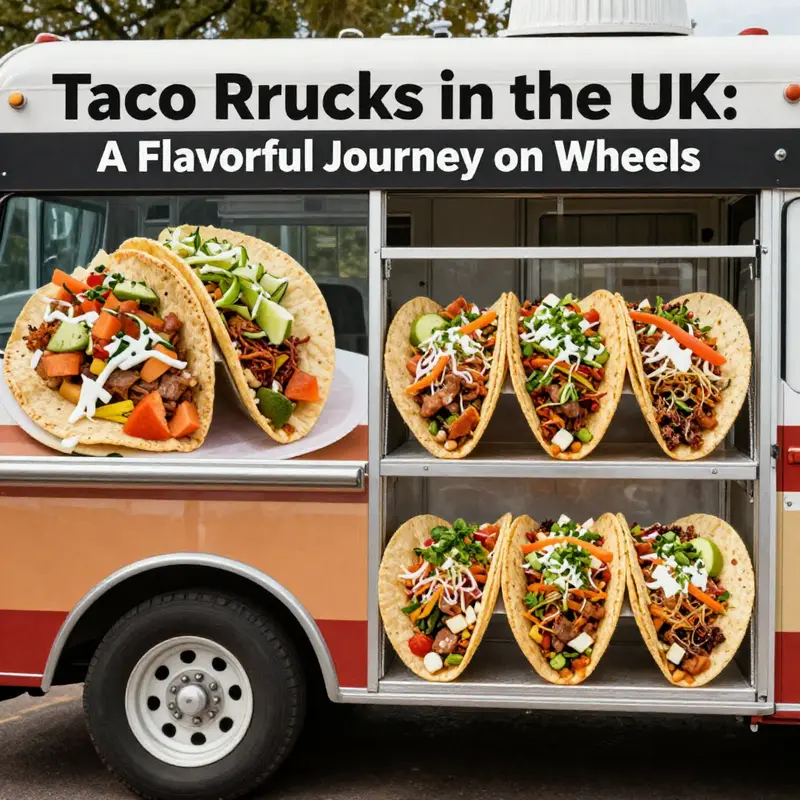
Across the United Kingdom, the sight of a taco truck gliding through a bustling street or pulling up at a market square has become more than a moment of quick hunger. It is a quiet, edible argument about how cities widen their cultural menus and, in the process, redefine local identity. Taco trucks in the UK embody a longer arc of global exchange, a mobile kitchen that travels not just with ingredients but with stories, memories, and aspirations. They arrive in layers of aroma, language, and texture that invite passersby to imagine what Mexican flavors might taste like when they meet the rhythms of urban Britain. This is not merely about convenience food; it is about how street cuisine becomes a site where cultures negotiate difference, celebrate kinship, and experiment with belonging within a shared public space.
If you walk through the markets and food hubs of London, Manchester, Bristol, and Birmingham, you encounter a pattern that looks almost democratic in its spontaneity. Taco trucks appear where people gather—near transit hubs, in business districts during lunch hours, at festivals that seek to capture a city’s evolving palate. They contribute to a street-level texture that complements fixed restaurants by offering rapid, affordable, and highly adaptable options. The trucks function as tiny laboratories where chefs and cooks prototype menus that respond to shifting demographics, weather, and the mood of a street crowd. The result is a culinary continuum in which tradition, modernity, and place are in dialogue with one another rather than competing for the same patch of culinary turf. The merchants behind these trucks often carry with them the histories of families, neighborhoods, or communities that have moved or grown into the UK over time. Their presence on the curbside, at a market stall, or outside a cultural center signals a welcome invitation: taste, conversation, and a shared meal are accessible here.
The cultural impact of these mobile kitchens stretches beyond meals. They become ambassadors in a landscape that is increasingly multicultural and urban. The best taco trucks in the UK do not simply replicate a recipe from a distant homeland; they translate it. They translate not just ingredients but context—how flavors relate to the time of day, the company one keeps at a festival, the way a crowd responds to a new combination, or the comfort that a familiar taco provides when someone is far from home. In this sense, the fusion is less about fusion for fusion’s sake and more about cultural listening. Operators observe what the audience in a particular neighborhood is gravitating toward and then respond with thoughtfulness and curiosity. The result is both a continuous dialogue and a sense of shared ritual around food. A street corner can become a microcosm of how a city negotiates its own evolving identity: respectful of origins, open to new influences, and willing to let the palate guide the conversation.
This is not a one-directional flow. The UK’s taco trucks show how regional tastes and seasonal produce can steer the evolution of a menu. Some vendors weave in locally available ingredients and flavors to complement traditional fillings, creating hybrid dishes that feel familiar yet adventurous. This approach does not erase origins but rather creates new reference points for the public—a dynamic blend that makes the Mexican culinary canon less fixed and more responsive. In practice, this means that a taco might begin with a traditional tortilla and slow-cooked fillings, but the accompanying toppings and salsas reflect what is available nearby or what the neighborhood prefers to eat at that moment. The interplay of technique and local produce can also prompt a broader rethinking of what constitutes a taco in the first place. If a customer in Manchester or Bristol discovers a filling inspired by coastal markets or by a weekend farmers’ market, the experience becomes less about a single recipe and more about a set of encounters: with place, with memory, with a sense of culinary possibility.
The presence of taco trucks also marks a broader pattern in immigrant entrepreneurship and the globalization of cuisine. Many operators arrive with intimate knowledge of Mexican cooking, yet they choose a format—the mobile kitchen—that offers both flexibility and resilience. The portability of the truck lowers barriers to entry, enabling individuals who may be new to the business or who are testing a concept to experiment without the heavier commitments of a permanent storefront. This flexibility matters in urban economies where rents, licensing, and changing foot traffic can alter a small enterprise’s viability overnight. The mobility of tacos, in this sense, mirrors the mobility of communities: people come and go, neighborhoods shift, and food becomes a constant point of connection that travels with the city’s pulse. It is not merely about serving a dish efficiently; it is about providing a space where a diverse audience can sit, share a moment, and learn something about another culture through a single bite.
The cultural dialogue that taco trucks catalyze is neither simplistic nor monolithic. In the UK, the language of street food is already cosmopolitan, shaped by festivals, food courts, and night markets that expose locals to a spectrum of culinary traditions. The taco truck scene adds another layer to that spectrum by foregrounding conversation—about ingredients, techniques, origins, and the processes of adaptation. Operators frequently speak about listening to customers, reading the room, and adjusting a menu in response to what people ask for or refuse. This is not opportunism; it is a form of cultural listening embedded in a business model that relies on repeat customers and word-of-mouth. The consequence is not just a set of popular menu items but a habit of noticing and responding—an everyday practice of cross-cultural exchange that can alter people’s expectations and experiences of street food.
Media attention has helped such scenes reach broader audiences and create legitimacy for street-level culinary innovation. Coverage by major outlets has drawn attention to how taco trucks, rather than displacing local foods, contribute to a more vibrant, plural dining ecosystem. This visibility has a cascading effect: it encourages more young entrepreneurs to test ideas in public spaces, it inspires market organizers to curate events that celebrate cross-cultural cuisine, and it helps establish a sense of pride in communities that see their own flavors represented alongside a broader international repertoire. In turn, the public gains more opportunities to encounter Mexican flavors not as a fixed relic of a single tradition but as a living conversation that evolves in real time with the city’s people, pace, and preferences. The story of these trucks is, in many ways, a story about listening, adaptability, and the creative energy that cities cultivate when diverse communities are invited to speak through food.
From a design perspective, the street becomes an arena of possibility. The curbside, the market stall, the pop-up festival—the common thread is mobility. A taco truck travels not only across geographic space but across social spaces: it moves from casual daytime lunches in business districts to late-night clusters outside music venues, from community markets that celebrate regional produce to international festival stages that showcase global street food. Each setting requires a different stance, a different tempo, and a different balance of speed, flavor, and hospitality. In this way, the UK’s taco trucks function as urban accelerators of cultural exchange, speeding up the process by which people encounter unfamiliar flavors and, crucially, learn to enjoy them in the company of neighbors, colleagues, and friends. The practice of sharing a taco on a curb or at a festival table becomes a micro-rota for a city’s social calendar—a ritual that marks the season, the neighborhood, and the moment of a crowd’s gathering.
For those curious about how sustainability and community responsibility intersect with this street-level cuisine, several operators emphasize responsible practices that align with broader urban ethics. The idea is not simply to serve great food, but to do so in a way that respects the local environment, supports nearby suppliers, and contributes positively to the neighborhoods in which these trucks park. The commitment to sustainability can take many forms, from minimizing waste and choosing eco-friendly packaging to engaging with local producers and supporting grassroots cultural events that bring people together around food. In practice, this means a tacit contract with the city: a promise to be good neighbors, to participate in community conversations, and to contribute to an atmosphere where street food is part of a larger urban experience rather than a standalone act of commerce. It is through these shared commitments that taco trucks deepen their cultural resonance and become enduring features of the cityscape rather than fleeting novelties.
In contemplating the UK’s evolving street-food landscape, one can see how a movement rooted in Mexican culinary tradition travels and grows inside a different climate, drawing on local textures, seasons, and social life. The result is not a simple transplant but a process of translation—an ongoing reimagining that honors origins while embracing change. The pop-up nature of the scene, combined with a steady appetite among urban residents for novelty and quality, fuels a climate where new ideas can reach a broad audience quickly. Festivals with a focus on street food, collaborations with local chefs, and cross-cultural culinary partnerships have amplified the reach of taco trucks, placing them at the heart of conversations about urban food culture. In these spaces, a taco becomes more than nourishment; it becomes a conversation starter, a doorway into another world, and in many places a shared memory that people build together in a fast-moving city that never stops listening to its own appetite.
To explore the broader conversation about sustainable practices and community impact in mobile food contexts, consider the discussion on sustainable-practices-mobile-food-trucks. This resource highlights how street-food operators can balance speed, flavor, and responsibility in tight urban environments, a balance that resonates with the UK’s street-food ethos and contributes to a more thoughtful, inclusive culinary culture. https://pockettacotruck.com/sustainable-practices-mobile-food-trucks
The cultural story of taco trucks in the UK, then, is not simply one of added calories or new options. It is a narrative about how cities learn to share space, acknowledge multiple histories, and welcome the uncertainty and richness that come with cross-cultural culinary exchange. It is a reminder that food, in its most social form, teaches ranges of adaptability, hospitality, and curiosity that can soften boundaries and invite strangers to sit beside one another under the same umbrella of flavor. As media coverage continues to spotlight these mobile kitchens, as more communities host pop-ups and festivals that celebrate street food, and as immigrant entrepreneurs persist in refining their craft, the UK’s taco trucks will likely continue to travel and transform the urban palate. They are, in effect, moving laboratories of culture, flavor, and shared urban life—always local in practice, always global in imagination, and always tasting of the moment when people decide to eat together.
External context about this broader trend can be found in ongoing coverage of the rise of taco trucks on UK streets, including in BBC News. This reporting offers a snapshot of how Mexican flavors have found welcoming ground in British cities and how these mobile kitchens contribute to a more dynamic, inclusive food culture. For a detailed look, you can consult the BBC’s exploration of how taco trucks are reshaping public dining and social spaces: https://www.bbc.co.uk/news/uk-56318420
Economic Aspects of Taco Trucks in the UK: Entrepreneurs and Street Food Scene
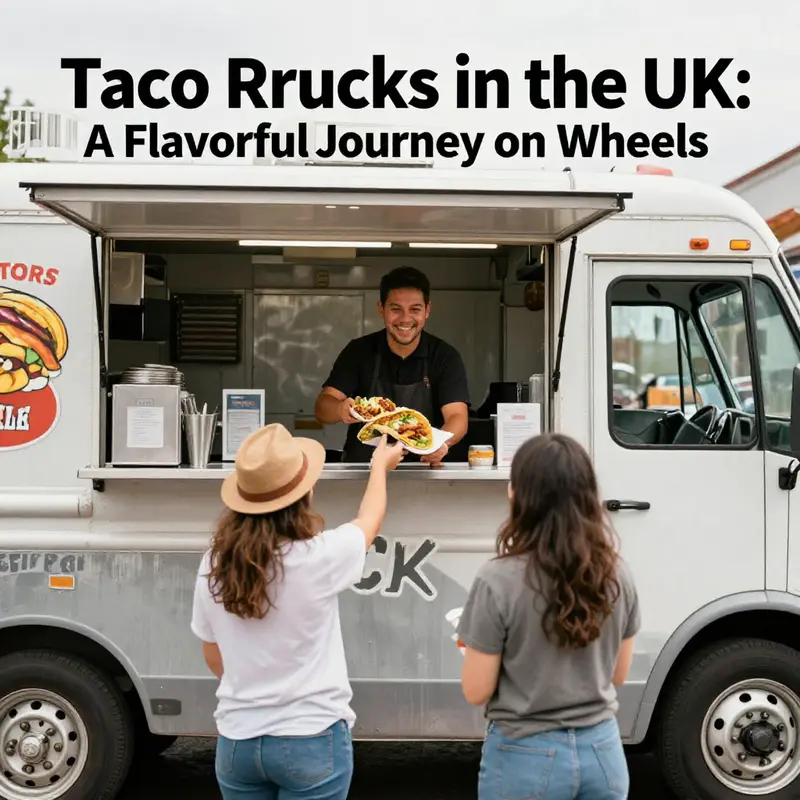
A chorus of sizzling pans and the hum of compact engines has become a recognizable soundtrack across many UK towns and cities. Taco trucks, once a novelty on the edge of the culinary map, have grown into a recognizable facet of the country’s street food landscape. They arrive in clusters at bustling markets, sit in the shadow of office blocks during lunch hours, and reappear at festivals where the crowd expects something more than the usual burrito of predictability. The economic story behind this shift is not merely about taste; it is about how a wave of enterprising individuals has seized a mobile format to build businesses with relatively low entry costs, flexible menus, and the ability to respond quickly to changing consumer preferences. In that sense, the UK taco truck phenomenon is less a single trend and more a convergence of entrepreneurship, urban culture, and the evolving appetite for high quality, affordable food on the move.
The street food scene in the United Kingdom has expanded rapidly in the last decade. Anecdotal evidence and industry commentary point to a market that grows by the week, as new vendors test concepts, press into spaces where footfall is high, and develop niche identities that differentiate them from traditional takeaway options. This growth is not accidental. It reflects a broad consumer appetite for diverse culinary experiences, a willingness to engage with food in public spaces, and a regulatory environment that, while demanding, also accommodates small operators who can navigate permits, insurances, and health codes with a lean team. In this context, taco trucks are well positioned. Their compact footprints and relatively modest initial expenditure make them accessible for aspiring operators who want to enter the market without committing to a full restaurant lease in a crowded urban area. The portability of a taco truck means that a business can pursue opportunities across different neighborhoods and events, testing menus and prices as it learns what resonates with different communities.
The economic logic of the taco truck in the UK rests on several intertwined advantages. For one, the entry barrier is comparatively low. A vehicle adapted for kitchen use, a basic but robust equipment set, and a small staff can form the foundation of a viable operation. This lowers the risk for entrepreneurs who may be entering the food business for the first time or pivoting from another career path. It is a model that invites experimentation. Operators can revise a menu to reflect regional tastes, seasonal ingredients, or the feedback of a specific crowd gathered at a market or festival. And because the footprint of a taco truck is mobile, operators can adjust their location strategy in response to foot traffic, weather, or competing events. The ability to relocate within a city or between towns is not a mere convenience; it is a strategic asset in a market where customer flow can swing dramatically with the calendar and the hour of the day.
This mobility aligns with the broader growth of the UK street food economy. In industry discussions and market analyses, the street food segment is often described as a dynamic, ever-evolving ecosystem. New vendors arrive, while established operators expand or refine their offerings. The weekly cadence of new entries into the market signals both strong demand and favorable conditions for entrepreneurship. For taco trucks, this means that demand for Mexican-inspired flavors—often framed as vibrant, bold, and fresh—finds a receptive audience across a range of urban contexts, from the high-energy bustle of city centers to the more intimate ambiance of neighborhood markets. The flexibility of the format enables operators to calibrate their concept to fit particular locales, whether that involves tweaking spice levels, offering vegetarian options, or harmonizing with local produce seasonality. The result is a culinary economy where a truck can innovate without incurring the fixed overhead that typically accompanies a brick-and-mortar operation.
In discussing the economics of taco trucks, it is important to describe what a typical operation looks like and why it is economically viable. The vehicle itself is designed to be compact and cost-effective, a core factor in managing overheads. The costs of a parked or mobile kitchen are substantially lower than those of a stand-alone restaurant, especially when it comes to rents, long-term leases, and large capital outlays for build-outs. The daily cash flow for a truck is sensitive to location, time, and the ability to maintain consistent quality while controlling waste and labor costs. Because the menu can be relatively focused—taco shells, proteins, toppings, salsas, and perhaps a couple of sides or drinks—the inventory and sourcing process can be streamlined. This streamlining translates to lower waste and improved predictability in procurement, which in turn supports steadier margins even in a market known for price sensitivity.
Additionally, the entrepreneurial trajectory of taco trucks is shaped by agility. A truck operator can concept test a concept in a single market or at a single event and learn quickly what resonates. They can adjust pricing, introduce a new filling, or remove an underperforming item almost in real time. This adaptability is a distinct advantage over more rigid food service models. It also allows operators to respond to shifting consumer preferences in ways that larger, fixed-location restaurants cannot match with the same speed. The same mechanism that enables fast menu adaptation also supports a broader reach; a truck can sample different neighborhoods and audiences without the sunk costs of multiple permanent storefronts. In this light, taco trucks contribute to a broader trend toward diversified, low-risk business models within the UK food economy.
The cultural dimensions of this economic story should not be overlooked. A broader cultural openness to Mexican cuisine—driven by migration, travel, and a general globalization of food culture—creates a fertile ground for taco trucks to thrive. Media coverage from respected outlets has highlighted how a mobile format can nurture authentic tastes while integrating local preferences. The UK experience echoes what is seen in other global urban centers: taco trucks bring not only a meal but a portable culture, a means of social interaction, and a way for cooks to cultivate a following outside the confines of a fixed restaurant. In turn, this cultural vibrancy supports the economics, because loyal customers become repeat buyers and word of mouth becomes a powerful driver of demand in dense urban environments.
Operational realities also shape the economics of these mobile kitchens. Environmental and regulatory considerations add complexity, yet they are manageable with careful planning. Street operations require adherence to food safety standards, vehicle hygiene, and efficient workflow within a compact space. Operators learn to source ingredients with a balance of cost, quality, and consistency, building supplier relationships that support steady production even when demand fluctuates. Accessibility is key; the more places a truck can be seen and stocked with a freshly prepared product, the more likely it is to convert passersby into customers. Markets, pop-up events, and street corners are the natural arenas where taco trucks can translate their culinary promise into reliable revenue streams. In these settings, success hinges on a blend of taste quality, speed of service, customer interaction, and the ability to maintain a visually inviting setup that communicates a clear brand identity in a few seconds of glance.
The social and economic impact of this sector also deserves attention. Small operators who enter the taco truck space often come from diverse backgrounds, bringing with them a mix of culinary traditions and entrepreneurial stories. This diversity contributes to the richness of the street food economy, creating opportunities for community engagement and local collaboration. In many cases, these operators are not simply selling food; they are building networks, mentoring others who seek a foothold in the market, and contributing to the vitality of neighborhoods by drawing footfall that benefits nearby businesses. The economics thus intersects with social value, illustrating how street food can be a catalyst for local economic development and cultural exchange alike. The narrative is not just about profits; it is about how small, nimble businesses contribute to the texture of city life, turning sidewalks into spaces of shared experience and opportunity.
To place this discussion within a wider framework, it is worth noting that the UK street food market has seen a sustained expansion with new vendors and pop-up events contributing to a lively ecosystem. This trend supports the view that niche concepts like taco trucks have a tangible potential to flourish under the right conditions. It is not a guarantee of universal success—competition, fluctuating foot traffic, and the cost of permits can still present challenges—but it does suggest that with a clear concept, tight cost control, and a willingness to engage with local communities, taco trucks can become a stable part of the urban food landscape. The pattern mirrors broader observations about the mobile food economy, where innovation often travels fastest along the axis of mobility and cultural relevance.
For readers who want to explore the practicalities of integrating sustainable practices into mobile food operations, there is valuable literature on how mobile kitchens can balance profitability with environmental responsibility. These resources emphasize that responsible operators think about energy use, waste reduction, and responsible sourcing as extensions of the business plan, not afterthoughts. Integrating such approaches helps strengthen brand reputation, reduce operating costs over time, and appeal to increasingly conscious consumers who value both flavor and stewardship. In this light, the economic appeal of taco trucks is reinforced not only by lower upfront costs and flexible location strategies but also by the prospect of building a business that aligns with broader social values.
To learn more about how sustainable practices can be embedded into mobile food operations, see this focused discussion on sustainable practices for mobile food trucks. Sustainable practices for mobile food trucks. This resource underscores practical steps operators can take—from energy-efficient equipment choices to waste minimization and ethical sourcing—that support both profitability and community trust. The integration of such practices is not a concession to trendiness; it is part of a durable business model that recognizes the social realities of urban space and the expectations of a modern customer base.
As the sector continues to evolve, the conversation around taco trucks in the UK will likely become more nuanced, incorporating data on average earnings, seasonality, and the distribution of opportunities across cities. Even without hard national statistics dedicated to taco trucks alone, the broader story of mobile food entrepreneurship provides a credible lens through which to view this niche. The entrepreneurial energy fueling these trucks feeds into a street-food economy that rewards quick thinking, local engagement, and a willingness to adapt. In the end, the question are there taco trucks in the UK? The answer—yes—covers not only the presence of these mobile kitchens but also the compelling economic logic that sustains them. They are affordable entry points, flexible experiments, and enduring fixtures of a city’s social fabric, offering both livelihoods for their operators and new, flavorful options for diners.
External context that helps frame this discussion points to a growing UK street food market overall, underscoring that the taco truck phenomenon sits within a wider trend of mobile entrepreneurship and culinary diversification. For readers seeking a broader perspective on how the street food economy is evolving in the UK, a broader market analysis highlights ongoing growth, the influx of new vendors, and the evolving consumer demand for pop-up and mobile dining experiences. This external resource provides a complementary view that helps situate the UK taco truck story within the larger trajectory of street food and urban cultural life. https://www.foodbusinessnews.net/articles/2024-07-15-uk-street-food-market-grows-with-new-vendors-and-pop-up-events
From Pavement Permits to Policy Playbooks: Navigating the Regulatory Landscape and Seizing Opportunity for Taco Trucks in the UK
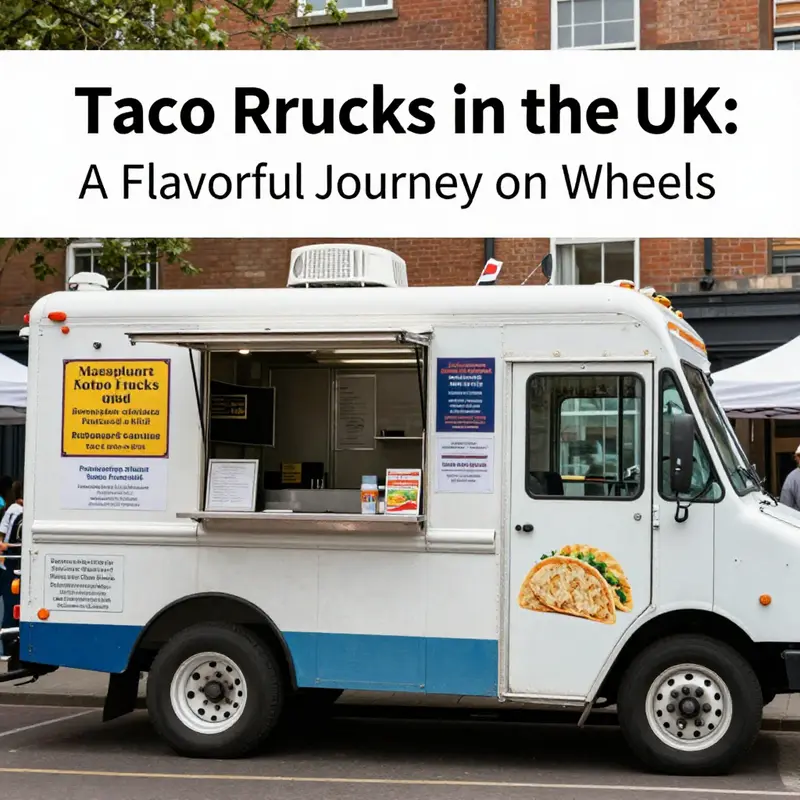
The question are there taco trucks in the UK often elicits a straightforward geographic answer, but the reality behind it runs deeper. In cities like London, Manchester, Birmingham, and Bristol, mobile kitchens have carved out a modest but growing niche in the urban food scene. They are not merely convenient sources of quick meals; they are experiments in mobility, memory, and taste that travel between markets, festivals, business districts, and informal street corners. What makes the landscape fascinating, and occasionally fraught, is the regulatory fabric that coordinates how and where these kitchens operate. The UK does not share a single standardized culture of street vending the way some American cities do, yet the emergence of taco trucks has prompted councils to rethink permit systems, public space use, and health and safety expectations. This chapter traces the regulatory contours that shape taco trucks in the UK, while highlighting the openings these constraints can actually create for a more vibrant, locally grounded street food economy.
Regulatory challenges in this space begin with the fundamentals of legality and oversight. A taco truck operator must navigate several layers of regulation that differ from one city to another. At the core is the requirement to obtain a food business license from the local council. This license is not a mere formality; it is the gateway to compliance with daily operations, including adherence to general food safety standards, the handling of potentially hazardous ingredients, and routine inspections. Beyond the kitchen itself, the operator must also secure permissions to occupy public space if the truck parks on streets, markets, or parks. These permissions are not universal; they hinge on local policy, the time of day, and the density of competing uses in a given area. The practical consequence is that a taco truck’s presence in a busy boulevard or a popular market may be as much about enduring bureaucratic navigation as about the quality of the food on offer.
Health and safety demands compound the licensing process. The guide on food truck ownership from 2026 emphasizes that meeting food hygiene standards is non negotiable. In concrete terms, operators must implement Hazard Analysis and Critical Control Points (HACCP) principles, maintain clean and temperature-controlled preparation and storage areas, and ensure that all staff are trained in basic food safety practices. Waste disposal, grease management, and pest control also fall under the operator’s remit, particularly when the vehicle is trailer-based or parked in densely populated areas with limited waste infrastructure. The overhead of compliance can be substantial, and it has a direct impact on pricing, speed of service, and the ability to experiment with new dishes. It is not surprising that some aspiring taco entrepreneurs lean on existing networks, shared kitchens, or festival opportunities to build a compliant baseline before expanding to street corners and park locations.
A second layer of complexity arises from public space and trading permits. In the UK, occupying a sidewalk, square, or park for a temporary food stand is often governed by a pavement licensing framework or a street trading policy that local authorities implement. These regimes can set hours of operation, size restrictions, and perpetual compliance requirements. The patchwork nature of licensing means a taco truck that operates smoothly in one borough might face unexpected hurdles just a few miles away. This fragmentation mirrors broader debates about urban space—how cities balance pedestrian safety, traffic, and the social value of street food cultures. The result is a ceiling and a floor: a floor of licensing standards that keep food handlers accountable, and a ceiling that, if navigated creatively, can enable taco trucks to reach diverse neighborhoods and event audiences.
The regulatory story also extends to procurement, waste, and environmental health. Operators must demonstrate proper waste segregation and secure a plan for waste removal that aligns with local authority expectations. In a city that is increasingly attentive to cleanliness, air quality, and litter, the ability to manage waste efficiently can influence a truck’s reputation as well as its license renewal prospects. The ecology of a taco truck—where the grease trap, compostable or reusable packaging, and the vehicle’s fuel or power source all matter—often intersects with local sustainability goals. The incentive is clear: operators who invest in responsible practices may find it easier to secure seasonal permits, participate in markets, or join city-led food events that favor clean, well-managed street vendors.
Delivery dynamics add another layer of regulatory tension. The rise of last-mile food delivery has brought attention to mobility and safety in urban transport. A 2025 Zag Daily report highlights three regulatory challenges in London tied to delivery—unlicensed or modified e-bikes, safety concerns, and enforcement complexities. While these concerns primarily involve delivery riders, they reflect a broader trend in which authorities scrutinize how mobility infrastructure interfaces with street vendors, especially in high-traffic areas. For taco trucks, the implication is not solely about the vehicle itself. It is about the ecosystem—where and how a mobile kitchen can position itself, how it adheres to traffic and pedestrian rules, and how it communicates with other actors in the urban environment. In practice, this means operators must stay attuned to the evolving policies around micro-mobility, street occupancy, and the safe integration of food services into crowded cityscapes.
Yet regulation is not an obstacle to be surmounted and forgotten. It is a framework that can, if designed with flexibility and clarity, unlock new possibilities for taco trucks. The most promising opportunities lie in diversifying urban food scenes and enabling small entrepreneurs to participate in the city’s economic life without bearing the overhead of a fixed restaurant. Mobile vendors can test menus, adjust to local tastes, and respond quickly to community needs. In the UK context, this means planners, market organizers, and licensing authorities working together to craft adaptive policies that recognize the value of street-level entrepreneurship. Where the American model has long celebrated a vibrant informal economy built on networks and flexible space, there is now growing interest in translating some of those dynamics into the UK’s regulatory language. The goal is not to erase formality but to facilitate legitimate, well-governed, and socially integrated street food practices.
A crucial element of turning regulatory challenges into opportunities is early and ongoing engagement with local planning departments and the communities served by taco trucks. Zoning and licensing that recognize temporary and semi-permanent street-food hubs—at markets, festivals, or pop-up locations—can give operators predictable pathways to operate. In return, the city gains a more diverse and locally rooted culinary ecosystem, one that is responsive to cultural shifts and neighborhood needs. For operators, such engagement can translate into longer-term stability, predictable operating hours, and access to public spaces that are already designed to support food culture as a form of urban life. The balance is delicate. Too rigid a system risks smothering entrepreneurial energy; too permissive a regime could jeopardize health standards and neighborhood harmony. The best path lies in a calibrated, transparent permitting process that clearly communicates requirements, timelines, and avenues for appeal.
In practice, a taco truck operator navigating the UK’s regulatory landscape tends to cultivate a few core practices that help sustain a compliant and resilient business. First, investing in a robust food safety program and training staff in hygienic handling, cross-contamination prevention, and temperature control is indispensable. Second, maintaining up-to-date licenses, permits, and vehicle documentation reduces the risk of unplanned shutdowns and fines. Third, building relationships with local authorities and market organizers can yield steady opportunities at events and in districts that appreciate the value of street food. Fourth, adopting a forward-looking waste and sustainability plan helps align with municipal environmental goals and can ease interactions with the venue hosts who increasingly impose stricter waste controls. These practices, when combined, turn regulatory compliance from a perceived burden into a competitive advantage by signaling reliability and professionalism to customers who may otherwise be wary of street food vendors.
The operational realities of taco trucks also intersect with broader consumer expectations. London’s food landscape, for instance, values speed, flavor, and the sense of discovery that mobile vendors provide. The Guardian and BBC Food have highlighted how food trucks contribute to a city’s cultural vibrancy, bringing novel combinations to diverse populations. The adaptability of taco truck menus—merging traditional Mexican flavors with regional ingredients or dietary preferences—resonates with local communities while offering a distinct experience compared to fixed-location eateries. This adaptive capacity is not simply culinary; it is regulatory as well. The more credible and well-documented a truck’s compliance story is, the more likely it is to participate in curated markets, collaborate with festivals, and gain access to spaces that might otherwise be closed off to mobile vendors. In this sense, regulation becomes less a gate and more a gateway to a more inclusive, experimental, and community-driven street food economy.
There is a compelling case for policymakers to view taco trucks as partners in urban vitality. A more permissive but still accountable framework can deliver several benefits: it can reduce the reliance on large chain restaurants, help underserved neighborhoods access affordable and diverse meals, and stimulate local small-business ecosystems. The practical mechanics involve clearer application processes, shorter wait times, and predictable pricing for permits. It also means designing schemes that reward compliance and environmental stewardship, rather than simply policing violations after the fact. Innovative approaches could include temporary-use permits for pop-up taco corridors, performance-based licenses that adjust to footfall and event schedules, and shared infrastructure for waste management and food safety monitoring. When communities and vendors co-create these policies, the result is not chaos but a well-orchestrated, dynamic street food environment in which taco trucks can flourish without compromising public health or urban order.
For operators, a proactive stance toward regulation is complemented by a commitment to the social dimension of street food. Markets and events offer not just income but visibility, apprenticeships, and a platform for cultural exchange. A well-run taco truck becomes a small business incubator, a site of culinary experimentation, and a neighborhood fixture. When policy embraces this potential, it also stabilizes the informal economy by bringing it into the formal fold through clear licensing and safety expectations. And for cities, the payoff is a more diverse and resilient food culture, a compelling reason for residents and visitors to spend time in public spaces, and a dynamic urban economy that can adapt to shifting demographics and tastes.
In the end, the regulatory challenges and opportunities for taco trucks in the UK are two sides of the same coin. The rules can appear constraining, but they also create a framework within which a vibrant, locally grounded, and culturally significant street food culture can grow. The prudent path is one of clarity, partnership, and experimentation. Operators benefit when they see regulation as a roadmap rather than a hurdle, and cities prosper when policy makers view street vendors as essential stakeholders in urban life. This is not about replicating the American street-vending model wholesale; it is about translating its spirit of mobility, entrepreneurship, and community engagement into a UK framework that respects public health, urban order, and the city’s evolving identity. The result can be a more inclusive, flavorful, and accessible urban palate, where taco trucks are not just occasional fixtures but regular and welcome participants in the daily life of the city.
To explore a practical example of sustainable practices in the mobile food sector, see the discussion on sustainable practices for mobile food trucks. sustainable practices for mobile food trucks. This resource highlights how operators can integrate environmental considerations into everyday operations, an increasingly important factor in regulatory approval and community acceptance. As cities tighten environmental targets and communities demand cleaner streets, such practices become not only ethically sound but strategically advantageous for securing licenses, negotiating space, and attracting customers who value responsible entrepreneurship.
For readers seeking a broader, external perspective on how delivery and mobility intersect with regulation in a major urban center, a useful overview can be found in coverage of London’s delivery regulation, which underscores the ongoing tension between efficiency, safety, and equitable access to street food spaces. External resource: https://www.zagdaily.com/london-food-delivery-regulation
Final thoughts
The surge of taco trucks in the UK is not just a gastronomic delight but a significant cultural movement. These mobile kitchens offer a tapestry of flavors and experiences, reflecting the rich cultural diversity of modern Britain. From entrepreneurs chasing dreams to communities enjoying convenient and high-quality street food, taco trucks are carving their niche in the culinary landscape. As these vibrant food trucks continue to grow in popularity, they promise to bring even more innovative and delicious options to the streets, making British cuisine more exciting and diverse than ever.