
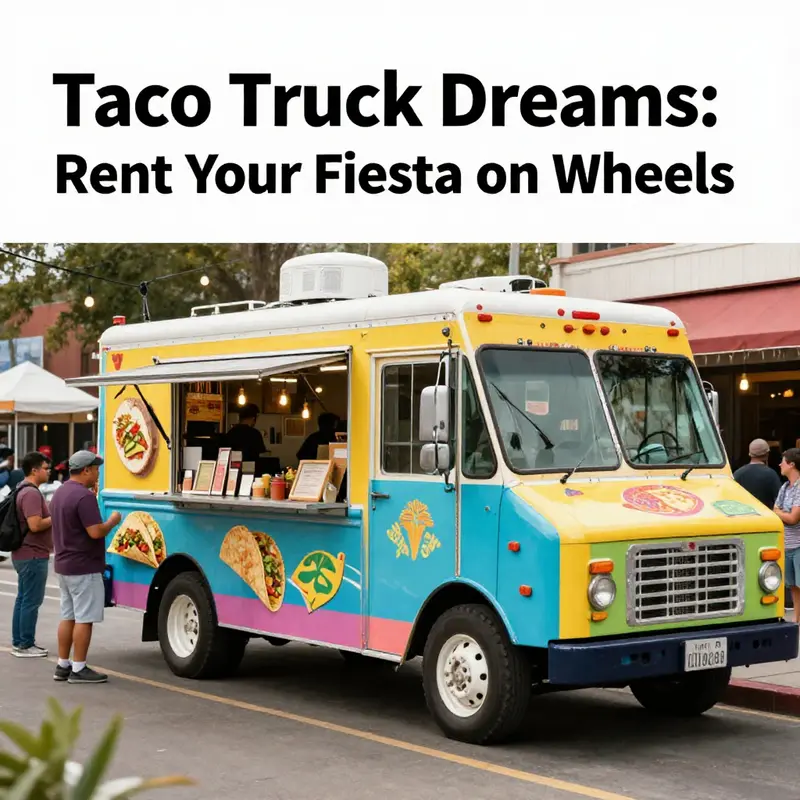
Have you ever dreamed of having a taco truck at your next gathering? Whether you’re planning a wedding, throwing a birthday bash, or organizing a community festival, renting a taco truck can add a unique flair to your event. It’s not just about delicious food; it’s also about the experience. But how does it all work? In this guide, we’ll explore the ins and outs of renting a taco truck, from the perks of having one at your events to understanding the costs involved, selecting the right service, and navigating regulations. By the end, you’ll be well-equipped to make your taco truck dreams a reality.
Rolling Feasts on Wheels: A Practical Guide to Renting a Taco Truck for Events and Festivals
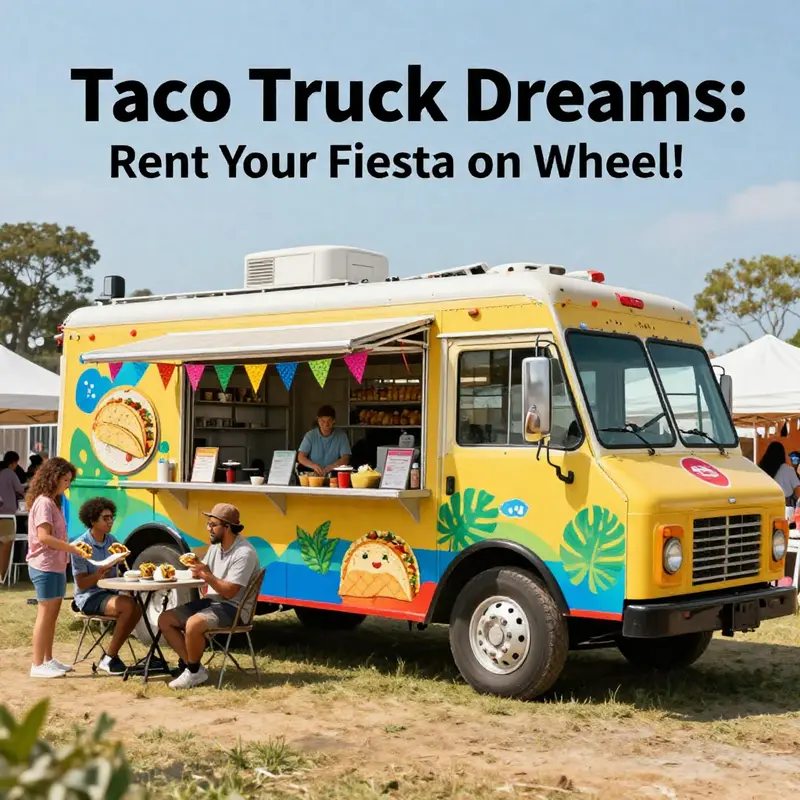
Renting a taco truck isn’t just about swapping a vendor’s cart for a kitchen on wheels; it is about transforming an event into a streamlined, flavorful experience that travels with your guests. When you ask, can you rent a taco truck for events and festivals, the answer is almost always yes, with options that range from bare-bones mobile service to fully staffed, chef-led experiences. The key is to look beyond the gleaming exterior and into how a rental aligns with your event’s pace, space, and audience expectations. In many markets, vendors specialize in the kind of service that events crave: authentic food with speed, consistency, and a touch of theater. A well-chosen taco truck can turn a simple lunch break or festival lull into a memorable moment that echoes through the rest of the day.
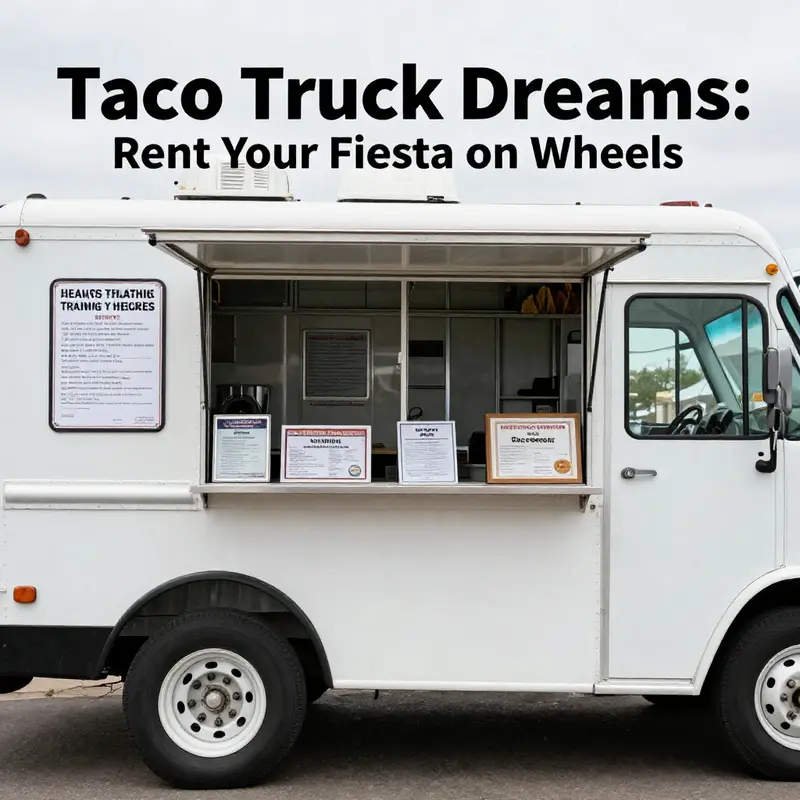
What makes a taco truck suitable for events goes beyond the sizzling soundtrack of grill flames. These mobile kitchens are designed to handle high-volume service while maintaining quality and safety. They typically come with commercial-grade cooking equipment, such as robust grills optimized for quick searing and turnover, and a layout that prioritizes a smooth flow from order to pickup. Refrigeration units keep ingredients at safe temperatures, which is especially important for event menus that feature protein-rich items or fresh toppings that melt away under heat and humidity. The workspace inside is usually generous enough to allow a small team to operate without crowding the dining area, a crucial factor for keeping lines moving during peak moments like lunch rushes or late-night bursts at festivals. The focus on efficiency is not accidental; these trucks are built to perform in urban settings, where space is at a premium and service needs to be fast, consistent, and clean.
Relying on a taco truck for an event also means embracing a model that often includes staffing and menu options. Instead of hiring a separate catering crew and renting a stove or grill trailer, organizers can select a package that comes with trained cooks, cashiers, and sometimes servers who can handle the entire service—from taking orders to delivering finished plates. This turnkey nature helps planners avoid the logistical headaches of coordinating multiple vendors and ensures a cohesive experience for attendees. The menu itself can be customized to reflect the event’s theme, seasonal tastes, or dietary considerations, with options that range from traditional al pastor and carne asada to vegetarian and gluten-free offerings. The result is a dynamic, on-site kitchen that mirrors a full-service catering operation but without the permanence of a brick-and-mortar setup.
From a budgeting perspective, rental pricing varies widely. You’ll encounter a spectrum that starts on the lower end, with basic rental agreements that cover the truck and essential equipment, to higher-end arrangements that include full staffing, premium ingredients, and even specialty sauces or house-made toppings. The price is influenced by several variables: location, the length of the event, the level of service, and the specific equipment needs for your menu. In many markets, you’ll find a baseline around modest daily rates, but the total cost can escalate with on-site staffing, the inclusion of beverages, or extra services like setup and teardown, menu customization, and additional equipment such as generators, tents, or portable sinks. It bears repeating that prices are subject to seasonal demand and local supply, so a fall festival can carry a different price tag than a spring street fair.
For planners who want to compare options without getting overwhelmed, online platforms and local rental marketplaces are useful starting points. You can search for taco-truck rental services and review packages, availability, and client testimonials. These platforms often list the core components of a rental—truck size, cooking capacity, refrigeration, service hours, and whether staff is included—and provide a straightforward way to compare what different vendors offer within your budget. If you need practical benchmarks, consider how the event timeline is structured. A festival with a noon-to-6 pm window may benefit from a crew that can handle a lunch surge and a steady evening stream, while a private party might prioritize a shorter service window and higher attention to plating quality. The alignment between your event schedule and the truck’s service model is everything; it determines speed, consistency, and the guest experience.
To navigate the process smoothly, it helps to think in terms of three core questions. First, what is the event’s scale and flow? Are you anticipating hundreds of guests arriving in waves, or a steady stream over several hours? The more guests you expect, the more critical it becomes to secure a truck with ample cooking space, refrigeration, and staff on hand to prevent bottlenecks. Second, what level of service do you want? Do you prefer a basic setup with the truck handling food preparation and a small crew, or a premium package with full-service teamwork—cooking, plating, and serving guests directly at the pickup station? Third, what about logistics and compliance? Urban events, in particular, often require permits, health department clearances, and proof of insurance from the vendor. A well-managed rental will address these concerns up front, reducing the risk of a last-minute snag that could throw your timeline off course.
When you evaluate vendors, consider the operational realities of the on-site kitchen. A robust event taco truck should be designed for rapid service without sacrificing food safety. Expect a workflow that minimizes cross-contamination risks, with clearly separated prep, cooking, and service areas. A reliable truck also maintains constant temperatures for ingredients and finished products, which is essential during hot days or when service stretches into the evening. The best operators are not just cooks; they are event partners who understand queuing dynamics, guest needs, and the rhythm of a well-paced gathering. They can work with your event manager to design a service lane that minimizes wait times while keeping lines organized and welcoming.
In terms of logistics, there is a practical element that modern events increasingly rely on: mobility paired with predictable reliability. A taco truck brings the kitchen to your venue, but that mobility must be balanced with a plan for parking, power, water supply, and waste management. Some venues provide dedicated parking spaces and power hookups for food trucks, while others require the rental vendor to bring generators or portable power solutions. Water supply, handwashing stations, and waste containment are often part of the package, but you’ll want to confirm these details in the contract. It’s also wise to discuss backup plans in case of weather changes or equipment hiccups. A reputable rental will outline contingency options, such as backup staffing or an alternate service area, so your event can continue with minimal disruption.
From a guest experience standpoint, a taco truck offers a narrative that resonates across cultural and culinary lines. The visual appeal of a well-kept truck, the aroma of grilled meat and fresh toppings, and the interactive nature of live-fire cooking can transform a gathering into a participatory experience. The chef-driven element—appearances at the grill, the choice of toppings delivered fresh, the possibility of spectacular flame-licked finishes—adds a layer of theater that can be particularly appealing at festivals and cultural celebrations. Even for corporate events, the idea of a chef-led, interactive station can create memorable moments, providing not only nourishment but also a conversation around the cuisine and its origins.
To planners who want to build an integrated experience, it helps to think of the taco truck as part of a broader culinary landscape at your event. You can pair it with other food stations, create a cohesive theme around street foods from different regions, or align the truck’s menu with a festival’s cultural focus. Menu customization is a critical lever here. Some operators offer set menus with a handful of protein and topping options, while others will collaborate to design a multi-item menu that aligns with dietary considerations and guest preferences. If your event includes families or a diverse audience, you might request kid-friendly toppings and simple, approachable options that still retain authenticity. When the truck is part of a larger food village, you gain the opportunity to create a cohesive dining experience with rhythm and variety, rather than a scattered assortment of stand-alone offerings.
From the perspective of cost management, it’s wise to build a clear picture of how rental fees translate into value. A lower daily rate may be attractive, but it can come with constraints—limited hours, fewer staffing options, or a smaller menu. A higher package often delivers peace of mind: longer service windows, professional staffing, premium ingredients, and a smoother on-site experience. A transparent contract will spell out all line items, including delivery, setup, service hours, staffing levels, insurance requirements, and any add-ons such as extra staff, beverage options, or dessert stations. As with any event-related decision, the aim is to maximize guest satisfaction while maintaining predictable expenses.
The planning mindset should also contemplate sustainability and practical waste management. A responsible operator will discuss compostable or recyclable service ware, efficient sourcing practices, and minimal waste strategies. If your event has an environmental or community impact dimension, you can coordinate the truck’s approach with broader sustainability goals. For instance, you might pair the taco truck with a separate recycling station, or work with the vendor to minimize single-use plastics and maximize reusable components where feasible. In the larger arc of event planning, these choices communicate values as clearly as any performance or layout decision. They matter to attendees, sponsors, and organizers who care about responsible, community-minded gatherings.
To pull all of these threads together, you don’t have to reinvent the wheel. The process of selecting, booking, and coordinating a taco-truck rental can be streamlined by treating it like a turnkey catering solution rather than a one-off service. Start with a clear vision of your event’s scale, audience, and timeline. Gather a few quotes that cover the essential components—menu flexibility, staffing, equipment needs, and on-site logistics. Compare not just price, but the overall restaurant-on-wheels experience: the truck’s appearance, the staff’s professionalism, and the vendor’s responsiveness. And then, when you’re ready to move from inquiry to booking, lean on the vendor’s experience to anticipate issues before they arise. A capable rental partner will help you draft a service plan that aligns with your event’s schedule, layout, and audience expectations, ensuring a smooth, delicious arc from first bite to final celebration.
For readers who want a practical touchstone on the logistics side, consider exploring a resource that focuses specifically on the parking and mobility aspects of mobile food operations. It can provide insights into how organizers coordinate parking, loading zones, and access to power and water—details that become crucial when you’re bringing a kitchen into a festival footprint. This broader logistical context complements the culinary and service considerations, helping you balance flavor with feasibility as you plan a profitable and memorable event.
As a next step, reflect on your event’s strategic goals—whether you’re aiming to showcase cultural flavors, deliver a high-energy food experience, or simply provide a reliable and efficient catering solution. A taco truck rental can be a powerful accelerant for achieving those goals, offering authenticity, speed, and a touch of spectacle in a single, mobile package. By focusing on the essentials—service levels, menu flexibility, on-site logistics, and a clear cost structure—you can move confidently from inquiry to execution, knowing you’ve selected a partner who can translate your vision into a thriving culinary centerpiece on wheels. And as you plan, remember that the right vendor can be more than a food provider; they can become a collaborative ally in shaping a festival moment that guests remember long after the last bite is finished.
For further reading on the practicalities of event-focused taco-truck rentals and to explore a sample range of packages and terms, you can consult an industry resource that consolidates vendor offerings and event-ready configurations. This external reference provides a useful framework for understanding what to expect from a rental, how packages break down, and how to evaluate vendors against your event’s objectives. https://www.foodtrucks.com/rent-a-taco-truck-for-events
In addition, to ground this discussion in a context that aligns with broader operations and logistics themes discussed in related chapters, you may find it helpful to review one of the industry articles that examines how mobile food units fit into complex event ecosystems and how organizers leverage these units to enhance guest engagement. For a practical, hands-on look at logistics and parking networks that support mobile food operations, consider this related resource: Freight Ninja secured truck parking network, which offers insights into coordinating mobile assets in busy urban environments. You can read more at the following internal reference: Freight Ninja secured truck parking network.
In short, renting a taco truck for events and festivals is a viable, increasingly common option that blends culinary craft with operational efficiency. The key is to approach it as a comprehensive service—one that covers cooking, staffing, logistics, and guest experience—and to partner with a vendor who shares your event’s pace, style, and values. With thoughtful planning and a clear sense of what you want to achieve, a taco-truck rental can elevate your event from memorable to defining, turning a simple food station into a traveling centerpiece that guests will talk about long after the last flame has cooled.
Beyond the Sticker Price: Navigating the Cost Landscape of Renting a Taco Truck
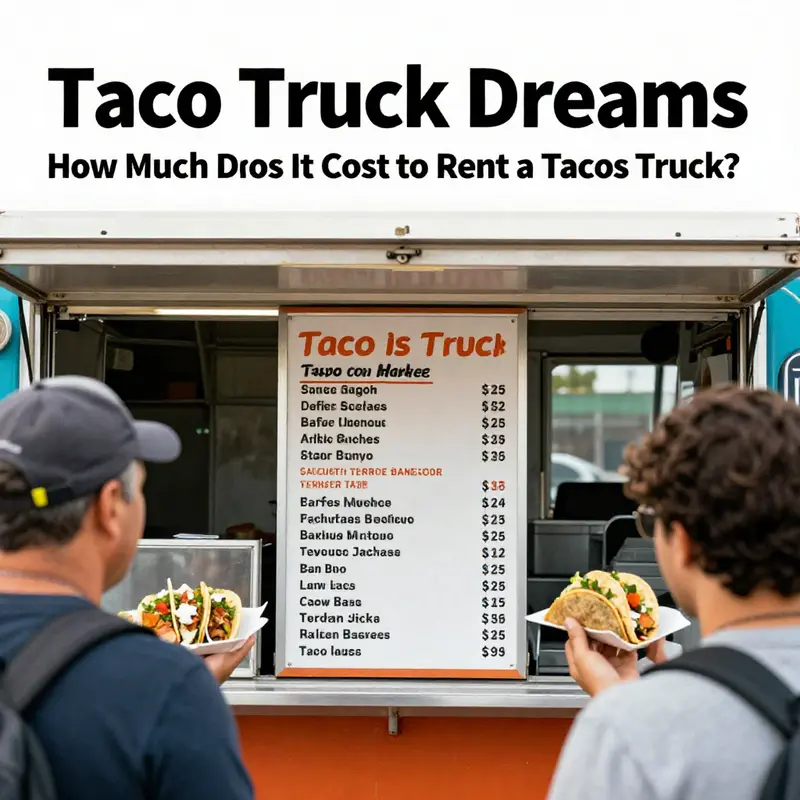
Renting a taco truck is more than a day rate or a splashy concept. It’s a portal into a small, mobile kitchen ecosystem where the base rental sits on top of a chain of practical, often overlapping costs. What looks like a single number on a brochure rapidly multiplies into a structured budget that includes fuel, insurance, permits, maintenance, and the logistics that turn a truck into a working kitchen for events, festivals, or a test run for a new business model. In European markets, particularly urban settings, a used or refurbished taco truck offered for weekly rental tends to cluster in a broad €300–€700 range. The spread is intentional and meaningful: it captures differences in truck size, equipment level, and whether the rental package comes with essential kitchen gear like grills, fryers, and refrigeration. In the United States, day rates can resemble a smaller starting point, yet the total cost for a multi-day engagement climbs quickly as staffing, transport, and service levels rise. These numbers aren’t fixed; they shift with demand, seasonality, and local regulatory environments. The key is to understand the architecture of the price, so you can compare apples to apples and avoid surprises once the invoice lands.
Base rental is the door to the conversation. It typically covers the truck for a defined period, whether that’s a week or a few event days, and it often includes core kitchen hardware and a basic prep area. But the truck is only a shell. Real operation requires fuel, which is a moving target—distance to events, shift count, and how often you roll back to a supply hub all influence the tally. Insurance stands as another line item; it may be bundled with the rental or billed separately, and the premium hinges on coverage limits, the number of drivers, and whether you carry general liability, equipment coverage, and workers’ compensation. Permits are the gatekeeper that keep you in compliance with local health and safety rules; many cities require health permits, fire permits, and vendor licenses, with typical fees ranging from roughly $50 to $200 depending on jurisdiction. Maintenance—regular tweaks, consumables, and the inevitable wear and tear—must be factored in, especially with heavier usage or older equipment. If on-site power and water are non-negotiable for your menu, you’ll also budget for generators, fuel, extension cables, hoses, and possibly plumbing rentals. Some rental packages are pre-packaged with these logistics in mind, delivering a turnkey experience that includes staff, a pre-set menu, and on-site management. When you’re evaluating options for a festival or a high-volume event, this consolidated service can translate into reliability, speed, and a consistent guest experience that justifies a higher price tag.
The reality of cost is not a single line item but an evolving envelope that varies by region and demand. In a Dublin-like market, weekly rental bands often land around €300–€700, with the lower end reflecting basic equipment and shorter engagements, and the higher end representing newer trucks, heavier equipment, and additional services. Translating that into practical budgeting means recognizing the base spend that underwrites everything that follows: fuel, insurance, permits, and maintenance. Fuel consumption scales with miles traveled and event density, especially in crowded urban venues where shifts may be longer but distances shorter. Insurance premiums may shift when you add more drivers or require higher liability limits, and even if permits aren’t needed every week, new events mean new permit cycles and possible renewal costs. Maintenance costs tend to be steadier, but they creep into the figures more quickly when you push a truck through a busy calendar. For someone planning a one-off or a low-key pop-up, the lean, equipment-only rental minimizes overhead while providing the essential stage for cooking and service. For organizers chasing a higher throughput, a turnkey package often makes sense, marrying staffing, menu coordination, and on-site management with predictable service times that reduce the risk of bottlenecks and the anxiety of scrambling for additional resources mid-event.
The budgeting challenge mirrors the culinary one: what goes on the plate is only one part of the meal. Operational budgets for a taco truck extend well beyond the base rental. Daily cleaning supplies, disposable service ware, gloves, hand sanitizers, and cleaning chemicals add up; if you’re serving large crowds, you’ll need an inventory plan for tortillas, proteins, vegetables, sauces, garnishes, and garnishes that keeps food safe and presentations consistent. A robust plan also anticipates waste management. Food trucks generate fryer oil, produce trimmings, and packaging waste, and many organizers valorize sustainable practices that can reduce disposal costs and align with event partners’ values. Staffing, of course, tends to be the largest variable after the base rental. Wages for cooks, line staff, and a lead server or cashier can equal or exceed the base rental in more competitive markets, especially if you’re running multiple shifts or require on-site coordination and customer service excellence. With all these factors, the most important compass is clarity: know what you’re buying with the rental and what you’re responsible for on the back end. Clarity informs cash flow forecasts, strengthens negotiation positions, and protects you from post-event budget shocks.
For anyone building toward a decision, a practical approach helps translate numbers into actionable choices. First, collect at least three quotes that specify inclusions and exclusions. Ask what is included in the base rate and what triggers additional charges—fuel, staff, transport, service charges, or equipment upgrades. Second, request a sample event plan from the vendor that outlines cooking times, pacing, and expected throughput. A realistic plan reveals how many staff are needed and whether the kitchen layout will support efficient service or require on-site improvisation. Third, insist on a written health and safety plan that covers food handling, temperature control, and cleaning schedules. Fourth, verify insurance coverage and liability limits; confirm who is responsible for equipment damage or loss. Fifth, map your event ecosystem—venues, power sources, water access, and waste disposal—and ensure the truck’s equipment and capacity align with your guest count and menu complexity. This alignment minimizes the risk of bottlenecks and the chance that you’ll run into shortages or service delays during peak times.
There is a broader value to renting that often deserves emphasis. A professionally managed taco truck rental delivers more than a vehicle to transport a kitchen; it offers trained staff, a consistent supply chain, and a framework for producing predictable results under pressure. The sense of reliability reduces stress for organizers and helps ensure guests experience high-quality food with smooth, timely service. If your ambition is to run consistent pop-ups or test a new culinary concept within a defined window, the financial calculus can justify both the flexibility of renting and the risk management it enables. For those who want to explore sustainable operations alongside budgeting, there is a resource on sustainable practices for mobile food trucks that can broaden your understanding of waste, energy use, and sourcing while keeping costs in check. This perspective complements the budgeting discussion by offering a lens on long-term efficiency and environmental stewardship. See also how digital platforms and community networks are shaping the ability to park, stage, and manage mobile food operations in more predictable ways, which can help you plan for days with higher demand.
If you want to ground these considerations in a concrete reference point, you can explore a Dublin-based example for weekly pricing and package options. Such real-world figures provide a baseline for what a typical rental could look like in a comparable market and can help you calibrate expectations as you compare quotes from different providers and regions. For a broader understanding of how the industry is evolving, and to connect budgeting with practical sustainability, consider reviewing the related article on sustainable practices for mobile food trucks linked above. It complements the core budgeting discussion by highlighting efficiency, compliance, and responsible operations that matter as you scale. And for those who want a broader, external reference on regional rental economics and vehicle availability, a practical resource on truck rental practices in Dublin offers a sense of the market dynamics, the range of options, and the typical terms you’ll encounter when negotiating a contract for a mobile kitchen on wheels.
External reference for budgeting and region-specific pricing: https://www.dublinpickuptrucks.ie/
Rolling Kitchens on a Budget: A Thorough Guide to Renting a Taco Truck for Events and Mobile Ventures
When a crowd gathers for a festival, a wedding, or a neighborhood tasting, a taco truck can be the heartbeat of the event. It’s more than a food station; it’s a moving experience that adds flavor, atmosphere, and a dash of spectacle. Renting a taco truck makes sense for one‑off celebrations and for entrepreneurs testing a mobile food concept without the upfront cost of buying a vehicle and outfitting a commercial kitchen. Yet the decision to rent should rest on careful checks, not only on price. A well-chosen rental aligns with your venue, your food safety standards, and your guests’ expectations. It also lays down a reliable framework for the days you might spend chasing permits, arranging staffing, and coordinating logistics. The path to a successful rental begins with clarity about needs and ends with a service that behaves like a partner, not just a vehicle that happens to cook. Along the way, you’ll consider legality, machinery quality, service depth, reputational signal, and transparent pricing. Each factor matters because a rental is a commitment that extends beyond the moment of service. It shapes your event’s mood, your brand’s impression, and, for would‑be mobile operators, the early feasibility of a broader venture.
First, legality is the quiet backbone of any rental. Before you test a truck’s burners or puff of steam, verify that the rental provider holds the required licenses and insurance. A reputable operation should present proof of a valid business license and a mobile food vendor permit. They should also carry commercial auto insurance that covers the vehicle and its contents, plus liability insurance with a robust minimum coverage. It is not enough to assume everything will be fine because the truck looks clean or the menu sounds appealing. Compliance matters because venues can require documents, and events can bring out the complexity of local health rules, parking, and crowd safety. When in doubt, ask for a copy of the vendor’s policy and a contact person who can vouch for coverage during the exact dates you’ve reserved.
From there, the condition of the truck itself becomes the next important chapter. The interior kitchen should be clean and well maintained, with cooking equipment that is functional and compliant with safety standards. Look for a reliable ventilation system, adequate flame protection, and a clean refrigeration setup that maintains safe temperatures. Check the water supply, waste disposal arrangements, and the availability of essential utilities such as power sources—whether a generator or shore power—and climate control features like air conditioning or heat. If the rental agreement allows, request access to recent maintenance logs or inspection reports. A well‑kept vehicle not only reduces the risk of downtime but also speaks to the operator’s professional approach. Faults, leaks, or questionable wiring aren’t just headaches; they are potential safety hazards that can imperil an event and erode trust.
The third thread to pull is the breadth and flexibility of the service itself. Rentals vary widely in what they include. Some packages are purely a vehicle with a basic setup, while others offer full culinary staffing, menu design, and pre‑stocked ingredients. Consider whether you need a turnkey experience or a more hands‑on arrangement where you handle the menu and staffing. Menu customization can be a powerful differentiator; it allows you to tailor flavors to a theme or dietary needs, but it also adds complexity. Confirm what stays on site and what travels with the truck, including a list of ingredients, equipment, and any specialized utensils. Delivery, on‑site setup, and breakdown are also practical litmus tests. If you’re planning a multi‑hour service, ask about additional staff, food safety oversight, and how the team manages line flow, hot holding, and service timing. Some operators may offer branding options like customized wraps or signage, which can elevate a guest experience and create a cohesive event aesthetic. Consider whether such branding aligns with your budget and venue restrictions.
Reputation, too, matters. In the absence of a transparent experience, a company might promise the moon but deliver only a portion of it. Run a search beyond the company’s own website. Read independent reviews on multiple platforms. Pay attention to consistency in delivery and setup times, the responsiveness of customer service, the cleanliness and functionality of the truck, and any recurrence of food safety concerns or equipment issues in past events. Reviews aren’t perfect evidence, but aggregated feedback from diverse sources can illuminate patterns a promotional page cannot. When you spot red flags—missed arrivals, persistent complaints about cleanliness, or repeated requests for unreasonable last‑minute changes—treat them as signals to probe deeper or to steer toward a different option. If possible, ask for references or speak with past clients to learn about what went smoothly and what could have been better. A reliable rental should stand up to scrutiny and feel accountable in its communications as much as in its equipment.
Pricing is the financial backbone of the decision. Transparent, itemized quotes prevent budget surprises and disputes down the line. Seek a clear breakdown of all charges: the daily or hourly rental rate, any deposits, cleaning and sanitation fees, fuel or utility surcharges, insurance add‑ons, and potential overtime fees. Some providers advertise a low upfront rate but pin you with a cluster of hidden costs for services you actually need. Conversely, a slightly higher base rate can still be cost‑efficient if it includes essential services—staffing, prep, and a robust quantity of consumables. As you compare, keep in mind the total cost of ownership for the rental period. For an event with limited hours, a self‑serve model might suffice; for a larger scale event or a trial run for a future business, a full‑service option could prove more economical when you weigh time saved and risk reduction.
In the context of a one‑time event, many planners discover the biggest return comes from proper planning rather than from chasing the cheapest option. Consider a short test run—perhaps a weekend festival or a community gathering—to gauge how the truck performs, how the staff manages the line and pace, and how your guests respond to the service. A trial minimizes the risk of overcommitting to a model that may not scale up well to other venues or larger crowds. This approach also helps you evaluate logistics—parking, access, and the ease of moving from one site to another—before committing to a longer rental or a future mobile venture. A robust plan should include a clear route for the truck’s arrival, a designated unloading area, and a rehearsal period for setting up and breaking down equipment. If the event requires power needs beyond standard hookups, coordinate with the rental provider about generator capacity, noise restrictions, and fuel logistics to keep sleepable budgets in check and the kitchen humming smoothly.
Logistics are a quiet but essential part of renting. Parking and access can become critical pain points if the venue has tight streets, loading zones with time limits, or a curfew. A thoughtful plan considers not just the truck but the entire dance of the night: where the guests will queue, where the sauce stations will sit, how the trash and grease will be collected, and how staff will move between the truck and the service line without creating bottlenecks. For operators who have a broader aim—testing a mobile concept, or building a brand around a fleet—logistics also include the possibility of multiple sites or pop‑ups. In those cases, you may look for a partner that can scale with your ambitions, offering not only the truck but a network of parking and support services. A resource like the Freight Ninja secured truck parking network can be a practical touchpoint in planning, helping you align parking, safety, and movement across locations. This kind of logistical backbone can transform a rental from a good idea into a reliably executed experience. If you incorporate such resources, state early how parking will be managed, how power will be supplied, and what contingency plans exist for weather or traffic disruptions. The best rentals act as a single, coordinated system rather than a loose collection of equipment and an afterthought schedule.
With all these considerations in mind, the decision to rent becomes more than a price comparison. It becomes a composite judgment about safety, service reliability, and the opportunity to create a memorable dining moment. If the rental checks the boxes on compliance, maintenance, service depth, and transparent pricing, you gain a partner who can anticipate needs, communicate clearly, and adapt when plans shift. If a provider cannot convincingly demonstrate a track record of cleanliness, on‑time arrivals, and responsive support, it’s prudent to walk away and explore the alternatives. The event or venture you’re planning deserves a kitchen that travels with confidence and a team that acts like an extension of your own. When the right truck is paired with the right people, guests enjoy piping hot handheld meals, the line moves smoothly, and your branding message lands with clarity. You can then shift attention from scrambling to serve to focusing on the guest experience—the moment when a warm tortilla, a vibrant topping, and a friendly service staff turn a simple meal into a shared celebration.
As you finalize a rental decision, keep your objectives in view. Are you planning a one‑off celebration that needs a festive, high‑energy presence? Are you testing a concept for a mobile food business and seeking evidence of demand and operational feasibility? Each goal points you toward slightly different configurations of truck, crew, and menu. In either case, the guiding principle remains: choose a partner who minimizes risk while maximizing control and enjoyment. The best rental experience feels instinctively right—the kind of fit that makes you forget you’re managing logistics and instead allows you to focus on the people you’re serving. By approaching the selection through the lenses of legality, condition, service depth, reputation, and transparent pricing, you bring yourself to a space where a taco truck rental feels less like a gamble and more like a well‑orchestrated extension of your event or concept. And when that harmony comes together, your taco truck isn’t just a vehicle with good food; it’s a moving stage on which your guests enjoy the drama and warmth of a flavor‑driven moment. For ongoing reading on how such logistics intertwine with broader mobility solutions, you can explore related resources that address parking networks and big‑picture planning for mobile operations.
For readers seeking formal regulatory context while planning, a reliable resource is the California Department of Public Health’s Mobile Food Facility Regulations. These guidelines illuminate licensing, sanitation, and inspection considerations essential to lawful operation and safe food handling. https://www.cdph.ca.gov/Programs/CFR/Pages/Mobile-Food-Facility.aspx
null
null
Final thoughts
Renting a taco truck offers a unique way to elevate your events with excellent food and an engaging atmosphere. From festivals to private parties, the joy of fresh tacos served right at your venue is unparalleled. With a clear understanding of costs, how to choose the right service, and the necessary permits, you’re now ready to embark on your taco truck journey. Embrace the fun, flavor, and festivity that taco trucks can bring to your gatherings!