
Introduction
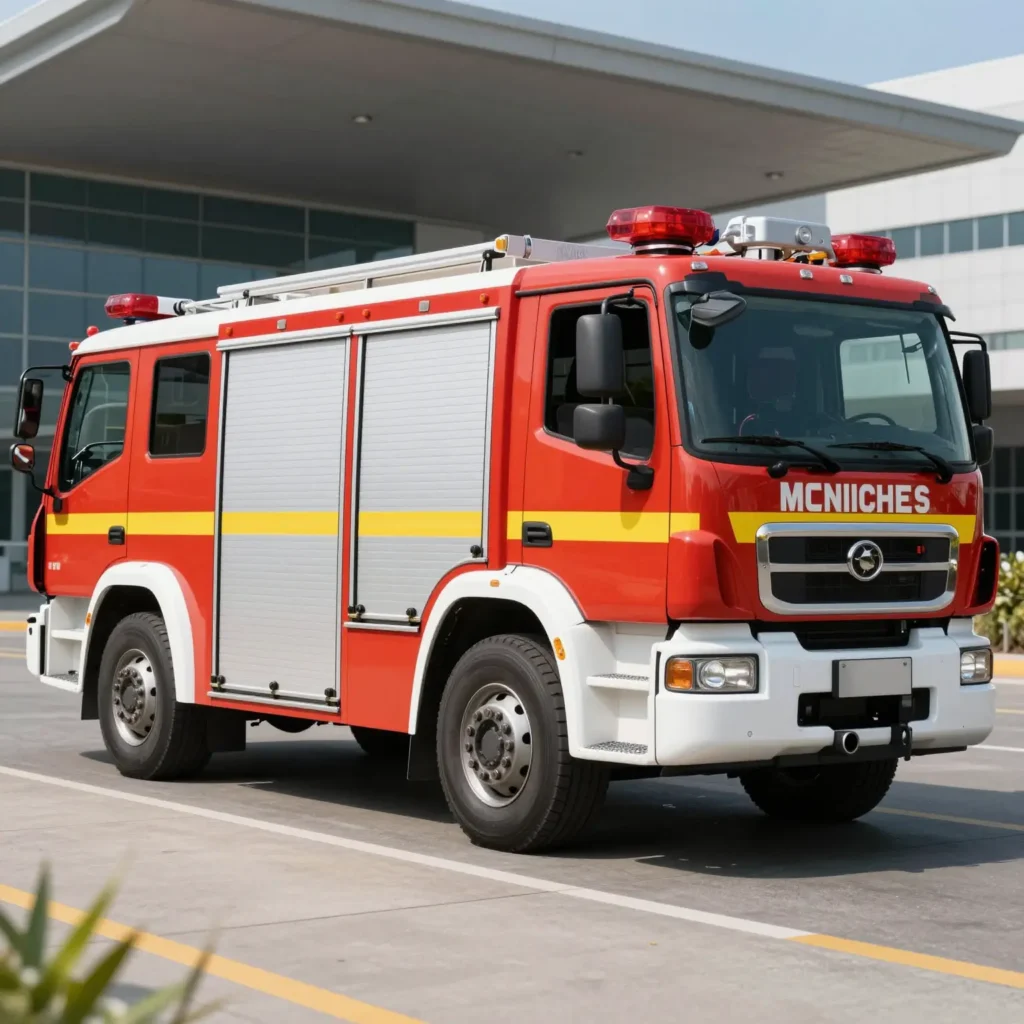
Imagine a fire response unit that combines the speed of an airport fire truck with the versatility needed for municipal firefighting. Airport fire trucks, typically designed for rapid emergency response on runways, are now proving to be invaluable assets for local firefighting services. With their high-capacity water tanks, advanced firefighting technology, and robust build designed to withstand extreme conditions, these trucks offer unique advantages that can significantly enhance the capabilities of municipal fire departments.
Many business owners might not realize the innovative potential these aircraft rescue firefighting (ARFF) vehicles bring to urban firefighting. These specialized trucks aren’t just about speed; they also pack advanced firefighting systems that can tackle various emergencies, from industrial blazes to hazardous material incidents. Furthermore, with the escalating challenges posed by climate change and urban development, municipalities are constantly seeking efficient solutions to ensure public safety. By integrating airport fire trucks into their fleets, cities can leverage cutting-edge technology to reduce response times and improve overall firefighting effectiveness.
This article will delve into the operational advantages of utilizing airport fire trucks in municipal settings, exploring how they can contribute to more effective fire suppression, adaptability during emergencies, and enhanced safety for both firefighters and communities. Let’s unlock the potential of these powerful vehicles and understand why they should be a consideration for modern urban firefighting strategies. To learn more about the capabilities of these vehicles, check out our selection of fire-fighting trucks and ARFF units.
Comparison of Airport Fire Trucks and Standard Municipal Fire Trucks
Firefighting is a critical service, but the equipment used varies based on the operational environment. This article highlights the key features, advantages, and disadvantages of airport fire trucks compared to standard municipal fire trucks.
Key Features
| Feature | Airport Fire Trucks | Municipal Fire Trucks |
|---|---|---|
| Water Capacity | Typically 3,000 to 6,000 liters | Usually around 1,500 to 3,000 liters |
| Foam Systems | High-capacity foam systems for aviation fuel fires | Basic foam systems, if any |
| Speed | Designed for rapid acceleration on runways | Slower due to urban road conditions |
| Off-road Capability | Often built for rugged terrain | Primarily designed for paved roads |
| Advanced Features | Rotating water cannons, remote-operated monitors | Standard hoses and equipment |
Advantages and Disadvantages
Advantages of Airport Fire Trucks:
- Specialized Equipment: Equipped for handling aviation-specific incidents, providing superior foam-based extinguishing systems.
- High Speed: Capable of quick responses essential for emergencies at airports.
- Advanced Technology: Often include enhanced visibility and off-road capabilities.
Disadvantages of Airport Fire Trucks:
- Cost: Generally more expensive than standard municipal fire trucks due to specialized features.
- Maintenance Complexity: More advanced systems may require specialized training for maintenance.
Advantages of Municipal Fire Trucks:
- Affordability: Typically less expensive and more widely available than airport fire trucks.
- Standard Equipment: Sufficient for urban firefighting tasks, making them more versatile for residential incidents.
Disadvantages of Municipal Fire Trucks:
- Limited Specialized Features: May lack the advanced systems necessary for high-risk incidents involving aviation.
- Slower Response: Generally not optimized for rapid situation handling like airport fire trucks.
For those considering purchasing or utilizing fire trucks for various firefighting needs, understanding these differences is essential. Explore more about airport fire trucks and check options for municipal fire trucks.
Advantages of Using Airport Fire Trucks in Municipalities
Airport fire trucks (ARFF) are specifically designed for rapid response to emergencies, particularly aircraft incidents. However, their unique features have proven to be highly beneficial when deployed in municipal firefighting scenarios. Here are some key advantages of utilizing airport fire trucks for municipal fire services:
Enhanced Speed
One of the most notable advantages is the speed at which airport fire trucks can respond to emergencies. These vehicles are engineered for quick acceleration and maneuverability, often capable of reaching the scene of a fire within 2 to 5 minutes, compared to standard municipal fire trucks, which may take 5 to 10 minutes. This rapid response can be critical in situations where every second counts, significantly increasing the chances of effectively controlling a fire before it spreads.
Increased Water Capacity
Airport fire trucks typically feature a larger water tank capacity-ranging from 1,500 to 3,000 liters-allowing them to deliver a more substantial amount of water to the fire scene. In contrast, conventional municipal fire trucks generally hold between 1,000 to 2,500 liters. This higher capacity is especially useful for municipal fire services dealing with large-scale fires or industrial incidents, where sustained water delivery is crucial.
Advanced Technology
The technology integrated into airport fire trucks significantly enhances their firefighting capabilities. These vehicles often come equipped with advanced firefighting systems, including foam dispensers, high-pressure nozzles, and thermal imaging technology, which provide firefighters with critical information about fire conditions. Municipal fire trucks may not have similar features, relying instead on traditional firefighting tools and techniques. The specialized technology aboard airport fire trucks allows for more precise and effective firefighting efforts, which can be vital in urban settings that experience hazardous incidents.
Versatility in Urban Environments
Airport fire trucks are designed for navigating tight spaces, making them versatile for urban firefighting. Their compact size and agile design enable them to maneuver through traffic and respond to emergencies in densely populated areas, where conventional fire trucks may struggle. This functionality extends the utility of airport fire trucks beyond the airport environment, proving advantageous for municipal fire departments.
In summary, the deployment of airport fire trucks within municipal fire services offers numerous benefits, including enhanced speed, greater water capacity, advanced technology, and improved maneuverability. By incorporating these specialized vehicles into their fleet, municipalities can bolster their firefighting capabilities and ultimately enhance public safety.
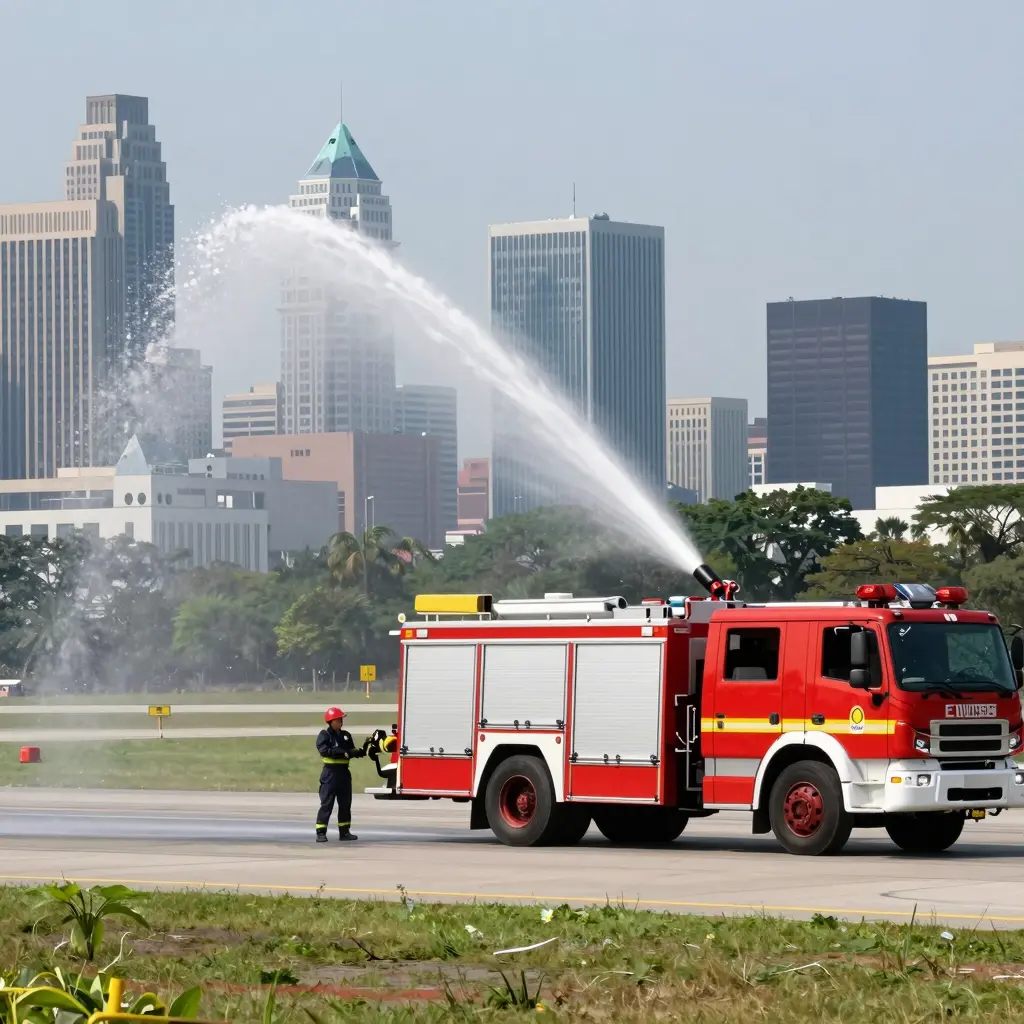
For more information on airport fire trucks, explore our selection.
To see a comparison of various fire truck types, click here.
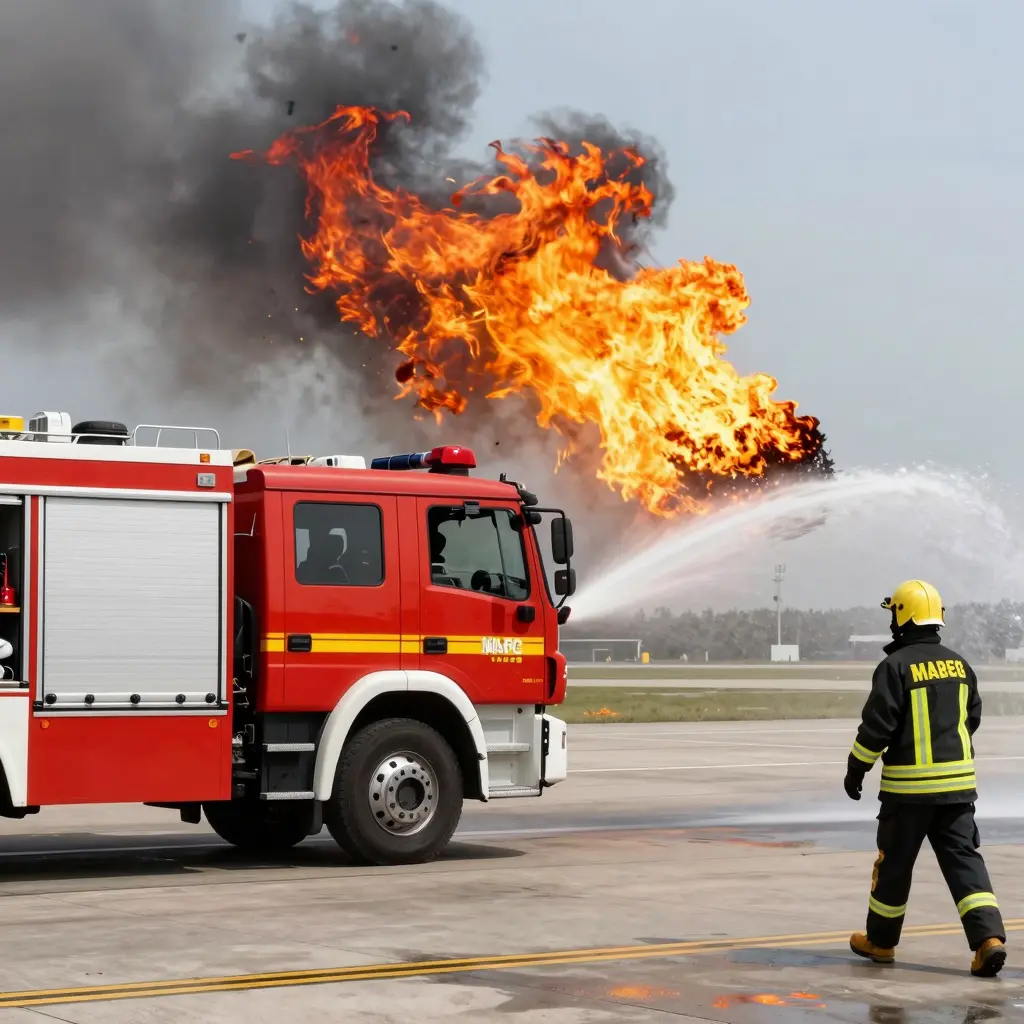
Advanced Technology in Airport Fire Trucks and Its Benefits for Municipal Firefighting
Airport fire trucks are equipped with cutting-edge technology designed to handle the demanding environments typical of aviation emergencies. These advanced features not only optimize the performance of these vehicles in airports but can also bring significant advantages to municipal firefighting operations. Here’s a closer look at the technology and its implications for other firefighting contexts.
Key Technologies in Airport Fire Trucks
-
High-Volume Water and Foam Systems: Airport fire trucks are designed to carry substantial amounts of water and various foams to combat aircraft fires, where flames can spread quickly. For instance, some trucks can deliver over 1,500 gallons per minute, facilitating rapid extinguishment of intense fires, which is crucial during aviation emergencies. This capacity can also be beneficial for municipal fires, where time is of the essence.
-
Specialized Fire Suppression Agents: Unlike standard municipal vehicles, airport fire trucks can use various suppression agents, including dry chemical foams and biodegradable options. Integrating these agents into municipal operations can enhance the versatility and effectiveness of firefighting strategies in urban settings, particularly for complex fire scenarios involving hazardous materials.
-
Rapid Response Features: Airport fire trucks are designed for swift deployment, often equipped with advanced navigation systems and communication technology to ensure that they can respond quickly to incidents. This fast response capability is pivotal for municipal services as well, where traffic congestion and urban architecture can delay traditional fire trucks. Incorporating such technology may improve response times and coordination during emergencies in cities.
-
Robust Structural Design: The unique design of airport fire trucks includes high ground clearance and all-terrain capabilities, making them effective in various conditions. Municipal firefighting units could benefit by adopting similar designs that accommodate a wider range of urban environments, including flood-prone areas or rugged terrains.
Benefits for Municipal Firefighting
By leveraging the technology found in airport fire trucks, municipal fire departments can significantly improve their operational efficiency. Advanced firefighting technology can lead to:
- Enhanced Training and Tactics: Municipal departments can learn from airport firefighting strategies, adapting techniques that prove successful in aviation contexts to urban scenarios.
- Integration of Smart Technologies: As noted in reports, airport fire trucks often implement hybrid or electric models, which can influence municipal firefighting fleets aiming for sustainable solutions. Learn more about these fire truck innovations here.
In conclusion, the advanced technologies in airport fire trucks offer invaluable insights and benefits applicable to municipal firefighting operations. By embracing these innovations, fire service professionals can enhance their response capabilities and ensure the safety of the communities they serve.
Using airport fire trucks for municipal firefighting presents a strategic approach to enhancing local fire response capabilities. As Fire Rescue Truck notes, “Airport Rescue Fire Fighting Trucks (ARFF trucks) are crucial during emergencies, providing operational capabilities that maximize firefighter safety and efficiency. Their quick response features and specialized equipment tailored for high-risk incidents make them invaluable in municipal applications.” The effectiveness of these vehicles is further underscored by their design, which incorporates high-speed capabilities and large tank sizes to quickly address urgent fire incidents.
In addition, airport fire trucks are equipped with advanced firefighting technology that makes them versatile for various situations, proving that their utility extends beyond airport boundaries. Notably, their unique specifications allow effective engagement with fires caused by volatile materials, an increasingly common scenario in urban settings.
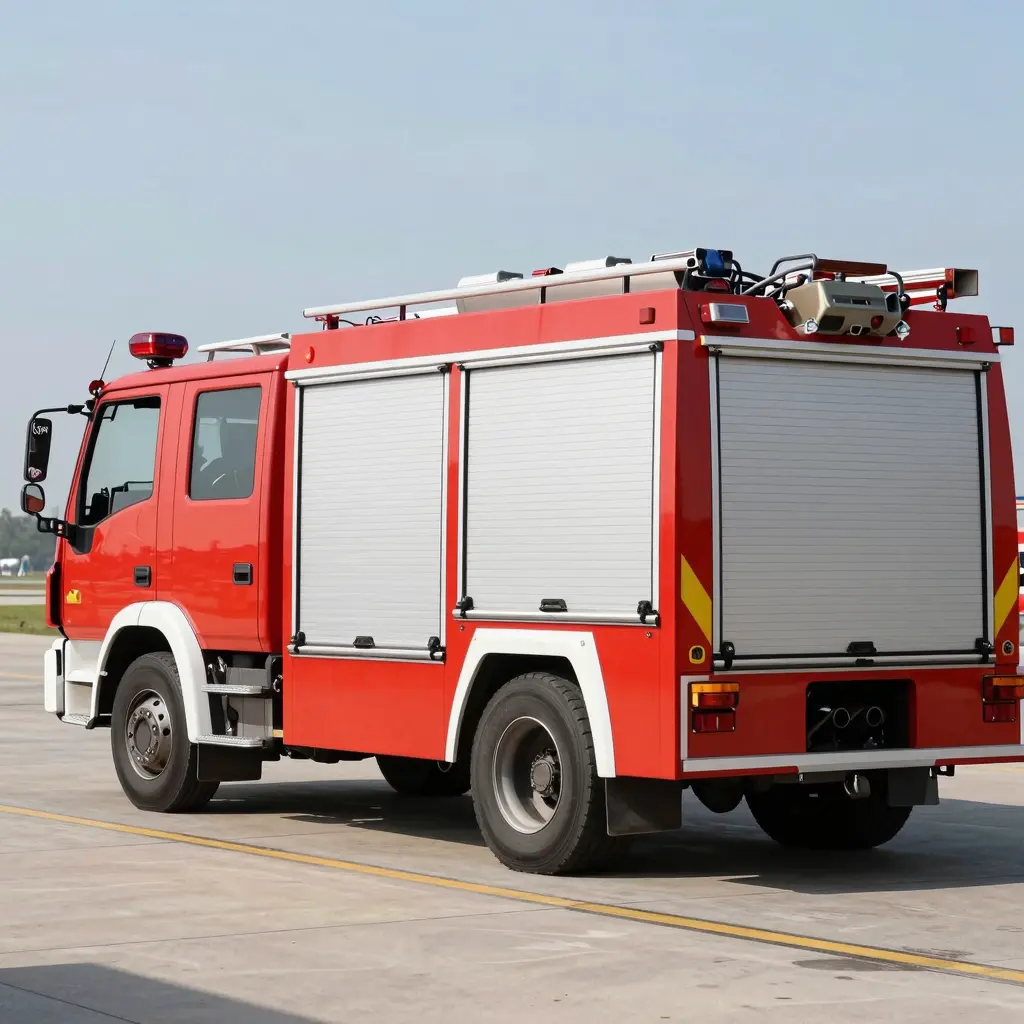
User Adoption Data: Municipalities Using Airport Fire Trucks
As municipalities increasingly recognize the unique capabilities of airport fire trucks, we’ve seen a growing trend in their adoption for local firefighting services. These specialized vehicles, designed for aeronautical emergencies, are becoming an invaluable resource in urban environments, particularly in areas prone to large-scale fires or hazardous material incidents.
Adoption Statistics
Recent data suggests a gradual increase in the adoption of airport-grade fire trucks by municipal fire services. Although specific statistics from 2020 to 2023 are lacking, anecdotal evidence shows success stories from various municipalities:
-
Pearson International Airport in Toronto implemented advanced airport fire trucks that enhanced their emergency response capabilities significantly. These trucks are equipped to handle unique airport challenges and are now being used to bolster local firefighting efforts as well.
-
Springfield Airport recently dedicated an Oshkosh Striker 3000 fire truck, which carries 3,000 gallons of water and comes outfitted with foam and dry chemicals. This truck not only improves the airport’s capacity to respond to aircraft incidents but also serves adjacent community needs during local wildfires and hazardous substance spills.
Impact and Case Studies
-
Improved Emergency Response: Airports like Oshkosh have reported that the integration of specialized fire trucks has improved their emergency response times, addressing both airside incidents and terrestrial emergencies within neighboring jurisdictions.
-
Training and Standards: Organizations such as the Ontario Association of Fire Chiefs and the Gibraltar Government are emphasizing comprehensive training programs for firefighters, which include working with airport fire trucks to familiarize them with equipment that can save lives during critical situations.
-
Regulatory Compliance: With growing regulatory mandates focusing on zero-emission vehicles, municipalities are also transitioning to hydrogen-powered fire trucks, influencing changes in operational standards and encouraging more efficient deployments within both airport and city limits.
Conclusion
The push for municipalities to adopt airport fire trucks stems from the need for versatile firefighting resources capable of handling a wide range of emergencies. As more communities witness the effectiveness of these vehicles firsthand, the trend is likely to continue growing. Learn more about airport fire trucks here.
Visual Insights
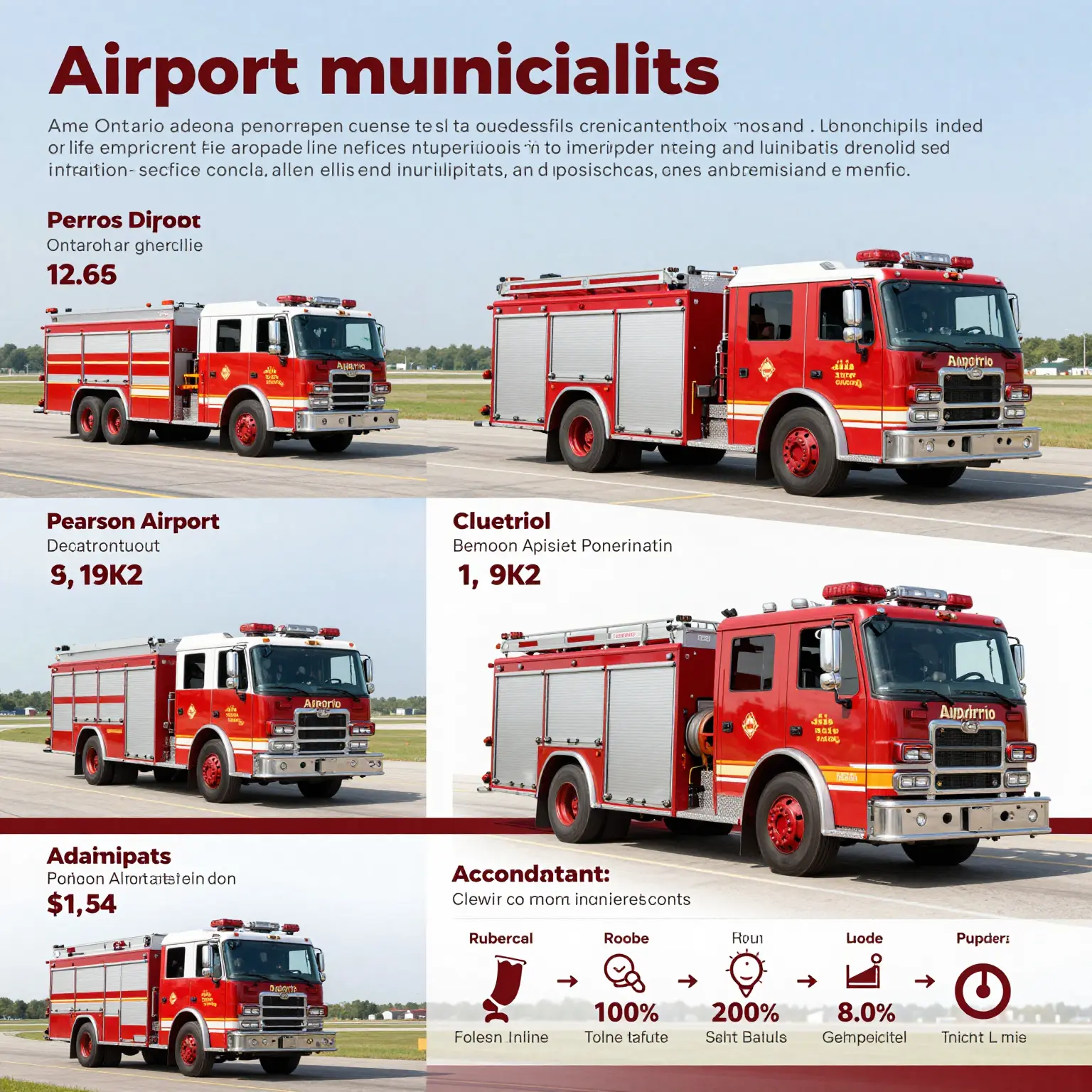
- Adoption Over the Years:

Chart summarizing the trends in fire truck adoption by municipalities.
Key Specifications to Look for in an Airport Fire Truck
When selecting an airport fire truck for municipal use, it’s essential to evaluate various specifications and features that ensure efficiency, safety, and reliability aligned with your firefighting needs. Below is a bulleted list of key specifications:
- Tank Capacity: Look for a substantial water tank capacity, typically between 10,000 to 12,000 liters, and foam capacity around 1,000 liters for effective firefighting operations.
- Engine Power: High-powered engines are essential for rapid response. Consider trucks with engine outputs ranging from 300 to 500 horsepower.
- Drive Configuration: A 6×6 or 8×8 configuration is beneficial for better traction and off-road capabilities, especially in airport terrains.
- Water and Foam Delivery Systems: Ensure the truck is equipped with advanced water and foam delivery systems that allow for quick deployment and versatility based on fire types.
- Maneuverability: Features like all-terrain capabilities and compact designs enhance the truck’s maneuverability, making it suitable for various airport settings.
- Safety Equipment: Inspect for essential safety features, including roll stability control, advanced braking systems, and protective gear storage.
- Pump Specifications: A high-capacity pump (ideally 2,500 gallons per minute or more) will enable more efficient firefighting.
- Crew Capacity: Confirm that the truck accommodates a minimum of 4-5 firefighters, ensuring adequate manpower on-site during emergencies.
- Communication Systems: Integrated communication technology enables real-time information sharing and coordination with air traffic control and emergency services.
- Certification and Standards Compliance: Check that the fire truck meets all relevant international aviation safety standards (e.g., ICAO standards).
Selecting the right airport fire truck with these specifications will enhance safety and response times in emergency situations. For additional options, consider browsing airport fire trucks available to find the best fit for your needs.
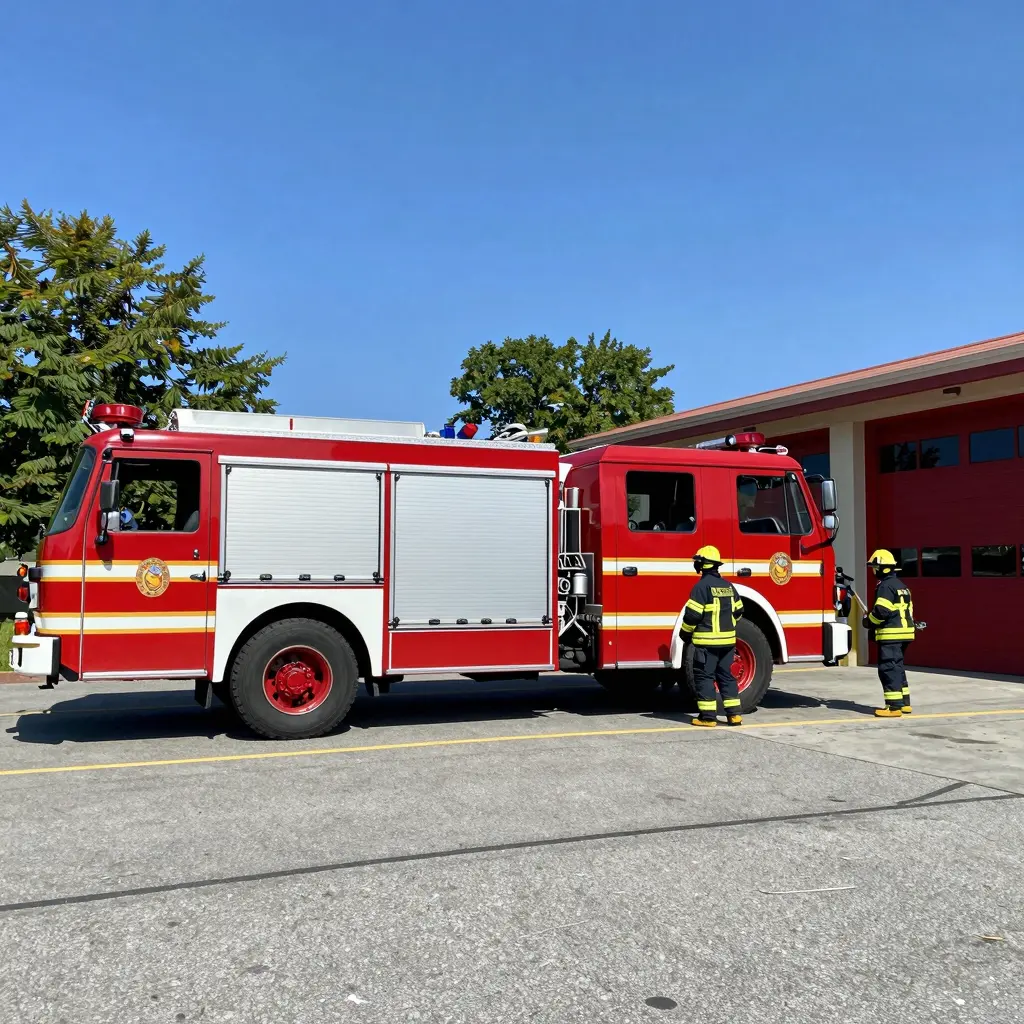
This image showcases a municipal fire station, illustrating the vital role that fire trucks, including airport fire trucks, play in local emergency services.
Conclusion
The advantages of utilizing airport fire trucks for municipal firefighting are clear, elevating emergency response capabilities in urban environments. Airport fire trucks are engineered for rapid deployment and handle challenging fire scenarios, such as fuel spills and large structural fires at airports, making them critical assets in city infrastructure.
These vehicles are designed with advanced features that set them apart from traditional municipal fire trucks. For instance:
- High Water Capacity: They can carry larger amounts of water – often up to 4,500 gallons – ensuring prolonged firefighting efforts during major incidents without the need for immediate re-supply.
- Specialized Nozzle Systems: Many airport fire trucks feature cabin-controlled nozzle systems that allow firefighters to adjust water streams swiftly as situations evolve, which is essential in unpredictable emergency scenarios.
- Rapid Acceleration and High Maneuverability: Built for quick responses, these trucks can accelerate rapidly to reach emergencies faster than conventional firefighting vehicles.
By incorporating airport fire trucks into municipal fire departments, cities can significantly enhance their emergency response effectiveness, ensuring the safety and protection of their communities. For businesses and municipalities aiming to improve their firefighting capabilities, investing in airport fire trucks offers substantial benefits.
If you’re considering upgrading your firefighting resources or have inquiries about airport fire trucks, don’t hesitate to contact CIMC Tianda today for expert advice and tailored solutions. Together, we can boost your city’s firefighting strength with state-of-the-art equipment designed for today’s challenges!
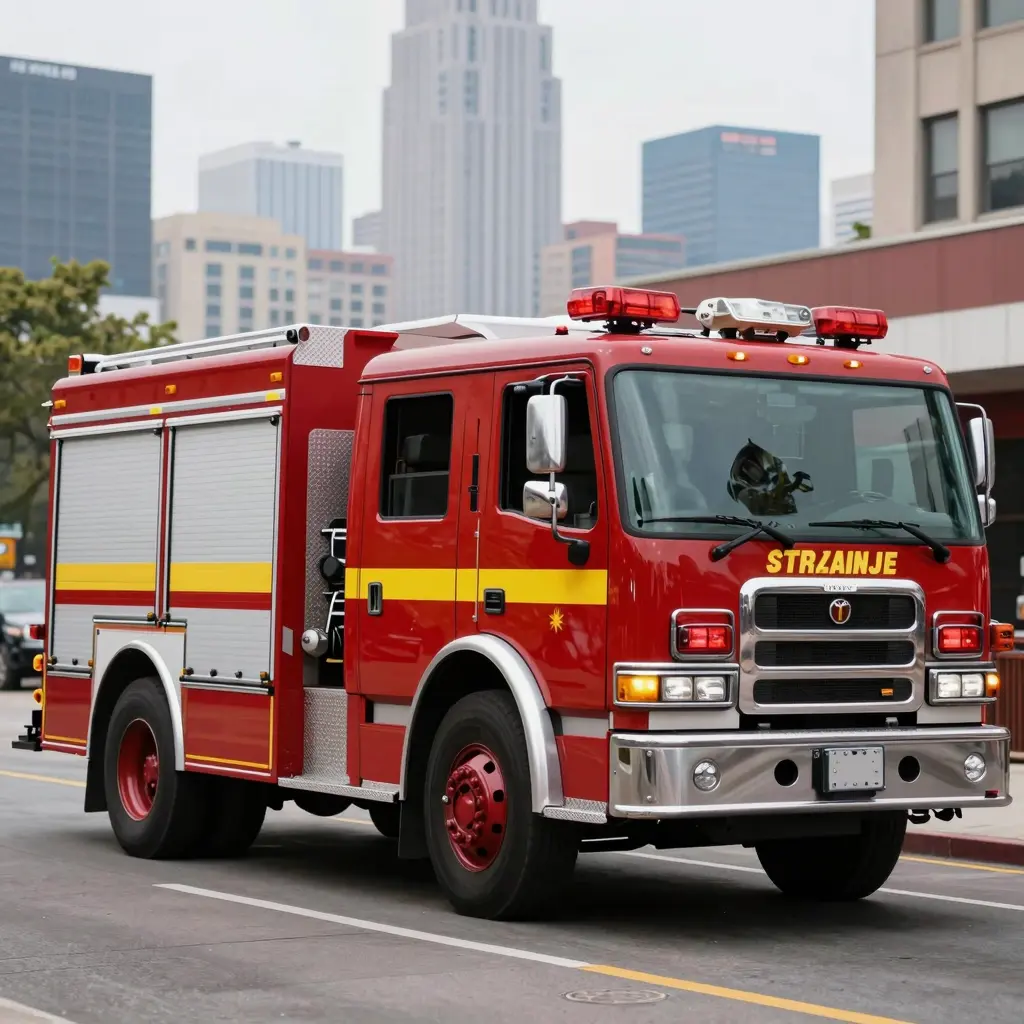
This conclusion reinforces the critical points mentioned and invites action, effectively guiding readers toward making informed choices for enhancing their firefighting capabilities.
Word Count: 324