
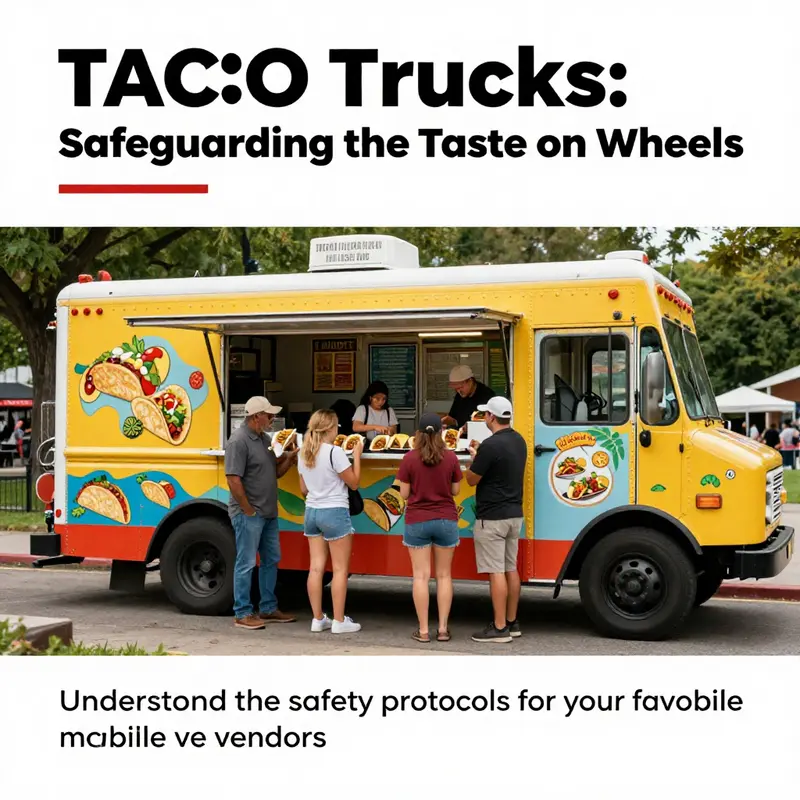
Taco trucks have become a staple in urban settings, offering delicious flavors on the go. However, with their growing popularity, questions about safety arise. Are these mobile eateries secure from a health, food safety, and structural integrity perspective? This article delves into the regulations, best practices, and design principles that ensure taco trucks operate safely. In doing so, we’ll explore the various standards and regulations that govern taco truck operations, the critical health and food safety practices that ensure customer well-being, and the importance of structural integrity in their design and construction. Let’s embark on this journey to understand how safety plays a pivotal role in the enjoyable taco truck experience.
From Code to Counter: How Safety Standards Shape Safe Taco Trucks
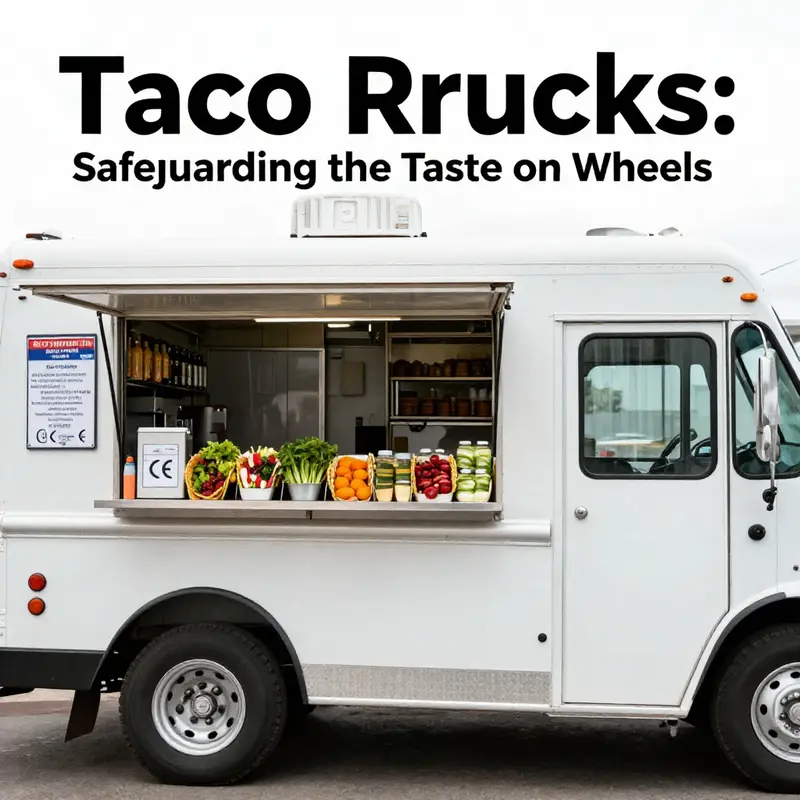
When a taco truck pulls into a busy street corner, it does more than offer a quick meal. It becomes a small, mobile microcosm of public health, safety engineering, and regulatory compliance. The broad topic of whether taco trucks are safe hinges on a layered reality: safety is not built into the concept by default, but cultivated through careful design, rigorous maintenance, and steadfast adherence to a framework of standards that governs food safety and vehicle integrity across multiple jurisdictions. A single unit can operate safely for years if it is conceived with proper engineering, constructed from durable materials, and operated within the rules that regulate both food handling and mobile commerce. Conversely, neglect any one of these dimensions, and the risks multiply—from cross-contamination and improper temperature control to mechanical failure and inadequate fire protection. The consumer experience of safety, therefore, rests on a chain of decisions made long before the truck ever leaves the lot and long after it disappears from the curbside line of hungry patrons.
The regulatory landscape for taco trucks resembles a vast, interlocking lattice. At the top are federal authorities whose guidelines set the baseline expectations for food safety and for the general operation of food-producing facilities, including those on wheels. The U.S. Food and Drug Administration, through its Food Code, provides the comprehensive framework that guides safe food handling, storage, preparation, and service. The code addresses core risk areas such as temperature control to keep hot foods hot and cold foods cold, measures to prevent cross-contamination, and sanitation practices that minimize microbial growth and environmental contamination. While the Food Code is not a federal mandate in the same way a statute is, it functions as a model that states and local jurisdictions adopt and adapt. For taco truck operators, this means that the practices approved in one city may be required, or at least strongly recommended, in nearby municipalities, and a truck that travels across borders must navigate any differences in interpretation and enforcement.
On the meat side, the U.S. Department of Agriculture imposes separate but complementary standards. The USDA regulates the sourcing and processing of meat products that may appear in tacos, ensuring that the inputs meet health and safety criteria before they reach the vendor. This division of labor—FDA overseeing the safety of all foods in general and USDA focusing on meat and some animal products—reflects a broader paradigm: public health systems recognize that the chain from farm to street cart is a single continuum, with breakpoints at which audits, inspections, and certifications must occur to protect consumer health. In practice, a taco truck operator must align with these requirements by choosing suppliers who meet federal expectations, maintaining records that document the origin and handling of meat and dairy products, and ensuring that the cooking and storage processes preserve safety throughout every step of service.
Beyond the federal layer, state and local authorities shape the day-to-day reality of operating a taco truck. The FDA Food Code, though not a law in itself, is adopted, modified, or referenced by state health departments, which then translate it into minimum standards for the operation of mobile food establishments. Each jurisdiction may specify the particulars of where to store food, how long to hold it at safe temperatures, how to clean and sanitize preparation surfaces, and how to manage hot and cold holding equipment. The practical effect is that a truck that meets the letter of the code in one city could face additional expectations when it moves into another. Health inspectors visit regularly, conducting inspections that assess everything from handwashing facilities and glove use to the cleanliness of floors and ceilings, the presence of a properly calibrated thermometer, and the functionality of a hand sink and a three-compartment sink for dishwashing. These inspections are not mere bureaucratic formalities; they are preventive health measures designed to catch risk factors before they become public health incidents.
Embedded in this regulatory conversation is an industry-wide emphasis on equipment safety and electrical integrity. For kitchen appliances and power systems, certification marks like UL or CE are often the benchmark. UL, or Underwriters Laboratories, is recognized in the United States as a third-party safety certification that indicates appliances and electrical systems meet defined safety standards. CE, the Conformité Européenne mark, serves a similar purpose in Europe, signaling conformity with essential safety requirements. When a taco truck is sourced from overseas manufacturers or refurbished units are brought into a local market, verifying that the cooking appliances, electrical wiring, fire suppression systems, and ventilation equipment bear appropriate certification becomes crucial. Certification is not only about compliance on paper; it translates into the practical certainty that electrical faults, gas leaks, ignition sources, or faulty wiring are less likely to occur, reducing the probability of fires, gas incidents, or electrical shocks during operation. In a mobile kitchen, where space is constrained and heat output is high, such certainties are essential for both staff safety and public safety.
Material choice and structural design play a similarly pivotal role. The choice of materials influences not only durability and ease of cleaning but also safety in the sense of preventing contamination. Corrosion-resistant stainless steel, notably 304-grade, is widely favored in food-service equipment and mobile kitchens because it resists corrosion from acidic foods and cleaning chemicals, resists staining, and offers a smooth surface that can be cleaned and sanitized effectively. The absence of crevices where bacteria can hide is not a cosmetic preference; it is a core design principle that reduces the risk of contamination. A well-built taco truck also contends with the ergonomics and physical safety of the vehicle itself. The chassis, suspension, and braking system must meet the standards for commercial mobile use in the regions where it operates. Any modification that compromises stability or braking, such as lowering a vehicle beyond safe limits, can trigger a cascade of safety concerns that go beyond the kitchen. The practice of using a high-risk modification—often referred to as a squatted truck—poses tangible hazards to passengers, pedestrians, and other drivers. Laws in many jurisdictions have responded to such risks by banning or heavily restricting these vehicles, reflecting the principle that a food truck cannot be separated from the safety of the road on which it travels.
The regulatory conversation thus straddles two domains: the food safety world and the vehicle safety world. A taco truck is a compact building on wheels, and as such, its safety profile depends on a holistic integration of food handling controls and vehicle safety controls. The food safety portion demands temperature management, prevention of cross-contamination, sanitation, and hygienic handling by staff who are trained to minimize risk. The vehicle safety portion demands structural soundness, reliable meat of the engine and braking systems, proper alignment with weight distribution, and robust fire protection for the kitchen. In practice, this means a few baseline expectations. First, the truck should be designed and built with cleanable surfaces, with seams and joints that do not harbor bacteria and are easy to sanitize. Second, the electrical systems should be designed and installed with safety in mind, including proper grounding, protection from moisture, and clearly labeled circuits. Third, the fire protection system should be appropriate for a commercial kitchen and easy to inspect, maintain, and operate. Fourth, the vehicle must meet road safety standards for a mobile business, including steering, suspension, braking, tires, and overall stability, especially when the truck is loaded with food, livestock, and fuel.
For operators who buy, lease, or import taco trucks, a core competence is supplier due diligence. A prudent buyer looks for suppliers who can demonstrate a track record of ISO 9001 quality management systems, robust after-sales support, and transparent documentation for all critical components. ISO 9001 certification signals that a vendor has formalized processes for product design, production, testing, and repair, reducing the risk that a truck will fail due to inconsistent manufacturing practices. After-sales support is not a luxury; it is a safety feature in disguise. When a food truck encounters a power surge, a faulty switch, or a failing fire suppression system, a responsive supplier who can provide parts, service, and technical guidance becomes essential to maintaining compliance and preventing service interruptions that could threaten public health. In short, the safety of a taco truck is a living system that depends on a chain of trust extending from the supplier’s factory floor to the street corner where meals are served.
The practical implications for operators are concrete. They must implement systems that monitor and verify safety at every stage: procurement, installation, commissioning, operation, and maintenance. Before a unit hits the road, there should be documentation of the raw materials and finishes used in the kitchen, the certification status of major components, the calibration records for thermometers and coolers, and the proof that ventilation and fire suppression equipment meet applicable standards. After deployment, daily routines should include temperature checks for hot and cold holding, sanitation logs, and routine inspections of electrical components, gas lines, and emergency equipment. Staff training becomes the glue that holds these systems together. Effective food safety depends on employees who understand why temperature controls matter, how to prevent cross-contamination between raw and ready-to-eat foods, and how to respond when equipment fails or when the kitchen becomes crowded. Training should be ongoing and reinforced by visible, easy-to-follow procedures on the truck wall or in the prep area. This training is not mere pedagogy; it translates into real-world reductions in risk, fewer violations, and a faster return on safety investments when inspections occur.
The question of importing or sourcing used units adds another layer of complexity. A pivotal concern is whether the unit carries the right certifications for the markets where it will operate. A truck designed for North American standards will demand electrical components and fire suppression systems that align with US codes and local enforcement practices. A unit built to European standards may have different electrical voltages, different fire suppression ratings, and different ventilation requirements. In either case, a diligence check becomes indispensable: verify that critical appliances and safety systems carry UL or CE marks where applicable; confirm that the ventilation hood and fire suppression equipment are compatible with the types of cooking performed on the truck; verify that any electrical installations comply with local electrical codes and have the necessary inspection documents. When uncertainty arises, it is prudent to have a qualified technician evaluate the unit before purchase and to retain documentation showing that safety-critical systems have been reviewed and tested. This kind of preemptive due diligence reduces the chances that a later inspection will identify a noncompliant feature and trigger costly retrofits or operational shutdowns.
A broader regulatory reality is that food trucks are not isolated from the general traffic and consumer-safety framework that governs everyday commerce. The cross-border nature of some operations, for example, compels operators to be mindful of differences in regulatory expectations between jurisdictions. An operator who runs in multiple states or across national borders faces a patchwork of rules that can shift as easily as the weather. In this context, the idea of surviving compliance is not about chasing a single standard; it is about building an organizational discipline that can adapt to local rules while maintaining the core health and safety expectations baked into national guidelines. For those who want a practical map of this journey, there are resources that discuss how to align operations with cross-border regulatory expectations and how to maintain compliance when regulations evolve. See the discussion on cross-border compliance for an in-depth perspective on how to stay aligned across jurisdictions, a resource that can help producers and operators implement a durable compliance culture Surviving compliance best practices for cross-border trucking regulations.
Even with a robust regulatory framework in place, the safety story of taco trucks remains grounded in the day-to-day realities of operation. The staff on the ground must practice good personal hygiene, get properly trained in food handling, and understand how to keep raw and prepared foods separate. The space on a food truck is often tight, which can tempt shortcuts if vigilance slips. Regular cleaning schedules, clean-in-place protocols where feasible, and a clear separation of zones for raw and ready-to-eat items become not just best practices but essential safeguards. Temperature logs, calibration records, and maintenance checklists should be kept in an organized and accessible way. Inspections by health authorities typically focus on these operational details just as much as on equipment certification. They check that the thermometer used for daily checks is accurate and calibrated, that the cold holding units maintain temperatures within safe ranges, that hot holding is sufficiently hot, and that the cleaning protocols are comprehensive and consistently applied. These signaling practices create a safety ecology around the truck that reassures customers and reduces the likelihood of unsafe events.
The ethical dimension of safety also matters here. Consumers trust that the person serving their meals is operating within a system that values health and safety. When operators communicate clearly about the steps they take to ensure safety—such as using certified equipment, validating supplier qualifications, and maintaining traceable cleanliness and maintenance records—they contribute to public confidence and a culture of safety within the mobile food community. This transparency matters not only for regulatory compliance but for the long-term viability of the business. A truck that earns a reputation for reliability and safety will attract customers who are more inclined to return and to recommend the service to others. Conversely, a single incident or a pattern of violations can erode trust, invite more frequent inspections, and make it harder to operate in the same market. In this light, safety is not a barrier to success but a foundational asset that sustains growth and protects workers, customers, and neighbors who share the street with the truck.
The regulatory and safety landscape described here is not static. As markets evolve and new health threats emerge, authorities refine guidelines and adopt new technologies to improve safety outcomes. Taco truck operators should view compliance as an ongoing practice rather than a one-time hurdle. It involves staying current with updated Food Code editions, being proactive about equipment maintenance, and anticipating changes that may affect local permitting or inspection schedules. The most resilient operators are those who embed safety into the culture of their business: regular staff training, periodic equipment audits, and a policy of proactive communication with health departments and equipment vendors. When a unit is designed and run with these principles, the result is a mobile kitchen that can serve meals with a high degree of food safety and a level of roadworthiness that reduces the risk of accidents on the street. In such a system, safety becomes part of the restaurant’s brand narrative—the assurance that customers can enjoy a quick, delicious meal without compromising health, safety, or the integrity of the vehicle that brings it to the curb.
In closing, regulatory compliance for taco trucks is not a single checkbox but a spectrum of obligations that reflect the dual nature of these enterprises: they are food service operations and moving machinery all in one. Federal guidelines provide the spine of safety expectations, while state and local authorities translate those expectations into actionable requirements that vary by jurisdiction. Equipment certification marks, like UL or CE, function as the shorthand for safety engineering, while thoughtful materials choices and sound vehicle design reduce the potential for contamination and mechanical failure. The overarching message is straightforward: safe taco trucks are the product of deliberate design, rigorous verification, and disciplined maintenance. They depend on an honest appraisal of risk, a commitment to staff training, and a decision to invest in durable, certified equipment. They also require attention to the realities of cross-border or multi-jurisdictional operations, and a readiness to adapt to evolving standards without compromising the core health and safety goals that protect the public. When operators embrace this integrated approach, they create not only compliant businesses but vibrant, trusted food cultures that turn street corners into safe spaces for the enjoyment of a shared meal.
External resource: https://www.fda.gov/food/fda-food-code/food-code-2022-edition
Guardians on Wheels: Health, Hygiene, and the Safety Blueprint for Taco Trucks

Taco trucks inhabit a curious space between storefront and street, delivering warmth, aroma, and a sense of communal ritual in the act of gathering and sharing food. They are portable kitchens that must meet the same standards of safety and sanitation as the bricks of a traditional restaurant, yet they operate in a shifting, outdoor environment that introduces unique challenges. The core of safe taco serving rests not on a single policy or gadget, but on a cohesive, anticipatory approach to design, operation, and maintenance. If a truck is to be trusted to nourish rather than to risk, every layer—from the materials used to build the counter to the habits of the crew—must be aligned with established health and safety principles. This is not a rigid checklist so much as a culture of care that translates into reliable, consistent food safety in a mobile context.
At the heart of this approach lies the understanding that safety is both a product and a process. The product is the kitchen itself and the food it prepares: the way ingredients are stored, the temperatures at which they are held, the way equipment is cleaned, and the manner in which food is cooked to safe internal temperatures. The process is the discipline that makes that product reliable across countless service opportunities, weather conditions, and crowded events. In practical terms, safe taco trucks share several interlocking practices that together reduce the likelihood of foodborne illness, protect workers, and safeguard customers. These practices stem from public health guidance but are tailored to the realities of mobile food service. They require forethought during design, strict adherence during daily operations, and continuous improvement through training and monitoring.
The first pillar is temperature control, a non-negotiable foundation of safe food handling. Perishables demand reliable refrigeration, and this is particularly important in a mobile setting where ambient temperatures can swing with the weather or the geography of service. A properly designed truck will have cold storage that maintains temperatures at or below 41°F (5°C) for all perishable ingredients. This is not merely a target; it is a safeguard against the growth of dangerous pathogens that thrive when cold chains falter. When raw ingredients, prepared components, and ready-to-eat foods share space or time in the same area, the risk of cross-pathogen transfer rises dramatically unless controls are maintained. In addition to refrigeration, cooking temperatures must be sufficient to inactivate harmful organisms. Ground beef, for example, should reach an internal temperature of at least 155°F (68°C) to ensure safety, a guideline that accounts for the higher risk associated with grinding meat and the opportunity for temperature variation inside a busy grill. These temperatures are not arbitrary fractions of culinary precision; they are scientifically grounded thresholds designed to protect customers in real-world conditions where delays, equipment performance, and menu diversity can complicate a straightforward heat treatment step. Holding hot foods at safe temperatures, typically above 135°F (57°C), is another essential discipline that preserves safety without sacrificing the sensory experience that customers expect when a taqueria on wheels serves up sizzling, aromatic fillings.
The second pillar concerns cross-contamination, a risk that multiplies whenever raw and ready-to-eat ingredients share a workspace. In a taco truck, where space is at a premium and multi-tasking is the norm, protecting against cross-contamination requires clear, enforced separation of raw and cooked items. A practical, portable solution is to use color-coded cutting boards and utensils and to establish distinct work zones within the limited counter space. A separate area for raw proteins, with its own utensils, reduces the chance that a contaminated blade or board becomes a hidden conduit for pathogens. This is not mere theory; it is a proven, straightforward method to shield customers and staff alike from cross-contact, which can occur through dripping juices, shared towels, or the mix of raw and cooked components during service. The principle extends to the handling and storage of ingredients. Packaging, labeling, and dating stored foods are essential to prevent the accidental use of ingredients beyond their safe window. The practice is simple in concept but powerful in effect: when every item in the cooler or dry storage is tracked, rotated, and clearly identified, the risk of using spoiled or unsafe ingredients dwindles dramatically.
Personal hygiene and worker health form the human side of safety. A taco truck is a micro-laboratory, and its output depends on the health and habits of the people who prepare, cook, assemble, and serve food. Regular handwashing remains the single most effective defense against foodborne illness, particularly after handling raw foods, using the restroom, or touching potentially contaminated surfaces. The routine should be supported by access to handwashing stations, or at minimum a designated area with clean water, soap, and a means to dry hands, even within a compact vehicle. The use of gloves for handling ready-to-eat foods is a common practice, but gloves are not a substitute for proper hand hygiene; they require vigilant changeouts and discipline to avoid cross-contamination through gloved hands that touch raw ingredients and then ready-to-eat components. Training plays a key role here. Staff must understand when to wash hands, how to change gloves, and why these steps matter beyond personal preference. A well-trained crew internalizes this as a shared standard rather than a personal choice, which makes compliance more reliable across shifts and busy periods.
Cleaning and sanitizing routines are the quiet work that keeps a mobile kitchen safe daily. Surfaces, equipment, and contact points should be cleaned and sanitized according to a schedule that aligns with the level of use and the risks associated with particular tasks. A robust program uses food-safe sanitizers and ensures that contact times—how long the surface must remain wet with sanitizer to be effective—are observed. In a crowded truck, it is easy to overlook hidden surfaces or neglected gaps where grime can accumulate; a deliberate, repeatable cleaning process turns this potential hazard into a predictable routine. The discipline of daily cleaning is complemented by periodic deeper sanitization and equipment maintenance. Ovens, grills, fryers, refrigeration units, and ventilation systems require routine inspection and service to prevent performance degradation that could compromise food safety or create unsafe conditions for staff, such as overheating, electrical faults, or compromised fire safety systems. A well-run operation integrates maintenance into the daily workflow so that it becomes as routine as turning on the flame.
Food storage and inventory management might seem technical but are, in practice, about clarity and traceability. Proper labeling and dating of stored ingredients support a clean line of sight from receipt to serving. This clarity reduces the likelihood of accidental use of expired items or misidentification of contents. In a mobile context, where deliveries may come in from multiple suppliers and cycles can be rapid, the capacity to trace a particular ingredient from delivery to plate becomes a powerful safeguard against safety lapses. It also supports consistent quality, which is part of the broader public health objective but also a customer experience goal. When inventory is organized and transparent, kitchen personnel can focus on the mechanics of safe preparation rather than playing detective with storage containers in a cramped space.
Waste management is more than keeping the truck tidy; it is a safety measure that prevents pest attraction, cross-contamination, and odors that draw attention away from safe handling practices. A deliberate waste plan includes appropriate receptacles, regular removal of waste, and a clean perimeter around the truck to deter pests and to maintain a hygienic service environment. The interplay between waste management and sanitation is direct: if waste is not managed effectively, it undermines the day’s work by creating unsanitary conditions that can undermine both compliance and morale. In a mobile setting, where unattended periods between busy service cannot always be guaranteed, the capacity to seal, store, and remove waste efficiently becomes a defining factor in maintaining an ongoing standard of safety.
Training ties all these threads together. The best equipment and the most meticulous routines do not protect customers by themselves; people do. Training programs—such as ServSafe or equivalent national or local curricula—provide a framework for understanding pathogen risk, proper handling, sanitation best practices, and the chain of food safety from receiving to serving. A truck operator who prioritizes ongoing education signals to staff, regulators, and customers that safety is not a one-off achievement but a continuous practice. Training should cover the specific realities of mobile service: the constraints of space, the need for reliable equipment, the importance of keeping raw and cooked items physically separated, and the procedures for safe service during peak hours when fatigue and distraction can threaten compliance.
Beyond the immediate kitchen practices, there is a broader regulatory and design framework that shapes how taco trucks can be trusted to serve safely. Proper design, manufacturing compliance, and ongoing maintenance are essential to ensuring that the physical product—the truck and its equipment—meets safety standards. The structural integrity of the vehicle, electrical safety of appliances, and functioning of fire suppression systems all contribute to a safe operation. The topic of safety cannot be reduced to a single feature like a perfect thermometer or a spotless cutting board; it emerges from the combination of a well-constructed vehicle, certified equipment, regular maintenance, and disciplined operating practices. When these elements are aligned, the risk of accidents, electrical faults, or foodborne illness declines substantially.
The relationship between design and regulation is crucial, especially for operators who source trucks from overseas or who customize vehicles to fit a specific menu and workflow. In such cases, attention to certification and standards becomes central to safe operation. Certification marks like UL (Underwriters Laboratories) for electrical components and fire-safety systems, or CE (Conformité Européenne) for equipment intended for European markets, provide external assurance that critical kitchen devices and safety features have been evaluated against established benchmarks. The emphasis on certified equipment is not a bureaucratic luxury; it reflects a pragmatic commitment to reducing risks that arise from electrical faults, improper wiring, or inadequate fire suppression. For buyers and operators alike, verifying that the truck’s kitchen equipment carries appropriate certifications is a fundamental step, especially when purchasing used or custom-built units where provenance and compliance may be harder to trace.
Material quality is another cornerstone of safety. The use of corrosion-resistant materials, particularly 304-grade stainless steel, helps ensure that surfaces remain non-reactive and easy to sanitize. Stainless steel resists staining, pitting, and corrosion, which is important in a food-preparation environment where acidic foods, moisture, and cleaning chemicals may interact with surfaces. Durable, easy-to-clean materials reduce the likelihood of harboring biofilms or harboring bacteria in hidden crevices. The integrity of the preparation surfaces matters not only for food safety but also for operational longevity, as corrosion can compromise equipment that must stand up to daily, high-volume use in varying climates. A commitment to material quality also links with supply chain reliability; reputable suppliers who offer consistent material grades and traceability can help operators maintain the long-term safety of their kitchens.
Supplier evaluation becomes a strategic safety practice in its own right. A thorough assessment includes technical due diligence, verification of ISO 9001 quality management systems, and a clear plan for after-sales support. Technical due diligence involves confirming that the truck’s equipment and construction meet relevant safety standards and that any modifications or retrofits do not compromise structural or electrical integrity. ISO 9001 certification signals that a supplier maintains a systematic quality management approach, which reduces the probability of process gaps that could affect safety. After-sales support—service, parts availability, and timely maintenance—ensures that the safety system remains functional over the life of the truck, not just at the moment of purchase. In practice, this means building relationships with suppliers who are responsive, have a track record of quality, and can provide documentation that the kitchen equipment complies with applicable standards. Such documentation is not just bureaucratic paperwork; it is a practical tool that helps operators organize scheduled maintenance, plan for parts replacements, and demonstrate compliance during inspections.
The research underlines a broader truth that resonates across many sectors: safety is an ongoing investment, not a one-time achievement. A taco truck that is well designed, properly built, and routinely maintained stands in sharp contrast to a vehicle that has been hastily assembled, modified without engineering oversight, or operated without formal food safety protocols. The difference is visible not only in the absence of immediate hazards but in the predictability of service—the steadiness with which a customer can eat a tortilla filled with fresh ingredients, knowing that the process behind it adheres to recognized safety practices. This reliability is borne of a culture that prioritizes safety in every phase, from the initial design decisions and equipment choices to the daily rituals of cleaning, storage, and temperature management.
As the industry continues to evolve, operators are increasingly mindful of the importance of certifications and standards for international purchases. When a unit is sourced from overseas, the onus is on the buyer to verify that electrical systems, cooking appliances, and fire suppression mechanisms meet stringent safety requirements. This is not a matter of preference but a necessary step to mitigate risk. In addition to regulatory compliance, there is the practical matter of ongoing maintenance and the availability of spare parts and qualified technicians who understand the unique demands of mobile food service equipment. The combination of these considerations reinforces a central message: safe taco trucks are built on a foundation of design integrity, material quality, documented compliance, and a long-term service ecosystem that supports safe operation across seasons, locations, and volumes of service.
Viewed through the lens of public health and customer trust, the safety of taco trucks is not a luxury; it is an essential element of the business model. The public health framework that governs food service operations—such as the FDA Food Code in the United States—provides a reference point for expectations about temperature control, hygiene, pest management, and sanitation. While local jurisdictions may implement variations, the core principles are widely recognized and adopted. Operators who align their practices with these guidelines create an operating context in which customers can rely on safety as a baseline condition rather than an exception. In practice, this means that a truck’s internal policies—temperature logs, cleaning schedules, glove usage, and sanitize contact times—should reflect the same rigor that a brick-and-mortar would apply in its kitchen. Such alignment does not limit creativity or the authenticity of street food; rather, it channels that energy into consistent, reliable, and safe experiences that can be scaled across different events, neighborhoods, and seasons.
The chapter’s thread returns to the practical question of how to translate these safety ideals into day-to-day practice. The answer lies in designing a workflow that makes safety a natural part of service, not a chore that is forgotten in the rush of the lunch rush. For example, when equipment is chosen, operators should consider not only initial performance but also longevity, ease of cleaning, and compatibility with a sanitation routine that can be sustained in variable service environments. The physical layout should minimize cross-contamination risk by enabling clear separation of raw and cooked components, while the crew’s routines should embed hygiene, temperature checks, and sanitation into the cadence of cooking, assembly, and service. Temperature control is best secured by an evidence-based routine: verify refrigerator temperatures with a reliable thermometer, document readings, and address deviations promptly. Cooking and hot-holding temperatures must be validated with calibrated thermometers, and a clear protocol should exist for what to do when a device malfunctions or a peak service period creates a momentary lapse in standard operating procedures. These steps, while technical, become second nature through practice and leadership that models safety as a shared value.
In the broader ecosystem of mobile food safety, there is also a role for customers and regulators to play. When customers understand the basic safety expectations—cold storage is functioning, food is served hot and promptly, and there is visible attention to cleanliness—they contribute to a culture of safety by supporting responsible operations. Regulators, too, are increasingly mindful of the challenges and realities of mobile service and often emphasize practical, enforceable standards that protect public health without stifling entrepreneurship. The challenge for operators is to navigate this regulatory landscape with a proactive stance: not simply complying with the letter of the law, but embracing the spirit of public health that underpins it. The result is a mobile food scene that is vibrant, diverse, and safe—where the convenience of street-level access does not come at the expense of health and well-being.
In closing, the safety of taco trucks rests in the harmony of design, materials, equipment, and human practice. A well-built truck with certified equipment, made from durable, sanitary materials, and kept in good repair, complements a crew trained in hygiene and food safety. Temperature management, cross-contamination prevention, personal hygiene, cleaning and sanitizing, proper storage, waste management, and ongoing training must work together as a coherent system. The aim is not only to prevent illness but to create a reliable, trust-building experience for customers who sample a street-side taco and feel confident in the safety that underpins every bite. In this sense, safety becomes a competitive advantage, a quiet but powerful promise that the food on offer is prepared with care, under careful standards, and with an eye toward the long arc of health and safety in a mobile, dynamic dining landscape. The practical takeaway is straightforward: invest in proper design and certified equipment, insist on rigorous maintenance, implement comprehensive sanitation and training programs, and remain vigilant about compliance. When these elements converge, taco trucks can be as safe as any other food service operation, even as they bring warmth, flavor, and community to the sidewalks.
For readers who are planning to source new or used mobile kitchens, a practical reminder follows. When evaluating potential trucks or equipment, consider not only the initial cost but the safety ecosystem that will sustain operation over time. Prioritize units built with corrosion-resistant materials, verify that critical appliances carry appropriate safety certifications, and confirm that any modifications or retrofits have been overseen by qualified engineers. Establish a clear, written maintenance plan with scheduled inspections and a component-specific service calendar. Build in training that reinforces the daily disciplines of a safe kitchen, and make a habit of documenting temperatures, cleaning activities, and sanitation verifications. These steps do not guarantee safety in every instance, but they dramatically improve the odds that a taco truck will provide safe, dependable service in ever-changing street conditions. The result is not merely compliance; it is confidence—confidence that each customer will find a prepared meal that is as safe as it is flavorful, a small, portable restaurant that travels with a public health commitment baked into its design, operations, and culture.
If you would like a practical starting point for equipment decisions and layout considerations, you can explore guidance on choosing the right equipment for food trucks here: choosing the right equipment for food trucks. This resource can help frame conversations with designers, suppliers, and health inspectors about how a vehicle’s kitchen should be organized to support safe practice while accommodating the demands of high-volume service. As the industry continues to evolve, the safest path is one that treats health and hygiene not as a checklist item but as a continuous, shared commitment that informs every turn of the wheel and every plate that leaves the service window. For deeper regulatory alignment, refer to the FDA Food Code 2022, which outlines temperature control, personal hygiene, pest control, and sanitation standards relevant to mobile food establishments. External resources: https://www.fda.gov/food/fda-food-code/food-code-2022
null

null
Final thoughts
Taco trucks continue to bring joy wherever they roam, but ensuring their safety is paramount—not just for operators but for consumers too. Through adherence to stringent safety standards, diligent health practices, and robust construction methods, taco trucks can operate safely and efficiently. As urban commuters, outdoor enthusiasts, or small business owners consider enjoying or investing in a taco truck, understanding these safety dimensions will empower informed choices and contribute to a thriving culinary culture. Let’s keep our favorite taco trucks safe so we can savor the deliciousness they offer without a worry.