
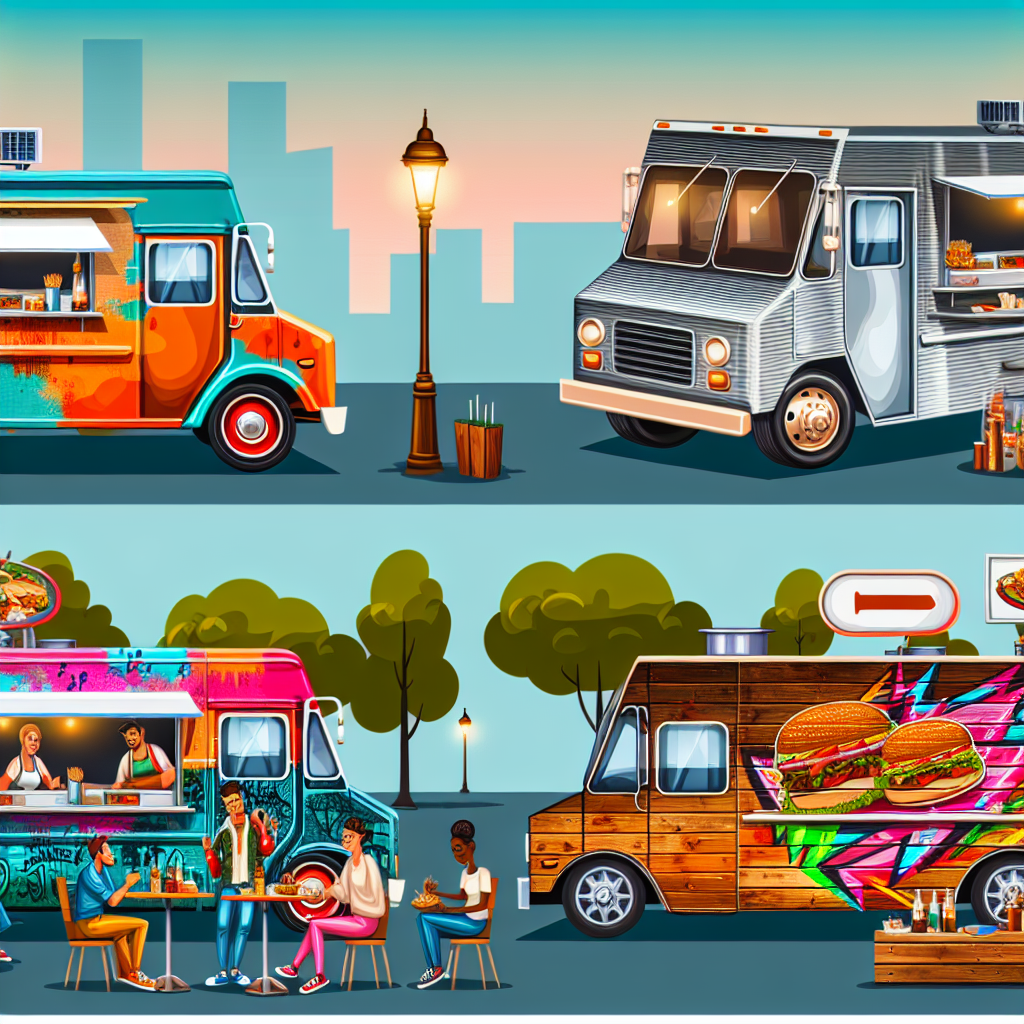
In recent years, food trucks have surged in popularity, transforming how we experience cuisine on the go. With over 36,000 food trucks operating across the United States, enthusiasts are constantly searching for the perfect mobile dining experience.
For aspiring entrepreneurs, particularly those looking to launch a mobile taco business, navigating the various food truck models is crucial. Choosing the right food truck model not only influences operational efficiency but also impacts customer experience and profitability.
Different models come with unique features, price points, and equipment needs, making it essential to align your choice with your menu and business goals.
This guide will explore the myriad options available, ensuring you have the information you need to make an informed decision. Let’s delve into the world of food truck models and discover which can best serve your taco venture!

When selecting a vehicle for a taco food truck, it is essential to consider the type of vehicle—step van, cargo van, or trailer—as well as specific models from manufacturers like Chevrolet, Ford, and Mercedes-Benz. Below is an overview of these options, including their prices, specifications, storage capacities, and features pertinent to taco businesses.
1. Step Vans
Step vans are popular for food trucks due to their spacious interiors and ease of customization.
-
Chevrolet P30
- Price Range: Pre-owned models typically range from $5,000 to $15,000. (fliprogram.com)
- Specifications: Known for durability; specific dimensions and engine details vary by year and customization.
- Storage Capacity: Ample space suitable for full kitchen setups.
- Notable Features: Widely available on the resale market; offers a solid foundation for customization.
-
Ford F-59 XL
- Price Range: New models retail around $70,000. (fliprogram.com)
- Specifications: Modern design with various engine options; specific details depend on the model year.
- Storage Capacity: Spacious interior suitable for comprehensive kitchen installations.
- Notable Features: Reliable and customizable; suitable for extensive menu offerings.
2. Cargo Vans
Cargo vans offer a more compact and maneuverable option, ideal for urban environments.
-
Ford Transit
- Price Range: New models range from $32,985 to $46,000; used models start around $15,000. (japacurry.com)
- Specifications: Available with multiple roof heights; standard engine is a 3.5L PFDi V6 with 275 hp. (xr793.com)
- Storage Capacity: Up to 487.3 cubic feet of cargo space. (japacurry.com)
- Notable Features: 270° rear door opening; excellent service network; versatile for various configurations.
-
Mercedes-Benz Sprinter 2500 High Roof
- Price Range: New models range from $23,315 to $47,870; used models start around $20,000. (japacurry.com)
- Specifications: High roof design allows for standing room; standard engine is a 3.0L V6 Turbo Diesel with 188 hp. (xr793.com)
- Storage Capacity: Cargo capacity ranges from 319 to 533 cubic feet, depending on configuration. (japacurry.com)
- Notable Features: Premium build quality; excellent fuel efficiency; multiple configurations available.
3. Trailers
Trailers provide flexibility and can be detached from the towing vehicle, allowing for versatile operations.
-
General Specifications
- Price Range: New trailers typically range from $5,000 to $40,000, depending on size and features. (loschifladostruck.com)
- Storage Capacity: Sizes vary from 10 to 34 feet in length, offering customizable space for kitchen equipment.
- Notable Features: Can be customized to specific needs; lower initial investment compared to trucks; requires a towing vehicle.
Considerations for Taco Businesses
- Kitchen Layout: Ensure the vehicle can accommodate essential equipment such as griddles, fryers, refrigeration units, and prep areas.
- Ventilation: Proper ventilation systems are crucial for handling smoke and odors from cooking.
- Storage: Adequate storage for ingredients, utensils, and supplies is necessary to maintain efficiency during operations.
- Mobility: Consider the operating environment; cargo vans and trailers may be more suitable for urban settings due to their maneuverability.
- Budget: Factor in both the initial purchase price and potential conversion costs to create a fully functional food truck.
Selecting the right vehicle involves balancing budget constraints with operational needs and local regulations. It is advisable to consult with professionals experienced in food truck conversions to ensure the chosen vehicle meets all requirements for a successful taco business.
| Food Truck Model | Price Range | Space (Cubic Feet) | Type/Category |
|---|---|---|---|
| Chevy P30 | $5,000 – $15,000 | Ample | Step Van |
| Ford Transit | $32,985 – $46,000 | Up to 487.3 | Cargo Van |
| RAM ProMaster | $44,000 | 354 to 462 | Cargo Van |
| Mercedes Sprinter | $23,315 – $47,870 | 319 – 533 | Cargo Van |
| Diamond Cargo Trailers | < $6,000 | 10 to 34 feet | Trailer |
| Ford F-59 XL | ~ $70,000 | Spacious | Step Van |
Advantages and Disadvantages of Food Truck Models
When selecting a food truck model—be it a step van, cargo van, or trailer—it’s essential to consider factors such as budget, operational location, and menu requirements. Below is a comparative analysis of these common food truck models:
- Step Vans
Advantages:- Spacious Interiors: Step vans, like the Freightliner MT45, offer ample space, accommodating extensive kitchen setups suitable for complex menus.
- Customization Potential: Their size allows for significant customization, enabling the installation of specialized equipment tailored to diverse culinary offerings.
Disadvantages:
- Higher Initial Costs: New step vans can range from $30,000 to over $100,000, presenting a substantial upfront investment.
- Increased Maintenance Expenses: These vehicles often require more frequent and costly maintenance compared to smaller models.
- Maneuverability Challenges: Their larger size can make navigation and parking in urban areas more difficult.
- Cargo Vans
Advantages:- Cost-Effectiveness: Models like the Ford Transit and RAM ProMaster are priced around $44,000 to $46,000, offering a more affordable entry point.
- Enhanced Maneuverability: Their compact size facilitates easier navigation and parking in crowded urban environments.
- Versatile Configurations: Cargo vans can be customized to accommodate various menu styles, making them suitable for businesses with simpler culinary offerings.
Disadvantages:
- Limited Space: The smaller interior may restrict the range of equipment and menu items, potentially limiting business growth.
- Storage Constraints: Reduced storage capacity necessitates more frequent restocking, which can impact operational efficiency.
- Trailers
Advantages:- Lower Initial Investment: Entry-level food trailers can cost less than $6,000, making them a budget-friendly option.
- Increased Kitchen Space: Trailers often provide more room for equipment and staff, accommodating more complex menus.
- Operational Flexibility: They can be detached and set up in various locations, allowing the towing vehicle to be used separately.
Disadvantages:
- Mobility Limitations: Requiring a separate towing vehicle can complicate logistics and reduce mobility compared to self-contained units.
- Setup and Teardown Time: Additional time is needed for setup and breakdown, which can affect service efficiency.
- Urban Navigation Challenges: Maneuvering and parking trailers in tight urban spaces can be more challenging.
In summary, step vans are ideal for businesses with complex menus and higher budgets, offering ample space and customization options. Cargo vans suit operators seeking affordability and ease of mobility, especially in urban settings, though they may limit menu complexity. Trailers provide a cost-effective solution with increased kitchen space but require additional logistical considerations. Assessing your specific business needs, budget constraints, and operational environment will guide you in selecting the most appropriate food truck model.
User Preferences for Food Truck Models
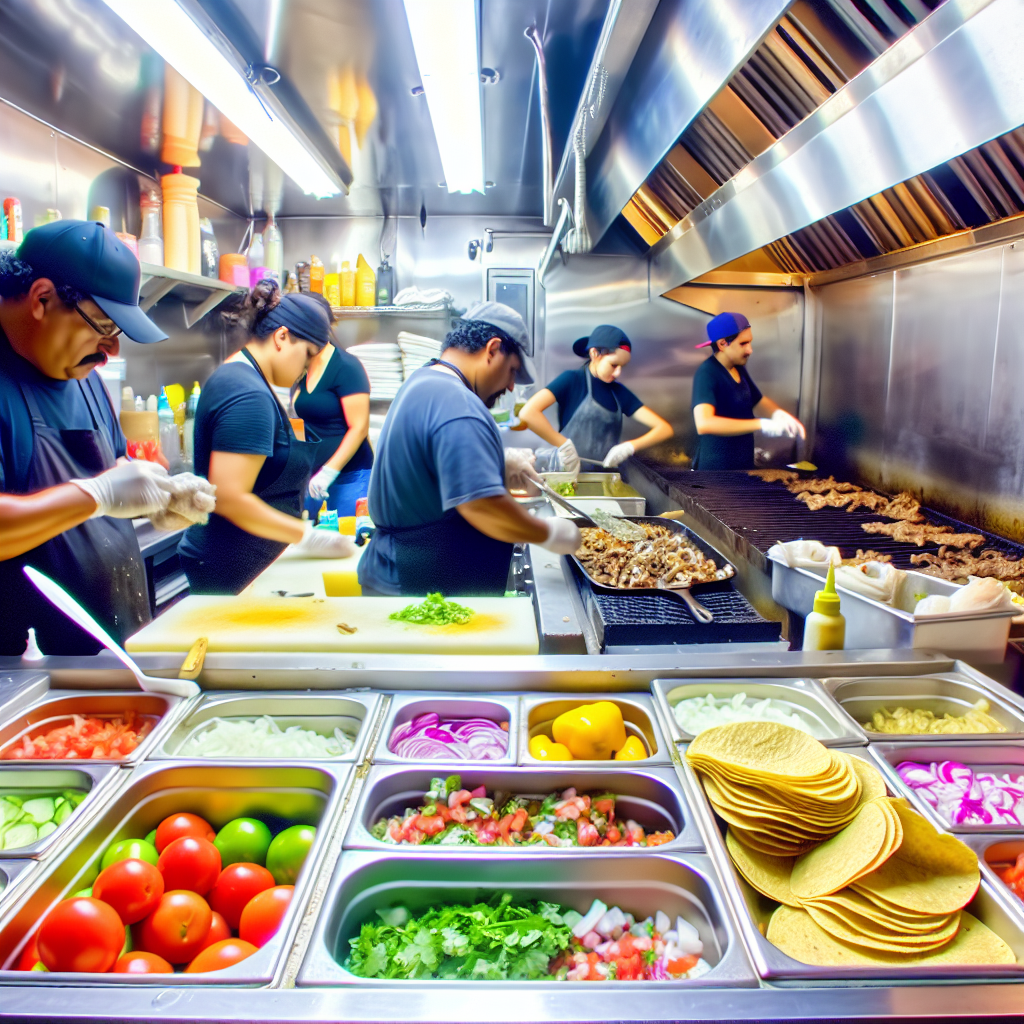
In the competitive landscape of mobile food vending, food truck vendors are increasingly discerning in their choices of vehicle models. Specific user preferences reflect not only the requirements of their business operations but also the need to satisfy customer demands. Here’s a look at the current trends in food truck model preferences, focusing on the factors that drive vendor choices:
- Operational Efficiency
Food truck vendors prioritize vehicles that enhance operational capabilities. All-in-one POS systems streamline payments, inventory, and customer engagement processes, crucial in the often cramped confines of a food truck. The efficiency of self-service kiosks also plays a role, reducing wait times and minimizing order errors. - Equipment Reliability
Reliable cooking and refrigeration equipment significantly influences model selection. Vendors favor high-performance items, such as the Blackstone 36″ Griddle Station for cooking, and True T-49 Refrigerators for food storage. These options help maintain food safety and quality, which are vital to customer satisfaction. - Customization and Branding
Operators increasingly lean toward custom-built food trucks that enhance brand identity. Tailored designs not only optimize the workspace but also create an appealing visual presence that attracts customers, offering a unique dining experience that adds value to the business. - Digital Integration
Digital tools are becoming indispensable; around 65% of food truck owners now utilize mobile ordering systems. This integration drives sales and improves the overall customer experience by providing fast and convenient service options. - Customer-Centric Features
Menu customization is a priority, allowing vendors to cater to diverse dietary preferences, enhancing customer satisfaction. Additionally, environmentally friendly practices resonate with sustainability-minded customers, reinforcing brand loyalty and attracting a conscientious customer base.
In summary, as food truck vendors evaluate their model preferences, they focus on operational efficiency, equipment reliability, customization capabilities, digital integration, and customer-centric features to optimize their business, meet customer demand, and maintain competitiveness in the industry.
Supporting Quotes and Facts
Choosing the right food truck model is not just about aesthetics or price; it is pivotal to your business’s success. According to recent statistics, there are over 36,000 food trucks operating across the United States as of 2023. This growing market underlines the importance of selecting the right model to stand out in the crowd. With numerous options available, industry insights suggest that new food trucks can range from $30,000 to over $100,000, depending on the model and customization features.
As B. L. Johnson, a seasoned food truck operator, states, “Your menu determines the equipment you’ll have to have, as well as how much space you need for food prep and storage.”
This quote emphasizes that operational efficiency is directly tied to the choice of food truck. For instance:
- The Ford Transit, a popular option among vendors, costs around $46,000 and is designed for versatility, making it an excellent choice for diverse menu offerings.
- Similarly, the Mercedes Sprinter starts around $50,000 and offers high-quality build and fuel efficiency, appealing for long-term operations.
These facts illustrate the critical balance between operational needs and budget constraints. As you explore your options, it’s vital to assess how each model aligns with your business goals to maximize both efficiency and customer satisfaction. Assessing your desired menu items, required kitchen equipment, and the vehicle’s maneuverability in urban areas will guide you in making the most effective choice for your taco venture.
In summary, understanding the market landscape, along with specific models’ costs and functionalities, will not only streamline your operations but also enhance your customer experience as you take your taco business on the road.
Conclusion
In conclusion, the selection of the right food truck model for your mobile taco business is a pivotal decision that can significantly impact your operations and overall success. Each food truck model—whether it be a spacious step van, a maneuverable cargo van, or a flexible trailer—comes with its own set of advantages and challenges. By carefully considering your specific menus, budget constraints, and operational environment, you can choose a vehicle that best aligns with your business goals.
The operational efficiency afforded by adequate kitchen space and reliable equipment will not only enhance the day-to-day functioning of your food truck but also maximize customer satisfaction. In a market brimming with competition, standing out is crucial; thus, having a well-suited vehicle allows for better branding and appeal.
Realizing that your menu dictates the necessary space and equipment is essential in making a well-informed choice. Remember, investing in the appropriate food truck model is an investment in the longevity and prosperity of your taco venture. With the right preparations and considerations, your mobile taco business can thrive in this ever-evolving industry.
User Adoption Trends in the Taco Food Truck Industry
The food truck industry, especially for taco vendors, has seen remarkable growth driven by changing consumer preferences and effective operational strategies. Here are key insights into user adoption data and trends:
Popularity of Tacos:
Tacos represent a significant portion of food truck offerings, constituting around 25.18% of all prepared food pairings. Their adaptability and ease of consumption have made them a favorite among various demographics, especially in casual dining settings.
Diverse Customer Base:
The increasing popularity of taco trucks can also be attributed to the demographic diversity in the U.S. Approximately 18.9% of the population identifies as Hispanic or Latino, who appreciate authentic Mexican cuisine. Moreover, millennials and Gen Z are predicted to overtake traditional consumer bases, with many favoring diverse, authentic culinary experiences, thereby contributing to the taco truck phenomenon.
Cost Efficiency:
Starting a food truck requires a financial commitment between $50,000 to $200,000, a significantly lower investment compared to brick-and-mortar restaurants, which can cost between $500,000 to $1 million. This relatively low barrier to entry allows entrepreneurs to innovate and tap into new markets without substantial financial risk.
Menu Innovation:
Taco trucks that offer unique menu items, such as plant-based options, cater to health-conscious consumers who still seek flavor and authenticity. Experimenting with diverse fillings not only customizes the experience but also appeals to a broader audience seeking healthier dining options.
Community Engagement:
Successful taco vendors often participate in community events and collaborate with local businesses, such as breweries. This can lead to increased customer traffic by 20% to 30%, illustrating the importance of local partnerships in the food truck industry.
Technological Integration:
An effective online presence is vital for food trucks. Many utilize digital platforms for marketing and announcements, enhancing customer engagement and loyalty. About 48% of food truck companies have reported cost savings through remote management tools, while 58% have improved supply chain effectiveness through digital tracking.
AI and Data Analytics:
Utilizing AI in menu offerings and pricing strategies leads to better customer satisfaction and increases revenue. The successful integration of technology allows taco vendors to remain competitive in a busy marketplace.
In summary, the taco food truck industry thrives on a blend of consumer demand for authentic cuisine, operational efficiency, and technological adaptability. By focusing on these areas, taco food trucks can ensure sustained growth and meet the evolving preferences of their customer base.
In recent years, food trucks have surged in popularity, transforming how we experience cuisine on the go. With over 36,000 food trucks operating across the United States, enthusiasts are constantly searching for the perfect mobile dining experience.
For aspiring entrepreneurs, particularly those looking to launch a mobile taco business, navigating the various food truck models is crucial. Choosing the right food truck model not only influences operational efficiency but also impacts customer experience and profitability.
Different models come with unique features, price points, and equipment needs, making it essential to align your choice with your menu and business goals. Terms like “best taco food truck models” and “affordable food trucks for sale” are commonly searched by potential food truck owners.
This guide will explore the myriad options available, including “step vans, cargo vans, and trailers,” ensuring you have the information you need to make an informed decision. Let’s delve into the world of food truck models and discover which can best serve your taco venture!
Food Truck Models
When selecting a vehicle for a taco food truck, it is essential to consider the type of vehicle—step van, cargo van, or trailer—as well as specific models from manufacturers like Chevrolet, Ford, and Mercedes-Benz. Below is an overview of these options, including their prices, specifications, storage capacities, and features pertinent to taco businesses.
1. Step Vans
Step vans are popular for food trucks due to their spacious interiors, making them perfect for expansive menus such as gourmet tacos and catering services.
-
Chevrolet P30
Price Range: Pre-owned models typically range from $5,000 to $15,000.
Specifications: Known for durability; specific dimensions and engine details vary by year and customization.
Storage Capacity: Ample space suitable for full kitchen setups.
Notable Features: Widely available on the resale market; offers a solid foundation for customization, ideal for taco catering and event services. -
Ford F-59 XL
Price Range: New models retail around $70,000.
Specifications: Modern design with various engine options; specific details depend on the model year.
Storage Capacity: Spacious interior suitable for comprehensive kitchen installations.
Notable Features: Reliable and customizable; suitable for extensive taco offerings.
2. Cargo Vans
Cargo vans offer a more compact and maneuverable option, ideal for urban environments and late-night taco service.
-
Ford Transit
Price Range: New models range from $32,985 to $46,000; used models start around $15,000.
Specifications: Available with multiple roof heights; standard engine is a 3.5L PFDi V6 with 275 hp.
Storage Capacity: Up to 487.3 cubic feet of cargo space.
Notable Features: 270° rear door opening; excellent service network; versatile for various configurations, great for creating menus with unique taco options. -
Mercedes-Benz Sprinter 2500 High Roof
Price Range: New models range from $23,315 to $47,870; used models start around $20,000.
Specifications: High roof design allows for standing room; standard engine is a 3.0L V6 Turbo Diesel with 188 hp.
Storage Capacity: Cargo capacity ranges from 319 to 533 cubic feet, depending on configuration.
Notable Features: Premium build quality; excellent fuel efficiency; multiple configurations available for optimizing taco food prep.
3. Trailers
Trailers provide flexibility and can be detached from the towing vehicle, allowing for versatile operations often sought after by food truck vendors.
-
General Specifications
Price Range: New trailers typically range from $5,000 to $40,000, depending on size and features.
Storage Capacity: Sizes vary from 10 to 34 feet in length, offering customizable space for kitchen equipment, ideal for taco preparation and storage.
Notable Features: Can be customized to specific needs; lower initial investment compared to trucks; requires a towing vehicle for starting your taco truck business.
Selecting the right vehicle involves balancing budget constraints with operational needs and local regulations. It is advisable to consult with professionals experienced in food truck conversions to ensure the chosen vehicle meets all requirements for a successful taco business.
| Food Truck Model | Price Range | Space (Cubic Feet) | Type/Category |
|---|---|---|---|
| Chevy P30 | $5,000 – $15,000 | Ample | Step Van |
| Ford Transit | $32,985 – $46,000 | Up to 487.3 | Cargo Van |
| RAM ProMaster | $44,000 | 354 to 462 | Cargo Van |
| Mercedes Sprinter | $23,315 – $47,870 | 319 – 533 | Cargo Van |
| Diamond Cargo Trailers | < $6,000 | 10 to 34 feet | Trailer |
| Ford F-59 XL | ~ $70,000 | Spacious | Step Van |