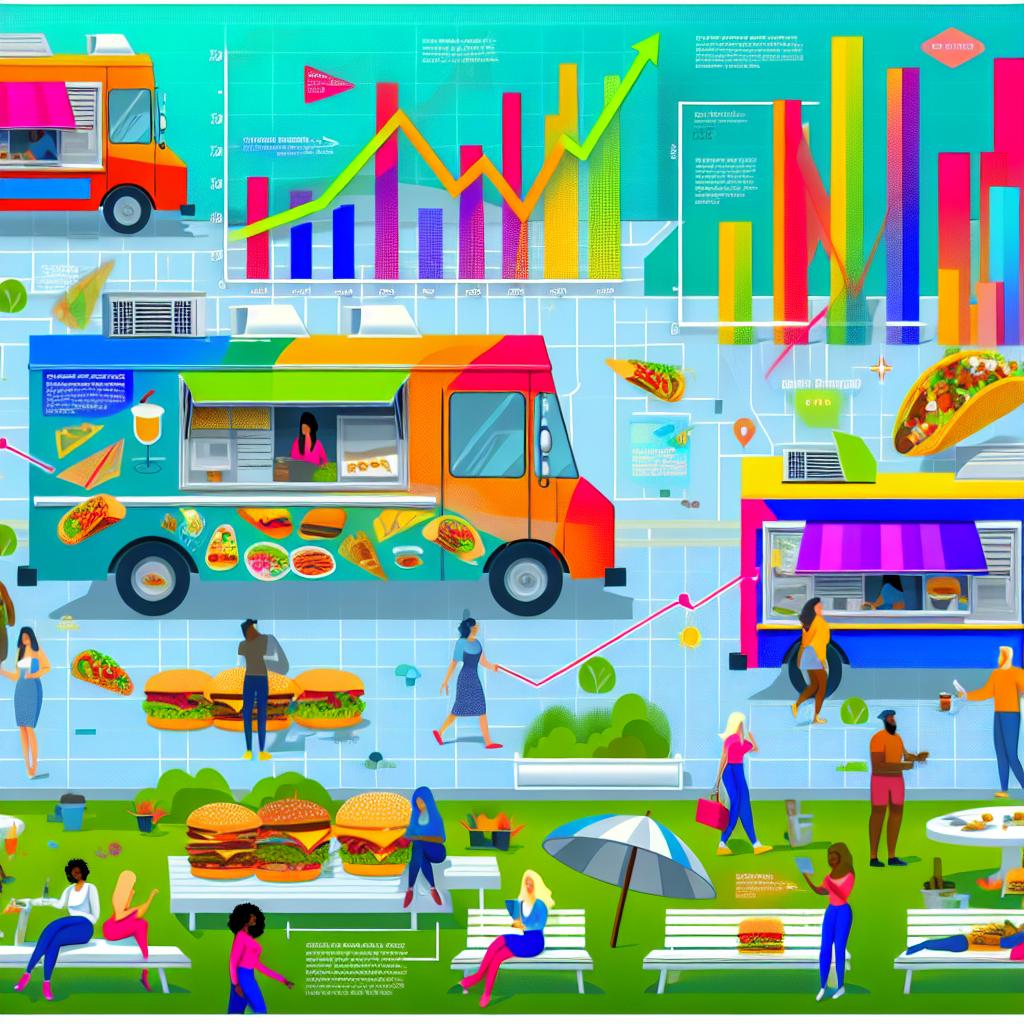
In recent years, food trucks have transformed from a simple culinary alternative to a major phenomenon within the mobile food business. This exciting shift has not only reshaped the way we think about eating on the go but also opened avenues for aspiring chefs and entrepreneurs to showcase their culinary creations on wheels. With their irresistible charm and diverse offerings, food trucks have captured the hearts of food lovers everywhere, sparking a revolution that encourages variety and creativity in everyday dining. As the food truck trend continues to grow, so too does the range of food truck models available for aspiring vendors. From classic step vans to contemporary trailers, potential food truck owners are faced with an array of options that cater to different tastes, budgets, and business goals. In this guide, we will explore how to choose the right food truck model to kick-start your journey in this thriving industry.
With projections indicating over 36,000 food trucks currently in operation in the U.S. alone, it’s more important than ever to find a model that aligns with your vision and operational needs, ensuring your food truck business thrives in this vibrant marketplace. This guide also touches upon essential aspects such as food truck financing and budget considerations, providing a comprehensive overview to help future vendors successfully navigate the complexities of the mobile food industry.
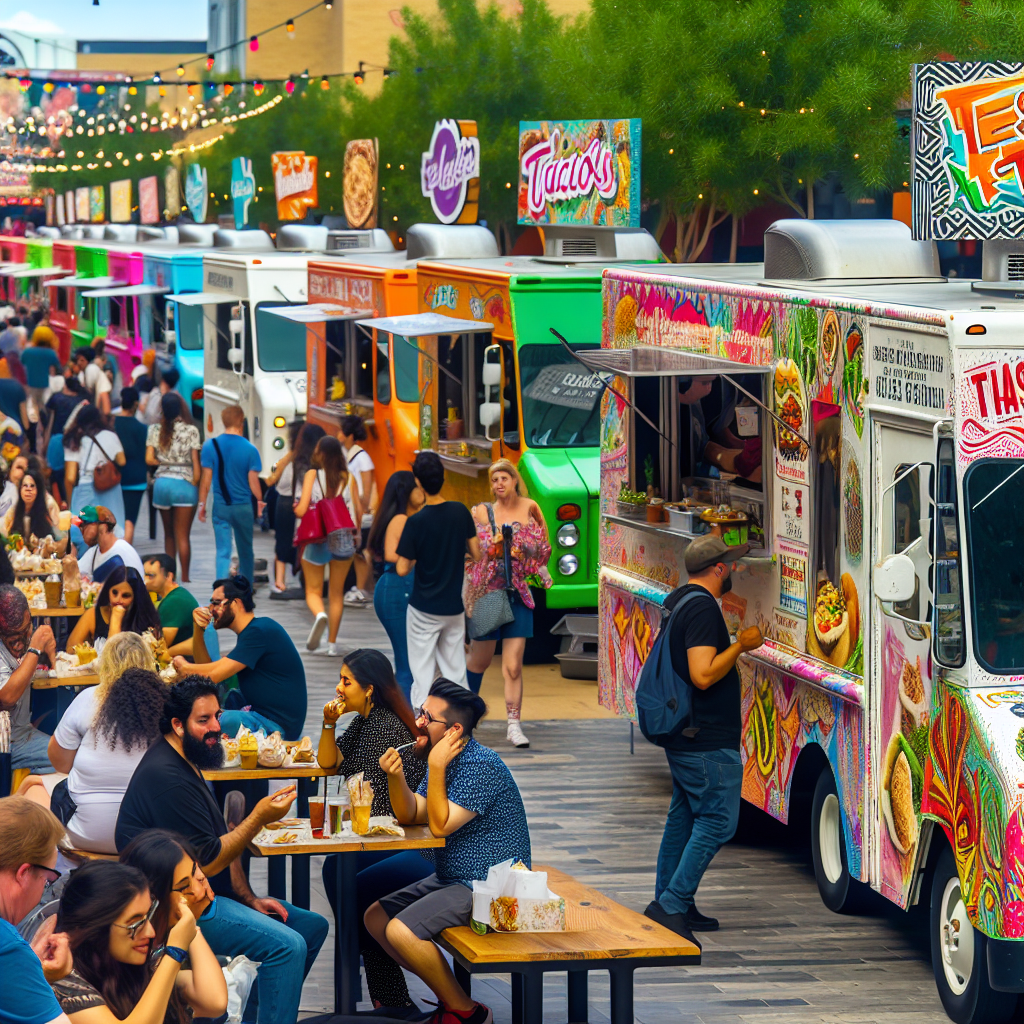
Key Factors to Consider When Choosing a Food Truck Model
Choosing the right food truck model is crucial for your business’s success. Here are the key factors to keep in mind:
- Budget:
- Set your budget for buying and equipping your food truck.
- New trucks typically cost between $30,000 and $100,000 based on model and features.
- Don’t forget to consider ongoing costs, like fuel, maintenance, and insurance.
- Type of Cuisine:
- Your menu significantly influences your truck choice.
- Make sure the truck’s space and layout fit your cooking equipment and workflow.
- For instance, a truck selling gourmet burgers may need a grill and fryers, while one offering coffee may need less space.
- Size and Layout:
- Think about the truck’s size versus your serving capacity and the types of events you want to join.
- A bigger truck can hold more equipment and menu items, but it might be pricier and harder to drive.
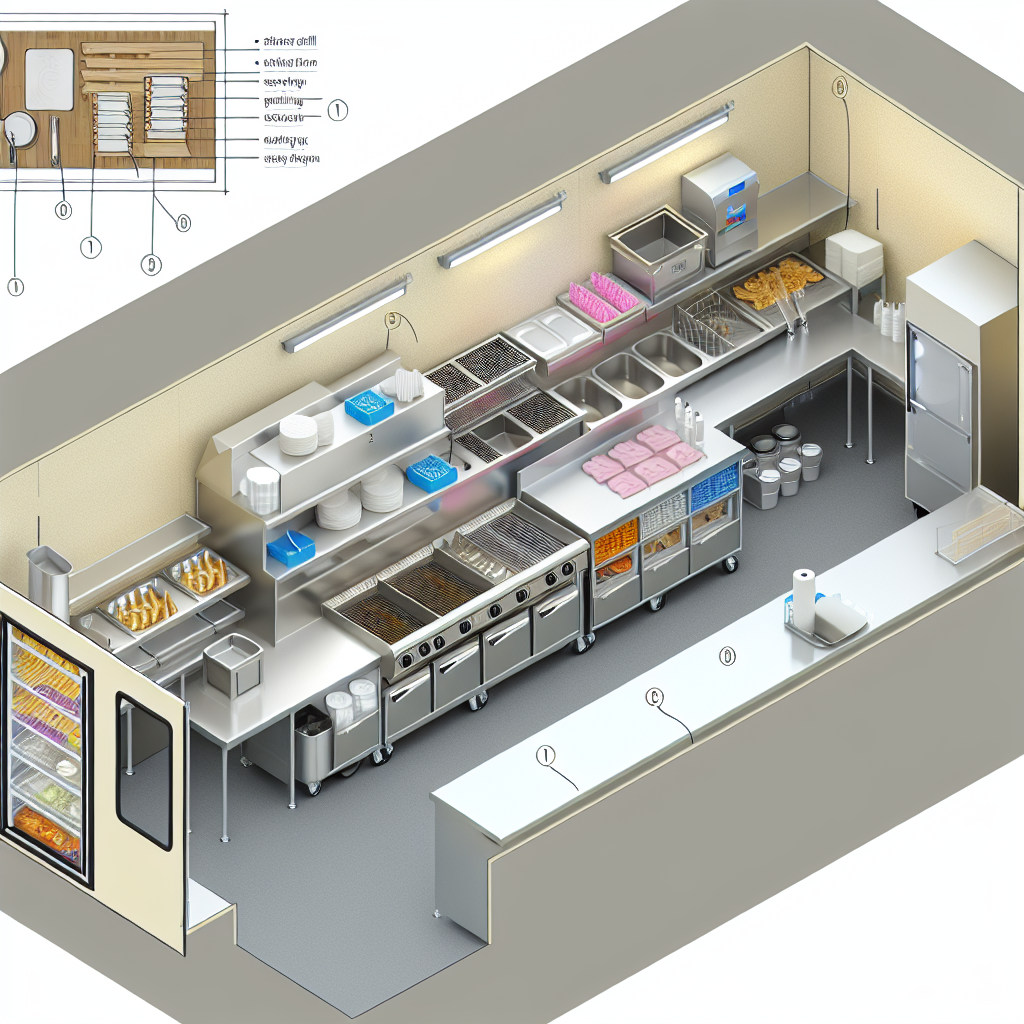
- Plan your layout for efficiency, since a good workflow reduces the time needed for cooking and serving.
- Operational Requirements:
- Look into local rules for food truck operations, including permits, health codes, and zoning laws.
- Ensure your truck design meets mobile kitchen standards in your area.
- Check logistical needs like storage space, water supply, and how waste is handled.
Taking the time to evaluate these factors will help create a solid foundation for your food truck business, setting you up for success in a competitive industry.
User Adoption Data
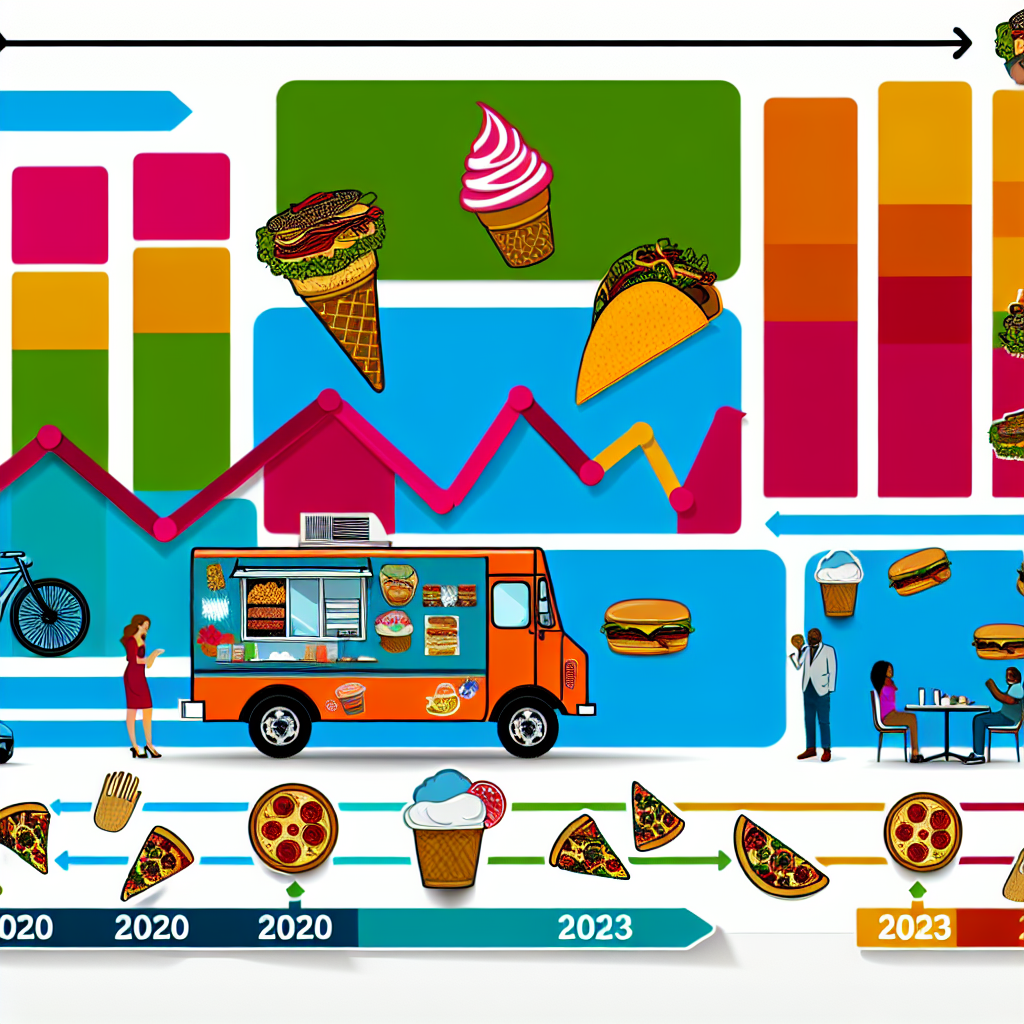
In 2023, the mobile kitchen industry demonstrated robust growth with a market expansion of 7.2%, reaching a total estimated operational number of over 35,000 catering vehicles in the United States. The increase in the number of new gastronomy trucks is significant, reflecting a 22% surge compared to the previous year. Notably, 68% of vendors now prefer custom-built trucks over converted models, indicative of a desire for tailored solutions to suit their unique culinary offerings.
The trend towards eco-friendly options has also gained momentum, with electric models’ adoption skyrocketing by 185% this year. Despite this growth, electric catering vehicles still only represent about 8% of the total market due to challenges like insufficient charging infrastructure. Urban areas provide incentives for vendors to transition to electric models, further encouraging this trend.
Profitability among vendors remains high, with 78% noting increased earnings in 2023. Additionally, economic factors are influencing preferences; 62% of vendors favor step-van conversions due to their lower initial investment costs compared to custom builds.
Regional differences are notable as well, with coastal cities favoring eco-friendly models by as much as 40% compared to midwestern areas. States like Texas and California account for a significant portion of new registrations, making up 32% of all newly operational mobile kitchens this year.
These findings provide an insightful look into the evolving landscape of the food truck industry and the preferences driving vendor choices in 2023.
The strong growth trends underscore the importance of selecting a catering vehicle that not only meets individual operational needs but also aligns with prevailing shifts in consumer preferences and market demands.
| Food Truck Model | Manufacturer | Cost (Approx) | Key Features |
|---|---|---|---|
| Chevy P30 | Chevrolet | $30,000 – $50,000 | Classic design, widely recognized chassis. |
| Freightliner MT45 | Freightliner | $60,000 – $100,000 | Spacious interior, ideal for large kitchens. |
| Ford P700 | Ford | $35,000 – $60,000 | Versatile design, good for various cuisines. |
| RAM ProMaster | RAM | $44,000 – $55,000 | Excellent maneuverability, customizable layout. |
| Ford Transit | Ford | $46,000 – $70,000 | Popular choice among food vendors, reliable. |
| Nissan NV Cargo | Nissan | $38,000 – $58,000 | Strong build, perfect for delivery or cooking. |
| Mercedes Sprinter | Mercedes-Benz | $60,000 – $90,000 | Luxury option, exceptional interior space. |
| Diamond Cargo Trailer | Diamond Cargo Trailers | $6,000 – $25,000 | Affordable, flexible for various uses. |
Budget Considerations for Food Trucks
When starting a food truck business, understanding your budget is paramount. The costs associated with purchasing and operating a food truck can vary significantly, according to the model and condition of the vehicle.
- Cost of Food Trucks:
- A new food truck generally ranges from $50,000 to $200,000, depending on specifications and custom features. These new trucks often come equipped with up-to-date technology and meet current health and safety regulations.
- In contrast, used food trucks can be more budget-friendly, with prices typically between $20,000 and $80,000. However, buyers should be cautious as older models may require significant refurbishment or repairs immediately after purchase.
- Maintenance Costs:
- Maintenance is another crucial aspect to consider. Used trucks tend to incur higher maintenance costs, potentially adding $5,000 to $15,000 in initial repairs. Newer models might have lower maintenance costs, averaging $3,000 to $7,000 annually, but owner-operators should still budget for maintenance to avoid setbacks in operations.
- Equipment Expenses:
- Outfitting your food truck with essential kitchen equipment can account for an additional $30,000 to $50,000. This includes purchasing grills, fryers, refrigerators, and generators necessary for daily operations.
Understanding these budget considerations can significantly impact the success of your food truck venture. It is wise to prepare for both expected and unexpected expenses to ensure your startup can thrive in this highly competitive industry. Planning ahead for costs enables food truck owners to operate smoothly and focus on delivering delicious food to their customers.
Expert Quotes on Food Truck Models
-
Mark Anderson from FoodTruckEmpire states:
“Choosing the right food truck model is the single most important decision an entrepreneur will make. It impacts everything from operational efficiency to customer experience and long-term profitability. A poorly selected model can limit menu options, create workflow bottlenecks, and significantly increase operating costs.”
-
Sarah Johnson, a renowned food truck consultant, emphasizes:
“Model selection isn’t just about the vehicle – it’s about choosing your entire business strategy. The right model aligns with your target market, menu complexity, and growth aspirations. I’ve seen too many entrepreneurs fail because they chose a model that couldn’t support their vision or scale with demand.”
-
Michael Chen, a veteran food truck operator, explains:
“Your model choice dictates your operational flexibility. Entrepreneurs must balance initial investment against long-term operational needs and expansion potential.”
For more insights, explore the full articles by FoodTruckEmpire and Mobile Cuisine Magazine.
Conclusion
In conclusion, selecting the right food truck model is a pivotal decision that can significantly impact your business success. Throughout this article, we’ve explored essential factors such as budget, cuisine type, size, and operational requirements, each playing a crucial role in determining the best fit for your culinary venture. As you embark on your journey into the food truck industry, take the time to meticulously evaluate your options. Consider not just the immediate costs, but the long-term implications of your choice.
The ideal food truck model should align with your vision, helping you create a seamless workflow while providing exceptional service to your customers. Remember, a well-informed decision today can set the foundation for a thriving business tomorrow. Embrace this opportunity, weigh your options carefully, and choose wisely to ensure your food truck remains a beloved destination in the ever-growing gastronomic landscape.
Recommended Resources for Further Reading
To enhance your understanding of food truck models and help guide your potential purchase or design, here are some valuable resources:
-
Food Truck Design Classifications and Operational Insights
Source: 餐饮烤车与手冲吧台设计
Published on: February 26, 2025
This article discusses different classifications of food truck models, such as traditional pushcarts and multifunctional modular trucks. It highlights space optimization and material choices for durability and functionality, beneficial for anyone looking to design or operate a food truck. -
High-Efficiency Food Truck SU Model Analysis
Source: 网红集市快餐车设计
Published on: September 22, 2025
This analysis dives into a popular food truck model, exploring its spatial design and operational features. It discusses regulations for operating in managed venues and is essential for understanding practical considerations in food truck operations. -
2025 Food Truck and Model Sales Rankings
Source: 淘宝天猫销量前10
Published on: November 29, 2025
Featuring the top-selling food truck-related items and market trends, this article reveals consumer interests and the shift towards affordable design resources, which is crucial for aspiring food truck operators. -
Food Truck Naming Strategies and Resources
Source: 快餐车的名字起什么好啊
Published on: August 31, 2025
This guide offers creative naming strategies for food trucks that align with brand identity, plus examples and platforms for launching your mobile kitchen brand effectively.