

In recent years, the food truck industry has experienced explosive growth, transforming the culinary landscape in cities across the nation. With their unique ability to bring diverse cuisines directly to the public, food trucks have gained immense popularity among both entrepreneurs and food lovers alike. This surge in interest isn’t just a passing trend; it’s a movement that showcases the creativity and versatility of food service on wheels.
However, an essential factor in launching a successful food truck business is selecting the right food truck model. With various options on the market, from step vans to cargo vans, each model presents unique advantages that can either make or break your culinary venture. Understanding the nuances of different food truck models will empower you to make an informed decision, setting the stage for your path to success in the competitive food truck arena.
Popular Food Truck Models
Here’s a list of some popular food truck models along with brief descriptions of each:
- Chevy P30: The Chevy P30 is a classic food truck model recognized for its reliability and ample space. It’s built on a sturdy commercial chassis, making it perfect for various food operations. The truck’s interior can be customized to accommodate kitchen equipment and storage needs to handle extensive menus.
- Freightliner MT45: Known for its powerful engine and spacious design, the Freightliner MT45 is a favorite among food truck vendors who require significant room for cooking and customer service. The step van design ensures low accessibility and does well in urban environments.
- Ford P700: The Ford P700 offers durability and a robust build, making it ideal for businesses that demand a reliable workhorse. Its spacious interior can be equipped for both cooking and serving, ensuring efficiency during busy hours.
- RAM ProMaster: The RAM ProMaster is favored for its versatility and fuel efficiency. Its wide and tall interior facilitates easy movement for staff, while the cargo capacity is perfect for larger menus. Additionally, it has a competitive price point compared to other models.
- Ford Transit: A more modern option, the Ford Transit features a sleek design and advanced technology. It provides high customization options to meet various kitchen needs and is known for its reliability and ease of driving, making it suitable for both city and suburban food truck operations.

Factors Affecting Model Choice
When selecting a food truck model, several important factors need to be considered. These factors are the menu you plan to offer, where you will locate your truck, budget limits, and the space you need for food preparation and storage.
- Menu: The type of foods you want to serve directly affects your choice of truck model. For instance, if your menu includes gourmet burgers, you will need equipment like grills and refrigeration units. Therefore, a larger vehicle will be necessary to accommodate this equipment. As a quote states, “Your menu determines the equipment you’ll have to have, as well as how much space you need for food prep and storage.”
- Location: Where you plan to operate your truck is also a significant factor. Being in a high foot traffic area can impact your business. A truck model that works well in an urban location may not be suitable for suburban areas. Therefore, understanding local culinary preferences will help you choose the right model that appeals to your target customers.
- Budget: Your budget is crucial in deciding what food truck model to buy. New trucks with advanced features can be expensive, while used vehicles often provide a more affordable option. Besides the initial purchase cost, it is essential to think about ongoing expenses like fuel and maintenance since these can affect your profitability.
- Space Requirements: You also need to consider how much space your food truck will need. The design of your truck should allow room for cooking equipment and food storage. A well-planned layout is crucial for meeting health regulations and ensuring efficiency during busy times.
By taking these factors into account, food truck operators can choose the best model for their specific business needs. This important decision will lay the groundwork for success in a competitive market.
| Model Name | Price Range | Ideal Use Case |
|---|---|---|
| Ford Transit | $40,000 – $50,000 | Best for urban settings, ideal for standard menus with moderate space requirements. |
| RAM ProMaster | $44,000 – $55,000 | Versatile option perfect for catering to larger menus due to ample interior space. |
| Freightliner MT45 | $90,000 – $110,000 | Suitable for food vendors with extensive menus needing extra space for equipment. |
| Chevy P30 | $25,000 – $40,000 | Classic choice for reliable operation, generally better for smaller menus. |
| Ford P700 | $45,000 – $60,000 | Robust and durable, a good fit for a food truck business needing a reliable workhorse. |
Analyzing Vendor Preferences for Food Truck Models
In the vibrant food truck industry, vendor preferences are pivotally centered on the choice of truck models, especially as they relate to menu offerings. Step vans have emerged as a favored option for many food truck operators who provide lengthy menus. This preference is largely due to the substantial advantages that step vans offer in terms of space and operational efficiency.
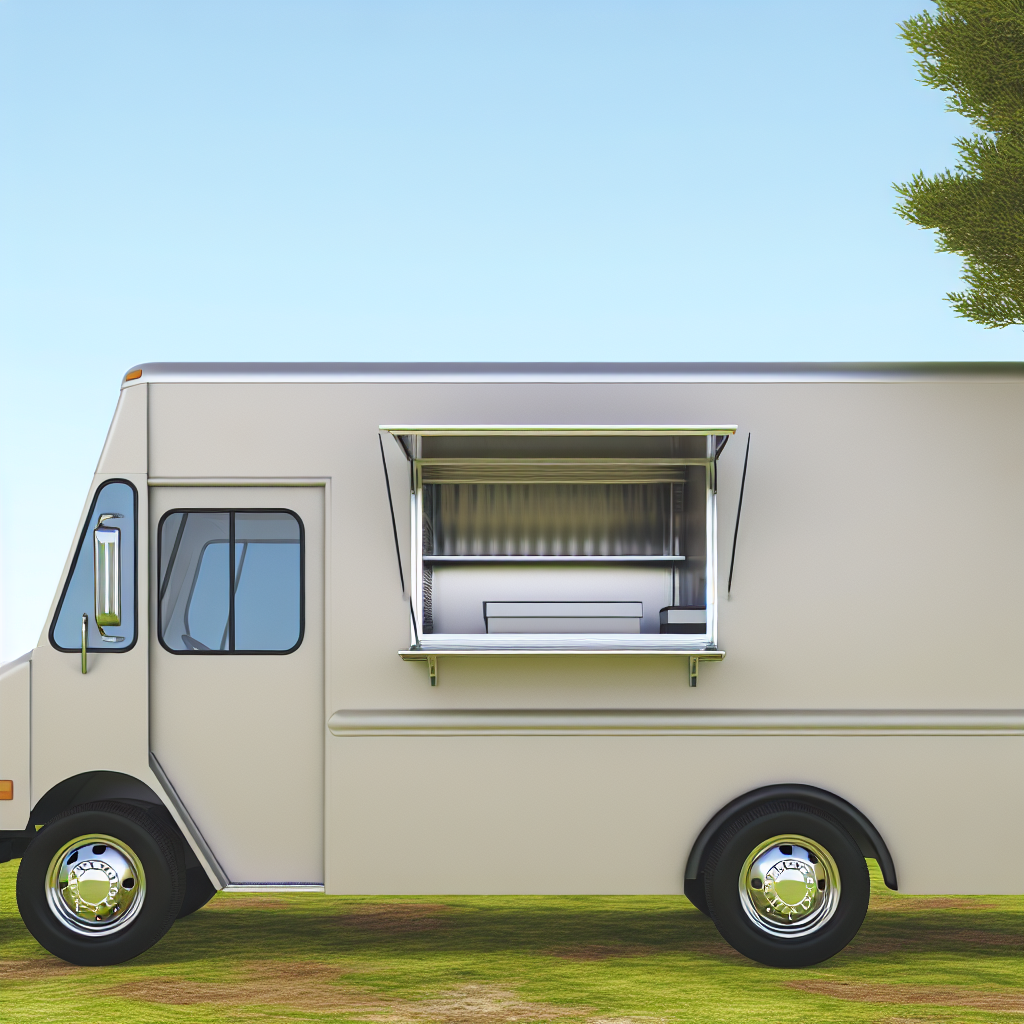
Step vans, including popular models like the Freightliner MT45 and Chevy P30, present significant square footage and vertical space, which are crucial for the effective organization of kitchen equipment and ingredient storage. This aspect is vital for food trucks that feature a wide variety of items on their menus, enabling them to maintain quality while optimizing workflow. Vendors aiming to serve elaborate dishes need equipment such as grills, fryers, and refrigeration units, which necessitates a larger vehicle. For example, step vans allow for safe storage and easy access to essential items during food preparation.
Furthermore, step vans provide the capability to incorporate various cooking methods, allowing vendors to prepare larger volumes of food simultaneously. This flexibility is ideal for those targeting high-traffic areas or busy events since presenting diverse culinary offerings efficiently can be a game-changer. Industry insights indicate that a well-equipped step van can lead to significant improvements in service speed, which is critical for satisfying customer demands during peak service times, especially when managing a complex menu.
Overall, step vans signify an optimal investment for food truck vendors aspiring to stand out with lengthy menus in a competitive market. By offering ample space for both cooking equipment and ingredient storage, as well as facilitating efficient preparation, these trucks empower entrepreneurs to maximize their operational capabilities effectively. With a price range from $30,000 to over $100,000, investing in a step van can offer considerable returns for those eager to excel in the growing food truck sector.
Maintenance Considerations for Food Truck Models
When venturing into the food truck business, understanding the maintenance considerations for various models is essential for long-term success. Different truck models can necessitate unique maintenance routines, which can significantly impact operational efficiency and budgeting.
Regular servicing is crucial for ensuring any food truck remains operational. This maintenance can vary based on the make and model of the truck. For example, step vans like the Freightliner MT45 often feature more complex mechanical systems, which can result in more frequent and intensive maintenance checks. Conversely, simpler models such as the RAM ProMaster may have less demanding maintenance requirements, allowing for more straightforward upkeep.
Budgeting for maintenance is another critical aspect. Food truck owners need to plan for not only routine maintenance costs, like oil changes and tire rotations, but also potential repairs and replacements that can arise as the truck ages or undergoes heavy use. Regular inspection of essential components, including engines, brakes, and electrical systems, can prevent unexpected breakdowns that could disrupt service.
Additionally, creating a maintenance fund is advisable. Setting aside a certain amount of income to cover unexpected repairs will help ensure that the truck remains safe and compliant with health regulations. This proactive approach will ultimately contribute to the longevity of the vehicle and the success of the food truck business. By considering maintenance routines and associated costs during the model selection process, entrepreneurs can better align their operational capacity with the demands of their culinary offerings and customer service expectations.
Vendor Experiences with Food Truck Models
Navigating the world of food trucks can be as thrilling as it is challenging. Many vendors share a common sentiment regarding the learning curve associated with operating different truck models. One vendor noted, “If you’ve never done it before, there is a learning curve when it comes to backing up a trailer.” This reflects a significant concern for those new to the food truck scene, especially regarding maneuverability and parking in tight urban settings.
Others express varying experiences with their chosen models. For instance, a vendor operating a Freightliner MT45 emphasized the importance of space, stating, “With a larger menu, you simply need the room for your equipment. The MT45 gives me that flexibility, and it handles heavy workloads effortlessly.” Meanwhile, another vendor who uses a Chevy P30 explained how they’ve managed to adapt their workflow, saying, “It’s classic and reliable, but I had to get creative with the limited space initially. Learning how to maximize every square inch has been key.”
Additionally, many vendors highlight the importance of budget in their decision-making process. One vendor candidly shared, “I went with a used RAM ProMaster to save on costs, and it was a great decision. It’s fuel-efficient, and while it lacks some features of newer models, it still gets the job done efficiently.”
Ultimately, these testimonials revel in the shared journey of food trucks, filled with both obstacles and solutions. As these vendors adapt, they continually learn, innovating on the go and shaping their culinary offerings through the lens of experience.
Vendor Anecdotes
Many food truck owners have shared valuable experiences regarding their chosen models. For instance, one vendor stated, “I chose the Freightliner MT45 because of its space. With a diverse menu, I needed room for all my equipment. The flexibility it offers has been a game changer for my operations!” Another vendor using a RAM ProMaster mentioned, “While it’s not the newest model, its fuel efficiency and reliability have allowed me to focus more on my menu than on repairs. It’s been a solid investment for my business!” These anecdotes highlight the real-world impact of the right food truck model on daily operations, emphasizing the correlation between model choice and operational success.
Concluding Recommendations
Selecting the right food truck model is a crucial step in launching a successful food truck business. As highlighted throughout this guide, the decision should be shaped by several key factors: the menu you’ll offer, your budget, maintenance requirements, and the amount of space you need for food preparation.
For vendors aiming for extensive, diverse menus, step vans such as the Freightliner MT45 or Chevy P30 provide ample space and flexibility. If you are working with a tighter budget, consider models like the RAM ProMaster or Ford Transit, which offer versatility and fuel efficiency at a reasonable price.
Lastly, keep in mind the maintenance considerations; investing in a model that requires less intensive upkeep can lead to long-term savings and efficiency. Ultimately, the best model aligns with your culinary vision and operational goals, ensuring you stand out in the vibrant food truck landscape.
Call to Action
Ready to take your food truck venture to the next level? Consider exploring additional related keywords such as mobile food business and food truck regulations to enhance your search engine optimization (SEO) strategy. This can help your content reach a wider audience and attract potential customers.
Don’t miss out on the opportunity to grow your business with the right keywords!
Recommended Sources for Food Truck Success Stories and Reports
To enhance the credibility of your food truck business insights, consider referencing the following reputable sources:
- The Food Truck Nation: A detailed exploration of food truck businesses across the country featuring numerous success stories.
- National Association of Food Trucks: This organization provides valuable reports, statistics, and insights regarding important trends within the food truck industry.
- Forbes: Their sections on food trends frequently include case studies and success stories of successful food truck entrepreneurs.
- Mobile Food Vendors Association: A valuable resource offering stories and insights from successful vendors in the food truck sector.
- Food Truck Operator Magazine: This magazine features various success stories and operational tips from food truck owners.
By integrating these links into your article, you can provide readers with access to additional credible content that supports your insights into the food truck business.