
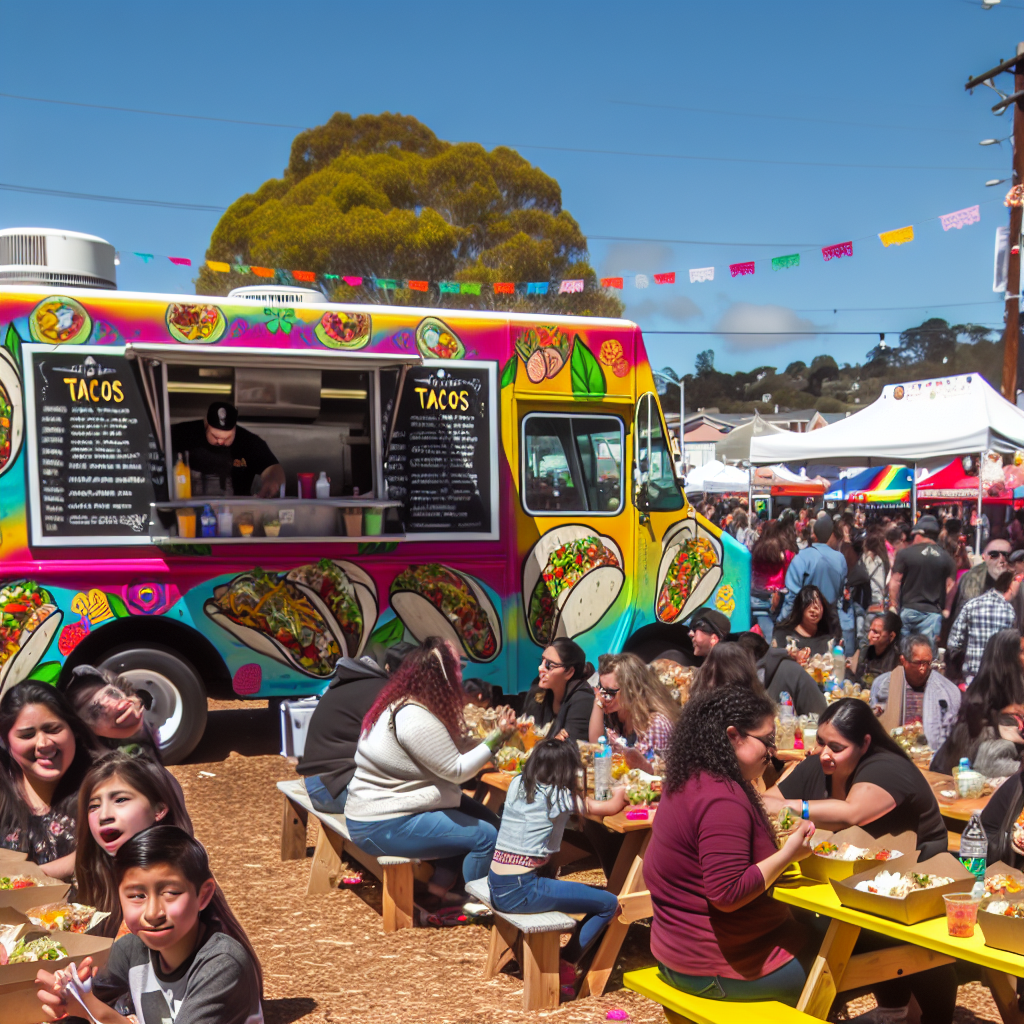
The food truck industry is booming, with 36,000 food trucks currently serving delicious and diverse meals across the United States as of 2023. This exciting trend allows aspiring entrepreneurs to step into the culinary world with opportunities that blend creativity and business acumen. Whether you envision serving gourmet tacos, artisanal sandwiches, or unique fusion dishes, the variety in food truck models provides you with endless options to bring your vision to life.
With choices ranging from classic step vans to modern cargo vans like the RAM ProMaster and Mercedes Sprinter, selecting the right model can significantly impact your operation’s success. In this article, we will explore the different food truck models available, key considerations to keep in mind when making your choice, and valuable insights from industry experts that will help you navigate the thrilling process of launching your own food truck business.
Choosing the Right Food Truck Model
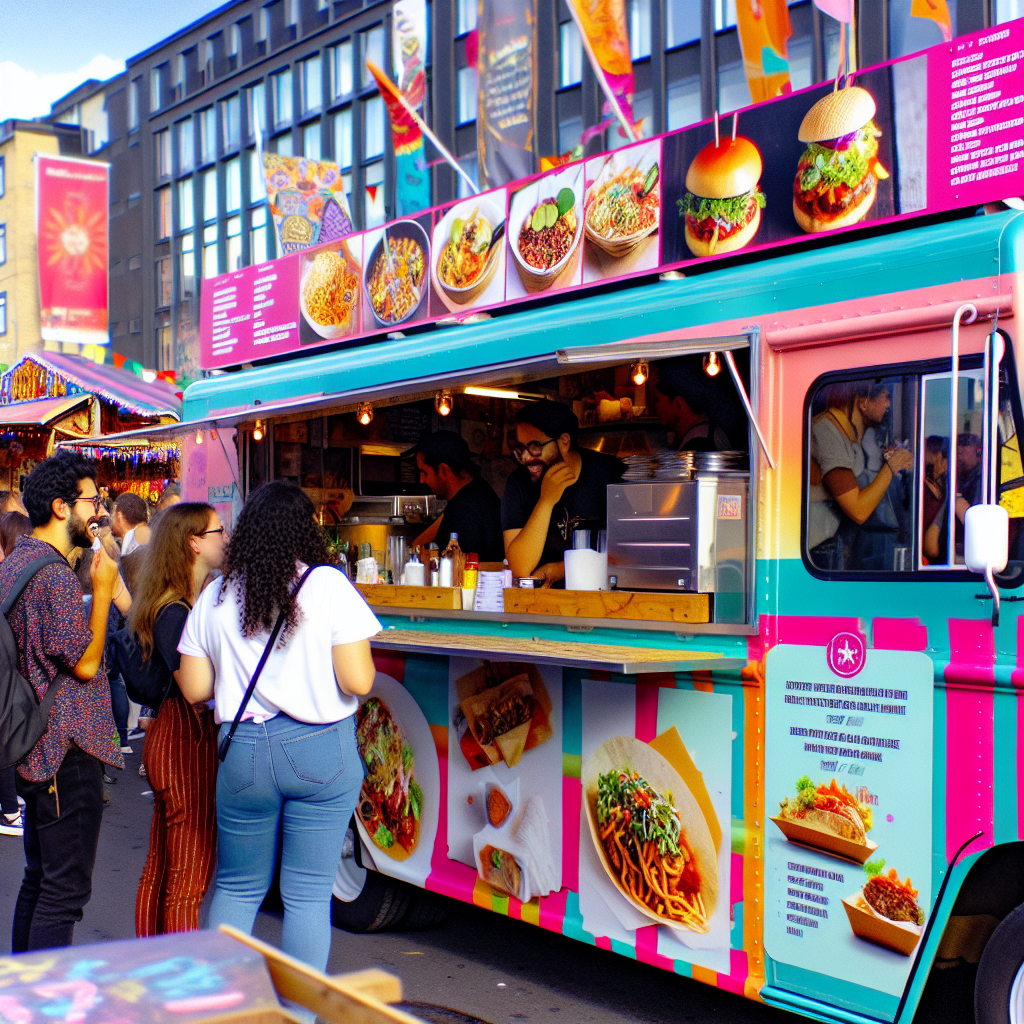
Selecting the right food truck model is crucial for aspiring food truck owners. This decision can feel overwhelming, but it comes down to three important factors: your menu, the location of your business, and your budget.
Menu
Your menu largely determines the food truck model you will need. It influences the type of equipment necessary and how much space is essential for food preparation and storage. For example, if your truck specializes in gourmet burgers, it will require a larger grill and refrigeration than one serving artisanal tacos. For instance, the Chevy P30 is excellent for traditional fare. It provides ample space for cooking equipment and a customer service counter. In contrast, the Ford Transit fits a more streamlined menu with high-end items, allowing for compact design without sacrificing functionality.
Location
Understanding the food culture of your target location can also influence your model choice. In vibrant nightlife areas, food trucks serving quick bites or late-night snacks, like taco trucks, tend to do well. On the other hand, neighborhoods filled with fitness enthusiasts can support healthier menu options. Planning where to operate ensures that your menu aligns with what customers expect. Thus, selecting the right truck is vital for attracting interest and driving sales.
Budget
Your budget will ultimately influence which food truck model is realistic for your business. Costs for models can vary significantly, often ranging from $50,000 to over $175,000. This will heavily influence your operational strategy. Larger trucks may be beneficial for bustling events or high-traffic locales, while smaller, more affordable models can thrive in less demanding environments.
In conclusion, choosing a food truck model involves balancing your intended menu, location characteristics, and available budget. Each must align to pave the way for a successful food truck venture.
| Food Truck Model | Cost | Availability | Notable Features |
|---|---|---|---|
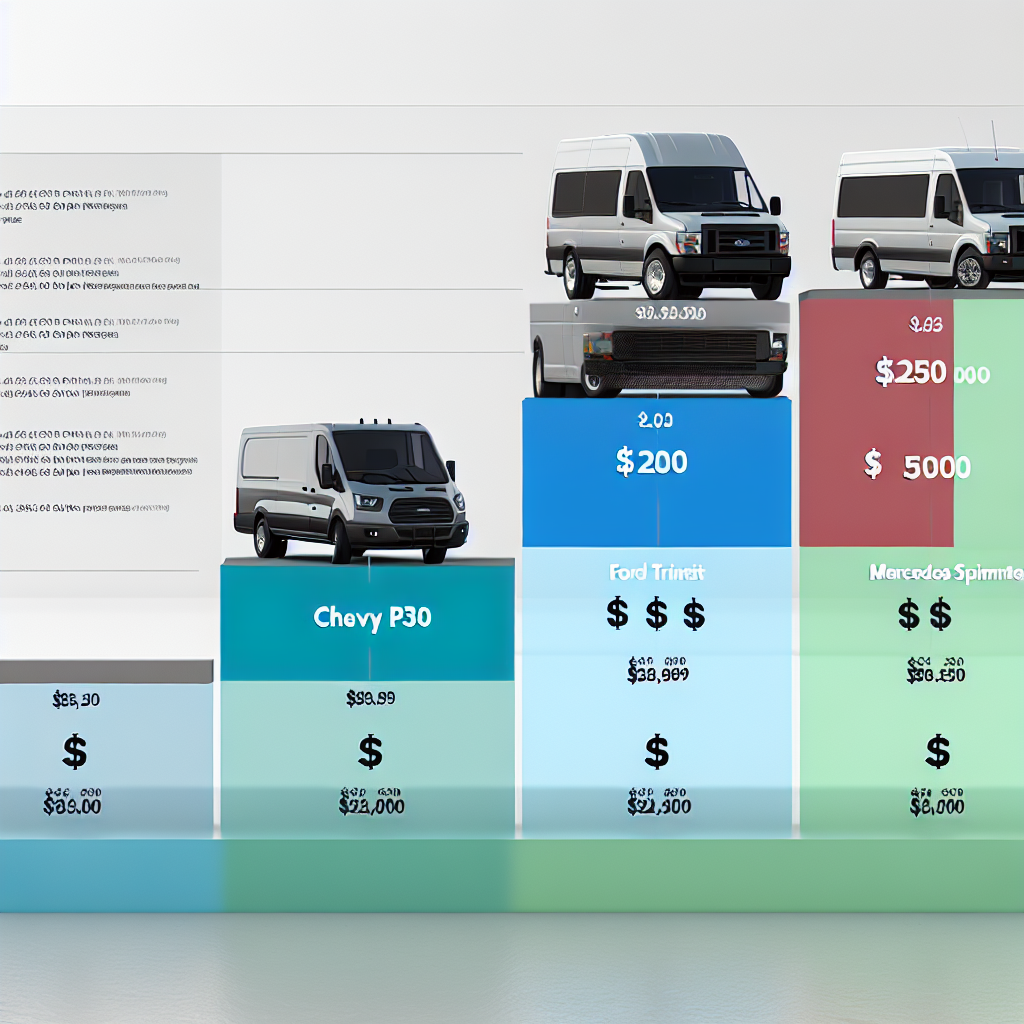
| Chevy P30 | $10,000 – $40,000 (used) | Widely available (used) | Simple design, ample space for kitchen equipment |
| Freightliner MT45 | $30,000 – $60,000 (new) | Easily available (new) | Powerful engine, high payload capacity |
| Ford P700 | $25,000 – $55,000 (new) | Commonly available (new) | Versatile design, good for large kitchens |
| RAM ProMaster | $41,000 – $44,000 (new) | Readily available (new) | Wide interior, excellent maneuverability |
| Ford Transit | $46,000 (new) | Readily available (new) | Customizable, efficient in urban environments |
| Nissan NV Cargo | $30,000 – $46,000 (new) | Commonly available (new) | High roof design, spacious cargo area |
| Mercedes Sprinter | $50,000 – $90,000 (new) | Readily available (new) | Luxurious interior options, durability |
| Food Truck Model | Cost | Availability | Notable Features |
|---|---|---|---|
| Chevy P30 | $10,000 – $40,000 (used) | Widely available (used) | Simple design, ample space for kitchen equipment |
| Freightliner MT45 | $30,000 – $60,000 (new) | Easily available (new) | Powerful engine, high payload capacity |
| Ford P700 | $25,000 – $55,000 (new) | Commonly available (new) | Versatile design, good for large kitchens |
| RAM ProMaster | $41,000 – $44,000 (new) | Readily available (new) | Wide interior, excellent maneuverability |
| Ford Transit | $46,000 (new) | Readily available (new) | Customizable, efficient in urban environments |
| Nissan NV Cargo | $30,000 – $46,000 (new) | Commonly available (new) | High roof design, spacious cargo area |
| Mercedes Sprinter | $50,000 – $90,000 (new) | Readily available (new) | Luxurious interior options, durability |
Cost of Food Truck Models
When diving into the world of food trucks, understanding the costs associated with different models is imperative. The price of food trucks can vary significantly based on several factors, including whether you’re looking at brand new models or pre-owned options.
For starters, new food truck models like the Ford Transit, priced around $46,000, and the RAM ProMaster, which comes in at approximately $44,000, are popular among new entrepreneurs due to their modern features and reliability. Both vehicles offer ample customization potential and are well-suited for urban environments, making them a preferred choice for those looking to launch a food truck business.
Conversely, used models can be a more economical option, presenting opportunities to save a considerable amount of money. For instance, used Chevy P30 models can range from $10,000 to $40,000, offering a robust build and spacious interior, but they may require some investment in maintenance and retrofitting to meet current health codes.
Economic considerations also play a crucial role in your decision-making process. A new food truck offers the advantage of warranties and technological advancements, while used trucks could come with lower initial costs, albeit with potential hidden expenses for repairs and upgrades.
Starting entrepreneurs should weigh these factors carefully, as the model and condition of the food truck significantly impact ongoing operational expenses, including insurance, repairs, and fuel efficiency. Whether you decide to invest in a new truck or explore the used market, ensuring that the model aligns with your business strategy, menu, and location will significantly enhance your chances of success in this flourishing industry.
Benefits of Investing in a Food Truck Model
Investing in a food truck model offers numerous advantages, making it an appealing option for aspiring entrepreneurs and seasoned chefs alike. Here are some key benefits of opening a food truck:
- Flexibility: One of the standout benefits of food trucks is their flexibility. Unlike traditional restaurants confined to a single location, food trucks can easily move to various locations based on consumer demand, special events, or even seasonal trends. This adaptability allows food truck owners to capitalize on foot traffic, thereby enhancing potential profits.
- Lower Startup Costs: Starting a food truck business typically requires a significantly lower initial investment than opening a full-scale restaurant. With startup costs ranging from $10,000 for used models to $50,000 or more for new trucks, entrepreneurs can enter the food industry without the burden of hefty lease agreements and extensive renovations associated with traditional dining establishments. This cost-effectiveness enables more individuals to pursue their culinary dreams.
- Reaching Diverse Locations: Food trucks have the unique ability to cater to various demographics by operating in different areas. Whether in a bustling downtown, a city park, or a popular festival, food trucks can strategically position themselves to attract diverse customer bases. This mobility allows them to respond quickly to the interests and preferences of the local community, creating a loyal customer base while maximizing profitability.
- Simplicity in Operations: Operating a food truck often means a simplified operational structure compared to a restaurant. With fewer employees and a more streamlined menu, managing day-to-day operations can be less complex, allowing owners to focus on quality food and customer service.
These benefits make the food truck model a viable and attractive business option for culinary entrepreneurs looking to minimize risks while maximizing opportunities in the vibrant food scene.
Real-Life Examples from Food Truck Owners
The journey of selecting the right food truck model is personal and impactful for many entrepreneurs. For instance, one food truck owner stated,
“We went with a used step van because our budget was tight at $35k. The bigger kitchen space allowed us to expand our menu beyond just tacos to include quesadillas and loaded nachos.”
This quote highlights how budget constraints directly influenced their model selection, allowing for a versatile menu.
Another owner reflected on the necessity of adapting to their operating environment:
“Our compact trailer was essential for navigating downtown events where space is limited, but it forced us to keep our menu simple with just burgers and fries.”
The focus on location considerations is also significant, as the owner learned that operational flexibility is vital for success.
Moreover, one entrepreneur remarked on their equipment choices impacting future plans:
“Choosing a truck with a pizza oven built-in was expensive but helped us stand out. However, it locked us into pizza, which limited our options later.”
These examples illustrate the critical factors that food truck owners must weigh, such as budget, menu diversity, and the need for flexibility in various locations.
Conclusion and Call to Action
In summary, embarking on your journey as a food truck owner is both a thrilling and manageable prospect. The key considerations of menu selection, location demands, and budget constraints are paramount when choosing the right food truck model to tap into the broad food truck business opportunities available today. Understanding these aspects will help you make informed decisions that align with your culinary vision and operational goals in the mobile food industry.
As you think about launching your food truck, take the time to analyze your unique needs and how various models can support your ambitions. Whether you opt for a nostalgic classic like the Chevy P30 or a sleek new Ford Transit, ensure your choice reflects your target market and enhances your service capabilities.
Don’t hesitate any longer—explore your options today! Visit trusted resources, connect with other food truck owners, and discover the best food truck model that sets you up for success. Your food truck journey starts now!
Key Insights on Food Truck Industry Adoption and Trends
- The global food truck and trailer market is expected to reach $691 million in sales by 2025, with a projected compound annual growth rate (CAGR) of 7.7% through 2031. This growth is primarily driven by increasing consumer demand for gourmet street food and localized dining experiences.
- The overall food truck market grew from $4.04 billion in 2024 to $4.33 billion in 2025, achieving a CAGR of 7.1%. Key factors for this growth include diversification of food options, urbanization, and the rise of food ordering apps and digital payment systems.
- In the United States, the number of food truck businesses surged by 10.3% in 2024, totaling 58,064 businesses. This figure is forecasted to grow by an additional 11.1% in 2025, reaching 64,495 businesses, highlighting a robust expansion within the industry.
- Furthermore, the mobile food truck market is anticipated to grow at a staggering CAGR of 17.7% through 2029, with expectations of reaching $4.76 billion. This development is supported by the establishment of new food truck zones and the introduction of loyalty programs, despite potential trade tensions impacting costs for importing equipment from certain countries.
These insights reflect the dynamic nature of the food truck industry and underscore the importance of choosing the right model for aspiring food truck vendors.
For comprehensive insights into the growth and potential of the food truck industry, check out Food Truck Growth Statistics and Trends for 2024. This source reveals that the average food truck earns between $250,000 and $500,000 in annual revenue and discusses the factors driving the industry’s growth. With an expected growth rate of 5.8% annually through 2028, understanding these statistics can be vital for your food truck’s success.