
Popular Food Truck Models
Choosing the right food truck model is crucial for setting up a successful mobile food business. Below are some of the most popular food truck models used by vendors, along with their key features and advantages for specific types of cuisine.
Chevy P30
The Chevy P30 is a longstanding favorite in the food truck industry, known for its reliable and spacious design. This step van provides a robust chassis perfect for heavy loads, making it an excellent choice for food trucks that require substantial kitchen equipment and storage space.
- Key Features: Durable construction, high cargo volume, and availability of parts.
- Advantages: The P30 allows easy customization, making it suitable for various food types, from gourmet sandwiches to large-scale catering setups. Its boxy shape enhances interior space, while its rear-wheel drive ensures stability, especially when loaded.
- Best for: Versatile menus and businesses that plan on reducing maintenance costs over time. Learn more about Chevy P30.
Ford Transit
The Ford Transit is widely appreciated for its fuel economy and stable driving performance. Its interior can be easily customized, making it adaptable for numerous cuisines.
- Key Features: Excellent fuel efficiency, strong cargo capacity, and flexible layout options.
- Advantages: Ideal for trucks that need adaptability, whether serving tacos, burgers, or desserts. Its customizable features allow owners to create efficient workflows within the limited space.
- Best for: A variety of food types with a focus on flexible operations. Explore Ford Transit.
RAM ProMaster
The RAM ProMaster excels in providing high efficiency and spacious interiors, making it an excellent choice for various food services.
- Key Features: Large cargo space, robust engine performance, and ease of maneuverability.
- Advantages: The ProMaster is particularly beneficial for operations requiring heavy equipment or bulk ingredient transport, such as full-service catering kitchens or food trucks specializing in cooking scale.
- Best for: Extensive menus or operations that need significant space for equipment. Discover more about RAM ProMaster.
| Food Truck Model | Cost Estimate | Capacity | Best Suited For |
|---|---|---|---|
| Chevy P30 | $30,000 – $60,000 | Up to 1,200 lbs | Versatile menus, heavy equipment |
| Ford Transit | $46,000 | Up to 1,500 lbs | Flexible operations, various cuisines |
| RAM ProMaster | $44,000 | Up to 4,400 lbs | Catering, extensive menus |
| Freightliner MT45 | $100,000+ | Up to 6,000 lbs | Large scale operations, food trucks |
| Mercedes Sprinter | $55,000 – $65,000 | Up to 2,500 lbs | Customizable food operations |
| Nissan NV Cargo | $40,000 | Up to 3,500 lbs | Various cuisines with good efficiency |
| Diamond Cargo Trailers | $6,000 – $15,000 | Varies by model | Budget-friendly options, small menus |
Cost Considerations in Choosing a Food Truck Model
Understanding the cost aspects of different food truck models is essential for entrepreneurs looking to enter the mobile food business. Here are some key financial considerations that can impact your decision:
-
Cost of New Vans and Food Trucks: The price of purchasing a new food truck can vary significantly based on the model and level of customization. As of 2023:
- New step vans typically range from $30,000 up to $100,000+ depending on their size and configuration.
- Common models like the Ford Transit and RAM ProMaster usually fall between $40,000 to $55,000, providing a balance of performance and space without breaking the bank.
- More extensive options, such as the Freightliner MT45, can exceed $100,000, making them suitable for substantial food operations.
-
Annual Maintenance Costs: Maintaining a food truck is another crucial financial consideration:
- Annual maintenance costs generally range between $2,500 to $10,000, influenced by vehicle age, usage, and the complexity of the kitchen equipment. Basic maintenance, such as oil changes and brake checks, will add up, while more specialized services for high-end equipment can lead to higher costs.
- It is important to budget for wear and tear, especially during peak service seasons, where increased operation equates to greater maintenance needs.
-
Potential Return on Investment (ROI): When it comes to calculating ROI, the menu selection plays a pivotal role:
- High-margin menu items, like tacos or artisanal coffee, can provide faster ROI, often recouping startup costs in 1 to 3 years due to their relatively low ingredient costs and high markup potential.
- Conversely, menus that require more complex preparation, such as sushi or gourmet burgers, may involve greater upfront investment and extended timelines for ROI, sometimes stretching past 3 years, despite potentially higher revenue from premium pricing.
As highlighted by various sources, the choice of menu should aim to balance customer demand and cost-effectiveness to optimize profitability effectively.
By considering these financial factors, aspiring food truck owners can make informed decisions that align their business models with their financial goals, increasing the likelihood of success in the competitive mobile food industry.
Menu Considerations When Choosing a Food Truck Model
When embarking on the journey of launching a food truck, it is vital to consider how your anticipated menu will influence your choice of food truck model. The type of cuisine you plan to offer will play a crucial role in determining the necessary equipment, workspace for food preparation, and storage solutions.
Equipment Needs
Different menus require specific cooking equipment. For example, a food truck focused on gourmet burgers will need griddles and fryers, while one that serves tacos may require a different setup with grills and warming stations. The type of equipment influences not only the choice of food truck model but also where to place this equipment within the truck.
Space for Food Preparation
The layout and design of the food truck should accommodate the workflow required for the menu. For intricate dishes that need extensive preparation, more space is vital. A model like the Freightliner MT45, known for its larger kitchen area, is ideal for such operations, allowing chefs to move freely and work efficiently without feeling cramped. Conversely, trucks with limited space may be better suited for simpler menus where quick assembly suffices.
Storage Considerations
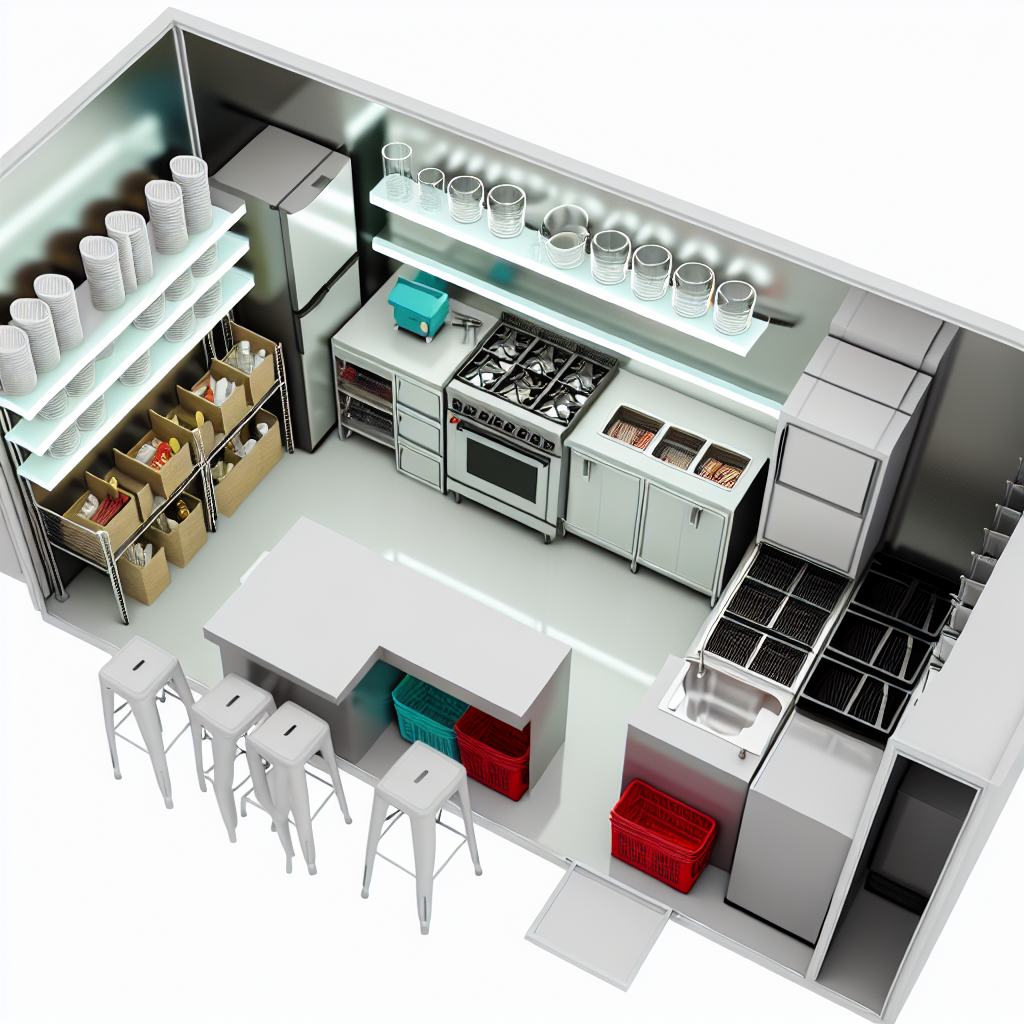
Storage is another critical factor. Complex menus that require various ingredients will necessitate a food truck model with increased storage capacity, ensuring all items are easily accessible. Adequate refrigeration options are critical for fresh ingredients, impacting decisions on which vehicle to choose. Models that maximize vertical space through shelving and efficient organizing systems can be essential for maintaining an organized kitchen environment.
In conclusion, aligning the food truck model with your anticipated menu not only helps in choosing the right equipment but also facilitates a smoother operation, ultimately enhancing customer satisfaction and business success.
Quote from a Food Truck Vendor
Maria Rodriguez, a successful food truck owner, states: “Your menu dictates your truck. If you’re serving tacos, you need a flat top and refrigeration. If you’re doing gourmet burgers, you need a high-BTU grill and proper ventilation. Don’t try to force a menu into a truck that wasn’t built for it—that’s the fastest way to burnout and equipment failure.”
Conclusion
In conclusion, selecting the right food truck model is paramount for establishing a successful mobile food business. Entrepreneurs must thoughtfully consider their intended menu, as it directly influences the equipment requirements, space needed for food preparation, and storage solutions. A well-planned menu not only dictates the choice of the truck model but also enhances operational efficiency by ensuring that all necessary equipment can be accommodated without compromising workflow.
Additionally, budget considerations are crucial—understanding the costs associated with different food truck models can help in making a prudent investment that sets the foundation for profitability. Therefore, it is essential that potential food truck owners merge their culinary aspirations with a thorough evaluation of their financial capabilities and operational needs. By aligning these elements, aspiring vendors can create a compelling food truck business that meets customer demands and thrives in the competitive food industry.
Now, as you reflect on your business model, take the time to analyze how your menu choices, financial considerations, and operational workflows align with your selected food truck model. Consider diving deeper into best practices by exploring resources such as:
- 10 Best Practices for Running a Successful Food Truck Business by FoodTruckEmpire
- How to Analyze and Improve Your Food Truck Business Model by Forbes
- The Food Truck Operator’s Guide to Reflective Practice by Mobile Cuisine
Engaging with these resources can provide valuable insights and support your journey in building a successful food truck business. Now is the time to transform your vision into a thriving reality!
Current Trends in Food Truck Adoption
The food truck industry has experienced a significant transformation, with a strong focus on user preferences driven by aesthetic appeal and technological innovation. As of 2023, there are over 36,000 food trucks operating in the U.S., and consumers are increasingly prioritizing visually appealing trucks and unique culinary experiences over traditional fast food options. This shift represents an exciting opportunity for new entrepreneurs, requiring them to consider food truck business tips, startup costs, and design ideas when entering the market.
Design Trends
Modern food trucks are now designed with an emphasis on integrating urban aesthetics and environmentally friendly materials, such as bamboo composites. A striking 62% of consumers prefer warm-toned, visually inviting designs tailored to match the cuisine being served, such as red for barbecue or blue-white for seafood. Implementing effective design ideas is pivotal, as visually appealing trucks often attract more customers and can differentiate a new vendor in a competitive landscape.
Technological Innovations
The food truck sector is leveraging automation, robotics, and data analytics to enhance operational efficiency. Innovations include the adoption of electric vehicles and advanced ordering systems, with projections suggesting a rise in AI-powered ordering systems from 15% to 50% by 2030. These technological advancements not only streamline operations but also contribute to an overall better consumer experience, aligning with the increasing demand for convenience in the sector.
Consumer Taste
There is a noticeable trend towards unique flavors, with consumers showing strong interest in specialized menus that include options like plant-based foods and international cuisines. This shift has dramatically influenced how food trucks develop their offerings. By emphasizing unique menu options, food trucks can cater to evolving consumer preferences, further increasing their chances for success.
Market Dynamics
North America leads the world in the food truck market with over 12,000 trucks. Vendors are tapping into diverse revenue streams by participating in night markets and corporate events. Additionally, chain and franchised food trucks are becoming more common, reporting gross margins exceeding 25% through efficient operational practices. Understanding the dynamics of market placement is essential and a critical aspect of food truck business tips.
Adoption Rates
Food trucks are gaining traction in various consumer scenarios, particularly during events designed for community engagement, like night markets and corporate gatherings. This trend indicates a growing interest in unique dining experiences that food trucks can offer. Startup costs are a crucial consideration, typically ranging from $50,000 to $200,000, making knowledge of funding options and budgeting a key factor in successful food truck adoption.
Overall, these trends highlight the importance of aligning food truck concepts with the evolving preferences of consumers. New vendors that focus on effective design ideas, understand startup costs, and implement innovative food truck business tips are more likely to thrive in the competitive mobile food industry.
Customization Options for Food Trucks
Customizing your food truck can significantly enhance its appeal and functionality. Below are several key factors to consider when customizing your food truck, including design, equipment choices, and operational workflows.
Design Customization
Customizing the design of your food truck goes beyond aesthetics; it plays a vital role in branding your business and attracting customers. Key aspects of design customization include:
-
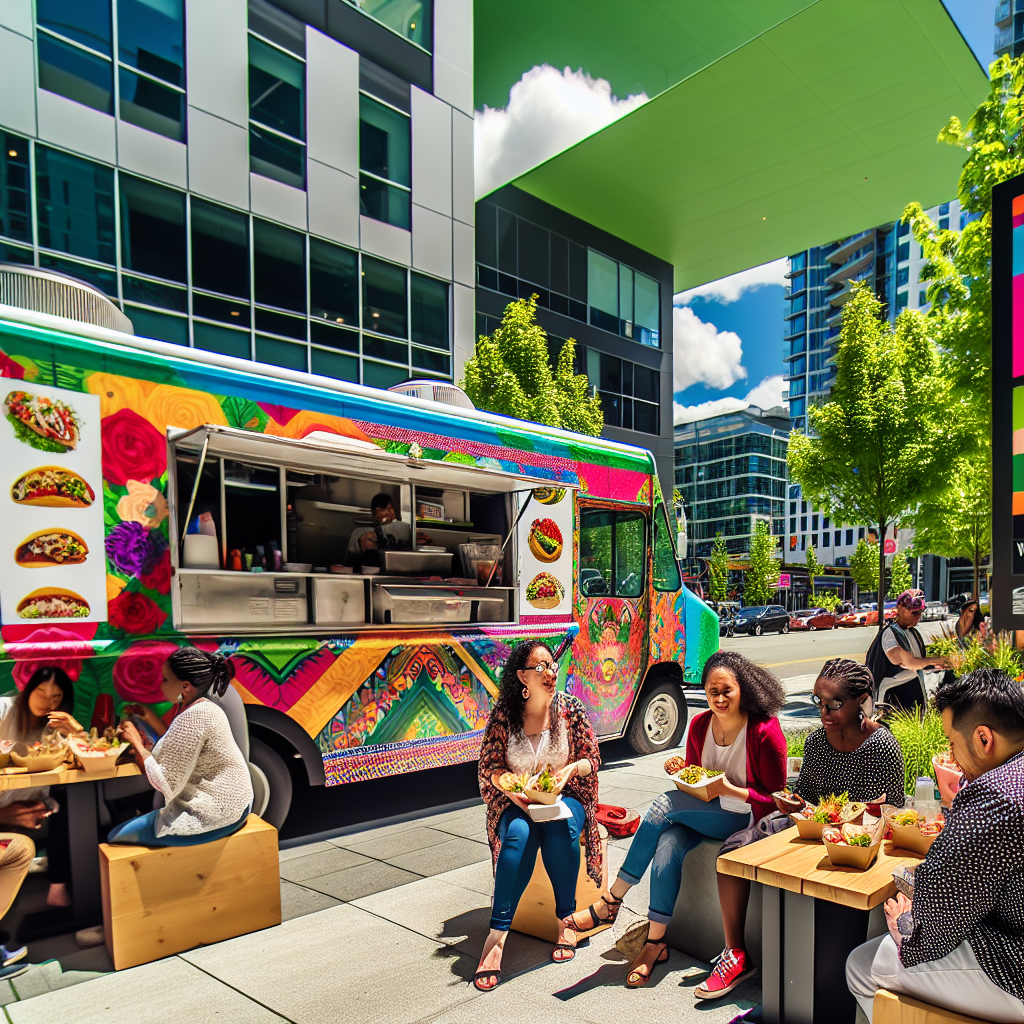
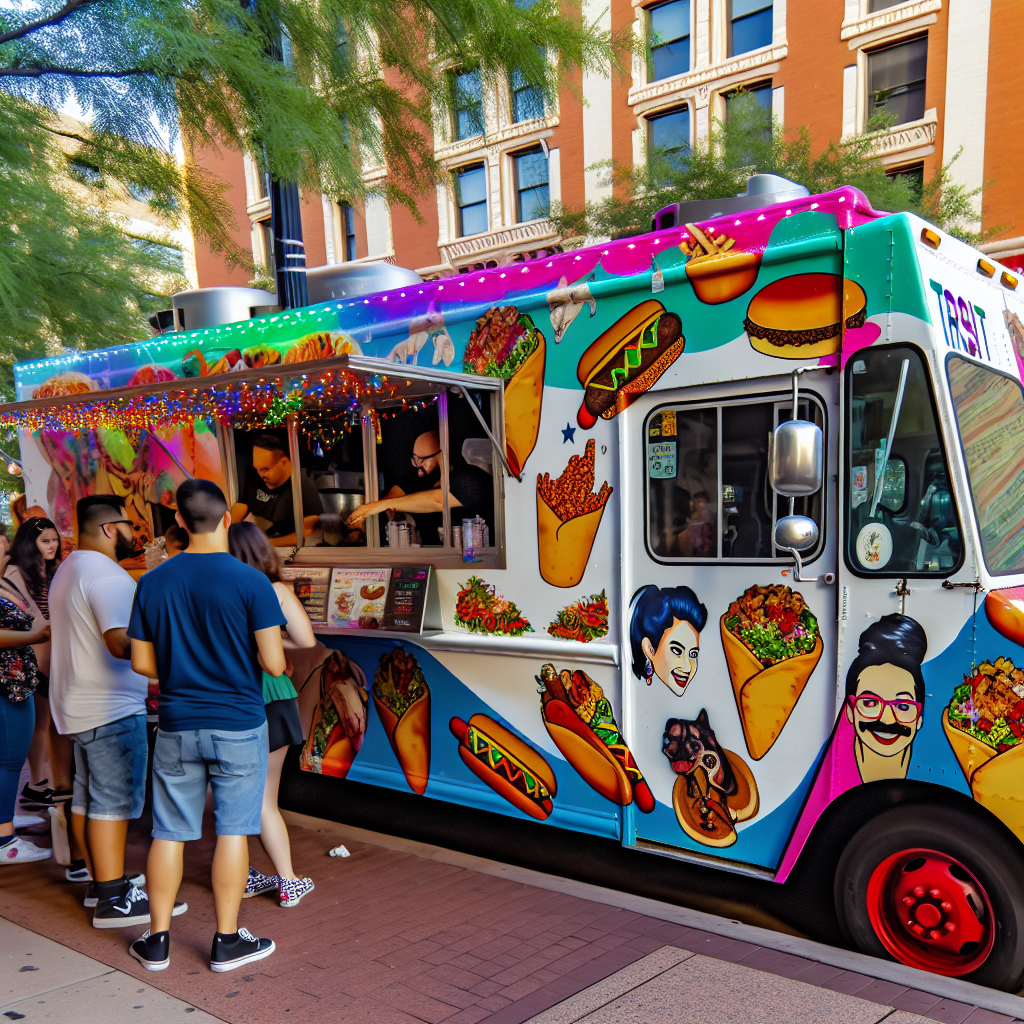
Exterior Color and Graphics: Bright, bold colors combined with eye-catching graphics can make your truck more visible. Wrap designs that reflect your menu offerings or convey a theme can create a memorable impression. For example, organic food trucks might opt for earthy tones and natural imagery, whereas dessert trucks may favor bright pastels.
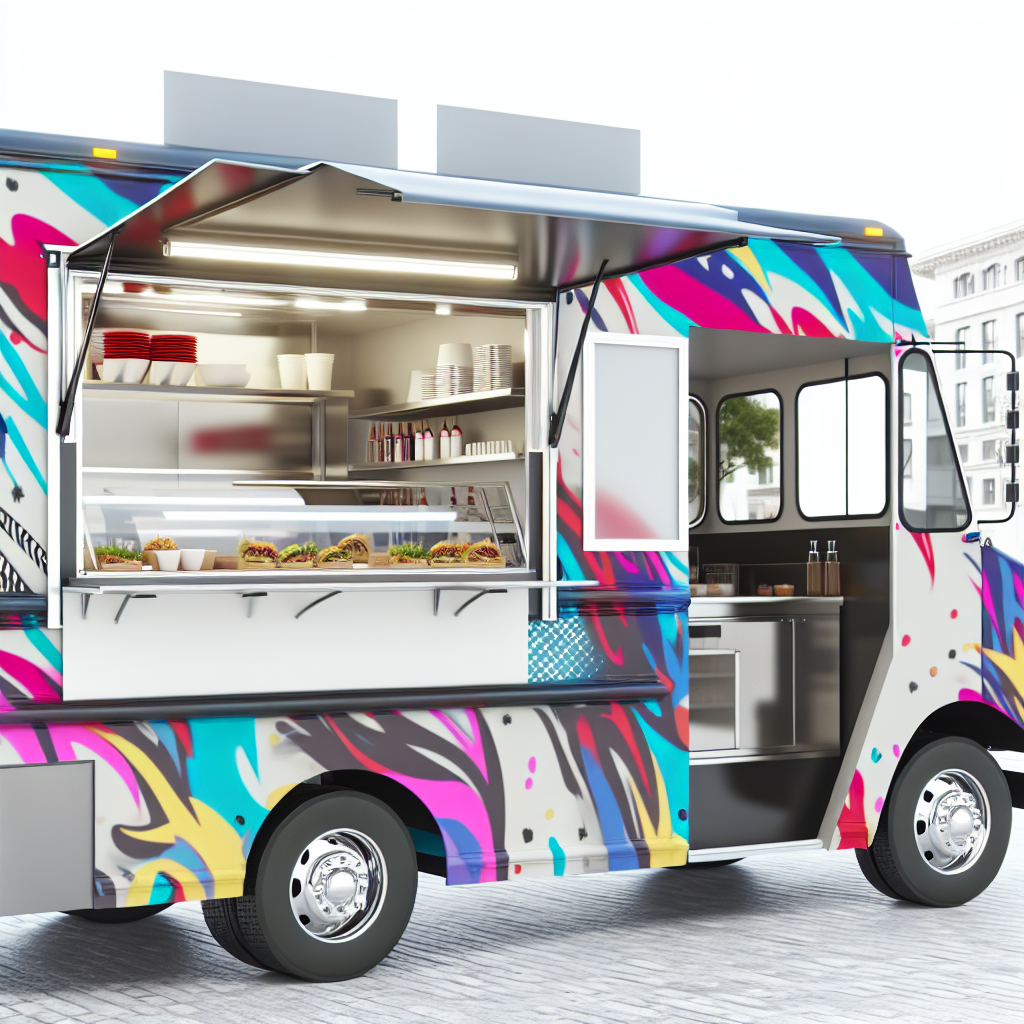
Image showing a beautifully designed food truck with vibrant exterior graphics. - Branding Elements: Incorporate your logo, social media handles, and contact information on your food truck. This makes it easier for potential customers to remember and find you online.
- Outdoor Seating: Consider including pull-out tables or outdoor seating to create a more inviting space for customers to enjoy their meals.
Equipment Choices
The choice of kitchen equipment is crucial for maximizing efficiency and meeting your menu needs:
- Modular Equipment: Utilizing modular kitchen equipment allows flexibility in kitchen layout. For instance, food trucks can switch out necessary appliances depending on the season or menu changes. This adaptability can help cater to different events more effectively.
- Energy-efficient Appliances: Choosing energy-efficient appliances such as induction cooktops or solar-powered equipment can help reduce operational costs and demonstrate your commitment to sustainability. This can appeal strongly to eco-conscious consumers.
- Space Maximization: Many food trucks are customizing their interiors to utilize vertical space more effectively. Installing shelving units and vertical racks can help organize supplies while keeping the area uncluttered.
Operational Workflows
Customizing your food truck also involves streamlining operational workflows:
- Integrated POS Systems: The modern food truck industry is adopting integrated Point of Sale (POS) systems that handle everything from order management to inventory tracking. This efficiency reduces wait times for customers and enhances the overall experience.
- Cloud Kitchens: Some food truck operators are adopting the cloud kitchen model, where multiple food trucks share kitchen space. This trend can help reduce overhead costs and optimize preparation times for each vendor.
- Predictive Analytics: Leveraging technology-driven solutions like predictive analytics can help food trucks optimize routes and workflow based on anticipated demand. This means knowing where to go based on historical data and current trends can lead to increased sales and better customer service.
Customer Feedback Integration
Utilizing customer feedback is essential for continuous improvement. Many successful food trucks analyze customer reviews and preferences to iteratively adjust their designs, menus, and workflows, creating a more responsive operation to cater to changing tastes.
To keep up with trends in food truck customization, it is beneficial to stay informed through resources like FoodTruckEmpire and Mobile Cuisine.
By focusing on these customization options, food truck owners can create a unique, functional, and appealing product that resonates with their customers, ultimately driving business success.
Transitioning from Cost Considerations to Menu Decisions
Now that we have delved into the cost considerations of selecting a food truck model, it is essential to recognize how these financial insights directly inform the planning of your menu. Understanding the costs associated with different trucks—including initial investment, ongoing maintenance, and operational efficiencies—provides a foundational framework that influences various menu decisions.
As you analyze the price range and capacity of potential food truck models, consider how these factors will shape the offerings you can sustainably maintain. Choices between budget-friendly options and higher-end vehicles impact not just operational costs, but also the types of ingredients you can afford, the complexity of your menu, and ultimately, your pricing strategy for customers. This financial awareness encourages food truck entrepreneurs to develop menus that balance ambition with profitability, ensuring a venture that’s not only exciting but also economically viable.