
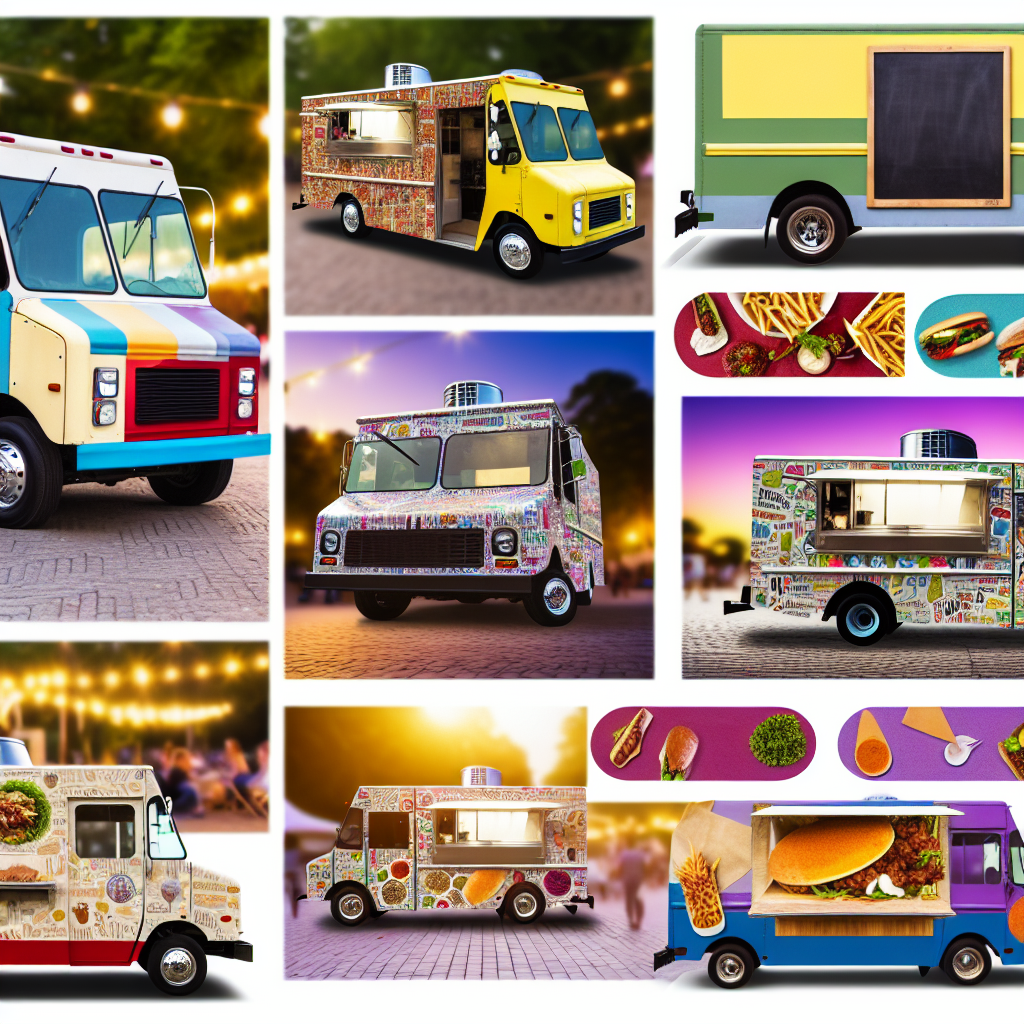
In the vibrant world of food trucks, the choice of the right model can significantly influence not only your startup costs but also the very foundation of your culinary brand. With a variety of options available, from versatile cargo vans to more specialized models like the Chevy P30 or Freightliner MT45, aspiring food truck entrepreneurs face an exciting yet daunting decision. Each model presents unique advantages and challenges, impacting everything from the efficiency of food preparation to the customization of your kitchen on wheels.
Whether aiming to serve gourmet tacos or artisan coffee, selecting the appropriate food truck model is crucial not just for operational success but also for aligning your vehicle with your brand identity. This guide will delve into the different food truck models available, helping you navigate this essential choice that could make or break your food truck venture. Let’s explore how understanding the diverse options can set the stage for a thriving business in this competitive landscape.
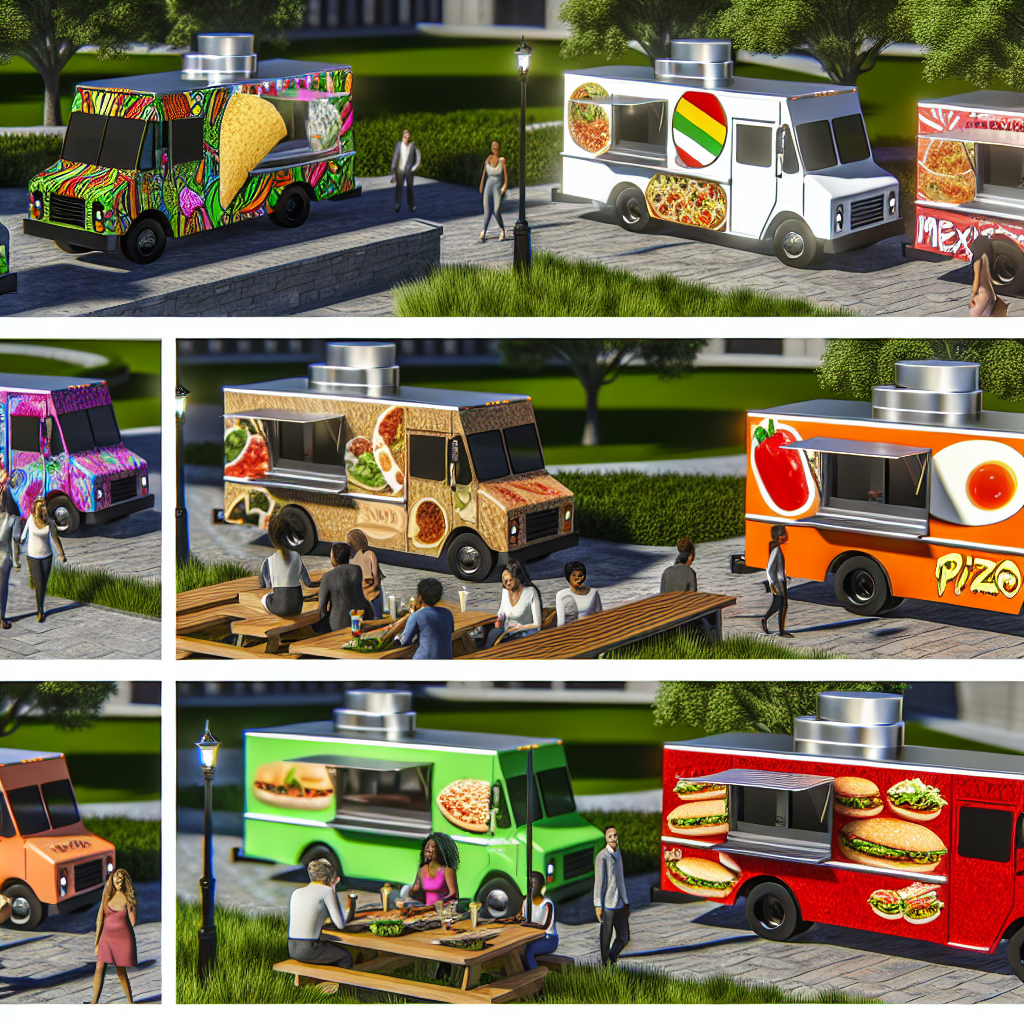
Types of Food Trucks
- Step Vans: These trucks are roomy and strong. They provide enough space for storage and kitchen tools, which is great for large menus. The boxy shape makes them easy to use for food preparation on the go.
- Cargo Vans: Cargo vans are perfect for smaller food businesses. They are easy to drive and park, and they need less money upfront, making them good for beginners. However, they have limited space which might restrict what you can serve.
- Food Trailers: Food trailers are connected to a vehicle and offer a large kitchen space. They are flexible with their setup and can be more affordable than full food trucks. This makes them attractive for startups.
- Mobile Coffee Carts: These small carts focus on coffee and drinks. They fit easily into different spaces and allow entrepreneurs to serve coffee and pastries at busy events or locations.
- Beverage Trucks: Designed for drinks like smoothies and juices, beverage trucks are compact and can be found at festivals or events where drinks are in high demand.
- Custom-built Food Trucks: For businesses with specific needs, custom-built food trucks can be designed just for them. These trucks allow for complete customization of the kitchen layout and storage.
Knowing the different types of food trucks helps you choose the best one for what you want to do. Each has its own benefits and challenges, so it is crucial to think about your needs before buying one.
Expert Insights on Choosing Food Truck Models
As aspiring food truck owners navigate the exciting yet challenging landscape of starting their businesses, the wisdom of industry veterans can be invaluable. Insights from professionals highlight the importance of aligning food truck models with culinary aspirations and operational needs.
Roman Rytov, CEO and co-founder of Wheely Grilly, emphasizes the necessity of a strategic approach in decision-making. He states, “We decided not to open the restaurant first because it’s risky. Instead, we thought about how we can verify our assumptions on the food, the concept, etc., taking the agile development approach.” This insight underscores the role of the food truck as a flexible testing ground where entrepreneurs can refine their ideas based on real customer feedback before making significant investments in fixed locations.
Further adding to this discussion, Erik Metzdorf, owner of Metzy’s Taqueria, reflects on the operational challenges, advising that “running a food truck business is not easy.” He stresses the importance of meticulous planning for various expenses usually overlooked by new owners, urging them to “really think about the audience.” Metzdorf’s wisdom serves as a crucial reminder to focus not only on the food but also on the logistics and customer base.
Agata Kubiak-Padkowska from UpMenu points out the necessity of possessing solid business acumen, as she states, “Successful operators possess a solid understanding of business principles, including restaurant budgeting, food truck menu pricing, marketing, and operations management.” This insight implies that a thorough grasp of financials and market strategy is as critical as an excellent menu.
Experts like Innovative Food Trucks assert that selecting the right food truck model is more than just a purchase—it reflects the overarching business concept. They advise, “The first step in designing your food truck is to decide your products and menu.” This foundational decision shapes not just the design but also the entire operational strategy of the business.
Incorporating these expert perspectives into your decision-making process can significantly enhance your approach to selecting a suitable food truck model. By aligning your business aspirations with the insights of seasoned professionals, you can lay a solid foundation for your food truck venture that is both innovative and grounded in practical realities.
Current Market Data on Food Truck Costs
When venturing into the food truck business, understanding the costs associated with different models is crucial. The price of new food trucks, particularly popular models such as the Ford Transit and RAM ProMaster, varies widely based on several factors, including the level of customization and whether you are purchasing a new or used vehicle. Below is a comprehensive overview of the estimated costs associated with new and used food trucks as of late 2025.
| Van Model | 2025 New Base Vehicle Price Range (MSRP) | Used Vehicle Price Range (2015–2019 models) | New Fully Equipped Food Truck Cost (Estimated) | Used Fully Equipped Food Truck Cost (Estimated) |
|---|---|---|---|---|
| Ford Transit | $46,000–$65,000+ | $20,000–$35,000 | $70,000–$150,000+ | $30,000–$80,000 |
| RAM ProMaster | $44,000–$60,000+ | $18,000–$30,000 | $65,000–$140,000+ | $25,000–$75,000 |
| Mercedes-Benz Sprinter | $50,000–$75,000+ | $25,000–$45,000 | $80,000–$175,000+ | $40,000–$100,000 |
The price of a new fully-equipped food truck typically ranges from approximately $50,000 to over $175,000, depending on customization needs. Used food trucks generally provide a more economical option, where prices can range from $15,000 to $100,000 for units around 3-7 years old. Companies evaluating their investment strategies should weigh the benefits of a new vehicle against the practical considerations of purchasing used. Furthermore, it is advisable to consult dealerships and builders for the most accurate and current pricing tailored to specific requirements and locations.
References
Comparison of Popular Food Truck Models
Here is a table comparing key features, average costs, and specifications of popular food truck models including the Chevy P30, Freightliner MT45, and RAM ProMaster:
| Model | Key Features | Average Cost (New) | Dimensions (L x W x H) | Engine Type |
|---|---|---|---|---|
| Chevy P30 | Spacious interior, customizable, ideal for medium-sized kitchens | $30,000 – $45,000 | 22′ x 7.5′ x 9.5′ | Gasoline/V8 |
| Freightliner MT45 | Durability, large cargo capacity, excellent for larger operations | $60,000 – $90,000 | 24′ x 8′ x 10′ | Diesel/4-Cylinder |
| RAM ProMaster | Versatile, easy to maneuver, good for smaller menus | $44,000 – $60,000 | 21′ x 7.5′ x 8.5′ | Gasoline/V6 |
Choosing the Right Food Truck Model
Selecting the right food truck model is a crucial decision for your business, influenced by several key factors: menu needs, brand reliability, customer volume, equipment space, and vehicle upkeep.
Menu Needs
First and foremost, your menu will dictate the type of equipment you need. If you plan to serve an extensive range of dishes, such as gourmet burgers, tacos, or desserts, you’ll require a food truck with sufficient cooking appliances and preparation areas. Equipment like deep fryers, grills, and ovens not only take up space but also demand specific layouts that accommodate food flow and efficiency. Hence, a larger truck or one that allows for customized layouts may be necessary to ensure smooth operations and optimal service delivery.
Brand Reliability
Next, consider the reliability of the brand you choose. Opting for a brand that is well-regarded in the industry can prevent many headaches down the line. Research popular models and read reviews from other food truck owners who have firsthand experience with the vehicles. Brands like Ford, Mercedes, and RAM ProMaster are often favored for their durability and operational efficiency. Listening to feedback from current operators can provide invaluable insights into which models hold up best in a busy food service environment.
Customer Volume
Understanding your anticipated customer volume is another pivotal aspect of choosing a food truck. A higher customer volume means you’ll need a truck that can handle faster service and larger amounts of food production. This can directly influence your vehicle’s size and design. If you expect high sales at events or festivals, investing in a well-equipped, spacious truck becomes essential to meet demand without long wait times.
Equipment Space
Assessing the space available in your prospective truck is vital. Enough room needs to be allocated not just for cooking appliances but also for food storage, prep activities, and possibly a workspace for staff. Insufficient space can restrict your menu offerings and operational efficiency, which may ultimately affect customer satisfaction. Designing your space wisely can enhance workflow and increase productivity during busy service periods.
Vehicle Upkeep
Lastly, consider the maintenance needs of the food truck model you choose. Different models come with varying upkeep requirements and reliability metrics. A model known for lower maintenance costs can save you significant resources and reduce downtime in your service. Research average repair costs, availability of parts, and overall user satisfaction before making a decision, as this will help ensure your food truck remains operational, minimizing interruptions to your business.
By paying close attention to these critical factors and aligning them with your business vision, you can select a food truck model that not only meets your immediate needs but also supports your growth as a food entrepreneur. Be proactive in researching and evaluating options, as this will set the foundation for a successful food truck venture.
Food Truck Business Trend Summary (2023)
The food truck industry has experienced substantial growth, becoming a vital part of the U.S. culinary landscape. As of 2023, the number of food trucks in operation has risen significantly, with estimates indicating around 36,000 to over 58,000 trucks serving diverse communities.
Growth Statistics
Key statistics depict the considerable expansion of the industry:
- The U.S. food truck market size was projected at approximately $1.8 billion in 2024, potentially touching $2.8 billion by 2025, reflecting increased consumer interest and market penetration.
- The average annual revenue for individual food trucks stands at about $346,000, with profit margins significantly higher than those of traditional restaurants (6.2% compared to 1-3%). This demonstrates the financial viability of food trucking as a business model.
- Annual employment growth within this sector saw a staggering 907% increase since 2000, translating to over 44,000 people working in food trucks across the country.
Cuisine Types and Styles
Diversity in culinary offerings continues to capture customer interest:
- Street Food Favorites: Tacos, sandwiches, and fries dominate the food truck menus, particularly popular among customers for their portability and variety.
- Innovative Concepts: The trend towards plant-based and vegan options is growing, appealing to health-conscious millennials, while ethnic and fusion cuisines like Korean BBQ tacos attract adventurous eaters seeking unique flavors.
- Health-Conscious Choices: A rising demand for healthy meals, encompassing high-protein and gluten-free options, underscores the shift towards wellness-oriented dining experiences.
Operational Trends
- Technological integration, such as QR codes for menus and cashless payments, enhances customer experiences and operational efficiency.
- Food trucks are increasingly seen as community hubs, offering opportunities to host events and build brand loyalty.
Overall, the food truck industry in 2023 reflects a dynamic blend of growth, creativity, and community engagement, solidifying its place as a pivotal sector in America’s food service economy.
In the ever-evolving landscape of the food truck industry, the choice of the right model is undeniably pivotal for your business success. As we have explored, various factors such as your menu requirements, the reliability of the brand you choose, anticipated customer volume, necessary equipment space, and the maintenance demands of your vehicle play crucial roles in this decision. Each of these elements directly influences not only operational efficiency but also overall customer satisfaction and the ability to meet market demands effectively.
By taking the time to evaluate these considerations critically, you can determine which food truck model aligns best with your business vision and operational needs. Whether you are leaning towards a spacious step van or a nimble cargo van, the right choice can set the foundation for a prosperous venture in the food truck arena. Remember, thorough research and careful selection will ultimately translate into a successful and sustainable food business that resonates with your target audience, ensuring that your culinary offerings shine on the streets.
Key Takeaways on Food Truck Models
- Variety of Models: Food trucks come in several types, including step vans, cargo vans, food trailers, and custom-built trucks, each suited for different operational needs.
- Menu Considerations: The nature of your menu directly impacts the type of truck needed; larger menus may require more space and more equipment.
- Cost Insights: New food trucks range from $30,000 to over $175,000, influenced by customization and model choice; used options are more affordable but may vary in availability and condition.
- Brand Reliability: Selecting a well-regarded brand can significantly affect long-term operational efficiency and customer satisfaction.
- Customer Volume Impact: Anticipated foot traffic plays a crucial role in determining the size and type of food truck necessary to meet demand effectively.
- Expert Insights: Listening to industry veterans can guide your decision-making process, emphasizing the importance of budget, planning, and understanding your market.
Choosing the Right Food Truck Models for Your Business: A Comprehensive Guide
Enhancing Narrative Flow in Your Blog Article
Creating a coherent narrative flow is essential in guiding readers smoothly from one concept to the next in your blog article. Here are several strategies to enhance the narrative flow of your content.
Clear Structure
Having a clear structure serves as a cognitive map for readers, making it easier for them to follow along. Begin with a strong introduction to define expectations, and then break the body content into logically connected sections. Segue seamlessly from one section to the next by using clear headers and transitional sentences that connect ideas, ensuring that readers do not have to work hard to make connections.
The Chunking Principle
Divide content into smaller, digestible units or “chunks” to minimize cognitive load and make your article easier to read. Aim for concise paragraphs that express one key point. Keep paragraphs to three to five sentences to prevent reader fatigue and promote engagement, enhancing readability, especially in online formats.
Transitioning Ideas
Transitions are pivotal in reinforcing the connection between sections. Use transitional phrases such as “however,” “on the other hand,” and “consequently” to guide your reader through the article. Crafting bridge sentences that reference the preceding paragraph while hinting at the upcoming content helps create a seamless flow while preventing cognitive dissonance.
Vary Sentence Length
Varying sentence length and structure can keep readers engaged. Mix short, impactful sentences with longer, more complex ones to create a rhythm that enhances readability and maintains interest. Short sentences can effectively emphasize key points, while longer sentences can elaborate on nuances and details.
Engaging Language
Emphasize active voice and vivid language to evoke emotion and draw readers into your narrative. Active constructions promote clarity and immediacy, which can strengthen the connection between readers and your content. Instead of relying on abstract concepts, utilize anecdotes or visual imagery to present your information more engagingly.
Inclusion of Mini-Narratives
Weave personal stories or mini-narratives throughout your blog to personalize the experience and create emotional connections. Real-world examples can illustrate theoretical points, making your writing more relatable and practical. This storytelling element enhances narrative transportation, which helps readers connect with the material.
Utilize Visuals
Integrate relevant visuals such as images, charts, or infographics to complement your text. Visuals help reduce cognitive load by clarifying complex information and breaking up long text passages. Aim for visuals that directly support the narrative and make the article more dynamic, ultimately aiding memory retention.
Conclusion
By focusing on these strategies, you can significantly enhance the narrative flow of your blog article. A well-structured article with clear transitions, varied sentence lengths, and engaging language will keep readers captivated and foster a deeper understanding of the material presented.
Incorporate these elements into your writing style, and you will see improvements not only in readability but also in audience engagement, resulting in a more impactful blog post that resonates with your readers.