

Introduction
In the bustling world of food trucks, culinary creativity meets the complexities of regulatory compliance. Understanding the myriad of regulations that govern food truck operations is pivotal for any aspiring vendor. From health and safety standards to zoning laws and licensing requirements, these regulations can significantly impact a food truck’s business success—navigating them effectively can be the difference between thriving and merely surviving in a competitive market.
The importance of grasping these parameters goes beyond mere legal compliance; it directly influences operational efficiency, customer satisfaction, and the overall reputation of the business. Failure to adhere to regulations can result in hefty fines, forced closures, and long-lasting damage to your brand. This article will dive into diverse areas including health codes, local permits, inspections, and best practices for compliance, shedding light on how to equip yourself with the knowledge necessary to flourish in the vibrant landscape of mobile food service. Join us as we explore the regulatory aspects that every food truck operator must understand to succeed.
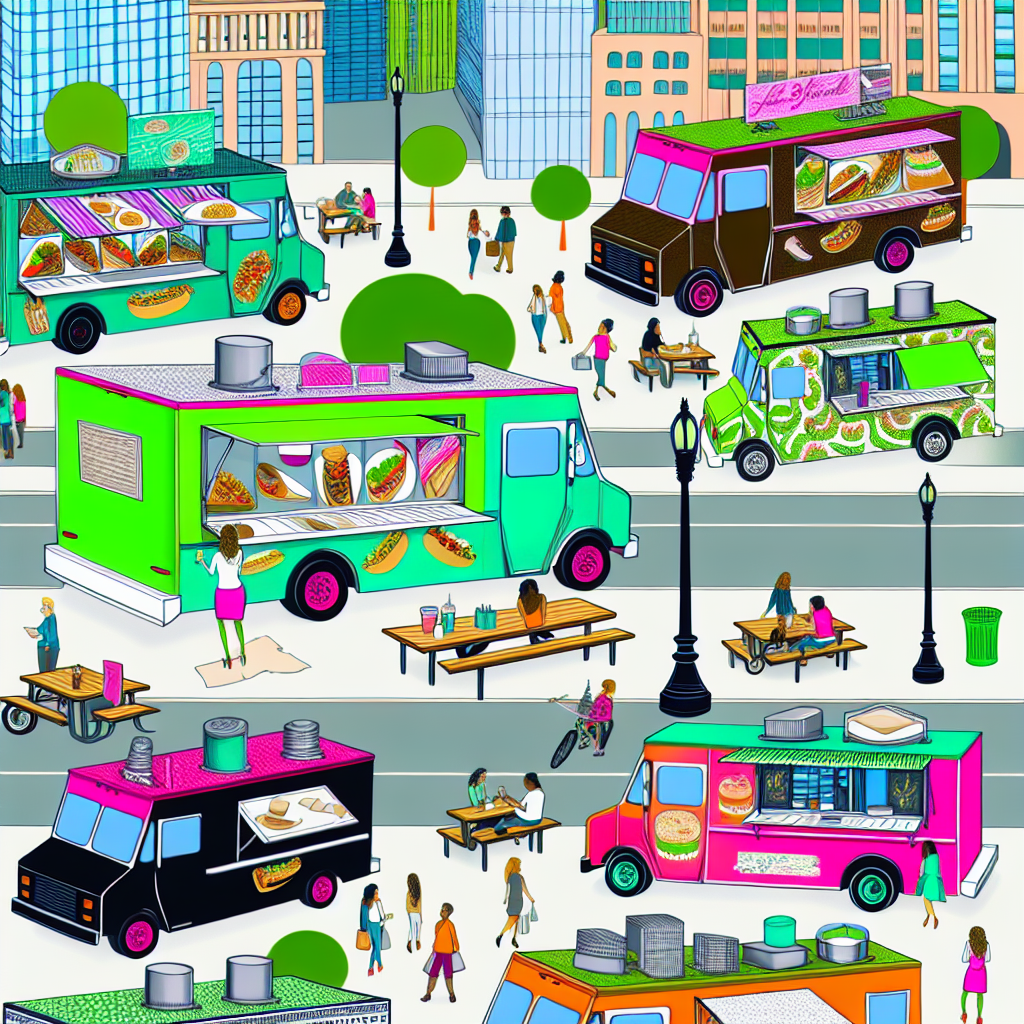
Key Regulatory Aspects Affecting Food Truck Operations
Operating a food truck involves understanding and adhering to various regulatory frameworks designed to ensure food safety, public health, and fair business practices. Here’s a breakdown of the key regulatory aspects that food truck operators must navigate:
1. Licensing Requirements
Before hitting the streets, food truck owners must secure necessary licenses and permits which can vary significantly by state or city. This typically includes a business license, food service license, and potentially a mobile food vendor permit. Most local governments require food trucks to provide specific documentation, such as proof of insurance and a site plan detailing operational logistics. Clearing these licensing hurdles is important to avoid fines and ensure the legitimacy of the business.
2. Health Codes and Safety Standards
Health codes are a critical aspect of the food service industry. Food truck operators must comply with local health department regulations, which include maintaining appropriate food storage temperatures, proper cleaning procedures, and sanitation standards. Routine inspections by health officials can occur to ensure compliance, and any violations can lead to penalties or suspension of operations. Understanding and strictly adhering to these health codes fosters customer trust and protects public health.
3. Zoning Laws
Zoning laws dictate where food trucks can operate within a city or county. These regulations aim to balance the interests of food vendors with those of local businesses and residents. Some municipalities have designated specific zones where food trucks are allowed to park and serve customers, while others may have restrictions based on hours of operation or proximity to brick-and-mortar establishments. Failing to follow zoning regulations can result in fines or forced relocation, making it essential for food truck owners to research and understand local zoning rules before establishing a service area.
4. Business Operations Compliance
In addition to health codes, food trucks must also be aware of other operational regulations such as taxation, employee rights, and labor regulations. This can include collecting sales tax, adhering to wage laws, and ensuring any employees are legally registered and trained for food safety practices. Keeping abreast of these regulations can help businesses run efficiently and fairly, fostering a positive reputation.
Conclusion
Understanding and navigating the maze of regulations is crucial for food truck operations. Compliance not only protects the business from legal repercussions but also upholds the standards of public health and community safety. Food truck vendors should prioritize staying informed about local laws and maintain open communication with regulatory bodies to ensure ongoing compliance and operational success.
Real-World Examples of Food Truck Regulations Across Cities
The regulatory environment for food trucks varies widely across cities, influencing the ability for vendors to thrive. Here are real-world examples illustrating how differing regulations can make or break food truck businesses:
1. Birmingham, Alabama
Birmingham has taken steps to promote food truck operations by revising its regulations to allow food trucks to park in right-of-way areas. This change has reduced the permit processing time significantly from three months to just 48 hours after completing fire and health inspections. Such a streamlined approach is designed to encourage more vendors to enter the market without getting bogged down by bureaucracy. Read more about Birmingham’s new ordinance.
2. New York City, New York
In stark contrast, New York City enforces some of the most stringent food truck regulations in the country. Mandatory glove use, strict temperature controls for ingredients, and limits on the proximity of food trucks to brick-and-mortar restaurants create high barriers to entry for new vendors. The permitting process is complicated and costly, averaging fines from $50 to $1,000 for violations, pushing some vendors into an unofficial black market for permits due to high demand. Despite the challenges, those who navigate these regulations often establish loyal customer bases. Learn more about NYC’s food truck rules.
3. Los Angeles, California
Los Angeles presents another challenge with its high permit costs, averaging around $695, which can be daunting for new food truck vendors. In comparison, a mobile food permit costs only $150 in Philadelphia. Additionally, like many cities, Los Angeles requires health inspections and detailed operational plans for food trucks, further impacting new vendors budget-wise. Understanding these regulatory requirements is essential for successful entry into the food truck market in LA. Discover more about starting in Los Angeles.
Conclusion
These examples illustrate the significant impact that local regulations can have on food truck operations. Cities like Birmingham attempt to simplify processes to encourage business growth, while others like New York City enforce strict rules that create both challenges and opportunities for those who can comply. For potential food truck owners, it’s crucial to understand these local regulations to navigate the complexities of starting and running a successful mobile food service.
| City | Permits Required | Zoning Areas | Health Inspections |
|---|---|---|---|
| Birmingham, AL | Business license, food service license | Right-of-way areas allowed | Routine inspections after approval |
| New York City, NY | Mobile food vendor permit, business license | Strict limitations near restaurants | Frequent inspections, fines for violations |
| Los Angeles, CA | Mobile food permit, business license | Designated food truck zones | Mandatory inspections, costly permits |
| Philadelphia, PA | Business license, mobile food vendor permit | Less strict zoning requirements | Standard health inspections |
| Austin, TX | Food truck permit, business license | Established food truck parks | Regular inspections by health officials |
Licensing and Permits for Food Truck Operations
Operating a food truck requires adherence to a spectrum of licensing and permit regulations dictated by state and local governments. Understanding these requirements is not only crucial for legal compliance but also for the operational viability of your food truck business. Here’s a detailed overview of the types of licenses and permits you may need to obtain:
1. Business License
Most cities require food truck operators to secure a business license, which confirms the legitimacy of the venture and allows them to operate within that locality. This foundational permit is the starting point for compliance and varies by city.
2. Food Service Permit
A food service permit, often issued by the local health department, is critical to ensure compliance with food safety regulations. This permit typically involves an inspection of the food truck to verify that it meets safety and hygiene standards. Requirements can differ significantly across states. For example, in New York, separate street vending licenses are necessary, while California mandates rigorous health inspections prior to granting permits. Failure to secure this permit can lead to fines or cessation of operations.
3. Parking and Vending Permits
Operating a food truck often requires additional permits that regulate where and when a food truck can park and serve customers. Some areas have designated food truck zones, while others may have restrictions based on proximity to brick-and-mortar restaurants or residential areas. These permits help ensure that food trucks do not disrupt local businesses and communities.
4. Compliance Importance
Compliance with these regulatory frameworks is paramount. Operating without the necessary permits can result in serious consequences, including fines ranging from two hundred to five hundred dollars, and in repeat violation cases, potential vehicle impoundment as seen in cities like Chicago and Denver. Moreover, severe violations can lead to criminal charges, civil lawsuits, and even permanent bans from vending in certain areas.
5. Local Regulations Consultation
Food truck owners should consult local regulations thoroughly, as requirements can vary significantly not just by state but also by municipality. Being aware of the specific licenses and permits required for your location is vital for successful food truck operations and can empower you to avoid potential legal pitfalls. Staying informed and up-to-date on local laws is essential to running your food truck smoothly and successfully.
For more detailed guidance, refer to resources such as the U.S. Small Business Administration and National Restaurant Association’s state-specific food truck regulations.
Inspiring Quotes from Successful Food Truck Owners
Food truck owners often face unique challenges and learn valuable lessons along the way. Here are some inspiring insights into the importance of regulations and the hurdles they’ve overcome:
Mark Tafoya, a successful food truck owner, emphasizes, “You can have the best food in the world, but if you don’t have the permits and licenses, you’re not going anywhere. Treat compliance as a foundational part of the business, not an obstacle.”
Lisa Kim, of ‘Seoul on Wheels’, recalls her experience with permits: “The permit process was a nightmare—it took months and felt like running through bureaucratic quicksand. But cutting corners isn’t an option. One violation can ruin your reputation. Staying compliant is what separates those who last from those who fade away.”
Veteran operator Carlos Mendez shares, “I’ve seen trucks with amazing concepts fail because they ignored regulations. It’s not glamorous, but it’s non-negotiable. Every health inspection passed is a badge of honor.”
Jasmine Patel, founder of ‘Curry Up Now’, highlights the necessity: “The regulations were daunting, but they forced us to be meticulous. Every rule is a step toward excellence. You’re not just selling food; you’re running a lawful, safe business.”
Conclusion
Navigating the complexities of food truck regulations is essential for long-term success in the mobile food industry. Understanding and complying with local licensing requirements, health codes, and zoning laws safeguard your business and promote positive community relations. These regulatory elements are vital in establishing a reputable and sustainable food truck operation.
As emphasized throughout this article, neglecting compliance can lead to fines and damage to your brand. Therefore, investing time to understand the specific regulations in your area is crucial. By staying informed through research and ongoing communication with regulatory bodies, food truck owners can equip themselves with the tools necessary for success.
By prioritizing compliance, operators can concentrate on their passion—serving delicious food and providing excellent service—ultimately thriving in this competitive market. Diligent adherence to regulations not only leads to business prosperity but also positively impacts the local community.

FAQs about Food Truck Regulations
1. How often do food trucks undergo health inspections?
Health inspection frequency varies by location. Most jurisdictions require food trucks to pass initial health inspections before operating. Thereafter, inspections can take place bi-annual, quarterly or even monthly, depending on local regulations. It is essential to be prepared at all times as unannounced inspections can occur.
2. What should I do if regulations change in my area?
If regulations change, stay proactive by regularly checking with local government websites or health departments to stay informed. Attend local business meetings or join associations that focus on food trucks. Networking with fellow vendors can also provide first-hand knowledge about regulatory updates.
3. How can I stay informed about local laws affecting food trucks?
To stay updated, subscribe to newsletters from local food truck associations, chambers of commerce, or health departments. Follow relevant social media channels or forums where food truck operators discuss ongoing issues and share insights. Additionally, consider participating in local business expos or community meetings that focus on microbusinesses and food services.
4. Do food trucks need to comply with state regulations as well?
Yes, food truck operators must comply with both state and local regulations. This may include statewide health and safety codes, business licenses, and transportation laws. Make sure to familiarize yourself with these regulations to ensure compliance across all levels of government.
5. Can changes in city leadership affect food truck regulations?
Yes, changes in city leadership can impact regulations as new policies and priorities may be introduced. It’s important to remain adaptable and informed about any shifts in local governance that could influence food truck operations and regulations.
2. Health Codes and Safety Standards
Health codes are vital in the food service industry. Food truck operators must follow local health regulations, such as ensuring proper food storage temperatures, cleaning protocols, and sanitation standards. Additionally, compliance with food safety laws guarantees safe food preparation and serving. Regular inspections by health officials ensure adherence, with violations leading to penalties or operational suspensions. Understanding these health codes fosters customer trust and protects public health. Operators should also stay informed about required mobile vendor permits for legal operation in specific areas.
| Licensing Requirements | Description |
|---|---|
| Business License | Required for legitimacy to operate within the local jurisdiction. |
| Food Service Permit | Ensures compliance with food safety regulations; involves health and safety inspections. |
| Parking and Vending Permits | Regulates operational areas and hours, ensuring compliance with local zoning requirements. |
| Mobile Food Vendor Permit | Specific permit needed in various locales; ensures that food trucks comply with local laws. |
| Health Inspections | Ongoing inspections are necessary to maintain permits; strong compliance supports business viability. |