
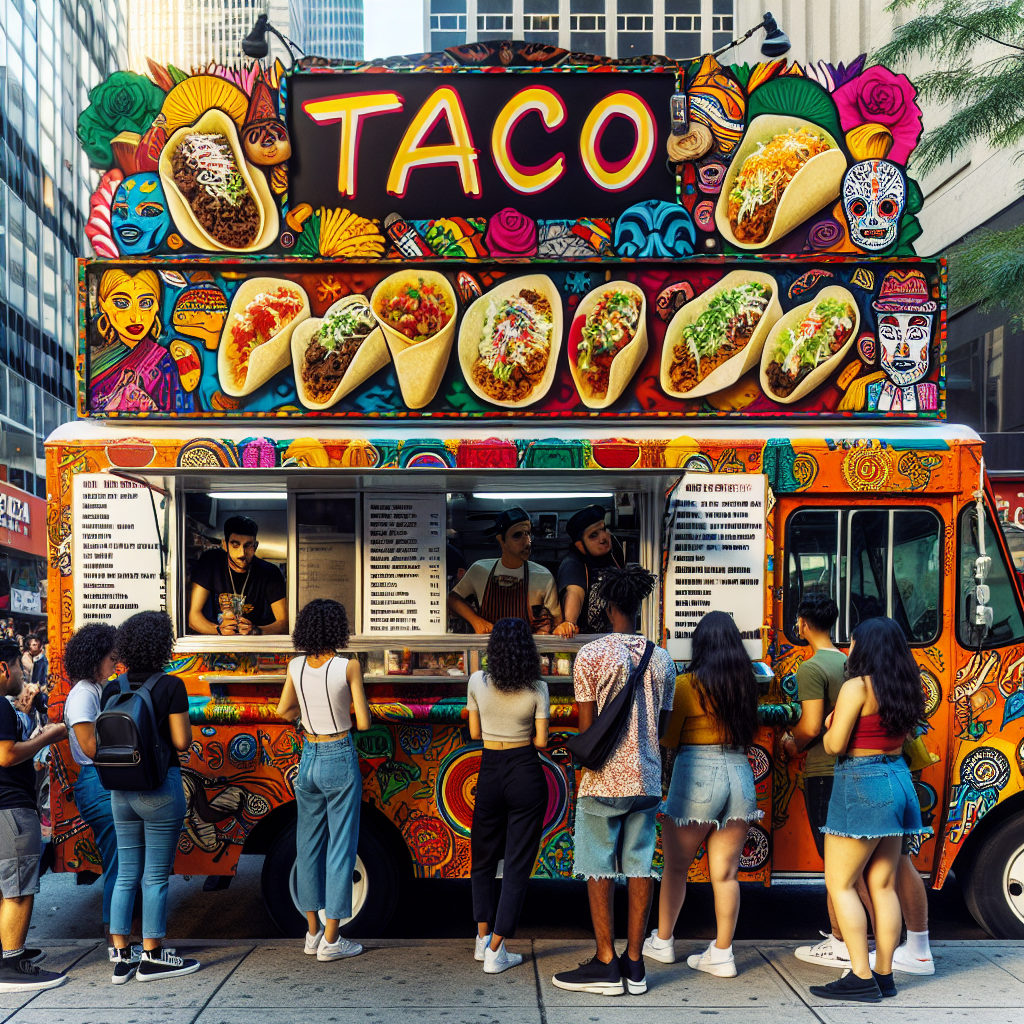
The food truck industry has rapidly evolved into a vibrant and lucrative sector of the culinary world, with over 36,000 food trucks operating in the U.S. as of 2023. For aspiring mobile taco business owners, choosing the right food truck model is a pivotal decision that can shape the trajectory of their venture.
Whether you envision serving up mouthwatering tacos at local events or roaming city streets to satisfy lunchtime cravings, the truck you select will directly impact your operational efficiency and menu capabilities. With various models available, from step vans to cargo vans, each option comes with distinct advantages and considerations, particularly related to your business model, budget, and menu size.
As you embark on this exciting journey, understanding the importance of your food truck model will empower you to make informed choices, and ultimately drive your success in the competitive food truck landscape.
Key Factors for Choosing a Food Truck Model
When choosing a food truck model, vendors should consider several important factors. Here are the essential considerations:
1. Budget
- Initial Costs: Assess the purchase price of different truck models. This includes comparing new and refurbished options. For instance, new cargo vans typically range from $30,000 to over $100,000, while smaller trailers can cost less than $6,000.
- Operating Costs: Be aware of ongoing expenses like fuel, insurance, and maintenance. Opting for more efficient models could lead to long-term savings.
- Financing Options: Explore loans or financing plans available for food truck businesses. These can offer flexibility and help with cash flow.
2. Kitchen Layout
- Space Efficiency: Think about how the layout will affect your workflow. A practical kitchen design should ensure easy access to ingredients and equipment.
- Equipment Needs: Identify the essential cooking equipment needed for your menu (e.g., grills, fryers, refrigerators) and confirm that the truck can fit them comfortably.
- Compliance: Ensure the layout meets local health and safety regulations since certain configurations may be necessary to pass inspections.
3. Menu Offerings
- Menu Complexity: Define the type of menu items you wish to provide. A complex menu will likely require more space and specialized equipment.
- Food Preservation: Make sure the chosen truck has adequate refrigeration for fresh ingredients, especially for perishables that need to maintain quality.
- Flexibility: Look for a model that can adapt or expand if you want to diversify your menu later on.
Summary of Popular Food Truck Models
Choosing the right food truck model is vital for any aspiring vendor. The two most common types are step vans and cargo vans, each catering to specific business needs and operational requirements.
Step Vans
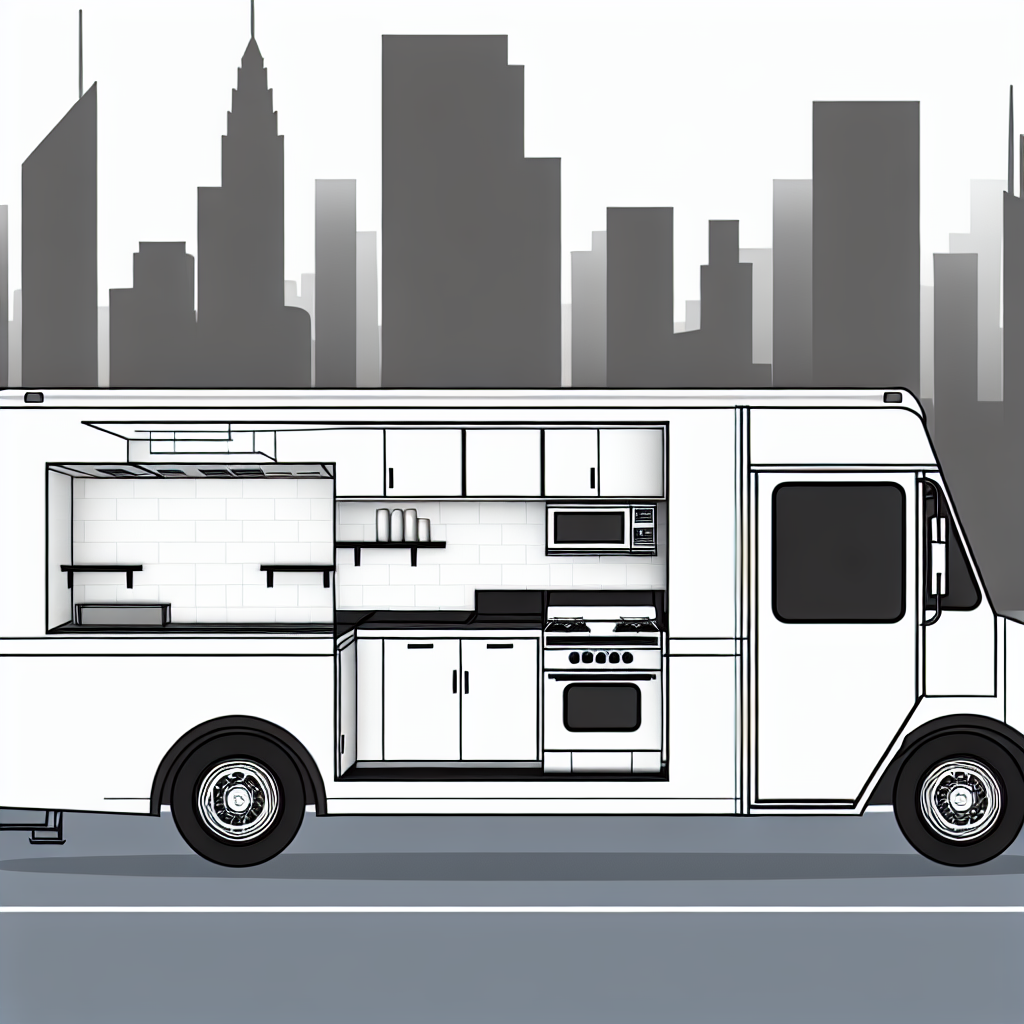
Step vans are well-liked in the industry for their spacious interiors and versatility. Designed with ample space, they allow for a more extensive kitchen setup, accommodating grills, fryers, and other culinary equipment.
- Advantages:
- Generous interior space for food preparation and service.
- High customization potential with various features like retractable awnings and specialized kitchen installations.
- Enhanced mobility for reaching diverse markets, including events and festivals.
- Disadvantages:
- Higher purchase costs ranging from $30,000 to over $100,000.
- Typically more significant fuel expenses and maintenance challenges due to their size.
- Less maneuverability in tightly packed urban settings.
Cargo Vans
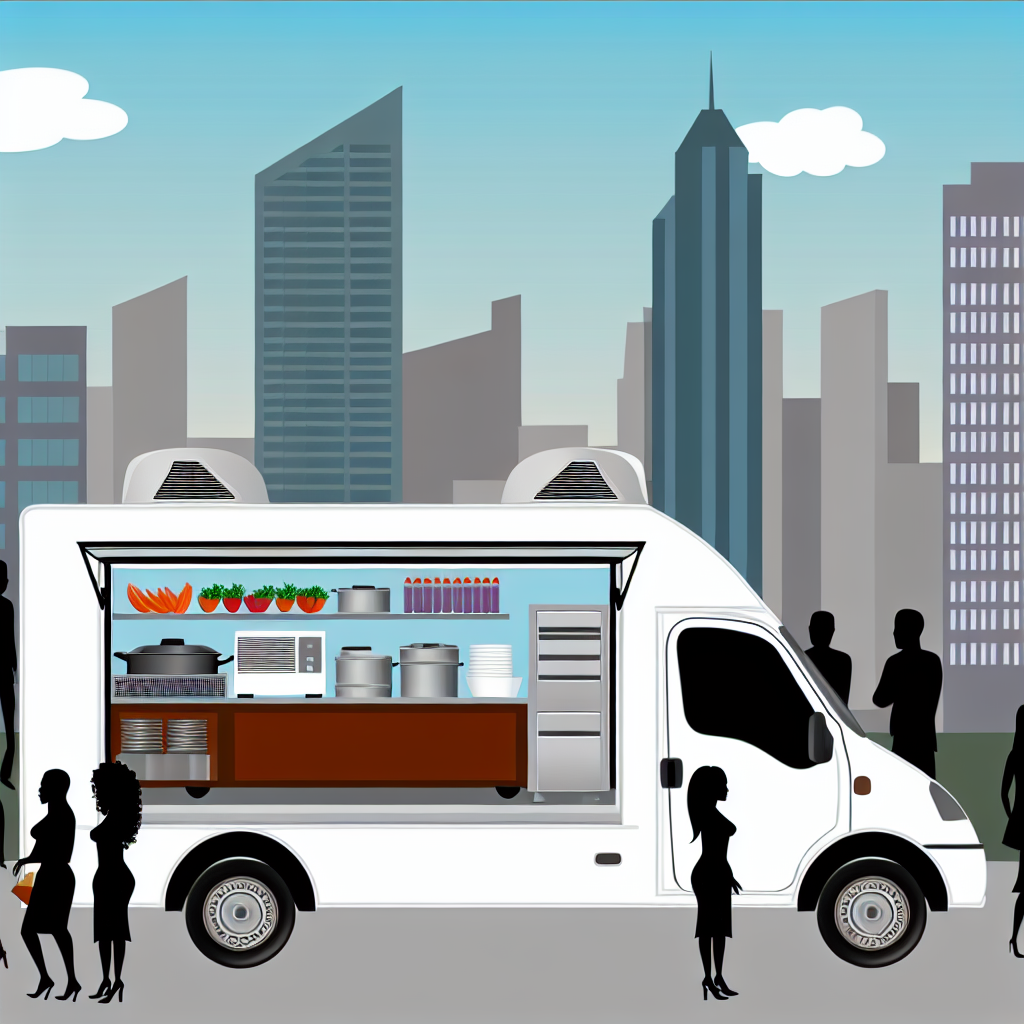
Cargo vans like the Ford Transit and RAM ProMaster are an attractive option for vendors, especially those needing economic choices without sacrificing too much space.
- Advantages:
- Lower initial investment, generally around $44,000 to $46,000.
- Compact and easy to maneuver, making them ideal for urban environments.
- Customizable interior options.
- Disadvantages:
- Limited workspace may restrict menu complexity and equipment size.
- Smaller cargo area results in reduced capacity for supplies and ingredients during busy periods.
In summary, the choice between step vans and cargo vans depends on the vendor’s specific needs, such as menu complexity, operating environment, and budget considerations. Understanding these distinctions is essential for making an informed decision that aligns with business goals.
Food Truck Growth Statistics
The food truck industry in the U.S. showcases impressive growth metrics, with approximately 36,000 food trucks in operation as of 2023, up from just 8,677 in 2011. This growth signifies a robust evolution in the market, driven by consumer demand and entrepreneurial spirit.
- Annual Growth Rate: The industry has experienced an average annual growth rate of 9.9% since 2018, indicating a thriving sector.
- Market Value: Projections estimate that the market value will exceed $2 billion by 2030, reflecting a compound annual growth rate (CAGR) of 6.4%.
- Revenue Generation: Food trucks typically generate annual revenues ranging between $250,000 and $500,000, with profit margins of 6% to 9% due to lower overhead compared to traditional restaurants.
- Startup Costs: The investment required to launch a food truck business typically ranges from $50,000 to $250,000, while average monthly operational costs are around $2,000.
- Consumer Trends: Notably, 80% of consumers express willingness to pay a premium for unique or gourmet offerings, further solidifying the food truck industry’s financial viability.
These statistics reflect a thriving sector in the food service industry, making it an appealing opportunity for new vendors.
Comparison Table of Food Truck Models
| Food Truck Model | Advantages | Disadvantages |
|---|---|---|
| Chevy P30 |
|
|
| Ford Transit |
|
|
| RAM ProMaster |
|
|
| Freightliner MT45 |
|
|
| Workhorse |
|
|
This comparison table provides valuable insights into various food truck models, allowing potential vendors to make more informed decisions based on specific needs, budgets, and operational requirements.
Quotes from Food Truck Industry Experts
Several industry experts emphasize the rising preference for specific food truck models based on operational needs and menu complexity. A recent analysis noted,
“Step vans are widely favored in the food truck industry due to their spacious interiors, which can accommodate extensive kitchen equipment and support complex menus. They allow for a comprehensive menu and a comfortable workspace for multiple staff members.”
This highlights the critical role space plays in selecting a food truck model.
Conversely, when discussing cargo vans, experts have stated,
“Cargo vans, such as the Ford Transit and RAM ProMaster, are increasingly seen as cost-effective and maneuverable options for food truck operators with simpler menus or limited equipment needs. Their smaller size makes them ideal for navigating crowded urban environments.”
Moreover, current trends spotlight the popularity of modular and adaptable designs. Vendors are integrating digital tools and sustainable practices, fostering improved operational efficiency. A report indicated,
“Designing kitchens with ergonomic considerations improves staff comfort and productivity, leading to an increase in daily revenue by up to 25%.”
Lastly, the importance of enhanced customer engagement is also recognized. Experts contend that utilizing bold branding and interactive digital menus can significantly foster a stronger connection with customers, thus enhancing the overall dining experience and encouraging repeat business.
Food Truck Models Images
Here are some visual representations of popular food truck models to aid your understanding of step vans and cargo vans:
Step Van Food Truck
Cargo Van Food Truck
Conclusion
Choosing the right food truck model is a pivotal step in launching a successful mobile taco business. Throughout this article, we have discussed the key factors to consider, including budget, kitchen layout, and menu offerings, alongside the two most popular models: step vans and cargo vans. Each model presents distinct advantages and disadvantages that can significantly influence your operational efficiency and customer experience.
With over 36,000 food trucks operating across the U.S. as of 2023, the potential for success in this thriving industry is substantial. However, it is essential to remember that your food truck model should align with your unique culinary vision and business objectives. Whether you prioritize space for a complex menu or require a more maneuverable vehicle suitable for urban settings, thoughtful consideration of your options will enhance your chances for profitability and growth.
In conclusion, the choices you make today regarding your food truck model will lay the foundation for your future successes. Take the time to align your vehicle choice with your business goals to create a lasting impact in the competitive food truck landscape.
Food Truck Licensing
Operating a food truck in the United States requires obtaining various licenses and permits to ensure compliance with federal, state, and local regulations. While specific requirements can vary by location, the following are commonly necessary:
-
Business License: This license legitimizes your business and allows you to operate within a specific jurisdiction. Costs and application processes vary by city and state.
source -
Employer Identification Number (EIN): Issued by the IRS, an EIN is essential for tax purposes, opening a business bank account, and hiring employees.
source -
Health Department Permit: Ensures your food truck complies with local health and safety regulations. This typically involves an inspection of your vehicle’s food preparation and storage areas.
source -
Food Handler’s Permit: Required for individuals involved in food preparation and service, this permit demonstrates knowledge of safe food handling practices.
source -
Fire Safety Permit: Necessary if your food truck uses cooking equipment that poses fire risks. Compliance with local fire codes and inspections is mandatory.
source -
Vehicle Registration and Commercial Driver’s License (CDL): Your food truck must be registered with the Department of Motor Vehicles. Depending on the vehicle’s size and your state’s regulations, a CDL may be required.
source -
Commissary Agreement: Many jurisdictions require food trucks to operate in conjunction with a licensed commissary kitchen for food preparation, storage, and waste disposal.
source -
Zoning and Parking Permits: Local regulations may dictate where food trucks can operate. Obtaining the appropriate permits ensures compliance with zoning laws and designated vending areas.
source -
Seller’s Permit: Allows you to collect sales tax from customers, as required by your state’s Department of Revenue.
source -
Insurance: Adequate insurance coverage, including general liability and vehicle insurance, is essential to protect your business against potential risks.
source
It’s crucial to research and comply with the specific requirements of the city and state where you plan to operate, as regulations can vary significantly. Consulting local health departments, fire departments, and business licensing agencies will provide guidance tailored to your location.
Optimizing Your Food Truck Business for SEO
To ensure your mobile food service thrives, incorporating effective SEO strategies is essential. Keywords such as mobile food service, food truck regulations, and gourmet food trucks play a critical role in enhancing your online visibility. Here’s how to integrate these keywords seamlessly:
Choosing the Right Food Truck Model for Your Mobile Taco Business
The food truck industry has rapidly evolved into a vibrant and lucrative sector of the culinary world, with over 36,000 food trucks operating in the U.S. as of 2023. For aspiring mobile taco business owners, choosing the right food truck model is a pivotal decision that can shape the trajectory of their venture.
Key Factors for Choosing a Food Truck Model
When choosing a food truck model, vendors should consider several important factors. Here are the essential considerations:
1. Budget
- Initial Costs: Assess the purchase price of different truck models. This includes comparing new and refurbished options. For instance, new cargo vans typically range from $30,000 to over $100,000, while smaller trailers can cost less than $6,000.
- Food Truck Regulations: Be aware of ongoing expenses like fuel, insurance, and maintenance, as regulations may dictate operational standards. Opting for more efficient models could lead to long-term savings.
- Financing Options: Explore loans or financing plans available for food truck businesses. These can offer flexibility and help with cash flow.
2. Kitchen Layout
- Space Efficiency: Think about how the layout will affect your workflow. A practical kitchen design should ensure easy access to ingredients and equipment.
- Equipment Needs: Identify the essential cooking equipment needed for your menu (e.g., grills, fryers, refrigerators) and confirm that the truck can fit them comfortably.
- Compliance with Food Truck Regulations: Ensure the layout meets local health and safety regulations since certain configurations may be necessary to pass inspections.
3. Menu Offerings
- Menu Complexity: Define the type of menu items you wish to provide. A complex gourmet menu will likely require more space and specialized equipment.
- Food Preservation: Make sure the chosen truck has adequate refrigeration for fresh ingredients, especially for perishables that need to maintain quality.
- Flexibility: Look for a model that can adapt or expand if you want to diversify your gourmet food truck menu later on.
Food Truck Growth Statistics
The food truck industry in the U.S. showcases impressive growth metrics, with approximately 36,000 food trucks in operation as of 2023, signaling a robust evolution in the mobile food service market. Notably, consumer trends indicate that 80% of consumers express willingness to pay a premium for unique or gourmet offerings, solidifying the food truck industry’s financial viability.
Comparison Table of Food Truck Models
| Food Truck Model | Advantages | Disadvantages |
|---|---|---|
| Chevy P30 | – Known for durability and reliability – Spacious interior, good for larger setups |
– Stopped production in 1999 – May require sourcing parts from secondary markets |
| Ford Transit | – Compact design, great for urban maneuverability – Good fuel efficiency relative to size |
– Limited workspace – Smaller cargo area can affect supply capacity |
| RAM ProMaster | – Competitive pricing, generally lower than competitors – Wide range of customization options |
– Similar limitations in workspace as Transit – Fuel consumption can vary based on usage |
By applying these SEO best practices, food truck businesses can enhance their online presence and attract more customers. Understanding the importance of your food truck model and ensuring compliance with local food truck regulations will pave the way for success in the competitive mobile food service landscape.
By making informed choices about food truck models, vendors position themselves for business growth and success. As discussed in the previous section, the selection of a food truck model plays a critical role in determining not only the operational capabilities but also the overall customer experience and profitability of food truck operations.
The food truck industry has experienced significant growth, with its global market valued at approximately $4.91 billion in 2024 and projected to grow at a compound annual growth rate (CAGR) of 7.00% through 2035. In the United States, the industry generates around $2.8 billion in annual revenue as of 2025.
Such robust growth signals the increasing consumer demand for diverse culinary offerings, which is where food truck models come into play. Strategic investment in food truck models can enhance a vendor’s capability to specialize in gourmet cuisine, potentially resulting in a higher profit margin. For instance, gourmet food trucks account for over 35% of the total industry revenue, demonstrating a market preference for high-quality, specialized offerings.
Moreover, the choice of vehicle type directly impacts revenue generation, with vans leading with a 46.20% revenue share in 2024. Additionally, technological innovations such as mobile ordering have changed the landscape of food service, underscoring the need for operational efficiency that suitable food truck models can provide.
By understanding and leveraging these aspects, food truck vendors can align their model selection with industry growth trends, ultimately leading to a sustainable and successful business endeavor in the competitive food truck market.