
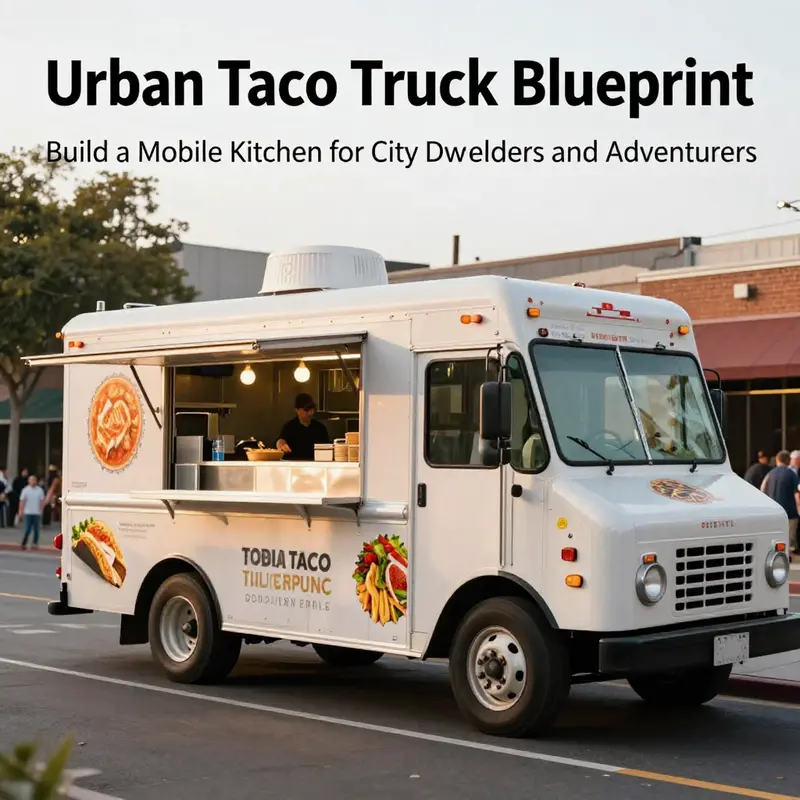
Turning a dream into a taco truck that fits city life is about clarity, preparation, and practical design. The urban commuter who hops off the train, the weekend outdoor enthusiast chasing a park sunset, the small business owner juggling several projects, and the first-time buyer looking for a simple, scalable entry point all share a need for a kitchen that travels light but delivers flavor. This guide walks you through four essential chapters that tie concept to compliance, vehicle and equipment choices, and a launch that gets noticed without sacrificing safety or service speed. You’ll learn how a focused menu and a strong brand simplify food prep and inventory, how local regulations shape the route you take, what to look for in a vehicle and modular layout, and how to execute a smart opening with reliable partners and a repeatable service model. By aligning the concept, equipment, permits, and marketing early, you can craft a taco truck that serves busy streets and quiet streets alike, while keeping costs under control and quality high.
Brand on Wheels: Crafting a Focused Concept and Signature Identity for Your Taco Truck
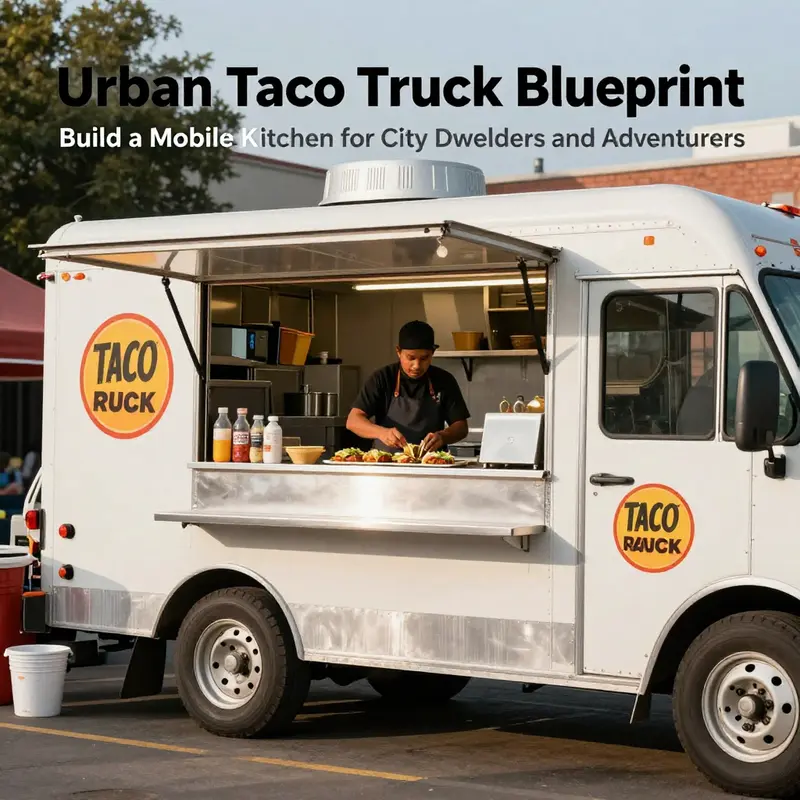
A taco truck is more than a kitchen on wheels; it is a moving promise. The concept you choose and the brand you build around it determine who will notice you in a crowded market, how quickly people decide to queue, and whether they remember your truck long after tasting the first bite. This chapter explores how to ground your venture in a clear culinary concept while weaving a distinctive brand that travels with your vehicle and resonates long after the last napkin is discarded. The heart of this approach rests on two intertwined ideas: a focused menu that aligns with your narrative, and a brand identity that communicates that story with every contact point—from the exterior paint and signage to the packaging and the tone of your social posts. When these elements align, speed of service, flavor, and customer loyalty all stand to improve in tandem with your growth.
First, concept and menu are not separate design decisions but chapters of the same book. Start by articulating your culinary angle. Will you honor authentic regional Mexican flavors with reverent precision, push the envelope with fusion twists that blend bold influences, or emphasize plant-based options that mirror evolving dietary preferences? The menu should reflect this core idea in a way that is easy to execute on the move. A curated selection—typically six to twelve signature items—lets you maintain quality under the fast pace of street service while giving you room to surprise with occasional specials. The items should be straightforward to prepare in a compact kitchen and consistent across all days and locations. The idea is not to mimic a full-service dining room but to craft a set of items that customers can identify with your truck immediately when they hear the name.
As you size your offer, consider your target audience and the venues you plan to serve. Office parks during lunch, local markets, festival grounds, and late-night venues have different rhythms, peak times, and price sensitivities. A menu designed for a lunch crowd may favor lighter portions and faster cooking times, while a festival setup might reward richer flavors and more eye-catching combinations that travel well in a line of customers. Price points should reflect this targeting, but more importantly, portion sizes must be consistent so customers feel they are getting value every time they visit. A well-crafted pricing framework helps you forecast revenue across weeks and seasons and keeps the brand experience cohesive regardless of locale. The focus on rapid preparation does not mean sacrificing texture or balance. It means choosing techniques and ingredients that hold up across a service window, maintain moisture and heat, and travel well in warm or crowded environments.
Naming the concept is the first step in building an enduring brand story. A name with resonance can convey origin, tradition, or a modern reinterpretation of familiar flavors. The graphic language you develop around that name—colors, typography, and imagery—should immediately signal your culinary direction. Bold, saturated colors might communicate a street-food energy and approachability, while a more understated palette could hint at artisanal craft and care. The signage, the design of the serving window, the layout of the menu board, and even the way you greet customers should all echo this chosen mood. A cohesive visual identity helps customers feel confident in what they will taste and in the level of care they can expect from your truck.
The storytelling around your brand matters as much as the flavors you serve. A clear brand story gives customers a reason to connect emotionally with your truck. It could be a homage to a grandmother’s recipe, a commitment to locally sourced ingredients, or a celebration of a city’s street-food heritage. In practice, your story shapes everything from the voice on your social posts to the way you present ingredients to the customer. It also informs the practical details that can make or break a street-food business, such as how you describe a dish on the menu, how you answer questions about spice levels, and how you respond when a customer asks about sourcing or sustainability. A strong narrative invites customers to become part of a larger experience rather than merely consumers of a meal.
Industry references reinforce this approach. For example, the discourse around food-truck branding highlights how important it is to present a consistent, compelling image across all touchpoints. A well-structured brand story coupled with a consistent presentation is a recurring theme in practical guides for food-truck startups. In addition, there are templates and frameworks used by successful operators that help translate concept into a tangible market offering. A robust brand narrative reduces decision fatigue for customers and creates a sense of trust and anticipation whenever the truck appears. The goal is not just to feed people but to give them a recognizable, repeatable experience—one that makes them want to tell a friend and return with a calendar marked for your next appearance.
Your branding should extend beyond visuals to the entire customer journey. Consider how your name and logo will appear on packaging, napkins, and takeout containers; how the colors you choose look in daylight and at night; and how your staff introduce each dish with a tone that matches the brand voice. The exterior design must communicate the cuisine’s essence from a distance, drawing the eye of passersby and inviting them to step closer. The interior workflow should align with the brand story as well: the way the kitchen area is arranged, the accessibility of ingredients, and the rhythm of the service all contribute to the narrative you’re telling. If your brand promises speed and consistency, your kitchen layout should support that claim with a streamlined mise en place, clearly defined work zones, and intuitive equipment placement that minimizes movement and waste.
Brand consistency is not cosmetic; it is operational. To achieve it, document a simple, replicable standard for every customer touchpoint. A short brand guide can describe the color codes, typography choices, and language style that reflect the concept. It should also outline the tone of responses to customer questions, how you describe each dish, and what information you share about sourcing or sustainability. This guide becomes essential as you scale, whether you plan to add additional trucks, collaborate with events, or partner with other operators. A consistent identity reduces the learning curve for new staff and builds recognition in the communities you serve. When people recognize your truck across different venues, they are more likely to explore the menu and become repeat customers.
A practical part of this branding discipline is ensuring that what customers taste aligns with what they see. That means your menu items should not only reflect the concept but also deliver a predictable flavor profile across service windows and days. It also implies that packaging supports the brand story—packaging that is visually tied to the color palette and carries messaging about sustainability or sourcing. Thoughtful packaging decisions can reinforce brand values while keeping the experience convenient for customers who may be on the move. In practice, the packaging becomes a small ambassador, reinforcing the narrative as customers carry your food away from the window.
As you plan, consider how comments and feedback from early customers can refine the concept without diluting its core. Growth does not require abandoning the original idea; it invites you to deepen it. You might discover that your audience loves a particular flavor twist or prefers smaller, more affordable portions on certain days. The best brands evolve in ways that remain faithful to the initial promise—an approach reinforced by practical templates and case studies in the field. The aim is a living brand that travels with your truck, adapting to neighborhoods while staying unmistakably you.
To keep this thoughtful balance, you will also need to articulate a path for future expansion that respects your founding concept. When the truck scales to additional units or when you pilot partnerships at events, the brand framework should function as a guide, not a constraint. This means maintaining a consistent look and story even as menu items expand and new locations introduce you to different audiences. A consistent but flexible brand enables you to test new ideas with confidence, knowing that the core concept remains recognizable and trusted.
In practical terms, you’ll want to keep your concept document accessible to every team member. Include a short paragraph about the origin of the concept, the core menu philosophy, the brand values you want expressed through service, and the customer experience you intend to deliver. This living document will help you onboard staff quickly, communicate with event organizers, and align your marketing efforts. The document also serves as a reminder that every choice—the color of the truck’s wrap, the styling of the menu board, the way you greet customers—carries a chosen meaning and contributes to a larger narrative. A strong chapter of branding, when woven into the everyday rhythm of a mobile kitchen, creates a lasting impression that outlives any single dish.
As you finalize the concept and codify the branding, keep a steady eye on the practical edge—the way your truck operates day to day. The equipment layout, the flow of orders, the speed of service, and the quality control you put in place should all reflect the brand promise. And while the branding should be distinctive, it must remain accessible. The most enduring brands feel both exciting and approachable, able to welcome first-time customers and reward returning patrons with a sense of familiarity. The resulting blend of concept and brand is not just about selling meals; it is about inviting people to participate in a moment of shared experience wherever your truck appears. This approach aligns with the broader wisdom in the field: a compelling concept paired with a consistent brand story is a powerful engine for growth, especially in a market where customers frequently discover new tastes in a busy street-food ecosystem.
As a practical point woven into this narrative, remember that balancing originality with clarity helps you stand out without overwhelming potential customers. A menu with a focused core can still offer seasonal inspirations or limited-time dishes that reflect local produce or neighborhood flavors. The branding then acts as the connective tissue that makes those occasional additions feel like part of a deliberate strategy rather than random experiments. And because the brand is, in effect, the customer’s memory of your truck, every interaction—be it a quick wave to a familiar face, a well-timed post about a new offering, or the simple, friendly explanation of a dish—should reinforce the core concept. The end result is a brand that travels well, invites repeated visits, and grows with your ambitions.
For readers seeking a structured path to translate this philosophy into concrete steps, consider how branding and concept tie into your planning documents and templates. The emphasis on a clear brand story and consistent presentation is a recurring takeaway across reputable sources in the field, underscoring the value of starting with a strong narrative and letting visuals, language, and service mirror that narrative in every moment. When you pair a focused menu with a distinctive brand, you create more than a business; you create a recognizable, beloved mobile dining experience that can travel with you through seasons, neighborhoods, and events. The road from concept to beloved street-food brand is navigable, provided you keep the narrative coherent, the service swift, and the flavors true to the promise you set at first sight of the truck.
To support this journey, remember to balance creativity with practicality. The brand should not outpace your capacity to deliver. Plan for a scalable menu, a replicable branding kit, and a service model that can be taught quickly to new staff. The resulting system is resilient and portable, ready to meet the demands of tomorrow’s pop-ups and future growth while remaining faithful to the concept you picked at the start. And if you ever doubt the importance of branding in a mobile food world, recall how a well-told story and a consistent look can turn a curious passerby into a loyal customer, time and again. The concept is the seed; the brand is the soil in which it flourishes, and a taco truck that understands this harmony becomes more than a meal—it becomes an invitation to belong to a small, vibrant community on wheels.
Internal reference for deeper consideration: Choose food truck equipment wisely
External resource: https://www.shopify.com.nz/blog/food-truck-business-plan-template
Licenses on Wheels: Navigating Compliance, Permits, and Licensing for Your Taco Truck
From the first sketch of a concept to the moment you flip the sign on a busy street corner, regulatory compliance is the quiet backbone of a taco truck’s success. It’s the part that keeps your doors open, your customers safe, and your business sustainable through inspections, renewals, and the inevitable changes that local rules impose. When you approach compliance not as a barrier but as a blueprint, you gain clarity about costs, timelines, and operational limits. This chapter stitches together the practical reality of permits, licensing, and health and safety expectations with the strategic mindset you’ll need to build a resilient mobile kitchen. The path is specific to the place you’ll operate, yet the underlying rhythm—research, prepare, apply, prove—remains consistent across jurisdictions. As you read, imagine your truck not just as a culinary tool but as a licensed, audited, and trusted service that brings flavor while honoring the rules that govern public health and commerce. To orient your choices, start with a clear map of permissions and a realistic plan for maintaining them year after year. In this journey, the right approach blends proactive planning with disciplined administration, turning compliance from red tape into a competitive advantage.
A robust foundation begins with understanding the broad categories of permissions you need. At the highest level, you must secure a business license to operate legally as a commercial enterprise. This license is your permit to trade, but it doesn’t stand alone. You’ll also typically need a sales tax permit or license, so you can collect and remit tax on the meals you sell. The health department becomes a central partner in this process, because food trucks are regulated like brick-and-mortar eateries in the eyes of public health. A food handler permit is commonly required for anyone who touches food, and the vehicle itself must pass a health inspection that verifies proper construction, sanitation, and food safety practices. The SBA’s guidance on starting a food truck aligns with this approach: obtain the necessary licenses, secure a health permit, and maintain hygiene and waste disposal standards that meet local expectations. The practical reality is that these requirements vary widely by city, county, and state, so you will need to dig into the specifics for your exact location.
The first significant decision is where you intend to operate. Some municipalities allow permanent moves in designated zones, while others require a mobile vendor permit that explicitly covers street operations, safe parking, and the right to operate without blocking sidewalks or drive lanes. This is not a mere formality; it defines when you can be on the street, where you can park, and how long you can stay in a given location. Parking rules, street-facing service windows, and the proximity to schools or certain types of businesses can all shape your daily routes and revenue potential. It’s tempting to think you can skip this step, but in practice, a misalignment between your plans and local zoning can lead to fines, shutdowns, or forced relocation—costly disruptions that ripple through your brand and cash flow. A careful early inquiry, often through your city planning office or health department, helps you avoid backtracking later.
Within the vehicle itself, compliance is more than a checklist of appliances. It’s about ensuring your kitchen design advances both efficiency and safety. Your space must accommodate the required fixtures for safe food handling: a two-compartment sink for washing and sanitizing, handwashing facilities, a dedicated area for raw and cooked products to prevent cross-contamination, and clearly labeled storage to keep ingredients organized and traceable. The equipment you install should meet safety standards, and reputable suppliers will be able to provide UL-listed or CE-certified components depending on your market. In practice, many operators treat this not as a cost but as a strategic investment in reliability, uptime, and the ability to pass health inspections without drama. When you select gear, think in terms of durability, ease of cleaning, and the capacity to stay compliant even as you scale. As you plan, remember that choosing the right equipment is part of staying compliant and efficient; see this practical guide on choosing food truck equipment wisely for a thoughtful framework that integrates safety, performance, and value.
The pathway to permits begins with thorough, location-specific research. Local health departments typically publish application checklists, inspection rubrics, and the cadence of inspections. Some jurisdictions require pre-inspection walkthroughs or plan reviews for the layout of the mobile kitchen, including piping, drainage, ventilation, and grease containment. Expect a fee schedule that covers the initial inspection, potential plan review, and annual or biennial renewals. Health inspections focus on several core areas: the cleanliness of the vehicle interior, the sanitation of equipment, proper temperature control for perishables, and the safe handling of ready-to-eat foods. A clean vehicle is not merely about aesthetics; it communicates an ongoing commitment to safety. Maintaining temperature logs, calibration records for thermometers, and staff hygiene logs can simplify the inspection process and demonstrate your diligence.
Part of your permit strategy is building a realistic timeline that accounts for the sometimes slow pace of city offices. In many places, you’ll apply for multiple licenses in parallel to avoid sequential delays. Gather corporate formation documents, a federal employer identification number (EIN), proof of liability insurance, and a detailed business plan that outlines menu concepts, target customers, and anticipated locations. The SBA emphasizes not only permits but also the importance of waste disposal and safe handling practices. You’ll need to show that you have a plan for disposing of wastewater and grease in an approved manner, and that you have the training in place to prevent cross-contamination and foodborne illness. Documentation should be organized and readily accessible, because inspectors will request it during visits and renewals. An orderly set of records helps expedite both initial approvals and ongoing compliance.
The vehicle and its fit-out must align with broader regulatory expectations as well. The physical dimensions and kitchen layout influence where you can park, how you maneuver, and whether you can meet fire safety standards. Fire suppression systems, clearly marked exits, and accessible shutoffs for gas or electrical lines are common requirements for mobile kitchens. Your equipment installation should be performed by qualified technicians who understand commercial codes and the specifics of mobile kitchens. When you work with manufacturers or refurbish a used vehicle, insist on proper documentation that demonstrates UL or CE-compliant components and a track record of reliability. This is not just about safety; it reduces the frequency of noncompliance surprises during inspections and helps your operation stay profitable by minimizing downtime.
Insurance is another pillar of compliance that often gets underappreciated in the early planning stages. A comprehensive policy package typically includes general liability, product liability, and commercial auto coverage. If you employ staff, workers’ compensation coverage is usually required, either by law or by lender mandates. Insurance isn’t simply a shield against lawsuits; it’s a demonstration to partners, landlords, and customers that you operate responsibly and can absorb potential losses without jeopardizing public safety or the financial health of the business. As you build your policy, make sure you understand the limits required by landlords or permitting agencies and keep your documentation current. Your insurance records will be tested during initial licensing and can become a routine checkpoint during renewals.
A practical way to approach all of this is to treat compliance as a continuous process rather than a one-off hurdle. Create a living checklist that captures the licenses, permits, inspections, and renewals your location requires. Include items such as liability insurance certificates, a commercial kitchen permit if you prepare off-site or in a shared facility, signage regulations for your vehicle, and waste disposal protocols. Set reminders for renewal deadlines and plan for periodic staff training on safety and hygiene. The SBA’s framework provides a reliable scaffold for this activity: it encourages legal operation, proper waste disposal, and a clean, safe vehicle as the bedrock of your truck’s reputation and longevity. By keeping your paperwork current and your processes transparent, you build trust with health officials, landlords, customers, and partners alike.
Regulatory compliance also interacts with the daily rhythm of your business. When you plan your daily routes and high-traffic locations, you must consider whether those sites require additional permits or time-limited operating windows. Some events or markets impose their own health or fire-safety requirements in addition to city rules. A proactive operator negotiates these layers by maintaining an up-to-date calendar, communicating clearly with event organizers, and ensuring that your staff understands the rules of engagement at each site. A well-managed compliance footprint helps you avoid disruptions caused by last-minute inspections or recalls, which, beyond immediate financial cost, can erode customer confidence and market position.
In practice, the most successful taco truck operators treat compliance as a strategic asset rather than a box to check. They map out a long-term plan that anticipates renewals, expansions, and the evolving regulatory landscape. They build robust SOPs that cover every critical activity—from receiving ingredients and storing them to cooking procedures, cleaning schedules, and waste handling. They train staff not only to execute tasks efficiently but to document actions in ways that inspectors can verify quickly. They invest in modular, compliant equipment that can be upgraded without compromising safety or requiring a complete re-certification. And they maintain open lines of communication with authorities, landlords, and the communities they serve. This approach minimizes downtime, speeds up permit processes, and supports a reliable customer experience that becomes the backbone of repeat business.
As you integrate compliance into your business model, you will likely find that the most powerful moves are small, consistent practices. Start with a simple, central repository for all licenses and inspection reports. Schedule periodic internal audits to verify sanitation, temperature control, and waste handling. Train your crew to document temperatures, cleaning times, and sanitization steps after every shift. When you begin to expand or relocate—whether adding a second truck or moving to a new event circuit—revisit your permit landscape early in the planning to avoid costly delays. The path to growth is smoother when you know where you stand with licensing and what the next milestone will require.
Inspiration for practical execution often comes from seeing how other operators balance compliance with performance. The broader food-truck ecosystem emphasizes a culture of safety, hygiene, and accountability. It’s not just about meeting minimum requirements; it’s about creating a brand that customers trust because every bite comes with assurance that the kitchen operates under rigorous standards. That trust translates into loyalty, favorable word-of-mouth, and smoother regulatory interactions when you seek renewals or expansions.
If you want a concise, actionable nudge on equipment decisions that align with compliance goals, consider this optional resource that highlights choosing food-truck equipment wisely as part of a holistic approach to safe and efficient operation. Choose Food Truck Equipment Wisely.
Finally, the path to a compliant taco truck is a long-term commitment, not a one-time sprint. Build a culture that values hygiene, transparent record-keeping, and proactive engagement with authorities. Use the town’s or county’s online portals to stay ahead of permit renewals, and keep your staff informed about any policy changes that affect your routes or operations. With this mindset, compliance becomes the steady engine that powers your appetite for growth while protecting your customers, your crew, and your stakeholders. For official, up-to-date guidance on starting and maintaining a food-truck operation, consult the U.S. Small Business Administration’s guidance on launching a food truck business, which outlines the core licensing and health requirements you’ll encounter across jurisdictions: https://www.sba.gov/business-guide/launch-your-business/start-a-food-truck-business
Rolling Kitchens: Vehicle, Equipment, and Kitchen Flow that Power a Taco Truck
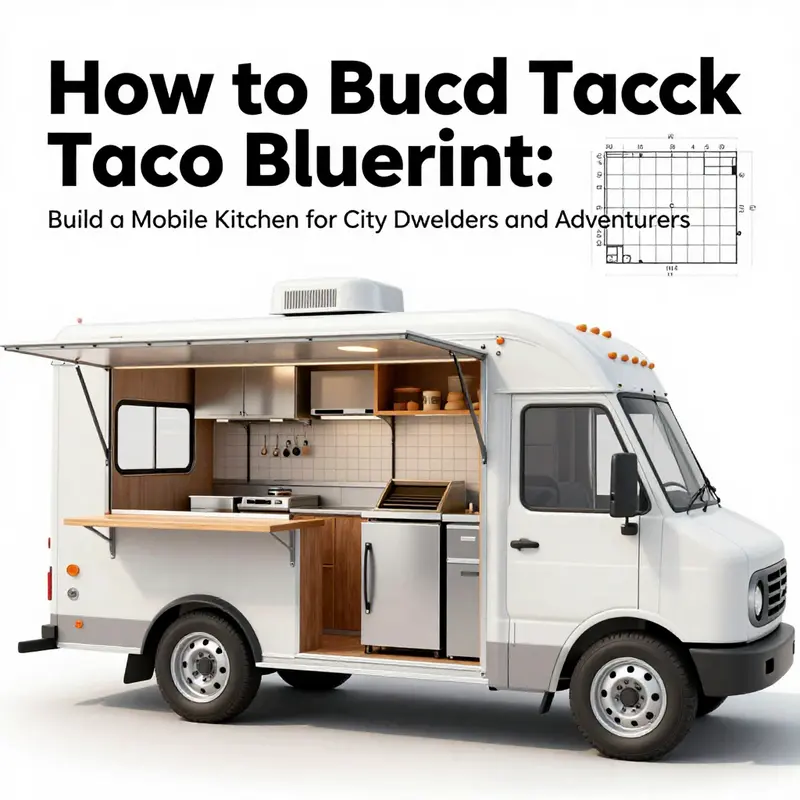
A taco truck is more than a portable kitchen. It’s a carefully engineered space that must perform as reliably in a crowded parking lot as it does on a desert street at dusk. The success of a mobile taqueria often hinges on three interconnected choices made early: the vehicle that carries it, the equipment that cooks and cools, and the kitchen layout that guides every motion from prep to service. When these three elements align, the result is a rolling workspace that feels like a small restaurant on wheels, capable of consistent flavor, rapid service, and safe operation even under the pressure of a long line and a hot grill.
Vehicle selection is the foundation. The choice between a custom-built food trailer and a converted van isn’t a matter of fashion but of function, budget, and long-term viability. A trailer offers more square footage and a steadier work surface. It can be designed with a purpose-built back wall, a dedicated prep zone, and a larger walk-in or reach-in storage area. A van, on the other hand, provides agility and lower upfront costs, with the potential for easier spraying, vinyl wrapping, and city permits. The chassis matters too. You want a vehicle with a robust frame, reliable engine, and the ability to handle heavy cooking equipment without rattling apart on pothole-riddled streets. It’s easy to underestimate how much stress a rolling kitchen endures: grease, heat, vibration, and the constant start-stop of city traffic all take a toll.
Size and dimensions determine not only what equipment you can fit but how you move through your workflow. A typical taco truck operates in the 20- to 24-foot range, but region-specific regulations and parking realities can push you toward smaller or larger footprints. Height matters for under-bridge clearance and for ease of parking at certain venues. Width and length shape the turning radius and the ability to back into tight spaces at events or markets. Once you select a vehicle, the next layer of consideration is compliance. Local regulations govern registration, insurance, and the permits required to vend from a mobile unit. Some cities insist on separate mobile food vending permits, while others mandate health department approvals tied to your setup. The specifics vary widely from coast to coast, and even within metropolitan zones. The prudent operator treats compliance as a design constraint just as much as they treat fuel efficiency or kitchen ventilation. You want to know the rules before you buy, because changing a vehicle’s body after the fact is costly and time-consuming.
From there, the capability of your kitchen begins to take shape. The essential equipment is a compact high-output trio: a commercial-grade grill for carne asada or other grilled fillings, a flat-top griddle for tortillas and eggs, and a deep fryer for crispy sides and chips. These three core appliances anchor most taco concepts and define the space you need. Refrigeration follows closely on their heels. A reach-in refrigerator and a small freezer are indispensable for holding proteins, toppings, and mass-produced components like shredded cheese or guacamole bases. A solid plan also includes a dedicated handwashing sink, a three-compartment sink for cleanliness, and a reliable potable water system. While a lot of talk centers on the cooking gear, the water and waste system quietly ensures you stay within health codes even after a long rush. Greywater management isn’t glamorous, but neglecting it invites fines and unsanitary conditions, which is the fastest path to shutting down an otherwise promising operation.
Power and ventilation are the invisible lifelines of a mobile kitchen. Most taco trucks rely on propane for cooking due to its compact footprint and broad availability, but the electrical side can be equally important, especially as menus expand or you install advanced equipment. A generator is a common heartbeat, or you might connect to a venue’s power when available. The electrical system must be designed to handle the load of multiple appliances running at once, with safeguards like proper wiring, voltage regulators, and oxygen-free outlets to prevent nuisance trips. Ventilation, however, is non-negotiable. A robust hood or exhaust system clears smoke and grease, protects your staff from heat buildup, and prevents odor buildup from lingering in the vehicle. It’s one of those features that customers notice only when it’s missing—stifling heat and smoke can push customers away just as quickly as a slow service.
The layout of the kitchen—the physical choreography of where you chop, cook, and plate—determines how fast you can move and how consistently you can deliver. The culinary world often references the work triangle, a concept borrowed from stationary kitchens, but adapted for the constraints of mobile spaces. The idea is simple: keep the essential work zones—prep, cooking, and serving—within efficient reach of one another to reduce wasted steps and fatigue. In a taco truck, the grill and griddle sit near the prep area so ingredients can be shaved, chopped, and portioned in quick succession without a long detour around a counter. The serving counter must sit at a comfortable height for customers and staff alike, with visibility into the kitchen to reassure patrons that hygiene and speed are the order of the day.
Storage efficiency becomes a kinetic force in a compact kitchen. Vertical shelving frees precious floor space and keeps utensils, spices, and toppings within arm’s reach. Drawers and labeled bins reduce the mental load on your team: when every item lives in a defined place, service flows with fewer delays and less confusion. Durable, non-porous countertop materials like stainless steel not only resist heat and staining but also support rapid sanitization between orders. It’s worth investing in a counter that stands up to the daily heat of a busy window and the inevitable bumps of a mobile operation. The service window, which doubles as a point of sale, should balance customer interaction with kitchen visibility. A well-designed serving counter invites customers to engage with the menu and fosters trust when they see a clean, organized back-of-house operation.
A practical but often overlooked piece of the puzzle is the modularity of the kitchen setup. A truck that can be retrofitted with modular equipment is a smarter long-term bet than a fixed stainless box that limits growth. The modular approach makes it possible to reconfigure for different events or seasons without a full rebuild. The cost of this flexibility isn’t just monetary; it’s the ability to pivot your concept when demand shifts or when a new neighborhood calls. For many operators, this adaptability proves decisive in sustainable growth, especially when they want to test a signature item against a weekend market crowd or a corporate event with specific dietary considerations. In the same spirit, consider the sustainability of your approach. Eco-conscious packaging matters, but it’s also smart business to plan for waste segregation, compostable or recyclable materials, and a system that reduces landfill contributions over time.
Each choice—vehicle type, size, and compliance requirements; the core cooking equipment and how it’s powered; and the kitchen layout that governs step frequency and safety—builds toward a reliable and scalable operation. As you imagine your truck on the road, picture the rhythm of a busy night: a line forming, orders streaming in, ingredients being prepped in one zone, meats searing on a hot grill, tortillas warmed on a flat top, and bright toppings being plated with a practiced speed. The operator who understands how to harmonize these elements doesn’t just set up a truck; they craft a mobile restaurant experience capable of delivering consistent flavor with every flip of a tortilla, every crackle of the grill, and every crisp of a fried shell.
Selecting and coordinating equipment is a task that rewards discipline and foresight. It starts with a clear concept—traditional street tacos, fusion creations, or plant-based twists—that informs not only the menu but also the power and ventilation requirements and the pace of service you aim to sustain. It continues with vendor relationships and risk management. It’s worth noting that many operators pursue a measured approach to sourcing, looking for commercial-grade appliances that are compact enough for mobile use yet robust enough to withstand daily use. The equipment you choose must be designed for continuous operation, easy to clean, and reliable over the long haul. If the path toward procurement seems overwhelming, remember that the objective is not to chase novelty but to secure a kitchen that aligns with your concept, your financing, and your patient plan for growth. A well-chosen setup can turn a one-man operation into a lean, two-person crew that can handle peak periods with calm, collected efficiency.
Within this framework, a helpful step is to consult guidance on equipment selection with an eye toward long-term value. There is merit in reviewing curated resources that emphasize safety standards, reputable manufacturing practices, and after-sales support. For operators who want to take a deeper dive into how to source responsibly and sustainably, this approach can be a decisive factor in avoiding costly bottlenecks and downtime. In practice, this often translates to verifying the quality and safety certifications of installed components, such as the construction materials and finishes that come into contact with food, the integrity of the piping and water systems, and the approval of ventilation equipment by relevant authorities. It also means confirming that the electrical and gas connections meet code requirements and are installed by qualified technicians. The goal is not merely to meet the minimums but to build a buffer of safety and reliability that keeps your team focused on cooking and customer service rather than firefighting hazards or equipment failures.
As you plan, a practical touchstone to keep you grounded is the notion of modular, scalable growth. You may begin with a narrower menu and a lean setup, then expand as demand dictates. The capacity to reconfigure the kitchen without a full rebuild becomes a strategic asset, allowing you to test new toppings, adjust portion sizes, or pivot to a different cooking technique if a neighborhood trend calls for it. The most durable taco trucks are not the glitziest at launch but the ones built with foresight: a vehicle strong enough for frequent transport, a core set of appliances capable of performing daily in a high-stress environment, and a layout that keeps the team moving with precision and calm. In the end, the truck that endures is the one that treats safety, hygiene, and scalability as non-negotiable design criteria—just as much as flavor, speed, and customer delight.
A final note on the practicalities of sourcing and building cannot be ignored. If you’re contemplating overseas manufacturing or third-party outfitting, ensure the chosen equipment and materials meet recognized safety standards. Look for ISO-certified suppliers and equipment that carries UL or CE marks where applicable. These standards provide a level of assurance that your kitchen can withstand the rigors of daily use, hot temperatures, and the vibrations of moving city streets. They also minimize the risk of equipment failures that could interrupt service and erode trust with your customers. For many aspiring operators, a measured approach to sourcing reduces the chance of buying an expensive, inappropriate setup that forces expensive modifications later. The right supplier can offer not only equipment but after-sales support, spare parts, and service intervals that keep your kitchen running smoothly for years.
If you’re looking for further clarity on the procurement landscape, a practical resource exists that focuses specifically on strategic sourcing and safety standards for taco-truck equipment. It provides a grounded perspective on how to evaluate manufacturers and align with international quality systems. Choose Food Truck Equipment Wisely offers guidance that complements the design mindset described here, helping you move from concept to purchase with confidence. This kind of informed due diligence supports a more resilient build and a clearer path to profitability, especially when combined with the on-the-ground realities of operation, maintenance, and customer engagement.
In sum, the route to a successful taco truck begins with a clear sense of what the vehicle must endure, a thoughtful selection of equipment that balances capability with space, and a layout that channels energy into efficient, safe, and scalable workflows. The pieces fit together to create a kitchen on wheels that can deliver the same consistency of flavor and speed you’d expect from a brick-and-mortar taqueria, but with the mobility and personality that only a taco truck can offer. When one part struggles—the vehicle, the gear, or the layout—the entire operation suffers. But when these three pillars are designed in concert, the truck becomes not just a vehicle but a living, adaptable engine of cooking craft, capable of turning markets into kitchens, and street corners into community hubs where every bite tells a story of planning, resilience, and craft.
External resource for further reading on sourcing and safety standards can be found here: https://www.alibaba.com/product-detail/Strategic-Sourcing-of-Taco-Trucks-Guide-to_1600548792184.html
Rolling Flavor Forward: From Concept to Customer in a Taco Truck Venture
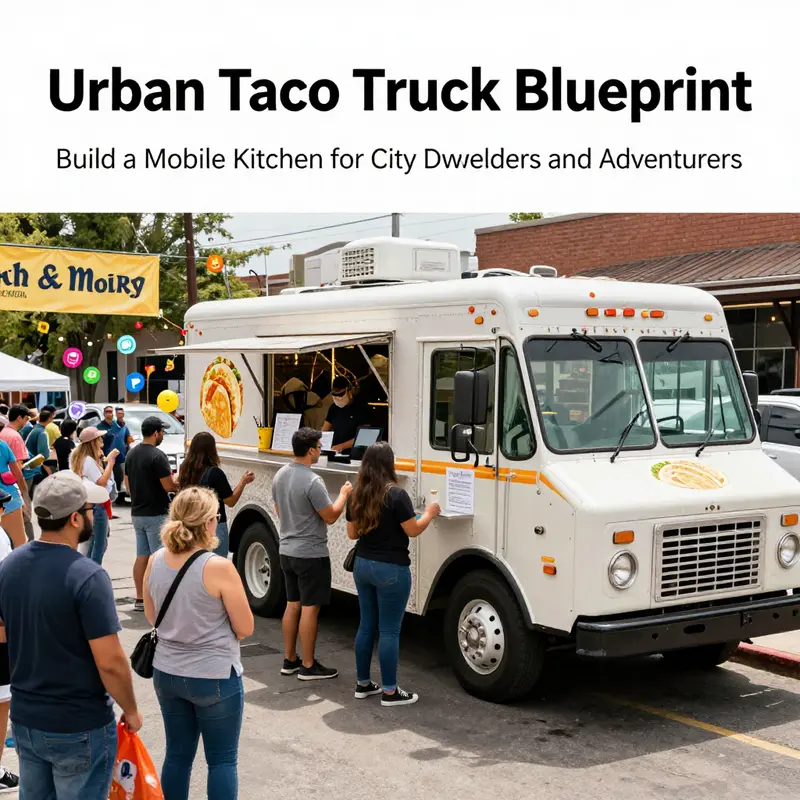
A taco truck is more than a mobile kitchen; it is a compact business built around speed, flavor, and a clear purpose. The journey from idea to street-side staple unfolds like a well-planned recipe: define a concept with bite-sized practicality, assemble the right gear, secure the necessary permits, and then translate that blueprint into a steady rhythm of service. This chapter traces that arc in a single, flowing narrative, weaving together culinary concept, equipment sourcing, compliance, and the everyday discipline of running a mobile operation. The goal is not just a truck that cooks tasty foods, but a resilient mobile brand that can adapt, scale, and delight customers wherever the route takes you.
Begin with a concept that sticks. Your value proposition should be clean and differentiating. Will your tacos honor traditional techniques and regional ingredients, or will they fuse flavors in surprising, purposeful ways—think textures and sauces that tell a story about your neighborhood or your personal heritage? A well-defined concept anchors every decision that follows, from the menu to the look of the truck to the way you train staff. Simplicity becomes strength when the menu is focused, quick to assemble, and consistently executed. The best concept also respects the local palate and sourcing realities. If you can tell a story about where ingredients come from and why you chose them, you create a bond with customers that transcends a single meal.
With concept in hand, translate flavor into a menu that can be produced rapidly in a mobile kitchen. A compact menu that highlights a few signature tacos, one or two sides, and a dependable drink or topping can reduce complexity while increasing throughput. Consider offering variations that honor regional preferences or dietary needs, such as plant-based options or bold house-made sauces that act as recognizably yours. In a mobile setting, consistency is king. Standardized recipes, measured portions, and reliable cooking times keep flavors uniform across every service and every location. The ability to reproduce a great taco under varying conditions is what separates a good truck from a legendary one.
A critical, often overlooked step is researching local regulations and permits early. Before you invest in a vehicle or kitchen layout, map out the legal pathway. You will need business licenses and food handler permits, as well as mobile food vendor permits that differ by city and state. Health department inspections are non-negotiable; they codify the hygiene practices that protect your customers and your brand. Zoning rules determine where you can operate and how you can park between lunch rushes and late-night scenes. Los Angeles, New York, and other major markets each have their own idiosyncrasies, and getting ahead of them prevents costly delays after you’ve secured a truck. This is not a bureaucratic hurdle but a strategic framework that shapes your route planning, event participation, and even your hours of operation.
Choosing the right vehicle is the next pivotal choice. You can buy a used, street-ready food truck or customize a van or trailer. The decision depends on your budget, the volume you anticipate, and the specific equipment you need to deliver a consistent product. Layout matters: there must be enough space for cooking, prep, storage, and a service window that keeps traffic flowing without bottlenecks. Kitchen equipment should meet safety and efficiency standards; commercial grills, fryers, ovens, and sinks need proper ventilation, water supply, and waste management solutions. In North America, UL-certified appliances are a baseline for electrical safety; in Europe, CE certification is the standard for conformity. The quality of construction matters too. Materials like 6061-T6 aluminum offer durability and lightness, important when you’re constantly moving and subject to vibrations, temperature changes, and the demands of a fast-service workflow. Partnering with a supplier that demonstrates ISO 9001 quality management, strong communication, and robust after-sales support is a strategic move. This alliance reduces downtime, ensures parts availability, and keeps the kitchen running through busy weekends and festivals.
As you source equipment and supplies, the goal is a compact, modular kitchen that can be deployed quickly in different locations. Look for commercial-grade appliances that balance performance with energy efficiency. Insulated storage units combat heat gain and help preserve ingredients, while a reliable POS system streamlines the flow from order to pickup. Sustainable packaging isn’t just a marketing line; it aligns with customer expectations and often reduces waste handling costs. Many suppliers offer modular, space-efficient kitchen modules designed specifically for mobile use, which can shorten the time from purchase to service and simplify maintenance. In this phase you should also consider the non-food side of operations: refrigeration that holds safe temperatures, gas or electrical systems that meet local codes, and waste management that keeps your unit clean and compliant. The equipment you choose should survive the daily grind of moving from curb to curb, from farmers’ markets to corporate campuses, and from sunrise to the last bustling hour.
A well-crafted business plan ties together the dream with the numbers. Budgeting starts with startup costs: the vehicle and its conversion, equipment, permits, and initial inventory. Then come pricing strategies that reflect costs, competition, and the willingness of your target customers to pay for quality and speed. Your plan should define the customer base you plan to serve and where they congregate—office parks, transit hubs, and community events often yield sustainable volumes. Marketing investments must be calibrated to deliver a steady stream of customers. A practical plan allocates resources to social media, local events, and partnerships with nearby businesses. It should also include an approach to data—tracking which tacos perform best, understanding peak times in different locations, and adapting menus or routes accordingly. A successful taco truck blends culinary craft with disciplined, numbers-driven operations. The more you can predict demand, inventory needs, and labor requirements, the less you rely on luck and the more you depend on steady growth.
When launch time arrives, location becomes your fundraising mechanism. Select high-traffic spots where office workers, students, and event attendees can become repeat customers. Rotate through multiple venues to reduce dependence on a single site and to capture diverse customer segments. Let social media become your day-to-day navigation tool. Real-time updates about location and daily specials give followers a reason to seek you out. A strong online presence is not just about posting meals; it is about telling your brand’s story, inviting customers into the kitchen, and inviting them back with loyalty gestures. Limited-time items, secret menu entries, and collaborations with other local vendors can create excitement and draw crowds. Digital ordering and loyalty programs can deepen customer relationships, offering promotions that feel personal and timely while providing you with data to refine your offerings.
Behind the scenes, operational excellence is the backbone of repeat business. Standardized recipes and training protocols keep flavor consistent regardless of who is cooking or where you operate. Inventory management systems help minimize waste and control costs, while regular preventive maintenance of the kitchen’s gas lines, electrical systems, and refrigeration units prevents unexpected shutdowns. As demand grows, you may consider scaling by adding more trucks or even pursuing a brick-and-mortar location, but the core values should remain the same: speed, freshness, and authenticity. A well-run truck preserves the cultural essence of a taco while delivering it with modern efficiency.
The narrative of a taco truck also carries cultural resonance. The popularity of taco trucks in the United States grew from immigrant entrepreneurship and a desire to bring regional flavors to a broader audience. Today, they are more than food; they are a mobile cultural experience that reflects local tastes, seasonal ingredients, and the artistry of a single cook or a small team. This cultural dimension can be an asset when designing branding, choosing music for the customer experience, or crafting a story that connects with communities. The example of a post-apocalyptic game narrative that features a caravan of taco traders, though fictional, underscores the enduring appeal of the idea. It reminds us that the best mobile kitchens succeed not only on flavor but also on imagination and community ties.
In practice, the path from concept to a thriving taco truck is a sequence of small, disciplined decisions. Define a value proposition that is defensible and scalable. Design a kitchen that is safe, compliant, and adaptable. Build a business model that can absorb seasonal shifts and market changes. And above all, cultivate a brand that people want to encounter again and again. The blend of strong culinary identity, reliable equipment, legal compliance, and strategic marketing creates a truck that travels well beyond the curbside—it becomes a dependable, repeatable source of joy for customers and a sustainable business for owners.
To support the practical side of this journey, consider sourcing guidance that prioritizes safety and reliability. Manufacturers who demonstrate solid technical capability, clear after-sales support, and durable materials help ensure long-term performance. An emphasis on high-grade construction and recognized safety certifications reduces risk and protection costs down the line. For those starting from scratch, a thoughtful approach to equipment selection—balancing cost, performance, and durability—will yield better reliability over time. As you grow, the same principles apply: maintain quality controls, invest in your team, and stay aligned with health and safety standards that keep the operation shifting smoothly from day one to the hundredth service.
The practical takeaway is straightforward: safety, compliance, and scalability are not afterthoughts. They are the scaffolding that supports every successful service window. When you pair a compelling culinary concept with disciplined operations and a customer-centric marketing approach, your taco truck becomes more than a vehicle—it becomes a moving embodiment of your brand, ready to roll toward the next festival, the next campus, or the next neighborhood block party. And as you navigate the road ahead, remember that the best trucks are built with intention: a clear mission, a sustainable plan, and the readiness to adapt while preserving flavor, speed, and authenticity.
Internal link note: As you refine the hardware and layout decisions, you may find value in guidance on choosing equipment wisely. For a detailed perspective, see Choosing food truck equipment wisely.
External resource for further guidance on sourcing compliant equipment: Strategic Sourcing of Taco Trucks: Guide to Chinese Manufacturers. This resource highlights the importance of ISO 9001 quality systems and safety certifications when selecting manufacturers and equipment for a mobile kitchen. https://www.alibaba.com/product-detail/Strategic-Sourcing-of-Taco-Trucks-Guide-to_1600548792184.html
Final thoughts
Building a taco truck that thrives in urban environments comes down to aligning concept, compliance, and capitalization. Start with a focused menu and a strong brand that travels well, ensures you can meet health and safety standards without slowing service, and choose a vehicle and layout that maximize workflow. When you launch, prioritize customer experience, reliable supply chains, and clear communication about your location and hours. If you keep the flame of flavor alive and scale smartly, your taco truck won’t just survive in the city—it will become a recognizable local staple that fits the pace and rhythm of urban life.