
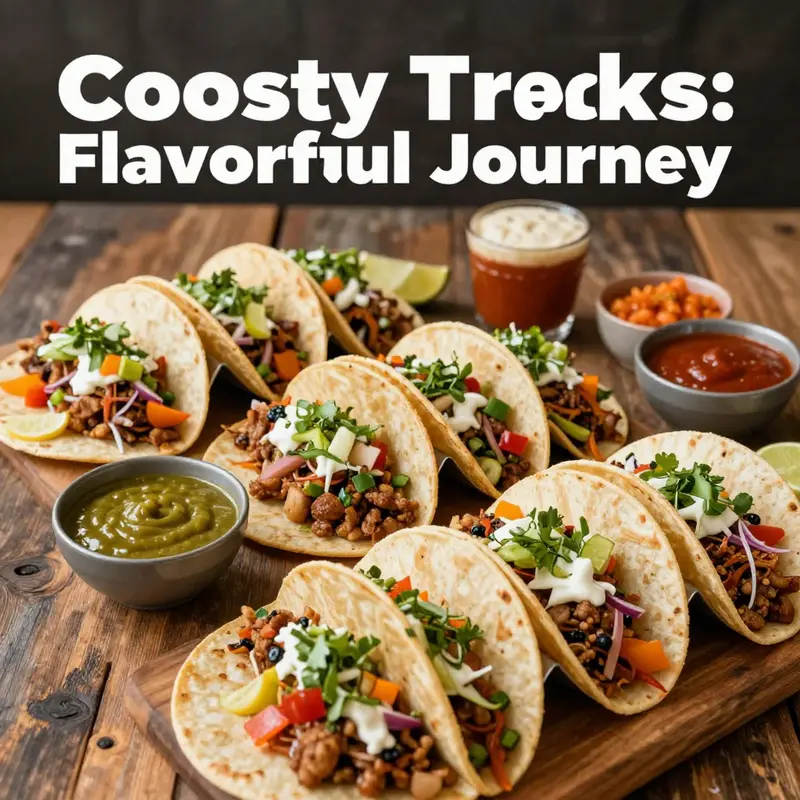
Tacos have become a staple for many urban dwellers, serving as a quick and flavorful meal that fits perfectly into a busy day. Whether you’re an outdoor enthusiast seeking a hearty snack after a hike, a small business owner craving a quick lunch, or a first-time pickup buyer looking to elevate your cooking skills, making tacos like the pros is easier than you might think. This guide will take you through the essentials, from selecting fresh ingredients to mastering meat preparation, tortilla techniques, and balancing flavors. Get ready to embark on a culinary adventure that captures the vibrant essence of real taco trucks.
Street-Ready Ingredients: Sourcing and Using Fresh Components to Make Tacos Like the Taco Truck
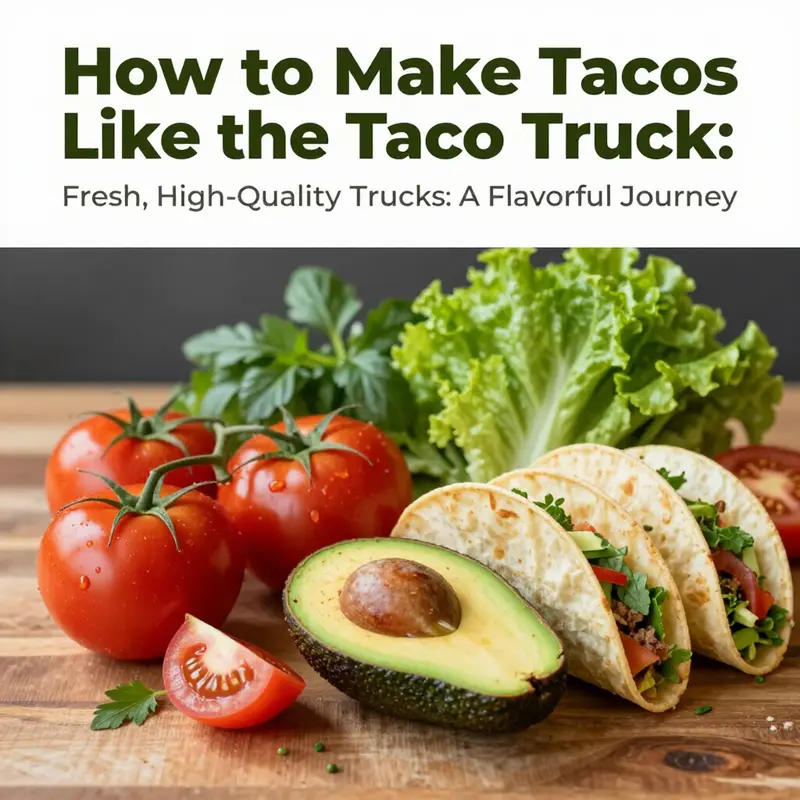
Fresh ingredients are the heart of a taco truck taco. Every bright bite, charred edge, and balanced spoonful of salsa begins with what you choose at the market and how you treat it in the kitchen. To recreate that truck-quality flavor at home, think like a vendor who needs consistent, bold results from a compact setup. That mindset simplifies decisions. It also sharpens your focus on three things: ingredient quality, gentle but decisive technique, and smart prep that preserves texture and brightness.
Start with the foundation: tortillas. Trucks often use corn or flour, but what matters most is freshness and heat. Store-bought tortillas are serviceable, but warming them correctly is what makes them sing. Heat a dry skillet or comal until it’s hot but not smoking, then warm each tortilla for about 15–20 seconds per side. A little blistering and faint char will add aroma and depth. Stack warmed tortillas inside a clean towel to retain heat and pliability. For corn tortillas, consider giving them a light steam before the skillet to reduce cracking, then finish with a quick char for texture. Never microwave if you want that flexible, slightly toasted mouthfeel.
Proteins define the taco’s personality. Choose fresh cuts and match cooking method to the cut. For searing and charred edges, skirt or flank steak excels when marinated briefly in citrus and spices and cooked hot for minutes per side. For al pastor-style flavor, marinate thin pork slices in a chile-achiote-pineapple mix and char quickly; the acid and sugar in the marinade both tenderize and caramelize. When cooking ground beef, brown it in a hot skillet and let the fat render slowly. Add your seasoning toward the end and add a splash of stock to deepen the flavor without making it greasy.
Quality matters beyond the label. If possible, buy sustainably raised or responsibly sourced proteins. They tend to have better texture and cleaner flavor. For poultry, a simple brine for an hour keeps the meat juicy. For vegetarian options, choose firm mushrooms, sweet potatoes, or tofu with good density. Roast or grill until edges brown and develop char. Season these plant proteins with the same respect you give meat: salt early for vegetables, and layer spices during and after cooking.
Seasoning is where trucks build a signature. Make a small batch of homemade taco seasoning so you can adjust salt, heat, and smokiness. Common components include ground cumin, chili powder, garlic powder, onion powder, smoked paprika, and dried oregano. For a brighter, more aromatic blend, toast whole spices briefly in a dry pan and grind them fresh. That step releases oils and adds complexity. Use the seasoning sparingly at first, then taste and adjust. If you want to learn technique and ratios in more depth, consult a trusted seasoning guide for tested proportions and tips: https://www.seriouseats.com/recipes/2026/02/how-to-make-homemade-taco-seasoning-blend.html
Vegetables and garnishes supply contrast. Crisp cilantro and diced onions cut through fattier fillings. Ripe tomatoes add juiciness, but dice them small to avoid soggy tacos. Avocado brings creamy body; slice it just before serving to keep color and texture. A squeeze of fresh lime brightens the whole taco and ties elements together. Trucks often use pickled elements, like quick-pickled red onions, to add an acidic lift and a pop of color. Make a simple quick pickle with thinly sliced red onion, vinegar, a pinch of sugar, and a little salt. Let it sit at least 30 minutes for flavor and color.
Salsas and sauces are signature touches. Fresh pico de gallo provides a crunchy, tomato-forward bite. A smoky chipotle crema adds richness. Make salsas in small batches so they stay vibrant. Use ripe ingredients and finish with acid and salt to balance. For a silky crema, blend plain yogurt or sour cream with lime juice, garlic, and a touch of chipotle in adobo. Keep sauces chilled and spoon them on at the last moment so their texture contrasts with warm fillings.
Cheese and toppings deserve thought. Soft, crumbly cheese adds salt and cooling balance for spicy fillings. Mild melting cheeses can add indulgence for breakfast or fusion tacos. Add crunchy elements like thin cabbage ribbons or fried shallots for texture contrast. A few sliced radishes or a scattering of microgreens can add color and a peppery note. Remember, overcrowding a tortilla dilutes flavor. Aim for two or three layers: protein, one creamy element, and one acidic or crunchy garnish.
Storage and prep are where home cooks diverge from trucks. Trucks organize for speed: prepped proteins, sauces in squeeze bottles, and toppings portioned for quick assembly. At home, emulate this economy. Cook proteins ahead and keep them warm in a low oven. Store salsas and pickles in airtight containers. Grate cheese and chop herbs right before serving if possible. Arrange toppings on a single tray for fast building. This structure preserves freshness and keeps each bite balanced.
Handling produce correctly preserves flavor. Keep cilantro stems attached until you chop them; they store better that way. For limes, roll them on the counter before juicing to release more juice. Store avocados at room temperature and move them to the refrigerator once ripe. For tomatoes, use firm-ripe varieties to reduce water content and slice just before service. These small habits preserve texture and prevent soggy tacos.
Think seasonality and variation. Street vendors adapt to what’s fresh and available. In summer, tomatillos and grilled corn shine. In fall, roasted squash and spiced sweet potato make memorable vegetarian fillings. Rotating a seasonal taco on your menu keeps flavors exciting and ensures peak ingredient quality. If you care about sustainability, you can mirror a truck’s community ethics by sourcing local produce and reducing waste. For guidance on eco-conscious mobile operations, see this resource on sustainable practices: sustainable-practices-mobile-food-trucks.
Finally, present each taco with care. Heat matters, so serve tortillas warm and fillings at their proper temperature. Arrange toppings so each bite includes contrast. A final squeeze of lime and a scattering of cilantro finish the dish. Simplicity done well evokes the best taco trucks: focused, bold, and delicious. Treat your ingredients with respect and use straightforward techniques. The result will be tacos that taste like they came from the window of a well-run truck—fresh, balanced, and unforgettable.
From Rub to Sear: Mastering Taco Truck Meat Seasoning and Cooking
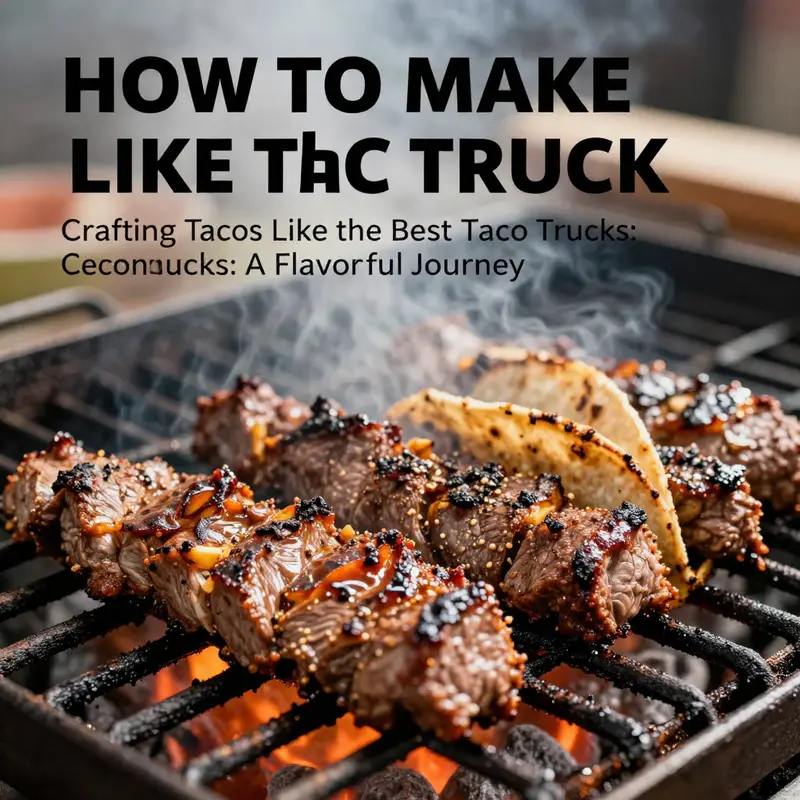
Perfect seasoning, controlled heat, and purposeful technique are what separate a good taco from a truck-level taco. This chapter walks through the craft of seasoning and cooking meat so it sings in a warm tortilla. Read it as a single, continuous workflow: choose the cut, build the spice profile, control the heat, and finish with bright notes that cut through the fat. The goal is an experience that is bold, balanced, and repeatable at home.
Start with the foundation: the spice blend. A reliable mix for beef, pork, or chicken includes chili powder, cumin, garlic powder, onion powder, smoked paprika, salt, and black pepper. Measure with confidence. Use slightly more salt for fattier cuts to pull out flavor. Smoked paprika gives a grill-like note when you don’t have char from a spit. If you want heat, add a pinch of cayenne or ground chipotle. Blend the spices and keep a jar on hand. It saves time and creates consistency across batches.
How you apply the spices matters. For large cuts or steaks, use the blend as a dry rub. Coat the meat evenly and let it rest in the refrigerator for at least 30 minutes. Overnight is better for deeper flavor penetration. For ground or small pieces, season during cooking. This avoids drying the meat and ensures spices bloom in rendered fat. When marinating, add acid—lime or orange juice—or a touch of vinegar. Acid brightens flavor and helps tenderize. For classic flavors, al pastor benefits from pineapple juice and achiote paste; carne asada thrives with citrus and garlic.
Heat control is the next crucial layer. Whether you have a cast-iron griddle, a heavy skillet, or an outdoor grill, aim for high, steady heat for searing and medium for finishing. High heat creates the Maillard reaction, producing the brown, savory crust taco trucks rely on. Preheat the pan until it’s shimmering but not smoking. Add a small amount of neutral oil for lean cuts. For fattier meats, start dry; the fat will render and aid browning.
Browning is not just color. It is flavor. For ground beef, break the meat into the hot pan and let it sit undisturbed until a crust forms. Stir and repeat. Browning in stages builds texture and complexity. For steak or thinly sliced pork, sear quickly over very high heat to get charred edges, then rest briefly before slicing. Resting is essential. A short rest lets juices redistribute, preventing dry tacos and keeping slices juicy.
Toasting spices in the pan with meat elevates aroma. After initial browning, reduce heat to medium and sprinkle the spice blend in. Stir for 30 to 60 seconds so the warm fat extracts and carries the oils from the spices. This step unlocks depth. Follow with a deglaze: add a splash of broth, tomato sauce, or citrus juice. Use the liquid to lift browned bits from the pan. Those bits are flavor concentrated. Let the mixture simmer five to ten minutes to concentrate and meld the spices with the meat.
Texture is as important as taste. Taco trucks balance tender interior with slightly crisp edges. For shredded pork, slow-cook a shoulder until it easily shreds. Then finish on a hot griddle to crisp bits and add texture. For chicken, consider a two-step approach: sous-vide or braise for tenderness, then finish on a high heat to get color and char. For steak, slice thinly against the grain after a brief rest. Thin slices maximize tenderness and make the meat easy to fold into a tortilla.
Fat management determines mouthfeel. Too much fat makes tacos greasy; too little makes them dry. Trim excess fat, but keep enough to carry flavor. If using very lean cuts, add a tablespoon or two of oil when cooking. For ground beef, choose an 80/20 ratio for that truck-style juiciness. Drain a little grease only if the pan becomes an oil slick. Otherwise, use it to toast spices and finish the meat.
When replicating vertical-spit al pastor without a trompo, stack thinly sliced, marinated pork and roast it on a grill pan. Caramelize pineapple on the same plan. The interplay of charred pork and sweet pineapple is essential. For carne asada, high heat and quick flips give you the classic char and tender center. Sear both sides for three to four minutes per side for medium-rare, depending on thickness. Then rest and slice thin.
Sauces and finishing touches bring the meat into balance. Bright elements like cilantro, raw onion, and lime juice cut through richness. A finishing drizzle of crema or a tangy salsa adds moisture and contrast. Toss chopped onion and cilantro into the cooked meat at the end for freshness, or reserve them as garnishes so they stay crisp. Pickled onions or quick-pickled jalapeños add acidity and a pleasant bite.
Consistency is about repeatable habits. Keep a spice jar, a temperature sense for your equipment, and a simple finishing routine. Use a heavy pan for even heat. Don’t overcrowd the pan; work in batches. Use tongs and a spatula to avoid tearing slices. Taste as you cook and adjust seasoning in small steps. If the meat tastes flat, a squeeze of citrus or a pinch more salt will revive it.
Equipment choices matter but do not determine success. A well-seasoned cast-iron skillet approximates a griddle. A gas or charcoal grill gives you authentic char. If you’re thinking of outfitting a mobile setup or upgrading home gear, learn about best practices for food-truck equipment and layout to maximize efficiency and flavor. For guidance on selecting reliable cooking equipment and designing efficient workflows, see this practical resource on choosing food truck equipment wisely.
Finish with timing and assembly. Warm tortillas on a hot, dry skillet until blistered. Keep them wrapped to stay pliable. Build tacos with a modest amount of meat—overstuffing muffles contrast. Add cheese sparingly, then fresh vegetables and sauce. A squeeze of lime at the end brightens everything.
These steps are a framework. Once you master the basics—season, sear, toast spices, deglaze, finish with acid—you can adapt recipes and ingredients. Work from technique rather than memorized lists. With practice, your home tacos will echo the bold, balanced flavors of your favorite truck, every time.
Further reading on professional home techniques is available from Serious Eats for those who want step-by-step recipes and advanced tips: https://www.seriouseats.com/the-best-tacos-at-home-recipe
Tortilla Craft: How the Perfect Tortilla Makes Taco Truck Tacos
Tortilla Craft: How the Perfect Tortilla Makes Taco Truck Tacos
The tortilla is the quiet star of every taco truck taco. It does more than hold fillings; it sets the tone for texture, flavor, and balance. A great tortilla is warm, slightly charred, and flexible. It folds without cracking. It tastes like corn or wheat, not like plastic. It absorbs juices without becoming soggy. Mastering the tortilla brings you far closer to the authentic street-side taco experience.
Start with the right base. For traditional street tacos, masa harina is the foundation. Mix masa with water to the feel of soft play-dough. It should hold together when pinched, without sticking to your fingers. If your dough dries quickly, add water in small amounts. If it feels greasy, you used too much fat. Some trucks add a spoonful of rendered fat for richness. A little vegetable shortening works too, for those who avoid animal fat. That tiny amount changes mouthfeel and improves pliability. It also helps the cooked tortilla stay tender when kept warm in a stack.
Pressing matters. Hand-pressed corn tortillas are the hallmark of many taco trucks. They cook differently from purchased tortillas. Use a tortilla press, or improvise by placing dough between heavy parchment or plastic and flattening with a heavy skillet. Aim for even thickness. A tortilla that’s too thin tears when folded; too thick overwhelms the filling. Corn tortillas should be slightly translucent at the edges when cooked and a touch opaque in the middle.
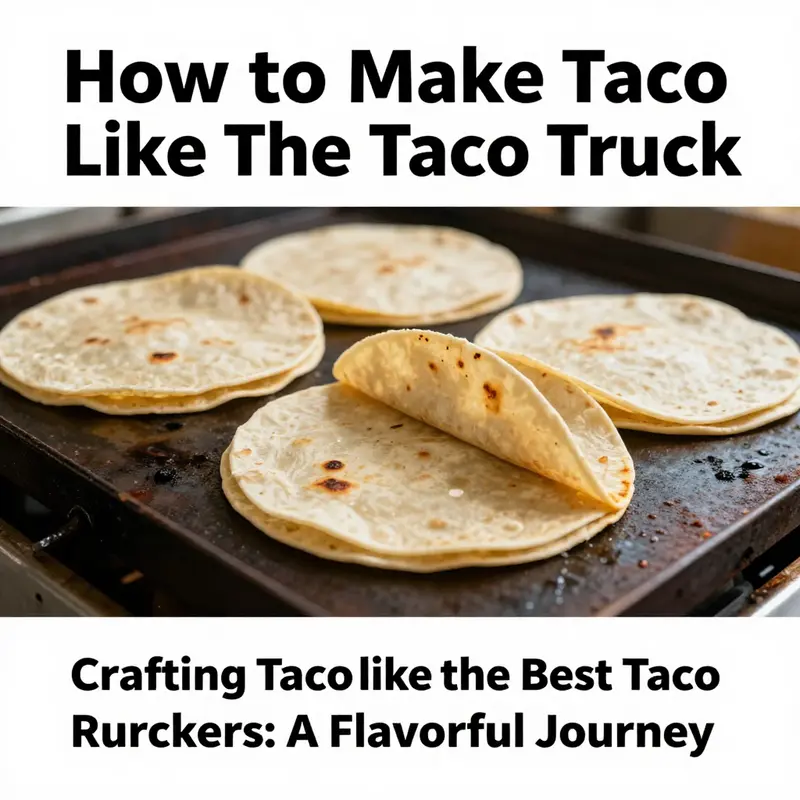
Cook on a flat, hot surface. A cast-iron griddle or comal makes the biggest difference. Heat the surface until a drop of water sizzles and evaporates. Place the raw tortilla down and watch for the first signs of cooking: the surface will look matte, then start to develop small pale bubbles. Flip after 15 to 30 seconds. The second side will take slightly longer. Expect subtle char marks and a few darker patches. When a tortilla puffs a little, it is almost always perfectly cooked inside. The comal transfers even heat and yields the thin, flexible interior and toasted exterior tacos need.
Timing influences texture. Overcooking makes tortillas stiff and brittle. Undercooking leaves them damp and chewy. Aim for quick contact with high heat. Each tortilla needs just enough time to cook through and form those tiny charred spots that add smoky depth. Keep a rhythm: press, place, flip, stack. The taco truck pace—fast and steady—keeps tortillas fresh and warm.
Stacking keeps heat and moisture balanced. After cooking, wrap tortillas in a clean cloth or place them in a tortilla warmer. This retains steam and prevents cracking. Trucks often stack dozens and wrap them tightly to hold humidity. At home, a towel-lined dish works well. Avoid microwaving, which makes tortillas rubbery or brittle. Reheat on the comal for a few seconds per side when ready to serve.
Experiment with corn varieties. White or yellow masa are classic. Blue corn adds a nutty complexity and a firmer texture. Mixing different masa types yields interesting contrasts. When using blue masa, expect a slightly denser tortilla and a deeper color. Flavor profiles shift subtly, and the visual impact can elevate a simple street taco.
Consider adding fat sparingly. Many taco trucks use lard for tradition and texture. A teaspoon or two in a batch of dough makes tortillas more tender and flavorful. Vegetable shortening offers a neutral alternative. If you choose to enrich masa, mix the fat in thoroughly and test a tortilla to confirm the texture before pressing the whole batch.
Work on the tactile sense. The right dough will feel springy, not sticky. When you press it, it should spread evenly under gentle pressure. If it cracks around the edges after cooking, the dough was too dry. If it sticks to the press or pan, it was too wet. Adjust water or masa until the dough behaves predictably. This tactile feedback is how many truck cooks maintain consistency during long service hours.
Use char and smoke deliberately. Light charring adds complexity that contrasts with fresh toppings. A couple of deliberate dark spots on each tortilla contribute savory depth without dominating the taco. For a bolder finish, briefly hold the cooked tortilla over an open flame to add a whisper of smoke. Do this sparingly; too much flame masks the fillings.
Adapt to different fillings. Soft corn tortillas pair beautifully with al pastor, carne asada, and carnitas. Flour tortillas, slightly larger and more elastic, suit heavier fillings and cheese-melt constructions. For breakfast tacos, a warm flour tortilla wraps potatoes and eggs without tearing. Keep each filling in mind when choosing tortilla type and thickness. The goal is harmony: the tortilla should support, not overshadow, the ingredients.
Clean and care for your tools. A well-seasoned cast-iron comal distributes heat predictably. Keep it dry after washing to prevent rust. A pressed surface that is pitted or warped will cook unevenly. Maintain your tortilla press by wiping it clean and avoiding abrasive cleaners that strip seasoning. Small investments in equipment translate to consistent results at home.
Practice a simple routine. Mix dough, form balls, press, cook, and wrap. Repeat. Taco trucks build efficiency through repetition. You will find a rhythm and speed that maintains quality. Taste constantly. If tortillas taste floury, adjust hydration or cooking time. If they crumble, add a touch more fat or water. Sensory checks between batches are the most reliable quality control.
Store dough the right way. Masa firms as it cools. Store it in an airtight container in the refrigerator for up to two days. Bring it back to room temperature before pressing. For longer storage, cooked tortillas freeze well when layered with parchment and sealed. Thaw slowly and finish on the comal for best texture. Avoid reheating frozen tortillas in the microwave; the comal restores moisture and chew.
Small details make big differences. Keep your hands and tools lightly dusted with masa to avoid sticking. Use parchment or plastic for pressing rather than cling film that tears. Toast a few tortillas slightly extra and use them as crunchy garnish or chips. When serving, always present a stack wrapped in cloth. A warm, soft bundle signals care and authenticity.
If you are building a mobile setup or simply equipping a home kitchen to emulate truck efficiency, choose tools with durability in mind. For guidance on practical equipment choices and mobile operation, review advice on choosing food truck gear at this resource: choose food truck equipment wisely.
The tortilla is not an afterthought. It is craftsmanship expressed in corn or flour. Master it and every taco you build will have the structure and soul of a taco truck creation. For technical steps and deeper troubleshooting, consider this practical guide on making perfect corn tortillas at home: https://www.seriouseats.com/perfect-corn-tortillas
Layered Street Flavor: How to Balance Textures and Tastes to Make Tacos Like the Taco Truck
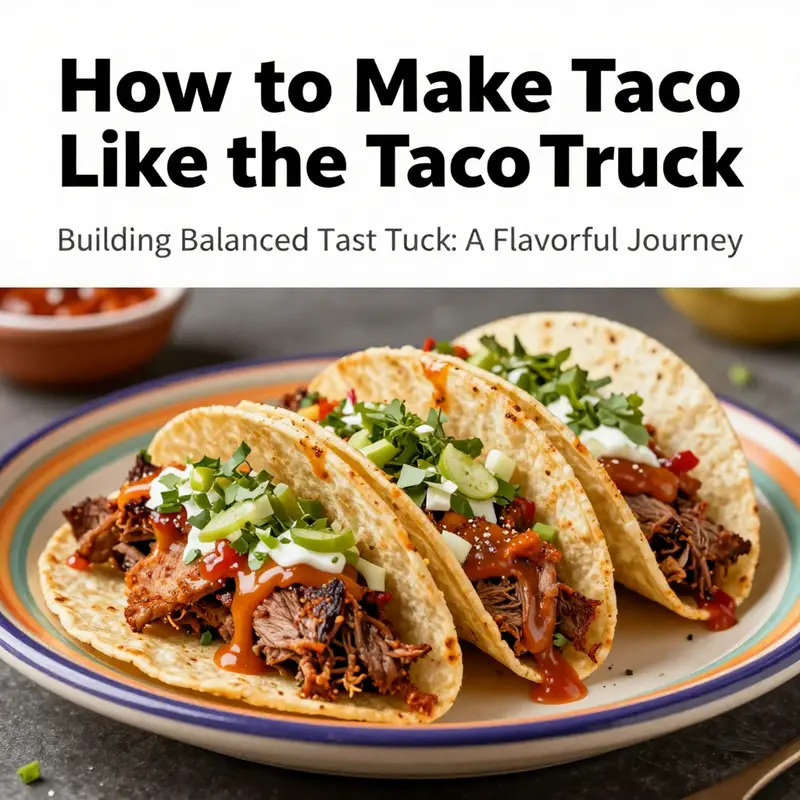
Balance is not an ingredient; it’s the way you assemble one. To make tacos that feel like they came from a busy taco truck you must think in layers. Every taco is a small, portable dish where heat, fat, acid, crunch, and herbaceous brightness meet. When these parts are in proportion, each bite is clean, complex, and comfortable in the hand. This chapter walks through the tactile and flavor choices that create that harmony, and it shows how to combine them so your tacos will read like street food: bold, simple, and perfectly composed.
Start with the foundation: the tortilla. A great filling ruined by a stiff or cold shell is a common failure. Choose soft corn tortillas for authenticity. Warm them on a hot, dry skillet until they blister and bend without breaking. A short time over a flame adds smoky char. Keep them wrapped in a clean towel to stay pliable. Warmth matters because a flexible tortilla hugs the filling, distributes heat, and keeps the taco tidy. If you like flour tortillas, treat them the same: heat, char gently, and fold without forcing them to open.
Next, consider the protein as the flavor anchor. A taco truck rarely serves bland meat. For grilled steak or skirt, marinate with citrus and spices, then sear hot to develop a deep crust. For pork al pastor, a bright, chile-forward marinade with a hint of pineapple gives both acid and caramelized sugar. For ground beef choose a blend that renders fat and then browns until it becomes savory and slightly crisp. The aim is texture and flavor contrast: a bit of crunch from the edge of seared meat, and pronounced seasoning through the interior. Season loudly but smartly: salt, garlic, a mild heat, and one defining aromatic, like cumin or smoked paprika, will give the meat identity without stealing the show.
Think about moisture the way a truck chef does. Too dry and the taco feels mealy. Too wet and the tortilla sogs. Keep chunky salsas drained and diced small. If you use a salsa with more liquid, reduce it by simmering or strain it lightly. Fold moist elements into the taco at the last second. Use creams and emulsions — Mexican crema, a lime-yogurt drizzle, or a thin avocado salsa — to add moisture that coats rather than soaks. These creams act like glue for crumbs and tiny bursts of flavor and make each bite smooth.
Textures are what make a taco memorable. A taco truck balances soft and crunchy every time. Start with a bed of shredded cabbage or crisp lettuce for a clean crunch. Add soft elements like diced avocado or crumbled fresh cheese. Include one bright, sharp component such as pickled red onion or sliced radish. That acidic snap cuts through fat and resets the palate between bites. If you want charred sweetness, finish with grilled pineapple or onions for a contrast that lifts meat-heavy fills.
Sauces should complement not overwhelm. A taco truck rarely piles on sauce until it hides the filling. Aim for a thin stream of flavor that ties layers together. Make a salsa verde with tomatillos and lime for brightness. Blend a chipotle crema for smoky heat with cool fat to temper it. Spoon sauces in a ribbon rather than dolloping them in the middle. This method lets each bite pick up sauce, meat, and veg together. If you keep a few sauces on hand, customers can customize—an approach you can replicate easily at home.
Herbs and citrus finish the taco and should be plentiful and fresh. Chop cilantro finely and scatter it without burying other ingredients. Offer lime wedges and squeeze just before eating. The acid brightens fats and lifts heavy spices. Fresh herbs add aroma that the brain reads as freshness. A final grind of black pepper or a tiny pinch of flaky salt on top can make flavors pop.
Portioning matters. A taco that is too full is messy and hard to eat. A taco that is too sparse feels like a snack. Aim for a snug filling that allows the tortilla to fold closed without forcing ingredients out. Use less meat than you think; a generous two tablespoons for street tacos is often enough. Then layer textures and sauce. The result is a compact bite with every element present.
Timing is the invisible secret. Taco trucks build to order for a reason. Warm ingredients should be hot and cold elements chilled. If you precook everything, reheat meat over high heat to revive crispness. Keep salsas and creams cold to preserve texture and brightness. Assemble when you are ready to eat. This ensures the tortilla has not steamed from hot meat, the cabbage stays crisp, and the sauce keeps the taco from becoming soggy.
Presentation is practical. Fold your taco into a holder or your palm to keep it upright. Sprinkle garnish on top, rather than burying it inside. A small pile of lime wedges and an extra bowl of salsa alongside encourages the tactile experience street vendors create. Let home diners build the way truck customers do: let them add pickled onions, fresh chiles, or additional crema.
Small techniques produce big returns. Toast cumin before grinding for amplified aroma. Rest meat after cooking briefly to let juices redistribute. Dice tomatoes small and drain excess seeds to avoid soggy bites. Thin sauces with a little water or lime juice to make them drizzle-friendly. Rapidly pickle thinly sliced onions in vinegar, sugar, and salt for a bright, quick condiment that keeps for days. These details are common practice on trucks because they optimize flavor while keeping service fast.
Simplicity is the ultimate trick. Taco trucks thrive because they perfect a handful of fillings and serve them consistently. Choose one or two proteins to master. Pair them with two sauces and three garnishes. This approach teaches you balance through repetition. You learn how much salsa is too much and which pickles cut a fatty bite best. Keep the focus on contrasts: hot and cool, soft and crunchy, fatty and acidic.
If you ever wonder what else a taco truck thinks about, consider the equipment and setup behind the scenes. Choosing the right tools and layout speeds assembly and preserves freshness. For guidance on choosing practical, efficient gear and workflow for mobile kitchens, see this short guide on how to choose food truck equipment wisely: https://pockettacotruck.com/choose-food-truck-equipment-wisely/.
The last refinement is personalization. Street tacos are an invitation to experiment. Swap salsa types, change the acid, try different pickles, or add a sprinkle of a unique cheese. But keep the structure intact: warmed tortilla, seasoned protein, crunch, cool cream, bright acid, and aromatic herb. When you assemble with that template, each variation still tastes like a taco truck taco.
For deeper technique and cultural context on traditional methods used by Mexican street vendors, consult this detailed guide: https://www.theguardian.com/food/2022/may/18/how-to-make-tacos-like-a-mexican-taco-truck.
Follow the arc of a taco truck: heat your tortilla, season your meat loudly, layer in a crisp element, add a cooling cream, finish with citrus and herbs, and serve immediately. Do that and you will recreate the vibrant, balanced flavors and textures that make taco truck tacos irresistible.
Taco Truck Soul at Home: Crafting Authentic Flavors with Mobility, Fresh Ingredients, and Personal Flair
Taco Truck Soul at Home: Crafting Authentic Flavors with Mobility, Fresh Ingredients, and Personal Flair
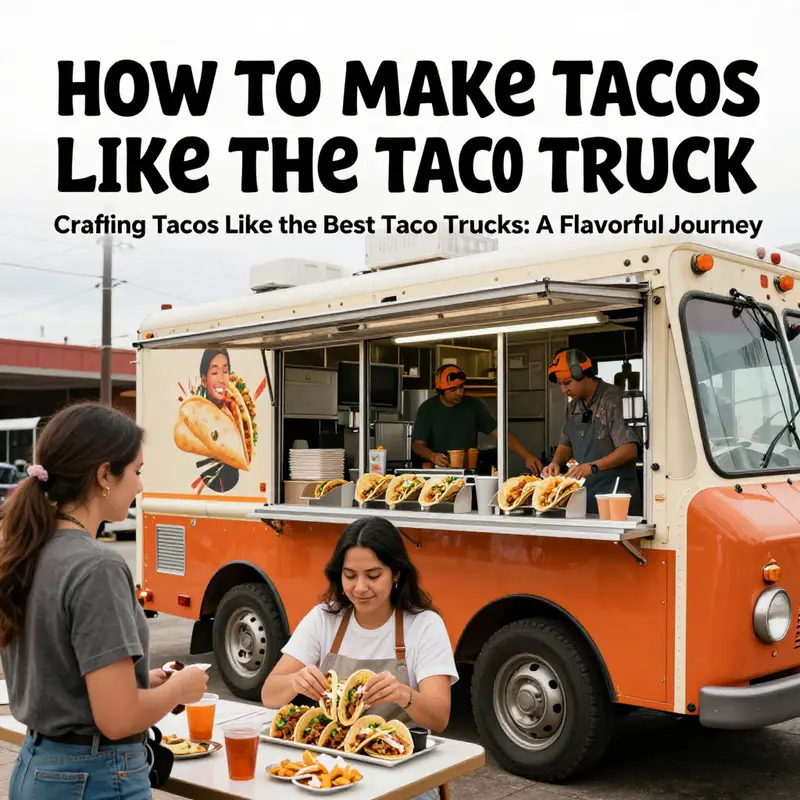
If you’ve ever watched a taco truck pull onto a sunlit corner and felt the air shift with garlic, smoke, and citrus, you know there’s more to street-food magic than heat and steam. The real charm lies in the way a mobile kitchen blends urgency with tradition, adaptability with a clear, personal voice. This chapter invites you to bring that same energy into your home kitchen, translating the on-the-go swagger of the taco truck into a cohesive, flavorful experience. It isn’t about mimicking a single dish; it’s about understanding the rhythms that make a truck meal feel both comforting and exciting. In the city where flavor is a conversation, the truck earns its place by listening to the crowd, adjusting a grill, tweaking a salsa, and offering a canvas for people to customize their plates. You can capture that same spirit by honoring fresh ingredients, mastering essential techniques, and presenting each taco with care so that it feels earned rather than assembled.
Begin with the people, the place, and the plan. The Austin-influenced philosophy behind mobile tacos emphasizes efficiency without sacrificing depth. A cart or a small pop-up needs to move quickly, but the best trucks also move with intent: the team knows when to pivot—switch up a filling, offer a new salsa, or restock a popular topping on a moment’s notice. In this kitchen-on-wheels mindset, everything starts with hygiene and quality ingredients. You want bright, plump tomatoes, fragrant cilantro, and avocados that yield slightly to pressure. If you search for the type of components that feel durable in a lunch line or at a festival, the answers are simple: use handmade corn tortillas if you can, lean on bold, balanced seasonings, and let every component do its part without hiding behind heavy sauces. The taco truck thrives on a balance between texture and aroma; the bite should crack, then melt, then refresh with a squeeze of lime.
The foundation of any great taco is the tortilla, but here the tortilla is more than a vessel. It’s a warm, pliable canvas that carries the character of the fillings without fighting them. The recommendation is to work with fresh corn tortillas whenever possible. They heat directly on a griddle or comal, not in a microwave, which keeps them supple and lightly blistered. The technique is simple and rewarding: heat a dry skillet over medium-high, warm each tortilla for about 15 to 20 seconds per side, then wrap the stack in a clean towel to retain heat. The result is a tortilla that has body enough to hold a generous filling while staying flexible enough to fold into that characteristic U shape—the gentle arch that signals quality and control. The presentation matters as much as the taste; this is part of the visual language that communicates a well-run truck kitchen.
What fills that tortilla should be a study in contrast and balance. The research you’re drawing from offers a spectrum of fillings, from the classic to the unexpectedly clever. A dependable workhorse is carne asada, its brisk marination in citrus juice, cumin, and garlic lighting up the grill with a bright edge. A flank or skirt steak, cut thin and grilled hot, yields slices that are juicy and bold, then sliced thinly against the grain for maximum tenderness in every bite. For al pastor-adjacent inspired tacos, think about a pork preparation with a savory punch: a marinade built on dried chiles like guajillo and ancho, a kiss of achiote, garlic, and a touch of vinegar to brighten the pork as it caramelizes. If you lean plant-forward, a modern twist can be mashed-potato tacos—potatoes whipped with garlic, cheese, and herbs to create a binding, comforting filling that still folds neatly in a taco. The goal is to establish a filling that remains stable when folded, but remains distinctly flavorful at the moment of bite. A well-constructed filling should achieve a tactile balance: a good level of char from the grill, a hint of sweetness from a glaze or pineapple interaction, and a savory depth that doesn’t require a heavy sauce to carry it.
With any taco, garnish and balance are more than decoration; they are structural elements that shape the eating experience. House-made garnishes elevate the entire dish. Pickled onions add a bright, acidic crunch that cuts through richness; cilantro brings a fresh herb note that brightens or even clarifies the palate between bites. Avocado introduces creamy texture and a cooling counterpoint to chiles and smoke, while a smoky chipotle or cilantro-lime crema can unify the components with a tangy, velvety kiss. When you assemble, consider the order with intention: a light layer of seasoned meat, a veil of cheese that melts into the warmth of the meat, crisp greens or tomatoes for bite, and then the sauce that binds everything together without turning the tortilla soggy. The garnish is the chorus line—the last note that lingers and invites another bite.
In the microcosm of a street kitchen, the process is as important as the product. The trucks are agile laboratories, constantly testing, tasting, and tweaking. The most successful experiments happen in public—festivals, markets, or a busy weekend shift—where feedback comes quickly and directly. This is how a chef learns which fillings deserve the stacked lineup and which toppings need recalibration. The stories behind these recipes—family traditions, regional riffs, or a curious twist from a chef who moved through different cuisines—give a taco its personality. A chef might reveal a signature spice blend or a carefully balanced sauce that becomes the recognizable signature of a menu. Those elements are essential to capturing the character of a taco truck at home; they remind us that every taco is not only a meal but a narrative in a compact palm-sized form.
From a practical standpoint, there is a method to translating mobile mastery into a home kitchen without losing the signature feel. Start by prioritizing quality ingredients from the start. Handmade corn tortillas, where feasible, root the dish in a sense of place. Build fillings around bold, well-balanced seasonings that are flexible enough to accommodate a range of toppings. The toppings themselves should be house-made or prepared with the intention of communicating a story—the pickled onions that tell of a brine-soaked neighborhood festival, the fresh cilantro that whispers of green markets on early weekend mornings, the avocado that offers indulgence without heaviness, and the smoky sauce that lingers long enough to prompt another thoughtful bite. And as you plate, consider the U-shaped fold not as a trick but as a signal; it communicates care in a single, familiar gesture and invites your guests to participate in the ritual of a shared meal.
If you’re thinking about scaling your home practice into a more mobile or weekend operation, the narrative intersects with the practicalities of equipment and space. The field reports from mobile taco ventures emphasize the importance of choosing dependable gear—sturdy griddles, efficient hot-holding, and a layout that keeps workflow smooth in tight spaces. There is wisdom in taking a measured, thoughtful approach to gear—prioritizing reliability, ease of cleaning, and energy efficiency—so the kitchen becomes a reliable stage rather than a cluttered workshop. For readers considering this path, the guidance on equipment selection may prove invaluable; a quick exploration of it can offer a blueprint for transforming a home setup into a street-ready operation. choose food truck equipment wisely.
Ultimately, the heart of making tacos like the taco truck—whether in Austin’s sun-drenched streets or your own dining room—rests on a simple, persistent commitment: let flavor carry the day, let texture tell the story, and let the experience feel personalized yet universally approachable. The best trucks turn each bite into a memory, a moment of shared anticipation that builds trust with the community. The same magic can travel from a festival line to your kitchen counter, provided you respect the fundamentals: fresh ingredients, purposeful seasoning, proper tortilla technique, thoughtful balance, and a smile that says you’ve built this with care. When you plate a taco with the same deliberate care that a truck crew brings to a busy service, you’re not merely recreating a dish. You’re inviting someone into a moment that feels both rooted and adventurous—an invitation backed by the quiet confidence of a well-tuned, mobile kitchen.
External reference: If you’d like a deeper dive into the traditional al pastor approach, a highly regarded technique guide offers a detailed, practical path to authentically layered flavor. How to Make Authentic Al Pastor Tacos at Home
Final thoughts
By mastering the fundamentals of taco making—starting with fresh ingredients and focusing on quality meat, warm tortillas, and attention to flavor layering—you’re not just crafting a meal; you’re creating an experience reminiscent of your favorite taco truck. Whether you’re preparing for a casual weeknight dinner or planning an outdoor gathering, these techniques will help you bring the vibrancy and delight of street tacos to your table.