
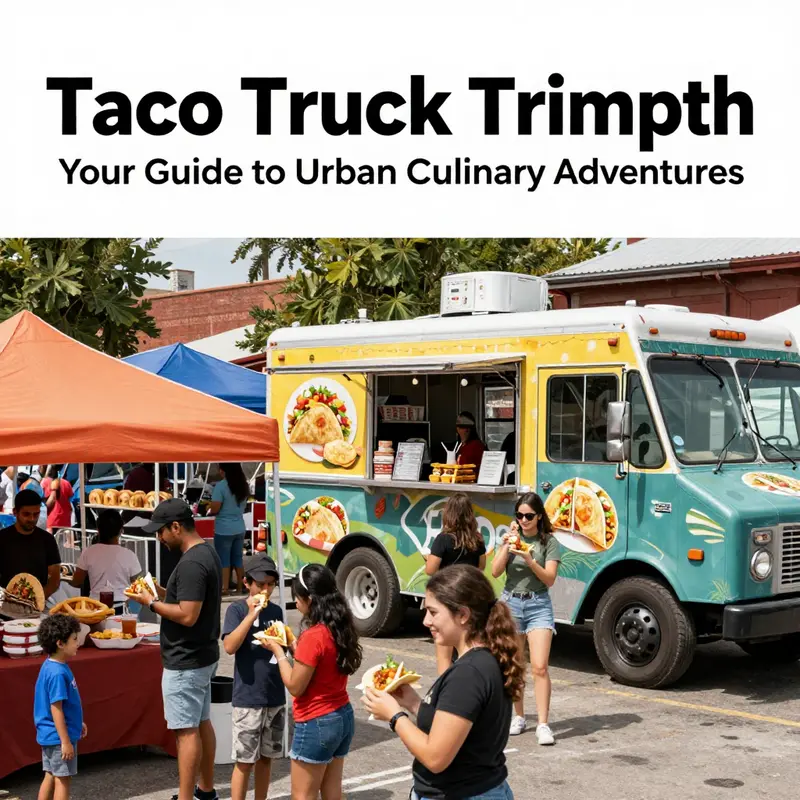
Imagine serving fresh, delicious tacos to eager customers in bustling city streets or at outdoor festivals. Running a taco truck isn’t just a business; it’s a way to weave into the fabric of urban culture. With mobile dining becoming increasingly popular among urban commuters, outdoor enthusiasts, and community-oriented small business owners, there’s never been a better time to jump into the taco truck scene. This guide will walk you through every essential step: from carving out a unique menu to navigating regulations, customizing your truck, and sourcing top-quality ingredients—all while strategically locating your taco haven where the crowds gather. Let’s get started on this exciting culinary journey!
From Concept to Cart: Crafting a Unique Taco Truck Menu
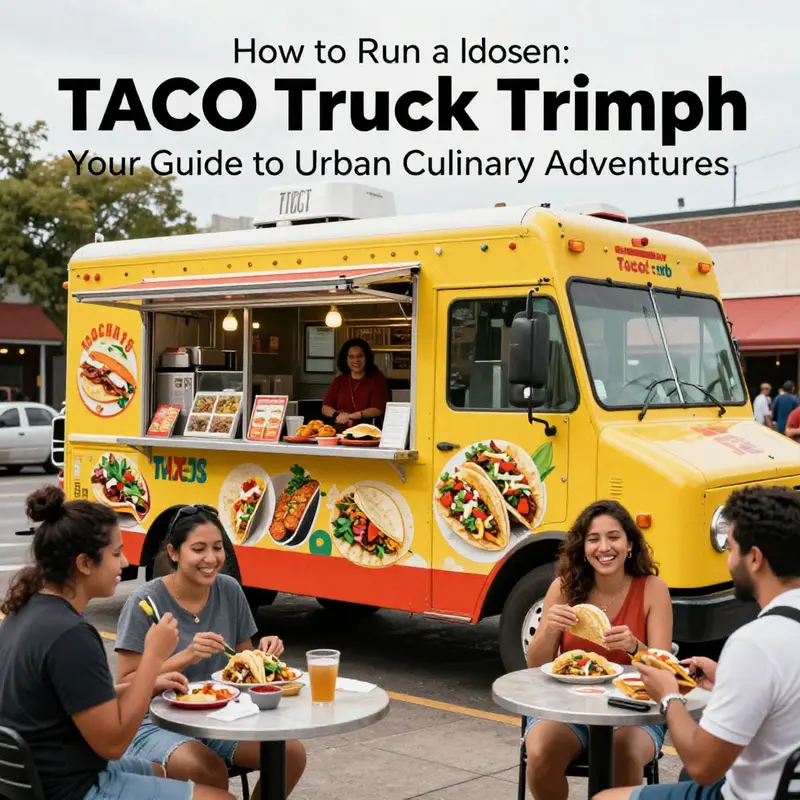
A taco truck lives or dies on the clarity of its concept and the precision of its menu. The idea has to feel inevitable when you pull into a parking lot or when a crowd forms at your window. The pathway from concept to cart begins with a careful marrying of what you love to cook, where you are, and who you want to serve. Practically, this means building a concept specific enough to be memorable, while the menu remains lean enough to execute with speed and consistency. The goal is not to overwhelm the customer with options but to invite them into a story they can trust.
Market research is the compass here. Look around your city or neighborhood and map what people already have access to. Note what feels scarce, what flavors pop up only as fleeting trends, and where there is room for a fresh point of view. A mobile kitchen can pivot quickly, so start with a precise target. You might identify an appetite for a flavor profile underrepresented in the mobile scene or a demographic seeking healthier options without sacrificing bold taste. The essence is translating a cuisine’s best components into portable, assembly-friendly bites.
Define your USP—an unmistakable differentiator that customers can articulate after one visit. It could lean on regional Mexican influences with a signature twist, or blend Korean barbeque techniques with Mexican street food. It might emphasize health-conscious fillings, or prioritize vegan options that deliver flavor and satisfaction. Alternatively, you might champion sustainability with transparent sourcing and eco-friendly packaging. The core is simple: your concept should feel inevitable, and your menu should present a sequence of items that feels both familiar and exciting at first glance.
With a clear concept, the menu follows a practical flow. Aim for 5–8 signature items that showcase the concept: a core trio of meats or fillings, a couple of vegetarian options, and a few sides or mops to complete the experience. In practice, this might look like three or four meat or primary fillings, plus a vegetarian option, and a couple of crowd-pleasers on the side or as a beverage or snack.
Dietary inclusivity is not an afterthought but a design principle. Gluten-free, vegan, and allergen-conscious options expand your audience and build loyalty. Label clearly, train your crew, and design around reliability so guests with dietary needs trust your offerings.
Visual identity matters as much as the food. A clean menu layout, readable descriptions, and a color palette that echoes your concept help decision-making at a busy window. Icons for meats, vegan options, and spice levels speed up ordering and reduce errors.
Testing and feedback refine the concept. Pop-ups, small events, and tastings provide real-world data. Look for flavor validation as well as the ordering experience, pace of service, and how customers feel about value and loyalty after their first visit.
As you shape the concept and finalize the menu, consider sourcing. Build relationships with local suppliers for predictable quality and seasonality. Sustainability can be a selling point, but plan for storage, delivery windows, and menu adaptability during lean periods or seasonal shifts.
The practicalities of branding—name, logo, truck wrap, and menu board—should reinforce the concept. The presentation should feel like marketing in motion, a cohesive story customers want to tell about their experience. Above all, design for speed without sacrificing hospitality; the goal is a warm, efficient service that turns first-time visitors into regulars.
In the broader mobile-food landscape, revisit and revise your concept as you learn from daily operations, market shifts, and seasonal opportunities. A living document stays true to its core while evolving with your community’s tastes. When you approach the process with curiosity, discipline, and a customer-first mindset, the menu becomes a compass guiding decisions from kitchen layout to service cadence and the language you use with guests.
Finally, weave sustainability and responsibility into the narrative. Seek resources on sustainable practices for mobile food ventures and look for partners who share your values. A well-crafted concept and menu are not just about flavor; they are about trust, consistency, and the everyday joy of a truly great taco.
Riding the Regulations: A Practical Guide to Permits and Compliance for Your Taco Truck
Launching a taco truck requires more than a great menu; it requires a clear map of permits, licenses, and inspections. By starting with the jurisdiction that governs your operation, you can align your business plan with local health, safety, and zoning rules. In most places you’ll need a general business license, a food service permit, and a mobile vendor permit. Fire safety inspections, proof of insurance, and potentially workers’ compensation may also be required. Plan reviews and on-site inspections help ensure your truck layout minimizes cross-contamination and supports proper sanitation. Budget time and costs for application and renewal fees, and build a contingency into your startup budget. Documentation is the quiet backbone: licenses, tax IDs, food handler certificates, insurance certificates, and maintenance records should be organized and up to date. Use a maintenance calendar and a contact directory of regulators. LA County example shows how multiple agencies may be involved and why early planning matters. For broader guidance, consult the Small Business Administration’s start-a-food-truck guide and the National Restaurant Association’s state-by-state overview. Adopt a proactive compliance mindset: list required permits for each jurisdiction, map submission timelines, and prepare staff training. In short, compliance is the scaffold that supports dependable service and community trust, not a hurdle to flavor and speed. If you keep regulators as partners, you’ll navigate approvals more smoothly and keep doors open across venues and seasons.
From Frame to Flame: Acquiring and Customizing Your Taco Truck
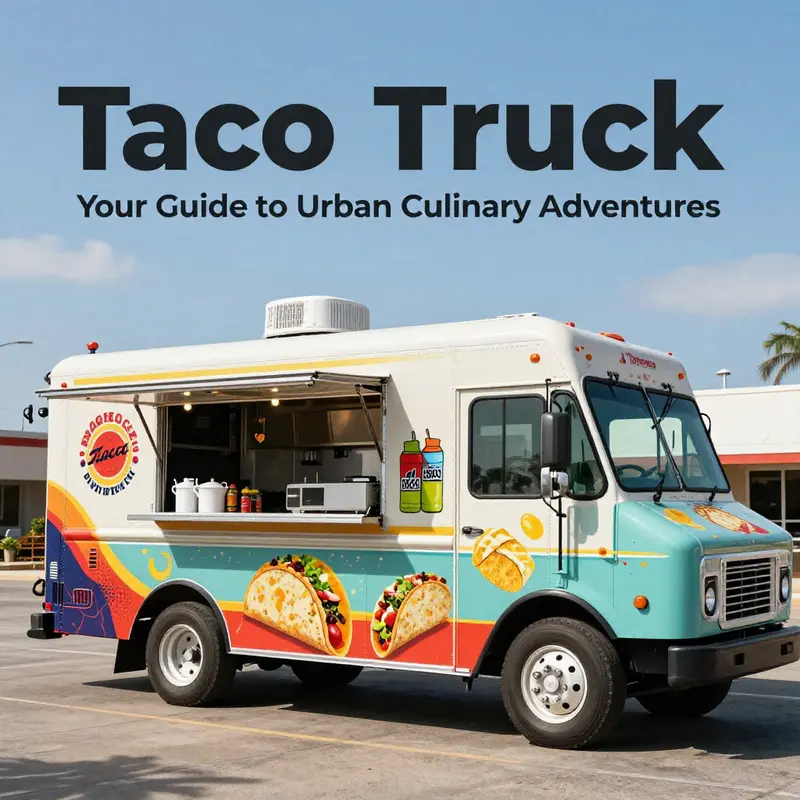
Choosing to operate a taco truck means choosing a moving storefront that can chase lunch crowds, evening crowds, and weekend festivals with a single, compact footprint. It blends craft with logistics, kitchen with curb appeal, and the quiet discipline of a well planned workflow with the energy of a live audience hungry for bright flavors and fast service. In this chapter, the journey from concept to chassis is laid out as a continuous arc – from selecting the right vehicle to shaping an efficient, brand aware space that makes both cooking and customers feel at home. The core idea is simple: acquire a unit that fits your concept, then tailor it so every inch of the interior, every line of the exterior, and every electrical and sanitation detail reinforces speed, safety, and flavor. The process is not merely about buying a kitchen on wheels; it is about building a platform that tells your story at a glance and delivers a consistently excellent taco in under three minutes under any weather or competition pressure you encounter.
The next steps cover vehicle types, interior layout, and modular customization. Start by choosing between a repurposed van, a compact trailer, or a purpose built truck; each option has trade offs in space, cost, and mobility. The interior layout should prioritize a quick, logical flow that mirrors the order your team follows on the line, with cold storage near the prep area and the cooking line accessible to the service window. Exterior branding should be bold, legible from a distance, and integrated with the menu board and packaging. Power, utilities, safety, and sanitation are non-negotiables: plan for a reliable power source, adequate ventilation, a robust fire suppression system, and easy to clean surfaces. Finally, view acquisition as an ongoing process: iterate, test, and refine your space as you grow, allowing the truck to evolve with your menu and crowd.
For further inspiration, consult manufacturer guides and other operators to learn about workflow, hygiene, and durability. The goal is to create a kitchen that moves quickly, reduces waste, and presents a cohesive brand story to every customer. This chapter ends with a practical checklist for sourcing equipment, evaluating chassis options, and planning layout changes that keep service fast and friendly.
From Farm to Flame: Sourcing Superior Ingredients and Securing Strategic Spots for a Taco Truck
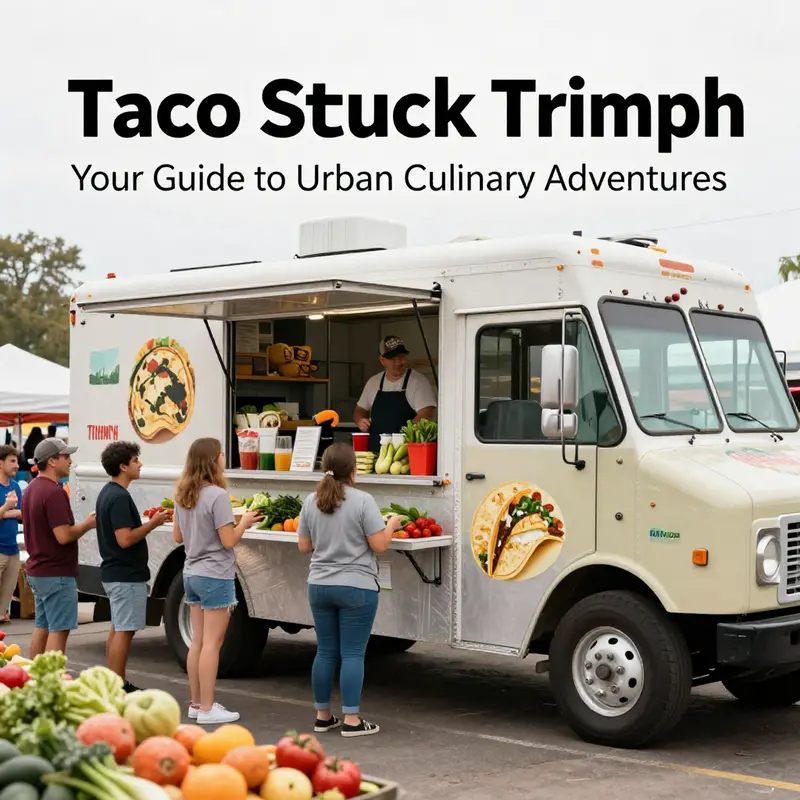
The success of a taco truck hinges on two intertwined loyalties: the quality of every bite and the location where that bite happens. You may convince someone with a single striking flavor, but you win loyalty by consistently delivering fresh ingredients that sing on the tongue while positioning your truck where hungry mouths are already moving. This chapter treats those twin pillars—the sourcing of high-quality ingredients and the art of choosing strategic spots—as a single, living practice. When done well, they reinforce each other: excellent ingredients elevate your curb appeal and word of mouth, while smart locations amplify the chance that people encounter your flavors at exactly the moment they crave them. In this light, sourcing becomes more than procurement; it becomes a community practice. You’re building relationships with farmers, butchers, and artisans who understand that your truck is not a one-off order but a recurring collaboration. You’re also designing a map of places where your menu can shine, where your branding can resonate, and where your service can feel effortless despite the bustle of a busy lunch hour or a weekend festival. The result is a truck that tastes of place and a route that feels like a natural, daily destination for neighbors, workers, students, and festival-goers alike.
Sourcing begins with a posture toward ingredients that honors freshness, traceability, and seasonality. The tortilla is the backbone of a great taco, and in many kitchens it is the masa that defines that backbone. If you can source masa of high quality or, at minimum, masa harina that yields tortillas with the right bite, aroma, and pliability, you set a tone for everything that follows. Beyond tortillas, the vegetables—cilantro with fragrant stems, ripe tomatoes, crisp onions, and peppers—should arrive from growers you know personally, ideally within a reasonable radius so you can trace the journey of every leaf from farm to flame. Seasonal produce is not a constraint; it is a competitive edge. When you partner with a nearby farm to supply cilantro and tomatoes in season, you aren’t simply getting fresher ingredients—you’re weaving a narrative of locality into your customers’ experience. The story, told through the flavor of your pico, your salsa, and your char, becomes part of your brand.
This is where relationships matter as much as inventory. The best taco trucks don’t chase averages; they cultivate a dependable network of suppliers who can honor delivery windows, handle last-minute spikes in demand, and offer flexible terms when unforeseen shortages arise. A reliable supplier mindset means you schedule regular tastings, request small pilot orders before committing to large rotations, and create contingency plans for peak periods. It also means adopting sustainable practices that go beyond “good enough.” If you aim for meat that is responsibly raised, you should be ready to verify certifications and set expectations with your purveyors about feed sources, animal welfare, and humane processing. When you speak in terms of transparency and accountability, you earn trust with customers who care about the origin of their food as much as the flavor on their plate.
In practice, you begin with a simple but disciplined framework. Establish a core roster of 5–8 signature items that align with your concept—whether it’s carne asada, al pastor, carnitas, or satisfying vegetarian options made with grilled vegetables and plant-based proteins. Each item should be built on a consistent supply chain: the same cut of meat or same type of plant-based protein, the same region of origin, the same preferred tortilla type, and the same approach to seasoning and finish. Consistency is your friend in a truck where the pace is fast and the window for error is small. Consistency also makes it easier to plan the menu around what is in season, what your suppliers can reliably deliver, and what your kitchen crew can execute within a short time frame. Pre-preparation becomes your ally—marinating meats, pre-cutting vegetables, and portioning spices in advance so that during service you can execute quickly without compromising quality. The goal is not to cook everything from scratch in the truck with a tiny burner, but to leverage a kitchen rhythm that respects both flavor integrity and speed.
Seasonality does not merely reduce costs; it enhances taste and supports sustainability. When you partner with local farmers or CSA programs, you can build a calendar that aligns with harvests and cycles. This means the bright bite of cilantro from a nearby grower in spring, the sun-warmed tomatoes of late summer, and the earthy warmth of roasted peppers as fall arrives. Each season invites a slight shift in your menu, which in turn keeps the concept fresh while maintaining core favorites. It also gives your marketing a natural rhythm: announce a seasonal special, highlight the farm story behind it, and invite customers to taste the difference that proximity makes. If you narrate this story well, customers come back not only for the flavor but for the sense that they are participating in a local, seasonal ritual.
To turn sourcing into a competitive advantage, you must also build a clear, scalable process for evaluating suppliers. Think in terms of reliability and consistency: can this butcher deliver weekly? Will the farm consistently stock fresh cilantro during peak weeks? Do they communicate when a shipment might be late or when a substitution is necessary? Set up evaluation criteria that cover flavor, texture, appearance, and the ability to meet your volume needs during rush hours. Do not overlook storage and transport. Your truck’s refrigeration capacity, the handling of perishable goods, and the speed at which ingredients reach the grill all influence both the final product and the customer experience. A small misstep in cold chain management can compromise safety and taste, which is why checks and routines—temperature logs, crisp packaging, and clear labeling—should be part of every supplier relationship.
While ingredient quality is foundational, strategic locations complete the equation by ensuring your labor, branding, and menu reach the right people at the right times. The most expensive mistake is to produce exceptional food and then stand in the wrong place, where few potential customers pass by or where the crowd is not aligned with your target demographic. Strategic location selection begins with a portrait of your ideal customer. Is your taco truck designed to appeal to office workers seeking a quick lunch, students needing affordable sustenance between study sessions, or weekend crowds drawn to live music and outdoor markets? Understanding patterns—when people are likely to look for lunch, where they tend to walk after classes, or which neighborhoods come alive at night—helps you map a reasonable weekly orbit for your truck.
A practical approach to location is to treat each shift as a mini market research session. High-traffic areas like business districts, campus corridors, and parks during lunch hours offer a constant flow of potential customers. In the evenings, downtowns near entertainment venues or college towns near concerts can deliver a surge that demands readiness in staffing, inventory, and line management. Festivals, farmers’ markets, and food truck rallies provide invaluable exposure and help you refine your service model under pressure. Your aim is to become a destination, not merely a wandering cart. The branding on the truck—colors, typography, a logo that stands out at a glance—must communicate clearly to people who are passing by in fleeting moments. If you can make your truck recognizable from a block away, you’ve already improved the odds that someone who sees your line will become a repeat customer.
Crucially, location planning is not just about measuring foot traffic; it involves understanding the conditions and rules of each site. Some cities permit mobile vendors in designated zones or windows, with health inspections and vehicle codes that you must respect. Parking restrictions, waste disposal rules, and noise ordinances can shape your daily route. A practical mindset is to use a blend of data sources: maps that show pedestrian density, local events calendars for anticipated crowds, and official city guidance on mobile food vending. Tools and apps can be helpful, but nothing beats talking to other truck operators who have already navigated the local landscape. Their lessons—where to secure a prime midday corner near a corporate campus, where to set up during a university event, or how to approach a neighborhood association for a recurring spot—can save you time and money.
The idea of “location as a destination” is not merely about visibility. It’s about shaping a predictable experience. When customers know that your truck appears every Tuesday at the east end of the park or that you share space with a local brewery on Friday nights, you gain reliability. They plan around you, and your staff can anticipate the rhythm of the day. Consistency in locations also helps with staffing and inventory planning. If you know you’ll face a strong lunch rush on a particular block, you can schedule more staff, stock extra tortillas and proteins, and have contingency plans ready for weather changes. The most successful taco trucks cultivate a blend of certainty and novelty: a core schedule that regulars can rely on, complemented by occasional appearances at new venues that allow your brand story to expand without diluting the core experience.
To bridge sourcing and location into a cohesive practice, consider the narrative you want your customers to tell after they bite and after they see your truck in their neighborhood. The mouthfeel of a perfectly seared carne, the crispness of a fresh tortilla, and the aroma that wafts into the street all become part of a larger story about place. Your suppliers become partners who help you tell that story, and your locations become stages where the story is performed. In this sense, sourcing is not merely procurement; it is storytelling through ingredients. Location is not merely logistics; it is storytelling through presence. The two join to build a brand ecosystem that feels authentic, local, and dependable. As you execute this, remember that sustainable practices enhance both sides of the equation. Choosing seasonal, locally sourced ingredients goes hand in hand with selecting responsible, well-regulated locations where your business can operate with integrity. For further reflection on sustainable practices for mobile food trucks, see this resource on sustainable-practices-mobile-trucks.
In addition to these internal considerations, you can deepen your approach by drawing on external frameworks for choosing sites. Research and planning are not optional; they are essential to scaling from a single truck to multiple units or a delivery-first model. The U.S. Small Business Administration provides a thorough guide on choosing a location, including considerations about market potential, competition, and regulations. This framework can help you structure site selection conversations with landlords, event organizers, and municipal offices while keeping your goals aligned with practical realities. As you apply these insights, keep your eyes on the horizon—areas that combine easy access, safety, and a built-in audience are the places where a taco truck can become a familiar, beloved fixture in the community. The result is a business that tastes local and travels well, one that people anticipate not with anxiety about waiting but with appetite and delight for what’s next.
Internal note: for readers who want a practical bridge between ingredient sourcing and site strategy, see the broader discussion on sustainable practices for mobile food trucks, which examines how procurement choices influence operational footprints and community relationships. This connection reinforces how a well-sourced menu and a well-chosen set of spots together create a durable, repeatable system that can scale over time.
External resource: SBA Business Guide – Choose a Location. https://www.sba.gov/business-guide/plan-your-business/choose-a-location
Final thoughts
Running a taco truck is not just about serving food; it’s about creating a vibrant culinary experience that resonates with the community. By developing a distinct concept, navigating the legal landscape, customizing your vehicle, and sourcing fresh ingredients, you’re not only ensuring a successful venture but also connecting with urban commuters, outdoor enthusiasts, and freelancers. Embrace these strategies and principles, and watch as your taco truck becomes a beloved fixture in your city, serving delicious meals while fostering community connections.