
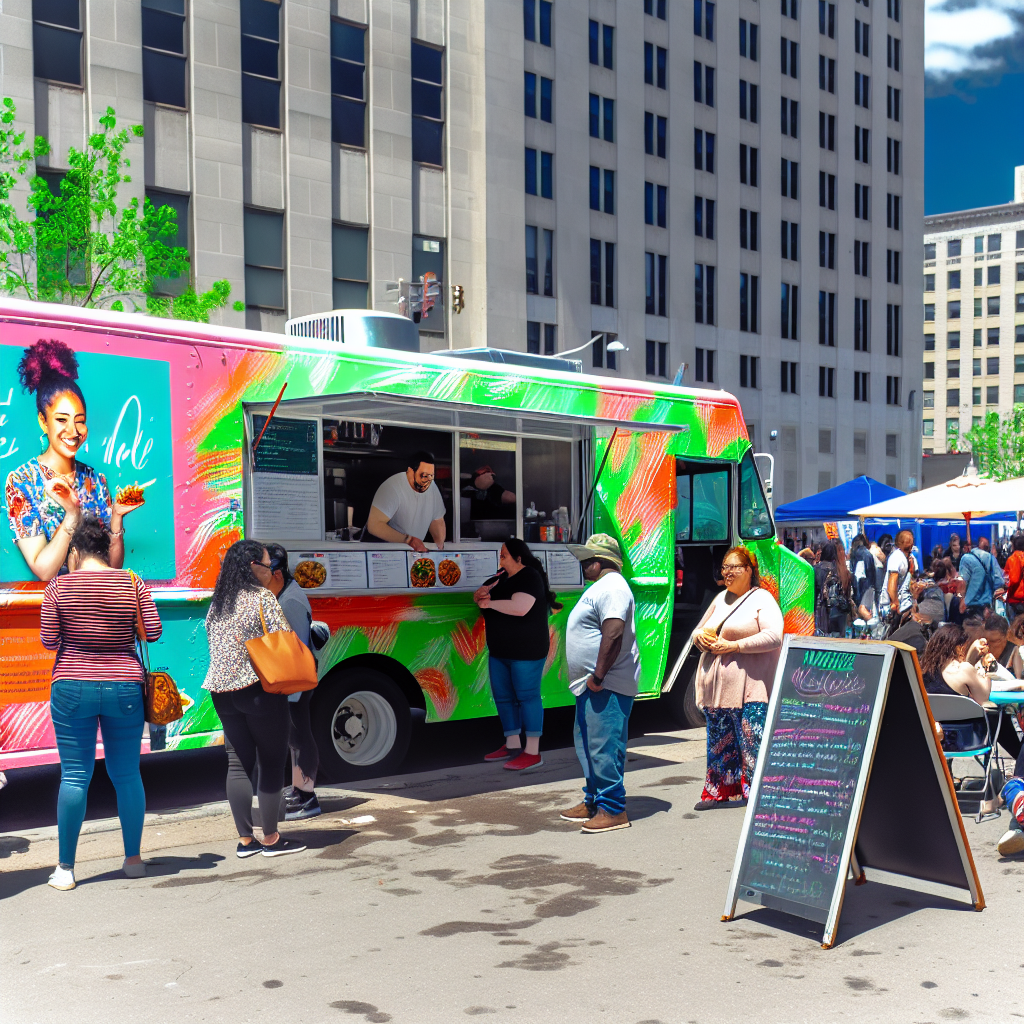
As news spreads about President Trump imposing a 25% tariff on heavy trucks
Many food truck owners are worried. Their food trucks are vital for their businesses, carrying dreams and flavors across the city. This new tariff disrupts an already fragile industry that is struggling with regulatory compliance and competition. Rising prices on truck components threaten profitability.
Food truck operators, who work hard to serve their communities, now face rising costs that could change their future. This article will explore the effects of these tariffs on food truck owners and the challenges of compliance in a changing economy.
The 25% tariff on heavy trucks, effective October 1, 2025, announced by President Donald Trump, poses significant challenges for food truck operations across the United States. Food truck owners rely on heavy-duty vehicles for their operations, and the increase in operational costs can severely impact their profitability. As Trump stated, ‘In order to protect our Great Heavy Truck Manufacturers from unfair outside competition, I will be imposing… a 25% Tariff on all ‘Heavy (Big!) Trucks’ made in other parts of the World.’ This tariff is intended to shield U.S. truck manufacturers from foreign competition, but the repercussions for food truck operators are dire.
The American Trucking Associations (ATA) estimates that the tariff could raise the cost of new Class 8 trucks by approximately $30,000. This increase adds a significant financial burden to food truck owners, where margins are already slim. Such a cost hike is problematic for small businesses that are already navigating tight budgets and operational challenges.
Moreover, the potential price increases for food trucks may lead to higher prices for consumers. With rising operational costs, food truck owners may have no choice but to increase the price of their menu items, which could deter customers and impact overall sales. As noted in reports, previously, the average price of Class 8 tractors surged from about $140,000 to $170,000—marking a 21% increase—prior to the tariff implications. This continuing trend of price increases, compounded by the newly implemented tariff, threatens the viability of many food truck businesses.
In Trump’s proclamation about the tariffs, he mentioned, ‘We support the goal of creating domestic jobs. As you know, however, the trucking industry has been navigating an extremely challenging operating environment…’ This indicates an awareness of the broader challenges that food truck operators face, as many depend on the trucking infrastructure to run their businesses effectively. As such, while the administration’s goal is to bolster domestic manufacturing, food truck operators are now caught in the crossfire between policy and affordability.
Understanding the Impact of Tariffs on Food Truck Operations
As the U.S. food truck industry grapples with new tariffs, it’s crucial to comprehensively understand their specific impacts on operations. This includes financial implications, pricing strategies, and customer retention that food truck owners must navigate.
Financial Implications for Food Truck Owners
Increased operational costs could lead to significant financial stress for food truck owners, necessitating a reassessment of budgets and projections.
Adjusting Menu Prices
To offset rising costs, food truck operators may be compelled to increase menu prices, impacting customer purchasing choices and overall sales.
Navigating Customer Retention Efforts
Maintaining loyal customers will become increasingly challenging. Food truck owners must employ innovative marketing strategies to retain their customer base despite potential price hikes.
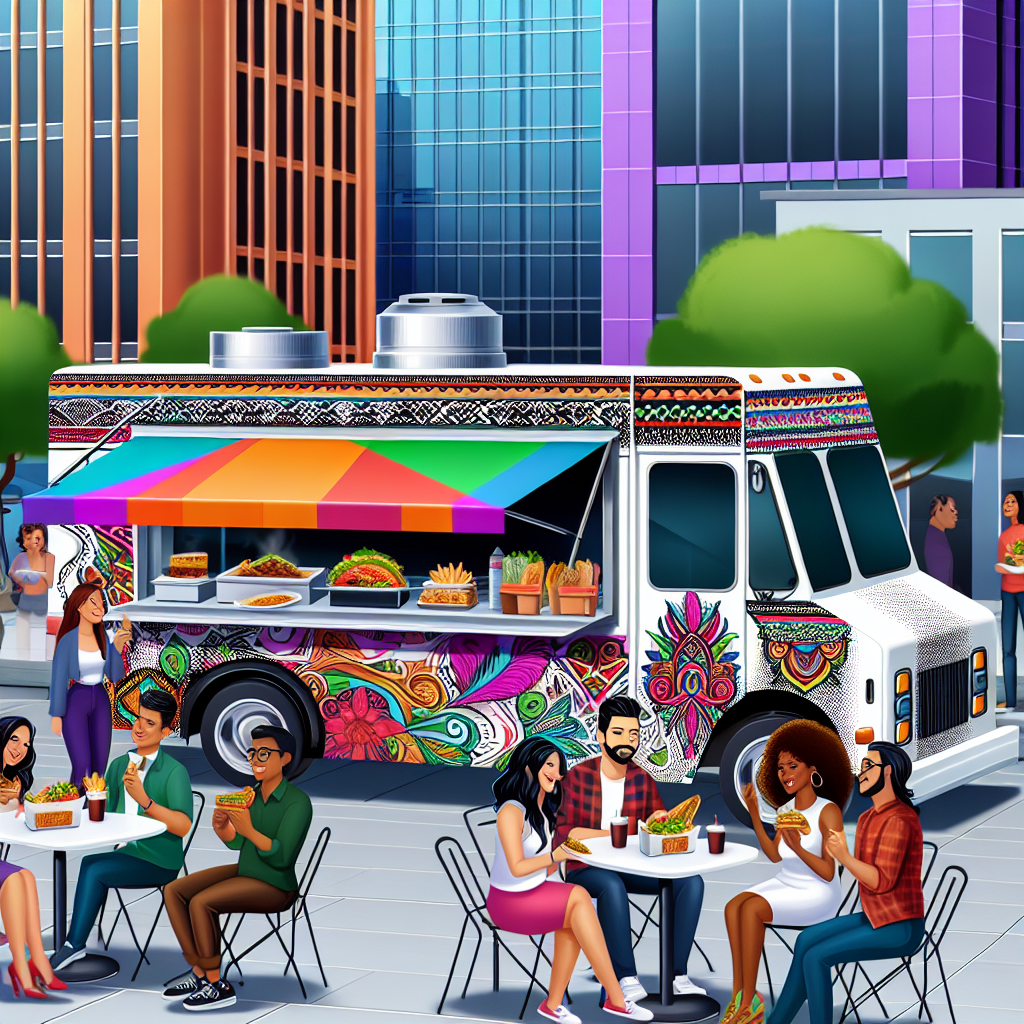
Key Food Truck Compliance Regulations in the U.S.
Operating a food truck in the United States involves adhering to several essential compliance regulations. Here’s a breakdown of the most critical aspects:
Licensing Requirements
- Business License: Food truck owners must secure a general business license from their local jurisdiction. This often includes providing a business plan that outlines the proposed menu, service area, and operational details.
- Health Department Permit: Before starting operations, food truck operators must obtain a health department permit. This requires passing a health inspection that evaluates food safety practices, including food storage, handling, and sanitation.
- Fire Department Permit: If the food truck uses open flames, hot oil, or gas-powered equipment, a permit from the local fire authority is necessary. This ensures compliance with safety regulations and the installation of fire suppression systems, according to NFPA standards.
Vehicle Inspections
- State and Local Inspections: Food trucks are subject to inspections by state and local agencies to verify safety and operational standards. For instance, in Texas, the Department of State Health Services conducts these inspections prior to granting licenses.
- Fire Safety Inspection: Trucks equipped with cooking appliances that generate grease-laden vapors must have a fire suppression system and undergo a fire safety inspection.
Health Codes Compliance
- Food Safety Standards: Operators must follow strict health standards for food handling, storage, and preparation to prevent foodborne illnesses. Practices include maintaining safe food temperatures and preventing cross-contamination.
- Employee Training: Many states mandate that at least one Certified Food Protection Manager is present during operation, with food handler training required for staff.
- Commissary Agreement: In most jurisdictions, food trucks must operate from a licensed commissary that provides facilities for food storage, waste disposal, and water refill.
Variability in Regulations: It is important to note that compliance regulations can vary significantly between municipalities. Food truck operators should always check their local regulations to ensure they meet all necessary legal requirements for their specific location.
Comparison Table of Food Truck Regulations by State
| State | Key Requirement | Permit/Application Fees | Notes |
|---|---|---|---|
| Texas | Unified health permit from state agency | Low-risk: $25, Medium-risk: $50, High-risk: $100 | Streamlined regulations as of 2024. |
| Florida | Local business tax receipt, sales tax registration, fire safety inspection | $300 – $2,000, varies by county | Varies considerably in different counties. |
| California | Business license, zoning permit, health permit | $500 – $1,500 annually | Multiple permits required. |
| Illinois | Initial or reciprocal business license | No separate fees beyond business license | Prohibits local governments from imposing additional licenses. |
| Utah | Annual health department permit | Cost of regulating only | Fire safety inspections required. |
| Oklahoma | State Department of Health license | Limited to administrative costs | Local permits must recognize state license. |
| Georgia | Statewide permit from home county | Varies by county | Enables operation statewide with one permit. |
| Washington | Local regulations vary by city | N/A | Restrictions on operation zones and hours. |
This table provides a comparative overview of food truck regulations across different states, highlighting the varying landscape operators must navigate to ensure compliance. The information reflects regulations in place as of 2023 and should be verified based on local jurisdictions.
Challenges in Compliance
Food truck owners face a myriad of challenges in maintaining compliance with local regulations. These challenges not only affect their day-to-day operations but also significantly impact their bottom line. Here are some common challenges encountered by food truck operators:
- Complex and Varying Regulations: Food truck operators often deal with different regulations across cities and states, leading to confusion and compliance issues. For example, California’s regulations have been critiqued for delays in the permit process and strict inspection requirements that can adversely affect operators. This inconsistency can hinder the start-up process for new food trucks, complicating their efforts to remain compliant.
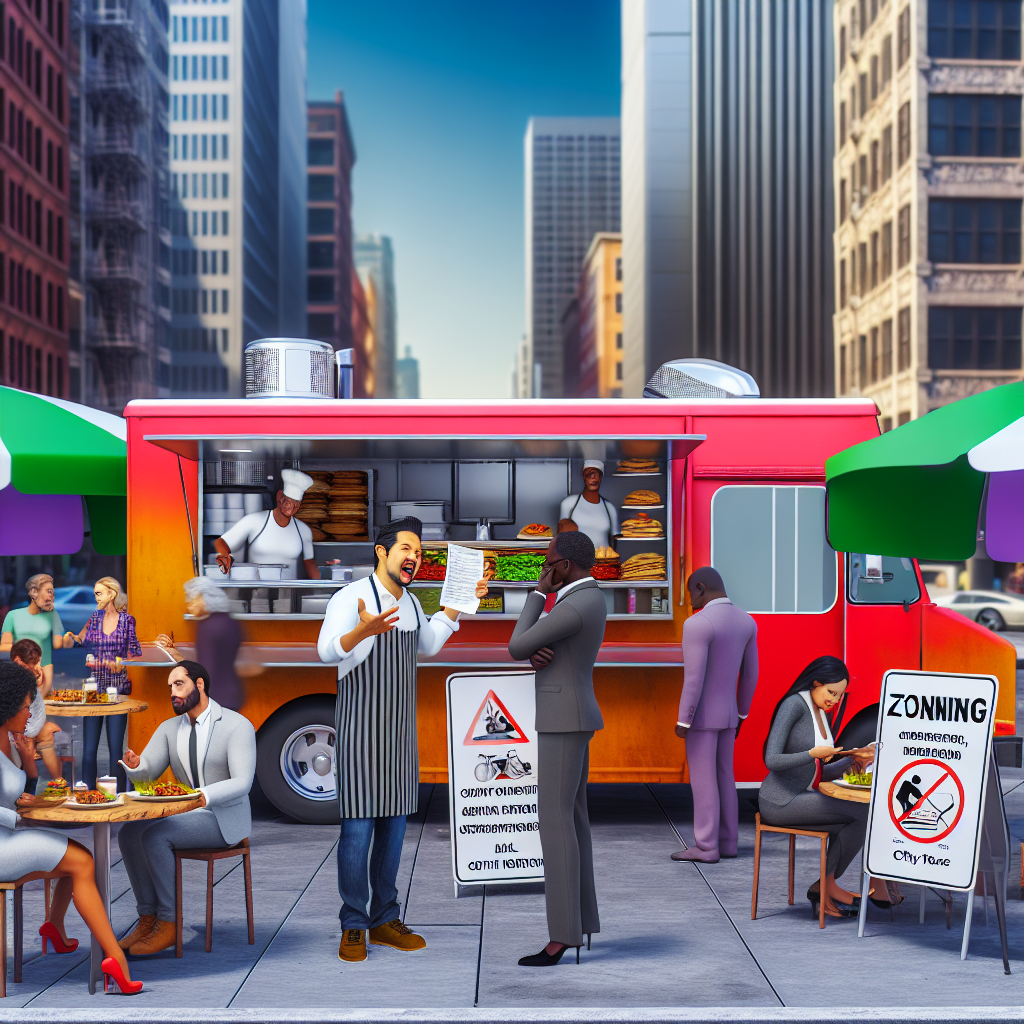
- Zoning and Parking Restrictions: Many municipalities enforce strict zoning laws that prohibit food trucks from operating in residential areas or specific districts, often favoring traditional brick-and-mortar restaurants. Additionally, acquiring parking permits can be a bureaucratic hurdle, limiting where food trucks can legally park and serve customers.
- Inspection Rigor: Food trucks are subject to health department inspections, which can be excessively strict or inconsistently applied. A recent report indicated a high incidence of serious food safety violations among food trucks, leading to potential fines or closures—a significant risk for small businesses.
- Permit Acquisition Challenges: Obtaining the necessary permits and licenses can be a laborious and costly process. In Texas, a new law aims to streamline this by aligning local regulations with state guidelines, yet many operators still find the system burdensome.
- Legal and Bureaucratic Hurdles: Many food truck owners also face legal challenges related to signage restrictions and local ordinances, resulting in ongoing disputes that require legal intervention. For instance, rulings against local sign regulations have highlighted the conflicts food truck owners must navigate in their operations.
Overall, these challenges accentuate the necessity for clearer and more standardized regulations to support the food truck industry’s growth and sustainability.
Conclusion
In closing, the food truck industry exemplifies resilience in the face of adversity and significant challenges brought about by tariffs. As food truck owners grapple with the complexities of new tariffs, including the 25% hike on imported trucks, they demonstrate determination and commitment to their culinary dreams. This industry not only reflects a robust business opportunity—with a projected growth trajectory—but also acts as a vital component of community culture, serving up smiles and connection alongside delicious meals.
Despite facing increased operational costs and the impact of tariffs on food trucks, these entrepreneurs must remain agile, adapting pricing strategies while continuing to engage with their customers. As they navigate these hurdles, it is essential to recognize that every obstacle can transform into an opportunity for growth. The journey isn’t merely about food; it’s profoundly about community ties, resilience, and the unwavering pursuit of dreams, ensuring that the food truck industry growth remains a reality even in challenging times.
The U.S. food truck industry is projected to grow significantly, with estimates indicating a market revenue of approximately $2.8 billion by 2025 and a compound annual growth rate (CAGR) of 6.2%. As of 2025, around 48,000 food trucks are operational, generating an average annual revenue of $346,000 per truck.
However, the industry faces challenges due to recent tariffs, including a 25% tariff on imported trucks that will take effect in November 2025. This could increase the cost of new Class 8 trucks by approximately $30,000. This tariff comes on the heels of previous price hikes, with the average cost of Class 8 trucks rising from about $140,000 to $170,000 between 2021 and 2023.
Moreover, food truck operators navigate a complex regulatory landscape, often requiring multiple permits and licenses, which can result in spending up to 37 business days to fulfill all necessary regulatory compliance steps. This combination of growth potential and regulatory challenges underscores both the opportunities and hurdles faced in the food truck industry.
Impact of Tariffs on the Food Truck Sector
In the wake of the recent 25% tariff on heavy trucks, industry leaders have expressed their concerns about the ensuing impact on the food truck sector. Chris Spear, President and CEO of the American Trucking Associations, acknowledged this dilemma, stating,
‘If tariffs continue to prolong the freight recession, the ATA may consider strategic shifts to address both direct and indirect effects on the industry.’
His observation reveals the potential for heightened operational costs that may result from passing increased expenses onto food truck operators.
Furthermore, in statements directed toward the unique challenges faced by small carriers, Spear remarked,
‘A 25% tariff on Mexico could raise the price of a new tractor by up to $35,000, which is cost-prohibitive for many small carriers and would add tens of millions of dollars in annual operating costs for larger fleets.’
This added financial burden underscores the predicament that food truck owners may encounter as they strive to maintain profitability amidst rising expenses.
While Peter Voorhoeve from Volvo has not provided direct comments regarding this tariff’s impact, the collective voice of industry leaders articulates a growing concern for the future of food trucks, which significantly rely on affordable truck options for their operations. According to Jerry Pacheco, president of the Border Industrial Association, these tariffs emphasize the urgency of managing truck importation costs, as he noted,
‘Any portion of a vehicle coming from Mexico or Canada that does not meet North American content requirements is subject to the 25% tariff.’
The current environment requires food truck entrepreneurs to remain vigilant to navigate these challenges, ensuring they can adapt their pricing models and operational strategies effectively. These insights underscore the interconnection between policy changes, economic realities, and the food truck industry’s landscape.