
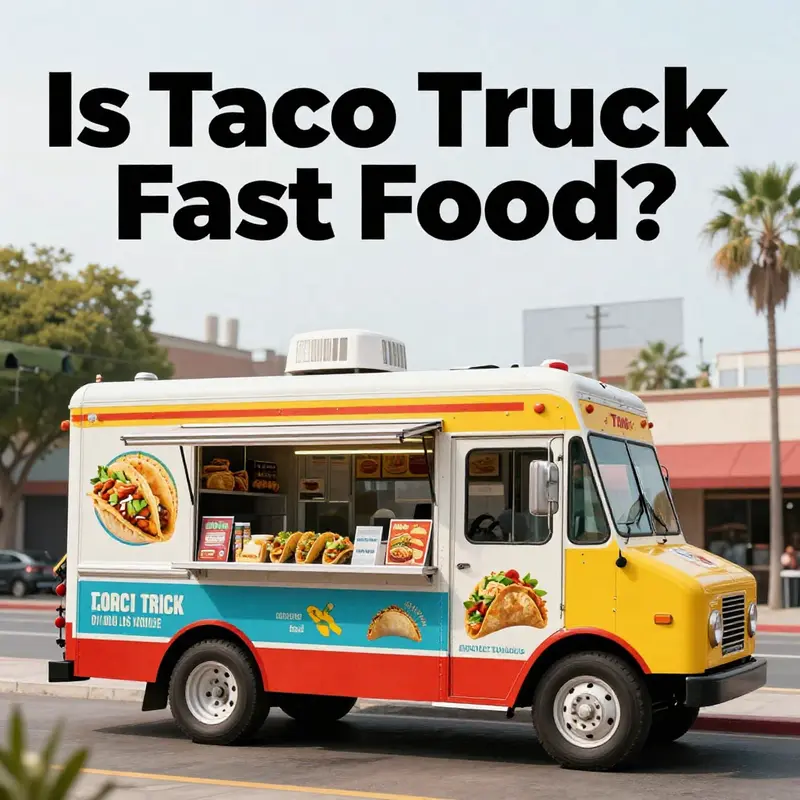
Taco trucks have become iconic fixtures on urban streets, serving up delicious, quick meals to busy commuters and outdoor enthusiasts alike. But are they truly considered fast food? This exploration takes you through the essential characteristics of taco trucks, examining their menus, operational efficiencies, customer comforts, and the entrepreneurial spirit they embody. By the end, you’ll have a clear picture of how taco trucks not only fit into the fast food category but also stand out within it.
Fast Food on Wheels: How Taco Trucks Define Mobility, Speed, and Flavor in the Quick-Service Landscape
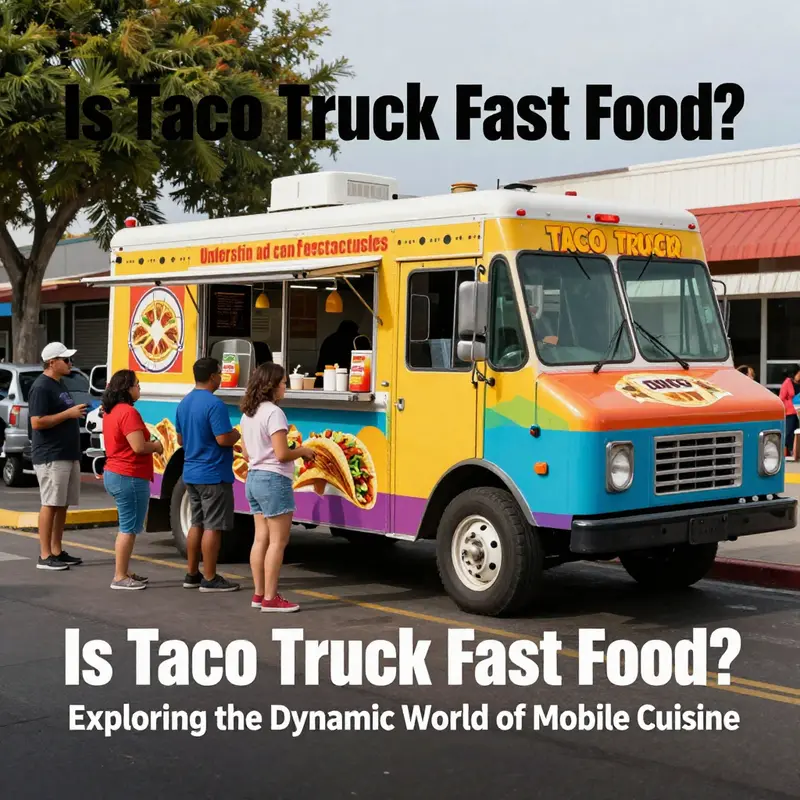
Taco trucks weave through traffic and loaf near office parks, embodying fast food that travels with the city. They blend grab-and-go convenience with a rolling kitchen that moves to where people are. This mobility is not an afterthought; it defines the fast food experience on wheels. The model leans on quick assembly lines, a focused menu, and service that can turn orders into meals in minutes. In many urban centers, these vendors are more than street fare; they are micro enterprises that blend cultural craft with a practical, customer-first approach to convenience.
Defining the practice means focusing on the core attributes that shape the customer experience. A taco truck is a compact kitchen on wheels operating in tight spaces and busy sidewalks. The menu tends to spotlight a handful of items that can be prepared quickly and sold in high volume. Beams of seasoned meats, tortillas, beans, rice, and fresh toppings meet the demand for speed and customization at the counter. Prices are generally affordable, inviting walk-up customers who want a satisfying meal without a long wait. Efficiency comes from a repeatable cooking sequence and disciplined portions that staff can execute under pressure.
A closer look at the kitchen layout reveals why the form travels so well. A taco truck is a design exercise in durability and function. Stainless steel bodies resist weather and wear, while a compact footprint keeps prep, cooking, and service in a tight loop. The cooking system emphasizes speed without sacrificing safety or flavor. Grills, hot plates, and steam units are arranged to minimize movement, helping the line stay fluid. Visibility matters; a clear service window lets customers watch the preparation, building trust and appetite. The mix of rugged materials and simple workflows underpins the fast food rhythm of the operation.
From an operations standpoint, the model centers on volume with a touch of variety. The emphasis on rapid transactions means a lean menu and consistent portions. That lean approach reduces waste and keeps inventory predictable. Yet trucks can adapt to local tastes and seasonal demand. This adaptability helps the business thrive in office districts at lunch, in parks during events, or along busy corridors on weekdays. The proprietor who sharpens the tortilla press also fine-tunes how many orders to pre-assemble, how toppings are staged, and how to route to high-traffic spots as the day unfolds.
Cultural significance runs alongside the economics. Many taco trucks trace lines to immigrant or working-class entrepreneurship. They carry culinary traditions into everyday urban life, offering authenticity that feels both intimate and accessible. Customers often value the sense of place these trucks provide; they become signals of neighborhood identity and shared memory. The technique—seasoned meat, chopped salsas, and the warmth of food assembled before the customer—creates an experience that resonates beyond hunger. The fast food label sits beside the truck’s role as a small business incubator and a community hub where people pause, meet, and eat together.
Modern offerings reflect innovations in materials, layout, and branding. Vendors increasingly favor configurable builds that can move beyond tacos into other quick service items. Durable exteriors and efficient power systems help trucks operate across climates and regulatory environments. Exterior branding on the vehicle is a practical asset, drawing attention and signaling what customers can expect inside. Some configurations include flexible workstations that can be redirected to different menu items, extending revenue potential. This adaptability mirrors broader fast food trends where mobility and flexibility are essential for competing in crowded urban markets.
Speed and clarity in ordering remain central. A typical order includes a main protein, a tortilla, a handful of toppings, and a simple salsa. The assembly line relies on a concise mise en place that anticipates demand. The service window is kept uncluttered to minimize mix-ups and delays. Patrons often decide quickly, helped by clear pricing and visible ingredients. The result is a dynamic, on demand dining option that complements fixed restaurants rather than competing with them head on. It occupies a distinct space in the urban food ecosystem, offering convenience when people need it most.
Regulatory considerations are real but not prohibitive. Taco trucks must meet food safety standards, licensing, and sometimes zoning rules. Practices worth noting include keeping cold toppings properly stored, cooking meat to safe temperatures, and maintaining a clean workspace that reduces cross-contamination. The portable nature of the business adds questions about parking, waste disposal, and public space sharing, which vendors handle through established protocols and local rules. When executed well, compliance becomes part of the operational discipline that defines reliable on street service.
Hospitality often accompanies speed in top operations. The best trucks blend efficiency with warmth, greeting regulars by name and remembering preferred toppings. Customization remains a strength, preserving the flavor profile customers expect while honoring individual preferences. This mix of quick service and personal touch explains why a fast food model on wheels can feel intimate and human. People gain a reliable pause in a busy day, a moment of connection over a well-made, affordable bite. In cities that never stop, such places become trusted corners in the daily routine.
Sustainability is increasingly guiding street food design. Mobile kitchens can curb waste with careful portioning and by choosing sustainable serving ware. They can cut energy use with efficient appliances and smarter power strategies. The conversation moves beyond slogans to practical choices in equipment, suppliers, and waste management. To connect daily decisions to broader impact, consider the evolving ideas around sustainable practices for mobile food trucks. This framing helps operators see how street food can be lighter on the planet while remaining vibrant and resilient. Sustainable practices for mobile food trucks.
Ultimately the taco truck story sits within the larger arc of fast food. It shows how speed, affordability, and mobility can blend with culture and craft. The model prioritizes high-volume output without sacrificing flavor and adapts to the rhythms of workdays, festivals, and neighborhood life. The result is a resilient, scalable form of food service that travels toward where demand is strongest. It highlights a process rather than a single dish: a quick, repeatable workflow that turns ingredients into meals in minutes. The street kitchen, with its stance on time and taste, continues to influence how cities imagine casual dining on the move.
For readers seeking a broader technical lens, a concise overview of key specifications and common uses offers a practical reference. The capacity to reconfigure layouts and maintain quality on the road mirrors shifts across the quick-service sector. The street truck thus becomes a bridge between street food and formal fast food, expanding how cities imagine casual dining in public spaces. External perspectives can augment practical insights about equipment choices, cost structures, and regulatory practices that support reliable service in diverse contexts. For a deeper dive, see the external resource here: https://www.fastfoodtruck3.com/.
Wheels of Flavor: How Taco Trucks Redefine Fast Food Through Dynamic Menus
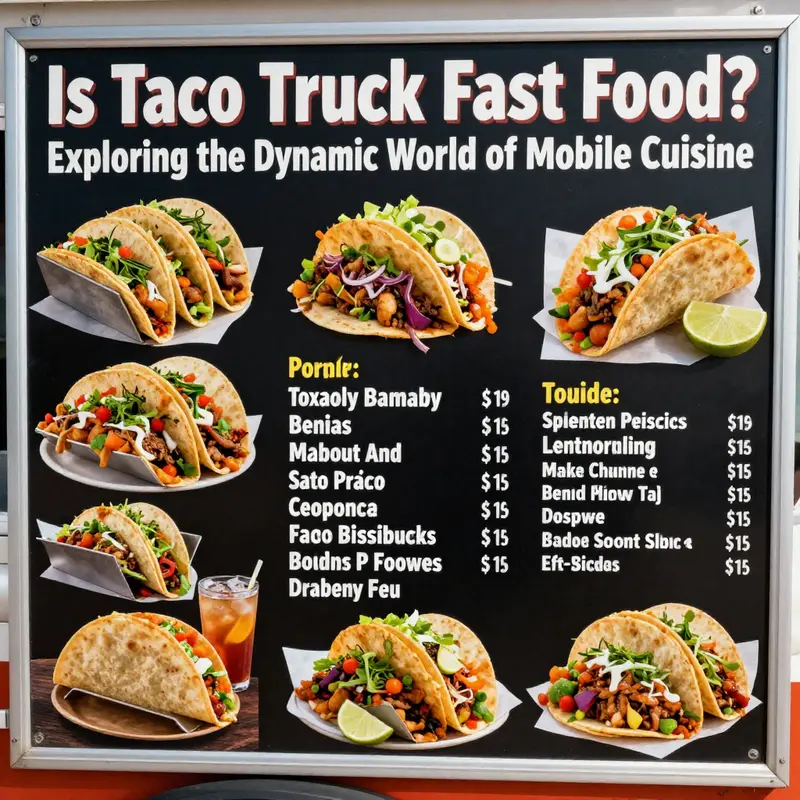
The city hums with the rhythm of food on the move, and nowhere is that tempo more visible than in a taco truck whose sizzle and steam mark time for hungry passersby. A taco truck is a portable kitchen built for speed, yet its success hinges on a menu that feels both focused and flexible. It is a precise blend of restraint and adaptability: a limited core lineup designed for rapid assembly, paired with the willingness to pivot as flavors, seasons, and street corners demand. In this sense, taco trucks embody a practical philosophy of fast food that goes beyond speed alone. They package familiar comfort into a mobile form, delivering a quick, reliable meal that can be enjoyed on foot, between meetings, or at a festival where lines are as much a part of the experience as the food itself. The menu dynamics, then, are not a mere catalog of offerings but a strategic choreography that harmonizes efficiency, taste, cost, and customer delight across a temporary kitchen that travels with the day.
At the heart of every taco truck is a core array of tacos, the centerpiece of the operation. Fillings typically include options like carne asada, al pastor, carnitas, chicken, and a thoughtful slate of vegetarian choices. Each taco foregrounds a protein, a tortilla, and a set of toppings that can be applied quickly and consistently. The toppings—fresh salsas, guacamole, shredded lettuce, and diced onions—act as the seasoning of the entire concept, providing recognizable textures and bursts of brightness that elevate the speed-focused meal into a satisfying, handcrafted feeling. The emphasis on a concise core offering is deliberate: it enables the cook to maintain quality and speed even during peak hours when the line stretches and the kitchen work grows more intense. The result is a product that feels both dependable and personal, a crucial distinction in a crowded fast food landscape that rewards familiarity and trust as much as it does novelty.
Beyond the staple tacos, many trucks expand their appeal with a carefully curated extended menu. Burritos and quesadillas emerge as natural extensions, offering a more substantial option without sacrificing the streamlined prep that defines the mobile kitchen. A children’s menu can broaden the truck’s audience, inviting families to linger longer and order with confidence, while still aligning with the kitchen’s capacity to assemble items quickly. The presence of these add-ons is not simply about variety; it is a strategic choice to increase the average check size while preserving the speed that makes the model viable in dynamic environments like sidewalks, markets, and event venues. The extended offerings also give cooks room to showcase regional or personal interpretations of familiar flavors, providing small moments of surprise within a familiar framework that keeps customers returning for more without complicating the operation.
A few trucks push the boundaries with unique specials that illuminate regional pride or playful fusion. Choripollo, for instance, is a creative blend that riffs on traditional chorizo and chicken, weaving in a regional flair that can electrify a lineup and spark conversations. Specials like these are less about permanently expanding a menu than about signaling responsiveness to audience appetite and local food culture. They test the flexibility of the kitchen, inviting the crew to experiment with spice, texture, and balance while preserving the core efficiency that keeps service moving. The best specials feel earned rather than gimmicky; they arise from listening to customers, observing what travels well in a given neighborhood, and designing a limited-time offering that can be executed with the same mise en place used for the primary lineup.
From a business perspective, menu dynamics serve a dual mission: deliver a fresh, affordable alternative to traditional fast food while maintaining high-profit margins on add-ons. Fries, drinks, and desserts—present in modest, high-turnover quantities—can meaningfully lift the bottom line without forcing kitchens to stretch beyond their capabilities. The economy of a taco truck relies on standardization: standardized fillings, measured portions, and repeatable prep routines that translate into predictable cooking times and consistent taste across a day’s service. This discipline is what allows a mobile operation to serve many customers quickly while still delivering heat, flavor, and texture that feel handcrafted. The menu, therefore, becomes a living tutorial for efficiency, illustrating how limited choices can become a license for speed without sacrificing taste or customer satisfaction.
The speed-centric design of the menu also supports the truck’s ability to pivot in response to seasonal ingredients and shifting local trends. In warm months, fresh salsa varieties and lighter toppings can energize the menu and attract guests who seek bright, zesty flavors with a sense of immediacy. In cooler periods, heartier combinations or warmed components can take center stage without requiring a wholesale rebuild of the kitchen routine. The capacity to switch offerings with minimal upheaval is not a luxury but a necessity for a mobile operation that depends on outdoor viability and the ability to attract different crowds at various times of day. The adaptability is not about chasing every trend, but about sensing what resonates in a given place and implementing it with the calm rhythm of a well-practiced kitchen.
The menu, in its disciplined variety, also becomes a powerful branding tool. A truck’s visual identity—colors, window signage, and the arrangement of toppings—works in tandem with the menu to convey a consistent story. The use of transparent glass windows during service, for example, turns the act of cooking into a live performance that builds trust and curiosity. Customers glimpse the sizzle, the assembly of a tortilla, and the orderly charm of a bustling kitchen on wheels. This transparency reinforces the perception of quality and care, inviting larger patronage and repeat visits. While not every truck highlights the same branding approach, the underlying principle remains the same: the menu communicates competence, reliability, and a taste profile that travelers can quickly recognize and remember.
Operationally, the menu’s success hinges on space and time. A mobile kitchen must fit a set of ingredients into a compact footprint, so each item is designed for parallel prep and swift finish. Cross-utilization of ingredients is common: grilled proteins can be folded into tacos, burritos, and quesadillas with minimal rework, while toppings can be allocated in a way that supports multiple dishes without creating bottlenecks. The kitchen crew becomes a team of engineers who optimize flow, timing, and portions rather than a sequence of isolated cooks. This efficiency not only preserves speed but also improves consistency, which in turn reinforces customer loyalty. The crackle of the grill, the scent of fresh cilantro, the cool snap of a lime wedge—these sensory cues are part of the operational rhythm as much as the algebra of portions and timings.
The customer experience on a taco truck is, at its core, a conversation between speed and personalization. While the line moves, customers can customize toppings or choose between tortillas and fillings, feeling a sense of agency in a meal that is both quick and tailored. The interaction is short, but it matters. It’s in that moment that the truck earns trust: the staff remembers regulars’ preferred toppings, suggests a complementary add-on, or offers a kid-friendly option with a smile. The model thrives on this social quickness—the human warmth that accompanies fast service. In this sense, the menu is not a static list but a living interface between cook and customer, a micro-ecosystem where efficiency and warmth reinforce each other.
As urban dining evolves, the placement and timing of a taco truck’s menu become as important as the items themselves. Street corners, office districts, and festival grounds each demand a different cadence. A truck that reads the crowd and adjusts its tempo—opening earlier in a business district during lunch, or staying later at a busy night market—demonstrates how menu dynamics extend beyond the plate to influence overall street-food strategy. The anticipation of a visit, the ritual of checking for the day’s specials, and the quick-satisfaction payoff all contribute to why taco trucks endure as a compelling fast food option in dense, dynamic environments. The food becomes a portable ritual, a reliable, affordable moment of relief in the flow of city life.
For readers seeking a broader framework on how these mobile kitchens source ingredients and price offerings without sacrificing agility, a deeper exploration of strategic sourcing and supplier dynamics can illuminate how menus stay both affordable and flavorful across diverse markets. Sustainable practices for mobile food trucks provide a lens into how trucks maintain quality while operating in outdoor conditions, how they source seasonal items, and how they align with local vendors to keep costs predictable while preserving taste and freshness. Sustainable practices for mobile food trucks offers a practical look at the backstage decisions that support the front-of-house culinary narrative.
Ultimately, the menu dynamics of taco trucks embody a philosophy of fast food that is both disciplined and generous. The core tacos anchor the operation in reliability, while extended items and timely specials invite exploration and delight. The speed and simplicity of preparation enable scalability, allowing a single truck to turn tables and still leave room for personal touches. Through careful curation, responsive adaptation, and a steady focus on the customer’s quick, comforting experience, taco trucks have carved out a distinctive niche. They prove that fast food can be mobile without sacrificing soul, that speed can sit comfortably beside flavor, and that a well-designed menu can travel as far as the truck itself—and farther.
External resource for further reading: Strategic Sourcing of Affordable Taco Trucks: B2B Supplier Guide & Price Comparison. https://www.example.com/taco-truck-sourcing-guide
Rolling Efficiency: Turning Mobility into Fast-Food Speed and Consistency for Taco Trucks
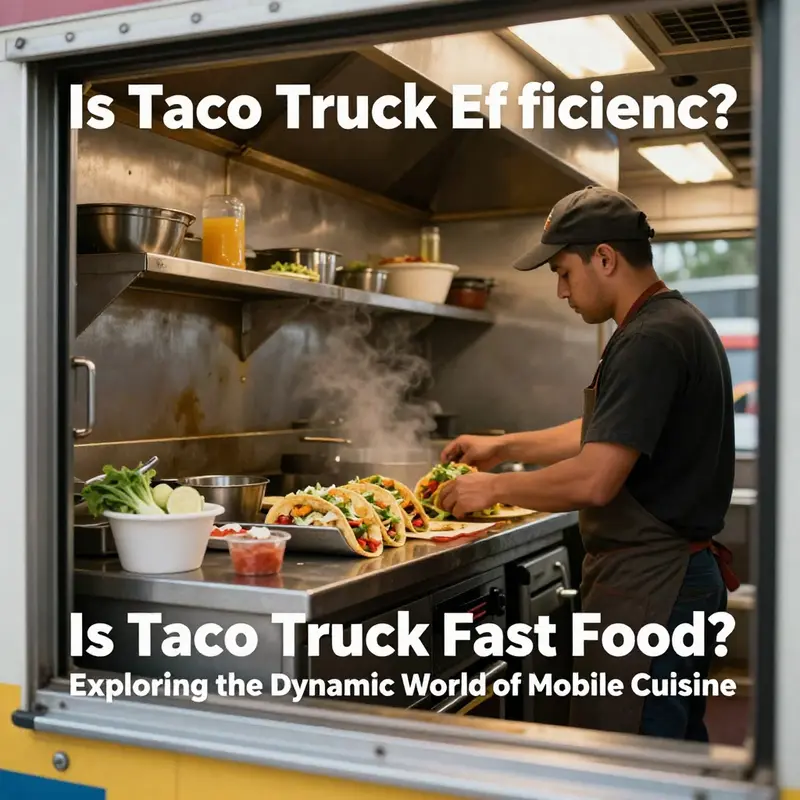
The allure of a taco truck in the fast food ecosystem rests on more than the appeal of its offerings. It sits at the intersection of mobility and immediacy, where speed, consistency, and the capacity to meet customers wherever crowds gather become the true competitive levers. In recent years, the operational efficiency of taco trucks has emerged as a defining advantage in a market that rewards throughput as much as taste. A growing body of industry analysis shows the mobile model maturing into a scalable, high-velocity segment. The global food trucks market is projected to expand from a few billion dollars at the start of the decade to a significantly larger figure in the near future, underscoring how operators are turning mobility into a reliable path for growth. This trajectory reflects a simple truth: when a kitchen is portable, every minute saved in service translates into more meals served, more repeat customers, and more reliable revenue in a business that hinges on where you can park and how quickly you can move people through the line.
Operational efficiency in this context is not about tricking the system with gimmicks. It is about disciplined process design that respects the constraints and opportunities of a street or event setting. Taco trucks rely on streamlined workflows, carefully designed menus, and a relentless focus on speed without sacrificing quality. A limited menu built around high-volume items—grilled meats, beans, rice, and fresh toppings—reduces the complexity of prep and speeds up cooking times. Each item becomes a defined block in a choreography of mise en place, where ingredients are prepped, portioned, and staged to glide from the cooler to the flame to the plate with minimal handling. When done well, the customer experiences a seamless cycle: order, payment, pickup, and satisfaction, all within moments that feel almost instantaneous given the surrounding bustle of a busy street corner or festival ground.
The efficiency advantage is reinforced by the practical realities of the mobile format. Overhead is lean, since a taco truck does not bear the same fixed costs as a brick-and-mortar restaurant. A compact footprint means lower rent exposure, fewer square feet of idle space, and less time spent managing dining room turnover. The truck’s footprint also enables location flexibility. Operators can chase high-traffic windows, park near workplaces at lunch, or position themselves at events where footfall is predictable. This mobility is not a mere convenience; it is the engine that sustains a high-throughput model when the revenue cycle depends on rapid seat turnover from a traveling kitchen. In this landscape, operational discipline becomes the differentiator that turns potential into performance: standardized prep, reliable equipment, and a predictable service rhythm.
A crucial dimension of efficiency lies in how transactions are managed. The industry trend toward cashless payments is now well established, with a majority of trucks adopting card readers and digital wallets. Such systems remove friction at the point of sale, allowing staff to move faster and customers to complete purchases with less delay. The adoption of digital payments, paired with clear pricing, also reduces ambiguity around tipping and adds a layer of transparency that can improve customer trust and staff morale. In practice, this means a well-trained crew who can anticipate the flow of customers, greet with a quick, friendly cadence, and maintain a clean, organized workstation that reinforces efficiency rather than chaos. For operators, the payoff is measurable: higher throughput, more consistent order accuracy, and happier customers who are more likely to return when they crave a quick, dependable meal.
The efficiency story extends beyond the front-of-house mechanics and into the back-end logistics that sustain daily operations. Centralized management and written operational guidelines help maintain uniform tasting menus and service standards across multiple trucks or itineraries. When a single brand operates several trucks, consistent recipes and plating practices become a competitive necessity. Guardians of quality, these guidelines ensure that a burrito or taco tastes the same whether a customer encounters the truck at a busy downtown corner or at a sprawling festival midway. Such consistency is not accidental; it rests on disciplined sourcing, dependable supply chains, and a predictable cooking environment. Strategic supplier relationships matter as much as recipe development. Operators who evaluate vendors on technical capacity, reliability, and post-sale support can minimize downtime, avoid stockouts, and protect the reliability of service during peak hours. The payoff is clear: fewer interruptions, steadier labor rhythms, and the confidence to scale without compromising the core speed and flavor that define the experience.
In practice, efficiency is also a function of the equipment and the physical design of the truck. Stainless steel construction, durable fixtures, and well-planned workstations contribute to a kitchen that can withstand outdoor conditions while maintaining speed. Real-time visibility into food preparation through service windows builds trust with customers and reduces the likelihood of miscommunication between the line and the pickup area. A transparent window does more than deter silliness or mistakes; it creates a feedback loop where customers can observe the care and method behind each dish, reinforcing confidence in the brand’s reliability. Compliance and safety considerations are baked into the equipment choice and layout, ensuring that the operation can run smoothly in different regulatory environments and at varied venues. This practical attention to design—down to the height of a prep table, the placement of a trash receptacle, and the ease of cleaning—eliminates many common frictions that would otherwise interrupt service during a busy shift.
Of course, the human element remains central to operating efficiently in the field. Cross-training staff to perform multiple roles reduces bottlenecks when lines surge. A crew that can shift from prep to cooking to cashiering with fluency minimizes idle time and keeps the pace brisk without sacrificing accuracy. In this sense, efficiency is not simply about speed; it is about creating a rhythm that aligns with the tempo of street demand. Operators who cultivate clear service norms—how to greet customers, where to place utensils for the next order, how to communicate readiness—generate a predictable experience that customers can rely on. This organizational discipline translates into a smoother flow, faster service, and a higher capacity to handle spikes in foot traffic at events and in dense urban zones.
Payment behavior and tipping norms are not merely cultural footnotes; they shape how a truck designs its service cadence. In recent years, the shift toward card-based payments and transparent tipping expectations has helped reduce hesitation and confusion at checkout. When customers see suggested tip levels presented during checkout, they can decide quickly, which speeds up the transaction while supporting the workers who deliver the service. For operators, this means a more consistent per-order revenue and a clearer understanding of labor costs. The balance between efficiency and hospitality is thus maintained by the choreography of the sales encounter: a quick greeting, a precise count of items, a clean and legible receipt, and a smooth handoff of food to a satisfied customer.
As the sector looks to scale, the importance of careful sourcing becomes more pronounced. A 2025 guide to business-to-business procurement emphasizes not only price comparison but also the capacity to deliver, technical compatibility, and sustained post-sale support. For taco trucks, where a single missed delivery can cascade into a missed lunch rush, securing reliable equipment and dependable ingredient supplies is essential. The goal is to keep the line moving with minimal downtime, which in turn supports more predictable schedules, better labor utilization, and a more stable cash flow. In this context, efficiency is a continuous, data-informed pursuit: monitoring sales velocity, adjusting prep work to reflect demand, and recalibrating staffing levels as venues and seasons shift.
To close the loop, the operational efficiency narrative for taco trucks is a story of design thinking applied to a mobile kitchen. It is about turning the constraints of space, weather, and unpredictable foot traffic into a system that delivers speed and consistency without sacrificing flavor. It is about investing in processes that can be codified, scaled, and replicated, so that a single truck can become a reliable node in a growing network of mobile food service. And it is about recognizing that mobility—the core of the model—must be paired with disciplined operational practices to yield financial resilience, customer trust, and the durability needed to navigate the peaks and valleys of urban demand. For readers exploring the broader fast food landscape, the taco truck thus serves as a case study in how mobility can coexist with efficiency to create a robust, scalable business model.
For practitioners seeking practical paths forward, several principles emerge from this efficiency-centric view. Design a lean menu with high-velocity items that can be cooked and plated quickly without compromising taste. Invest in a workflow that prioritizes mise en place, minimizes handling, and uses standardized portions. Build a team culture that embraces cross-training and clear service norms, so the line remains steady even as the crowd grows. Choose equipment and a truck layout that tolerate outdoor conditions while enabling real-time visibility into prep. Embrace digital payments and transparent pricing to speed transactions and set customer expectations. Finally, cultivate supplier relationships that are dependable and responsive, ensuring that when demand rises, your operation can scale without sacrificing reliability. When these elements align, mobility becomes not a challenge to speed but a strategic asset that sustains fast, consistent service in a competitive fast food environment.
Internal link note: for a discussion on sustainable practices tailored to mobile food operations, see the linked resource on sustainable-practices-mobile-food-trucks. Sustainable practices for mobile food trucks.
External resource: industry context and market projections for food trucks provide a backdrop to these efficiency discussions. See the broader market forecast at https://www.foodtruckreport.com/industry-trends/food-truck-market-size-growth-forecast-2026-2034/ for a view of growth trajectories and market dynamics that influence how taco trucks invest in efficiency over time.
Rolling Flavors, Rapid Service: The Customer Experience of Taco Trucks as Fast Food on the Go
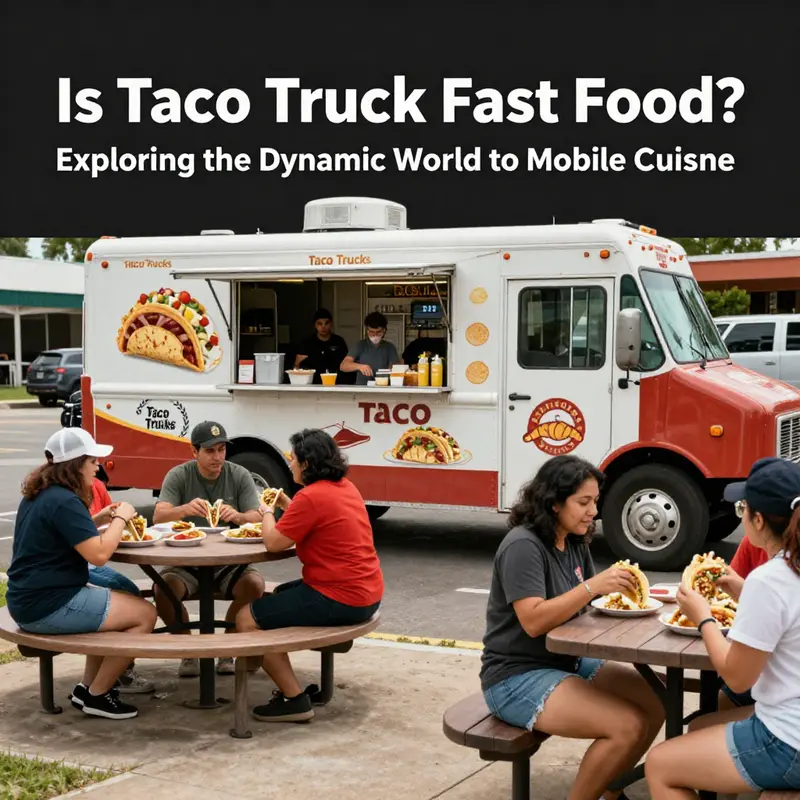
Taco trucks occupy a distinctive niche in the fast food landscape, where portability meets immediacy and flavor is crafted for a busy, mobile lifestyle. They are more than a culinary footprint on the curb; they are a compact, purpose-built operation designed to translate the energy of a city street into a quick, satisfying meal. The visual identity of a taco truck—stainless steel, glass windows, and a humming kitchen—signals efficiency and transparency. In practice, these elements are not just about form; they are about trust and speed. A customer glimpses the grill, senses the aroma of peppers and spices, and knows that a fresh taco is minutes away. The result is a meal experience that fits squarely in the fast food category while retaining the character of a local, neighborhood eatery.
The essence of the quick service model is baked into the truck’s very design. Orders are prepared and plated with a pace that meets the demands of a time-pressed urban life. For many patrons—office workers rushing to a meeting, students between classes, or families juggling a packed afternoon—the expectation is relief from planning and deliberation. The service standard—often five minutes or less from order to plate—transforms a lunch break into a seamless, predictable moment of nourishment. This speed is paired with affordability. Tacos typically sit within a modest price range, roughly three to six dollars per serving, which makes the experience accessible to a broad spectrum of customers without sacrificing flavor or quality. The combination of speed and value creates a reliable routine: a familiar, welcome stop that can be counted on amid the day’s shifting errands and schedules.
Taco trucks also act as cultural ambassadors on wheels. The menu often leans into regional Mexican traditions, offering foundational flavors that carry a deep sense of place. Al Pastor, Carnitas, and Birria appear alongside salsas, toppings, and garnishes that celebrate a regional palate. Yet the same trucks frequently push beyond tradition, embracing fusion concepts that blend traditional fillings with global influences. A bite can fuse Korean BBQ notes with a Mexican tortilla, or present vegan options that echo plant-forward trends without compromising bold seasoning. This inclusivity—of both culture and dietary preference—extends the reach of the truck and invites a broader audience to engage with fast, flavorful food that feels fresh and relevant. The culinary variety is not merely a novelty; it is a strategic strength that broadens the customer base and sustains repeat visits.
Digital ordering has become a natural extension of the taco truck’s fast, on-the-go ethos. Vendors increasingly rely on apps and social media to streamline the ordering process. Customers can pre‑order, tailor their meals, and pay ahead, effectively trimming the friction that often accompanies a quick-service purchase. In a city where a line can form in seconds, the ability to reserve a time slot or customize a topping set can turn a chaotic lunch hour into a smooth, predictable experience. This digital touchpoint also expands accessibility by letting customers plan visits around their day’s demands, reducing wait times and increasing throughput for the vendor. When a customer knows their order will be ready as they step out of a subway car or arrive at a curbside workplace, the transaction becomes a ritual of efficiency rather than a hurdle to be overcome.
From the operator’s viewpoint, the taco truck represents a choice in strategic risk and opportunity. The mobility of the business model lowers barriers to entry and enables experimentation that is harder to achieve with a fixed-location restaurant. A truck can test menus, branding concepts, and service formats on a rotating schedule—at farmers’ markets, at craft fairs, or outside office towers—before committing to a more permanent footprint. This flexibility is especially valuable in urban centers where foot traffic ebbs and flows with the workday rhythm, weather, and seasonal events. The ability to relocate in response to demand is not merely a convenience; it is a core capability that keeps sales buoyant across a practical calendar year. In this sense, the taco truck is less a static eatery and more a dynamic, adaptive platform for culinary entrepreneurship.
Branding and presentation play a crucial supporting role in shaping the customer experience. Durable, easy-to-clean materials are a practical necessity for outdoor service environments, yet they also serve as a canvas for identity. A well-branded truck signals professionalism and reliability, while a transparent service window builds trust by offering real-time visibility into food preparation. This transparency reinforces quality, as customers can observe cleanliness and cooking practices firsthand. The aesthetic choices—bright signage, concise menu boards, and a clear display of offerings—minimize decision fatigue and speed up the ordering process. In a fast-food ecosystem that prizes consistency, a strong, cohesive brand performed through the truck’s exterior, the menu configuration, and the interaction with staff can translate into a dependable, repeatable customer experience that travels well from one location to the next.
Beyond speed and affordability, the taco truck scene emphasizes accessibility in a broader sense. The street-food model democratizes access to diverse flavors by meeting people where they already gather: near transit hubs, in business districts, at community events, and in neighborhoods with limited dining options. The mobility allows vendors to synchronize with local rhythms—swells of lunchtime crowds near universities, evenings around neighborhoods hosting outdoor concerts, or weekend gatherings at farmers’ markets. In this way, the truck becomes a portable neighborhood pantry, bringing familiar and novel flavors to a wide range of communities without the commitment of a sit-down restaurant. The accessibility is not only about price and location but also about sensory reach: bold aromas invite curiosity, and the compact scale ensures that a large variety of patrons can approach with minimal social friction.
The practical realities of operating a taco truck also shape the customer experience in meaningful ways. The equipment and layout must withstand the demands of outdoor service, from weather exposure to the rigors of high-volume service. Cast in stainless steel and built for durability, the kitchen is designed for rapid cleaning, temperature control, and safety. Windows provide a window into the process, literally and figuratively, so customers can see that what is being prepared is fresh and up to standard. Modern units increasingly incorporate features that support efficiency and reliability, such as electricity-ready setups, dual-voltage compatibility, and compact, modular components that can be reconfigured to suit shifting menus or different event types. While the precise specifications vary by operator, the underlying principle remains constant: the kitchen must be dependable enough to deliver consistent quality across a busy service period while remaining adaptable to the unpredictability of outdoor settings.
From a consumer’s perspective, the combination of speed, affordability, and cultural variety translates into a reliable and satisfying experience. A breakfast, lunch, or dinner stop becomes less about a leisurely dining ritual and more about a predictable, enjoyable function within a larger day. The price point supports impulse buys and casual meals, with most customers feeling they have received good value for a quick, flavorful option. The cultural richness of the menu invites repeat exploration; today’s Birria might be followed by tomorrow’s Korean-inspired taco, each visit offering a little discovery and a familiar favorite in equal measure. The digital ordering options reinforce this sense of control and modern convenience, while the physical layout and service speed preserve the human element of the interaction. In short, the taco truck redefines fast food as an experience that is simultaneously efficient and personal, portable and local, accessible and surprising.
In the broader ecosystem of mobile food, taco trucks illustrate how fast food can adapt to new patterns of urban living. They respond to the demand for quick nourishment without the overhead of a fixed site, and they form a flexible channel for culinary expression. For operators, the model supports experimentation and gradual scale—an invitation to refine a concept, build brand awareness, and extend reach to new neighborhoods and events without prohibitive upfront risk. For customers, the truck offers a reliable, enjoyable option that fits into a busy day and a diverse cityscape. The synergy between operational design, menu creativity, and customer-centric service is what sustains the enduring appeal of taco trucks as a fast-food solution that travels with the rhythm of the city.
For readers seeking a more technical lens on mobile food platforms, further context is available in a practical guide focused on the engineering and practical uses of portable food carts. See the external resource at the end of this chapter for deeper technical details and case studies that illuminate how concept, equipment, and workflow come together in real-world operations. In addition, several practitioners and researchers have highlighted sustainable approaches and best practices for mobile food trucks. To explore how operators are integrating eco-conscious strategies into their daily routines, including waste management and energy efficiency, consider the dedicated discussion on sustainable-practices-mobile-trucks. sustainable-practices-mobile-trucks.
External resource: For more technical detail on taco carts, including specifications, types, and practical uses, see the comprehensive guide here: https://www.foodserviceequipment.com/taco-cart-complete-guide-technical-specifications-types-practical-uses/
The Taco Truck: Mobility as a Fast-Food Frontier
The Taco Truck: Mobility as a Fast-Food Frontier
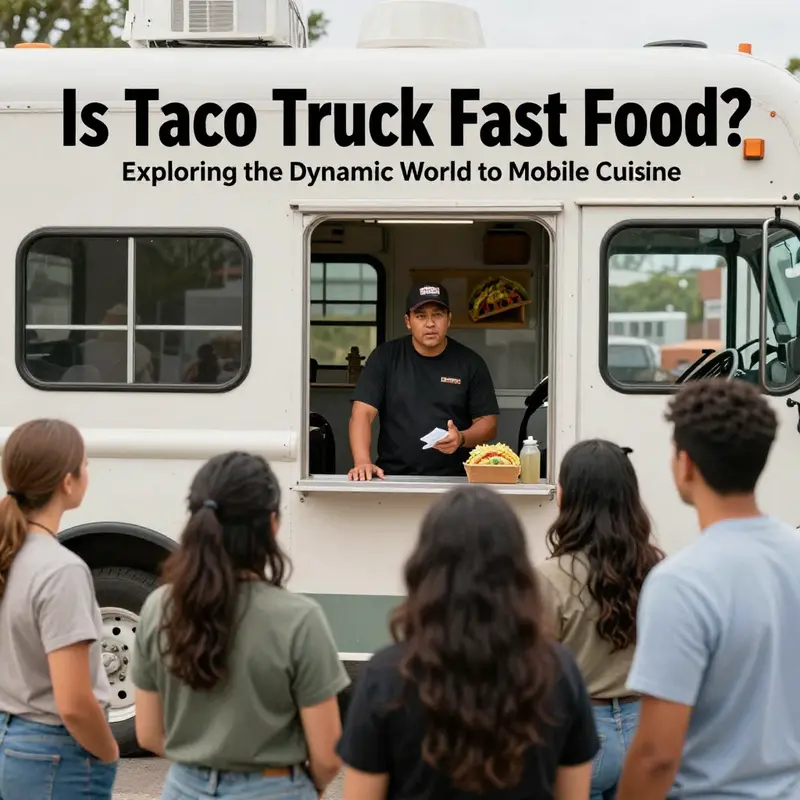
A taco truck sits at the intersection of craft and commerce, a mobile kitchen where a cook’s skill meets an entrepreneur’s resolve. It is a platform for building a business with momentum, visibility, and potential to scale. The fast-food landscape rewards speed, consistency, and reach, and the taco truck model embraces all three while offering a distinctive edge: mobility.
The entrepreneurial arc often begins with a practical misalignment between appetite and capital. A talented chef can imagine a menu that centers on a few reliable crowd-pleasers and a compact lineup of toppings. The emphasis is on speed and consistency: items that can be prepared, assembled, and served quickly, while maintaining flavor and quality. The truck becomes a moving kitchen, designed for efficiency, with layout arranged to minimize waste and maximize throughput. The driver’s seat is a strategic vantage point from which to observe demand across neighborhoods, events, and hours of the day.
Many taco-truck stories begin in family kitchens and weekend stalls. A recipe is honed through repetition; a name and a vibe are refined through local circulation. Branding takes shape from the truck’s exterior finish, the rhythm of a friendly greeting, and a reliable window cadence. A consistent look and a recognizable hustle at the window reinforce a sense of reliability. When people know where to find a favorite taco and who they are buying from, the relationship becomes part of the value proposition.
The menu itself is an entrepreneurial instrument. A focused core—grilled meats, beans, rice, and fresh toppings—speaks to efficiency and predictability. Yet the mobile format invites experimentation: rotating specials, seasonal ingredients, or regional twists without the heavy commitment of a fixed location. The ability to pivot in response to demand is a defining strength. A single operator can test a plant-based option or a spicy street-food riff and, if the market is receptive, expand to a larger footprint.
Mobility is the strategic lever that often sets success apart. A traditional restaurant relies on a fixed address; a taco truck can follow crowds to offices, campuses, and festivals. This flexibility enables rapid positioning and cross-promotions within a broader ecosystem of mobile vendors. The street is the stage, and the truck is the vehicle through which flavor travels with momentum.
The economics of entry are compelling. Compared with fixed-location ventures, starting costs are often more approachable. A mobile kitchen can be assembled to support a scalable model with a smaller upfront commitment than a traditional restaurant. Financial planning hinges on controlling variable costs, optimizing labor, and preserving speed. The market offers options from fully outfitted trucks to refurbished shells tailored for outdoor use. The goal is to own a durable platform that can operate in a variety of locations and weather conditions.
Strategic sourcing matters. A well-chosen truck, reliable equipment, and post-sale support can determine whether a operator can sustain a busy schedule. The vehicle is a long-term asset, and the decision to purchase is a commitment to a business model. Some operators start with a simple setup and grow as revenue builds. Others invest in branding and premium finishes that create a durable impression. Either path requires reinvestment in the truck’s capabilities as service rhythms push equipment to its limits.
Sustainable practices and responsible sourcing help ensure long-term viability and reputation. The entrepreneurial journey on wheels invites a thoughtful approach to operations, branding, and audience engagement that sustains momentum while preserving character. The takeaway is clear: treat the truck as kitchen and signal—a doorway to new neighborhoods, a reliable experience for regulars, and a flexible platform that can weather changing tastes.
In sum, the taco truck story is mobility meeting ingenuity: start small, maintain quality at speed, and move where demand is strongest. It is a narrative of local flavor scaled for neighborhoods, festivals, campuses, and office parks, a canvas for personal expression, community connection, and economic possibility—all carried forward on wheels.
Final thoughts
Taco trucks embody the essence of fast food with their quick service, diverse menus, and ability to meet the demands of urban life. They not only serve delicious meals but also create a sense of community and entrepreneurial spirit that defines modern street food culture. Understanding this dynamic can help consumers appreciate the value and significance of taco trucks within the fast food industry.