
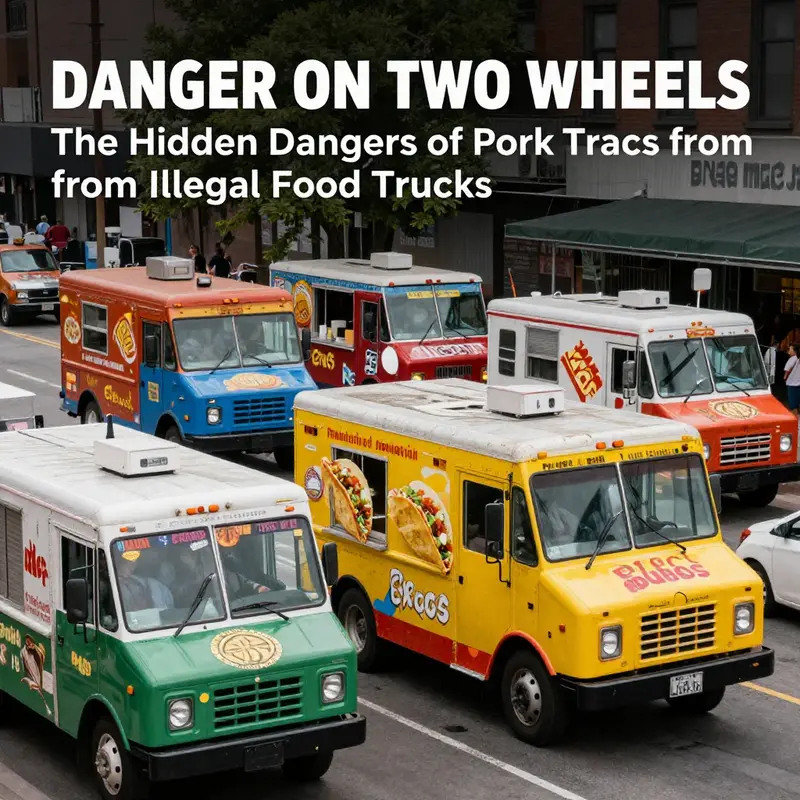
The allure of street food is undeniable for urban commuters, outdoor enthusiasts, and anyone looking to savor a quick bite. However, the deliciousness of pork tacos from an unlicensed food truck can come with dire consequences. A concerning case recently emerged where a man suffered severe health complications after indulging in these illicit delights. This incident serves as a critical reminder of the dangers lurking behind unregulated food vendors. In this exploration, we will unpack the myriad health risks associated with consuming food from illegal sources, delve into legal implications surrounding such operations, address public health concerns, examine the sociocultural factors that drive this consumption, and analyze the economic repercussions for legitimate food businesses. Together, these chapters aim to provide a comprehensive understanding of the stakes involved when we choose convenience over caution.
When a Taco Becomes a Threat: Hidden Health Dangers of Pork from Unlicensed Food Trucks
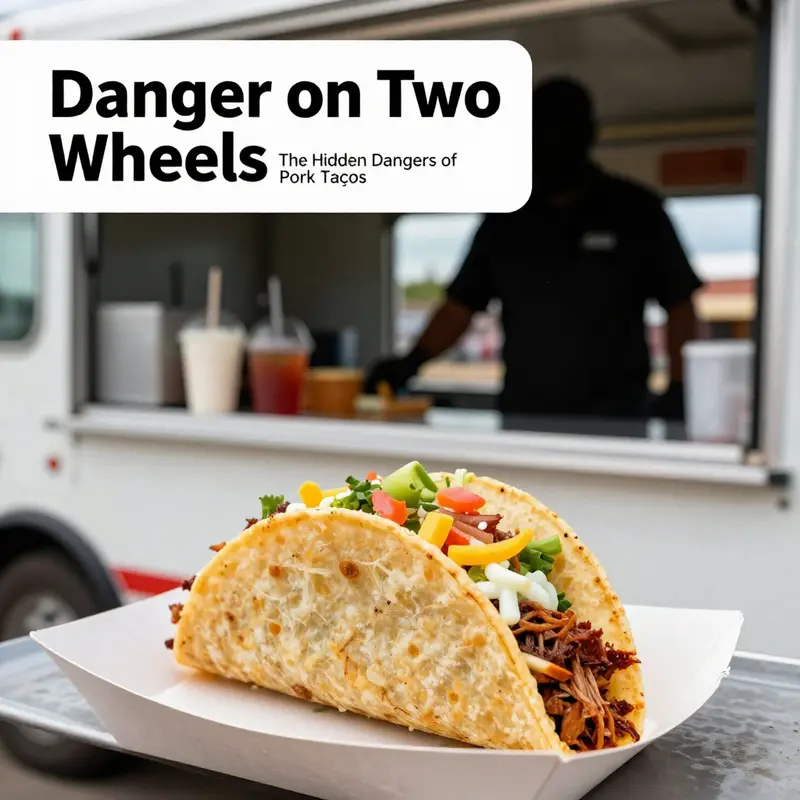
The bite that changed everything: a single street taco eaten from an unlicensed mobile vendor turned into a nightmarish cascade of symptoms for one man. He felt fine at first, then developed alarming neurological signs that led to seizures and brain swelling. That dramatic outcome is extreme but instructive. It reveals how a few common lapses in food safety can escalate into life-threatening illness. This chapter traces the biological and operational pathways that turn pork tacos into dangerous food, explains the most likely culprits, and offers clear ways to reduce risk when buying street food.
Pork is a rich, perishable protein. When handled correctly, it is safe and nourishing. When mishandled, it becomes a growth medium for pathogens. Bacteria such as Salmonella, E. coli, and Listeria are among the usual suspects. These organisms thrive when meat is stored at unsafe temperatures, cross-contaminated by raw juices, or not cooked to the necessary internal temperature. In regulated kitchens, frequent temperature checks, separate preparation areas, and cleaning schedules interrupt these processes. In unlicensed operations, those safeguards are often absent.
Beyond the common gastrointestinal infections are dangers less obvious but more catastrophic. Certain bacteria, and the inflammation they provoke, can invade the bloodstream and cross the blood-brain barrier. This can lead to meningitis or encephalitis, producing seizures and cerebral swelling. Toxins produced by some bacteria or by contaminated ingredients can have neurotoxic effects. The timeline can be misleading: a consumer may feel fine for hours, then deteriorate rapidly. That delay makes it difficult to connect the illness to the meal without careful investigation.
Unregulated vendors increase the risk at several points. Ingredient sourcing is often opaque. Meat bought through informal channels may not have been kept cold during transport. The cooking environment in an illegal food truck frequently lacks regulated hot and cold holding equipment. Without reliable refrigeration, bacteria multiply quickly. Likewise, inadequate fuel sources or improvised cooking surfaces can produce uneven heat, leaving pockets of undercooked pork.
Sanitation practices are another weak link. Water used for washing hands, utensils, or produce may not be potable. Non-food-grade utensils or surfaces—old cutting boards, cracked containers, or rusted equipment—harbor biofilms that protect bacteria from ordinary cleaning. Staff working without food-safety training may touch money, use the same gloves for raw and cooked foods, or fail to change utensils between tasks. Pests are a common problem in makeshift kitchens and can carry pathogens onto food surfaces. Environmental contaminants—dust, vehicle exhaust, or runoff—add further risk when food is prepared outdoors without proper barriers.
Cross-contamination is one of the most common causes of foodborne illness but often goes unnoticed. Raw pork juices dripping onto cooked food or onto surfaces used for ready-to-eat items creates direct transfer. Even brief contact of cooked tacos with contaminated hands or tools is enough to seed bacteria. Improper storage of leftovers allows surviving organisms to recover and multiply. Reheating may reduce some bacteria but not all toxins that were already produced by bacterial growth.
Symptoms vary by pathogen and by the host. Most people experience nausea, vomiting, abdominal cramps, and diarrhea when infected with common gastrointestinal bacteria. Dehydration can follow quickly and requires prompt fluid replacement. When bacteria enter the bloodstream, fever and systemic signs develop. Neurological symptoms—headache, confusion, stiffness, seizures—signal that infection has reached or affected the central nervous system. Those signs require immediate medical attention.
The incident involving seizures and brain swelling underlines two important truths. First, severe complications from foodborne illness, while less common, are real and can be devastating. Second, tracing such cases back to an illegal vendor is difficult without timely reporting and inspection. Illegal food operations rarely keep records of suppliers, staff, or batches, complicating outbreak investigations and public health responses.
Mitigating these risks is partly structural and partly practical. Structural solutions involve enforcement and education: licensing requirements, routine inspections, and accessible training for mobile vendors. Without those, the same hazards persist. Practically, consumers and legitimate vendors can reduce risk through straightforward habits.
When choosing a street vendor, look for clear signs of professional operation. Licensed and inspected trucks usually display permits and recent inspection scores. Vendors who use dedicated equipment—commercial smokers, rotisseries, or regulated hot-holding units—tend to control temperature and cooking time better. Clean work surfaces, visible handwashing stations, and staff who handle food with gloves or sanitized utensils indicate attention to hygiene. Ask about how the meat is cooked and kept hot. Avoid vendors who rely on small, portable grills with uneven heat or who serve lukewarm food.
For those who operate mobile kitchens, adopting proven processes matters. Temperature control during transport and storage, using food-grade containers, routine sanitization, and training staff on cross-contamination prevention are essential. Sustainable practices and thoughtful equipment choices help ensure consistent safety. For guidance on sensible, safety-minded approaches to mobile food operations, see this resource on sustainable practices for mobile food trucks: https://pockettacotruck.com/sustainable-practices-mobile-food-trucks/.
If you fall ill after eating street food, act promptly. Document what you ate and where you bought it. Seek medical care if symptoms are severe or progressive. Reporting the illness to local health authorities helps identify outbreaks and can protect others. Public health teams can collect specimens, inspect the vendor, and trace supplying sources—steps that are nearly impossible if the vendor is transient and unlicensed.
Ultimately, preventing tragic outcomes requires attention at every link in the food chain. Consumers must stay alert to obvious signs of unsafe practice. Vendors must understand and follow basic food-safety protocols. Regulators must enforce standards and make compliance feasible for small-scale operators. The dramatic case of seizures and brain swelling is a rare but powerful reminder: a single meal can become a catastrophic event when safeguards fail.
For readers interested in the broader public health evidence behind common pork-related complaints, a comprehensive study documents consumer experiences and risks associated with pork consumption. The study highlights that over half of consumers reporting discomfort after eating pork experienced vomiting, diarrhea, or stomach pain—symptoms consistent with foodborne illness—and underscores the importance of regulated handling and cooking. For deeper review of these findings and their implications, consult the detailed study here: https://www.ncbi.nlm.nih.gov/pmc/articles/PMC6689417/.
When Pork Tacos Cross the Line: The Legal and Public Health Risks of Illegal Food Trucks
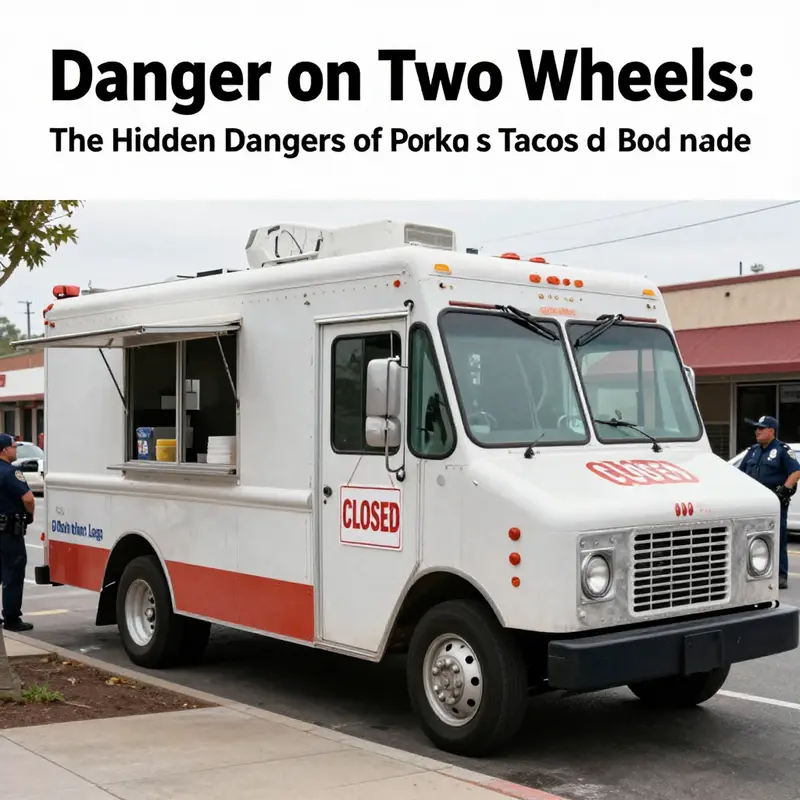
The case of the man who ate pork tacos from an illegal street truck and then spiraled into seizures and brain swelling serves as a stark reminder that risk in the food system is not only about what is on the plate, but about who controls the kitchen. An unregulated vendor may offer a tempting meal and a convenient bite, yet the absence of licensing, routine inspections, and trained oversight can transform a simple appetite into a life-altering health crisis. The initial relief that often accompanies a first bite can quickly give way to a cascade of symptoms that defy ordinary gastrointestinal upset: neurological turmoil, swelling, and a trajectory that forces medical teams to trace the illness back to contamination, improper handling, or unsafe storage. In this light, the incident raises questions that go beyond taste or convenience and touch the core duties of public health and municipal governance. When pork tacos are prepared outside the guardrails of regulation, the public pays the price in ways that are quiet, cumulative, and sometimes irreversible. The story is not just about a single misadventure; it is about the risks that emerge when sanitation, sourcing, and safety obligations are skipped, ignored, or misrepresented.
Lawful food service operates within a framework designed to protect consumers at every step—from sourcing and slaughter to cooking, chilling, and serving. Licensing and permits are not mere bureaucratic hurdles; they are the visible signs that a business has passed through the necessary checks for structural safety, employee competency, and adherence to established food codes. In most jurisdictions, operating without those credentials is not a minor infraction but a foundational violation that triggers potential shutdowns, fines, and escalating enforcement actions. Health departments routinely inspect facilities, verify cold-holding temperatures, and confirm that food handlers have up-to-date knowledge of hygiene practices. When a vendor bypasses these steps, a chain of vulnerabilities opens: contaminated meat, cross-contamination between raw and cooked foods, improper hand-washing protocols, inadequate cleaning schedules, and the odds that ingredients were sourced from places that do not meet basic safety standards. The legal system treats those vulnerabilities not as mere mistakes but as public safety concerns that justify serious remedies, including criminal sanctions in aggravated cases.
The legal landscape around mobile or temporary food operations is nuanced. Local ordinance may require the operator to secure a health permit, a business license, a fire inspection, and a waste disposal plan, in addition to a vehicle or cart permit. Some jurisdictions layer in zoning or religious/cultural considerations, particularly in areas with specific community norms around pork or meat processing. Even when pork is permitted in a jurisdiction, a mobile vendor must still demonstrate compliance with the same core standards as brick-and-mortar establishments: temperature control, cross-contamination prevention, pest management, and a demonstrated ability to trace food sources. The absence of proper sanitation or certified food handlers often constitutes the principal ground for violations. Where repeated violations occur, regulators may pursue civil actions, license revocation, and, in more serious or willful cases, criminal charges. The rationale is straightforward: if a seller repeatedly endangers public health or manipulates a licensing process to trick customers, the line between poverty of judgment and malice becomes legally significant.
From a consumer safety standpoint, the risk is not limited to a single incident of illness. The case underscores how vulnerable populations—children, elderly individuals, and those with weakened immune systems—face heightened danger when food safety oversight is lax. Contamination can arise from several sources: undercooked pork, improper storage temperatures, or reused equipment that has not been adequately sanitized. The absence of a verified supply chain for meat and other ingredients compounds the risk. If animals are not slaughtered under inspected conditions, or if producers skimp on compliance with traceability standards, the potential for adulterants, improper additives, or mislabeled ingredients increases. Each of these factors can translate into a medical emergency that consumes hospital resources, triggers public health investigations, and leaves behind questions about accountability. The legal system then must determine who bears responsibility: the individual operator who chose to bypass permit requirements, the vehicle owner who failed to maintain safe conditions, or the sourcing entity that supplied unsafe ingredients—potentially exposing a chain of liability that spans multiple actors and jurisdictions.
In this environment, the issue of meat handling gains particular salience. Pork, like other animal products, demands rigorous handling practices: separation of raw and cooked foods, validated cool-chain maintenance, and meticulous cleaning protocols. A truck that lacks proper equipment, sanitary facilities, or trained staff becomes a moving risk incubator. Zoning, too, can shape risk profiles; some areas have stricter enforcement of where and how food can be sold, especially in neighborhoods with high foot traffic and close proximity to residential districts. The absence of inspections and operator certifications makes it difficult to verify whether a truck’s kitchen space is designed to minimize hazards rather than merely to resemble a food preparation area. The consequence is a regulatory vacuum where a single misstep—temperature abuse, cross-contact, or contaminated water supply—can precipitate a medical emergency and a complex legal aftermath.
The broader social implication is a reminder that public health is a collective enterprise. Regulators, health professionals, and law-enforcement agencies shoulder the burden of ensuring that consumers receive accurate information about what they eat and that merchants cannot profit from shortcuts that threaten safety. In explaining the legal stakes, it helps to consider the potential consequences of repeated noncompliance. Beyond fines and shutdowns, persistent violations can lead to criminal charges tied to endangering public health or fraudulently obtaining business licenses. The weight of those possibilities tends to deter willful wrongdoing, but it also highlights the tension between entrepreneurial risk and societal obligation. For readers, this tension translates into a practical takeaway: a healthy appetite for street food can coexist with a robust respect for the rules that keep such offerings safe. Those rules exist not to stifle enterprise but to create a level playing field where consumers know what standards apply and can trust that a vendor has met them.
In discussing the regulatory framework, it is helpful to connect with the lived lessons of responsible operators who work within the system every day. The difference between a thriving, compliant street food culture and precarious, unregulated ventures often comes down to attention to detail, transparency of sourcing, and a commitment to ongoing training. Operators who pursue licensing, regular inspections, and staff certification are not merely ticking boxes; they are establishing a track record that can reassure customers and deter regulators from taking drastic action. They also demonstrate an understanding that food safety is a moving target: what was acceptable last year may not meet new testing standards or evolving best practices. That adaptability is part of the professional ethos in properly regulated mobile food service and a crucial contrast to the shortcuts that jeopardize public health.
Within this narrative, the internal importance of adopting safer, compliant practices becomes clear. Regulators routinely emphasize the value of formal training for food handlers, a clear chain of custody for ingredients, reliable refrigeration, and robust cleaning regimens. The private sector, in turn, benefits from transparent sourcing, standardized operating procedures, and regular audits, which can reduce risk and build consumer trust. Consumers, meanwhile, are encouraged to seek out vendors who display permits or badges of compliance and to exercise caution when a setup lacks visible health credentials. The contrast between regulated operations and clandestine openings is not merely a matter of legality; it is a difference in the reliability of protection against foodborne illness and the accountability that follows any breach.
For readers seeking a concrete example of how safety practices and regulatory compliance intersect in the mobile-food ecosystem, consider the broader literature on responsible mobile operations. Sustainable practices for mobile food trucks offers a framework that highlights hygiene standards, waste management, and the integration of safety into daily workflows. While the focus is broader than a single case, the emphasis on sustainable, compliant operations provides a practical counterpoint to the risks illustrated by the incident described here. Such guidance is not a luxury but a baseline expectation for any mobile kitchen that wants to serve the public without compromising safety or law. It is through this lens that the chapter returns to the central point: the legality of the operation and the safety of the food are inseparable, and the failure of one invariably imperils the other.
In sum, the legal implications of operating an illegal food truck—especially one serving pork tacos—are multi-layered. They involve licensing and permitting, health inspections, meat-handling standards, and the potential for criminal liability in cases of endangering public health or fraud. They also entail zoning and cultural considerations that can complicate where and how such ventures operate. The bottom line for consumers is clear: behind every street-side bite lies a network of rules designed to protect health and safety. When that network is riddled with gaps, the public bears the consequences in the form of illness, medical costs, and a loss of trust in the street-food ecosystem. For regulators and advocates, the message is equally urgent—support the conditions that enable safe, legal operation, and deter unsafe, illegal activity before more people suffer. External references and regulatory overviews, such as those compiled by industry and public-health researchers, provide additional context for understanding how these protections function in practice. External resource: https://www.daltonandtomich.com/food-truck-licenses-permits
When Street Food Becomes a Threat: Public Health Failures Behind Illegal Food Trucks
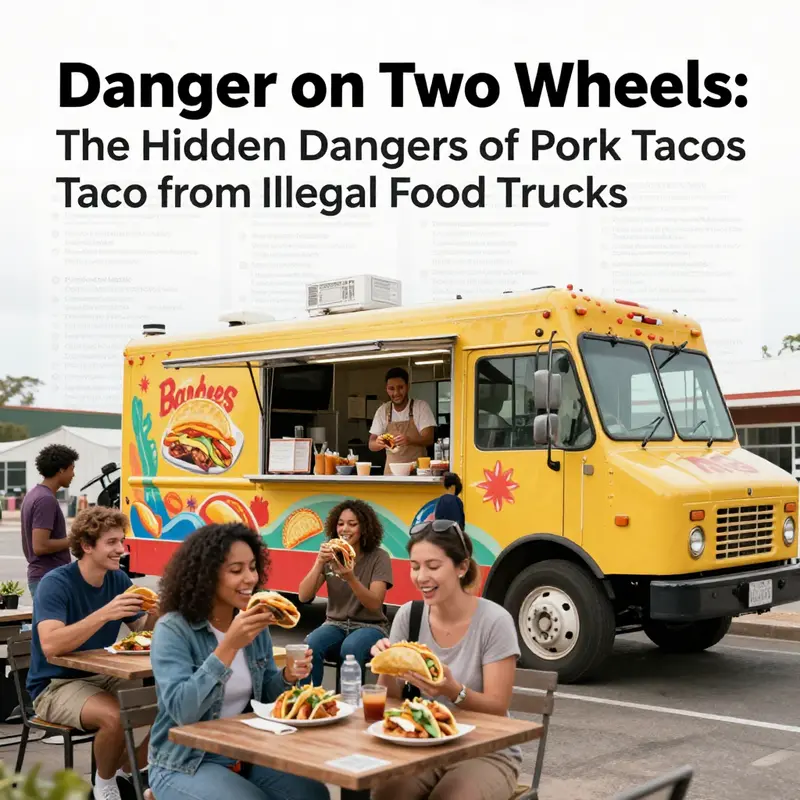
When food sold from the curb becomes a medical emergency, the fault rarely lies with a single taco. The man who ate pork tacos from an illegal food truck and later suffered seizures and brain swelling is a tragic example. His case exposes how basic lapses in hygiene, sourcing, and oversight can cascade into life-threatening illness. It also reveals systemic weaknesses in how cities, regulators, and communities handle the informal food economy.
Street vendors and food trucks often fill vital needs. They provide convenient meals, cultural variety, and livelihoods. But when vendors operate outside regulations, the balance between benefit and risk shifts. Illegal operations usually evade health inspections, sanitation rules, and licensing requirements. Without oversight, vendors may lack clean water, proper refrigeration, or safe ingredient suppliers. Any of these gaps can allow bacterial growth, viral contamination, or the presence of dangerous toxins in food.
Personal hygiene is a frontline defense against foodborne disease, yet it is a frequent shortfall among unregulated vendors. Proper handwashing, glove changes, and clean work clothes are basic expectations. When vendors skip these steps, pathogens move easily from hands to food. Activities such as handling money, touching unsanitary surfaces, or chewing tobacco while preparing food introduce additional risks. Cross-contamination is common when raw and cooked foods share cutting boards, utensils, or storage containers. The result is not only gastrointestinal upset, but sometimes severe systemic infection with neurological symptoms, as seen in the reported case.
Temperature control and storage are equally critical. Meat, dairy, and cooked items need constant, appropriate cold storage. Illegal food trucks often run on limited power or lack reliable refrigeration. Food left at ambient temperatures for prolonged periods becomes a breeding ground for bacteria like Salmonella, Listeria, and Staphylococcus aureus. Some toxins produced by these organisms do not break down with reheating. That means a consumer might unknowingly ingest a preformed toxin that can cause rapid, severe illness.
Supply chain integrity is another weak point. Licensed operators typically source ingredients from vetted suppliers. They retain invoices and maintain traceability. Unregulated vendors may buy from unknown or informal markets, use expired products, or store ingredients in unsanitary conditions. Contaminated pork, for example, can carry pathogens that survive poor cooking practices. In extreme cases, chemical contamination or adulteration can also occur when vendors cut costs by using unsafe additives.
Sanitation infrastructure around vending sites matters, and illegal operations often spring up where infrastructure is lacking. Limited access to running water, handwashing stations, and waste disposal makes safe food handling difficult. Waste accumulates, attracting pests that transmit pathogens. Urban areas with large informal vending sectors sometimes lack the municipal investments needed for safe operation. The broader public health environment shapes vendor behavior; without supportive services, even well-meaning vendors struggle to meet safety standards.
Inspection and enforcement are dual-edged tools. Routine health inspections identify hazards and enforce corrective actions. Yet aggressive crackdowns without supportive measures can push vendors further underground. That reduces visibility and eliminates opportunities for corrective education. Effective approaches pair enforcement with outreach, training, and pathways to formalization. Simple interventions—like providing approved refrigeration options or shared commissary kitchens—can materially improve safety while preserving livelihoods.
Training and certification also reduce risk. Food safety education tailored to street vendors must be practical and accessible. Short, hands-on courses on hand hygiene, temperature control, and cross-contamination prevention are more effective than dense technical manuals. Certification programs that are low-cost and widely available create incentives to comply. Peer-to-peer learning and community ambassadors often yield better uptake than top-down directives. When vendors understand why practices matter, they adopt them more readily.
Consumer behavior plays a part too. Customers can look for visible hygiene practices, ask about how food is prepared, and choose vendors who display permits. But consumers cannot be the primary safety net. Many patrons base decisions on price, taste, or convenience. Moreover, illegal operators often conceal their status. Public awareness campaigns can help, teaching the signs of risky vending practices and encouraging reporting of suspicious operations to authorities.
Technology offers promising ways to bridge gaps between safety and informality. Mobile apps can map inspected vendors, display certificates, and offer training modules. Low-cost refrigeration units, solar-powered refrigeration, and shared commercial kitchens lower barriers to safe operation. Financial incentives or microloans for equipment upgrades encourage vendor compliance and professionalize the sector. These solutions require coordination among local government, non-profits, and community stakeholders to be effective.
Policy choices shape outcomes. Some cities adopt tolerant, integrative policies that bring vendors into the formal economy. Others rely on punitive measures that fragment the sector. The most resilient frameworks prioritize public health without destroying livelihoods. They streamline licensing, reduce bureaucratic hurdles, and create graded compliance systems that help vendors improve stepwise. Policymakers must balance immediate public safety needs with long-term strategies that reduce the incentive to operate illegally.
This case also underscores the severity of foodborne illness outcomes. While most foodborne infections cause self-limiting symptoms, some progress rapidly and unpredictably. Neurological complications, seizures, and brain swelling can arise from specific pathogens or toxins. Swift diagnosis and treatment are essential. The medical response to an outbreak must include public health investigations to identify the source and remove it. Preventing another victim requires both clinical care and systemic fixes.
Ultimately, protecting public health in the street food sector is not about eliminating the culture of street food. It is about raising the baseline of safety so vendors and customers both win. Practical steps include accessible training, investments in sanitation infrastructure, targeted inspections, and technological tools that promote transparency. When cities commit to integrated strategies, they reduce the risk of tragedies like the one caused by an illegal taco truck.
For vendors, customers, and regulators, the lesson is clear: small lapses create large harms. Better hygiene, reliable cold chains, honest supply sourcing, and constructive policy all matter. Bringing the informal food sector into compliance will save lives and preserve the vibrancy of street cuisine. For a deeper analysis of hazard patterns and safety gaps among street-vended foods, see the hazard analyses compiled in the linked public health review: https://www.ncbi.nlm.nih.gov/pmc/articles/PMC4259308/.
For operators seeking sustainable improvements without losing mobility, practical guides on greener, safer mobile operations outline achievable steps toward compliance. See a practical resource on sustainable practices for mobile food trucks for ideas on safer equipment and waste management: sustainable practices for mobile food trucks.
Tradition, Temptation, and Risk: Sociocultural Forces Behind Illicit Pork Tacos and Their Real-World Costs
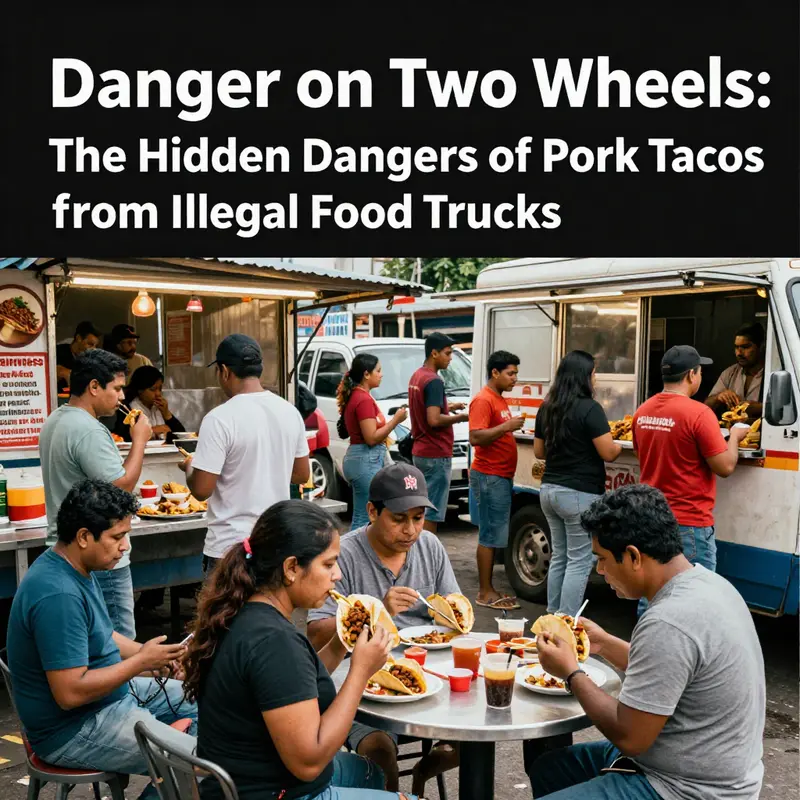
On a crowded street that hums with bilingual chatter and the clatter of late-evening feet, a stall glows with string lights and the promise of familiar flavors. The aroma of spice, char, and citrus drifts through the air, carrying with it more than a simple sensory cue. For many who navigate urban neighborhoods where formal dining options are scarce or expensive, street foods like pork tacos function as living symbols of cultural heritage, personal memory, and communal belonging. The appeal is not merely culinary; it is relational. Eating at an informal stall becomes a way to participate in a shared story—the story of family recipes carried across generations, adapted in kitchens that learned to improvise with whatever ingredients could be found, and expressed in the quick, generous rituals of passing plates and sharing sauces. In this sense, the choice to eat from an informal vendor is a microcosm of a larger social economy where identity is performed through food, and where the line between tradition and legality becomes finely textured, sometimes blurred, and often contested.
The sociocultural landscape surrounding illicit street food is shaped by more than taste. It is constituted by social norms that position community dining as a social act. In dense cities and borderlands, informal stalls anchor neighborhoods as gathering places where people meet, greet, and negotiate a sense of place. The rituals around ordering, tipping, and sharing a final bite are themselves practices of sociability. When a dish becomes a shared experience rather than a solitary purchase, eating becomes a communal act of affirmation. In this frame, the consumption of illegal pork tacos is not simply about satisfying appetite; it is about affirming membership in a local culture, testing one’s willingness to participate in a transgressive act, and signaling alignment with a broader, often contested, culinary identity.
Religious and ethical beliefs further complicate the calculus of whether to partake. In communities where pork holds particular religious meaning, the decision to engage with pork-based street food can generate tension, stigma, or exclude certain members from social participation. Conversely, in settings where pork is culturally normalized, the same act may be celebrated as a direct link to heritage, even when regulation is lax or absent. These divergent moral frameworks matter because they shape risk perception. People may downplay potential dangers if the act of consumption is interwoven with pride, kinship, or perceived authenticity. In other words, the same food item can be judged as either a symbol of cultural integrity or a symbol of reckless disregard, depending on the moral lens through which it is viewed.
Identity performance and authenticity also pull people toward illicit options. Tourists and locals alike search for the most “authentic” experiences, and the illicit status of a vendor can paradoxically enhance that appeal. The perception that something underground or unsanctioned is closer to a culture’s core essence can magnify its draw. A quick bite from an unlicensed stall becomes a kind of cultural participation ritual, a way to touch something raw and real in a city’s living culinary mosaic. In this dynamic, risk and authenticity are entangled, and the appetite for danger is not purely reckless—it is the edge of a pursuit to confirm belonging and to rewrite personal or communal histories through flavor.
These sociocultural currents help explain why unregulated street food persists even in the face of health warnings. People weigh the benefits of immediacy, price, and social esteem against the uncertainties of sanitation, supply chains, and oversight. The decision to eat under a legal gray area is reinforced by the fact that in many neighborhoods the vendor is a familiar neighbor, a person who knows the routine of the street, who remembers orders, and who embodies a local version of food safety that is informal but not entirely absent. This lived reality complicates the public health narrative, which emphasizes standardized inspections and traceability as the only reliable safeguards. The cultural value of such foods—the way they anchor memory and community—cannot be dismissed as mere nostalgia. It is a living force that shapes behavior and, at times, complicates risk communication.
Unregulated Bites, Regulated Costs: The Economic and Public Health Ripple Effects of Illegal Food Trucks
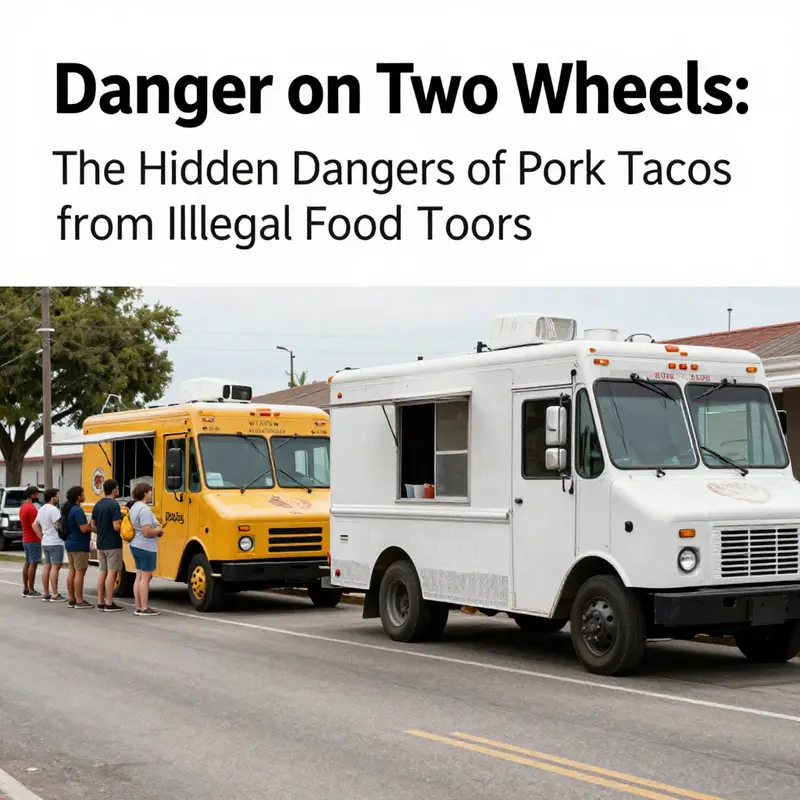
When a single street-side meal becomes a headline about health and harm, it forces a wider reckoning about how food markets are organized, who bears the costs of safety, and how communities balance opportunity with protection. The case at the center of this chapter—a man who consumed pork tacos from an illegal food operation and subsequently faced severe health consequences—peels back layers of consequence that stretch far beyond a single incident. It invites readers to consider not only the human stakes but also the economic battlefield where legitimate vendors compete against unregulated rivals who sidestep licensing, inspections, and sanitation standards. In the immediate narrative, the man’s initial sense of well-being quickly gave way to a cascade of frightening neurological symptoms. Medical teams traced his deterioration to contamination in the food, a reminder that unsupervised preparation and questionable sourcing can trigger chain reactions in vulnerable bodies. The episode illustrates a fundamental truth: when safety oversight falters in one corner of the food ecosystem, it reverberates through trust, markets, and public health policy alike.
From this vantage point, the economic implications unfold with sharper clarity. Illegal operators, by skipping licensing and health inspections, operate with a cost structure that legitimate vendors cannot match. They dodge facility requirements, training mandates, and documented sanitation protocols. Their lower price points are not only attractive to cash-strapped consumers but also devastating to compliant businesses that invest in compliant equipment, verified ingredient sourcing, and staff education. The result is price pressure that gnaws at profit margins, squeezes sales, and, in some cases, pushes established vendors to shutter or retrench. It is not simply a matter of who wins on a given day; it is about the durable health of the local food economy and the ways in which fair competition sustains both safety and livelihoods.
Yet the economic equation is more than dollars and cents. Public perception matters as much as price. When a health incident becomes associated, rightly or wrongly, with street food generally, the confidence of everyday diners can suffer. Regular patrons of lawful vendors may start to question the safety of any quick-service option. That generalized erosion of trust translates into slower customer turnover, reduced foot traffic, and a chilling effect on innovation in the licensed sector. The legitimate operators then find themselves needing to invest even more in marketing and reputation management, while still paying for compliance measures that safe, registered kitchens already absorb. The reputational dimension of this dynamic is not cosmetic; it directly influences annual turnover, hiring, and capacity for community engagement.
The wider market consequences extend beyond the storefront or the curbside stand. An informal, unlicensed segment of food vending diverts profits away from formal markets, potentially shrinking tax receipts and weakening the regulatory framework designed to protect public health. When profits flow through shadow channels, formal businesses may shoulder greater compliance costs without a commensurate advantage in consumer trust. This creates a paradox: the very improvements that ensure safety and quality can become financially heavier for compliant operators if the competitive field remains uneven. In such a landscape, the public interest can be sidelined as vendors chase lower prices instead of higher standards. The result is not only economic distortion but a drift away from transparent labor practices, fair wages, and predictable working conditions for drivers and food handlers who operate within a regulated system.
Policy responses to this tension are rarely simple. They demand a careful calibration of enforcement, incentives, and information campaigns. The Guangzhou example from 2025—a formal penalty against a company that knowingly facilitated illegal food operations—signals how authorities attempt to intercept the chain that fuels unlawful activity. The case underscored the legal consequences for those who enable unregulated ventures, rather than merely penalizing the operators who sell unsafe food. In a broader frame, national initiatives like the 2025 “Crackdown on Cutthroat Competition” campaign seek to realign platform practices, price dynamics, and competing market incentives so that lawful vendors can compete on a level playing field. Such efforts aim to reinforce the boundary between entrepreneurial risk and consumer safety, while recognizing the legitimate demand for affordable, convenient meals that urban life often requires.
This balancing act—protecting public health while sustaining legitimate businesses—depends on a triad of action: robust enforcement, clear regulatory standards, and active consumer participation. Enforcement must target the enablers of illegality without stifling legitimate experimentation in mobile food services. Clear standards for licensing, kitchen inspections, and ingredient sourcing need to be easy to understand and difficult to game. Yet rules alone cannot restore confidence unless consumers also contribute to a culture of vigilance. When diners report suspicious activity, question questionable practices, and seek receipts, they help to create a feedback loop that supports compliance. In turn, legitimate operators, buoyed by public trust, can invest more confidently in sanitation upgrades, staff training, and traceable supply chains. In other words, the health of the market hinges on the intersection of policy, practice, and public perception.
Industry observers note that the rise of informal, unlicensed vending tends to pull resources into a shadow economy, where profits bypass formal tax channels and regulatory oversight weakens. That inward shift is damaging not just to the treasury but to workers who deserve the protections that come with formal employment. When drivers and kitchen staff operate outside the bounds of standard labor practices, the risk to individuals increases and the overall resilience of the local food economy diminishes. A sustainable solution, therefore, must address labor standards in conjunction with food safety. Training programs, fair wages, and predictable schedules can help attract workers to legitimate ventures, expanding the capacity for regulated operators to scale responsibly while avoiding a race to the bottom on wages and safety.
In crafting long-term solutions, communities can draw on successful models that merge entrepreneurship with accountability. One path forward involves substituting the moniker of “street food” with a structured, rightsized ecosystem of mobile food services that still honors urban density, cultural appetite, and economic opportunity. Tellable stories emerge when vendors who comply with safety and licensing become visible as dependable neighborhood fixtures. Customers learn to seek out registered stalls, to ask for inspection certificates when appropriate, and to value the transparency that comes from clear sourcing information and standardized sanitation practices. Even as these conversations unfold on street corners and in municipal council chambers, the practical impact is tangible: higher adherence to food safety, better working conditions for those who prepare and serve meals, and a more robust tax base that funds public health and safety programs.
Within this broader frame, it is useful to consider practical models for improvement that do not absolve regulators of their duty, nor absolve consumers of their role in safeguarding the public. For operators who want to stay aboveboard, smart investments can yield durable competitive advantages. Adopting sustainable practices for mobile food trucks, for instance, is not merely a nod to environmental stewardship. It is part of a larger strategy to build trust and extend life-cycle efficiency. It reduces waste, improves hygiene, and lowers long-term operating costs. The link between such practices and market health is direct: when vendors demonstrate consistent quality and reliability, they win repeat business from a genuinely diverse customer base. The path to that outcome lies in the interplay of accessible licensing pathways, clear inspection regimes, and channels for continuous feedback from customers who value predictability and safety as much as taste and speed. sustainable practices for mobile food trucks is one example of how practitioners articulate that link between responsible operations and market competitiveness.
The ultimate takeaway extends beyond a single incident or a single city. The dynamics of illegal food operations shape the economics of all legitimate operators, influence consumer trust, and influence the effectiveness of regulatory systems designed to protect health. A coherent response requires a shared vocabulary among regulators, business owners, and diners about what constitutes fair competition, what safety guarantees are nonnegotiable, and how communities can celebrate entrepreneurship without compromising public welfare. When enforcement, standards, and consumer vigilance align, the street-food economy can thrive in a way that honors both opportunity and safety. The goal is not to erase informal innovation but to channel it through legitimate channels where the code of conduct is clear, the penalties for noncompliance are credible, and the benefits of compliance—steady sales, skilled labor, predictable costs, and reinforced public health—become the default expectation.
For readers seeking a broader regulatory context, recent developments at the national level offer a template for reform and accountability. A formal analysis published by national regulators highlights how cracking down on unfair competition in food-related services helps restore market integrity while preserving consumer choice. The discussion foregrounds the necessity of robust oversight that can adapt to evolving delivery ecosystems, while ensuring that safety remains non-negotiable. This external framework complements the on-the-ground realities described here and provides a lens through which to view local and global efforts to reconcile speed, affordability, and health in the city’s food landscape.
External resource: https://www.npc.gov.cn/npc/c30831/202511/7a3b6f3e4f9d4c3f8a2a9a3c4e5f7d0c.shtml
Final thoughts
This deep dive into the world of pork tacos from illegal food trucks reveals a complex interplay of health risks, legal repercussions, public health concerns, sociocultural dynamics, and economic challenges. For urban dwellers and outdoor enthusiasts, the temptation to indulge in convenient street food is always present. Yet, with these appetizing options comes the responsibility to make informed choices. Understanding the implications of consuming food from unregulated vendors can equip consumers to prioritize their health without sacrificing their love for culinary exploration. As we navigate the urban food landscape, let’s remain vigilant and advocate for safer, regulated food options that protect both our taste buds and our well-being.