
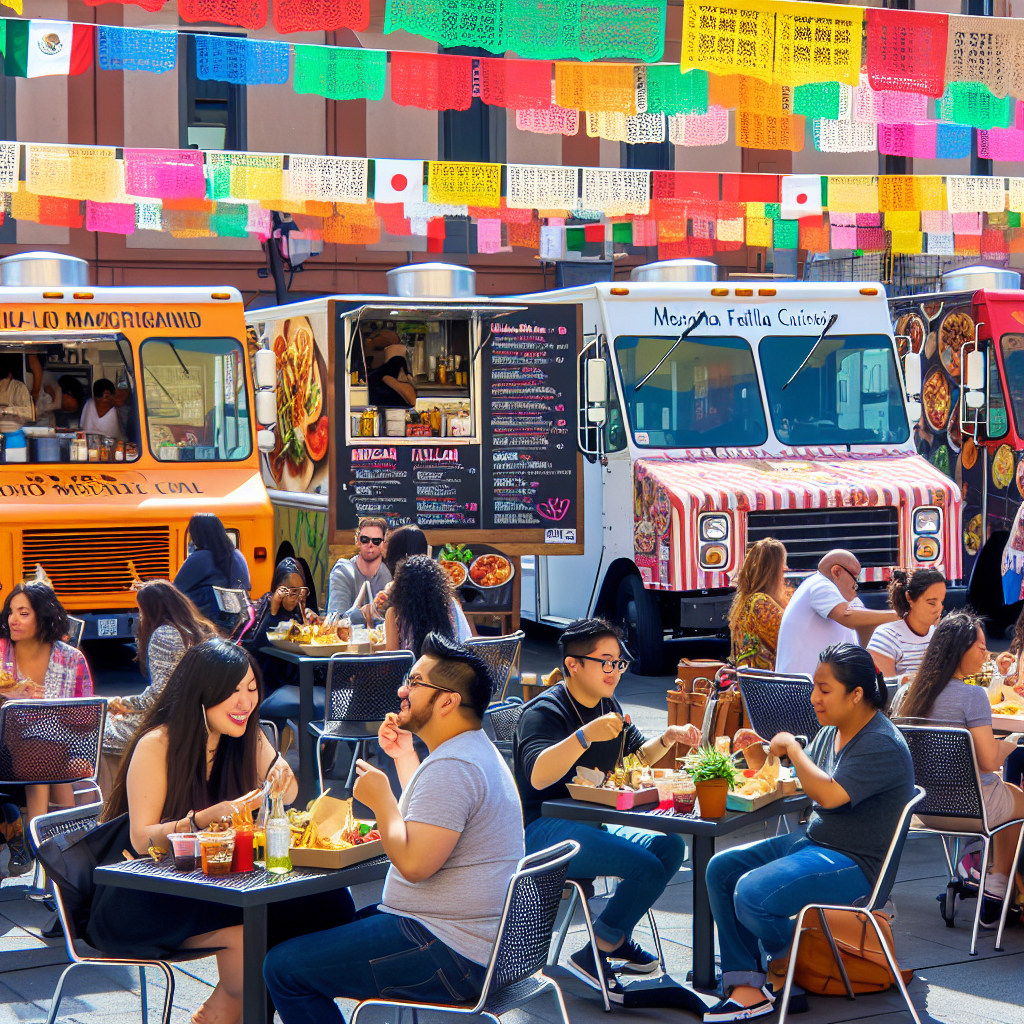
Welcome to the exciting world of mobile food service with food trucks! As of 2023, there are over 36,000 food trucks in the United States. This growing industry is changing how people enjoy food on the go. Food trucks combine creativity with business skills.
In this article, we will explore the key factors that can lead to a successful mobile food service venture. You will learn about selecting equipment, creating effective menus, choosing the right locations, and managing budgets. Whether you dream of starting your own truck or just want to know more about them, this article will help you understand what is needed to launch and run a food truck business. Join us to discover the secrets to thriving in this vibrant market!
As you embark on your food truck adventure, it is essential to realize the significance of menu planning.
“If you want to start one, you probably already have an idea about what kind of food you’re going to serve.”
The Importance of Menu Selection in Food Truck Success
When launching a food truck, the menu serves as the cornerstone of your business model. Not only does it reflect your culinary vision, but it heavily influences operational factors like equipment needs and space requirements. As B. L. Johnson aptly noted,
“Your menu determines the equipment you’ll have to have, as well as how much space you need for food prep and storage.”
This connection emphasizes how critical it is to approach menu planning thoughtfully and strategically.
Having a well-defined menu allows you to optimize your food truck layout. For instance, if you plan to serve complex dishes requiring various cooking methods — like using a barbecue smoker or a deep fryer — you will need to ensure your truck is equipped with the necessary kitchen tools and appliances. This means considering not just the cooking equipment but also the storage space for ingredients and serving items. The more diverse your menu, the more equipment you might need, which can lead to a cramped workspace if not calculated properly.
Furthermore, menu selection impacts your overall branding and customer appeal. A focused and compelling menu can attract customers and keep them returning for more. You need to offer items that resonate with your target audience while also ensuring that they complement one another and can be efficiently prepared in the limited space of a food truck. Simple and unique offerings often lead to streamlined operations, allowing vendors to serve customers quickly and efficiently.
Moreover, a well-thought-out menu creates opportunities for upselling. If your offerings include complementary items, such as sides or drinks, you can enhance the customer experience and increase your revenue per transaction.
Ultimately, the menu is not merely a list of items for sale; it is a vital key factor in food truck success. It guides decisions on equipment, influences storage needs, and shapes the overall customer experience. Thus, aspiring vendors must invest time in crafting a compelling menu that aligns with their vision and operational capabilities.
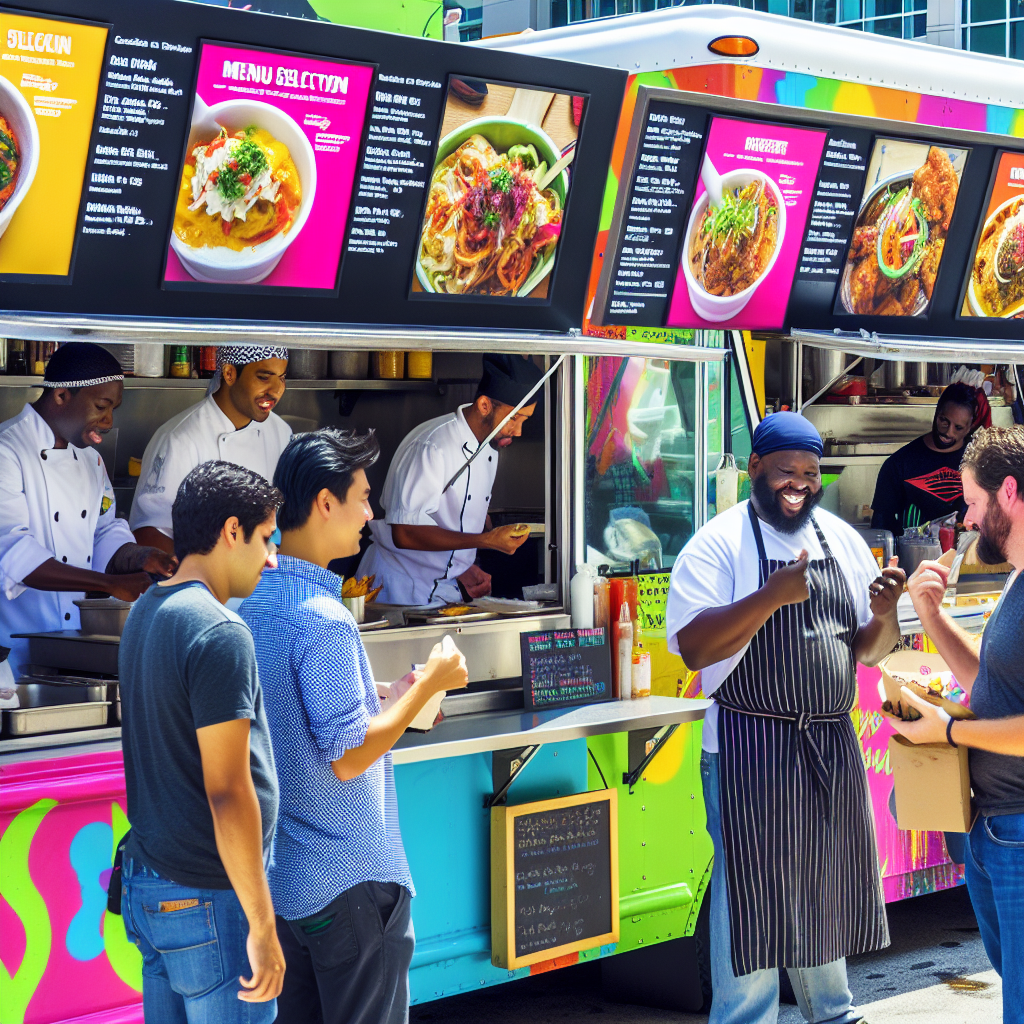
A visual representation of the menu selection process for food trucks, depicting chefs and customers engaging over menu items in a vibrant, colorful food truck setting.
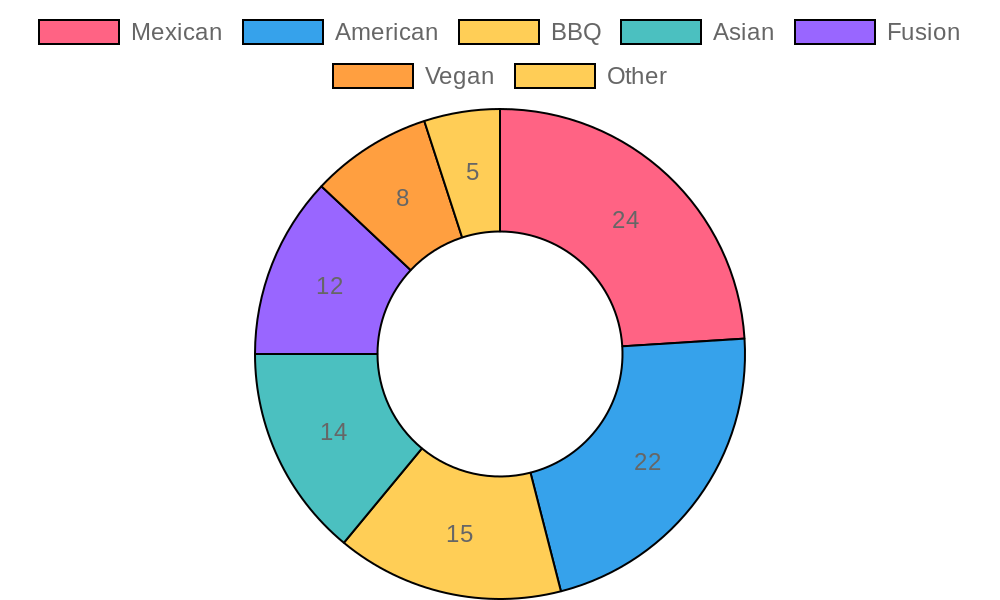
A graph illustrating the popularity of various food truck cuisines, showcasing market share by cuisine type based on 2023 statistics.
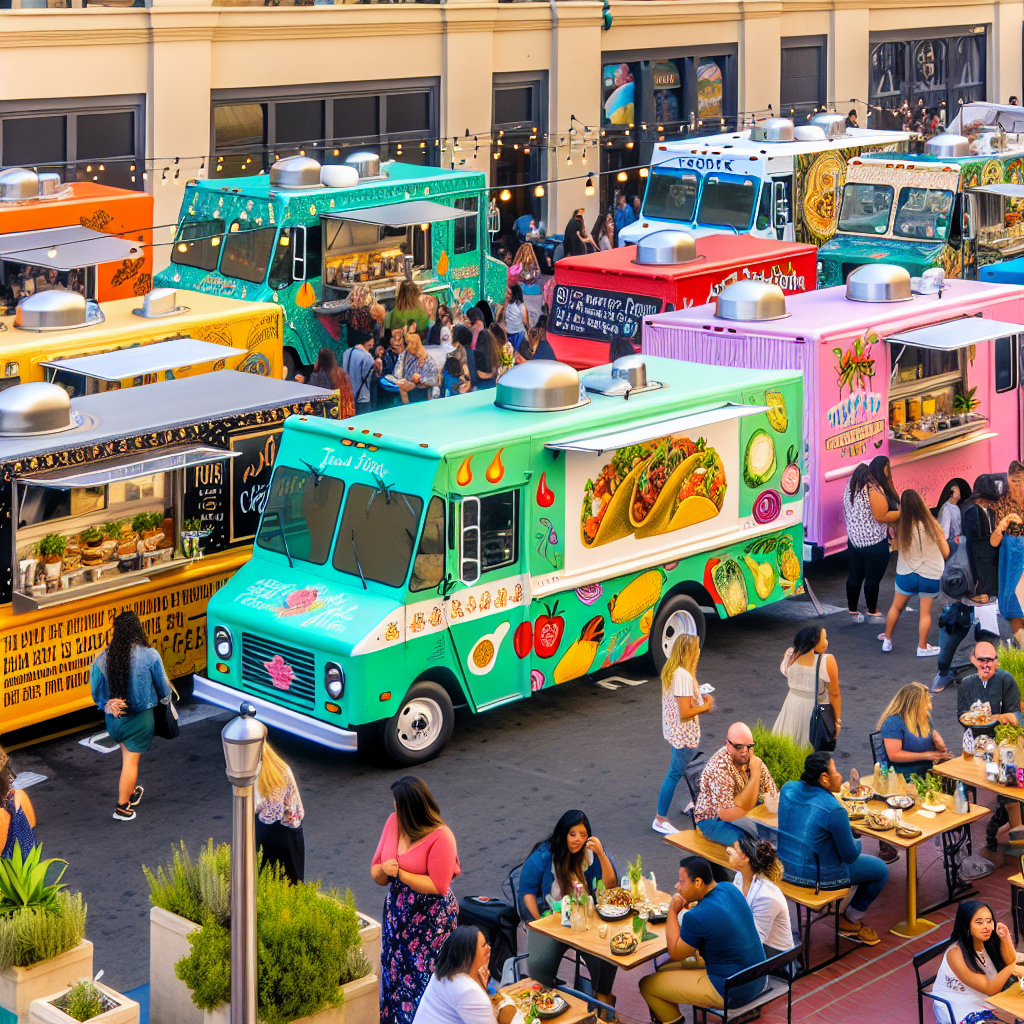
Budgeting for Your Food Truck Venture
Launching a food truck can be a fulfilling venture, but it requires careful financial planning. Budgeting effectively influences the chances of long-term success, ensuring that you can cover both startup costs and ongoing operational expenses. Here’s a breakdown of how to navigate the budgeting aspect of starting your food truck business.
Initial Costs
- Step Van Purchase: The cornerstone of your startup costs will be your food truck itself. New step vans, which are a popular choice for food trucks, range significantly in price. Expect to invest anywhere from $30,000 to over $100,000 depending on the brand and model. For example, a new Ford Transit could set you back around $46,000, while a RAM ProMaster might cost about $44,000. It’s crucial to consider both new and used options and whether you will finance the purchase or pay cash.
- Equipment and Supplies: Beyond the van, you will need to budget for kitchen equipment, cooking appliances, food storage solutions, and serving items. This initial investment can significantly vary depending on your menu requirements. For instance, purchasing specialty items like a barbecue smoker can increase costs, making subsequent equipment purchases all the more vital to plan thoroughly.
- Licenses and Permits: Depending on your location, securing necessary licenses and permits can also add to your initial costs. Research local regulations to determine what’s required and how much these will impact your budget.
Ongoing Operational Costs
- Food Supplies: Regularly sourcing quality ingredients is essential. Budget for both initial stock and ongoing supply needs, adapting to menu changes and seasonal availability.
- Labor: As you establish your business, consider staffing needs. Salaries, wages, and necessary insurance should be included in your ongoing budget to maintain operational functionality.
- Fuel and Maintenance: Keeping your food truck running efficiently means budgeting for gas and regular maintenance costs. These can fluctuate, so having a buffer in your budget is wise.
- Marketing: Consider how you will promote your food truck. Allocating funds for social media advertising, promotional materials, or participation in local events can potentially yield a good return on investment.
Effective Budgeting Strategies
- Track every expense: Utilize budgeting software to keep a precise record of all costs.
- Set aside an emergency fund: This will help manage unexpected expenses seamlessly.
- Regularly review and adjust your budget: Monitor your expenses and income to ensure your budget remains relevant. Over time, you can refine your budgeting process, adapting it based on actual performance and changing business dynamics.
By considering all these aspects, you can create a comprehensive budget that encourages the growth and sustainability of your food truck business.
| Expense Category | Estimated Cost ($) | Description |
|---|---|---|
| Step Van Purchase | 30,000 – 100,000 | Cost varies by model; new vans can be a significant investment, often essential for starting up. |
| Kitchen Equipment | 5,000 – 30,000 | Includes cooking appliances, food prep tools, and storage solutions, depending on your menu type. |
| Licenses and Permits | 500 – 5,000 | Costs for obtaining necessary operating licenses based on local regulations and business requirements. |
| Initial Stock of Ingredients | 1,000 – 5,000 | Initial supply of food ingredients; quantity depends on menu and customer volume. |
| Insurance | 1,000 – 2,500 | Coverage for vehicle and liability insurance; protects against unforeseen issues or accidents. |
| Marketing and Promotion | 200 – 2,000 | Costs for advertising, social media, and promotional materials to attract customers. |
| Fuel and Maintenance | 5,000 – 10,000 annually | Ongoing costs for fuel and regular maintenance of the food truck for optimal operation. |
| Labor Costs | 20,000 – 60,000 annually | Wages for staff, including salaries, benefits, and insurance, depending on the size of the operation. |
Comparison of Popular Food Truck Models
The Significance of Location in Food Truck Success
When it comes to operating a successful food truck, location is arguably one of the most crucial factors. The visibility of your truck, the demand in a particular area, and your ability to reach customers all hinge on where you choose to set up. Selecting the right location impacts foot traffic, your customer demographic, and overall sales, making it essential to approach location planning strategically.
Visibility
A prime location should not be underestimated. High foot traffic areas, such as business districts, parks, and festivals, can provide excellent visibility for your food truck. These zones attract large groups of people who may be interested in a quick bite to eat, thus increasing the chances of spontaneous purchases. Furthermore, the presence of competing food options can create a saturated market, making it pivotal to stand out through strategic positioning and excellent visibility. Being visible encourages passersby to check out your offerings, leading to increased customer engagement and sales.
Demand
Understanding the demand for specific types of food in various locations is crucial. Conducting market research can help you determine what culinary offerings are desired or lacking in the selected area. For instance, if you’re serving gourmet burgers in an area already saturated with similar vendors, it may not yield the sales you anticipate. Alternatively, if you identify a gap in certain cuisines or food types, positioning your food truck there can fulfill unmet needs, attracting a steady stream of customers.
Customer Reach
The demographic profile of the area also plays a significant role in the success of a food truck. Consider the lifestyle, preferences, and spending power of local residents and potential customers. Targeting locations near universities, corporate offices, or cultural events can help you identify and reach a concentrated customer base. Tailoring your menu to fit the tastes and preferences of your audience enhances your chances of building a loyal customer following and encourages repeat business.
Seasonal and Event-based Opportunities
In addition to regular locations, food truck vendors often benefit from special events like music festivals, fairs, and sporting events. These gatherings present unique opportunities to capitalize on higher foot traffic and disposable income during peak times. Knowing which events cater to your target demographic can help you strategically plan your schedule and maximize profitability.
Conclusion
In summary, the importance of location in food truck operations cannot be overstated. A well-chosen location amplifies visibility, meets customer demand, and effectively reaches your target market. Aspiring food truck vendors should thoroughly evaluate potential sites, keeping in mind foot traffic patterns, customer demographics, and seasonal opportunities to enhance their chances of success in this competitive industry.
Practical Tips for Aspiring Food Truck Owners
- Start with a Strong Budget Plan: Develop a comprehensive budget that includes startup costs, operational expenses, and an emergency fund. Allocate funds for purchasing your truck, equipment, and permits, while also factoring in ongoing costs like food supplies and fuel. Tracking your expenses will help you make informed financial decisions and adjust your strategy as needed.
- Mindful Menu Crafting: Your menu should reflect your culinary vision while being practical for a food truck environment. Focus on items that are easy to prepare and serve in limited space. Aim for a cohesive menu that allows for upselling through complementary items, enhancing customer experience and increasing your average transaction value.
- Choose the Right Location: Research potential locations thoroughly. High traffic areas with strong demand for your type of food can significantly boost sales. Be mindful of competitors and try to identify locations with unmet culinary needs or capitalize on seasonal events where foot traffic spikes.
- Engage with Your Customers: Utilize social media to build a following before your truck even hits the road. Announce your locations, share behind-the-scenes content, and encourage customer interaction. This can help build loyalty and attract new customers who follow your journey.
- Be Adaptable: The food truck business is dynamic, and flexibility can be a major asset. Be prepared to adapt your menu based on customer preferences or seasonal availability. If something isn’t working, don’t hesitate to change your strategy; learning from your experiences is key to long-term success.
- Invest in Quality Equipment: While it may be tempting to cut costs on equipment, investing in quality appliances will pay off in the long run. Reliable equipment can increase efficiency, reduce downtime, and ensure food safety, all of which are crucial for a successful operation.
- Network with Other Vendors: Building relationships with other food truck operators can provide valuable insights and opportunities for collaboration. Participate in local food truck events, join vendor groups, and learn from their experiences and challenges. This network can also lead to shared opportunities and cross-promotion.
User Adoption Trends in the Food Truck Industry
The food truck industry has experienced significant growth recently, driven by evolving customer preferences and market adaptations. Here are the key trends:
- Growth Rate: The industry has averaged a 12–15% annual growth rate since 2022. This sustained growth reflects increasing consumer interest in mobile food services. Industry Report.
- Changing Preferences: Today’s consumers increasingly seek healthier and customizable meal options, favoring locally sourced ingredients. This reflects a broader shift toward health-conscious eating and transparency in food sourcing. According to a 2024 report, 72% of consumers prioritize healthier meal options from food trucks, with increased demand for plant-based dishes and locally sourced ingredients (FoodTruckEmpire).
- Event-Based Engagement: Food truck events have witnessed record attendance, indicating robust public interest. Such gatherings not only enhance industry visibility but also contribute significantly to customer acquisition and loyalty. This trend is highlighted in a report showing that food truck events in 2025 broke records for attendance (Event Industry News).
- Menu Innovations: There is a rising demand for plant-based and fusion cuisine options, aligning with broader consumer trends toward sustainability and dietary diversity. Food truck operators are innovating to meet this demand, with a 45% growth observed in customer bases for plant-based food trucks (QSR Magazine).
- Operational Adaptations: The food truck sector is adapting to new consumer behaviors, emphasizing outdoor dining and event-based sales strategies, particularly in the context of post-pandemic preferences for social distancing. A survey from the National Restaurant Association found that 68% of consumers are more likely to choose food trucks offering healthier alternatives (National Restaurant Association).
These trends signal a strong future for food trucks that effectively leverage changing customer preferences and market dynamics. They underscore the importance of innovation in menu design, operational flexibility, and community engagement for sustaining growth in this vibrant sector.
Sources:
- Food Truck Industry Growth and Consumer Trends 2025 – Industry Analytics Report
- Consumer Behavior Shifts in Mobile Food Services – Culinary Market Research
In conclusion, the success of a food truck business hinges on several key factors that aspiring vendors must thoughtfully consider. First and foremost, a well-planned menu serves not only as the backbone of your culinary offering but also shapes your equipment needs and operational layout. Budgeting effectively is equally crucial, allowing you to navigate both startup and ongoing expenses with confidence. Additionally, a strategic approach to placement and location ensures that your food truck reaches the right customers while maximizing foot traffic and sales opportunities. Practical tips, such as engaging with customers and adapting to changing food trends, can significantly enhance your chances of success in this competitive marketplace.
Given the current growth and evolving consumer preferences within the food truck industry, now is an opportune time to embark on this culinary adventure. Remember, everyone has to start somewhere, and with passion and careful planning, you can turn your food truck dream into a thriving reality. So, gather your ideas, create your plan, and hit the road towards your food truck venture!