
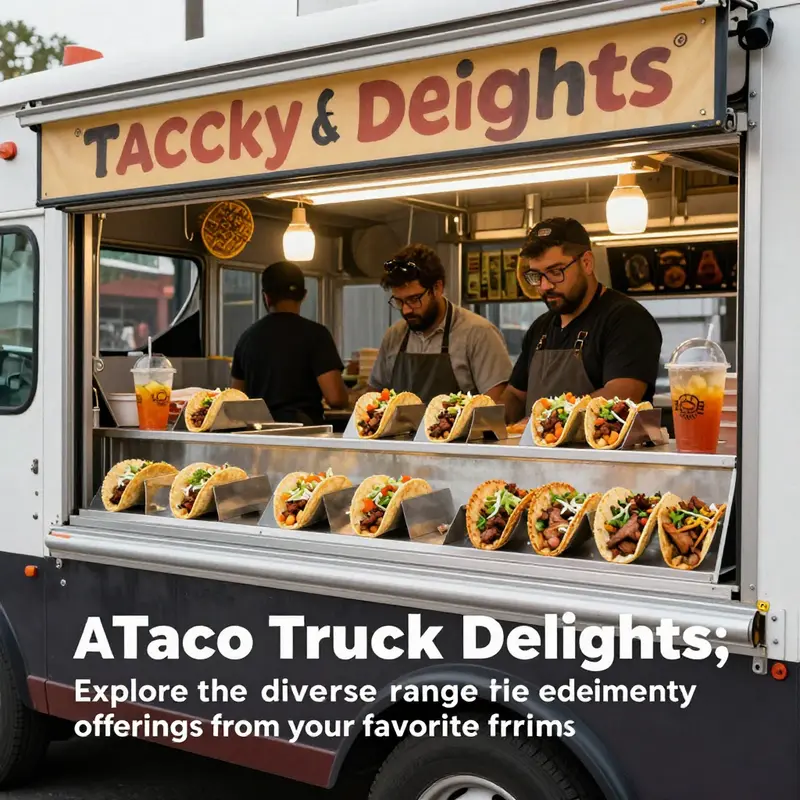
Urban life often demands quick, delicious comfort food, and taco trucks are the perfect spot to satisfy those cravings. Whether you’re a commuter grabbing lunch on a busy day, an outdoor enthusiast craving a savory meal after a hike, or a small business owner enjoying a quick bite between meetings, taco trucks have your back with their robust and diverse meat offerings. This article shines a light on traditional meats, innovative twists, regional specialties, and options for those on plant-based diets, all while invoking the cultural richness that taco trucks uniquely represent. Join us on this flavorful journey through the essential meats in taco trucks and elevate your next taco experience!
Traditions on the Trolley: The Core Meats That Define Taco Truck Cuisine
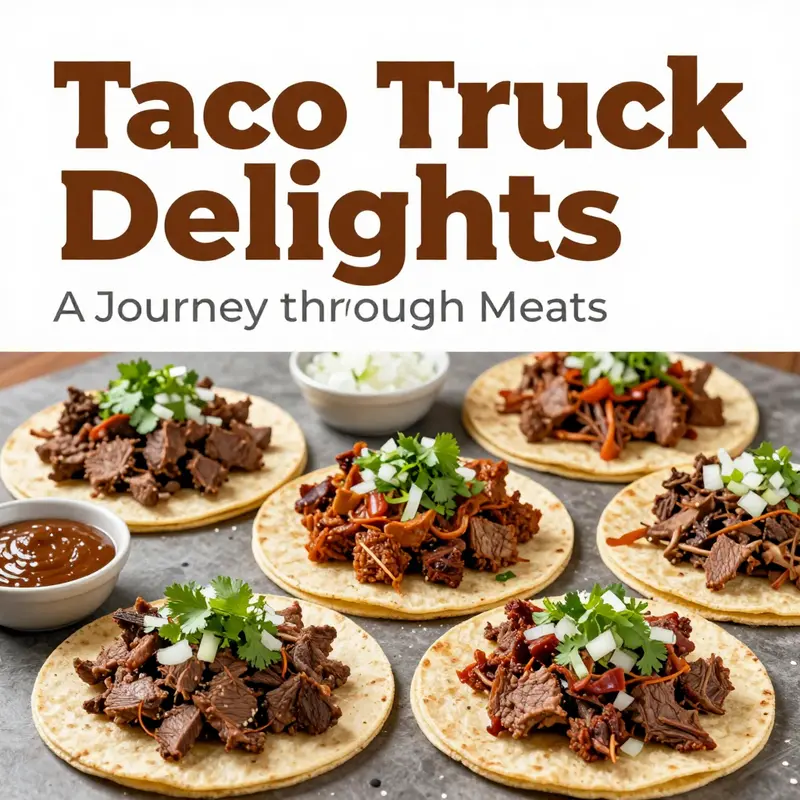
The taco truck is more than a moving kitchen; it is a portable archive of regional memory, a street-level classroom in which cooks translate culture into flame, smoke, and aroma. When you step up to the window and catch the scent of sizzling meat, you are stepping into a living map of Mexican culinary craft. The list of meats offered on taco trucks is, at its best, a chorus that blends time-honored methods with practical improvisation. It honors tradition while meeting the hunger of a diverse, on-the-go audience. In this chapter, we focus on the set of traditional meats most often kept in rotation, the techniques that render them tender and soulful, and the way these choices shape the experience of a taco in the hands of a hungry crowd. The goal is not to catalog every possible option but to illuminate the core meats that anchor the menu, the texture profiles they create, and how they travel from kitchen to curbside with both authenticity and adaptability.\n\nCarnitas, the stewed pork that has become a cornerstone in many taco carts, exemplify a philosophy of patience. The meat is typically cut into chunks and slow-cooked in its own fat until it collapses into tenderness, then finished with a crisp edge that adds a welcome bite. The beauty of carnitas lies in how the fat renders without disappearing, coating each shard of meat with enough richness to carry the tiniest dab of onion, cilantro, or lime. In the hands of a practiced cook, carnitas becomes a canvas: the pork stays juicy under heat, the exterior shimmers with a light crust, and the flavors of garlic, citrus, and salt mingle without overpowering the meat’s natural sweetness. A taco built on carnitas feels substantial yet bright, a satisfying counterpoint to the lighter fillings found elsewhere on the menu. The method invites a gentle reduction in intensity as the cart moves through the day, ensuring that the most prized portions are reserved for customers who savor depth over speed.\n\nAl pastor, perhaps the most iconic term associated with the modern taco truck repertoire, is a study in marination and vertical cast-iron theater. Pork shoulder is shaved into thin slices or small layers and stacked onto a spit, where a bright achiote-infused paste coats each piece and pineapple wedges offer a sweet counterpoint. The spit rotates, allowing the outermost slices to caramelize while the inner portions stay moist and soft. The slice-by-slice reveal of al pastor—when the cook carves off a golden-edged strip and sends it into a warm tortilla—reads like a ritual performance. The pineapple’s tang cuts through the pork’s fat, creating a balance that feels both tropical and deeply rooted in Mexican street tradition. In practice, al pastor is as much about the choreography of heat and the rhythm of carving as it is about the pork itself. The result is a taco with a bright, smoky-sweet profile that lingers without overwhelming the palate, a flavor trajectory that takes you from the first bite to the last crumb of onion and cilantro.\n\nBarbacoa, a term that covers slow-roasted meats prepared in a pit or a low, covered oven, adds another dimension to the taco truck menu. The most elemental barbacoa stories come from lamb, beef, or goat, each offering its own texture and savor. The defining characteristic is long, gentle cooking that concentrates the meat’s natural flavors while breaking down connective tissue until the meat becomes almost velvety in texture. The alchemy of barbacoa lies in heat management: too much heat can dry edges, too little can leave the meat feeling fibrous. When done right, the resulting shards are deeply savory, with a whisper of minerals from the bone and a richness that invites a slow, mindful bite. A barbacoa-focused cart often relies on a smoky baseline—perhaps a splash of char from the grill alongside the braising environment—to reinforce the sense of tradition and depth. The experience is one of comfort and gravity, a reminder that some of the oldest techniques in Mexican cooking were born from slow fire and patient hands.\n\nBistec, or steak, brings a straightforward, universally beloved option to the lineup. A good steak taco depends on a reliable cut, seared or grilled to a tenderness that responds to a quick rest and a precise chop. The key with bistec is balance: enough caramelization to deliver a roasty note, enough juiciness to avoid dryness, and a cut that slices cleanly against the grain. The aroma of sizzling beef can draw a crowd even before the first tortilla leaves the counter. Toppings—onion, cilantro, a squeeze of lime, perhaps a hint of chile—work with bistec rather than overpowering it. The simplicity of the meat makes it a flexible partner for regional salsas and varying tortilla styles, allowing the cook to let the beef speak while the toppings offer a chorus of brightness and texture.\n\nPescado, the fish option, reflects both regional geography and culinary adaptability. Coastal carts often feature white fish or firm fillets that are grilled, battered, or lightly fried, depending on the operator’s supply and preference. The texture should be flaky but sturdy enough to hold together in a soft corn tortilla. The flavor profile for fish tacos is typically lighter—citrus, a touch of salt, and a bright salsa or slaw that adds acidity and crunch. In many kitchens, pescado also invites a tangy pickled onion or slaw to cut through the natural sweetness of the shellfish or white fish, providing a refreshing counterpart to heavier meat fillings. Fish tacos contribute a sense of variety and accessibility to the menu, reminding customers that the taco is a flexible, seasonal vehicle for seafood as much as it is for land-based meats. The best fish tacos in a cart are those that taste of the sea and the flame in equal measure, a balanced invitation to try something different without losing the comforting familiarity of a tortilla and a bold sauce.\n\nChorizo, the seasoned sausage that seasons the cart with its distinctive spice profile, adds a different kind of heat. The sausage brings a savory, peppery punch along with a fat content that renders into a juicy filling. When used in tacos, chorizo can be crumbled and crisped in a hot pan, or it can be formed into longer, looser shapes that mingle with salsa and onions. The charm of chorizo lies in its strong aroma and its ability to carry a complex spice blend—smoked paprika, cumin, garlic, and chili—into every bite. It’s a filling that makes an unapologetic statement, inviting a bold pairing with salsas that lean toward the savory, tangy, or sharply lime-bright end of the spectrum. The sausage format also lends itself to crisp caramelization, which adds a textural contrast to a soft tortilla and a fresh set of toppings.\n\nPollo, or chicken, appears on many carts as a versatile, approachable option. The chicken can be grilled and sliced, shredded after marinating in adobo or citrus, or stewed for tenderness before a final crisp. The appeal of pollo is its adaptability: it can be bright and citrusy, earthy with smoky notes, or clean enough to showcase a simple salsa and onion-cilantro topping. Because chicken is widely available and economical, it becomes a reliable anchor for a menu that aims to serve a broad audience. The cook’s skill with pollo lies in achieving a succulent interior while maintaining a crisp exterior if roasted or seared. The result is a taco that feels light on the palate yet deeply flavorful, suitable for those who may be trying a taco truck for the first time or those seeking a dependable, comforting option in a lineup that includes more assertive meats.\n\nBeyond these core choices, a few other traditional meats appear with less frequency but with equal storytelling power. Lengua, or beef tongue, offers an unusually tender texture when prepared with patience and proper braising, presenting a melt-in-your-mouth bite that challenges expectations and rewards the curious palate. Chicharrón, the crackly pork rind filling, provides a crunchy contrast that elevates the sensory experience with a satisfying snap in every bite. Cochinita pibil, a Yucatecan pork dish marinated in citrus and annatto and slow-roasted in banana leaves, introduces a mildly smoky, tangy, deeply aromatic profile that can feel almost ceremonial in a well-curated cart. Spiced lamb or Greek-inspired chicken tacos bring culinary fusion into the street, signaling a willingness to reinterpret tradition for adventurous eaters. Fish remains a recurring coastal option, with variations in batter or grilling style that echo local seafood preferences. And increasingly common are vegetarian or plant-based fillings that emphasize roasted vegetables, beans, or textured plant proteins, offering a pathway to a meatless taco without sacrificing the sense of a complete, satisfying meal.\n\nIn the end, the strength of a taco truck’s meat list lies in how these pieces fit together, like instruments in a band. Each meat contributes a different texture, aroma, and flavor backbone to the whole menu. The traditional methods—spit-roasting, slow braising, grilling, crisping, and lightly frying—create a spectrum of experiences that accompany tortillas of varying thickness and corn or flour preferences. The toppings—onions, cilantro, lime, pickled are, salsas with varying heat levels—act as the conversation between meat and grain, a dialogue that can shift from rustic and robust to bright and clean with a single tilt of a wrist. And the operator’s choices—how long to marinate, how to manage the heat, how to time the carving and serving—determine whether a cart feels like a ceremony of memory or a quick, reliable fix for hunger on the move.\n\nThe notion of tradition here is not a museum replica but a living practice. The traditional meats on a taco truck are not static relics; they are adaptable templates that meet the moment. They travel from region to region, absorbing local influences, the rhythm of the day, and the preferences of a diverse clientele. A cart might lean into al pastor on Saturdays when crowds expect the smoky, pineapple-kissed punch that comes from the spit, and then switch to carnitas on a weekday afternoon, where the crowd looks for comfort and familiarity in a deeply savory bite. The craft emerges in the small choices—the way a cook tastes the sauce, judges the crisp on the pork, times the flip of the tortilla on a hot comal, and measures the acidity of a squeeze of lime against the warmth of a bite of meat. This is where memory and technique fuse, and where the simple act of ordering a taco becomes a moment of cultural continuity.\n\nFor readers who want to explore the broader philosophy behind serving quality street food in this format, one can look toward practices focused on sustainability and responsible operations for mobile kitchens. These considerations—proper sourcing, careful waste management, and attention to the comfort and safety of both staff and guests—are not afterthoughts but integral to delivering a consistent, respectful product that remains rooted in tradition while remaining accessible. Sustainable practices for mobile food trucks provide a framework for maintaining the very values that keep these traditional meats relevant in a bustling, modern landscape.\n\nAs we move through this exploration of the core meats, it becomes clear that a robust taco truck menu is less about chasing every trend than about honoring technique, provenance, and the joy of shared meals. The meats described here—the humble pork that braises into tenderness, the pork shoulder that turns spicy and sweet on a vertical flame, the rich and slowly roasted cuts of beef or lamb, the bright and lean fish, the bold sausage, and the adaptable chicken—compose a repertoire that can both anchor a kitchen and invite experimentation. The best carts treat their meat as a final, decisive note in a larger melody: a melody sung in tortillas, with salsa as the chorus and cilantro as the breath between lines. In that sense, the list of traditional taco truck meats is less a static inventory and more a living tradition, constantly refined through practice, taste, and the shared memory of countless hands that have fed a crowd at the curb. For diners, the endpoint is simple: a hot tortilla, a generous portion of meat, a bright fold of onion and cilantro, a squeeze of lime, and the satisfaction that comes from tasting something both ancestral and immediate. For cooks, the challenge is to keep faith with that tradition while embracing the inevitable changes that come with time, place, and palate.\n\nExternal perspective on how these traditions fit into the larger landscape of taco culture can be found in established overviews of the dish. See a general outline of the taco’s development and cultural significance at external resources such as encyclopedic entries on tacos, which place these street-level practices within a broader global context. This broader view helps readers appreciate how the traditional meats on a taco truck are not only about flavor but also about the movement of people, recipes, and memory across borders and generations.”
Beyond Beef: A Flavorful Frontier of Innovative Taco Truck Meats

The street corner is a stage, and the taco truck is a small theater where rimed with smoke and bright with citrus, cooks improvise flavors as if composing a meal from a world map. In many cities, the taco truck scene has shed a single-note certainty about meat in favor of a broader, bolder imagination. What began as a love affair with traditional cuts has grown into a culinary dialogue that rings with miso, lemongrass, kimchi, and spiced lamb, each choice a spoken sentence in a evolving language of street food. The meat that fills these tortillas no longer whispers only of beef or pork; it speaks in a chorus of techniques and cultures, each bite carrying a story of weathered markets, immigrant kitchens, and late-night experiments that pay off in aroma and balance. The result is not merely a more exciting menu; it is a map of how people cook when time is short and appetite is hungry for novelty.
Consider the first of these innovative offerings as a doorway to the rest: miso-glazed pork belly. The pork braises slow and tender, its fat rendering until the surface is lacquered with a sheen that glistens under the truck’s single bulb light. White miso lends a gentle sweetness, mirin provides a quiet gloss, and sesame oil threads through the meat like a whisper of toast. The finish carries a touch of chili heat, not overwhelming but persistent enough to invite another bite. It’s a pairing that mirrors the street-food impulse to marry comfort with discovery. A tortilla, pliant and warm, absorbs those notes with an ease that lets the glaze do the talking while pickled vegetables provide a bright counterpoint. This small dish becomes a case study in how a familiar protein can be reimagined through a lens of umami and texture, turning a staple into something that feels both familiar and surprising.
From there the journey threads toward Cochinita Pibil-style chicken, a nod to the Yucatán’s citrus-kissed, annatto-streaked traditions. The chicken, marinated in a bold blend of annatto paste, garlic, citrus, and spices, is roasted low and slow. The color alone—deep red and glimmering with fat—tells a story of long, patient heat and careful balance between tang and sweetness. The result is juicy and smoky, with an aroma that fills the lane as the tortilla warms. Pineapple salsa adds a sweet spark that cuts through the fat, while onions and fresh cilantro lift the dish with a bright, peppery bite. In a single taco, you get a mini voyage through a region where citrus brightens heavy flavors and annatto lends both color and warmth, a reminder that authenticity on the street often grows from patient technique rather than a rigid recipe.
If one flavor profile leans toward tropical warmth, another leans into fire and firepower: a Korean BBQ beef, styled with elements of bulgogi. Ground beef is seasoned with a chorus of gochujang, soy, pear puree, sesame oil, and ginger. The result is a sweet-spicy, deeply savory filling that carries a glossy sheen and a satisfying, meaty bite. Kimchi slaw adds brightness and crunch, green onions provide a sharp lift, and a drizzle of a gochugaru mayo can push the heat into a creamy, peppery finish. The beauty here is texture: the meat stays tender and tasty, while the toppings introduce crispness, tang, and an extra layer of zing. It’s street food that knows the value of contrast—the way heat, acidity, and salt can each occupy a distinct moment on the same plate.
Next, a lemongrass and coconut chicken enters the lineup as a Thai-inspired twist on the taco, a reminder that borders are porous and flavor can travel through the mouth as easily as a breeze travels through a neighborhood. Ground chicken is infused with lemongrass, galangal, coconut milk, lime zest, and fish sauce, yielding a fragrant, creamy filling with a gentle tang. The texture is soft, almost velvety, with enough body to hold up under a tortilla while remaining light enough to feel refreshing. A cucumber-mint slaw provides a cooling foil, and perhaps a splash of lime adds a final brightness. This taco doesn’t shout; it lingers, inviting a slower inhale as the aroma travels from the grill to the nose and settles at the back of the palate, a reminder that aromatics are as essential as heat in elevating street fare.
If you crave bold heat and a blend of continents, a spicy harissa lamb offers a third axis. The lamb is ground and seasoned with harissa, cumin, coriander, and a touch of honey to balance the heat. The result is an aromatic, deeply flavored meat with a characteristic North African warmth that harmonizes with the Mexican tortilla in a surprising, compelling way. Roasted tomatoes and feta cheese add a snowy contrast, while flatbread tortillas offer a rustic, substantial vehicle for the spicy lamb. The contrast of tangy feta with the warm spice and the honey’s glow creates a multi-dimensional filling: you bite through crisp edges, savor the aromatic steam rising from the meat, and finally encounter a finish that lingers with a smoky sweetness. It’s a reminder that fusion can stay grounded in technique while still feeling completely of the street.
Plant-based and vegetarian options also emerge as serious players in this evolving landscape. Jackfruit carnitas demonstrate how texture can imitate pulled pork without losing the concept of slow-cooked tenderness. Young green jackfruit simmers in an adobo-inspired sauce with orange juice, chipotle peppers, and epazote, producing a pulled texture with a smoky-sweet nuance. Accompanying toppings—avocado crema and pickled red onions—provide creaminess and brightness, ensuring that the plant-based meat remains vibrant rather than muffled by its own richness. The same philosophy of balance guides a menu of more refined vegetarian options, such as a truffle and mushroom ragù. Finely chopped mushrooms are coaxed with shallots, thyme, and a hint of black truffle oil, delivering an earthy, umami-packed experience. A parmesan crisp and microgreens offer a touch of elegance while maintaining accessibility on the street. These choices prove that the taco truck can be a canvas for gourmets and weeknight cooks alike, offering depth without sacrificing speed or soul.
Then there is the chicharrón play—the pork with crispy skin, achieved by braising boneless shoulder until tender and then crisping the exterior. The seasoning blends dried chiles, oregano, and lime to create a crunchy, juicy bite with a bright edge. The texture drama is essential here: the crackle of crisp skin contrasted with soft, succulent meat creates a sensation that is practically cinematic each time a tortilla is folded and a bite is taken. It’s a reminder that texture remains a crucial element in what makes street food satisfying; crunch becomes a form of audible delight that complements the salsa, onions, and cilantro scattered across the top.
A more traditional route remains, but performed with modern care: taco al pastor with a pineapple glaze. The vertical spit might be a distant echo, but the core concept—the marinated pork with citrus and chile—gets a contemporary resurrection through ground pork or a more accessible sear-and-glaze approach. A pineapple hinge in the glaze carries bright sweetness that cuts through fat, and the toppings—fresh pineapple, cilantro, and onion—keep the dish upright and satisfying. The street cooks who adapt this recipe know that the pineapple’s brightness must not overwhelm the meat’s spice; it must dance with and soften the heat, a balance that makes the taco feel both rooted in tradition and exhilaratingly modern.
Finally, saffron-spiced turkey meat introduces a rare elegance to the avenue of street flavors. Ground turkey is infused with saffron threads, turmeric, cumin, and toasted almonds, yielding a golden, fragrant filling with a delicate floral note. The result is a chorus of warmth and brightness that would accompany a yogurt-tahini sauce and pomegranate seeds for a burst of freshness. The idea is not to overwhelm but to highlight the turkey’s lean structure with a spice-driven glaze that makes the meat feel luxurious without losing its accessibility. Together with a few crisp toppings and a cool sauce, the saffron turkey becomes a closing act that still respects the night’s appetite for innovation while maintaining a practical edge for the truck’s rapid service.
These ten profiles—each a distinct voice—reveal a broader trend: the taco truck is increasingly a laboratory for global flavors rather than a singular, regional showcase. They illustrate that cooks on wheels are not chasing novelty for novelty’s sake; they are expanding the palate so that a single tortilla can carry a map of the world in one bite. The technique behind each option is as important as the flavor itself. Slow braises, quick sears, ground meats, and plant-based substitutes all find a place in a small kitchen with a single burner and a trusted skillet. The result is a menu that can be both comforting and surprising, a dynamic that keeps regular customers returning while inviting curious newcomers to sample something they might not have imagined.
As this evolution unfolds, it is worth acknowledging the practical realities that help these flavors travel from pan to plate. The compact mise en place, the rhythm of the grill, the timing of marination, and the availability of fresh toppings create a choreography that is at once art and craft. The cooks must balance heat and time, texture and moisture, boldness and restraint. They must also manage profit margins without sacrificing texture or depth, ensuring that each bite remains affordable for a neighborhood audience while offering a sense of discovery. The result is a sustainable approach to street cuisine that respects tradition while welcoming experimentation. That balance—between familiarity and surprise, speed and depth, heat and coolness—defines the modern taco truck experience.
For readers who want to explore this topic further from a broader industry perspective, the conversation about street-food innovation is not isolated to one city or one menu. It echoes a growing awareness of how mobile kitchens can reflect local tastes while connecting them to global cuisines. In this sense, the taco truck becomes more than a place to eat; it is a social instrument that tests ideas about collaboration, adaptation, and the shared pleasure of a quick, flavorful meal. The meat choices on these trucks echo the broader culinary landscape—one where consumers crave both the comfort of tradition and the thrill of something new. This dual appetite pushes cooks to lean into both the old and the new, to weld slow-cooked tenderness with fast-cook technique, and to pair a familiar tortilla with wines of flavor from far-off shores. The street, in this vision, is not a back alley but a crossroads of culture, technique, and taste.
As a practical note for those following this thread in longer-form writing, sustainable practices for mobile food trucks are increasingly a deciding factor for customers and operators alike. The emphasis on responsible sourcing, waste reduction, and efficient cooking practices helps ensure that innovation does not come at the expense of the people, places, and ecosystems that make street food possible. This is not a side note but a structural element of how the scene can thrive over time. It is a reminder that the most enduring innovations in the taco truck world will be those that honor both flavor and responsibility, allowing cooks to keep exploring new profiles while maintaining a sustainable pace. For readers who want to dive deeper into this aspect, see the exploration of sustainable practices for mobile food trucks in this resource: sustainable-practices-mobile-trucks.
In closing, the collection of innovative meats described here does more than enrich a menu; it reframes what a taco can be. It invites a new audience to participate in the ritual of making and sharing a meal that travels quickly yet lingers in memory. The dialogue between cultures and techniques is not a fleeting trend but a substantive movement in street cuisine, one that keeps refining itself as cooks balance tradition with invention. And in cities where mobility and gastronomy intersect—the places where trucks roam, markets pulse, and nights stretch long—the taco becomes a portable podium for experimentation. The end result is a more inclusive, more adventurous, and more delicious form of comfort food, one that speaks in every bite to the ways people live, work, and dream together around a shared tortilla, a common sauce, and a single, transformative flame.
External resource: https://www.austinchronicle.com/daily/food/2026-02-17/discover-the-best-tacos-in-austin-tx-strictly-from-food-trucks/
Regional Echoes on the Taco Truck Trail: How Local Palates Shape Meat Across the Menu
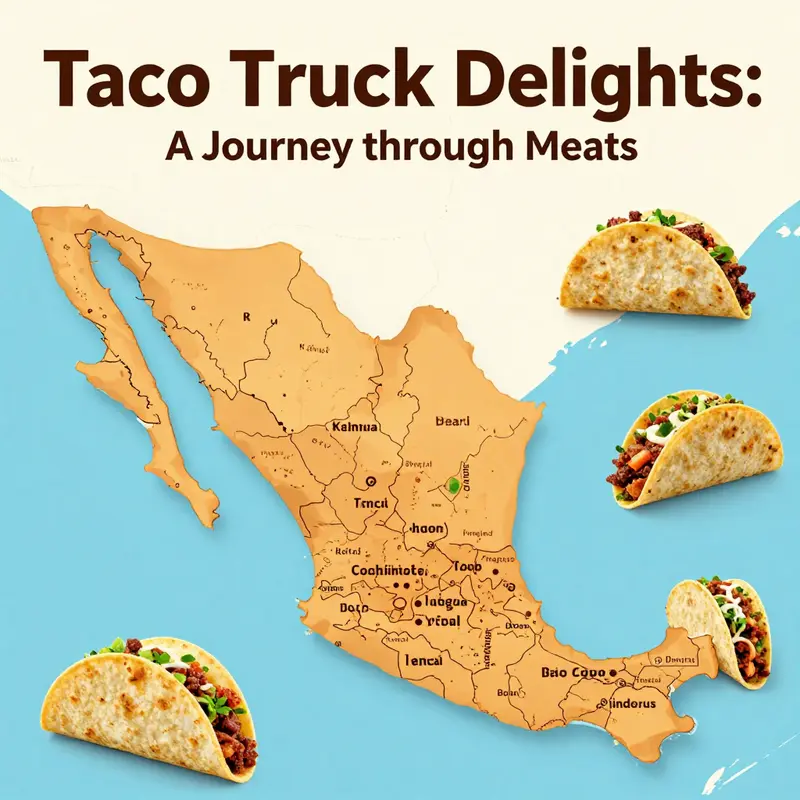
The list of meats that drift along the exhaust of a taco truck reads like a living atlas, a map drawn in smoke and bright salsa. In cities where street food is not merely a quick meal but a ritual, the offerings migrate with the seasons, the neighborhoods, and the rhythms of local life. This chapter looks at how regional sensibilities shape the very core of what a taco truck serves. It is less a catalog of proteins and more a study in how geography, history, and taste collide to make each bite tell a place. In a country where a single colorful truck can pivot from a traditional charcoal-grilled beef to a tangy, citrus-kissed pork, the meat on the tortilla becomes a portable anthropology. What you taste on a given street corner is never merely a protein; it is a conversation between origin and experiment, between memory and moment, captured in a warm, hand-held vessel.
In central Mexico, the backbone of many taco trucks is a dedication to letting the meat speak. Carne asada, when prepared in this milieu, is less about flamboyant spice and more about technique and judgment. The cuts are often skirt or flank, chosen for their balance of chew and tenderness. The meat meets flame with minimal adornment—salt, garlic, a whisper of cumin—to allow the beef’s natural sweetness to emerge. The grill itself writes the rest: quick sears that seal juices, a crisp edge where fat renders, and a smoky perfume that lingers when the taco is folded. The result is a straightforward, almost austere expression of beef ready to be coaxed into life by onion, cilantro, and lime. In this regional mode, the meat becomes a stage for craft—an ode to the grill’s heat and to the quality of the cut—rather than a canvas for loud spice. It is a reminder that good street food can be rooted, not just flashy, in the confidence that simple, well-executed technique yields a flavor that outlasts flash.
Turn the dial toward the Yucatán, and the profile shifts dramatically. Here, the meat’s character is inseparable from its aroma, its color, and the gentle patience of its preparation. Yucatecan influences arrive via a marinade that reads as a gallery of earth and brightness: annatto, citrus, allspice, clove, and a slow, almost reverent contact with heat. The hallmark method often involves cooking pork until it yields, sliding it into a texture that practically melts on the tongue, then finishing with a glaze of citrus and a whisper of smoke. The affiliations with banana leaves are not mere theater; they are part of a technique that seals in moisture and infuses subtle citrusy, nutty notes into the meat. The finishing act—thin slices or shreds tucked into tortillas with pickled onions and a dusting of herbs—offers a flavor that feels both rustic and refined, a reminder that regional traditions can travel well, becoming a kind of edible tradition across borders when a truck carries their signature into new neighborhoods.
Tex-Mex influences braid their homegrown heat into the conversation with a different cadence. A bold, seasoned ground beef is common in the Southwest, where chili powder, cumin, paprika, oregano, and garlic powder can transform a humble meat mix into a vibrant, punchy canvas. In traditional forms, this style harnesses a quicker pace of cooking and a more robust, slightly spicy profile—an approach that suits fast-moving lines and the need to please a broad audience accustomed to familiar, comforting flavors. Yet the modern taco truck scene keeps pushing beyond the packets and promises of pre-made blends. Restaurateurs and cooks experiment with three-dimensional ideas: barbacoa-style slow cooking that yields deep, caramelized notes; al pastor-inspired profiles with fruitiness and a citrus lift that brightens each bite; carnitas that pair crisp edges with tender interiors. Alongside these, plant-based options with spiced jackfruit or tofu surface as deliberate, thoughtful options that respect dietary choices while inviting curious tasters to reconsider what constitutes a “meat” in a taco. In this more expansive Tex-Mex-inflected space, regional boundaries loosen, and the menu becomes a laboratory where tradition and invention apprentice one another, producing a spectrum that satisfies both the old guard and the newly converted.
The dialogue among regional styles is not a static duel but a dynamic conversation. Mobility is a key instrument here. A truck that feeds a street corner in Austin might lose nothing by swapping a coarser, more rustic expression for a cleaner, more modern approach, and vice versa. The city’s climate, street-graceful rhythms, and the availability of local ingredients shape what is feasible and desirable on any given day. The same truck might offer a simple carne asada on busy weeknights and pivot to a birder’s mash of flavors on weekends when crowds look for novelty. The flexibility extends beyond meat: it reaches into the garlands of toppings, the tang of salsas, and the textures of tortillas warmed to perfect pliancy. The accelerant here is not just appetite but a willingness to listen—to communities that crave a sense of place in a handheld meal while also welcoming a new taste that hints at faraway kitchens. Regional variation, then, is not antic. It is a live, ongoing negotiation between what has always worked and what could make a new working day taste more alive.
What emerges from this landscape is a broader anthropology of meat in street food. The list of meats available on any given truck becomes a rumor of places visited, of markets and farms that supply the meat, of cultural memory that informs the cook’s hand. Some regions favor the purity of a simple beef preparation; others prize the echo of ancestral stews and slow-cooked traditions poured into a modern shell. And still others rent space for experimentation, allowing textures and flavors to stretch toward fusion without losing sight of their roots. This is not a dissonant collage but a curated chorus: every variation remains recognizably Mexican at heart, even when it wears a contemporary suit. The earthiness of a well-cooked pork shoulder can carry the brightness of citrus used in the Yucatán, while the char of the grill from central Mexico can support a salsa that looks toward the borderlands and beyond. The audience—local diners and curious visitors—becomes the metronome by which these variations tempo the meal, revealing what a community wants most when it chooses a taco: authenticity that feels immediate and a sense of culinary adventure that feels welcome.
Within this frame, the meat options shift and expand with the season and the street’s appetite. The list is not a fixed catalog but a living roster that grows as cooks experiment and as neighborhoods demand more. Even the most traditional faces may appear alongside brisk, modern twists that honor the old ways while inviting new palettes to discover them. The result is a mobile cuisine that travels well because it speaks to local tastes while carrying a shared language—the language of fire, salt, citrus, and the patient, transformative work of tender meat. In Austin and similar culinary hubs, this language becomes particularly nuanced. Here, the fusion impulse does not dilute authenticity; it reframes it, presenting a map of regional flavors that travelers can navigate by asking simple questions: Where did this recipe originate? How is the meat seasoned? How does the preparation honor its roots while fitting a street-food context? The answers lie in the way the meat is cut, marinated, grilled, braised, or roasted, and in how the final assembly—onions, cilantro, lime juice, and a tortilla—completes the dialects of flavor.
This approach to meat in the taco truck also invites a broader reflection on how street food mirrors the cultural economy. It is a space where regional pride can be expressed without ceremony and where culinary innovation can happen at the speed of a line moving toward a window. The meat’s journey—from pasture or market, through the hands of a cook, to the fold of a warm tortilla—becomes a microcosm of how communities negotiate identity. If you listen closely to the sizzle, you hear stories of land and labor, of climate and crops, of migration and memory. If you watch closely as a truck slides to a stop and the line forms, you glimpse a social ritual: the sharing of a simple, portable meal that nourishes more than the body. It nourishes conversation, connection, and yes, appetite for something both familiar and newly discovered.
In sum, the regional variations in a list of taco truck meat reveal more than tastes. They reveal a map of cultural exchange, a gallery of regional histories that travel with the truck. They remind us that a taco is never merely a combination of fillings; it is a point of contact where place meets palate, where the cook’s craft meets the consumer’s curiosity, and where the street becomes a classroom for taste. Whether a buyer seeks the unadorned honesty of central Mexican carne asada or the layered complexity of Yucatán-inspired pork, the taco truck offers a portable workshop in regional flavor. In Austin’s vibrant scene, the dialogue between tradition and experimentation continues to unfold, turning each bite into a note in a larger symphony of regional tastes. The meat on the tortilla, after all, is the vehicle—and the map—by which we navigate the textures of a shared culinary landscape.
For readers who want to explore how mobile food operations balance flavor with responsibility, a note on practice can be instructive. Sustainable practices for mobile food trucks offer a framework for cooking that respects ingredients, waste, and community health without sacrificing taste or speed. This approach helps explain why a region’s meat choices matter beyond taste—they influence sourcing decisions, kitchen workflows, and the relationships a truck builds with farmers, markets, and diners. It is a practical reminder that regional variation is not only about tradition, but about how a community chooses to feed itself in a way that sustains it for the long haul.
Internal link note: sustainable practices for mobile food trucks
External resource for further context: https://www.austinchronicle.com/daily/food/2026-02-17/discover-the-best-tacos-in-austin-tx-strictly-from-food-trucks/
Green Griddled Truths: Exploring Vegetarian and Plant-Based Options in Taco Truck Meats
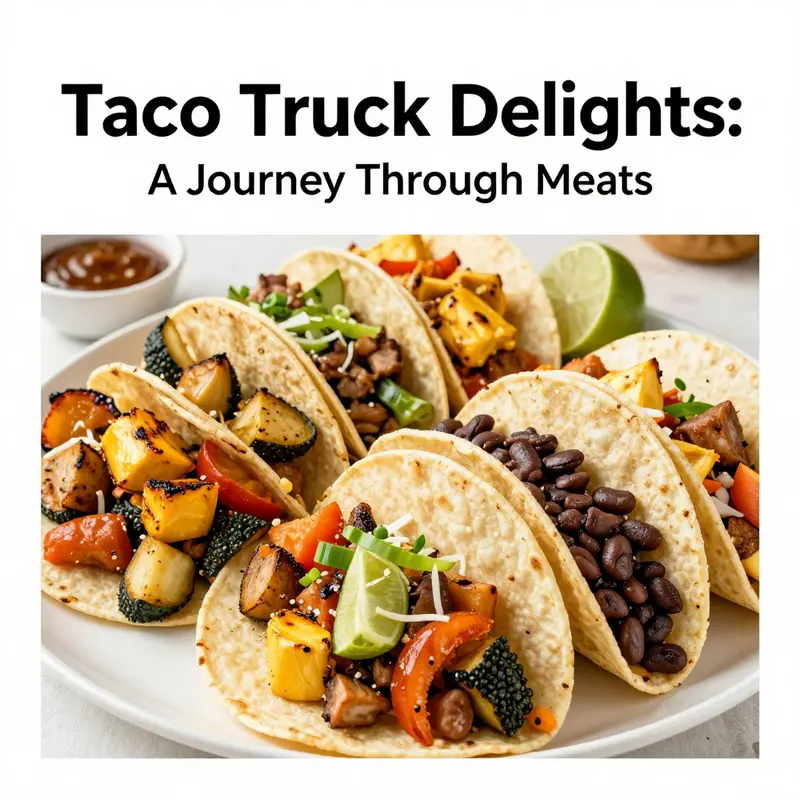
Across the crowded, sizzling storefronts of taco trucks, the familiar chorus of beef, pork, and fish often shares the window with a surprising breadth of plant-based options. The research snapshot for this chapter paints a picture of a street-food landscape that acknowledges dietary shifts without sacrificing bold flavors or culinary identity. What starts as a niche corner of the menu has become a visible thread in the fabric of modern taco culture. The vegetarian and vegan options described by the sources are not afterthoughts; they are crafted with the same care for texture, spice, and aroma that define the meat offerings. In the inventories of Q Mex Taqueria, Las Musas Tacos & Margaritas, Pebbles Courtyard, and El Barrio in Sanlitun, vegetarian fillings parameterize tradition with innovation, turning the taco into a platform where plant-based ingredients can speak with the same confidence as carne varieties while inviting new palates to the table. This chapter follows that thread, tracing how plant-based fillings gain prominence, what flavors they highlight, and how they coexist with the broader list of taco truck meats that defines the article as a whole.
Starting with the first well-documented example, Q Mex Taqueria offers a spectrum of vegetarian choices that mimic familiar textures and tackle the sensory expectations diners bring to a fast-casual experience. The menu presents crispy “chicken” tacos and red pepper “chicken” tacos that wink at the crunch and airiness we associate with fried poultry, yet rely on plant-based proteins, seasonings, and coatings to deliver their signature bite. The inclusion of quesadillas within the vegetarian fold expands the opportunities for melty, chewy textures that contrast with the crisp shells and fresh toppings. What makes these options compelling is not merely the substitution of animal flesh with a plant-derived analog; it is the way the kitchen leans into coating crunch, searing, and the caramelization of peppers to evoke familiar comfort-food notes while keeping the ingredient list transparent and plant-forward. The result is a neighborhood taco experience that rides the edge between nostalgia and experimentation, inviting patrons who would ordinarily bypass meat-focused menus to explore the same ritual of a hot, handheld meal.
Las Musas Tacos & Margaritas pushes the concept further with a vegetarian taco that carries an unusual but striking flavor profile. The raspberry-inflected taco uses plant-based “pork” as its center—vegan, but enhanced with fresh avocado, colorful peppers, and a Tinga-inspired sauce that anchors the dish in smoky complexity. The combination tests expectations in a positive way: the fruity brightness from raspberry lends a surprising counterpoint to the peppery heat and the deep savor of the sauce, while the avocado supplies creaminess to round the bite. This is a prime example of how plant-based options at taco trucks can redefine what a vegan filling can be, not by imitating a single traditional meat but by creating a new, balanced flavor ecosystem within a handheld shell. The three-taco meal set mentioned in their repertoire underscores an important point about plant-based menus: variety matters. Diners who are curious about plant-based options often seek a small sampler to compare textures and seasonings, a culinary mini-tour that helps demystify vegan ingredients and invites repeat visits.
Pebbles Courtyard expands the plant-based playbook with several vegan offerings that range from traditional to inventive. Their Vegetarian Tinga tacos and Vegetarian Chorizo tacos convert familiar flavor profiles into meatless iterations that stand up to their meat-based cousins in aroma and depth. The Vegetarian Tinga enchiladas further illustrate how plant-forward cooking can occupy the same savory space as more conventional Mexican-American dishes, delivering smoky-tangy layering that lingers on the palate. A note about Nopales tacos—cactus-filled delights that have long traveled alongside meatier fillings—highlights the challenges of seasonal availability. When nopales are temporarily unavailable, the option to substitute with black beans and avocado reveals a pragmatic approach to menu planning: the focus remains on plant-based nourishment and the fresh, vibrant toppings that define the taco experience. Perhaps most striking is Pebbles Courtyard’s fully vegan Guac-attack Torta—a sandwich-like creation that foregrounds deep-fried avocado, guacamole, coleslaw, smoked chili sauce, pickled jalapeños, black beans, and vegan cheese. The combination of textures—from crisp fried avocado to the soft, bean-rich interior—demonstrates a commitment to indulgence and satisfaction in a vegan format. It is a paradigmatic example of how plant-based options can be expansive, celebratory, and deeply satisfying, not merely a side dish or a procedural substitute.
El Barrio in Sanlitun rounds out the lineup with a range of vegetarian dishes that are framed not as afterthoughts but as essential components of a vibrant Mexican-inspired plant-based feast. Their vegetarian tacos and tinga enchiladas anchor the idea that a street-food menu can deliver authentic, comforting flavors through plant-based avenues that are equally bold and memorable. The emphasis on plant-forward dishes aligns with a broader culinary shift where vegetarian and vegan options are not only viable but preferred by a growing cohort of diners who seek robust textures, bright acidity, and the umami that traditional meat often carries. In every bite described here, there is a thread of connection to the core concept of the article: a list of taco truck meat that has evolved to accommodate a spectrum of dietary choices, from the traditional to the transformative.
What makes these plant-based options resonate beyond trendiness is how they leverage cooking techniques and flavor-building strategies that taco enthusiasts already trust. The use of searing and roasting to develop Maillard-rich crusts on plant-based proteins mimics the caramelized edges we expect from grilled beef or pork. The integration of citrus, achiote, smoked chilies, and bright herbs creates a sensory map that guides the palate through a layered experience—sweet, smoky, acidic, and savory—without relying on animal-derived fats. Even the more playful combinations, such as berry-inspired fillings or cactus-adapted fillings, reveal how flexible and creative the taco format can be when chefs approach plant-based ingredients with curiosity rather than constraint. The insistence on texture remains a central tenet: you want a taco that offers crunch in the first bite, tenderness as you chew, and a lingering finish that invites the next mouthful.
In the context of this chapter, these plant-based options are not isolated experiments but part of a deliberate expansion of the traditional meat list that keeps pace with evolving consumer preferences. The data show that vegetarian choices appear across a range of establishments with distinct identities, from quick-service-forward iterations to more curated, destination-style menus. The common thread is a commitment to flavor-forward plant ingredients that honor cultural roots while embracing contemporary dietary needs. This balance is not accidental; it reflects a broader dialogue about how street food can stay relevant in a world where more people are choosing plant-based eating for health, environmental, or ethical reasons. The veggie taco is no longer a niche, and the vegetarian and vegan fillings described here demonstrate that plant-based options can be just as satisfying, if not more so in certain contexts, than their meat-based counterparts.
In terms of the editorial arc of this article, this chapter anchors the idea that a list of taco truck meat, while often celebrated for its variety in animal proteins, gains new depth when plant-based offerings are treated with the same seriousness and curiosity. The vegetarian and plant-based options showcased here illuminate technique, flavor pairing, and cultural resonance in ways that enrich the overall tapestry of taco truck cuisine. They remind us that a taco is a three-dimensional experience: the shell or tortilla, the filling, and the toppings. When the filling is plant-based, the toppings and the preparation method must still carry the same weight—the same promise of satisfaction and memory-making after the last bite. The four examples highlighted offer a cross-section of how vegetarian options can be executed with ambition and care, without compromising the sense of place or the comfort of flavor that defines taco truck fare.
For readers who want to explore more about how mobile food operations embed sustainable practices into their daily workflows, including how plant-based offerings fit into broader business strategies, see this discussion of sustainable practices in mobile food trucks. Sustainable practices of mobile food trucks.
As we continue this journey through the kaleidoscope of taco truck meats, the vegetarian and plant-based options become a reminder that flavor, texture, and culinary storytelling can thrive in tandem with dietary awareness. The menus surveyed here show confidence in plant-based fillings that honor tradition while inviting new interpretations. They also offer a practical blueprint for other operators seeking to broaden their appeal without sacrificing the core sensory pleasures that draw people to a taco in the first place. In that sense, the veggie taco is not a compromise but a choice—one that expands the moment of connection between cook, street, and eater.
External resource for further reading on vegetarian diets and meal planning: https://www.eatright.org/food/planning-and-prep/vegetarian-diets
Meat Lists as City Maps: How Taco Truck Menus Trace Migration, Memory, and Innovation
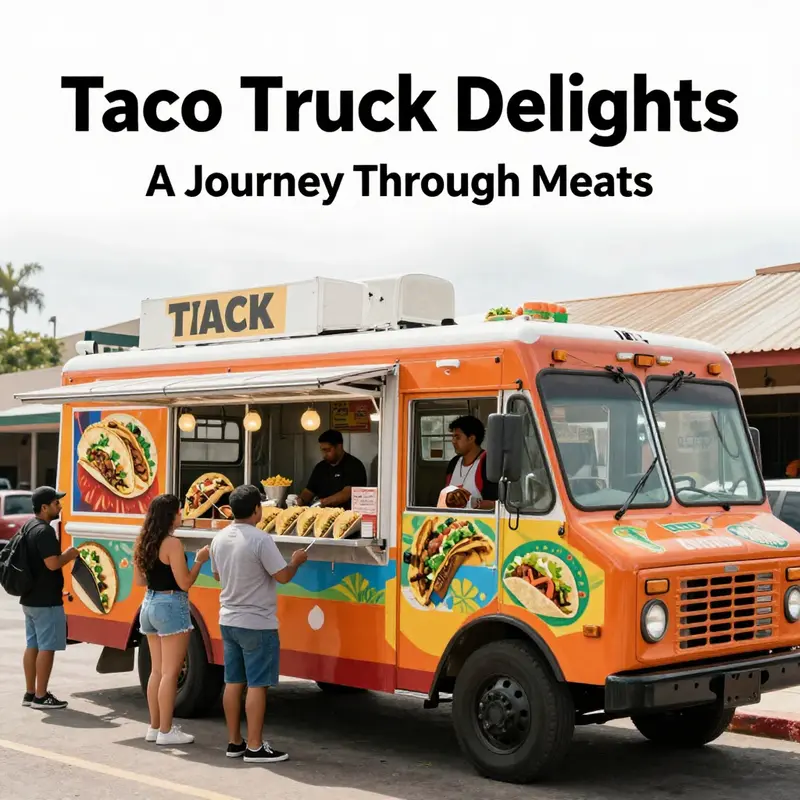
A list of taco truck meats is more than a lineup of proteins; it is a map of a city’s history, migrations, and tastes. Each option signals origins, labor, and community. From asada to al pastor, carnitas to lengua, these choices narrate routes and rituals that unfold on sidewalks at lunchtime. In hubs like Austin, the meat board becomes a dynamic canvas where tradition and experimentation coexist. The inclusion of fish, chicken, lamb, and vegetarian options reflects evolving identities and ecological concerns while inviting new voices into street-food culture. The right mix of staples and surprises allows cooks to honor heritage and welcome novelty, turning a curbside meal into a shared memory. By reading the board, diners trace stories of families who carried recipes across borders, neighborhoods that welcomed hybrid flavors, and cooks who negotiate speed, sustainability, and taste for a broad urban audience. The resulting map is not static; it shifts with seasons, markets, and audiences, yet remains anchored by familiar anchors like asada and al pastor. This living glossary helps urban communities imagine belonging, resilience, and innovation at the curb.
Final thoughts
Taco trucks are more than just a dining option; they symbolize cultural heritage and community engagement through their meats and flavors. From traditional cuts deeply rooted in Mexican culture to innovative options that celebrate culinary creativity, the selections available illustrate a rich tapestry of tradition and modernity. Whether you’re savoring carnitas on a sunny lunch break or trying a grilled fish taco after a day outdoors, these delectable meats offer a taste of community and convenience that appeals to everyone. Next time you pass a taco truck, consider grabbing a taco—your taste buds will thank you!