
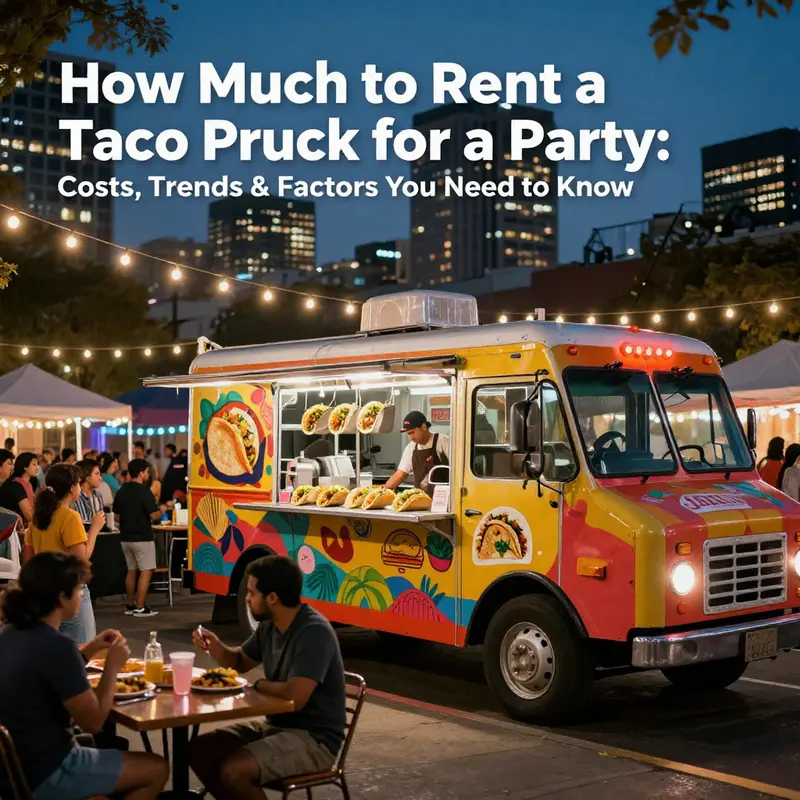
Throwing a party in the city or hosting an outdoor event? Few options bring instant excitement like renting a taco truck. It’s mobile, self-contained, and offers gourmet food without the fuss of traditional catering. Yet, the question most hosts—and even small business owners—ask is: how much does it really cost? The answer isn’t straightforward. From the technology inside the truck, to shifting economic forces, local regulations, and evolving customer expectations, multiple factors will influence your final price tag. In this guide, we’ll explore how tech and logistics determine efficiency and costs, how pricing structures fluctuate with demand and service levels, how permits and geopolitical regulations affect your ability to book, and how cultural trends are reshaping what guests expect from a taco truck experience.
Tech and Logistics That Drive the Price: What Affects Taco Truck Rental Costs for Your Party
Balancing Technology, Logistics, and Budget
Renting a taco truck for a party is more than booking a vehicle and waiting for tacos to roll in. The cost you see on a quote reflects a network of technical systems, labor planning, regulatory compliance, and on-site logistics. When you strip away marketing language and menu photos, the price breaks down into what vendors must deliver reliably: power and refrigeration, trained staff, permitting and insurance, transport logistics, and—more often than not—digital tools that smooth the guest experience. Each element adds to cost, but each also reduces risk and improves service quality. Understanding how those pieces fit together helps you evaluate quotes, negotiate wisely, and avoid surprise fees.
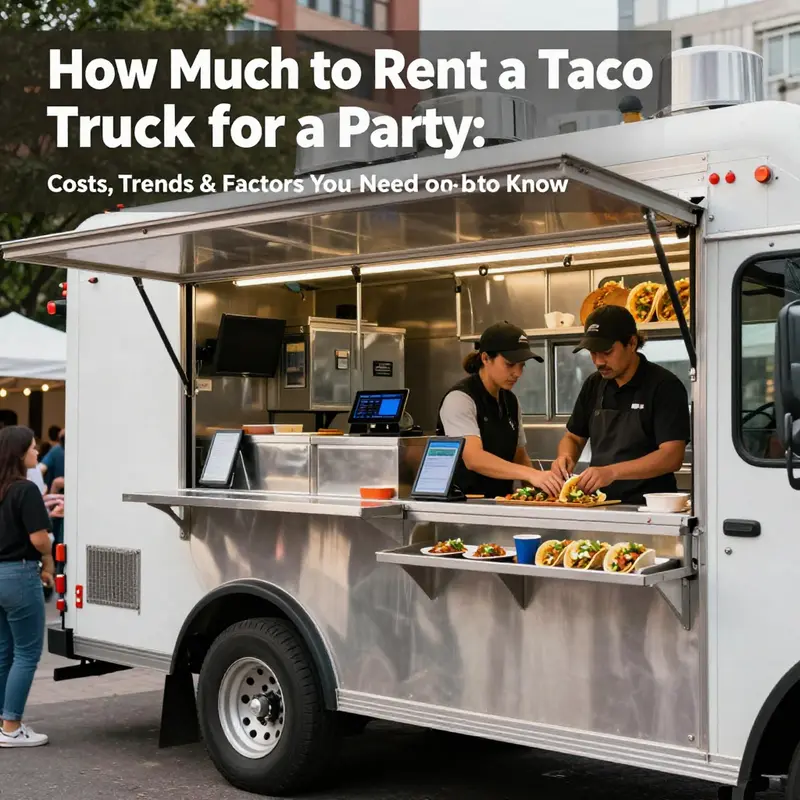
Technology shows up in visible and invisible ways. On the front line, digital payment systems let guests pay by card or phone. Those systems lower cash management overhead and speed service, but they incur transaction fees and require connectivity. Vendors often embed those fees in pricing or add a small surcharge. Behind the serving window, smart kitchen appliances—such as induction griddles, efficient refrigeration with temperature logging, and energy-saving hot-holding units—keep food consistent and safe. Those appliances cost more to buy and maintain than older equipment, and they often require reliable power. Trucks that use generators with automatic transfer switches, or that can tap into venue power, are more flexible. That flexibility shows up in the final bill when the vendor avoids last-minute generator rentals or fuel surcharges.
Fleet and event management tools are another layer. GPS tracking and routing software cut travel time and fuel use. For multi-truck fleets or vendors that do many private events, a scheduling platform reduces double-bookings and allows dynamic staffing. Vendors who invest in online ordering and reservation systems let hosts pre-select menu items, set quantities, and handle dietary restrictions ahead of time. Pre-orders stabilize food purchasing and reduce waste, but configuring custom menus and maintaining a reservation platform requires time and technical support. That effort is often reflected in package pricing, especially when the vendor offers a branded or white-label ordering page just for your event.
Logistics are where cost and practicality meet. Location rules can change the game. Some municipalities require special permits for mobile food at private events. If your venue sits in a zone with strict health or parking rules, the vendor may need to secure temporary use permits, hire flaggers, or pay venue access fees. A reputable vendor typically handles permits, but that administrative work carries its own cost and lead time. Always ask which permits are included in the quote and whether they are the host’s responsibility.
Setup and teardown time matter. Most vendors plan 30 to 60 minutes before service to set up cooking lines, connect power, and confirm hygiene checks. After service, cleaning and packing take another 30 to 60 minutes. If your event schedule demands an earlier start or a late finish, expect overtime charges. Clear arrival and departure windows on your contract prevent misunderstandings and last-minute fees.
Power and utilities are practical constraints that influence price. Some trucks run entirely on onboard systems and carry their own generators; others rely on shore power. When a venue lacks power hookups, vendors must bring generators. Generators add fuel costs, increase noise, and may need additional permits. Refrigeration systems that monitor temperature for food safety often require stable power; vendors who provide temperature logs are protecting both you and themselves from food safety liability, and they usually charge more for that level of assurance.
Staffing is a primary cost driver. A basic truck-only rental at the very low end can run $500 to $1,000, but that leaves you responsible for staffing, food purchasing, and food safety. Most hosts prefer full-service rentals where the truck brings a chef, cooks, and servers. Standard full-service packages for a 4–6 hour event typically fall between $1,200 and $2,500. Premium packages that include custom menus, branded service windows, longer hours, or high-end ingredients often climb past $3,000. Staffing costs vary with labor markets. In cities with higher wage floors, vendors must pay more for trained cooks and servers. If your event requires additional hands—bartenders, attendants for a second service line, or servers for plated service—those roles are charged separately.
Menu choices affect equipment and prep. Simple menus with a few proteins and toppings are faster to execute and cheaper to supply. Custom menus with specialty proteins, extended side options, desserts, or made-to-order cocktails increase complexity. Dietary accommodations—vegetarian, vegan, gluten-free or allergen-safe options—add both planning time and ingredient costs. When a vendor offers plated service or a curated tasting, the labor and plating time push prices into premium territory.
Transport distance and venue access are practical. Driving time, tolls, and parking restrictions factor into delivery fees. If the vendor must park a block away because of venue access limits and run food across a lawn, expect surcharges. Trucks that must bring extra staff or a second vehicle for staging will pass that cost on. Similarly, if the truck has to traverse difficult routes or attend a site with strict insurance requirements, vendors may require additional liability coverage or a venue certificate of insurance from you. Confirm which party secures that documentation.
Season and demand influence pricing. Peak wedding and event seasons drive higher demand and faster booking. A truck that charges $1,200 on a Tuesday afternoon may list a higher weekend rate during summer. Booking early often secures better rates and reduces the likelihood of a premium charge for last-minute availability.
Taste and reputation are intangible but real cost drivers. Well-regarded trucks with a strong public following often command premium rates. They justify the price through quality assurances, consistent execution, and the draw they bring to your event. If profile matters for your guests, paying more for a vendor with a strong service history can be worth the cost.
How to evaluate quotes
Request a single, detailed quote that itemizes setup, staffing, food per-person or per-item pricing, transportation, generator fees, permit handling, gratuity recommendations, and overtime policies. Ask whether the vendor requires a minimum spend or a per-person guarantee. Many vendors will offer either a flat rate for a set guest count or a minimum revenue guarantee plus per-item charges. Clarify what happens if fewer guests show up than expected: can the vendor prorate, or is the minimum binding? If you want pre-ordering, confirm whether there is an additional setup fee for an online ordering page. If you need special equipment—outdoor heaters, a canopy, extra serving tables—request those costs in writing.
Sustainability practices can also affect price but may produce long-term savings. Vendors that invest in energy-efficient appliances, waste reduction systems, and compostable service ware often charge a premium. That premium covers higher operating costs and investment in sustainable practices. For hosts who prioritize that approach, learn what specific measures the vendor uses and how they handle waste removal. If sustainability is important for your event messaging, choose a vendor with documented practices. For more on how mobile food providers adopt sustainable measures, review this piece on sustainable practices for mobile food trucks.
Negotiation and risk reduction
Be proactive. Offer flexible timing when possible. Moving a start time off-peak or avoiding high-demand weekends can lower the price. Offer to provide a power hookup or an on-site parking space close to the service area; those small contributions reduce vendor costs and may result in a lower fee. If you plan multiple events or have a referral network, vendors sometimes offer discounted rates for repeat business.
Limit risk with clear contracts. Define service windows, menu items, guest counts, and cancellation penalties. Confirm who pays for permits and under what circumstances overtime applies. Ask for a certificate of insurance and verify that the vendor carries worker coverage and liability insurance. Reputable vendors will produce documentation without hesitation.
Assess value, not only price
A low headline price is tempting, but it can mask significant add-ons. A midrange provider who includes staff, permits, and a generator may offer better value than a cheaper truck that leaves you to handle logistics. Think of the rental as buying a complete service rather than a single item. For parties where timing, food safety, and guest satisfaction matter, investing in a vendor that integrates technology for ordering and payment, uses modern equipment, and has a proven logistics process reduces stress and the chance of a problem on the day.
When you gather quotes, compare apples to apples. A basic truck-only fee is not equivalent to a full-service culinary experience. Ask vendors to list what’s included and what’s optional. When you understand the technological capabilities and logistical steps behind the price, you can choose the option that matches your priorities: the lowest possible cost, a hassle-free full-service experience, or a premium branded event.
External reference: For a local perspective on private-event pricing among established mobile vendors, see this coverage of the Los Angeles scene.
Decoding the Price of a Taco Truck for Your Party: A Practical Guide to Budgeting, Timing, and Flavor
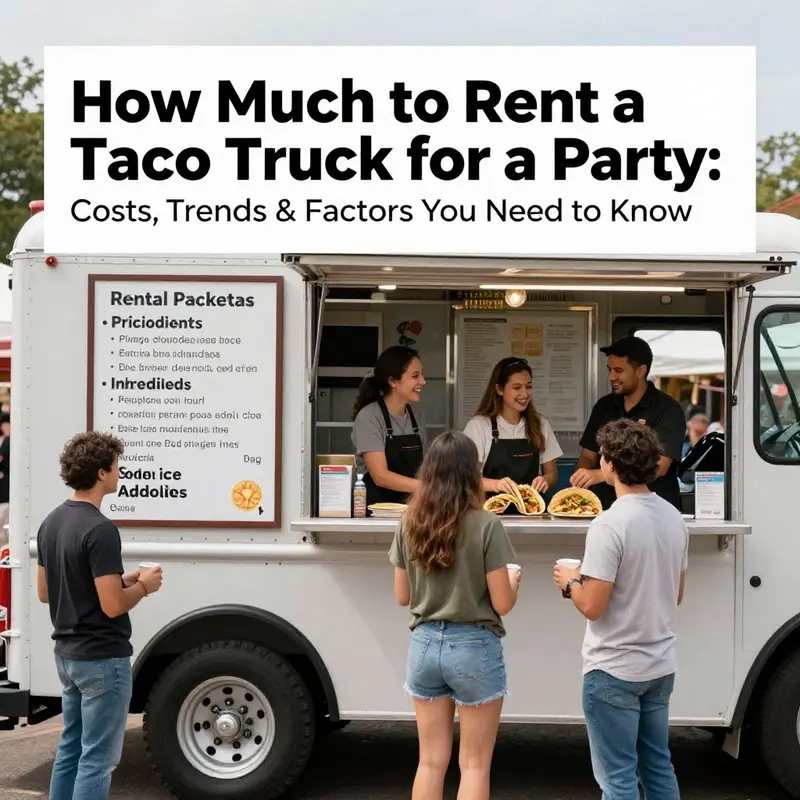
When you start planning a party with the centerpiece of the spread being a taco truck, you quickly discover that the price tag is more than a simple line item. It is a mosaic built from location, duration, cuisine style, staffing, and the intricate dance of supply and demand. The goal is not merely to find the cheapest option but to understand what you’re buying and how each layer of service translates into tasting plates, napkins, and the kind of experience your guests will remember. In markets across the United States and beyond, the price of renting a taco truck for a party reflects more than the cost of meat and tortillas; it reflects labor markets, equipment needs, and the logistics of moving a fully functional kitchen to your venue. As with any specialized catering choice, the final figure is a product of several interlocking variables, each with its own set of expectations and trade-offs. To navigate this effectively, it helps to imagine your event as a product that the taco truck is uniquely positioned to deliver, from the first bite to the last flair of salsa on a plate, and then to translate that vision into a transparent cost structure.
At a high level, the pricing spectrum breaks into three broad bands. A basic rental—the truck only, with the option for you to manage the staff or handle food prep yourself—typically starts around five hundred dollars and can stretch to about a thousand dollars per day, depending on the truck’s size and the market. This tier is common for smaller events or for hosts who want the novelty and flexibility of a mobile kitchen, while choosing to supply the staffing and cooking directly or through a separate catering arrangement. If you want a more complete solution, a full-service rental has become the default choice for many parties. In this scenario, the vendor brings not just the vehicle but a chef, trained staff, all ingredients, and the setup and teardown. For most parties, this option lands in a range from roughly twelve hundred to three thousand dollars per day, with the upper end reserved for menus that feature premium ingredients, elaborate customization, or a well-known culinary concept that draws a crowd.
When the vibe tilts toward premium, or when the truck has a reputation for distinctive flavors, the price can climb even higher—well into the range of three thousand five hundred dollars per day in peak seasons or in major metropolitan areas. These premium operators may offer fusion concepts, chef-driven tasting experiences, or branded collaborations that command a premium, and those premiums are really about the added value guests receive in terms of menu creativity, service style, and the overall spectacle of the kitchen-on-wheels. The math behind these figures is not arbitrary. It includes the cost of skilled chefs, sous chefs, servers, dishwashers, and sometimes bartenders; the cost of ingredients and beverages; and the cost of transporting and setting up a mobile kitchen that must operate safely in whatever outdoor space you provide. The sum is more than the sum of its parts; it is the guarantee that your guests will see, smell, and taste a professional culinary operation that can scale to your guest list and accommodate dietary constraints without compromising quality.
A closer look at the components helps illuminate why a given quote looks the way it does. The base rental fee for the truck and equipment is just the opening line. A typical full-service package might list a base of four hundred to one thousand dollars for the truck itself, but the real engine of price is the labor: a chef, line cooks, and servers who keep the line moving and the food hot. Then come the food and beverage costs, which can vary widely depending on the menu complexity, the number of menu items, and whether beverages—such as tamarind agua fresca, horchata, or other specialty drinks—are included. Transportation and setup often add another modest but nontrivial sum, because moving a fully equipped kitchen involves fuel, permits, and time. Finally, additional services—such as a dedicated bartender, live music, or branded décor—create tangible enhancements to the event experience but also raise the bottom line. In practice, a well-structured quote will break these elements into line items, allowing you to see how much of the total is anchored in labor, ingredients, and logistics versus optional enhancements.
The geography of pricing matters a great deal. In large urban centers, the same 4–6 hour service that might feel economical in a mid-sized city can be markedly more expensive due to higher labor costs, greater demand, and the premium attached to famous or chef-driven concepts. The dynamic is even more pronounced when you move from one country to another; in some markets, the currency exchange, import costs for ingredients, and local regulatory requirements can shift the math in ways that surprise first-time planners. The narrative from early 2026 across several markets highlights this reality: basic truck-only rentals hover around modest figures, but the full-service model—where everything from menu design to cleanup is handled by the vendor—can easily double or triple the base cost when compared with the truck alone. The conversation about value, then, is less about chasing the lowest price and more about choosing a package that aligns with your guests’ expectations and your event’s goals.
Seasonality exerts a strong influence as well. Summer weddings, outdoor fundraisers, and holiday gatherings tend to raise demand for taco trucks, often tightening availability months in advance. This supply and demand pressure nudges prices higher, particularly for reputable trucks that have a steady stream of bookings. Conversely, a date tucked between two major events or in a region with a smaller market may yield more favorable terms, especially if a truck is willing to negotiate a leaner staffing arrangement or a simplified menu to fit your budget. In other words, timing can be as decisive as the menu itself. If your goal is to secure a preferred truck, early booking is a prudent strategy, and it can unlock better pricing versus a last-minute purchase when the calendar is nearly full and vendors must juggle logistics to serve a larger pool of clients.
Menu complexity also plays a pivotal role. A basic taqueria approach with a small set of staples—carne asada, al pastor, and a couple of vegetarian options—can keep ingredient costs predictable and staffing straightforward. A menu that includes specialty proteins, regional regionalizations, or fusion concepts—think a Korean-Mexican twist—will typically require more specialized ingredients, sourcing efforts, and even decorative touches or branded serving ware. Each of these choices translates into increments on the final bill but also into differences in guest satisfaction and perceived value. The more customized the experience, the more you should anticipate the need for a detailed quote that itemizes the menu itself, the sourcing plan, and the expected portion sizes. A thoughtfully designed menu not only elevates the guest experience but also makes it easier to justify the investment when you weigh the alternative catering options available in your market.
Dietary accommodations are another essential dimension. As awareness of dietary restrictions grows, hosts increasingly request vegan, gluten-free, or allergen-controlled options. These accommodations, while essential for inclusivity, can subtly influence price. They may require separate prep areas, dedicated utensils, or alternate cooking methods to avoid cross-contamination, all of which carry incremental costs. Vendors who can transparently explain how they manage dietary needs—without compromising taste or speed—tend to communicate a higher level of professionalism. When you request these accommodations, ask for a clear comparison in the quote between standard and alternative options, so there is no ambiguity about what’s included and what costs extra.
From the host’s perspective, translating the menu and service into a reliable budget means asking for a comprehensive, written breakdown. A robust quote should itemize the truck base, the chef and staff, the food and beverages, transportation and setup, and any extras such as bartenders or live entertainment. If a package feels incomplete, treat it as a red flag rather than a bargain. It is reasonable to challenge the vendor to provide a fixed total cost for a given service window, along with a contingency for unexpected circumstances, such as a power hiccup or a temporary weather-related disruption. Clarify what is covered by the quote and what is not. For instance, some packages may include the truck and staff but exclude beverages or certain garnishes. Others may promise full service but require you to provide the location’s permit documentation or electrical hookups. A meticulous comparison across multiple quotes can illuminate which operators offer true value—the ones who provide consistent service, predictable timelines, and a clear menu structure—versus those that rely on vague language or ambiguous add-ons.
The budgeting process should also consider the ancillary costs that, while smaller on a line item, accumulate meaningfully over a full event. Delivery fees may apply if the truck is not within a reasonable radius, and a setup or teardown fee may come into play if the venue is remote or requires special accommodations. Tips and gratitudes for staff are customary in the service industry; many planners allocate a gratuity of around 15 to 20 percent for the crew, especially if service levels and presentation exceed expectations. Special equipment needs—such as generators for outdoor events or extra outdoor grills for large guest counts—can also alter the bottom line, even if the base rental remains the same. It is essential to map these potential charges early in the planning process. This proactive budgeting approach helps prevent sticker shock on booking day and ensures the event can progress smoothly without a scramble for funds or last-minute substitutions.
To illustrate how these elements come together in practice, consider a hypothetical planning scenario. Suppose you are hosting a 4–6 hour outdoor party in a major city, inviting roughly 120 guests, with a desire for a full-service taco experience that includes a chef, several cooks, and a beverage station. You review three quotes: a basic truck-only option at about $700, a mid-range full-service package at roughly $1,800, and a premium full-service option near $3,000. The base numbers cover the truck and basic setup in all cases, but the middle choice adds a chef’s labor, standard ingredients, and staffing for service and cleanup, while the premium tier pushes the menu into more sophisticated territory, perhaps with specialty meats, branded decor, and enhanced beverage offerings. Adding in transportation and logistics might add another $150 to $300, depending on distance and access challenges. Food and drink costs—calibrated to guest count and chosen menu—could be in the ballpark of $400 to $900, with higher figures for premium ingredients or elaborate sides. If you opt for a bartender or live display elements, you could see another $200 to $500. The end result for the full-service packages could realistically land between $1,500 and $2,800, with the exact number depending on menu choices, staffing levels, and any add-ons. In this scenario, the value of the more expensive option is not merely the food—it is the security of a predictable service timeline, minimized on-site decisions for you, and a coherent guest experience that feels cohesive from the first bite to the last cleanup. The key is to align that value with your event goals and to negotiate with a clear sense of what each line item means for your guests’ enjoyment.
The decision to proceed with a particular package is often a function of how well the vendor communicates what is included and what is optional. Clear expectations reduce friction on the day of the event and help ensure your guests perceive the service as seamless. If you decide you want more control over the menu or a tighter budget, consider a staged approach: start with a base truck option, request a chef-led service for the core dining period, and then add on elements such as branded décor or a dedicated beverage service only if the budget allows. This phased approach can preserve the guest experience while keeping costs predictable. It also invites you to build in margin for contingencies—unpredictable weather, permit delays, or last-minute guest count adjustments—that frequently arise in outdoor events.
As you navigate these choices, you may encounter a term that is both practical and strategic: sustainability. Vendors increasingly highlight sustainable practices in the mobile-food-truck space, from using compostable service ware to optimizing routes for fuel efficiency and sourcing ingredients locally when possible. Embracing sustainability is not only environmentally responsible; it can also be a strategic budgeting lens. Where a truck commits to local suppliers, the cost structure may shift slightly, but the value proposition often includes fresher ingredients, a shorter supply chain, and a cleaner, more traceable operation that guests notice. For planners who want to explore this dimension further, a concise reference exists in the discourse on sustainable practices for mobile food trucks, which can serve as a practical guide to evaluating vendor commitments and aligning them with your event goals. Sustainable practices for mobile food trucks.
In parallel with sustainability considerations, the purchase and rental ecosystem for taco trucks now intersects with digital platforms and local markets. Real-time quotes, availability calendars, and package customization come to life through online channels. For accurate pricing and availability, it helps to engage directly with local providers or regional platforms that understand the dynamics of your date and venue. The pricing discussed here reflects a broad, cross-market snapshot. It is prudent to obtain multiple quotes, compare line-by-line, and verify whether beverages, garnishes, and condiments are included or billed separately. The more precise the quote, the more confident you will be about your final tally. It is also helpful to inquire about the terms of cancellation and rescheduling, given the uncertainties that can arise in event planning. A robust contract should spell out what happens in the event of power outages, weather disruptions, or last-minute guest count changes, preserving both the host’s budget and the vendor’s ability to manage resources effectively.
If you’d like to see how pricing plays out in a real-world regional market while maintaining a broader perspective, consult local providers and ask for a sample breakdown tailored to your event. Real-time quotes can give you a practical sense of the average, the ceiling, and the floor, and they can help you calibrate your expectations against your event goals. In some markets, the quote for a fully loaded, chef-driven taco experience may reflect the prestige of the brand as much as the quality of the food; in others, the same price tag may be associated with the convenience and reliability of a well-organized service. Either way, the critical discipline remains the same: map the value you are receiving to the money you are paying, and ensure the package you choose aligns with the moment your guests arrive and the experience you want to curate.
As you close in on a choice, the final step is practical due diligence. Confirm what’s included in your chosen package, verify staffing levels, check the menu’s flexibility to meet dietary needs, and secure a written quote that itemizes all line items. A thoughtful approach to pricing is really a thoughtful approach to event design. It signals that you care about your guests’ experience and that you trust the culinary team to translate your event concept into a memorable, flavorful reality. The numbers then become less about a sticker price and more about a shared promise—the promise of hot tortillas, vibrant toppings, and a moment of communal enjoyment that makes your party stand out in memory.
How Much to Rent a Taco Truck for a Party: Navigating the Geopolitical and Regulatory Landscape That Shapes Availability and Permits
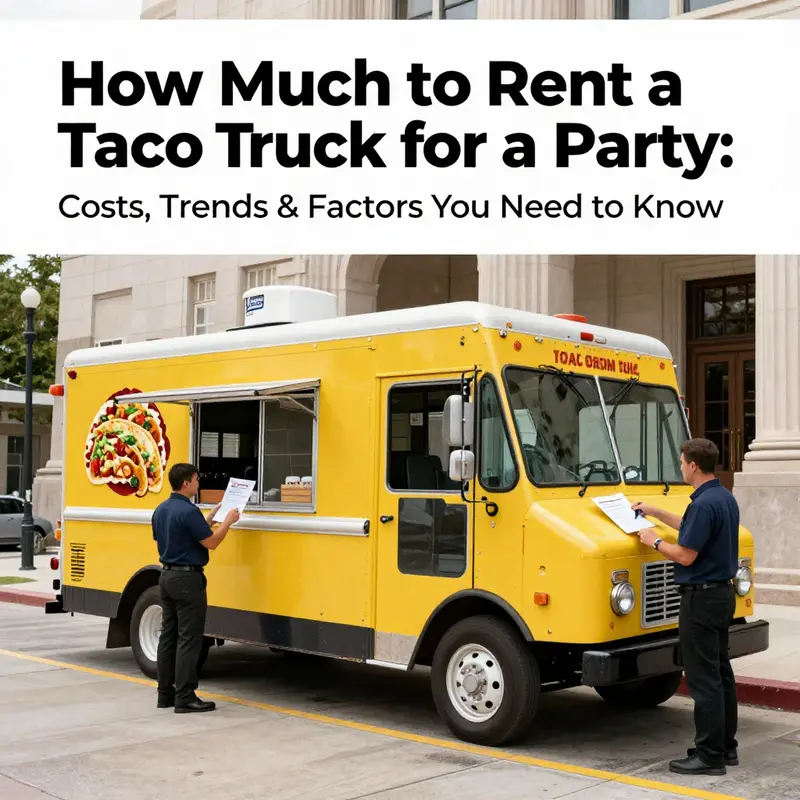
When you set out to feed a crowd with a taco truck, the price tag on the contract is only the visible edge of a much larger iceberg. The number you see on a published quote reflects more than the hours of service, the size of the menu, or the sizzle of a late-night flame. It also carries the weight of regulatory demands, local health rules, and the friction of permit systems that differ from block to block, city to city.
Understanding that layered reality isn’t merely about budgeting; it’s about predicting availability, avoiding last-minute scrambling, and selecting a provider whose operations are aligned with your event’s date, location, and expectations. In practice, the cost to rent a taco truck for a party sits at the intersection of appetites and approvals, of culinary ambition and city hall.
Prices, of course, set the outer boundary of planning. A basic truck rental, where you’re responsible for staffing, food preparation, and service logistics, typically starts around five hundred to a thousand dollars per day. That range is common in smaller markets or with leaner vendors who operate more like mobile kitchens than full-service operations. When a party seeks a more seamless experience—chef-led cooking, staff for serving, comprehensive setup and teardown, and all ingredients included—the price climbs to roughly twelve hundred to three thousand dollars per day, and can exceed that in markets with crowded calendars or reputationally sought-after menus. In the most demanding scenarios—top-tier, high-demand trucks offering premium, chef-driven experiences—the daily rate can surpass three thousand five hundred dollars, especially in cultural hubs where demand outpaces supply. A concrete example from a larger West Coast market illustrates the point: a well-regarded truck might deliver a six-hour event for about eighteen hundred dollars, including a custom menu, drinks, and sides. These figures aren’t random. They reflect not only the labor, fuel, and food costs, but also the time buffers required to secure permits, schedule staffing, and arrange on-site logistics that keep a crowd fed and a venue calm.
Beyond the sticker price lies a map of regulatory terrain that can stretch or squeeze these numbers in ways that most hosts don’t anticipate. The federal framework, anchored by food safety principles from acts like FSMA and the broader emphasis on preventive controls, shapes how vendors design their food safety plans, train staff, and keep trucks compliant. Yet the day-to-day friction happens locally. Municipalities institute permitting systems that often require a vendor license, vehicle inspection, health department clearance, and sometimes a separate street-use or sidewalk permit for operating in a particular neighborhood or during a special event. In practice, this means a vendor may need to submit a health-compliance package, obtain a food-handler certification for staff, arrange a portable handwashing station or potable water supply, and negotiate with the city about where the rig can park and cook. In some places, these requirements are straightforward; in others, they’re layered with zoning restrictions, seasonal bans, or time-limited windows when vendors can legally operate, leaving planners with a window that is both small and expensive to secure.
A practical frame for this landscape emerges when considering the difference between a city with a robust, transparent permitting guide and one where rules feel fluid or discretionary. San Diego, for example, provides a structured overview that maps out the permitting journey from the initial application to ongoing health inspections and zoning considerations. The beauty of such clarity is not just compliance; it’s predictability. If you understand the steps and the likely costs, you can avoid price shocks and last-minute substitution fees that can creep into a booking. Conversely, when a city lacks a clean, publicly accessible pathway, or when inspectors interpret rules in ways that feel ad hoc, vendors price in a risk premium. They are not just charging for food and service; they are charging for the risk of delays, refusals, or the need to pivot menus or locations to meet compliance demands. The net effect for party planners is simple: the more complex the regulatory system, the higher the minimum viable price and the tighter the deadline to secure an available slot.
The geopolitics of food vending adds another, subtler layer. The density of urban centers, the pressure on street space, and the competition for visibility from food-minded audiences all translate into higher demand during peak seasons in major cities. In these environments, the cost of a full-service experience often includes a premium for ensured availability. Not only are you paying for the chef and staff; you are paying for a slot in a system where vendors juggle permit calendars, insurance requirements, generator and power needs, water and waste management, and the potential need for traffic control or on-site safety plans. The ripple effects are felt in travel fees, extra charges for long distances from the vendor’s base, and sometimes surcharges for special equipment or branding services. The more a vendor promises, the more they inevitably must plan around these regulatory realities, which translates into higher quoted prices.
The practical consequence for hosts is clear: the cost to rent a taco truck is a function of both culinary ambition and compliance tolerance. If you want a lean, truck-only arrangement, you might squeeze costs by choosing a vendor with a simpler permit footprint and a smaller geographic reach. If you desire a turnkey experience—chef-led cooking, prepared ingredients, and on-site service—the price climbs in step with the practice of maintaining a compliant operation across a potentially complex regulatory jurisdiction. In both cases, the difference between a good experience and a frustrating one often comes down to clarity on what is included in the quoted package. Some packages cover only the truck and basic drive-through service; others promise a full culinary service with staffing, ingredients, setup, and teardown. The distinction matters because it influences what you must arrange yourself and what a vendor will handle on event day, thereby affecting both the total cost and the reliability of the experience.
Consider the geography factor: urban density tends to push prices higher, but so does regulatory sophistication. A big-city permit office may require more documentation, more frequent renewals, and more rigorous inspections, all of which translate into higher overhead for vendors. A rural or smaller-town market, even if less regulated on paper, may pose its own challenges—longer travel distances, fewer nearby facilities for health checks, and a smaller pool of available staff. In either case, the best-informed plan starts with early exploration. Vendors rarely hold dates for long without a firm confirmation, and in many major markets, the most desirable dates vanish weeks or even months ahead. That is why early dialogue with the vendor, paired with a realistic budget that accounts for permit-related add-ons, is indispensable. It also explains why the highest-value partnerships are formed with vendors who offer transparent inclusions: full-service packages that include the logistics, the safety compliance, and the culinary artistry, leaving the host with fewer moving parts to juggle on a busy day.
To navigate this terrain thoughtfully, one technique is to compare not only the price but the scope of coverage. A lower base price might be attractive, but it often comes with a set of caveats: the truck may be offered without a staffed kitchen, without a liquor or beverage component, or without the regulatory compliance layer that accelerates the day-of experience. In contrast, a premium package may justify its cost with a guarantee of regulatory readiness, a documented health-safety plan, and on-site management that coordinates the team and the city’s expectations in real time. The value proposition becomes clearer when you assess the risk-adjusted cost: how much do you save by cutting corners on a permit or standard operating procedure, and at what price does that cut endanger your event or expose you to fines or delays? This risk calculus is not abstract. It affects guest experience, the schedule, and even the ability to stick to a budget in the face of unforeseen regulatory hiccups.
As planners weigh these choices, the literature on food security and urban governance offers a larger frame for thinking about the regulatory landscape. Researchers have proposed systematic frameworks that connect policy design to the practical viability of mobile food vendors, emphasizing the need for transparent, equitable, and resilient systems. This perspective helps explain why some cities have built more predictable visa-like processes for trucks, while others retain a patchwork of rules that can feel opaque or unevenly enforced. For those who want a broader, scholarly lens on how policy shapes access and service delivery in mobile food vending, see the study linked in the broader discussion of regulatory frameworks. The framework underscores that the way a city designs its rules has a direct impact on who can participate, how quickly they can operate, and how reliably they can serve an event—factors that ultimately loop back into price and availability for a party.
In practical terms, what should a host do with this understanding? First, start by outlining your date, location, and guest count, then contact several vendors well in advance. Ask not only for price but for a full breakdown of what is included: is there a chef and staff? Are ingredients provided? What about setup and teardown, power supply, waste management, and liability insurance? Inquire about permit responsibilities: who handles the health inspections, and what fees might apply beyond the base quote? It’s also wise to confirm what the quote excludes, such as delivery, travel distance, or special equipment. If the event is in a dense urban core, anticipate higher costs that reflect the more complex permit environment and the greater likelihood of travel or curb space fees. If the event is in a smaller town, the regulator’s footprint may be lighter, but you could still encounter hidden costs related to limited vendor availability and longer lead times. Either way, this planning approach reduces the risk of surprises and helps align expectations with the actual structure of the regulatory landscape.
As you evaluate packages, you may see opportunities to optimize without compromising quality. For some hosts, bundling procurement with a reputable, compliant operator reduces stress and helps avert last-minute regulatory hurdles. On the equipment side, it can pay to review the specifics of what the truck includes with respect to power, water, handwashing facilities, and sanitation provisions; all of these factors can influence both price and the ease of execution on event day. A practical way to approach this is to think of the vendor as a partner who brings not only flavor but a pathway through a potentially intricate permit process. This mindset helps you negotiate intelligently: you’re not just paying for a meal service; you’re paying for a turnkey beverage and food experience that respects the regulatory rhythm of your city and keeps guests happy.
To illustrate the relationship between regulation and pricing in real-world terms, imagine you’re weighing two offers in a given metro area during peak season. One package is a lean truck with minimal staffing and no guaranteed regulatory handling. The other is a full-service option with a chef, a trained crew, all ingredients, and a guarantee of permit readiness. The latter will inevitably carry a higher headline price, but the delta can be justified by the reduced volatility on event day: fewer scheduling headaches, less risk of permit delays, and a smoother throughput that keeps lines moving and guests satisfied. If you’re feeding a big crowd or hosting a multi-hour tasting experience with drinks and sides, those benefits tend to justify the premium, especially when you factor in the value of predictability and reliability in a city where permit calendars can be as congested as the streets.
In the end, the price to rent a taco truck for a party is a mirror. It reflects not only the appetites of your guests but the regulatory heartbeat of the place you call home. It signals whether a vendor can walk into your venue with a clear plan for compliance, sanitation, and service, or whether the plan will require you to become your own permitting department for the day. If you want to navigate this landscape with confidence, start early, insist on clarity, and prioritize operators who demonstrate a robust approach to health and safety, staffing, and logistics. The more you can rely on a partner who has accounted for every regulatory contingency, the more your event can float above the fray of paperwork and last-minute headaches, delivering the flavor, mood, and joy you set out to create.
For readers seeking a broader regulatory lens that informs how these dynamics unfold across different locales, an external resource provides a useful background on how policy and governance intersect with food access and vendor viability in mobile food contexts: https://www.sciencedirect.com/science/article/pii/S136671872500045X. And for practical guidance on equipment and setup decisions, consider the vendor guidance that helps you choose equipment wisely, such as the piece on choosing food truck equipment wisely: https://pockettacotruck.com/choose-food-truck-equipment-wisely/. These sources can help you align your budgeting with the realities of availability, permits, and operational readiness, ensuring that your party’s taco dream becomes a smooth, well-managed celebration.
From Street Vibes to Party Centerpiece: The Economics and Cultural Pulse of Renting a Taco Truck for a Celebration
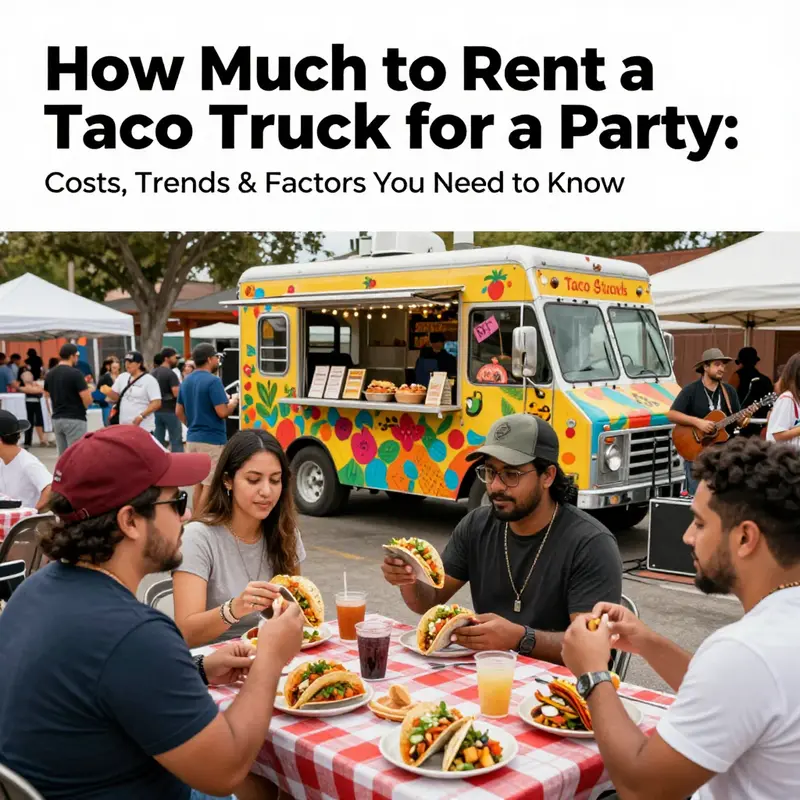
Renting a taco truck for a party is more than a bite-sized catering decision. It is a choice that blends cost, spectacle, and community memory into a single, mobile dining experience. In the modern event landscape, where memories are often shaped by moments captured on phones and shared instantly, the decision to bring a taco truck into the guest list becomes an investment in ambiance as much as appetite. The cost, therefore, is not simply a line on a spreadsheet. It signals the degree to which a gathering will feel like a curated event rather than a routine buffet. The price spectrum reflects a market that has evolved from a simple, cash-only street presence into a sophisticated service, capable of delivering seasonal menus, high quality ingredients, and complete setups that resemble a small restaurant on wheels. When hosts weigh the numbers, they are not only calculating meals but also the social gravity of the moment—the impression a well-run taco operation can imprint on a crowd that expects more than flavor, but a narrative that accompanies the food.
In practical terms, the cost to rent a taco truck for a party fluctuates with a few predictable levers. A basic rental—the truck alone, with minimal or no staff—generally starts around five hundred to one thousand dollars per day. This is the option many hosts consider when they want flexibility to manage staffing and food preparation themselves or through another vendor. But the perceived value of a truck-only rental often hinges on the event size, the guest experience envisioned, and the host’s willingness to coordinate separate catering or beverage services. The more common choice for parties today is the full-service rental, which includes a professional chef, trained staff, all ingredients, and complete setup and teardown. This package typically lands in the range of roughly twelve hundred to three thousand dollars per day, and sometimes higher if the menu demands unusual ingredients, multiple cooking stations, or a broader beverage program. In markets with heavy demand, such as major cities and peak seasons, prices frequently push beyond three thousand dollars per day. There, a premium or high-demand truck—those with distinctive concepts, elevated presentations, or notable culinary reputations—can surpass three thousand five hundred dollars in a single day, particularly when service extends into long events or requires sophisticated power and climate control.
The geometry of these numbers shifts further once you add logistics like delivery. If the truck must travel a considerable distance, a delivery fee can appear, sometimes scaling with miles and the complexity of mobilization. Planning for outdoor events also invites the reality of equipment costs that are easy to overlook at first glance: generators, weatherproofing, outdoor grills, and the need for reliable power to keep both cooking and refrigeration stable. Gratuity for chefs and staff, typically recommended at fifteen to twenty percent, belongs in the budgeting conversation as a signal of service quality rather than a mandatory surcharge. And after the last plate is served, the teardown and cleanup duration can add time to the bill, especially if the team must coordinate with venue staff or navigate tight spaces. All of this means that a straightforward per-day figure rarely captures the full financial picture of renting a taco truck for a party.
In practice, an illustrative example helps ground these abstractions. A well-regarded Los Angeles–area taco truck might charge around one thousand eight hundred dollars for a six-hour event when the package includes a custom menu, some drinks, and sides. That figure, while specific, mirrors a broader pattern: a six-hour window tends to be a natural unit for many vendors, balancing kitchen fatigue with guest engagement. The six-hour frame aligns well with typical party timelines—late afternoon cocktail hours merging into dinner, with room for mingling and toasting. Yet even within that six-hour frame, the content of the menu matters profoundly. A streamlined, crowd-friendly lineup can keep costs in check, while a multi-cuisine or signature-dish approach, or the inclusion of cocktails and beverage pairings via a mobile bar truck, can push the price upward. The narrative here is not merely about price tags but about what guests experience during the window. A truck that provides not just tacos but a curated tasting journey—perhaps with seasonal vegetables, unique protein options, and a well-considered dessert course—delivers value that a simpler setup may not.
To understand why the price might feel steep in some contexts and approachable in others, it helps to think about the drivers behind the numbers. Location is a decisive factor. In markets with long-standing food cultures around street food and a high density of event venues, demand can outpace supply, driving up both baseline rates and add-ons. The same truck that can secure a weekend booking in a small town might demand premium in a metropolitan epicenter where the calendar is crowded, and venues are selective about on-site setup and aesthetics. Duration matters, too. A longer event may require more staff hours, more ingredients, and more time devoted to setup and teardown, all of which contribute to the daily rate. Menu complexity is another ticket to higher costs. A basic taco lineup—al pastor, carne asada, alambre, maybe a vegetarian option—can be priced differently from a menu featuring premium proteins, custom toppings, and signature dishes designed to evoke a theme or cultural story. Beverage components—whether non-alcoholic offerings or a mobile bar with craft accompaniments—can transform a standard taco service into a full-fledged experiential moment and push the total beyond the simplest packages.
The difference between a truck that simply shows up, serves, and leaves, and a full-service operation that feels like a mobile restaurant, is not merely about food. It is about choreography. Full-service vendors plan the flow of guests, anticipate dietary restrictions, handle permits or safety considerations, and coordinate with the host to ensure a seamless experience. They train staff to manage line length and service pace, curate the menu for dietary inclusivity, and engineer the dining area so that guests encounter the food in a way that maximizes both appetite and delight. In this sense, price is tied to the level of control the host relinquishes to the vendor and the degree to which the vendor absorbs operational risk on the day of the event. When vendors include setup rehearsals, stage-like plating stations, or themed décor integrated with the food service, the price almost inevitably rises, but so does the likelihood that the event will feel intentional rather than incidental.
Culturally, the rise of the taco truck as a centerpiece speaks to a broader arc in how communities come together around food. In many places, tacos are not just a meal but a shared ritual—a symbol of local identity, family, and street-level culinary innovation. The appeal of tacos in party settings lies in their adaptability: they can be spicy or mild, family-style or personalized, rustic or refined. They invite conversation as staff explain ingredients or demonstrate the assembly of toppings, turning eating into a participatory experience. This cultural dimension translates into price in two ways. First, hosts are increasingly seeking authenticity and storytelling as part of the guest experience; second, vendors respond with curated menus that honor regional flavors, seasonal harvests, and sustainable sourcing—factors that often carry premium costs but yield a more resonant, memorable event.
From a consumer-expectation perspective, there is a clear shift toward the complete sensory package. Hosts no longer settle for tacos alone; they want signature dishes, beverage pairings, and a degree of thematic cohesion that aligns with the event’s mood. A party inspired by a wellness-forward vibe might feature lighter, vibrant toppings and cold-press beverages from a mobile bar truck, with décor elements echoing a sunlit courtyard. A rustic or tropical theme could pair smoky al pastor tacos with fruit-forward aguas frescas, supported by lanterns and natural textures. The more integrated the experience—food, drink, music, and décor—the higher the potential investment, because the vendor is orchestrating a broader aspect of the party’s atmosphere. And as the technology behind mobile cooking expands, so too does the capacity for specialized equipment. Power sources that keep multiple cooking stations humming reliably, coastal setups requiring weatherproof equipment, or advanced features like kegerators and draft systems for fresh beverages all contribute to both the functional reliability and the perceived premium of the service.
This evolution has not happened in a vacuum. It mirrors larger social patterns in which experiential entertainment has become a central expectation of important occasions. A 2025 report on food truck etiquette highlights how such vehicles have blurred the lines with sit-down restaurants, offering curated menus, seasonal ingredients, and even themed décor. Hosts are increasingly seeking partners who can deliver a cohesive concept rather than a simple service. In response, the pricing landscape shifts as vendors assume more of the guest experience and the operational overhead that comes with it. The result is a market where the baseline costs—what it takes to simply show up and feed people—are modest, while the premium packages that promise a fully realized event concept can be substantial. The pricing reality, then, reflects a cultural demand for experiences that feel both intimate and eventful, intimate in the sense of a shared meal and eventful in the sense of a well-executed narrative around that meal.
Among practitioners and researchers observing this space, there is a common thread about the practical steps a host can take to make sense of the options without sacrificing quality. First, clarify the event’s overarching goals. Is the taco truck primarily a source of sustenance, or is it a central feature that anchors the party’s theme and flow? Second, decide whether to prioritize staffing and menu design in-house or delegate to a vendor who can offer a menu concept and service pace tailored to the guest list. Third, map out the timeline with a realistic window for delivery, setup, service, and teardown, and discuss contingencies for weather or space constraints. These conversations, when anchored in a clear vision, make it possible to translate the broad price bands into a budgeting plan that aligns with the host’s expectations for the event’s atmosphere.
To illustrate how these factors come together in practice, consider how a host might approach quotes from different vendors. The basic truck-only option provides flexibility and a lower initial cost, but the host should be prepared to arrange staffing and ingredients on their own, which introduces potential variability in quality and timing. A full-service package reduces that variability and offers a smoother guest experience, yet it comes with higher upfront costs and a tighter dependency on vendor scheduling. A premium package promises a high-concept experience but requires careful alignment with the event’s theme, guest preferences, and space layout to ensure the choreography of food service meshes with the venue. The decision often hinges on the host’s tolerance for risk, the value placed on seamless execution, and the desire for a narrative that can be told as part of the event—a story guests will remember long after the last bite of taco is consumed.
As hosts move from consideration to procurement, the question of value becomes central. The value proposition of a taco truck rental is not only in the quantity of food or the speed of service but in the degree to which the truck elevates the gathering beyond a standard catered meal. When guests walk away with plates that look and taste distinct, accompanied by a staff that moves with ease and warmth, the event gains a social currency. People discuss the experience on social feeds, tagging friends who could not attend and describing the mood, the aroma, the arrangement of the food stations, and the styling of the service area. In these moments, the cost is reframed as an investment in shareable moments and a sense of belonging—elements that have become essential in planning modern celebrations.
For planners who want to ground themselves in structural knowledge while still appreciating the experiential dimension, there is value in looking to the broader ecosystem of mobile food vendors. A useful starting point is to consider the sustainability and operating practices of the trucks themselves. This aligns with the growing emphasis on responsible event production and can influence both cost and perceived value. The consideration is not merely about reducing waste; it is about choosing vendors whose practices reflect the host’s values and who can articulate a coherent story about sourcing, preparation, and waste management. The thread here is simple: when a host prioritizes sustainable practices in the mobile food space, it often signals a thoughtful, modern approach to event planning that resonates with guests and can influence the overall reception of the gathering. For a concise overview of these ideas, see the resource on sustainable practices for mobile food trucks: Sustainable practices for mobile food trucks.
Ultimately, the decision about how much to spend renting a taco truck for a party is inseparable from the event’s theme, guest expectations, and the host’s appetite for curating an immersive experience. The numbers are helpful anchors, but the true value comes from how the truck’s presence interacts with the space, the timing, and the stories that guests leave with. The modern taco truck is no longer a just-a-quick-bite option; it is a mobile stage on which a celebration can be framed, narrated, and shared. The price tags, then, are not just about paying for food; they are about securing a certain level of coordination, a higher degree of culinary storytelling, and a more seamless social experience for everyone involved. As you negotiate with vendors, keep your event’s rhythm in mind, and let the pricing bands reflect not only the cost of ingredients and labor but the value of a memory-in-the-making that your guests will carry with them long after the dishes are cleared.
External resource for further context: https://www.eventbrite.com/
Final thoughts
Renting a taco truck for a party is more than just hiring a mobile kitchen—it’s about delivering an experience. From the advanced cooking tech that keeps service smooth and speedy, to the nuances of pricing and service tiers, to the regulations that dictate where and when you can operate, each factor shapes your event’s success. And with societal trends driving a demand for unique, culturally resonant food experiences, choosing the right taco truck becomes not only a logistical decision but also a way to connect with your guests on a deeper level. Start planning early, know your budget, and lean into the cultural appeal to make your taco truck party unforgettable.