
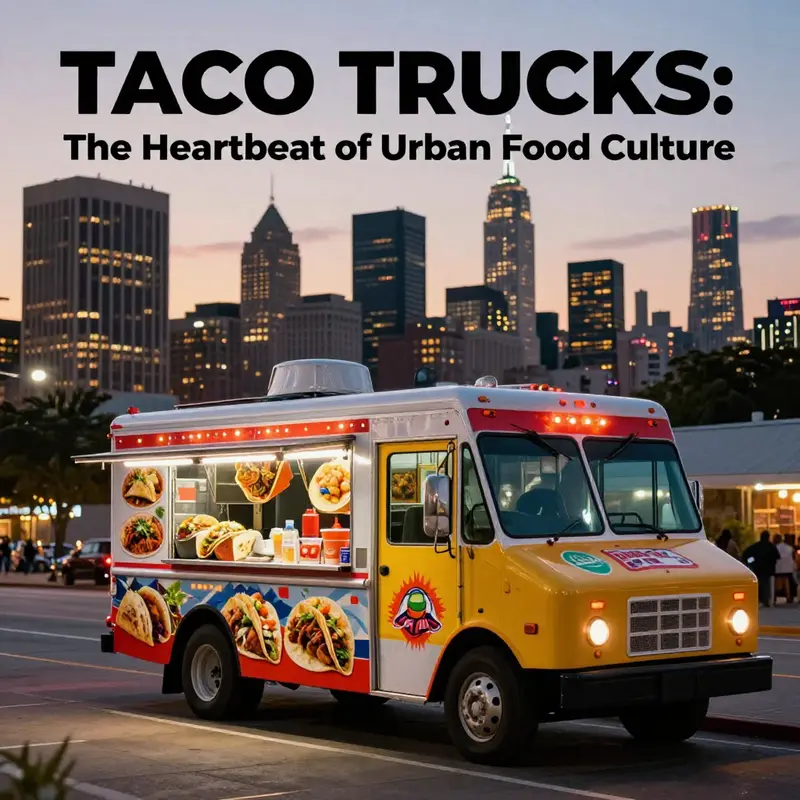
Taco trucks have become more than just food vendors—they embody a unique blend of flavor, culture, and convenience that resonates deeply with urban commuters, outdoor enthusiasts, small business owners, and freelancers. Through the lens of diverse communities, taco trucks serve delicious meals while reviving local streetscapes and fostering an inviting atmosphere wherever they park. In this exploration, we will delve into three critical aspects: the mobile culinary revolution sparked by taco trucks, the economic opportunities they present for aspiring entrepreneurs, and their profound cultural significance in urban environments. Join us as we celebrate these vibrant hubs of culinary delight that inspire community connections and invigorate city life.
Taco Trucks on the Move: How a Mobile Culinary Revolution Reshapes Cities
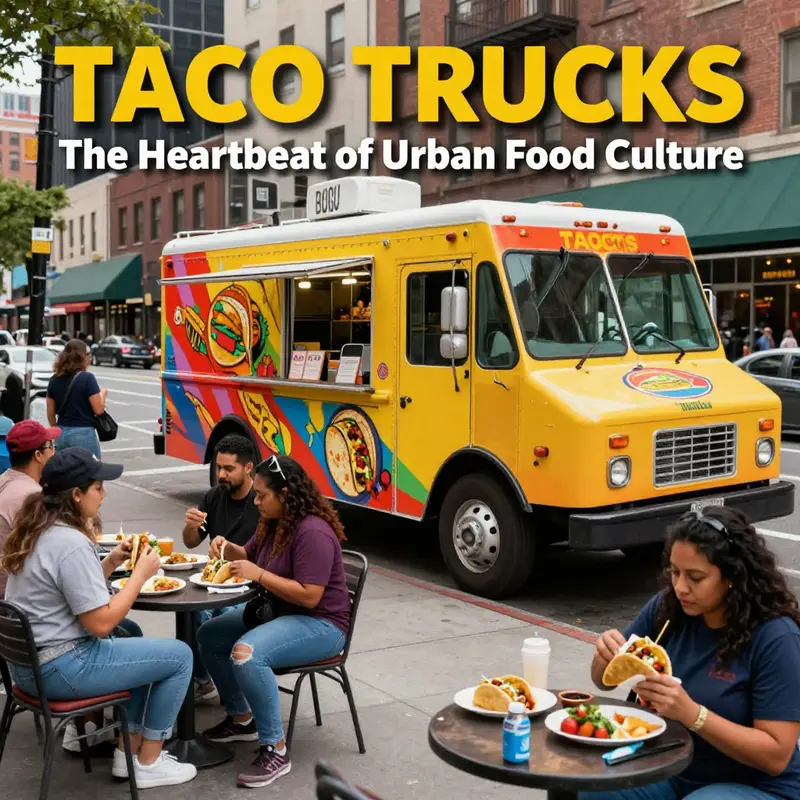
The taco truck is more than a vehicle that serves warm food from a window on wheels. It is a moving microcosm of urban culture, a platform where tradition and experimentation collide, and a practical statement about how people in contemporary cities choose to eat. Across neighborhoods, at street corners, inside parking lots and at crowded festivals, these compact kitchens travel with the rhythm of the city and, in turn, reshape that rhythm. They are both the memory of a family’s Sunday ritual and the spark for a new kind of entrepreneurial ambition that begins with a humble idea and ends with a beloved local institution. In cities that pulse with energy, taco trucks have become fixtures, not merely because they offer affordable, flavorful meals, but because they embody a broader philosophy of mobility, craft, and community that fits the tempo of modern urban life. The street becomes a dining room, and the dining room becomes a street, a loop of feedback where flavor and foot traffic chase each other in real time. The result is a culinary revolution that moves, rather than waits, for patrons to come to it, and it invites a broader audience to participate in the act of shaping what counts as food in the city today.
Mobility is the first and perhaps most important thing a taco truck brings to the table. The pantry, the grill, the cold storage, and the cash box are all in a compact package that can be re-situated with relative ease. This mobility translates into a kind of culinary agility rarely available to brick-and-mortar operations. A truck can follow foot traffic to where people work, study, exercise, or gather for planned events and spontaneous reunions. It can pivot to respond to a popular demand surge or a sudden trend in flavor, moving quickly from one neighborhood to another without the permanence and overhead of a fixed storefront. That agility is not just about geography; it is a way of thinking. It encourages chefs and operators to treat menu design as a living system that evolves with the city’s mood, the season, and the feedback they collect from customers. In practice, this means a truck can prototype new combinations, adjust spice levels, or swap a signature item for a limited-time offering with minimal disruption to a business that depends on precise logistics and rapid service.
The culinary craft inside a taco truck is a study in efficiency and artistry. Everything in a mobile kitchen must be engineered for reliability under movement, temperature fluctuations, and the realities of on-site food preparation. The kitchen is modular, with compartments for grilling, steaming, cooling, and storage that fit into a compact footprint. The pace of service trains cook, crew, and counter staff to maintain consistency under pressure, because a single misstep can ripple into longer lines and disappointed patrons. Yet that same pressure can fuel creativity. When a truck operator treats ingredients as a culinary canvas—balancing crunch with tenderness, heat with acidity, and brightness with depth—the result is a set of dishes that feel thoughtfully constructed rather than hurriedly assembled. The result is more than sustenance; it is a crafted experience delivered with immediacy and warmth. A well-composed taco, a carefully toasted tortilla, a sauce that hits just the right note, all travel a short distance from the pan to the plate, and then to the palate, with the clockkeeping precision of a well-tuned mobile operation.
The economics of a taco truck also illuminate the appeal of this model. Start-up costs for a basic mobile unit are dramatically lower than those of a brick-and-mortar restaurant, which lowers the barrier to entry for aspiring food entrepreneurs. A credible entry point can be as modest as a few thousand dollars for a properly equipped trailer, along with the ongoing costs of maintenance, licensing, and insurance. That lower overhead invites experimentation and risk management in ways that a permanent storefront simply cannot. Operators can test markets, refine their concept, and scale by reinvesting profits into newer equipment or diversified offerings, all while maintaining the flexibility to move to locations with the strongest demand. This financial dynamic aligns with a broader cultural shift toward lean, adaptable business models in food and beyond. It is not just a matter of cost; it is about the relationship between risk, reward, and mobility in a world where urban spaces are in constant flux. The mobile kitchen becomes a way to map opportunity as it appears, rather than waiting for opportunity to appear at a fixed address.
Design and branding are not afterthoughts in the taco truck world. They are essential tools that help a truck stand out in crowded streets, evoke memory and desire, and convey a sense of place and purpose within a few seconds of encounter. The exterior graphics, color schemes, and signage form a visual language that tells a story before the first bite. A distinctive look can anchor a neighborhood’s identity and create a sense of familiarity for regulars who know exactly where to find their favorite flavors on any given day. Yet branding must harmonize with practical concerns: the health and safety standards of the kitchen, the efficiency of service, and the ability to deliver a consistent product regardless of the weather or location. In other words, the aesthetic and the operational are not separate; they work together to shape the customer experience. The branding also communicates values—whether a truck emphasizes bold, spicy flavors, or a more refined, globally inspired approach—helping customers decide not just what they want to eat, but when and where they want to eat it. The social media presence of mobile kitchens reinforces this relationship, turning the street into a stage and the truck into a character in a longer narrative about community, flavor, and mobility.
The supply chain behind the taco truck is a microcosm of global trade in miniature. While the kitchen and the menu are localized, the materials and equipment that keep the operation running come from a global ecosystem. The move toward stainless steel fabrication, modular kitchen systems, and standardized safety and quality certifications reflects a broader trend in commercial food equipment. Operators often seek suppliers who can deliver reliable components that meet international safety standards, ensuring that the truck can withstand daily wear and tear, as well as the rigors of travel between events and neighborhoods. The global dimension of this supply chain underscores a paradox at the heart of mobile food entrepreneurship: the products are deeply rooted in local culture and daily life, yet the machinery that enables them to function crosses borders to enable a portable taste of that same culture to travel far and wide. This international dimension is part of what makes the taco truck a global phenomenon, a mobile ambassador of a cuisine that has migrated into new urban landscapes with resilience and adaptability.
Cultural significance is perhaps the most compelling lens through which to view the taco truck. It embodies a fusion of heritage and modern urban life, a living archive of how people from different backgrounds negotiate space, time, and appetite. In many communities, family histories intersect with city growth as generations pass the craft from elders to younger cooks who bring new energy and curiosity to traditional recipes. The truck becomes a place where flavors from different regions and regions of the world meet in real time, at the corner where people work, study, and socialize. It is not only a place to eat; it is a social occasion, a moment where strangers share a table in a queue, exchange recommendations, and build a sense of belonging around a common appetite. In this sense, the taco truck serves as a cultural ambassador, translating a kitchen’s history into a living, democratic public experience. It is a democratic gesture that invites everyone to participate in the ongoing story of food, labor, technology, and place, and it does so with a immediacy that a fixed restaurant cannot replicate.
As this movement has grown, it has spurred parallel innovations in the broader mobile food economy. The core principles—mobility, authenticity, adaptability—have resonated across cuisines and business models, spawning a family of mobile concepts that borrow the same playbook: a compact kitchen, a strong brand, and the ability to meet customers where they are. This cross-pollination has created a vibrant ecosystem in which chefs learn from each other, share techniques, and experiment with new ideas, all while staying true to the essential idea that great food can be delivered quickly, with personality, and in a way that honors the communities in which the trucks operate. Scholarly observations and cultural analyses have traced this trajectory, noting how the taco truck’s journey—from a traditional street food practice to a globally recognized mobile trend—parallels shifts in how people think about food, labor, and urban space. The streets become classrooms, the trucks become studios, and the diners become co-creators in a shared, evolving culinary landscape.
This broader chapter of mobile gastronomy is not only about those who cook and serve. It is about the people who curate the experience—the customers who seek out certain flavors, the neighborhoods that welcome a new voice at their corners, and the networks that support the continuing growth of mobile food entrepreneurship. The success stories that emerge from this dynamic are often less about a single charismatic chef and more about the discipline of execution, the rigor of sourcing, and the patience to refine a concept over time. A truck can become a community hub, a place where a sense of belonging is built through a shared appetite for food and conversation. It can also become a platform for chefs who want to explore culinary boundaries, blending techniques and influences from around the world to create dishes that surprise and delight without sacrificing the authenticity of the core offering. The result is a constantly evolving narrative about what it means to eat well in a city where time, space, and appetite are in perpetual motion.
Sustainability and responsibility have entered the conversation about mobile food more than once, prompting operators to rethink waste management, energy use, and sourcing. The emphasis on greener practices is not an add-on but a core driver of how a modern taco truck can operate efficiently while minimizing its environmental footprint. From choices about packaging and compostable materials to energy-efficient equipment and the reduction of food waste through smarter inventory management, operators are finding ways to keep the experience affordable and appealing without losing sight of stewardship for the neighborhoods they serve. The ongoing conversation about sustainability is not a single policy discussion; it is a practical, day-to-day discipline that shapes menu planning, supplier relationships, and the very rhythms of service. For readers who want to explore this dimension in more depth, there is a useful resource that highlights sustainable practices for mobile food trucks. Sustainable practices for mobile food trucks.
The richness of the taco truck story lies in how these small, movable kitchens function as engines of culture, commerce, and community. They demonstrate that the street is not merely a conduit for traffic but a canvas for culinary invention and social connection. They reveal how people and ideas travel together, how a neighborhood can rally around a single truck, and how the shared act of eating can become a catalyst for conversation, collaboration, and resilience. The movement invites us to reconsider the spaces we inhabit, the ways we spend our time, and the value of mobility as a center of gravity for urban life. As cities continue to evolve and new generations of cooks bring fresh perspectives to the wheel, the taco truck will likely remain a dynamic symbol of how flavor travels and communities grow when food learns to move with them, not in spite of them. The road ahead promises further experimentation, more diverse flavors, and continued conversations about how best to sustain a vibrant, inclusive, and delicious mobile food culture for years to come, even as the city itself continues to change shape around it.
External resource: Austin Chronicle article on discovering the best tacos in Austin strictly from food trucks
Rolling Economies on Wheels: The Economic Heartbeat Behind What a Taco Truck Represents
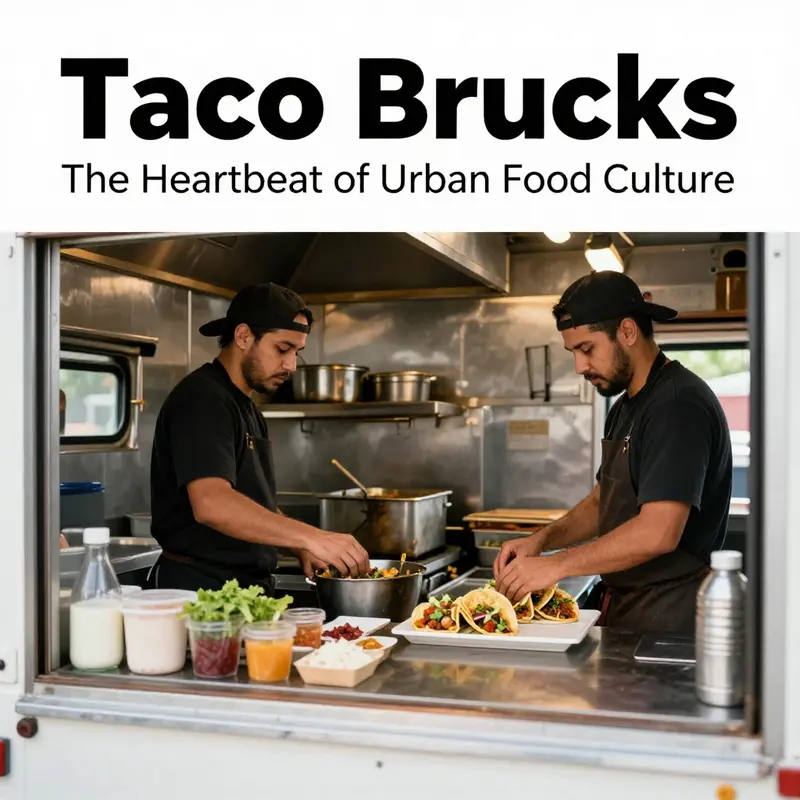
In the crowded tapestry of urban life, a taco truck moves through neighborhoods the way a small business moves through a year. It is not merely a kitchen on wheels; it is a compact engine for entrepreneurship, a portable storefront that tests ideas in real time and carries them to streets, parks, office districts, and festival grounds. The economics of this model rests on a simple premise: low overhead, flexible location, and the ability to respond quickly to demand. A basic mobile taco truck or trailer can start with an initial investment that is a fraction of what a brick-and-mortar restaurant requires. The numbers matter not just as financial metrics but as the story of opportunity for aspiring cooks and immigrant entrepreneurs who seek a viable foothold in a highly competitive food landscape. When you walk through the math, you see why these vehicles have proliferated in cities from coast to coast and why they continue to adapt to new consumer expectations while preserving a sense of cultural connection that is as much about flavor as it is about mobility.\n\nThe entry cost is a crucial determinant of how accessible this path remains. A mobile kitchen can be outfitted for a few thousand dollars in a pared-down setup, with typical dimensions around four meters long and two meters wide, and a weight just over a metric ton. Those specifications, modest by larger commercial standards, translate into a business whose risk profile is lighter and whose operational cadence can be tuned to meet shifting demand. Because the space is compact, the ability to optimize workflow matters deeply. The kitchen’s modular design enables cooks to assemble a system that supports rapid food preparation, efficient cleaning, and safe storage. This is not just about cooking; it is about designing a workflow that minimizes waste, reduces idle time, and accelerates service without sacrificing quality.\n\nThe practical appeal goes beyond the sticker price. By avoiding long leases and fixed utility costs associated with a brick-and-mortar site, taco truck entrepreneurs preserve liquidity and maintain the option to pivot. When a truck parks near a corporate campus during lunch hours, it captures a reliable, if sometimes seasonal, stream of revenue. When a festival hits town, a single vehicle can scale up to serve hundreds or thousands of meals in a matter of hours. This elasticity is at the heart of the business model. It allows operators to calibrate their footprint to demand while avoiding the heavy debt financing that can burden traditional restaurants. The result is a resilient platform that can weather economic fluctuation better than many fixed-location eateries, especially in markets with high rents and volatile foot traffic.\n\nYet, every autobistro on wheels carries ongoing costs that influence profitability in predictable ways. Power is a recurring need; most trucks rely on generators or a nearby electrical hookup to run refrigeration, grills, and ventilation. Fuel, maintenance, insurance, licensing, and health inspections add layers of expense that bite into margins if not managed with discipline. In many places, the regulatory environment also shapes cost structure. Permits, health codes, and compliance requirements create a baseline of overhead that operators must factor into pricing and scheduling. The smart operators treat these costs not as constraints but as design parameters. They adjust portion sizes, optimize batch cooking to reduce waste, and align menu items with sourcing costs to protect margins.\n\nThe adoption of modern payment methods is a notable economic trend that has quietly reshaped how a taco truck operates and how it is perceived. Credit cards and mobile payments have become the norm for many customers, and the share of trucks accepting plastic has risen to a point where the old cash-only stereotype is becoming less representative of everyday practice. Industry observers have documented broad shifts in payment behavior, with a significant portion of transactions now processed electronically. Alongside this shift, tipping norms have become more explicit, with suggested tip ranges often displayed at the point of sale. These changes reflect a broader formalization of the mobile food space: a kitchen on wheels that embraces professional payment standards, issue-spotting risk controls, and data collection that helps operators refine their offerings and staffing.\n\nThe economics of a taco truck are inseparable from location strategy and customer reach. The business model thrives on mobility and proximity. Operators scout daily rhythms—where people gather, when lunch bells ring, where events overflow with attendees—and they adapt by moving from one highly populated corridor to another. The very idea of being able to meet customers where they are makes this model attractive to people who want to test ideas without the risk of a permanent storefront. A truck can follow urban growth, chase seasonal markets, and participate in community events with a level of agility that is hard to replicate in stationary operations. This mobility is not merely geographic; it is a financial strategy. It allows an entrepreneur to balance cash flow, inventory, and labor in a way that supports sustainable growth rather than large, debt-driven expansion.\n\nThe supply chain dimension of the taco truck ecosystem adds another layer of economic texture. The vehicles themselves are the product of a globalized supply chain, particularly in the area of stainless steel fabrication and trailer engineering, which often originate in major manufacturing hubs overseas. Buyers seek manufacturers with recognized quality assurances, including ISO 9001 certification and compliance with kitchen equipment safety standards. This backdrop matters because the reliability of a truck’s equipment—refrigeration units, grills, ventilation systems, and storage—directly affects operating days, service speed, and the ability to maintain consistent food safety standards. When a kitchen runs smoothly, it not only serves customers; it preserves the business’s reputation and its capital base. Conversely, equipment failures can cascade into lost sales, wasted food, and stressed cash flow. The economic calculus, therefore, extends from the price tag on a trailer to the reliability of every component that keeps the service moving.\n\nCultural symbolism and economic utility go hand in hand in this sector. Taco trucks are not only about satisfying hunger; they are about culture carried through mobility. They reframe the urban landscape into a rotating gallery of flavors, attracting a diverse customer base that spans office workers, families, students, and curious passersby. The branding on a truck is part of the value equation: color, language, and graphics that communicate a sense of place and a promise of consistent taste. In neighborhoods that embrace this blend of heritage and entrepreneurship, the truck becomes a micro-community hub, a place where people may discover new flavors while supporting a small business. This cultural dimension is not ancillary; it sharpens the business case by generating loyalty, repeat visits, and word-of-mouth growth. It also creates a feedback loop that helps operators refine their menus in tune with evolving tastes without losing the core identity that attracted customers in the first place.\n\nBeyond the kitchen and the branding, the tacit economics of being a mobile vendor involve navigating the regulatory landscape. Licensing regimes, health inspections, and zoning rules shape when and where a truck can operate. Some jurisdictions require time-bound permits for specific events; others allow year-round operation with annual renewals. These rules may seem bureaucratic, but they function as a form of market discipline that can deter entry by less prepared players and protect both customers and operators. For a seasoned operator, the regulatory framework becomes part of the operating playbook—an ongoing calendar of renewals, inspections, and compliance checks that aligns with inventory planning and staff scheduling. In this sense, the taco truck is a microcosm of small-business governance: it demands discipline, foresight, and an integrated approach to cost management, revenue generation, and risk mitigation.\n\nThe economic narrative of a taco truck would be incomplete without acknowledging the broader ecosystem that keeps street food thriving. Local suppliers—produce vendors, meat distributors, dairy providers, and packaging suppliers—help shape the daily cost structure and the reliability of service. The resilience of this ecosystem matters when supply shocks occur. A truck that has diversified its supplier base and built relationships with community markets can weather price spikes or shortages more effectively than one that relies on a single source. The same logic applies to labor. A lean staffing model works best when cooks, drivers, and service staff operate with clear roles and synchronized timing. When training is consistent and cross-trained, a truck can shift between tasks, manage peak demand, and maintain service quality even during tight labor markets. In this way, a taco truck embodies a flexible, people-centric approach to economics, where relationships with staff, suppliers, customers, and regulators all converge to determine profitability and community impact.\n\nThe narrative of profitability also benefits from a reference point that many operators monitor closely: the balance between fixed costs and variable revenue. The fixed costs—license fees, insurance, upkeep of equipment, and routine maintenance—create a baseline that cash flow must surpass. The variable revenue drivers—daily foot traffic, event-based sales, and seasonal fluctuations—provide the upside that can push profit above that baseline. The more effectively an operator manages portion control, waste reduction, and menu engineering, the more the variable revenue translates into real profit. In many markets, a well-timed menu that emphasizes high-margin items or items with cross-selling potential can move the needle without requiring dramatic changes in the business model. Here again, the mobility and low entry costs unlock a kind of experimentation economy: operators can test recipes, gauge customer response, and reallocate resources quickly based on observed performance.\n\nThe interplay of cost, speed, and quality explains why the taco truck has become a meaningful economic unit in cities that prize culinary diversity and accessible food. In places where urban amenities and work rhythms intersect with cultural curiosity, these trucks become everyday fixtures. They offer a practical pathway to entrepreneurship that doesn’t demand a fortune upfront but rewards careful management and a willingness to adapt. The ability to follow demand—from a midday campus crowd to a late-evening festival lineup—transforms what could otherwise be a risk into a series of leverageable moments. It is this responsiveness, coupled with a kitchen that can be scaled up or down in minutes, that makes the taco truck more than a novelty. It is a dynamic, living example of how modern small business can thrive on mobility, community, and constant reinvention.\n\nFor readers who are curious about how to take a calculated step toward this path, a body of industry insight emphasizes profitability and operational discipline without boxing in ambition. The financial logic remains clear: keep upfront costs manageable, maintain reliable equipment, and treat every sale as part of a longer-term plan to balance cash flow with growth. The path to profitability lies not in chasing every trend but in building a dependable, repeatable process for fulfilling demand wherever it appears. In that sense, the taco truck represents a careful orchestration of cost discipline, customer insight, and mobility—an economic narrative that is at once pragmatic and culturally resonant.\n\nTo further explore the profitability and trends shaping owner-operators, this chapter draws on practical industry insights that guide decision-making for aspiring and current operators. For readers seeking a deeper dive into profitability playbooks, consider the resource that consolidates essential trends for 2025. unlocking-profitability-essential-trends-every-owner-operator-needs-to-know-in-2025. This citation is not a blueprint but a companion reminder that accuracy in forecasting, a disciplined approach to pricing, and a continuous focus on customer experience are the core anchors of long-term viability.\n\nFinally, the broader economic story of what a taco truck represents points toward a future in which mobility and culinary entrepreneurship reinforce local economies. The tacit lesson is simple: small-scale, adaptable business models can deliver big social and economic returns when they are paired with strong operations, community ties, and thoughtful risk management. These trucks do more than feed people; they feed opportunity. They demonstrate how creative labor, modest capital, and a willingness to move with the city can build a durable, inclusive food economy—one stop, one meal, one rolling kitchen at a time.\n\nExternal resource for further context on industry standards and practice: https://www.nationalfoodtruckassociation.org/
Rolling Kitchens, Reclaiming Space: The Cultural Narrative of Taco Trucks in Urban Life
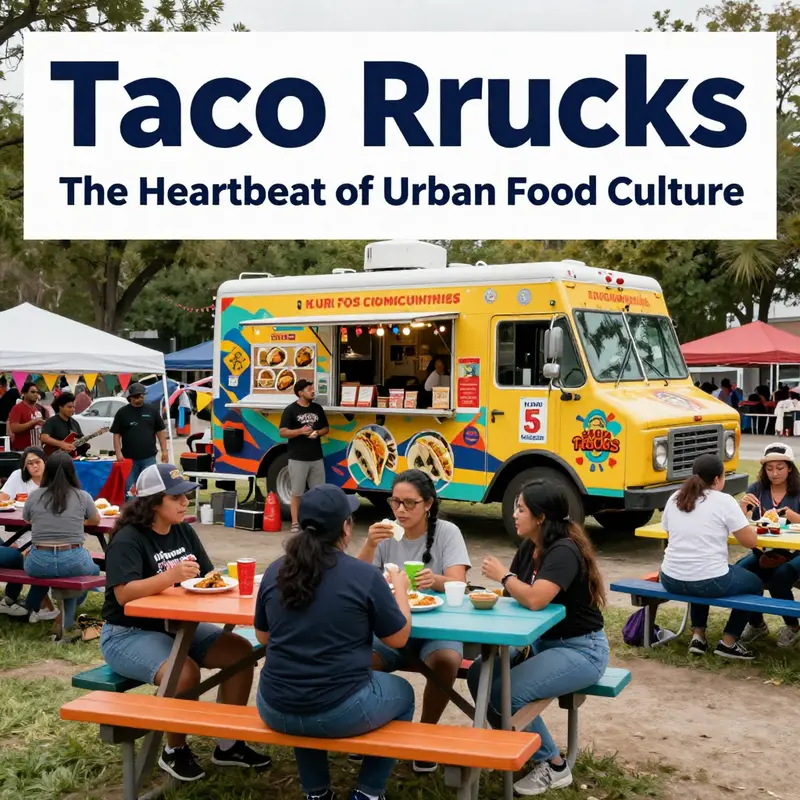
The street is a theater, and the taco truck is its agile stagecraft. In many American cities, the sight of a compact, gleaming trailer or a mobile window riding on wheels signals more than a quick meal. It signals possibility, a portable rite that stitches together memory, appetite, and belonging in a way that bricks and mortar can rarely replicate. The taco truck is iconic not merely for its bright colors or its ability to deliver affordable flavors; it is a living, moving site of cultural affirmation. It travels through neighborhoods, parks, and office corridors, turning liminal space into a social commons. In urban spaces where space itself is contested, the truck asserts a right to the city through the daily labor of cooking, serving, and gathering. The sizzle of a grill, the rhythm of a long-handled spatula, and the aroma of cilantro lifting into the air create a sensory map that locals recognize, navigate, and, in many cases, defend as a shared heritage being kept alive and reinterpreted for new generations.
These mobile kitchens embody resilience and ingenuity born from the lived experience of immigrant communities. They often arise from families and small business founders who bring with them not only recipes but a portable ecology of labor, networks, and cultural memory. The truck becomes a small factory of opportunity where barriers to traditional restaurant ownership—permitting, zoning, landlord resistance, startup capital—are navigated with flexibility, creativity, and community support. In this sense, taco trucks are not just economic actors; they are social organizers working within and against the constraints of urban policy. They demonstrate a practical argument for the labor and expertise of newcomers who transform scarcity into something shareable, something that nourishes the body and the social fabric at once. The concept of the right to the city—long discussed in academic and policy circles—finds a tangible ally in the taco truck. By moving through the city on a daily schedule, they reclaim street corners and open spaces that might otherwise go unused, inviting strangers to linger, talk, plan, and celebrate together.
The urban map itself becomes stitched with the routes and gazes of the trucks. A corner that is underutilized at noon or overlooked after dusk becomes a node of encounter when a truck appears. People who pass by every day—commuters, parents, students, night-shift workers—find in the truck a predictable moment of relief, a shared ritual that anchors a hectic day. The stall is a temporary, portable community center; it hosts conversations as easily as it hosts meals. The food, while delicious and comforting, functions as a mediator that translates cultural difference into a common experience. The flavors carry memories of home and the curiosity of a palate newly discovered—mango salsa alongside traditional onions and lime, regional sauces adapted to local tastes, and a menu that can reflect both the homeland and the street-level experimentation that urban culinary life has always celebrated. The result is a hybrid culinary culture that travels, evolves, and diffuses through the urban landscape, enriching the city’s broader foodscape without dissolving any particular identity.
Scholars have traced this phenomenon with careful attention to geography, economy, and politics. They describe taco trucks as dynamic sites where immigration, class, and ethnicity intersect with the commodification of food and the circulation of capital. The trucks operate at scales that reveal much about how modern cities work: the informal economy meeting formal regulatory regimes, the outsider communities negotiating access to public space, and the everyday practices of cooking and serving that turn a simple meal into a shared cultural event. In major metropolitan areas across the United States, these trucks have become powerful symbols of cultural affirmation and social transformation. They frame urban identity not as a fixed, homogeneous relic but as a living, negotiated process in which communities stake their presence, tell their stories, and invite others to partake in a collectively imagined city. The politics embedded in this daily activity are subtle yet meaningful. They illuminate how space is allocated, who is permitted to shape it, and how public life can be made meaningful through the ritual of shared food. The trucks function as microcosms of larger urban political economies, showing how cultural expression, entrepreneurship, and community memory can co-create durable urban value—even in the face of gentrification and exclusion from traditional spaces.
In this light, the social life of the taco truck extends beyond the kitchen and the menu. It encompasses branding and color as acts of identity, the music and conversation that accompany the cooking, and the informal networks that sustain operators through weather, regulation, and market fluctuations. A bright red or turquoise panel may carry imagery that evokes a homeland, a family history, or a local story. The branding becomes a portable billboard for belonging, inviting others to ask questions, share stories, and participate in a broader dialogue about who urban space is for and who gets to possess it, even if only for a few hours at a time. The street corner thus becomes a stage for performance of culture, and the truck a vehicle for cultural exchange. In this sense, taco trucks contribute to the urban economy while also shaping how people relate to one another in shared places. They attract not only customers but collaborators: musicians who perform nearby on weekends, artists who paint murals around the truck, and students who organize pop-up cultural events that revolve around the foods on display. The resulting ecosystem of relationships makes the truck not merely a commercial venture but a catalyst for social connectivity.
The cultural significance of taco trucks also raises questions about how urban space is negotiated in the era of rapid change and redevelopment. As neighborhoods change and new residents arrive, traditional gathering places can be displaced. Yet the persistence of taco trucks in these spaces demonstrates a form of cultural resilience that resists erasure. They adapt by moving along routes, altering menus, and partnering with local organizations to host events, fundraisers, or community dinners. This adaptability is not merely pragmatic; it is a cultural strategy that keeps a conversation about heritage active within the city. It invites new residents to participate in a shared urban experience while enabling long-standing communities to preserve and reinterpret their culinary traditions. In effect, the taco truck helps to democratize urban belonging, offering a platform where diverse voices can be heard at the same table, literally and figuratively. The presence of these mobile kitchens reveals the way food acts as a language that crosses borders, negotiates power, and builds trust among people who otherwise might live beside each other but not with or through each other.
The broader cultural narrative is also shaped by the way taco trucks are integrated into daily life and memory. For many, the truck is a reliable sign of home, a soundscape of sizzling oil, and a scent that calls up childhood kitchens. For others, the truck introduces a new flavor that becomes part of their own memory bank. In either case, the truck becomes a site of cultural education and exchange. It invites cross-cultural dialogue, where customers learn the stories behind recipes and operators learn from feedback about what resonates with a new audience. The result is a gradual blending of culinary practices that enriches the city’s gastronomic repertoire without erasing the origin stories that fueled the enterprise in the first place. This dynamic mirrors broader patterns of migration and exchange in urban life, where the city is understood not as a single homogeneous culture but as a palimpsest of communities whose flavors, rhythms, and textures overlap, intersect, and evolve.
The academic literature on this subject emphasizes that taco trucks are more than edible commodities; they are cultural artifacts that reveal the political economy of contemporary urbanism. They demonstrate how marginalized groups can reclaim and remake urban space through everyday work, offering a counter-narrative to narratives about decline and invisibility. In major U.S. cities, the presence of taco trucks shapes local identity and power dynamics, functioning as spaces of cultural affirmation and social transformation. They become sites where people gather to celebrate shared memory, to negotiate new identities, and to imagine a city where mobility, entrepreneurship, and cultural expression can co-exist and reinforce one another. The significance lies not solely in what is served, but in how serving becomes a form of citizenship—an assertion that public space belongs to the people who use it, who cook in it, and who learn from one another there. This perspective invites a more generous, nuanced understanding of street food institutions as essential components of modern urban life.
As we consider the place of the taco truck in urban communities, it is also important to acknowledge the everyday labor that makes this phenomenon possible. Behind every perfectly folded tortilla, there is a workforce that organizes, cleans, inventories, procures, and navigates a complex regulatory landscape. The operators must negotiate permits, comply with health and safety standards, manage cash flow, and adapt to fluctuating demand and seasonality. This labor is often invisible to casual observers who see only the storefront shine and the aroma in the air. Recognizing this labor deepens our appreciation for the cultural significance of the truck. It highlights the skill, resilience, and communal knowledge that sustain these mobile kitchens. It also underscores the way in which small-scale entrepreneurship can contribute to urban vitality by creating spaces where people feel welcome and where diverse culinary practices can flourish side by side with more established food economies. In this sense, the taco truck is not simply a cultural artifact; it is a practical, participatory mechanism for reimagining what urban life can look like when mobility, memory, and community come together in a single, flavorful space.
To situate this discussion within a broader scholarly frame, consider the body of work that examines how small, mobile food enterprises influence urban identity and power dynamics across major metropolitan areas. The central insight is that the street food micro-economy offers a unique lens on citizenship, belonging, and social transformation. It shows how ordinary acts of cooking and serving become acts of cultural expression and political agency. The urban landscape is thereby re-envisioned as a place where cultural production can unfold in everyday practice rather than solely within formal institutions. This perspective aligns with the idea that modern cities are constructed through the daily negotiations of residents and workers who occupy space, move through it, and give it meaning through shared meals and shared stories. The taco truck, in this frame, is a portable theater for culture, a site of memory making, and a vehicle for ongoing negotiation about who belongs where and how we share the city we all call home.
In closing this loop of thought, it is worth noting how the phenomenon travels beyond national borders even as it remains deeply rooted in local experience. The globalization of the mobile kitchen, the supply chains that brought stainless steel and equipment to distant locales, and the cross-border currents of culinary technique all converge on the same street corners where flavors fuse and communities converge. The insights offered by scholars illuminate the power of food to shape urban life in ways that numbers alone cannot capture. They remind us that when a taco truck appears in a vacant lot or on a busy corner, it does more than fill stomachs. It fills a narrative space where memory, identity, and aspiration meet, and where the city learns to see itself through the eyes of those who cook, share, and connect across lines of origin and experience. This is the cultural significance of the taco truck in urban communities—a rolling, edible monument to belonging in a city that never stops moving.
For readers seeking a deeper scholarly context, this chapter builds on the insights from the work on The Taco Truck: A Cultural and Political Phenomenon in U.S. Cities, which examines how these mobile kitchens shape urban identity and power dynamics in major metropolitan areas. The analysis highlights how taco trucks function as spaces of cultural affirmation and social transformation, offering a crucial lens on the political economy of contemporary cities. External reference: https://doi.org/10.5406/j.ctvh9w19c
To connect this narrative to ongoing conversations about community resilience and urban life, consider the practical and social role of moving platforms for civic engagement. A concrete example of this is the Trucks for Change program, which explores how mobile kitchens can catalyze community engagement and impact. See more about this initiative at Trucks for Change: community engagement impact.
As the chapter turns toward the next explorations of urban entrepreneurship and culinary innovation, the focal point remains clear: the taco truck is not merely a vehicle for a meal. It is a portable, improvisational institution that translates memory into taste, solidarity into revenue, and space into belonging. In the language of urban theory, it embodies a living practice of citizenship, a reminder that cities are not finished projects but continuous negotiations among diverse voices who choose to gather, share, and imagine together. The story of the taco truck is, in essence, a story about community, mobility, and the dynamic economy of urban life, told not in grand declarations but in the daily acts of cooking, serving, and connecting on the street.
Final thoughts
As taco trucks redefine our urban landscapes, they offer a taste of diversity and community connection, reflecting the changing, dynamic nature of modern food culture. From the streets bustling with flavor to the entrepreneurs building their dreams on wheels, these mobile kitchens are emblematic of community spirit and culinary innovation. Whether you’re an urban commuter seeking a quick, delicious bite or a small business owner dreaming of your first venture, the taco truck represents an accessible entry point into the world of food entrepreneurship. So, embrace the richness of your city’s taco trucks—they’re not just about the food; they’re about the stories, connections, and cultural exchanges that shape our neighborhoods.