
Taco trucks have become staples in urban landscapes, attracting busy commuters and outdoor enthusiasts alike with their delicious offerings. But how do we know if these mobile food vendors meet health standards? Just like traditional restaurants, taco trucks are subject to health ratings that ensure they comply with hygiene and safety protocols. In this guide, we will dive deep into how taco trucks are rated, the inspection process involved, public access to health ratings, and how these ratings influence consumer choices. Each chapter will equip you with a comprehensive understanding of this important aspect of dining on the go.
Decoding the Health Ratings of Taco Trucks: What the Sizzle Really Signifies for Safe Eating
The aroma of street-level cuisine, the bright chrome of a mobile kitchen, and the line of devoted fans wrapped around a curbside window form a scene that feels almost quintessentially modern urban dining. Taco trucks have become more than a quick meal; they are a social ritual, a way to sample regional flavors on wheels, and a canvas for entrepreneurial ingenuity. Yet beneath the salsa and siren-like sizzle lies another truth that diners increasingly demand: health ratings. These ratings are not a decorative badge but a public signal about safety, hygiene, and consistency. Across many parts of the United States, taco trucks are regulated with the same scrutiny that governs brick-and-mortar restaurants. Local health departments inspect these mobile operations, check the cold and hot holding, the cleanliness of the prep areas, the integrity of the water supply, and the personal hygiene of staff. The results are often posted, searchable, and intended to empower informed choices. The notion of a health rating applied to a taco truck may feel surprising to some—after all, a truck on the street can seem like a casual, improvised business. But the inspection regime recognizes that food safety does not depend on a permanent building; it hinges on procedures, training, and discipline wherever food is prepared and served. When a truck passes, the score signals trust; when it falters, the score signals opportunity for improvement and, sometimes, a consumer decision to dine elsewhere. A real-world illustration, such as a taco truck like Tacos Tamix in a busy neighborhood, shows how the system operates in practice: a B grade reflects compliance with essential safety standards, while also indicating there is room for ongoing improvement. The point is not to cast doubt on the trucks but to highlight that transparency matters. In places where inspection results are openly accessible online, customers can see the trajectory of a business’s safety practices over time, not just a single snapshot. In that sense, health ratings become part of the restaurant ecosystem’s public ledger, accessible to everyone who wants to make safer, more informed choices about what lands on their plate.
The cultural significance of taco trucks is not incidental to this discussion. In cities such as Austin and beyond, these mobile kitchens began as family-run stands that moved from weekend roots into enduring community favorites. Mobility is a core feature, enabling chefs to reach diverse neighborhoods, test menus, and operate with lower fixed overhead than brick-and-mortar venues. This dynamism is precisely what makes robust health oversight all the more important. When a truck can relocate with ease, it also bears the responsibility to maintain consistent standards across sites and days. The public health framework recognizes this reality and applies rules that reflect the shared risk of foodborne illness, regardless of whether the kitchen is stationary or on the move. The interplay between culture and safety creates a complex, real-world landscape where the public good and entrepreneurial ingenuity meet at the curb.
Understanding health ratings for taco trucks, then, involves weighing the strengths of this system against the real-world challenges it faces. One strength is the clarity that ratings can offer: a visible, standardized measure that customers can interpret alongside their experience of flavor, freshness, and service. A passing grade or a high score affirms that the operation adheres to essential hygiene practices, including temperature control, handwashing protocols, utensil cleanliness, and the separation of raw and ready-to-eat foods. It also signals that the operation has met training requirements for staff and maintains clean, properly labeled storage and preparation areas. When ratings are public, they serve as a community check, a shared standard that can motivate continuous improvement even in a fast-moving mobile environment.
But the system also reveals tensions and gaps that diners should understand. The Los Angeles County example from a broader research base illustrates a potential red flag: a 2014 report showed that nearly 40 percent of food trucks and carts in the county had never been inspected by health authorities. That statistic underscores a variability that can exist across jurisdictions, especially in regions where resources or administrative practices lag behind the pace of mobile food commerce. Even when inspections occur, outcomes may be mixed. A case in point is the aforementioned B grade for a particular truck, which indicates compliance with core safety requirements but also highlights opportunities for improvement. Such mixed results remind us that ratings are not a final verdict but a snapshot in time and a prompt for ongoing diligence by both operators and regulators. They also highlight why transparency matters: a scoring system without public visibility risks eroding consumer confidence and leaving gaps in accountability. The dynamic is not about penalty alone; it is about continuous refinement of practices—training, record-keeping, sanitation routines, and the reliability of the supply chain—so that a truck’s sizzle is matched by consistent safety.
From a consumer safety perspective, several practical measures flow from this understanding. First, look for health inspection scores that are publicly posted and up to date. A recent rating posted in a visible place, or accessible through a health department website, gives you a reliable baseline for how the truck manages core safety concerns on the day you visit. Second, consider the trend rather than a single score. A history of improvements or declines can tell you more about a business’s commitment to safe practices than a one-off rating. Third, reading the rating should be paired with sensory cues and observed practices. The packaging used for transport deserves a nod. Durable, properly sealed packaging protects food during transit and reduces contamination risks, while also preserving temperature and presentation. When possible, choose vendors who use packaging designed to maintain integrity from kitchen to curb, alongside clear labeling of ingredients and allergen information. These small indicators contribute to safer dining experiences and reinforce the value of a reliable rating system.
To close the loop between culture, safety, and daily dining, consider the broader ecosystem of mobile food operations as you navigate the streets. Health ratings, public postings, and the transparency that accompanies them are not isolated factors; they are part of a cohesive ecosystem that includes ongoing training, equipment maintenance, and adherence to best practices for food handling and sanitation. The responsibility is shared among regulators, operators, and consumers. Regulators set the rules and conduct inspections that verify critical control points. Operators implement procedures to sustain those standards in a mobile environment where space is limited and workflows can change with every location. Consumers exercise discernment by consulting posted ratings, observing cleanliness in the truck’s workspace, and choosing vendors that demonstrate a consistent record of safety. In this light, the health rating becomes not a bureaucratic hurdle but a practical signal for safe, satisfying meals.
For readers seeking a practical pathway to improve or assess a mobile food operation’s safety practices, a useful resource can be found in coverage of sustainable, safety-forward practices for mobile food trucks. The intersection of culture and safety is not about policing innovation out of street food but about guiding it toward consistently safe outcomes. A discussion of sustainable practices for mobile food trucks offers a complementary perspective. You can explore practical considerations for sanitation, storage, and workflow in a compact kitchen by visiting the resource that distills these ideas into actionable steps: sustainable-practices-mobile-food-trucks. The emphasis there is less about rating as a standalone measure and more about embedding safety into every shift, every route, and every menu tweak. When safety becomes part of the everyday rhythm of a mobile kitchen, ratings tend to reflect that continuity, not just the momentary compliance captured during a routine inspection.
In the end, taco trucks contribute richly to urban life by delivering vibrant flavors, community connection, and affordable meals. They also demand a robust framework of health oversight, particularly given their mobility and the variability of inspection practices across jurisdictions. The central takeaway is clear: health ratings matter, public access to those ratings matters, and how we interpret and act on them matters as well. Trust in a taco truck is built not only on a delicious bite but on the visible evidence that safety protocols are in place and actively maintained. When a customer can verify a rating, observe clean handling, and see a consistent pattern of compliance, the dining experience becomes less about a single plate and more about a reliable, safe rapport between street food culture and public health.
External resource: https://publichealth.lacounty.gov/
On the Road to Safe Bites: Unpacking How Taco Trucks Earn Health Ratings and What It Means for Diners
The question of whether taco trucks have health ratings is a gateway to understanding how city health systems protect eaters, no matter where a meal is prepared or served. Across much of the United States, mobile food vendors sit under the same umbrella of food safety as brick-and-mortar restaurants. They move through neighborhoods, sometimes daily, but the standards they must meet remain grounded in the core principles of hygiene, temperature control, and prevention of contamination. This reality matters because health ratings translate abstract rules into something tangible for diners: a number, a letter, or a grade that signals how well a business adheres to safety practices. When a truck parks on a curbside or pulls into a lot, its score is not just a reflection of that day’s efficiency; it is a public record of its ongoing commitment to safe handling and clean surroundings. The practical effect for consumers is empowerment: the ability to compare options, to understand what to expect, and to decide where to eat based on observable health indicators as much as taste and flavor. Unlike a static storefront, taco trucks physically embody mobility and variability, which can raise unique questions about consistency and oversight. Yet the same checks that ensure a restaurant adheres to safe cooking temperatures, proper hand hygiene, and clean equipment apply with equal force to a mobile kitchen on wheels. The relevance is real, and the system is designed to make it easier for diners to trust the food they choose to enjoy.
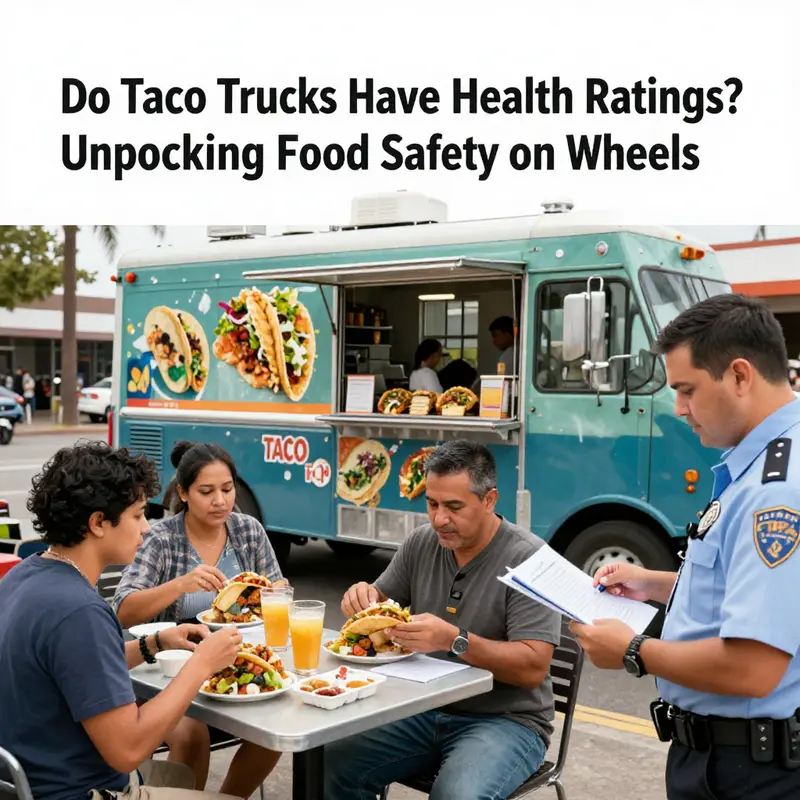
The regulatory framework that governs taco trucks rests on local health departments, cities, and counties that enforce safety standards through regular inspections. In many places, inspectors rotate through mobile vendors with a schedule that reflects the density of trucks in a given area and the prior history of compliance. In a city where taco trucks are a culinary mainstay, inspections are not mere formalities; they are ongoing assurances that a vendor’s food is prepared, stored, and served under hygienic conditions. A vivid reminder of this structure can be found in the example of Tacos Tamix in Pico-Union, where a health inspection resulted in a B grade. The grade serves as public acknowledgment of compliance level and, just as importantly, as motivation for continued improvement. It illustrates that health ratings are not punitive labels but a message about ongoing safety and accountability. A B grade does not imply danger; it signals that the establishment met many critical standards while likely having room to strengthen others, a nuance diners should understand when they see a score on the door or in an online listing.
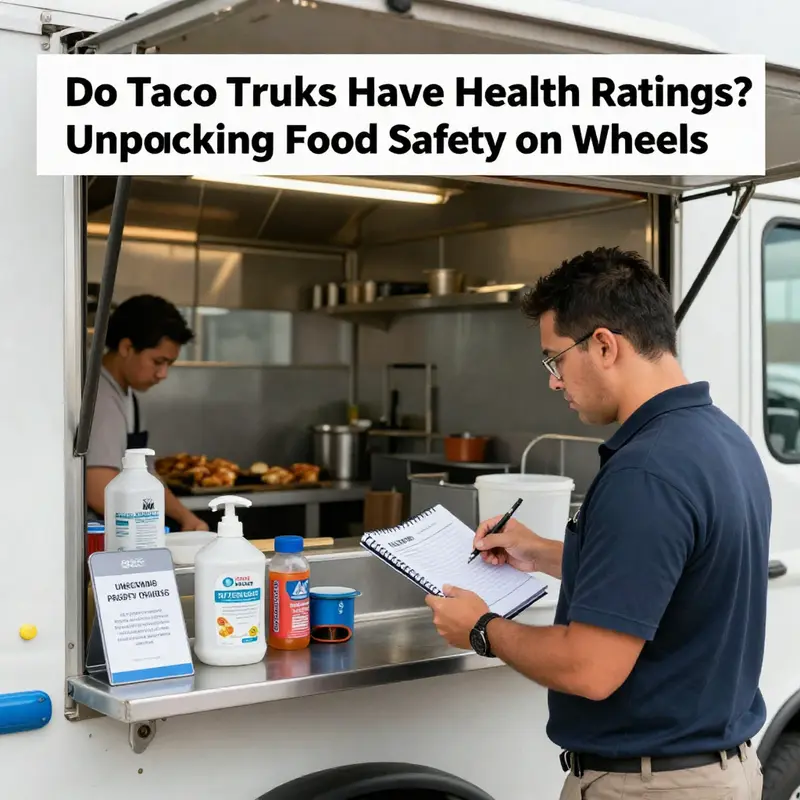
A closer look at what inspectors scrutinize reveals the heart of the rating system. The inspection process centers on several key areas that collectively safeguard public health. Foremost among them is food handling practices. Inspectors assess whether food is prepared and served with proper hand hygiene, whether gloves are used where appropriate, and whether handwashing facilities are accessible and functional. Temperature control follows closely: hot foods must stay hot enough to prevent bacterial growth, and cold foods must remain at temperatures that deter pathogens. Sanitation of cooking and serving surfaces is another pillar; busy grills, griddles, and prep counters must be cleaned regularly and sanitized to prevent cross-contamination. Pest infestation prevention rounds out the core concerns, with measures to deter rodents, insects, and other vectors from entering the mobile workspace. In addition, proper storage of ingredients—especially perishables like dairy, leafy greens, and sauces requiring refrigeration—forms a crucial line of defense against foodborne illness. The electrical and plumbing systems of the truck, whether it’s a generator-based cooling unit or a compact handwashing station, also fall under scrutiny to ensure they meet safety standards and do not create hazards for food safety. Taken together, these elements paint a picture of a well-run mobile kitchen that can reliably deliver safe meals to the public.
Where the inspection truly becomes a public-facing tool is in the transparency that many municipalities now provide. Online rating systems give diners the ability to retrieve real-time inspection results, violation histories, and the status of any corrective actions taken by the vendor. In Austin, for example, the health department maintains a searchable database that allows patrons to view the last inspection date, list any critical violations, and confirm whether the issues were resolved. This kind of openness helps build trust and encourages vendors to maintain high standards not only to pass an inspection but to sustain safety practices over time. The public record also offers a historical window into a truck’s performance, enabling diners to observe trends—improved scores after a corrective action, for instance, or recurring issues that might warrant caution. The central idea is not to shame but to inform; the data empower people to make safer choices and push vendors toward continuous improvement.
In addition to mandatory inspections, many operators pursue voluntary certification programs that go beyond the baseline requirements. A notable example is the mobile food vendor program administered by the Texas Department of State Health Services, which promotes best practices through training and recognized credentials. Participation in such programs can influence public perception and loyalty, signaling a vendor’s commitment to quality beyond the minimum regulatory floor. The combination of formal inspections, public reporting, and optional certifications creates a layered system in which safety is visible, verifiable, and supported by ongoing education. For a diner, that layering translates into a confident decision to eat at a truck that demonstrates reliable compliance and a willingness to invest in safe operations.
The consumer experience of health ratings also intersects with the practical realities of a mobile kitchen. Trucks must adapt to fluctuating environments—weather, crowding, and the need to rotate locations. Yet the standards inspectors enforce are not negotiable by circumstance. Food must be kept at safe temperatures, surfaces must stay clean, and storage must protect ingredients from contamination, regardless of how energetic a service window becomes. The daily rhythm of a taco truck—prepping ingredients, cooking to order, and serving in sometimes tight quarters—requires discipline and a well-designed workflow. A good inspection outcome often reflects this discipline in the way trucks arrange their space, manage waste, and monitor time and temperature. In places where health departments publish findings online, diners can quickly correlate a truck’s physical setup with its rating, recognizing where a lack of space or a high-traffic shift might present challenges—and where a truck has engineered safeguards, like separate prep areas or dedicated refrigeration, to address them.
Alongside the formal system, a broader narrative about health, safety, and sustainability has begun to shape how customers perceive mobile vendors. The emphasis on safe practices dovetails with growing awareness of sustainable operations in the mobile food sector. Vendors who invest in efficient refrigeration, waste reduction, and cleanable workstations tend to produce safer, higher-quality meals and cultivate more loyal customers. This broader context helps explain why some operators pursue additional certifications or adopt practices highlighted in resources dedicated to mobile food trucks. For readers who want to explore this dimension, one resource highlights sustainable practices for mobile food trucks, underscoring how safety and environmental stewardship can go hand in hand. Sustainable practices for mobile food trucks illustrate how equipment choices, surface materials, and cleaning routines contribute to both health outcomes and long-term operation.
For anyone looking to interpret a specific rating, there are practical cues. The date of the last inspection is a useful starting point, signaling whether the data represent a current snapshot or a dated assessment. Critical violations—such as food kept at unsafe temperatures, improper handwashing facilities, or cross-contamination risks—receive particular attention because they indicate conditions with the highest risk to patrons. The resolution status matters, too; are the issues corrected promptly, and is there documentation of corrective actions? A positive trajectory—improving scores after prior violations—provides reassurance that the vendor has learned from past lapses. Understanding these nuances helps diners move beyond a single letter or grade and appreciate the ongoing effort behind safe operation.
In sum, taco trucks do carry health ratings, and those ratings arise from a structured, city-backed framework that emphasizes food handling, temperature control, sanitation, pest prevention, storage, and safe utilities. The public availability of inspection results converts an internal compliance process into actionable information for the consumer. This visibility challenges vendors to maintain high standards continually and encourages diners to make choices grounded in health considerations as well as flavor. The result is a dynamic ecosystem where mobile cuisine thrives within a safety net designed to protect the public while allowing the culinary spontaneity that makes street food so appealing. For readers who want to see how local jurisdictions present this information, or to compare how different cities approach mobile vendor inspections, the official resources and published databases provide a practical map to navigate the landscape of health ratings. As with any public health system, the key takeaway is that transparency and accountability enable smarter eating decisions and drive continuous improvement across the mobile-food ecosystem.
External resources can offer concrete examples of official practices. For more information on official inspection resources and scores, see the City of Austin Health department: City of Austin Health.
When the Street Eats Meet the Scorecard: Public Access to Taco Truck Health Ratings
Across the United States, the buzz around street food often centers on flavor, speed, and proximity. Yet the question do taco trucks have a health rating? sits squarely at the intersection of appetite and accountability. In most jurisdictions, these mobile kitchens carry the same weight of oversight as their brick-and-mortar counterparts. They are subject to regular health and safety inspections, and the results are designed to be transparent and accessible to the people who rely on them. This system rests on the idea that public health is best protected when the community can verify, query, and compare how well a food service operation maintains clean conditions, proper temperature control, and safe handling of ingredients. By design, the health rating is not a garnish but a foundational element of trust between vendors and patrons, a signal that what you’re about to eat travels through a kitchen that meets established standards rather than a secret practice hidden behind a friendly smile and a line of hungry customers.
In Austin, Texas, the mechanism of public access to taco truck health ratings shines a clear light on how this works in practice. The city’s official health department, Austin Public Health (APH), oversees inspections of all food service establishments within the area, including the vibrant fleet of mobile food trucks that park in parks, on street corners, and outside events. The APH system is not merely a record-keeping exercise; it is an active, frequently updated database that residents and visitors can consult to gauge a truck’s current health status. The inspection results are kept online and refreshed regularly to reflect the latest on-site assessments. This ongoing update cycle is crucial, because the status of a mobile kitchen can change with new equipment repairs, changing staff, or seasonal variations in workflow.
The inspection reports themselves carry a compact but comprehensive payload. They present a detailed account of what was checked during the visit, documenting specific findings that might range from the temperature of hot-held foods to the cleanliness of food contact surfaces, from proper handwashing facilities to the maintenance of refrigeration units. Alongside these detailed notes, there is an explicit violation history—an indexed recollection of prior issues flagged in earlier inspections. This history is not a cautionary tale from years past; it is part of the current record that helps customers understand whether a truck has struggled with recurring violations or has shown consistent improvement over time. Finally, the reports deliver an overall score that is meant to summarize a complex set of observations into an actionable takeaway for the public. The score becomes a shorthand for comparing trucks at a glance, while the detailed notes invite deeper inspection for those who want the granular story behind the number.
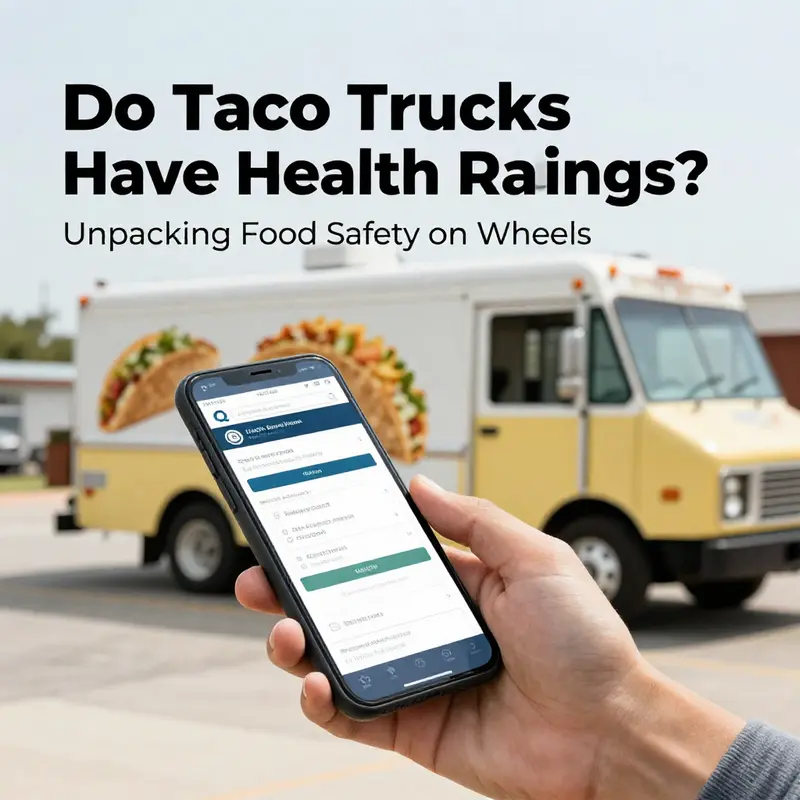
Access to these results is facilitated through a user-friendly interface that emphasizes searchability and immediacy. Residents and visitors can look up a specific taco truck by name or by location, which makes it straightforward to verify the sanitation status of a favorite stop before joining the queue. The portal is designed to be mobile-friendly, recognizing that many people check health ratings in the middle of a lunch run or while planning a stop during a busy day. This emphasis on accessibility is not an afterthought; it is central to how health agencies aim to foster informed decision-making and public confidence. When a consumer can pull up a truck’s latest inspection report from a phone at a curbside, the act of choosing where to eat becomes a small, practical act of public health participation rather than a private guess about safety.
The Austin Public Health portal also makes it possible to review a truck’s violation histories over time. This longitudinal view is important because it highlights patterns rather than isolated episodes. A single, minor discrepancy on one visit might be less alarming than a recurring issue that appears across multiple inspections. By presenting both current findings and historical trends, the system supports a more nuanced understanding of risk and remediation. In a space where perfection is not guaranteed but accountability is, these histories contribute to an honest dialogue between vendors and the public. They acknowledge that mobile kitchens operate under pressure—tight timelines, limited space, and the constant movement that comes with serving a high-volume, on-street audience—while also signaling which operators are actively addressing concerns and sustaining improvements.
From a consumer perspective, the practical value of this openness extends beyond individual meals. Health ratings serve as a shared consumer protection mechanism, reducing information asymmetry. They empower patrons to make choices based on concrete safety performance rather than anecdotal impressions. They also motivate vendors to maintain high standards, knowing that their evaluations are publicly visible and potentially influential on customer decisions. In this dynamic, a public health score becomes a reputational signal that aligns with the social contract between food providers and the communities they serve. The effect can be subtle yet meaningful: it nudges crews to implement robust food safety practices, reinforces the importance of clean, well-maintained equipment, and reinforces the standard of care expected when strangers place an order for a portion of street-level comfort.
The structure of these ratings, while standardized, also reflects the realities of running a mobile kitchen. A truck’s ability to sustain safe operations depends on portable equipment, power sources, and movement logistics that differ from a stationary kitchen. Yet the core expectations—cleanliness, temperature control, proper food handling, and protective measures against cross-contamination—remain constant. The public health framework acknowledges this by adapting how inspections are conducted for mobile settings, without lowering the bar on safety. In practice, this means that a taco truck’s score should be interpreted with a balanced eye: it is not an absolute guarantee but a current snapshot of compliance with rigorous standards. When the score is strong and the detailed notes point to consistently well-maintained practices, the confidence of a diner in a curbside bite increases. When a score drops or multiple violations appear in the history, it signals an opportunity for the operator to improve and for patrons to consider alternative options until corrective actions are verified.
For those who want to explore or verify a truck’s status firsthand, the APH portal provides straightforward tools for discovery. You can search by the truck’s name or by its sitting location, a practical feature in neighborhoods with dense fleets and frequent pop-ups. The real-time transparency—not just a once-a-year report—enables a continuously informed public. In places where food truck culture thrives, such as outdoor markets, music events, and campus districts, this transparency fosters trust in the experience. It allows customers to combine appetite with assurance, enjoying a meal that not only tastes good but has also passed a public health check that is visible and verifiable.
As with any regulatory framework, the public access model is most effective when it complements other channels of information. The APH system invites ongoing dialogue between communities and operators. It supports proactive remediation when concerns arise and validates sustained improvements when operators demonstrate reliable compliance over time. This is not merely about compliance per se; it is about ensuring that the urban food landscape remains a safe, reliable, and enjoyable part of daily life. The public’s ability to review inspection results, paired with a clear record of violations and corrective actions, creates a feedback loop that benefits diners, operators, and the broader public health ecosystem alike.
For readers who want a practical pathway to connect health data with everyday decisions, this chapter also points toward a broader sense of continuity between food safety and business operations. If you are curious about how mobile food ventures intersect with safety-practice strategies in the field, you can look to resources that outline sustainable approaches to running a mobile kitchen. A helpful anchor is Sustainable practices for mobile food trucks, which explores how operators can implement robust sanitation protocols, efficient workflow, and infection-preventive measures in a compact, high-demand environment. This link provides a complementary view that ties safety ratings to practical, on-the-ground improvements rather than to abstract requirements alone.
Ultimately, public access to taco truck health ratings represents a deliberate choice to democratize health information. It recognizes that food safety is not a private concern but a public good, something communities can and should observe, discuss, and use to shape the dining landscape. The open-data approach, evident in Austin and echoed in many cities, invites citizens to be informed participants in the safety of the meals they enjoy on the go. It reminds us that the score on a placard or a dashboard is not merely a number; it is a living signal of how well a mobile kitchen aligns with the standards designed to protect public health in a fast-moving, urban environment. And because the data live online, they travel with you—whether you are planning your lunch, choosing a late-evening bite after a long day, or simply curious about how the sausage (and the salsa) gets made in street-level kitchens. For those who want to delve deeper or verify current statuses, the public health portal remains the primary touchpoint, while the broader ecosystem of safety-focused resources continues to evolve in tandem with the needs of diners and vendors alike.
External resource: Austin Public Health Food Inspection Reports portal
Safe Lines at Sunset: How Health Ratings Shape the Taco Truck Experience and the Crowd It Draws
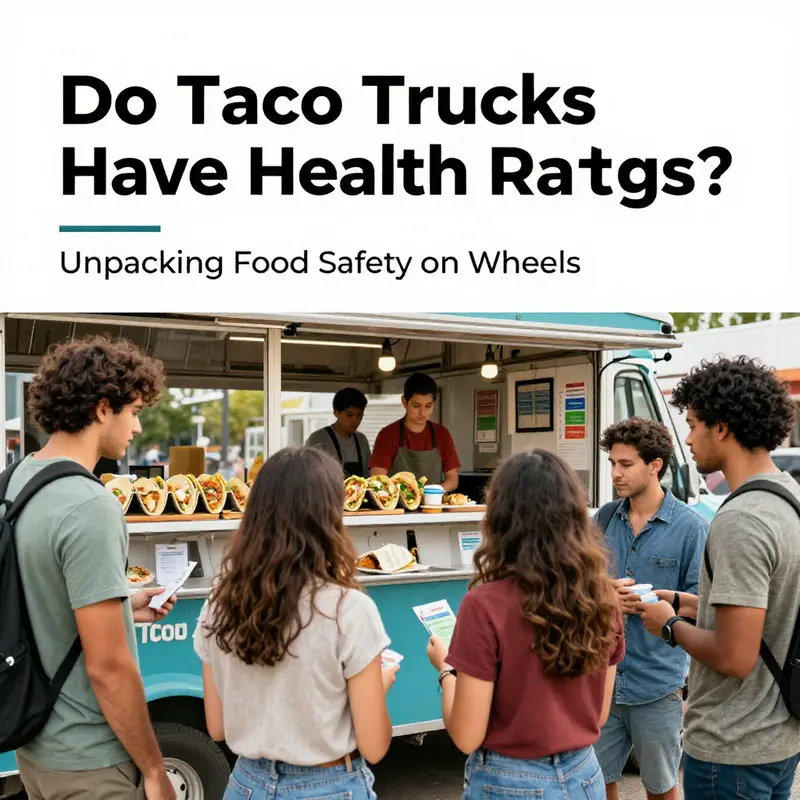
A line of sizzling grill, the scent of citrus and cilantro in the air, and a gleam of chrome under a late-afternoon sun. A taco truck pulls into view, its service window open, customers leaning in for a quick bite. The question that often sits in the back of the crowd’s minds, though, is not just about flavor or speed. It is about safety, cleanliness, and the invisible standard that governs what we are about to eat: does this mobile kitchen meet health requirements, and how can we verify it before placing an order? The short answer in many parts of the United States is yes. Taco trucks, like their brick-and-mortar counterparts, operate under rigorous local health and safety regulations. The difference lies not in the rulebook but in the setting: a compact, mobile workspace that has to juggle limited space, variable water access, and rapid-fire service without compromising sanitation. In practice, health departments inspect these trucks just as they would a storefront restaurant, and the results are often made public. The system is designed to protect the public—from cross-contamination, improper holding temperatures, and unsanitary practices—and to provide a reliable signal that consumers can use when choosing where to eat.
The reality of these inspections rests on procedural parity. Local health authorities issue permits, perform routine checks, and assign ratings or inspection scores that reflect a vendor’s compliance with established food-safety standards. The exact format can vary by jurisdiction: some places issue letter grades, others use numeric scores, and a few still rely on color-coded sign systems. In every case, the core criteria are constant. Inspectors observe how food is prepared and kept at safe temperatures, confirm that handwashing stations are accessible and functional, verify that raw and ready-to-eat foods are segregated to prevent cross-contamination, and check for proper cleanliness of equipment, utensils, and surfaces. Pest control, safe water supply, and proper waste management also feature prominently. The end product of these checks is a rating or a certificate that travels with the vendor. For consumers, the rating becomes a shorthand for trust, a quick way to assess risk before a bite is taken.
A telling but careful distinction is that health ratings measure compliance with process and hygiene standards rather than taste or culinary merit. A truck might deliver food that tastes extraordinary even if an inspector notes lapses in one area, or conversely, a highly rated truck might be the home of a routine, if not spectacular, menu item that sits well with the health department but misses a spark of creativity. The rating, then, signals the presence and consistency of food-safety practices, not the quality of flavor. Yet in practice, the two domains interact. Consumers arriving with a clean, well-lit, widely posted health score in mind are more likely to prioritize practices such as temperature control and clean handling. They may also be more receptive to learning about the truck’s routines—how the team prevents cross-contact with allergens, how often they sanitize surfaces, and how they manage the supply chain to ensure cold storage integrity on the road.
The public-facing aspect of these ratings matters as much as the inspections themselves. Health departments increasingly provide searchable databases where patrons can look up a vendor by name or location and see the current rating, any recent violations, and the date of the inspection. In urban corridors dense with food trucks, these digital footprints can influence foot traffic and decision-making at the moment of choice. A truck that presents a legible, current rating is immediately more credible in the eyes of many customers than one that cannot be located in a public log or whose posters are weathered and outdated. The visibility of health information is part of a broader movement toward transparency in foodservice. It gives customers a tool to align their dining choices with personal risk tolerance and health goals, whether they are chasing low-sodium options, avoiding high-risk preparation practices, or simply seeking reassurance in the age of on-demand dining.
In one metropolitan context, an anonymized example helps illustrate how ratings play out in the field. A taco truck parked along a busy corridor with a steady stream of lunch-hour traffic displayed a health grade that insertingly stood out—a B, visible on a laminated sticker near the window. The crew did not dispute the result; instead, they used the rating as a prompt to discuss their daily routines with curious customers and to initiate improvements that would address the few cited concerns. The effect on customers was nuanced. Some walked away, still drawn by the aroma and the rush of the crowd, but more patrons began to ask about the truck’s sanitation practices, the handling of produce, and whether the cooling units were properly calibrated. Over weeks, the truck enhanced its visible hygiene practices, updated its posted information, and incorporated a more explicit demonstration of safe-handling steps during peak service. The practical takeaway is simple: ratings create a feedback loop between regulatory compliance, visible hygiene cues, and consumer trust. When a consumer can see a score and witness the day-to-day practices that undergird that score, decision-making becomes both evidence-based and emotionally reinforced—the taste of food becomes inseparable from the reassurance of safety.
The impact of ratings extends beyond individual choices. They shape neighborhood reputations and the competitive dynamics of mobile food vendors. A truck that consistently achieves high marks tends to attract a broader and more diverse audience, including families, shift workers, and visitors who might otherwise prefer established restaurants. The ratings can also influence the behavior of the vendors themselves. In response to public scores, operators are more likely to invest in staff training, streamlining kitchen workflows, and adopting standardized cleaning schedules. They may implement visible hygiene cues—such as gloves for specific tasks, sanitized utensils laid out in a dedicated station, or a translucent, clearly posted temperature log—that reassure customers without requiring them to navigate a dense health-code manual. The dynamic is not simply about avoiding penalties; it is about cultivating lasting confidence in a mobile dining experience that can disappear as quickly as it appears.
The research on consumer information and rating labels from other health contexts helps illuminate why these effects matter. A broader literature base on health rating systems suggests that when labels signal healthfulness, they can steer purchasing behavior toward safer or more nutritious choices. In particular, comprehensive health rating schemes—sometimes called health star or rating systems—have been shown to increase the perceived healthiness of products and to nudge consumers toward healthier purchasing patterns, especially when the buyer is comparing several options side by side. When people confront a range of beverage choices or other items with varying nutritional profiles, a rating system simplifies the comparison and reduces cognitive load. The most robust findings show that these labels matter most when people actively compare alternatives rather than relying solely on taste or price. In other words, ratings function as decision facilitators, translating complex information into a simple, actionable signal that shapes everyday choices.
While the Health Star Rating (HSR) framework originates in a different national setting and applies to packaged foods more directly, the underlying principle transfers to mobile food environments in meaningful ways. The Australian experience demonstrates that when a standardized rating appears, consumers respond by viewing the rated items as more or less healthy and by adjusting their ordering behavior accordingly. The research highlights two features that are particularly relevant to taco trucks: first, the rating’s influence grows when customers can compare multiple options; second, the presence of a rating tends to steer purchases toward items judged to be healthier within the category, without sacrificing overall satisfaction. For the taco truck context, the parallel is intuitive. A customer who can compare two trucks or two menu items at the same time—each with a clear health rating or a visible hygiene certificate—will lean toward the option that feels safer and more trustworthy, even if flavor remains a critical determinant.
The practical implications for city planners, restaurateurs, and diners are clear. Health ratings are not moralizing labels; they are communication tools designed to reduce uncertainty in a space where speed and variety can obscure risk. For consumers, the rating system becomes a window into the kitchen’s daily discipline. For operators, it is a lever to improve processes, win repeat customers, and demonstrate accountability. And for local governments, it is evidence that regulatory oversight does not end at the moment of inspection but continues through transparent, accessible reporting channels that empower the public to participate in food safety in real time. The ultimate aim is not to shame or punish, but to elevate the standard of mobile food service so that the act of enjoying a taco becomes both delicious and responsibly managed.
For readers who want to see a concrete synthesis of how rating labels influence choices in analogous settings, consider the broader body of evidence that links health information to better consumer decisions. It helps to remember that the mechanisms at work are not limited to a single cuisine or a single country. They reflect a principle: when people have reliable, comparable information at the moment of choice, they tend to make choices that align with healthier intentions without sacrificing satisfaction. In the context of taco trucks, this means a public appetite for transparent information—an appetite that vendors can meet by embracing clear documentation, accessible online listings, and visible on-site cues. The emphasis is not on policing flavor but on fostering a culture of safety that complements culinary creativity with dependable hygiene practices.
If you are curious to explore a practical angle on how to translate these ideas into everyday dining decisions or business practices, you can find a useful perspective on sustainable methods for mobile food operations in related discussions. For instance, the conversation around environmentally mindful practices in mobile food settings highlights how efficiency, waste reduction, and consistent sanitation dovetail with customer trust and market success. This synergy—between sustainability and safety—is particularly striking in a landscape where mobility and variability are inherent. It invites operators to frame their health practices not merely as compliance tasks but as core elements of a dependable brand experience that customers can spot, recognize, and value at a glance. In that sense, the health rating becomes part of a broader story about reliability, quality, and community responsibility that extends beyond the momentary bite.
For readers seeking practical pathways to align with this vision, the following resource offers a broader lens on how rating systems shape consumer behavior and public health outcomes. It provides context for the health-rating conversation in the United States and beyond, while underscoring the value of transparent information in foodservice today. Additionally, if you want to explore adjacent topics like how mobile food operations can integrate evidence-based food-safety practices with sustainable business models, the linked discussion on sustainable practices in mobile food trucks provides concrete ideas and case-based insights that complement the regulatory framework described above. Sustainable practices in mobile food trucks.
The broader takeaway is straightforward: health ratings for taco trucks exist, and they function as both a public health tool and a consumer confidence mechanism. They are most potent when paired with accessible data, consistent enforcement, and a culture of continuous improvement among vendors. In a crowded cityscape, where dozens of trucks may line up within blocks, a visible, credible health rating can be as decisive as the scent of laurel leaves in a salsa. Consumers gain a clearer sense of risk, vendors gain a motive to elevate everyday practices, and public health authorities gain a channel through which information travels quickly and reaches the people who matter most—the diners themselves. In this dialogue, the health rating is not merely a bureaucratic stamp. It is a communicative bridge that links the kitchen to the curb, turning a simple meal into a trustworthy exchange between cook and community.
For readers who want to place this chapter within the broader arc of the article, the takeaway is that taco trucks do carry health ratings, and those ratings are increasingly part of the decision-making toolkit diners bring to the curb. The regulatory backbone remains rigorous, and the public-facing signals are clearer than ever when inspectors publish results and listings. The flavor of the experience—whether crisp, lime-bright, or smoky-tinged—may captivate the palate, but the aftertaste of safety is what keeps a line forming and a community returning for another visit.
External resource: Health Star Rating System
(https://www.health.gov.au/health-topics/healthy-eating/health-star-rating-system)
Final thoughts
Taco trucks not only offer convenience and delicious options but also maintain health standards comparable to traditional eateries. Understanding the health ratings and inspection processes helps consumers make safe choices. Whether you’re a city dweller looking for a quick meal or a business owner navigating the food industry, knowing about these health ratings can enhance your dining experience and foster trust in local food vendors. So next time you’re debating which taco truck to hit up, remember that those health ratings hold the key to a safe and tasty meal.