

As the trucking industry navigates through evolving landscapes, the challenges of the freight market driver shortage are becoming more pronounced. Technological advancements are reshaping the sector, but these innovations come amid a pressing need to address a declining workforce, which is worsened by a shortage of skilled drivers.
The current freight market shows a cyclical nature, where downturns are often followed by periods of increased demand. As the economy recovers from this low point, the projected driver shortage threatens to strain supply chains further. An examination of these factors is essential to understand how technology can alleviate staffing issues and resolve potential future workforce challenges.
Exploring these elements will highlight how the trucking industry can adapt and thrive in a competitive economy, emphasizing the importance of embracing innovation and forward-thinking solutions.
Summary of Current Driver Shortage Statistics and Projections
The U.S. trucking industry currently faces a driver shortage that significantly impacts its operations and the broader freight market. As of early 2025, the American Trucking Associations (ATA) estimates that the shortage stands at approximately 80,000 drivers. If current trends continue, this figure could escalate to over 100,000 within a few years. This escalation signals a concerning trend for the industry, particularly as the economy begins to recover from recent downturns.
Economic Impact
The driver shortage has major economic implications, with a study from altLINE indicating that the industry experiences weekly losses amounting to $95.5 million due to unfilled driving positions. Each of the 24,000 unfilled truck driver positions represents an approximate potential weekly revenue loss of $3,971.
As demand for freight transportation rises with economic recovery, the lack of drivers is likely to strain supply chains even further, potentially leading to shipping delays and increased freight costs.
Projections for Future Trends
Looking ahead, the ATA’s projections suggest the driver shortage could worsen significantly, potentially reaching 160,000 by 2030. This alarming forecast highlights the urgency of addressing the workforce issue in the trucking industry before the projected recovery in the freight market exacerbates the situation.
To counteract the growing shortage, companies are increasingly turning to technology. For instance, the progress in autonomous trucking is noteworthy, as companies like Aurora have initiated commercial self-driving truck services. This is expected to grow by 13.4% annually between 2025 and 2032, providing a glimpse of potential solutions to the interconnected challenges of driver unavailability and supply chain efficacy.
Relationship with Freight Market Recovery
The freight market historically experiences growth in response to economic stimuli, typically about 6 to 12 months following changes in monetary policy, such as the anticipated easing of interest rates by the Federal Reserve in 2025. This easing is expected to boost borrowing conditions, thus stimulating industrial activity and possibly increasing freight demand.
As the market seeks to rebound into a growth phase, the driver shortage is a critical hurdle that needs to be addressed.
Regulatory challenges also persist, as seen in recent decisions by the U.S. Department of Transportation affecting funding and visa policies for truck drivers. These factors could further complicate the labor landscape, ultimately impacting the pace at which the freight market can recover.
In summary, while technological innovations may offer some promise, the truck driver shortage remains a pressing concern, necessitating proactive measures to ensure that the freight market can effectively rebound in the coming years.
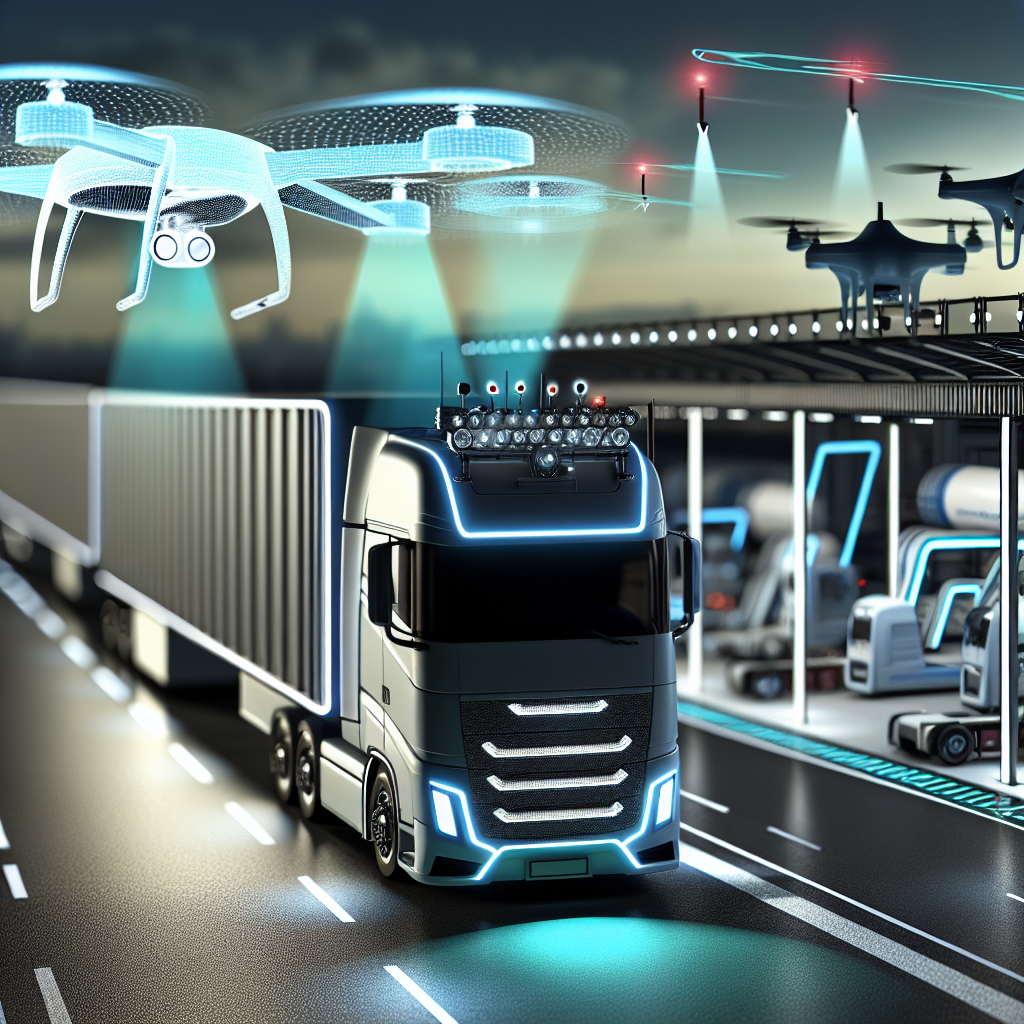
Technological Advancements in Trucking and Workforce Solutions
Technological advancements in the trucking industry, particularly in autonomous vehicles and telematics, are significantly influencing workforce dynamics by addressing driver shortages and enhancing operational efficiency through innovative trucking workforce solutions.
Autonomous Vehicles and Workforce Dynamics
The integration of autonomous trucks is poised to alleviate the persistent driver shortage in the U.S., which is projected to reach 160,000 by 2030. Autonomous trucks can operate continuously without the need for rest breaks, thereby increasing freight capacity and reducing delivery times. This continuous operation not only addresses labor shortages but also enhances supply chain efficiency through logistics technology.
However, the adoption of autonomous trucks is not without challenges. A survey revealed that 70% of U.S. freight companies prefer hiring human drivers over deploying self-driving trucks, despite the ongoing driver shortage. This preference underscores the industry’s cautious approach toward fully autonomous technology and highlights the need for a gradual integration strategy.
Telematics and Logistics Technology
Telematics systems, enhanced by artificial intelligence (AI) and edge computing, are transforming fleet management by providing real-time data on vehicle performance, driver behavior, and route optimization. These technologies enable predictive maintenance, optimized route planning, and improved safety measures, leading to cost savings and increased operational efficiency.
Insights from Rick Mihelic on Workforce Solutions
Rick Mihelic, a recognized expert in trucking technology, has highlighted the transformative potential of autonomous technologies. He suggests that platooning—where models of multiple trucks travel closely together to reduce air resistance—could serve as an initial step toward fully autonomous operations and improving workforce solutions.
In summary, the trucking industry’s adoption of autonomous vehicles and advanced telematics is reshaping workforce roles and operational practices. While these technologies offer solutions to driver shortages and efficiency challenges, their successful integration requires careful consideration of industry preferences, regulatory frameworks, and the evolving nature of trucking operations, as well as innovative trucking workforce solutions.
| Technological Trend | Pros | Cons | Impact on Driver Employment |
|---|---|---|---|
| Autonomous Vehicles |
|
|
Potentially reduce the number of drivers needed for long-haul routes. May lead to job displacement in some sectors. Requires new skills for remaining drivers in monitoring roles. |
| Telematics |
|
|
Can increase demand for drivers with tech-savvy skills for fleet operation. May lead to reduced driving hours, impacting earnings for some. |
| Advanced Driver Assistance Systems (ADAS) |
|
|
Can create new roles focused on system monitoring and maintenance. Does not drastically impact total employment but shifts roles slightly. |
Regulatory Challenges and Operational Hurdles Contributing to the Driver Shortage
The trucking industry faces significant regulatory challenges that compound the existing driver shortage, primarily through drug testing reliability and Hours of Service (HOS) regulations. These regulatory hurdles not only deter potential recruits but also contribute to high turnover rates among existing drivers, exacerbating the already critical shortage.
Key Regulatory Challenges:
- Drug Testing Reliability:
- The landscape of drug testing in the trucking industry has become increasingly complex, particularly with the legalization of marijuana in many states.
- Positive marijuana tests have halted careers; nearly 70% of positive drug tests stem from marijuana use.
- Between 2020 and 2022, over 100,000 drivers were suspended due to failed tests as per FMCSA data.
- Current testing methods disqualify drivers for legal past use; advocacy is needed for testing that identifies current impairment.
- Hours of Service (HOS) Regulations:
- HOS regulations ensure driver safety but are often seen as overly rigid, leading to frustration and inefficiencies.
- The required 30-minute break within the first eight hours of driving disrupts schedules and reduces earning potential.
- The difficulty of finding safe parking due to HOS constraints exacerbates driver dissatisfaction, potentially leading to attrition.
Solutions to Mitigate Driver Shortage Challenges:
Addressing these regulatory challenges will be pivotal in alleviating the driver shortage. Key potential solutions include:
- Revising Drug Testing Procedures:
- Develop a standardized impairment-testing tool evaluating the current state of drivers rather than past use to reduce unnecessary disqualifications.
- Enhancing HOS Flexibility:
- Incorporate more flexible driving regulations to allow drivers to complete their runs efficiently while ensuring safety, which could improve job satisfaction and retention rates.
- Improving Compensation Packages:
- Increasing wages and benefits to reflect job demands may attract new drivers and retain existing ones.
In conclusion, while the hurdles presented by drug testing reliability and HOS regulations are significant, industry stakeholders must push for reforms that support driver recruitment and retention. By developing more adaptable policies and recognizing the modern realities faced by drivers, the trucking industry can take meaningful steps toward resolving its ongoing workforce challenges.
User Perspectives on Technological Innovations in Trucking
User feedback and research findings reveal a complex landscape regarding technological innovations in the trucking industry, particularly the impact of autonomous vehicles (AVs) on drivers’ roles. Here are some key themes:
Job Displacement Concerns
A significant concern among truck drivers is the possible job displacement due to the advent of AV technology. A report by the International Transportation Forum estimates that automated trucks could reduce the workforce by as much as 50% to 70% by 2030, potentially displacing over 2 million drivers in the U.S. and Europe. The UC Berkeley Labor Center anticipates that around 294,000 long-distance driving jobs could be replaced by driverless technology, including many well-paying positions. These statistics have generated anxiety within the trucking community regarding future employment stability and identity.
Transformative Opportunities
Conversely, some industry experts believe that AVs will not completely eradicate truck driving jobs but rather transform them. For instance, Vivian Sun, VP of business development for TuSimple, notes that while the nature of driving will change with AV integration, new drivers entering the field today could still find fulfillment in their roles long-term. Positions may evolve towards supervisory roles, with human drivers working alongside autonomous fleets, thus enhancing work-life balance and satisfaction.
Operational Efficiency and Safety Improvements
Technological innovations promise increased efficiency, as autonomous trucks can operate round-the-clock without the need for rest breaks, leading to faster deliveries and improved trailer utilization. Additionally, these vehicles are designed to reduce human errors, which account for a vast majority of accidents, further enhancing road safety.
Regulatory Challenges
The shift toward AVs is not without challenges. Regulatory hurdles remain significant, as labor unions voice concerns over job losses and safety issues. Legislative developments, such as California’s proposals for AV testing on public roads, encounter resistance due to fears surrounding the implications of automation.
Driver Sentiment on Advanced Technologies
A 2024 FMCSA study indicated that a majority of truck drivers (64%) view advanced driver assistance systems (ADAS) positively, reflecting a shift in the workforce’s attitude towards technology. However, sentiments toward full automation remain mixed. A 2025 qualitative study found that drivers are apprehensive about their ability to adapt to these technologies and the unknown impact of automation on their profession.
Conclusion
In summary, user feedback illustrates that while technological innovations like autonomous vehicles and telematics present opportunities for enhanced efficiency and safety, they also engender significant concerns about job displacement and the adaptability of the workforce. The trucking industry faces a critical juncture that requires thoughtful consideration of the implications of these advancements and strategies for a successful transition to autonomous technologies.

Conclusion
As the trucking industry stands at a pivotal crossroads, rooted in both technological innovation and significant workforce challenges, a careful examination of these dynamics reveals the urgent need for strategic adaptation. The projected driver shortage, expected to escalate to 160,000 drivers by 2030, poses an imminent threat to the sector’s efficiency and operational stability. Technological advancements such as autonomous vehicles and telematics present viable solutions; however, they also raise concerns about job displacement and the adaptability of the current workforce.
The analysis of autonomous technology illustrates a dual narrative. While these innovations can significantly enhance freight capacity and safety, they simultaneously provoke anxiety among drivers fearing job loss. As highlighted, transitioning to automated systems will require a well-planned strategy that balances technology integration with workforce considerations, ensuring that existing drivers can transition into new roles rather than face unemployment.
Furthermore, regulatory challenges, including drug testing reliability and Hours of Service limitations, complicate the recruitment and retention of drivers. Advocating for policy reforms that better align with the modern realities of the trucking workforce is essential to alleviate these hurdles. This includes revising testing protocols to focus on current impairment rather than historical use, providing greater flexibility in driving regulations, and improving compensation structures to make the profession more attractive.
In conclusion, the interplay of technology and workforce dynamics in the trucking industry presents both challenges and opportunities. As the freight market begins to recover, stakeholders must approach these changes with caution, prioritizing strategies that not only leverage technological advancements but also cultivate a skilled and satisfied workforce. The future of trucking relies not only on innovation but also on the industry’s ability to adapt and embrace its most critical asset — its people.
Call to Action: Shaping the Future of Operations in Trucking
As technological innovations reshape the trucking industry, it is crucial for industry stakeholders to consider how these advancements might impact their operations and decision-making processes. Ask yourself: How can you leverage autonomous vehicles or telematics to improve efficiency and address the ongoing driver shortage in your fleet?
Reflect on the following questions to guide your strategic planning:
- What role will automation play in your operations? Are you ready to adapt to changes in workforce dynamics?
- How might enhancements in telematics technology improve safety and operational efficiency in your fleet?
- What steps can you take today to prepare for the regulatory changes on the horizon that might affect your business?
Embracing these innovations is not just about keeping pace with technology; it is an opportunity to rethink how you operate within the changing landscape of the trucking industry. The decisions made today will shape the future, so engage with these advancements proactively to ensure your operations thrive in the years to come.