
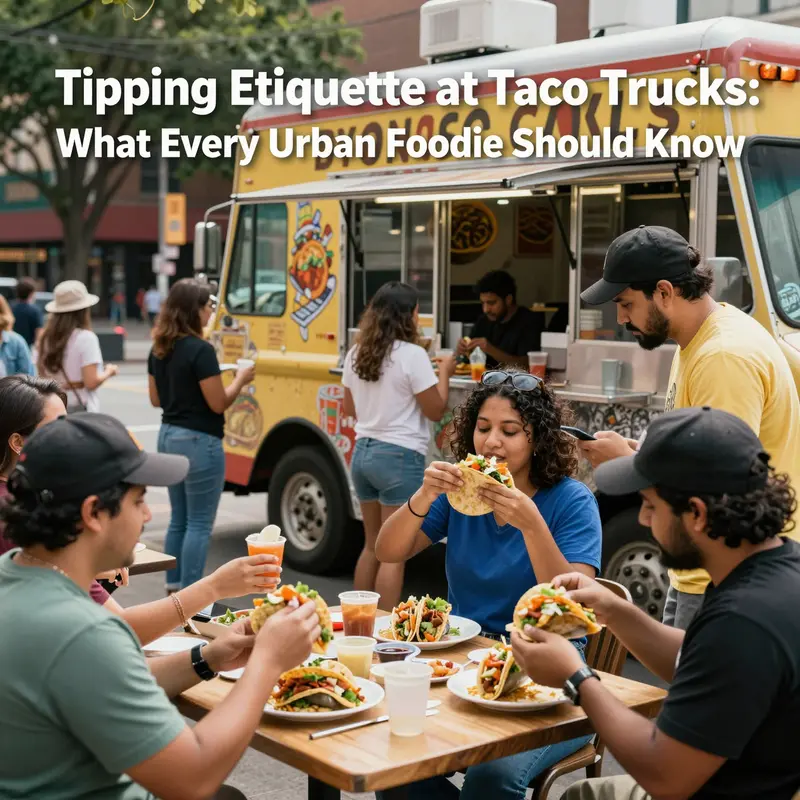
Taco trucks have grown beyond their humble beginnings, transforming into culinary hotspots beloved by urban commuters, outdoor adventurers, and those on the go. As you savor that delicious street taco, you might wonder: should I tip? The answer isn’t as straightforward as one might think. This guide explores whether to tip at taco trucks, considering regional variations, the economic impact on food truck workers, and the latest customer behavior trends. Whether you’re a taco aficionado or a first-time buyer, you’ll gain insights that will help you navigate this flavorful landscape with confidence.
Tipping on Wheels: Navigating Modern Etiquette at the Taco Truck
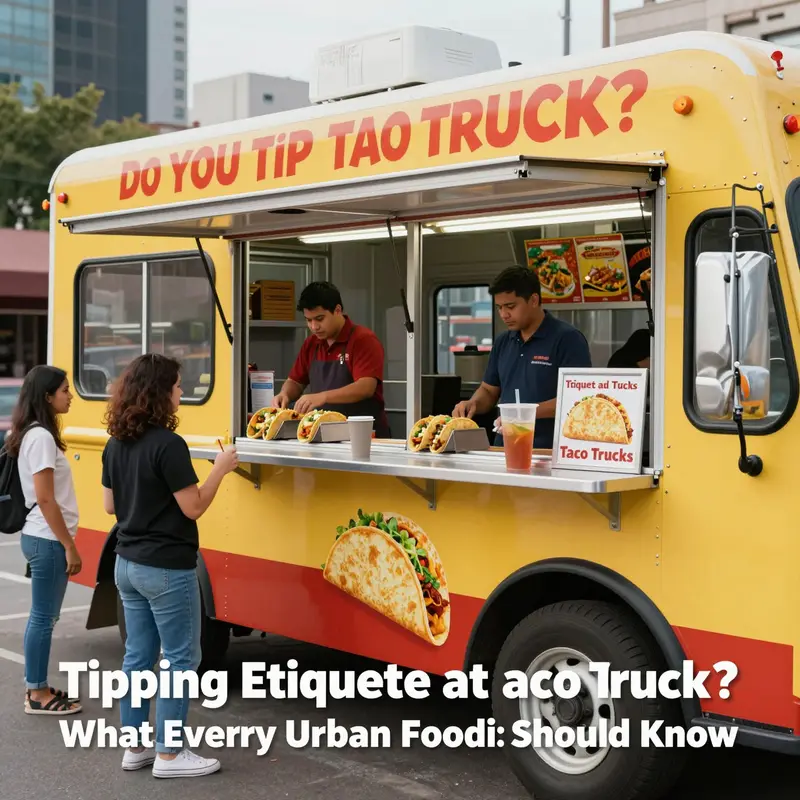
The street hums with the sizzle of a grill, the hiss of steam, and the cheerful chaos of a taco truck that has found its place in the city’s rhythm. Diners lean in, the line grows, and a small ritual unfolds with each purchase: a choice about tipping. This scene, once optional and occasionally ignored, has evolved as the food truck world has expanded beyond its cash-only roots. Today’s taco trucks often resemble micro-restaurants in disguise, offering more complex menus, faster service, and a front-row seat to culinary craft. In this context, tipping has become less a courtesy and more a quiet acknowledgment of the labor that goes into every order. The shift is driven by a broader industry move toward formalizing service norms in ways that resemble full-service dining, even as the trucks retain their wanderlust and mobility. When the transaction happens through a card reader, or when a digital prompt invites gratuities, the question asked by many patrons becomes not whether to tip, but how much and when to do so in a way that respects the staff and the city’s street-food culture.
Across the nation, the aural and visual cues of tipping have begun to align with the broader dining world. The industry association tracking food trucks notes a substantial change: a majority of trucks now accept card payments, and many display suggested tip amounts—often 10, 15, or 20 percent—at checkout. This shift signals a growing expectation that service in the mobile dining sector warrants recognition. It’s not merely about a percentage; it’s about recognizing that a modern taco truck often operates as a small team with responsibilities layered across cooking, ordering, payment handling, cleaning, and inventory management. A single operator may juggle all these tasks, especially in the more intimate setting of a street-side kitchen where the staff are visibly present, and their expertise is on display as the flames flare and the toppings are arranged with care. In those moments, tipping becomes a practical way to reward the craft, effort, and logistics that keep the truck moving from dawn to dusk.
The practical realities behind tipping in this space are nuanced. A national survey from a trusted industry source highlights a striking contrast: while a little over forty percent of Americans consistently tip at food trucks, a much higher share tips at sit-down restaurants. The gap isn’t a sign of indifference; it’s a sign of ambiguity. Patrons are left to infer what is expected based on cues at the truck, the presence or absence of a tip jar, and the appearance of a digital prompt. The most reliable guide is to observe the setup. If you see a visible tip jar, a digital prompt at checkout, or if the truck operates with a style akin to a fast-casual or full-service restaurant, a modest tip—often in the 10 to 15 percent range—becomes a respectful acknowledgment of service. If the line is moving quickly and the staff are efficiently exchanging orders, a small tip—$1 or $2, for instance—still communicates appreciation for the effort that goes into keeping a high-volume operation smooth and accurate. In the end, tipping at a taco truck is less about rigid rules and more about reading the room and honoring the labor that sustains the vibrant street-food ecosystem.
High-demand venues and urban settings add further layers to the etiquette. In areas where costs are higher, or where trucks operate with a touch of table service, or where the ordering process is integrated with QR codes and screens, tipping is more routinely expected. The same logic applies to trucks that participate in delivery platforms. A customer who orders in person and witnesses the staff actively taking orders, cooking, and delivering plates to the window is likely to feel that a gratuity is appropriate. The same applies when the staff must manage multiple roles in a single shift, from greeting customers to handling payments and tidying the serving area. In short, tipping at a taco truck aligns with a broader social contract: when you witness labor that adds value to your meal, a gratuity helps sustain that value and keep the wheels turning.
What does this mean for the everyday tipper who stands in line, scanning the options on a screen, and wondering if a few dollars can make a difference? It means paying attention to the context and adjusting generosity accordingly. If a prompt appears asking for a tip, it is polite to select a contribution, even if the amount feels small. A dollar here, a couple of dollars there, or a more generous percentage when time and service merit it—these acts reinforce the idea that street food is a legitimate, thriving form of hospitality. The reality is that many food trucks are independently operated or run by small teams without the same financial scaffolds as larger enterprises. Tips can meaningfully supplement wages, help with peak-wage fluctuations, and contribute to ongoing investments in equipment, quality ingredients, and the overall experience offered to customers.
The tipping culture around taco trucks also reflects a bridge between the in-person experience and the digital economy. In many trucks, the checkout flow now mirrors a full-service environment: a prompt may appear asking you to add a gratuity, and the interaction can feel familiar to anyone who has used a touch-screen payment at a restaurant. When this happens, taking a moment to consider the value of the service you’re receiving—how quickly your order is prepared, how accurately it travels from grill to bag, how cleanly the station is kept—guides your decision about tipping. You don’t need to overthink it. If you’re pleased with the speed, the accuracy, and the presentation of your food, a tip in the range of 10 to 15 percent is a reasonable starting point. If the service is exceptional, or if the crew has gone beyond by accommodating a special request, a higher tip is appropriate. If the interaction is brisk and the staff seem pressed by demand, a smaller tip still acknowledges their effort and helps sustain morale.
To weave this into the broader fabric of street-food appreciation, consider the story behind the truck. Most tacos are the fruit of intimate teams that build recipes, source ingredients, and deliver flavor with a sense of pride. The tips you leave are not only gratitude for a meal but a stake in a system that preserves small, local food economies. When you tip, you support the people who rely on those small earnings to pay rent, buy ingredients, and invest in equipment and training. This is an economy of care that extends beyond a single purchase—it reinforces a community where talented cooks and attentive servers can continue to pursue their craft with dignity and sustainability.
For readers who want to connect tipping with a broader movement toward community impact, consider the idea that small acts of gratuity ripple outward. The concept of “trucks for change” captures how individual transactions can become part of a larger narrative about community engagement and social good. This ethos aligns with the street-food mission: to feed neighbors well, create jobs, and contribute to a city’s cultural life. If you’re curious about how such initiatives translate into real-world impact, you can explore related work that highlights community engagement and its ties to hospitality values. Trucks for Change: Community Engagement Impact. This link illustrates how local food entrepreneurs are weaving social responsibility into the fabric of their operations, from hiring practices and local sourcing to neighborhood partnerships and events that bring people together around shared meals.
The tipping conversation also invites reflection on city-by-city variation. Different urban contexts shape expectations, costs of living, and norms around service appreciation. Some communities may emphasize cash tips because of the flexibility they provide, while others have normalized digital tipping through screen prompts and card readers. The important takeaway is that tipping is part of a broader etiquette that respects the labor behind street-level cooking and service. When in doubt, a small gesture to acknowledge effort goes a long way, and it helps preserve the sense that taco trucks are not just places to grab a quick bite but extensions of the culinary landscape that require care, skill, and ongoing support.
The discussion would be incomplete without acknowledging the ongoing evolution of payment systems and the ways they influence tipping behavior. As more trucks adopt card readers and digital prompts, the visibility of tipping opportunities increases. Patrons who respond to these prompts contribute to a straightforward, transparent economy where service workers can be acknowledged promptly. This shift does not erase old practices or discourage cash tips; rather, it broadens the toolkit for tipping, making it easier for customers who prefer non-cash payments to show their appreciation without compromising the speed of the line. In a world that prizes efficiency, a well-timed tip can feel like a small, humane gesture that keeps the experience personal even as technology streamlines the process.
Ultimately, tipping at a taco truck is about balance. It’s a quiet recognition of the labor, a nod to the craft, and a contribution to the sustainability of a vibrant street-food culture. The guiding principles are simple: observe the setup, consider the effort you observed, and respond with a gratuity that feels fair to you and meaningful to the workers. When you do, you participate in a shared social contract that treats street food as a serious, rewarding form of hospitality rather than a transient convenience.
External insights from broader tipping research reinforce this sense of evolving norms, and readers looking for additional perspectives on etiquette across contexts can explore the linked external resource. Should You Tip At Food Trucks And What Etiquette Applies In 2025. This resource offers a snapshot of how tipping practices are shaping up as the industry grows, providing a broader frame for decisions at the taco cart window.
Tipping the Taco Truck: Reading Regional Etiquette and the Labor Behind Your Quick Bite
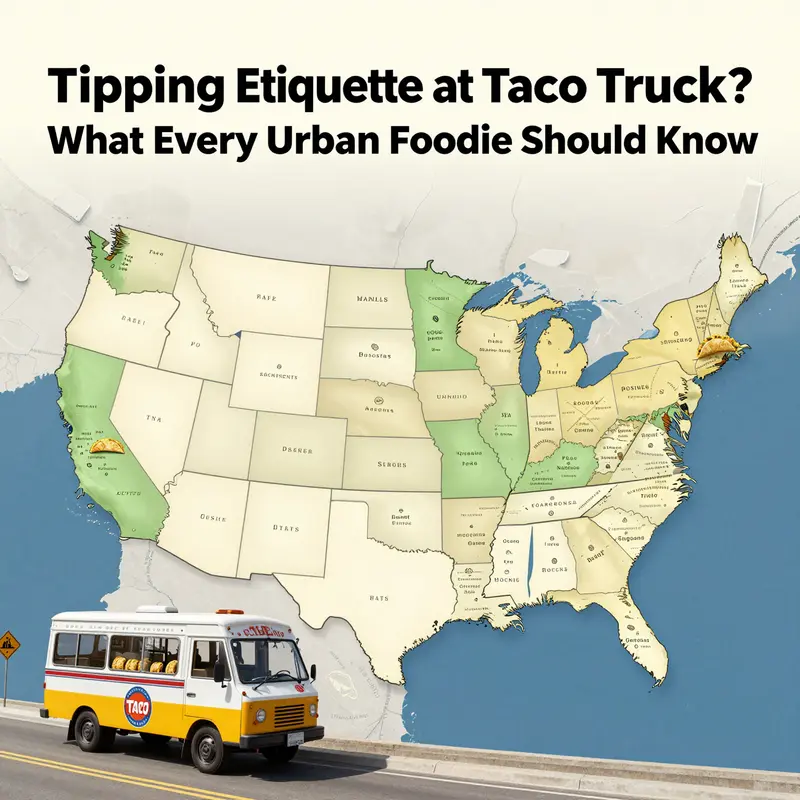
A quick bite from a taco truck can feel instinctive: a warm tortilla, a bright salsa kiss, a rush of aromas that transports you to the curb. Yet behind that simplicity sits a more complex calculation about value, labor, and regional habit. Tipping, once marginal in mobile food, has grown into a nuanced norm that tracks with how service is organized, how staff are paid, and how communities interpret the labor that makes a quick meal possible. The shift from cash-only days to trucks that accept cards and present tip prompts or jars reflects a broader push to formalize service norms. It also mirrors a reality: food trucks are professionalizing, sometimes employing several people who share cooking, taking orders, handling payments, and maintaining equipment. When you add the hours of prep that precede service and the on-site juggling of inventory and cleanliness, tipping takes on a different significance—one that rewards effort as much as flavor.\n\nIf you watch a truck in motion in a dense city block, cues that tipping is welcome appear: a tip jar, an illuminated QR code, or a crew where cooks and cashiers share the floor. In such cases, a 10-15% gratuity aligns with the overhead for a small operation striving to deliver a dining-like experience in a compact space. The contemporary tipping range—often 15% for dine-in, dipping to 10% when service is brisk and transactional—has seeped into food trucks as well, especially where the experience involves more than a quick exchange of money for food. The rationale stays simple: the more staff contribute to a smooth, pleasant interaction, the more generosity should reflect that value. And with card payments and visible suggested gratuities, the industry is normalizing these practices.\n\nRegion matters. In major urban centers, tipping culture tends to be more explicit. Trucks often operate with a small crew that includes cooks, servers, and sometimes drivers, making tips not merely appreciated but expected as part of a fair wage support system. If you encounter a tip jar or on-screen prompt, the etiquette is to leave at least 10-15 percent, especially where the cost of living is high and tips bridge the wage gap. The urban rhythm—long lines and busy windows—can obscure the labor behind a quick interaction, yet tips in these areas often reflect a more formalized service environment. Here tipping is not just courtesy but a signal of respect for the crew’s coordinated effort to deliver both quickness and quality.\n\nIn smaller cities or rural regions, the cadence adapts to a different tempo. The owner may be the sole operator who handles everything—from cooking to taking orders to ringing up payments. The absence of a tip jar or visible gratuity option doesn’t mean a lack of appreciation. People may still leave a small gesture, and a dollar or two can be meaningful to someone balancing fast service with labor-intensive work. The perception of speed matters; when the interaction is brisk yet the truck is busy, a modest tip can acknowledge the effort that goes into sourcing ingredients, maintaining equipment, and preparing for the next rush. Even when the transaction feels quick, there is often a longer arc of labor—planning, procurement, maintenance—that tips help offset.\n\nThere is also a practical dimension tied to the cost of living. In higher-cost areas, wages may rely on tips to provide a livable income. Tipping becomes wage supplementation—a real-world subsidy that helps workers manage rent, transportation, and basic expenses in environments where every dollar counts. The social contract is subtle: your tip can contribute to the sustainability of a local business and the people who keep it running through peak hours and late shifts. The result is a tipping culture that reflects solidarity and practicality, rather than a single rule.\n\nOf course, tipping can feel optional. If a truck is run by a single person who handles every task, there may be no clear cue that tips are expected. If no tip jar, digital prompt, or service charge exists, a tip is not obligatory. Still, many people choose to leave a small amount—a dollar or two—out of courtesy for the care taken to deliver a hot meal. The setup you encounter matters: a tip-friendly environment—a jar, a screen prompt, or a visible crew—typically signals tipping is appropriate. When in doubt, observe the cues and tip accordingly to honor the people who work to bring you good food at speed.\n\nA simple rule of thumb helps: if you can identify a team, a structured workflow, or a payment interface that invites gratuity, consider tipping within the 10-15% range. If the operation is clearly solo with no explicit invitation to tip, a modest gesture remains kind but not obligatory. The larger takeaway is that tipping at a taco truck is not just generosity; it reflects how labor behind your meal is organized, how the service is designed, and how communities value that work.\n\nTo connect these reflections to broader patterns, consider how card acceptance and digital prompts shape tipping norms. The visible tip jars, on-screen prompts, crewed service, and etiquette guides signal an industry in transition from informal gratuity to a culture that treats tipping as part of the service ecology. When you walk up to a truck that presents a prompt or a jar, you participate in a broader conversation about fair compensation and the dignity of the people who deliver a meal with efficiency and flair. That conversation evolves with each region, each truck, and each line around a busy corner.\n\nPractical guidance for your next taco-truck run: if there is a crew with multiple roles or a digital screen inviting gratuities, a 10-15% tip is sensible, especially in urban contexts. In owner-operator settings, a small tip still carries meaning but may be discretionary. If neither cue exists, a tiny tip can convey appreciation for a remarkable bite or friendly encounter, while recognizing microlabor behind the scene may not be fully reflected in the price. The objective remains: tipping should honor labor, craft, and care that transform a street-side meal into something memorable. For further reading on sustainable mobile-food practices, explore related discussions on the evolving field of street-food labor.\n\nAs you step away with your order, consider how this small act stitches together economic need and social norms. The question Do you tip a taco truck? becomes less about a rigid rule and more about reading a moment—an intersection of regional culture, labor realities, and the value you place on the hands that cooked and served your food. In the end, tipping is about respect, reciprocity, and practical support for a vibrant, evolving street-food landscape. And as tipping practices continue to adapt across regions, the act itself remains one of the most accessible forms of civic-minded generosity in the everyday economy of food.\n\nFor a broader etiquette perspective as tipping norms evolve, you can consult current resources on tipping culture in the mid-2020s. https://www.npr.org/2026/feb/25/should-you-tip-at-a-drive-thru-etiquette-rules-across-the-us
Tipping Taco Trucks: A Practical Guide to Support and Fair Pay
Tipping a taco truck sits at the intersection of etiquette, economics, and community. For many diners, the choice to tip reflects not only generosity but recognition of the labor that goes into a quick, flavorful meal. As more trucks adopt card readers, QR prompts, and set tips at checkout, tipping is increasingly a normal part of the experience. Yet norms vary by city, by truck, and by the moment.
Labor in these small teams matters. Cooks, cashiers, and drivers often balance busy rhythms with fixed schedules, and a tip can be a meaningful boost to take-home pay. In regions with rising living costs, tips help stabilize incomes and sustain local entrepreneurship.
Visible cues—tip jars, digital prompts, or advertised gratuity structures—shape expectations. A baseline of 10–15% is common when service feels orderly and personnel contribute to the experience. If a truck goes further—explaining ingredients, accommodating dietary needs, or coordinating a larger group order—a tip toward 15–20% can feel fair.
If a truck is cash-only or lacks a prompt, a small cash gesture can still acknowledge the effort. The aim is to reward care and labor, not to enforce a rigid rule. In low-service formats, leaving a couple of dollars or a few coins is still meaningful in many communities.
Practical advice? Read the situation and apply fairness. In high-cost urban areas or when a table-service vibe is present, lean toward the upper end of the range. When the experience is quick and transactional, a modest cash gesture remains a thoughtful nod to the team.
For readers seeking a broader view, see resources on tipping etiquette and sustainability in mobile dining: https://www.foodandwine.com/food-truck-tipping-etiquette-2025
Beyond the Window: Rethinking Tipping at Taco Trucks in the Modern Mobile Dining Era
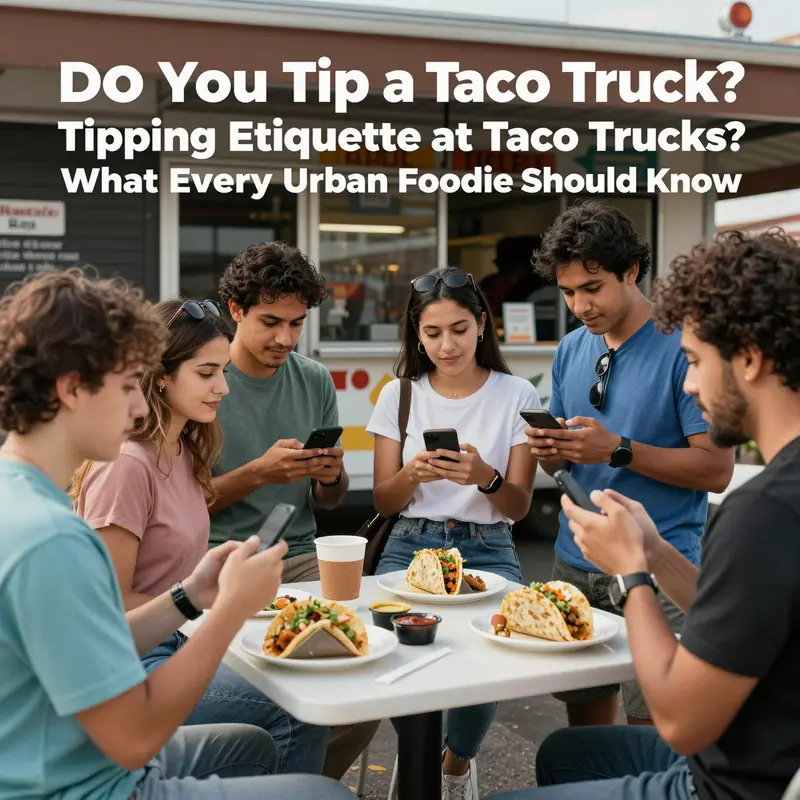
Do you tip a taco truck? The answer isn’t as clear as it once was, and that ambiguity is telling. In many cities, taco trucks operate with the energy and efficiency of a fast-casual specialist while delivering the pleasure of a freshly assembled tortilla with your chosen fillings. As these trucks multiply in dense urban centers and even travel to neighborhoods that lack traditional sit-down options, the etiquette around gratuities is shifting. Diners are learning to read the cues—the line forming, the presence of a tip jar, or a soft prompt on a card reader—and to decide whether a tip is a straightforward courtesy, a practical gesture, or something more essential to the worker who put the meal together.
Over the past decade, tipping standards at food trucks have moved closer to those at brick-and-mortar restaurants, even as the price of admission remains modest. Industry data show that about two-thirds of trucks now accept credit cards, and nearly half display suggested tip amounts at checkout, commonly 15, 18, or 20 percent. That shift isn’t cosmetic. It reflects a broader movement to formalize service norms and to acknowledge that a mobile kitchen is, in many ways, a full-service operation. When you add QR code ordering, table service at some trucks, or longer wait times caused by peak demand, the case for tipping grows stronger, especially for orders that feel personalized or complex.
Inside the truck, the same team may be cooking, taking orders, handling payments, cleaning up, and managing inventory. In many communities, these businesses are small enterprises—often run by a single owner or a tight-knit crew who rely on tips to bridge gaps in wages and benefits. The financial math of a mobile operation is different from a chain restaurant. Breaks, health insurance, sick days, and retirement plans don’t always come as a package deal when a truck goes where customers are hungry. Tipping thus becomes more than a social nicety; it is a shared investment in the people who craft your meal, ensure it travels well, and keep their operations afloat between markets and events.
Public perception around tipping, however, remains uneven. A 2023 survey by the National Restaurant Association showed that just 42 percent of Americans consistently tip at food trucks, compared with 92 percent at sit-down restaurants. The data illuminate confusion more than apathy. For diners, the signal is not always obvious: is the tip expected when a cashier slides your card, when the cook hands you a bag, or only when the truck takes special care with your order? Yet the practical rule of thumb is simple and adaptable. If the setup resembles a full-service or fast-casual dining experience, or if you notice a visible tip jar or an optional digital prompt, a 10 to 15 percent tip is generally appropriate. If the interaction was minimal—say you grabbed a burrito from a window with little exchange—tipping is optional but appreciated.
Noticias aside, it matters how a tip lands in the hands of workers who juggle multiple responsibilities. Some trucks participate in delivery apps, where tipping is automatically included in the checkout flow, while others encourage tipping after the pick-up or at the window. In those cases, the delivery of warmth and care occurs in a few decisive moments: the grind of the meat, the flash of a crisp salsa, the careful fold of a tortilla, and the moment when the customer accepts a hot wrap and a receipt that confirms the purchase. The good tips acknowledge the care that goes into assembling a single order, the extra effort for special requests, and the patience required when a line stretches into the neighborhood block. This is not a moral lecture but an acknowledgment that a tip can be practical support for a hardworking crew.
For larger groups or custom orders, the expectation often leans higher, closer to the 10 to 15 percent range or more, depending on the complexity and the wait. If a group requests unusual fillings, extra sides, or dietary accommodations, the staff may invest more time, coordinating with the kitchen, recalculating portions, and ensuring the final plate meets the guest’s expectations. Those moments of extra attention justify a larger gratuity, just as in any dining charged setting. Conversely, if you pick up a straightforward single-item order with little direct interaction, the tip remains optional but not frowned upon; appreciation can be expressed with a friendly word and a quick thank you, which also reinforces a customer relationship for future visits.
From the operator’s standpoint, tipping plays a role beyond immediate cash flow. It signals demand, supports fair wages on the road, and sustains the flexible schedules that mobile kitchens depend on. In many urban centers, the labor market is tight, and service workers face a higher risk of inconsistent hours and variable benefits. A conscientious tip helps stabilize income and reinforces a culture of respect for the craft of taco making. The practice also nudges customers to consider the broader ecosystem of small businesses that populate street food scenes, where every meal is the product of collaboration among cooks, runners, and cashiers who often rely on tips to supplement base pay.
As diners, our tipping choices also reflect our ethics and expectations. The rise of QR code prompts and card-reader tipping has made gratuity more visible, but it has also loosened the social pressure that used to accompany a hand-to-hand exchange. The decision to tip—whether at a loud curbside window or in a subdued food hall stall—carries an implicit vote for how we value labor in the mobile economy. Some customers see tipping as a form of supporting local entrepreneurship, a way to strengthen small teams that bring culture, flavor, and mobility to neighborhoods that might otherwise miss out on good, affordable meals. Others treat tipping as a straightforward reward for efficient service, the speed with which a cashier can process a payment and a cook can plate something memorable.
For both diners and operators, the tipping conversation benefits from clarity and consistency. In practice, if a truck displays a tip jar or an on-screen prompt, a 10 to 15 percent tip is a reasonable baseline, with adjustments based on the interaction and the order’s complexity. If you are part of a larger group, or you request special ingredients or a customized assembly, consider tipping toward the higher end of that range. If you simply pick up a single item, a smaller tip or no tip is acceptable, especially when the staff has been efficient and the line short. Tipping should feel like a personal choice tied to the quality of the meal and the effort behind it, rather than a rigid rule that dampens the spontaneity of street dining.
To keep the conversation constructive and aligned with best practices, many truck operators are now balancing tips with other forms of recognition, such as leaving a personal note, sharing a kind review, or engaging with the staff about their menu in future visits. While tipping remains a personal decision, it can become part of a broader culture that respects frontline workers across all segments of the food service industry. For operators, embracing tipping as part of a transparent wage mix can help with staffing stability, which in turn supports consistent quality and service even during peak hours or in less predictable markets. The tipping landscape continues to evolve as consumers become more aware of the labor behind meals and as trucks adapt to digital payments and mobile ordering.
For readers who want to relate this to ongoing industry trends, the shift toward tipping in taco trucks mirrors the general drift toward hospitality norms in mobile dining. The same way the broader dining world has learned to recognize the labor involved in delivering a seamless experience, taco trucks invite the same courtesy. Reflecting on your own tipping practices can also be a reminder of the value of community-based food cultures and how small acts of generosity support families and small businesses that bring warmth, spice, and variety to city streets. If you’re curious about how operators are integrating sustainable and scalable practices in mobile food service, consider exploring some of the industry resources that discuss environmental stewardship and worker welfare, such as Sustainable practices for mobile food trucks.
Finally, for readers who want a quick external reference that fits the moment, recent guidance from reputable sources offers a practical frame for tipping at food trucks in 2025 and beyond. The conversation is not about policing generosity; it is about acknowledging the real labor behind the meals that arrive in our neighborhoods and about supporting a resilient, local economy as it continues to adapt to digital ordering, evolving expectations, and changing wage structures. For a concise overview of contemporary etiquette and what to consider when you tip at a truck, see the article linked here: https://www.thespruceeats.com/should-you-tip-at-food-trucks-4786398
Final thoughts
Tipping at taco trucks isn’t just a courteous gesture; it’s becoming an essential part of the urban dining culture. As this world continues to evolve, staying informed about regional practices, the economic impact on workers, and the latest consumer trends will empower every consumer at the taco truck window. Whether you’re a seasoned foodie or a newcomer grabbing lunch on the go, the act of tipping can make a meaningful difference in the lives of those who serve you delicious meals from their trucks.