

Food safety and regulatory compliance are critical components of successful mobile food operations. In an era where health and safety are paramount, adhering to regulations not only protects the public but also ensures that food businesses thrive. Mobile food vendors face unique challenges in maintaining safety standards while navigating complex regulations. This is where the importance of education comes into play, as having the right knowledge can make all the difference.
To support mobile food operators in these endeavors, the THRC fall webinars will provide essential insights into health, safety, and regulatory compliance. These free sessions, running from September to December 2025, will delve into various aspects of operating within the regulatory framework, helping vendors meet the required health guidelines effectively. Join us as we explore the line-up of expert-led sessions designed to empower mobile food businesses to not only comply with regulations but excel in providing safe and delicious food to their customers.
| Date | Topic | Languages Available |
|---|---|---|
| Sep 6, 2025 | Navigating Health Regulations | English, French |
| Sep 13, 2025 | Workforce Safety Protocols | English |
| Sep 20, 2025 | Legal Compliance Essentials | English, French |
| Sep 27, 2025 | Enhancing Employee Productivity | English |
| Oct 4, 2025 | Emergency Preparedness in Mobile Food Ops | English, French |
| Oct 11, 2025 | Managing Food Safety Risks | English |
| Oct 18, 2025 | Understanding Employee Rights | English, French |
| Oct 25, 2025 | Best Practices for Driver Culture | English |
| Nov 1, 2025 | Workplace Interactions | English, French |
| Nov 8, 2025 | THRC Safety Tools Overview | English |
| Nov 15, 2025 | Addressing Employee Leaves | English, French |
| Nov 22, 2025 | Compliance Challenges: A Round Table | English |
| Nov 29, 2025 | Closing Strategies for Mobile Food Operations | English, French |
Food safety is essential in mobile food operations, as it guarantees the health and well-being of consumers while ensuring the longevity of the business. Mobile food vendors must adhere to a myriad of food safety regulations at the federal, state, and local levels. The FDA Food Safety Modernization Act emphasizes preventive measures, requiring vendors to develop risk-based controls to mitigate potential hazards. Compliance is monitored through regular health inspections and licensing requirements specific to each jurisdiction. However, many vendors face safety challenges, such as navigating complex regulatory landscapes and ensuring consistent food safety practices despite limited resources and infrastructure constraints.
For instance, in Texas, recent legislative changes mandate that mobile food vendors obtain annual licenses from the Department of State Health Services, which may complicate compliance for smaller operators. To effectively navigate these challenges, mobile food vendors must prioritize food safety training, equipping themselves with the right knowledge to adhere to compliance measures. With ongoing education and awareness, vendors can face these obstacles confidently, ensuring public health and enhancing consumer trust in their services.
One notable success story in food safety compliance among mobile food vendors is that of Tasty Street Foods, a company operating 18 mobile food units across major metropolitan areas. Facing challenges such as aging equipment, inconsistent food quality, and health code compliance issues, they partnered with Wells Cargo to upgrade their fleet with custom-built food concession trailers. These new trailers featured state-of-the-art kitchen equipment and innovative storage solutions, leading to a 62% increase in revenue and a 38% reduction in operational costs. The modernization also enhanced their ability to maintain consistent food safety standards, contributing significantly to their success. Source
Another example is Chelan Fruit, a grower-owned fruit packing cooperative in Washington. To address inefficiencies in their paper-based food safety documentation, they implemented SafetyChain, a paperless FSQA solution. This transition streamlined their audit preparation, improved data quality, and allowed managers to conduct daily plant walkthroughs, thereby enhancing their food safety compliance and operational productivity. Source
These cases illustrate how investing in modern equipment and digital solutions can significantly improve food safety compliance and operational success for mobile food vendors. Ensuring regulatory compliance is not only vital for upholding public health but also for avoiding penalties and enhancing consumer trust in mobile food services. Through ongoing education and awareness, mobile food vendors can effectively overcome these challenges and maintain high standards of safety and quality in their operations as they adapt to mobile food vendor compliance requirements.
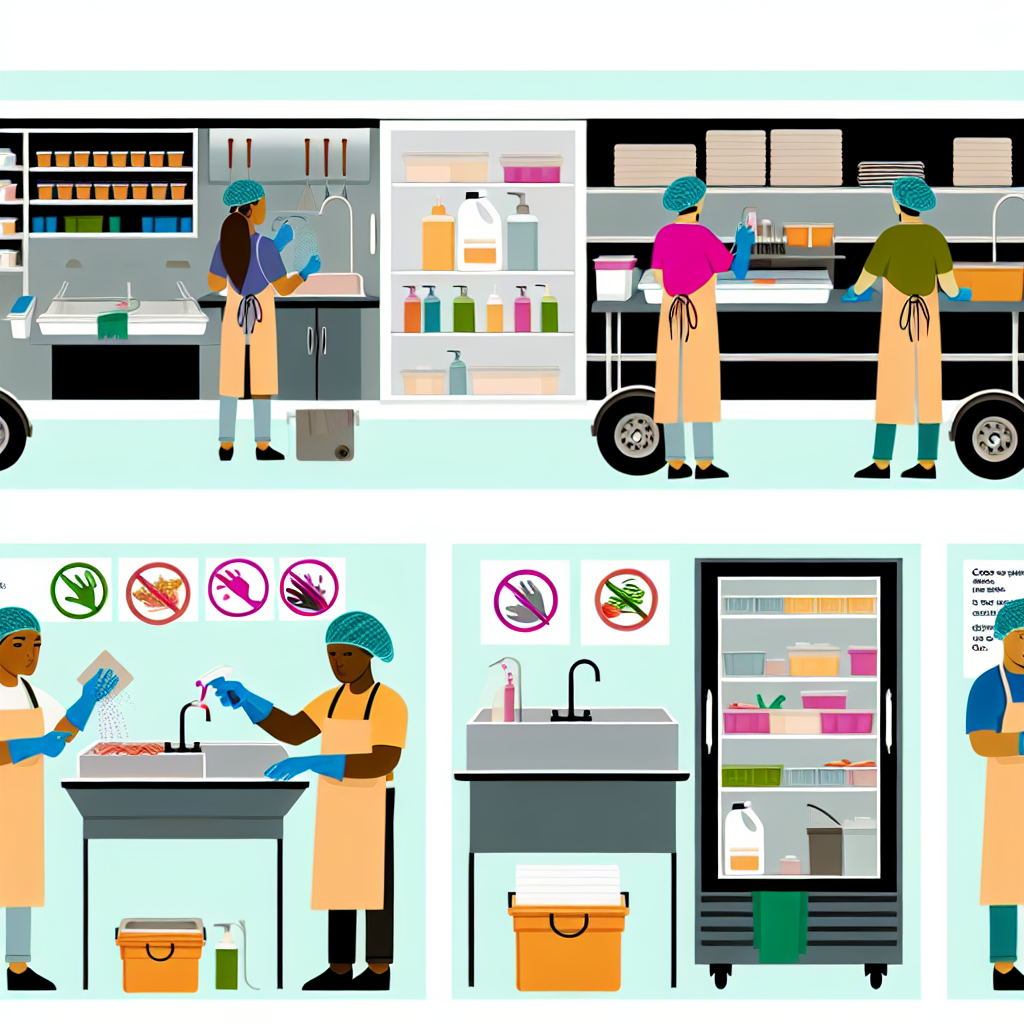
An illustration showing best practices in food safety for mobile food operations, including food handling and cleaning procedures.
Mobile Food Operations Safety Checklist
Ensuring food safety and regulatory compliance is paramount for mobile food operators. Use this checklist to guide your operations and maintain high standards:
Food Storage
- Store foods at the correct temperatures (cold foods < 41°F; hot foods > 135°F).
- Keep raw meat and seafood separate from ready-to-eat items.
- Use labeled containers to avoid cross-contamination.
- Ensure that food storage areas are clean and dry.
Temperature Control
- Regularly monitor food temperatures using calibrated thermometers.
- Use ice packs or refrigerated units for perishable items.
- Implement a first-in, first-out (FIFO) system to ensure freshness.
- Document temperature checks and keep records easily accessible.
Personal Hygiene
- Ensure all staff wash hands thoroughly before handling food.
- Provide clean uniforms and personal protective equipment (PPE).
- Train staff on the importance of personal hygiene and food safety practices.
- Keep bathrooms and handwashing stations stocked with soap and paper towels.
Cleaning and Sanitization
- Clean and sanitize surfaces, utensils, and equipment regularly.
- Use approved cleaning agents and follow the manufacturer’s guidelines.
- Maintain cleanliness in food preparation and service areas.
- Have a cleaning schedule and checklist for daily operations.
Waste Management
- Dispose of food waste in designated, sealed containers.
- Regularly empty trash bins to prevent odor and pests.
- Ensure that waste management practices comply with local regulations.
Equipment Maintenance
- Regularly inspect cooking and refrigeration equipment for functionality.
- Conduct preventive maintenance on equipment to minimize malfunctions.
- Keep equipment manuals on hand for reference and troubleshooting.
Regulatory Compliance
- Ensure all necessary licenses and permits are obtained and up to date.
- Stay informed about changes in local health regulations.
- Schedule regular health inspections and prepare for them in advance.
- Document compliance efforts and keep records for inspection.
Staff Training
- Provide ongoing training on food safety and compliance regulations.
- Conduct regular safety drills, including emergency procedures.
- Create a culture of safety where staff report issues without hesitation.
Emergency Preparedness
- Have an emergency plan for food safety breaches or equipment failures.
- Keep first aid kits readily available and well-stocked.
- Train staff on emergency contact procedures and evacuation plans.
By following this checklist and staying informed about food safety practices, mobile food operators can ensure compliance with health regulations and protect the well-being of their customers.
Mobile Food Operations: Workforce Challenges
Mobile food operations, such as food trucks and catering services, face a myriad of workforce challenges that significantly impact their efficiency and compliance. These challenges include recruitment and retention issues, employee training gaps, and the complexities of legal compliance.
Recruitment and Retention Challenges
The mobile catering industry is notorious for high employee turnover rates, driven largely by the seasonal nature of events and demanding working conditions. This turnover leads to increased training costs and service disruptions during peak seasons, causing potential dissatisfaction among customers. To mitigate these challenges, mobile food operations are adopting competitive wages, flexible scheduling, and offering employee benefits like health insurance and paid time off. Additionally, retention initiatives such as performance bonuses and career advancement opportunities help engage employees long-term, which is crucial in an industry where consistent service quality is essential.
Employee Training and Development
Effective training is vital for ensuring food safety and complying with regulations. However, high turnover and varying staffing levels can hinder the effectiveness of training programs, resulting in rushed onboarding and insufficient training sessions. To address these issues, mobile food operations are increasingly focusing on reskilling and upskilling their workforce. This includes integrating soft skills with technical training in food safety and compliance through mentorship programs and on-demand training courses which can be fitted into operational shifts.
Legal Compliance
Legal compliance remains a significant concern for mobile food operators, particularly concerning labor laws and ensuring adherence to union regulations. Many HR professionals in the sector report a lack of training in labor law compliance, which can lead to inadvertent violations. To navigate this issue, businesses are utilizing workforce management platforms that automate compliance management, flagging potential risks such as overtime violations and ensuring proper scheduling practices.
Connection to THRC Webinars
To tackle these pressing workforce challenges effectively, the upcoming webinars hosted by Trucking HR Canada (THRC) serve as an invaluable resource. These sessions, tailored for the trucking and logistics sector, provide insights and strategies directly applicable to mobile food operations. Topics include innovative HR practices that improve employee productivity, managing employee leave complexities, and effective training methodologies that align with regulatory requirements.
By participating in the THRC webinars, mobile food operators can equip themselves with the necessary tools and insights to overcome workforce challenges, enhance compliance, and ensure operational excellence in their businesses.
Quotes from THRC Webinars for Mobile Food Operators
As Craig Faucette, THRC’s Chief Operating Officer, underscores, “THRC webinars are tailored specifically to the trucking and logistics sector and are not available anywhere else.” This ensures that mobile food operators receive the specialized insights they need to navigate the unique challenges in food safety and compliance.
Furthermore, Faucette emphasizes that, “Our team of in-house experts, economists, and a carefully selected network of legal advisors and specialists deliver the insights and tools our sector needs most — all in one place.”
This tailored approach of THRC highlights its commitment to addressing the industry-specific needs of mobile food operators, ensuring they are equipped with essential knowledge and tools to maintain food safety standards while also succeeding in their businesses. By participating in these free webinars, mobile food vendors can access vital information that directly impacts their operations and enhances their compliance with local regulations.
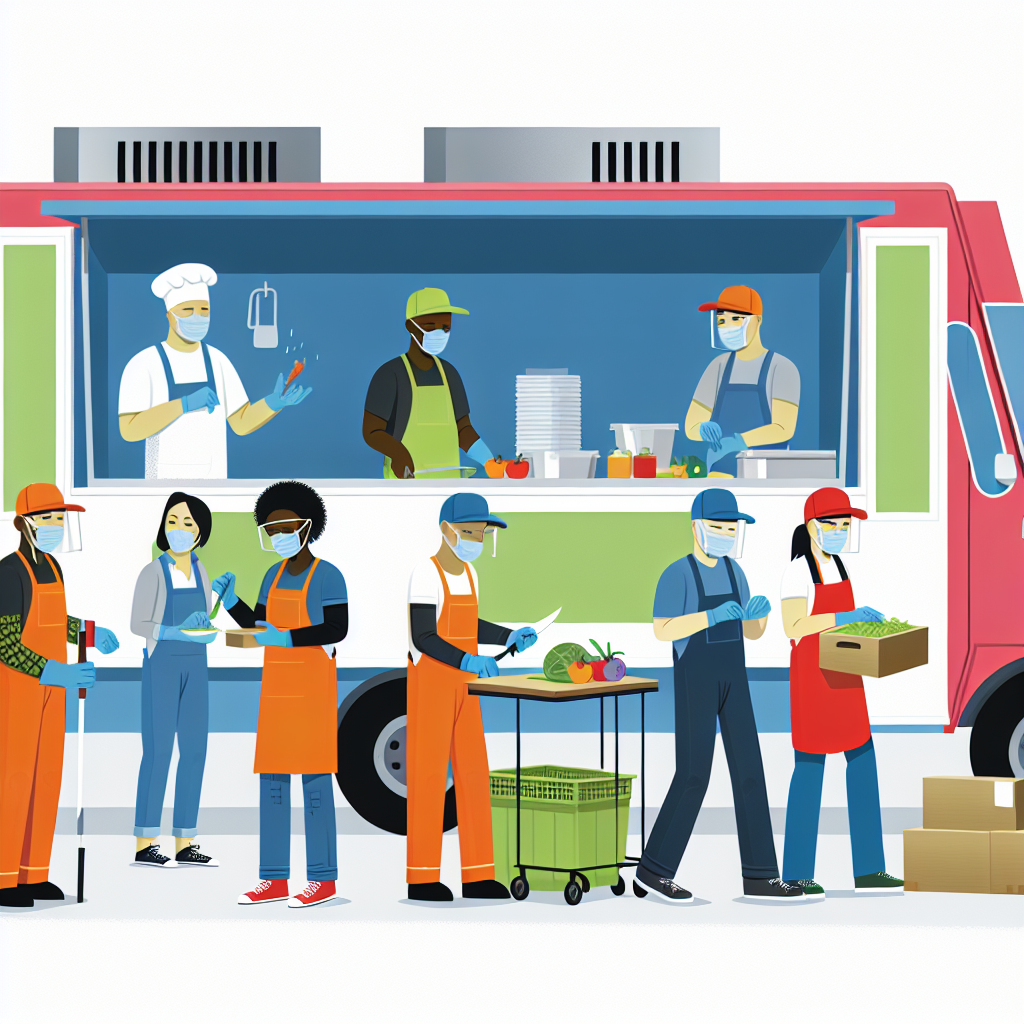
An illustration showing food handlers in a mobile food operation, following safety protocols such as wearing gloves and masks while engaging in proper food handling techniques. This image conveys the significance of workplace interactions and employee productivity within mobile food operations.
In conclusion, participating in THRC’s fall webinars proves essential for mobile food operators seeking to enhance their understanding of food safety and regulatory compliance. These educational sessions provide critical insights tailored to the specific challenges faced in the mobile food industry, covering vital topics such as navigating health regulations, workforce safety, and best practices for maintaining food safety.
By leveraging the extensive expertise of THRC’s team, vendors can gain knowledge that not only fosters compliance with local and federal health guidelines but also elevates their operational practices. It is evident that the ongoing challenges in food safety necessitate support and resources that THRC is dedicated to providing.
Therefore, engaging in these webinars will empower mobile food businesses to consistently deliver safe food, comply with regulations, and establish a reputable presence in their communities. Ultimately, the initiatives fostered by THRC represent a proactive approach to equipping the food service industry with the tools necessary to thrive amidst evolving regulatory landscapes and public health concerns.
Final Call-to-Action
Don’t miss your opportunity to join the THRC fall webinars starting this September! These free sessions, held every Wednesday at noon ET, will provide you with invaluable insights into navigating some of the most pressing HR and safety challenges facing mobile food operations today. Whether you want to understand legal compliance, enhance employee productivity, or learn best practices for food safety, these webinars are designed specifically for your industry. With simultaneous French translation available for many sessions, you can engage fully in the content tailored to your needs.
Spaces are limited, and these exclusive insights from industry leaders won’t be repeated. Register now to ensure you secure your spot and equip your business with the latest knowledge necessary to thrive in a complex regulatory landscape. Don’t wait—sign up today and take the first step towards enhancing your operational excellence!