

The food truck industry is booming, with about 36,000 food trucks operating across America as of 2023. This growth offers entrepreneurs a great chance to enter the culinary scene. Choosing the right food truck model is key to success.
Prices range widely, from affordable options like Diamond Cargo Trailers, costing less than $6,000, to higher-end step vans that can exceed $100,000. Your menu choices, space needed for food prep, and storage will influence your decision on which food truck is best for your business.
This guide will provide practical strategies for selecting the right food truck model to match your unique business vision.
| Food Truck Model | Price Range | Key Features | Benefits |
|---|---|---|---|
| Chevy P30 | $10,000 – $30,000 | Gasoline engine, customizable, spacious | Allows for extensive modifications |
| Freightliner MT45 | $40,000 – $100,000 | Diesel engine, large cargo area, high payload capacity | Ideal for large operations |
| Ford P700 | $35,000 – $70,000 | Available in different sizes, flexible configurations | Excellent resale value |
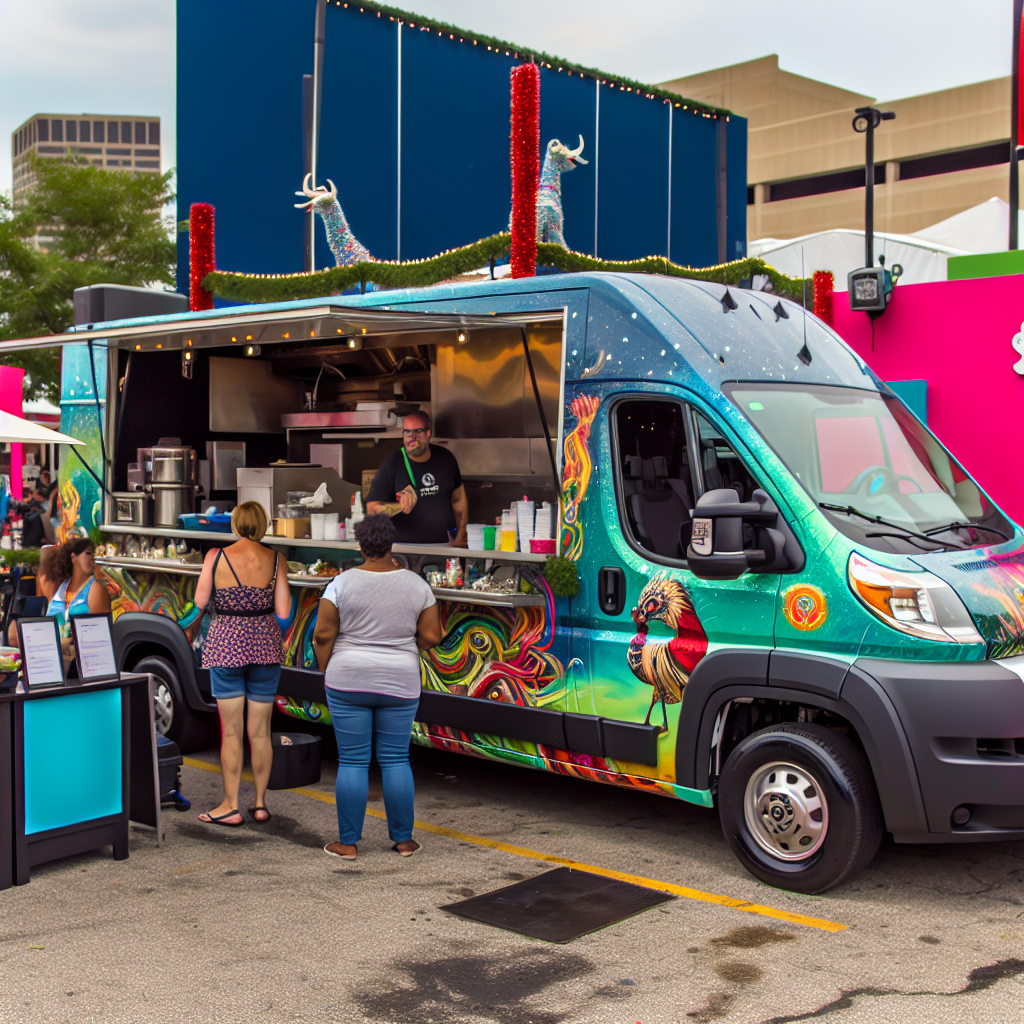
| RAM ProMaster | $44,000 – $60,000 | Front-wheel drive, flexible shelving | Great for city mobility and maneuverability |
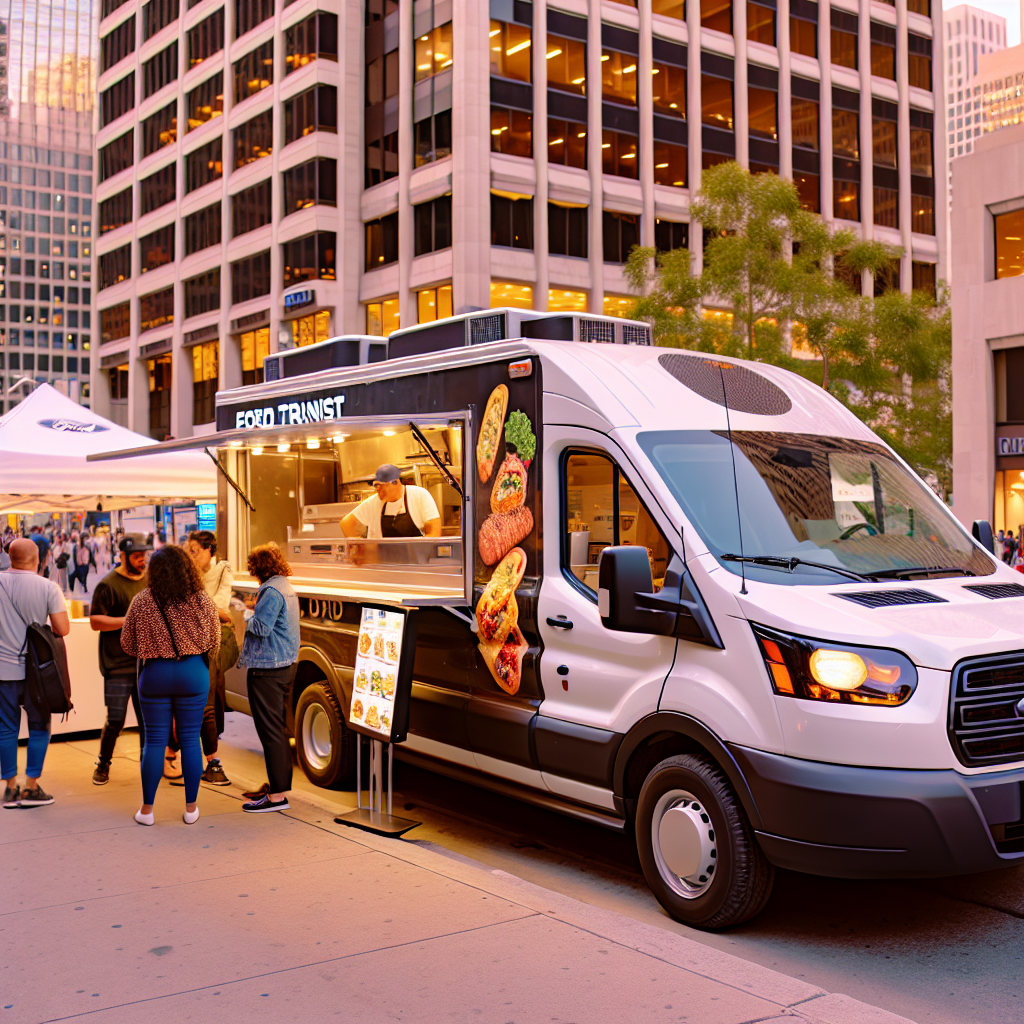
| Ford Transit | $46,000 – $70,000 | EcoBoost engine option, multiple roof heights | Efficient fuel economy |
| Nissan NV Cargo | $30,000 – $50,000 | High roof option, wide opening side door | Versatile interior space |
| Mercedes Sprinter | $45,000 – $70,000 | Advanced safety features, powerful engine options | Reliable and durable design |
| Diamond Cargo Trailers | $5,000 – $10,000 | Lightweight, easy to tow, customizable | Cost-effective for startups |
Choosing the Right Food Truck Model
When it comes to choosing the right food truck model, several practical considerations can shape your decision. First and foremost, your menu plays a pivotal role in determining the truck you choose. As one industry expert puts it, “Your menu determines the equipment you’ll have to have, as well as how much space you need for food prep and storage.” This means that a menu focused on intricate culinary creations may require a model with more sophisticated equipment and space, while a simpler menu could allow for a more compact design.
Equipment Space and Layout
Evaluate what equipment you need based on your menu selection. If you plan to serve grilled items, you might need a grill, fryer, or even a commercial hood vent, which could influence your choice of truck size and layout. Consider the flow of your space as well, which should facilitate an efficient working environment. A well-designed layout ensures your team can serve customers quickly and reduces waiting times.
Storage Needs
Storage capacity is another crucial aspect. Think about where you will store ingredients and equipment. For example, refrigerated storage is vital for many food service operations, and trucks equipped with commercial refrigeration units will provide a consistent supply of fresh ingredients. Space for dry storage, prep tables, and other necessities should also be included in your calculation.
Regulatory Compliance
Lastly, ensure that your chosen model meets local health and safety regulations. Different regions may have specific requirements for food trucks, including power supply needs, water supply, and waste disposal. Verify that your food truck complies in these areas to avoid unnecessary hurdles down the line.
Taking the time to reflect on these aspects will help you select the most suitable food truck model for your unique business needs, ultimately setting you up for success in the competitive food truck market.
Cost Implications of Food Trucks
When considering a food truck business, understanding the costs involved is crucial. The financial investment can vary widely based on the type of vehicle and equipment needed. Below are some key points on the costs associated with food trucks:
-
New Step Vans:
- These larger vehicles can range quite significantly in price, typically costing between $30,000 to over $100,000.
- High-quality models from brands such as Freightliner or Chevy may demand higher-end pricing due to their capabilities and durability.
-
Ford Transit and RAM ProMaster:
- Entry-level prices for dependable models like the Ford Transit and RAM ProMaster usually hover around $44,000 to $60,000.
- Their versatile configurations make them popular among food truck owners, particularly in urban areas due to ease of maneuverability.
-
Smaller Trailers:
- For those on a tighter budget, smaller trailers like Diamond Cargo Trailers provide an affordable option, often costing below $6,000.
- These trailers can be an excellent entry point for startups aiming to keep initial expenses low while testing their food concepts.
-
Additional Costs to Consider:
- Beyond the vehicle cost itself, think about equipment for cooking, storage, permits, insurance, and branding.
- Each of these elements contributes to the overall financial commitment of operating a food truck business, and careful budgeting is essential for long-term success.
Understanding these expenses aids prospective food truck owners in making informed choices that align with their budget and business goals.
Relevant Financial Calculators for Startup Costs
To enhance your understanding of the financial implications involved in starting a food truck business, below are several resources that provide calculators specifically designed for estimating startup costs:
-
Ultimate Food Truck Startup Cost Calculator
- Source: FoodTruckEmpire
- Summary: A comprehensive calculator covering truck acquisition costs (new vs. used), commercial kitchen equipment, permits and licenses, insurance, initial inventory, and marketing expenses. Interactive sliders allow you to customize equipment quality and regional permit costs.
-
Small Business Administration Food Truck Cost Estimator
- Source: SBA.gov
- Summary: This official government tool provides a detailed breakdown of startup expenses including vehicle costs ($50,000-$150,000), equipment ($20,000-$40,000), permits and licenses ($1,000-$5,000), and operating capital requirements, including location-specific permit cost data.
-
Food Truck Financial Planning Toolkit
- Source: Toast
- Summary: A professional-grade calculator with modules for vehicle financing, equipment depreciation, permit tracking, and ongoing operational expenses. It features vendor cost comparisons and regulatory compliance checklists for different states.
-
Mobile Food Business Startup Calculator
- Source: NerdWallet
- Summary: A financial tool focusing on cash flow projections and break-even analysis. It includes templates for tracking permit applications, health department requirements, and insurance costs, and provides average cost data for major metropolitan areas.
Incorporating these tools into your financial planning can greatly assist in understanding the varied startup costs associated with launching your food truck business.
Availability of Used Food Trucks
Discussing the availability of used food trucks is essential for potential buyers. The Chevy P30 is a notable example of a model that, despite being discontinued in 1999, continues to be prevalent in the market. This model reflects the durability and long-lasting appeal of certain food trucks, making it a popular choice among those looking to enter the industry.
Used food trucks offer a more affordable option for entrepreneurs starting in the food business. However, buyers need to carefully evaluate the condition of these vehicles and ensure they comply with local health and safety regulations. It is also crucial to consider any modifications that might be necessary, such as adding cooking equipment or refrigeration units.
Many buyers are turning to platforms and marketplaces that list used food trucks to find their ideal vehicle. For example, reports indicate that average prices for used Chevy P30 food trucks range from $30,000 to $65,000, depending on their condition and equipment.
The market is currently experiencing a tightening of availability, with used food trucks seeing an increase in demand, especially for reliable models like the Chevy P30. Consequently, the availability of quality used P30 trucks typically lies between 45-60 units nationally, with a rapid inventory turnover, often selling within 2-4 weeks of listing.
By exploring the availability of used models like the Chevy P30, potential food truck operators can better understand the current market dynamics and resources available to support their entrepreneurial journey.
User Preferences for Food Truck Models
Understanding the landscape of food truck models is vital for aspiring vendors looking to make the right investment. Based on recent trends and vendor insights, several models stand out as favorites within the industry.
1. Ford E-Series Cutaway Vans
The Ford E-Series cutaway vans have emerged as a top choice among food truck vendors. Their popularity stems from several key factors:
- Reliability: Vendors appreciate the dependability of these models, which translates to less downtime.
- Parts Availability: The widespread use of Ford vehicles means that parts are easy to find and replace, keeping maintenance simple.
- Customization Potential: The cutaway design allows for extensive modifications tailored to individual business needs, whether that be for kitchen equipment, storage, or preparation space.
2. Step Vans
Step vans such as Grumman Olson and Morgan Olson are also highly preferred. Their advantages include:
- Spacious Interiors: Vendors enjoy the walk-in cabin space, which enhances workflow efficiency.
- Durability: Designed for heavy usage, step vans are built to withstand the rigors of daily operation.
- Robust Electrical Systems: Many models come equipped with electrical systems capable of supporting various kitchen appliances, catering to a range of food offerings.
3. Isuzu NPR and Hino Class 4 Trucks
Recently, the Isuzu NPR and Hino Class 4 trucks have gained traction, particularly for their:
- Fuel Efficiency: These models are designed for economic operation, which appeals to vendors looking to cut down on fuel expenses.
- Maneuverability: Both models are popular in urban settings where tight spaces and heavy traffic can inhibit vendor operations.
4. Used Trucks are Popular
Many successful food truck operators lean towards purchasing used trucks, particularly those that are 3 to 5 years old. The reasons include:
- Cost Savings: Buying used provides significant financial relief as new models can be priced steeply.
- Maintenance History: Often, slightly older models have an established maintenance history, providing insights into their reliability.
Conclusion
Ultimately, when determining the best food truck model to invest in, vendors should carefully consider their operational needs, menu specifics, and budget constraints. As industry preferences favor reliable, efficient vehicles with the capability for customization, aligning your choice with these insights can set you on the path to a successful food truck venture.
For further reading, check out the Jalopnik article that discusses vendor preferences in detail.
Conclusion
In conclusion, selecting the right food truck model is a critical aspect of establishing a thriving mobile food business. Entrepreneurs must consider how their menu offerings dictate the necessary equipment and space requirements, which can vary widely across different food concepts. From budget-friendly Diamond Cargo Trailers to more sophisticated step vans, the options available cater to diverse needs and budgets.
Moreover, aligning the food truck model with business goals ensures that vendors can efficiently serve their target market while adhering to local regulations. This comprehensive approach to choosing the appropriate model can greatly influence operational efficiency, customer satisfaction, and ultimately, profitability in the competitive food truck market. By carefully assessing the interplay between vehicle type, menu demands, and business vision, aspiring food truck owners can set themselves up for long-term success.
User Testimonials and Case Studies
Real-world examples offer invaluable insights into how the right food truck model can lead to success. Here are some notable testimonials and case studies from food truck owners who made their model selection carefully:
-
The Middle Feast
Summary: The owners chose a custom-built truck equipped with specialized tools for authentic Middle Eastern cuisine, like a shawarma rotisserie and charcoal grill. This choice helped them maintain authentic cooking methods, improve efficiency by 40%, and exponentially boost revenue by 300% in their first year.
Read More -
Curry Up Now
Summary: This food truck began with a refurbished step van, focusing on affordability and durability. The spacious interior allowed for an efficient workflow and contributed to their rapid growth. This choice kept initial costs low, enabling them to expand to multiple trucks and brick-and-mortar locations.
Read More -
Kogi BBQ
Summary: Kogi BBQ founders opted for a smaller, maneuverable truck model to access prime urban locations. This strategic decision enhanced their ability to attract customers and grow a massive following, significantly impacting their brand’s success.
Read More -
Sustainable Bites
Summary: Investing in an all-electric food truck model became a marketing asset for Sustainable Bites, appealing to eco-conscious customers and reducing operational costs. The initial high costs were offset by significant savings on fuel and increased event permits.
Read More -
Maria Gonzalez
Summary: Switching from a traditional concession trailer to a custom-built step van increased mobility and bookings by 40%. The improved kitchen layout reduced prep time and expanded her menu, directly impacting profitability.
Read More -
Smokehouse Mike’s
Summary: Opting for a concession trailer cut startup costs by 35%, allowing for greater financial flexibility while providing ample space for operations, despite certain trade-offs in mobility.
Read More -
Seoulful Bites
Summary: Transitioning to an all-electric truck not only eliminated recurring fuel costs, but also increased event permits by 20%. Though the setup was pricier, the benefits in terms of energy efficiency and operational freedom were significant.
Read More
These real experiences underline the significance of selecting the right food truck model, as it can markedly affect workflow, mobility, and ultimately, the bottom line.
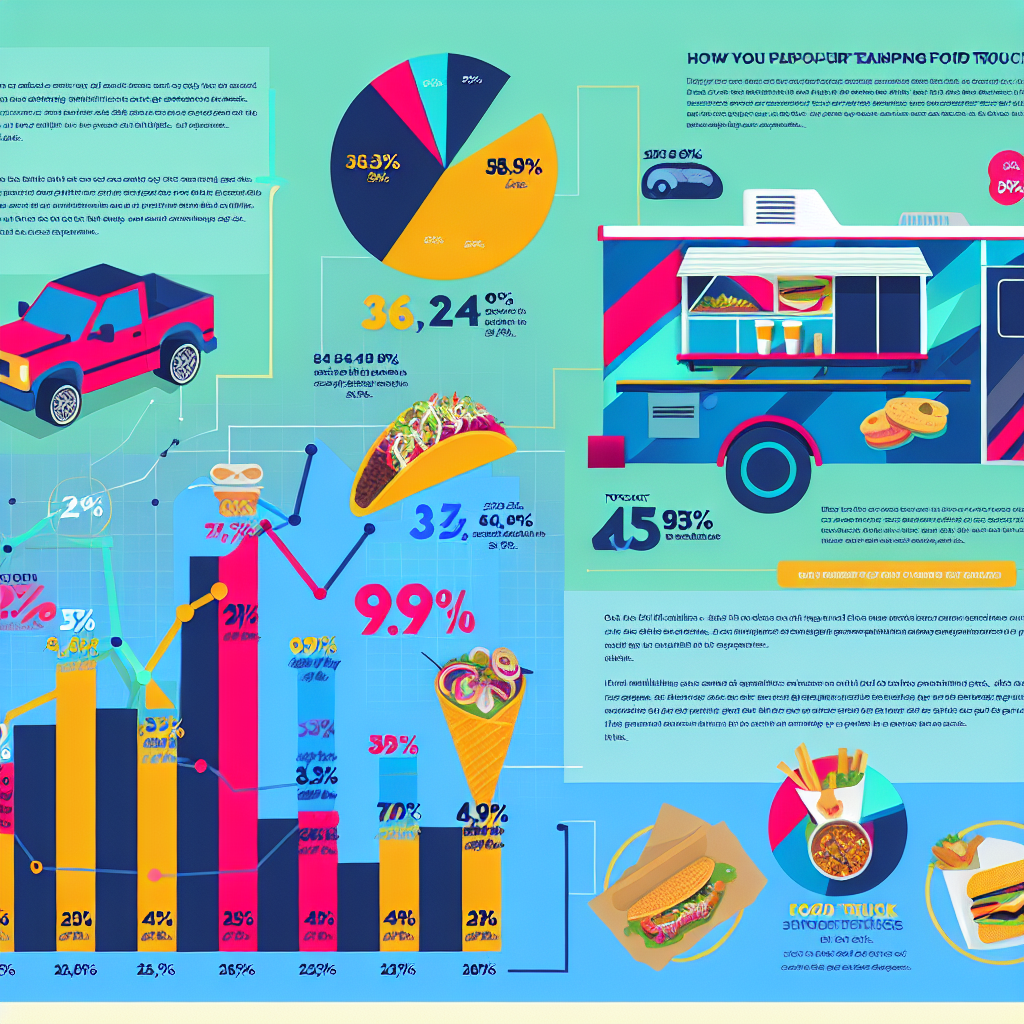
This infographic visually represents the trends in food truck popularity, highlighting the growth in the industry and the key metrics that define its success. This includes the achievement of 36,324 food trucks in operation as of 2023, a 9.9% increase from the previous year, and insights into the preferences of the consumer demographic, specifically millennials who account for 43% of spending.
Food Truck Financing Options and Best Practices
Starting a food truck business involves significant financial investment, and understanding your options for financing is crucial. Entrepreneurs can explore various food truck financing options to cover initial costs and operational expenses. Some popular choices include:
-
SBA Loans: The U.S. Small Business Administration offers loans up to $5 million, ideal for purchasing food trucks and equipment. Applicants typically need good credit and a solid business plan.
Learn More About SBA Loans -
Grants: Various grants, such as the FedEx Small Business Grant Contest, can provide non-repayable funding, helping reduce startup financial burdens.
Explore Grants Available in 2023 -
Crowdfunding: Platforms like Kickstarter enable aspiring food truck owners to raise capital through crowd contributions.
Top Crowdfunding Platforms for Food Trucks
In addition to financing, integrating the best food truck business practices can significantly boost operational efficiency. Some effective strategies include:
- Implementing streamlined ordering systems to improve service speed and reduce wait times.
- Utilizing POS systems that provide real-time analytics for better inventory management.
Best Practices for Operational Efficiency
By combining informed choices regarding financing with effective business practices, food truck entrepreneurs can optimize their operational performance while enhancing customer satisfaction.