
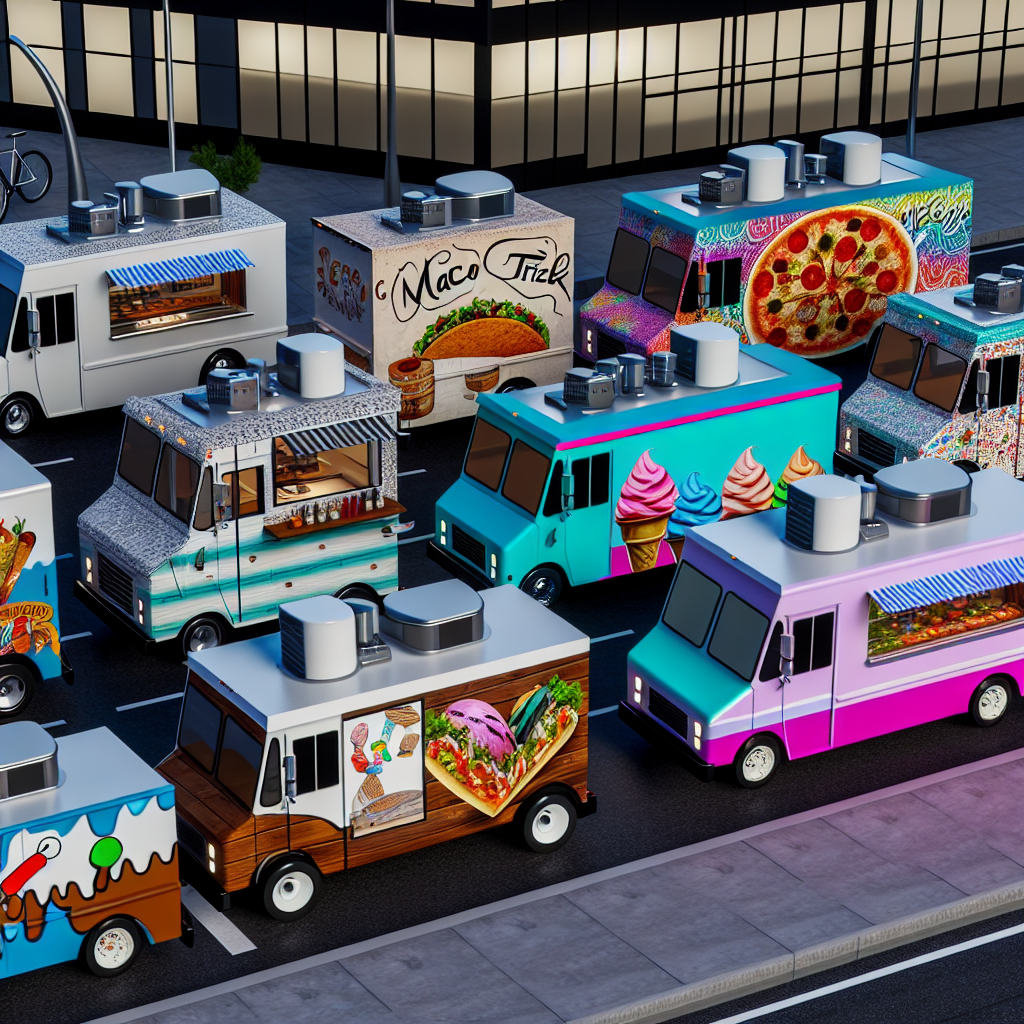
With over 36,000 food trucks operating in the United States as of 2023, the food truck industry is growing significantly. This increase shows that more people are looking for diverse dining options on the go. Additionally, it highlights the entrepreneurial spirit of those eager to launch their own food truck businesses. Whether you are a food lover with a special recipe or an entrepreneur looking for a promising opportunity, picking the right food truck model is essential. In this article, we will explore the best food truck models available and provide insights to help you make the right choice for your food truck adventure.
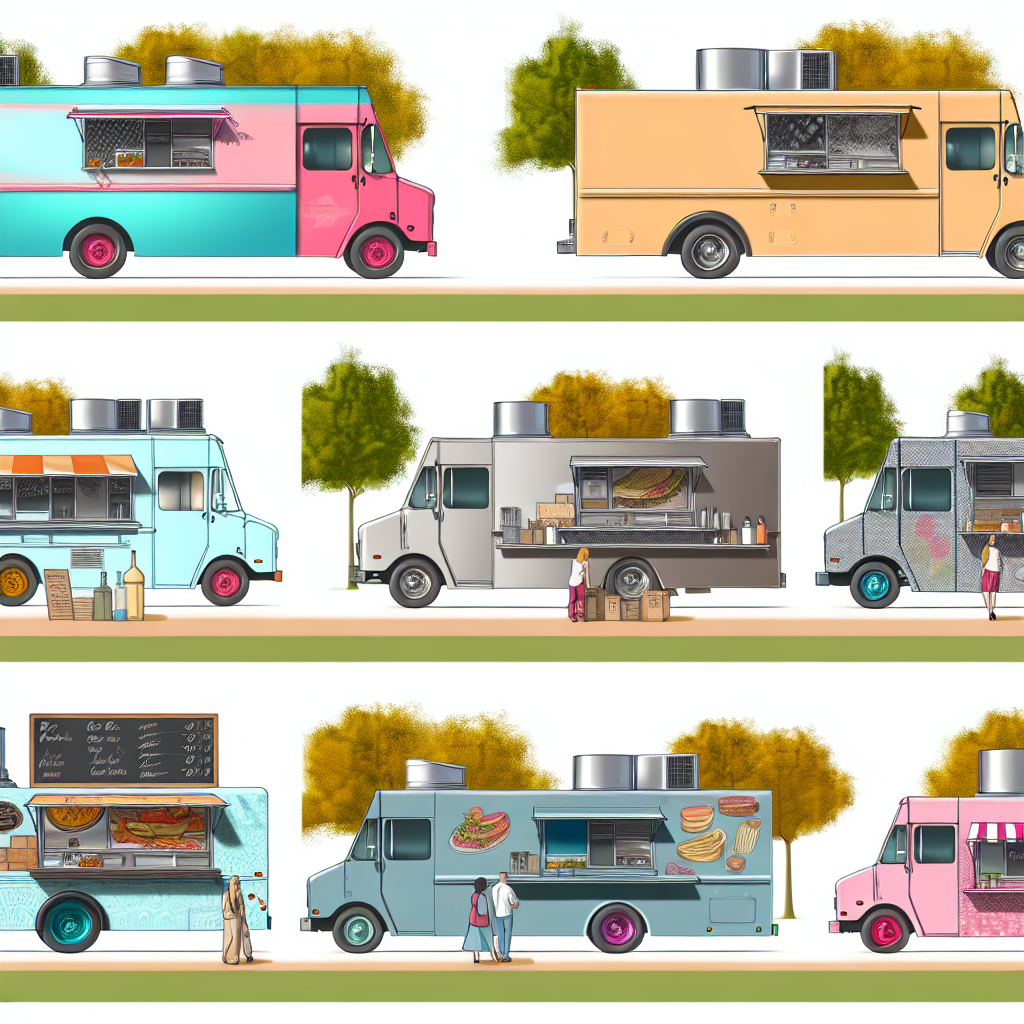
Top Food Truck Models
| Food Truck Model | Price | Size (Length) | Cargo Capacity |
|---|---|---|---|
| P30 | $30,000 | 18 – 22 feet | 400 – 500 cubic feet |
| RAM ProMaster | $44,000 | 19 – 22 feet | 460 – 495 cubic feet |
| Ford Transit | $46,000 | 20 – 22 feet | 487 cubic feet |
| Freightliner MT45 | $80,000+ | 22 – 26 feet | Up to 1,200 cubic feet |
Unique Features of Food Truck Models
When selecting a food truck for launching a culinary venture, the compatibility of various equipment with specific truck models is paramount. Here, we explore some of the most popular food truck models and their notable features, which make them suitable for various kitchen setups.
Ford Transit
The Ford Transit excels in versatility and accessibility, making it a leading choice for food truck operators. This model supports up to 15.4 cubic meters of cargo space and is commonly equipped with pre-wired electrical systems suitable for high-power equipment including grills and pizza ovens. As outlined by a source from Ford Authority, “the Transit can effortlessly accommodate the electrical needs of commercial kitchen appliances with its efficient engine options that include the 2.0L EcoBoost and 2.3L diesel variants”. The spacious interior allows for effective kitchen layouts, enabling chefs to maneuver effectively while preparing dishes.
RAM ProMaster
Known for its unique front-wheel-drive design, the RAM ProMaster is particularly favored for urban food truck operations. The interior height reaches up to 78 inches, thus allowing installation of taller kitchen equipment such as convection ovens and pizza ovens. According to RAM Trucks Commercial, the ProMaster’s vast width is ideal for accommodating functional kitchen layouts. It is built to support aftermarket installations of ventilation hoods and other necessary utilities, reinforcing its utility for accommodating heavy cooking equipment: “Its wide body and low load floor are designed to enhance accessibility, crucial for vendors working in tight spots”. This makes the ProMaster not just functional, but also efficient in busy urban environments.
Freightliner MT45
For those with larger, heavy-duty kitchen needs, the Freightliner MT45 stands out as an exceptional choice. Built on a robust diesel chassis and designed for heavy-duty use, it offers GVWRs up to 14,500 lbs, allowing for the installation of substantial kitchen equipment including built-in mounting points for fryers and refrigerators. A representative from Freightliner notes that “the MT45 is engineered for long-term durability and excellent fuel efficiency, making it a reliable workhorse in the food truck segment”. With options for hydraulic systems, vendors can power necessary equipment like mixers or ice makers seamlessly.
Conclusion
Choosing the right food truck model can profoundly impact your business’s success in the food truck industry. The compatibility of equipment such as pizza ovens, grills, and other essential kitchen appliances with models like the Ford Transit, RAM ProMaster, and Freightliner MT45 significantly influences operational efficiency. Each of these models boasts unique features tailored to meet the diverse needs of food truck operators today, ensuring that the kitchen capability is uncompromised while providing mobility and functionality required for a thriving mobile dining experience.
Cost Analysis for Starting a Food Truck
Starting a food truck business can be an exciting venture, but it is crucial to understand the associated costs. Below is a breakdown of various expenses you can expect:
1. Food Truck Purchase
- New Food Trucks: High-demand models such as the Ford Transit and RAM ProMaster cost around $46,000 and $44,000 respectively. Alternatively, if you are considering used options, a previously owned Nissan NV Cargo can be purchased for under $30,000.
- Food Trailers: If you prefer a trailer setup, a small trailer from Diamond Cargo Trailers can cost less than $6,000, which is a more budget-friendly alternative if your business model permits.
2. Kitchen Equipment
Initial setup for kitchen equipment can range from $20,000 to $40,000 just for essential appliances. This may include:
- Commercial griddle: $2,000 to $4,000
- Refrigerator: $2,000 to $5,000
- Generator: $3,000 to $6,000
- Ventilation system: $2,000 to $4,000
Having a properly equipped kitchen is vital for efficient operations.
3. Licensing and Permits
Depending on your location, permits and licenses can vary significantly, ranging from $500 to $5,000. This includes health department permits costing between $100 to $1,000, and business licenses that range from $50 to $400.
4. Insurance
Don’t forget to factor in insurance, which generally costs between $2,000 and $4,000 annually for a comprehensive policy that covers liability and property insurance.
5. Initial Inventory and Marketing
Initial inventory for food supplies can range from $2,000 to $5,000, depending on your menu. Additionally, setting aside a marketing budget to promote your food truck will enhance your visibility and attract customers. A budget of around $1,000 is a good starting point.
Conclusion
Overall, the total cost of starting a food truck can vary widely, with estimates ranging from $28,000 to over $200,000 based on the choices you make regarding your truck, equipment, permits, and other factors. Therefore, it is essential to conduct thorough research and plan your budget meticulously before embarking on this culinary adventure.
User Testimonials on Preferred Food Truck Models
Gaining insights from user testimonials reveals essential preferences for food truck models:
-
Ford Transit: Rated highly among users, the Ford Transit is celebrated for its fuel efficiency and responsive driving experience. Testimonials often highlight the ease of maneuvering in urban areas, making it a favorite for entrepreneurs new to the food truck scene. Its modern driver assistance features and extensive service network enhance value, with many choosing it for its availability in pre-built conversions, as noted in
FoodTruckr and
Mobile Cuisine. - RAM ProMaster: Users favor the RAM ProMaster for its front-wheel-drive system, which provides superior traction and stability in challenging weather conditions. Its wide, square cargo area maximizes interior space for food preparation. Testimonials commend the low load floor height, easing the process of loading and unloading equipment, along with robust aftermarket support mentioned in expert reviews.
-
Chevy Express: Long-term food truck operators highly recommend the Chevy Express due to its reliability and low ownership costs. Many users report that these trucks can exceed 200,000 miles with appropriate maintenance, along with affordable used options and inexpensive parts, making it an ideal choice for startups, as pointed out by
Food Truck Empire. -
Freightliner MT45: This model is favored for its heavy-duty construction, catering to businesses needing extensive equipment setups. Users highlight the diesel engine option for its fuel efficiency and long-lasting performance, making it suitable for high-demand cooking operations without stressing the vehicle’s chassis. Insights from the
Truck & Trailer Blog support this preference.
In conclusion, user feedback emphasizes the necessity for food truck models to balance reliability with functional design, increasing operational effectiveness alongside driver comfort and efficiency.
Conclusion
Choosing the right food truck model is essential for succeeding in the mobile food business. The versatility of models like the Ford Transit and RAM ProMaster provides operators with operational efficiency and adaptability. The Chevy Express is recognized for its cost-effectiveness and reliability, while high-performance options such as the Freightliner MT45 cater to businesses with extensive kitchen needs.
When making a selection, understanding your specific menu requirements and service style significantly influences the decision. These models are tailored to meet diverse needs, ensuring that essential kitchen equipment can be incorporated without compromising functionality or mobility during service.
As you venture into the food truck industry, consider parameters like vehicle functionality, customer service logistics, and associated costs for a holistic approach. By analyzing your options and aligning them with your business strategy, you will increase the likelihood of long-term success. Now, take the insights gathered and start your journey in this exciting industry with the right food truck that supports your culinary ambitions.
FAQ About Starting a Food Truck
-
What is the best food truck model for beginners?
Choosing the right food truck model is crucial. Beginners often prefer versatile and reliable models like the Ford Transit or RAM ProMaster. Both have good fuel efficiency, ample cargo space, and a wide range of configurations to suit different menu needs. It is important to assess your specific cuisine and needed equipment to select a model that accommodates everything comfortably.
-
What licenses do I need to start a food truck?
Licensing requirements vary by location but generally include a business license, food service permits, and health department permits. Expect to invest between $500 to $5,000 for the necessary licenses, with health permits typically costing between $100 to $1,000. You should check with your local health department or small business administration for specific guidelines in your area.
-
What equipment do I need for my food truck?
Essential equipment depends on your menu but typically includes a commercial-grade griddle, refrigerator, generator, and ventilation system. The initial setup can range from $20,000 to $40,000 for appliances. Consider your business model and whether you need specialized items, such as a deep fryer or pizza oven, which may require additional upfront investment.
-
How much can I expect to spend on a food truck?
The investment for starting a food truck business can vary significantly, with total costs ranging from $28,000 to over $200,000. Key factors include the cost of the truck, kitchen equipment, licensing, and initial inventory. It’s essential to outline a detailed budget before starting your venture to ensure you have adequate funding.
Visual Descriptions for Images and Charts
Food Truck Models Image
This image illustrates a variety of food truck models, showcasing their distinct styles and designs. It highlights the unique aesthetics and functionality of each model available in the food truck industry, providing potential food truck owners with insights into their choices.
Food Truck Models Comparison Table
The table comparing different food truck models details essential specifications, including price, size, and cargo capacity. This glance allows aspiring food truck owners to weigh their options effectively based on their business needs and budget.
Essential Food Truck Equipment Image
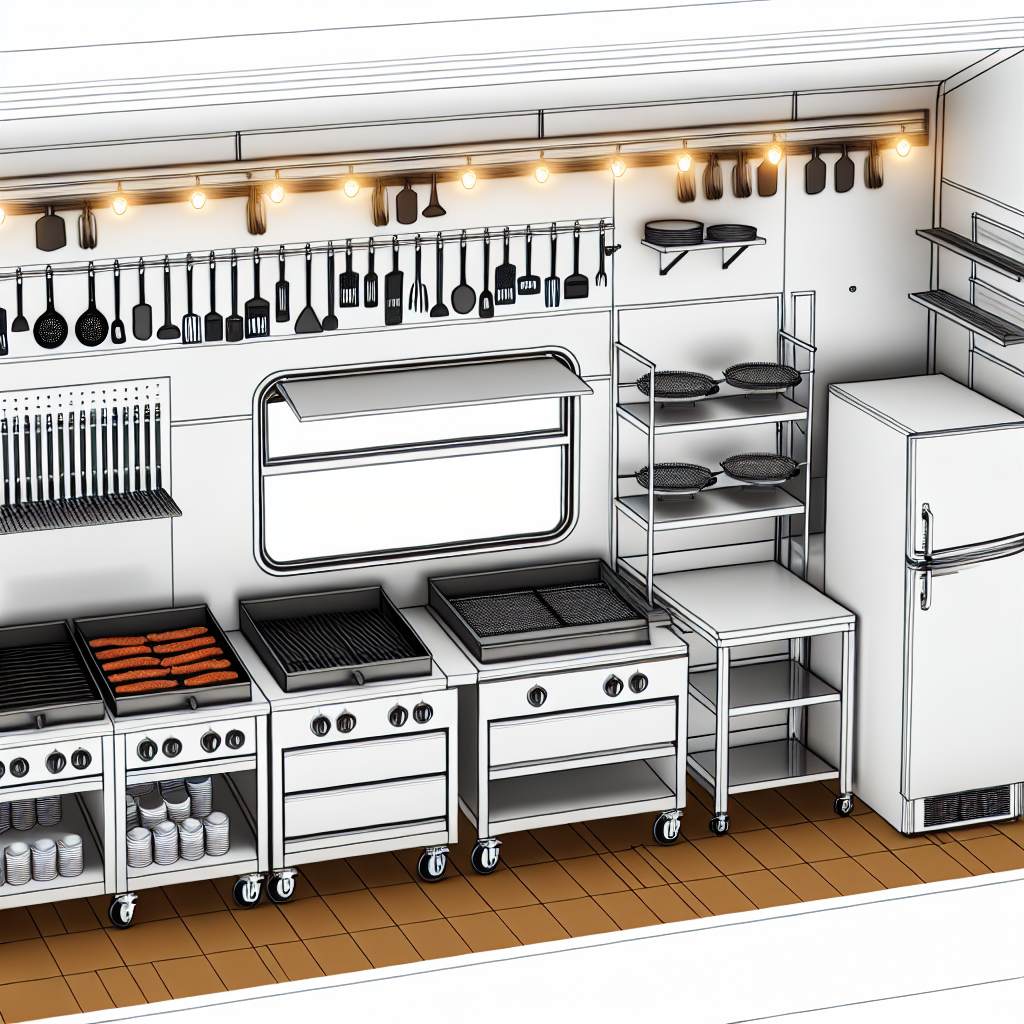
This visual representation depicts essential food truck equipment, including grills and fryers, strategically arranged to show the items necessary for a functioning mobile kitchen. It emphasizes the importance of choosing the right equipment for efficient operations.
Conclusion
These images and data visualizations enhance understanding by offering context on food truck model choices and essential equipment setups. This visual support assists readers in making informed decisions as they embark on their food truck journey.
SEO Optimization for Food Truck Business
To enhance the visibility of your food truck business online, it is essential to incorporate SEO strategies into your content. Utilizing related keywords such as ‘food truck business tips’ and ‘mobile kitchen requirements’ within your content is imperative. For example, in the FAQ section, addressing common queries with these keywords can benefit search engine rankings. Additionally, create detailed blog posts that emphasize best practices surrounding these keywords to attract more visitors and potential customers.
You can find detailed tips on optimizing content for food trucks in the following sources:
- Food Truck SEO: 21 Tips to Drive More Customers to Your Truck (2023)
- Mobile Kitchen Requirements & Regulations: A Complete Guide (2023)
- How to Optimize Your Food Truck Website for Local SEO (2023)
Incorporating these keywords organically will not only improve your site’s visibility but can also establish your authority in the food truck industry by providing valuable insights into food truck operations and requirements.